
Everest View Trek Nepal – The Best Short Everest Trek
19 Feb 2026
Standing face-to-face with Mount Everest doesn't require weeks of grueling trekking or extreme altitude exposure. The Everest View Trek Nepal offers o...

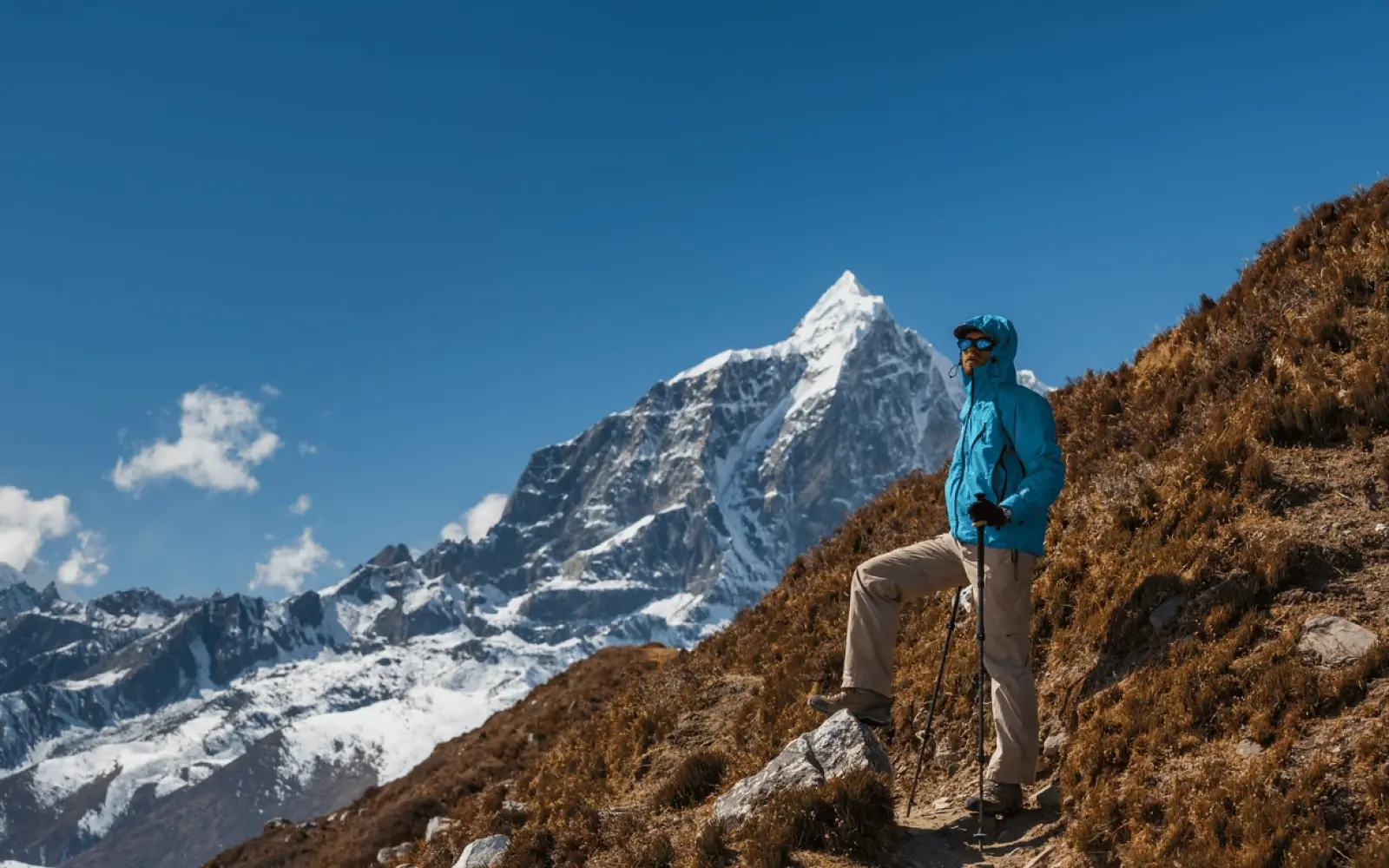

The best treks in the Everest region are the classic Everest Base Camp Trek (14 days, 5,545 m at Kala Patthar), the quieter Gokyo Ri Trek (12 to 14 days, 5,357 m), and the demanding Everest Three Passes Trek (18 to 21 days). For shorter holidays, the Everest Panorama Trek and Pikey Peak Trek deliver full Everest views below 4,100 metres in nine to ten days.
From the classic base camp route to remote alpine passes and high-altitude lakes, the Everest region offers diverse trails. These top 10 treks cater to varying fitness levels, time constraints, and adventure preferences, all beginning with a scenic, 35-minute mountain flight from Kathmandu to Tenzing-Hillary Airport in Lukla.
What are the best treks in Everest and Khumbu region? The right answer depends on three things: how many days you have, how your body handles altitude, and whether you want the famous trail or the empty one.
We have guided Everest treks across every valley of the Khumbu, and here is the truth most lists of treks around Mt Everest skip: there is no single best trek. There is a best trek for your time, your fitness, and your appetite for crowds. This guide ranks all ten Everest hikes and tells you exactly which one is yours.
| # | Trek | Duration | Max Elevation | Difficulty |
|---|---|---|---|---|
| 1 | Everest Base Camp Trek | 14 days | 5,545 m | Moderate |
| 2 | Gokyo Lakes & Gokyo Ri Trek | 12–14 days | 5,357 m | Moderate |
| 3 | Everest Three Passes Trek | 18–21 days | 5,535 m | Challenging |
| 4 | EBC via Gokyo & Cho La | 16–18 days | 5,545 m | Challenging |
| 5 | Everest Panorama Trek | 9 days | ~3,880 m | Easy–Moderate |
| 6 | EBC Trek with Heli Return | 9–12 days | 5,545 m | Moderate |
| 7 | Gokyo and Renjo La Pass Trek | 13–15 days | 5,360 m | Challenging |
| 8 | Ama Dablam Base Camp Trek | 10–12 days | 4,600 m | Moderate |
| 9 | Pikey Peak Trek | 10 days | 4,065 m | Easy–Moderate |
| 10 | Jiri to EBC Classic Route | 20–24 days | 5,545 m | Moderate |
All ten Everest trekking routes are built from the same three valleys. From Lukla, the main mount Everest hiking trail runs north to Namche Bazaar, where the region splits like a trident. The eastern valley follows the Khumbu Glacier to Everest Base Camp and Kala Patthar. The central valley climbs past the Ngozumpa Glacier to the Gokyo Lakes.
The western valley, the quietest, crosses Renjo La toward the old Tibet trade route. The Three Passes Trek stitches all three together; the shorter Everest trails each claim one. South of Lukla, outside the national park, sit the green foothill routes, Pikey Peak and the Jiri approach, where crowds thin to nothing and Everest appears as a distant white pyramid rather than an overhead wall.
For a valley-by-valley breakdown with distances and elevations, see our Nepal EBC trek map and route overview.
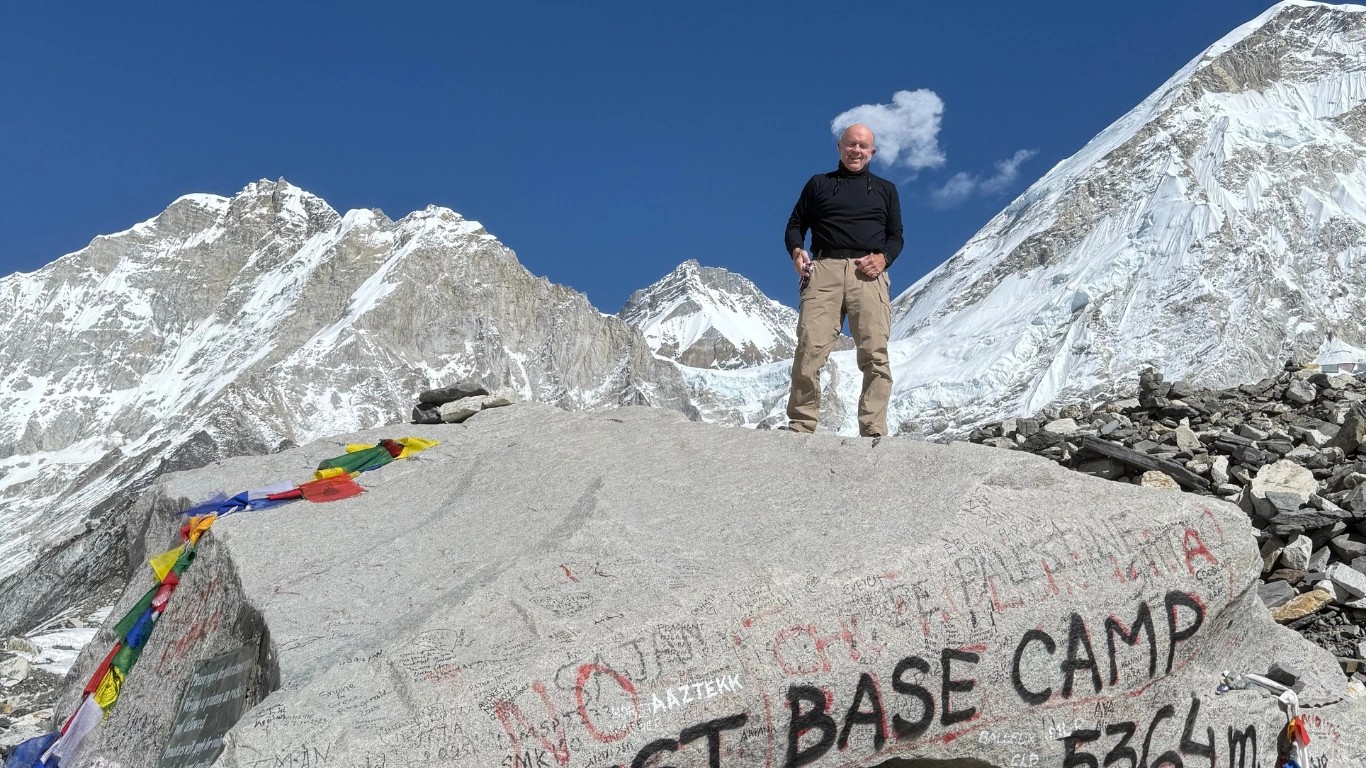
Duration: 14 Days | Moderate | Max. 5,545 Meters | Teahouses | March-May/Sept-Nov
The world's most famous trek | Stand at the foot of Everest
The Everest Base Camp Trek is the icon of mount Everest trekking, and it earns the reputation. This 14-day journey climbs from Lukla at 2,860 meters along the Dudh Koshi river to Namche Bazaar, the bustling Sherpa capital of the Khumbu.
The trail passes Tengboche Monastery, the spiritual heart of the region, before crossing Dingboche and Lobuche to reach Everest Base Camp at 5,364 meters. Inside Sagarmatha National Park, you may spot Himalayan tahr, musk deer, and the colorful Danphe pheasant, Nepal's national bird.
Here is what most operators will not tell you: base camp itself is not the view. Everest hides behind Nuptse from the camp. The real prize is Kala Patthar at 5,545 meters, where dawn lights up Everest, Lhotse, Nuptse, and the Khumbu Icefall in a single frame. It is the finest ground-level view of Everest in Nepal.
Expect around 130 kilometers of walking round trip, 5 to 7 hours daily, with acclimatization days built in at Namche and Dingboche. Teahouses on this trail are the best in Nepal, with hot showers, varied menus, and Wi-Fi at most stops.
If two weeks of walking sounds long, the same route runs with a helicopter return from Gorak Shep, cutting the trip to 9 to 12 days. Learn the full route before you go with our Sagarmatha National Park trekking guide.
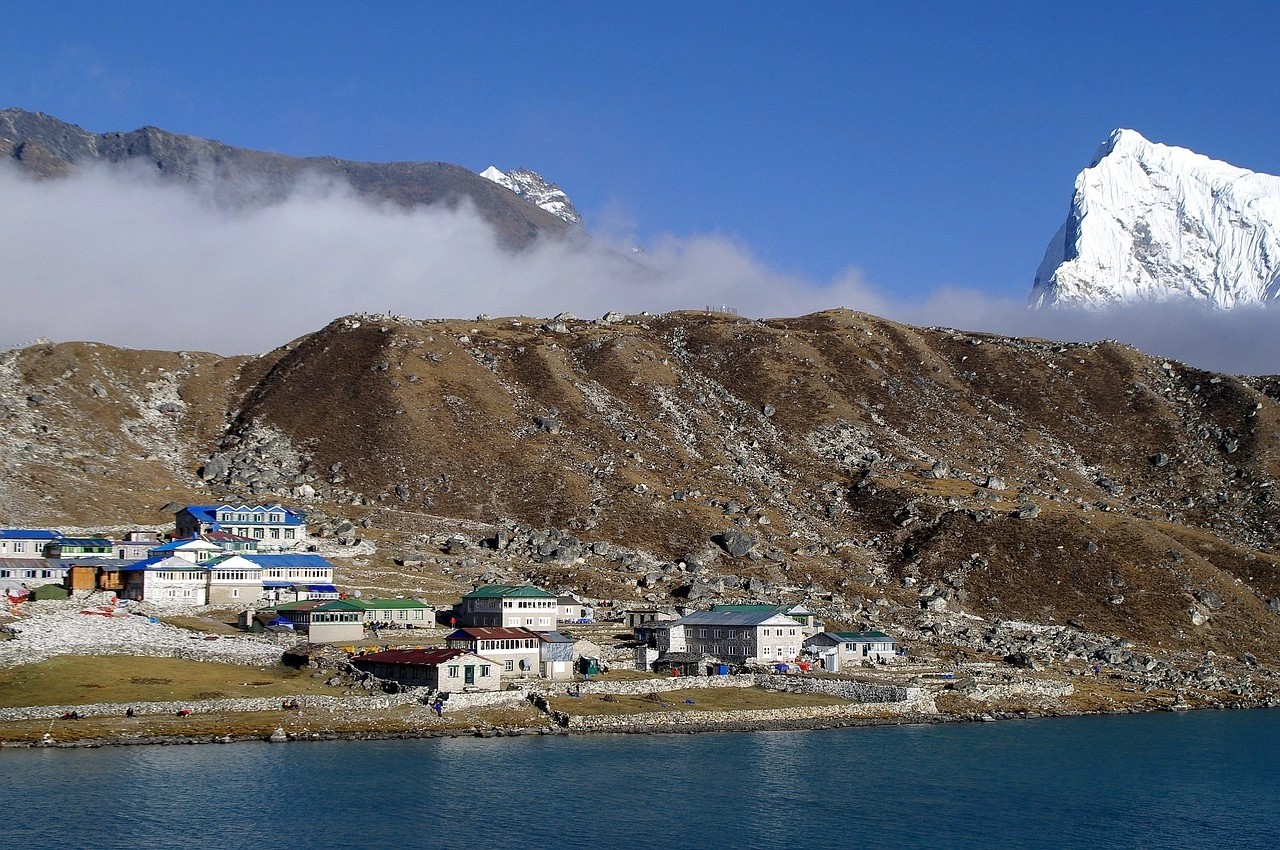
Duration: 12-14 Days | Moderate | Max. 5,357 Meters | Teahouses | March-May/Sept-Nov
Six turquoise lakes | Four 8,000-meter peaks in one panorama
The Gokyo Ri Trek is the beautiful alternative among Everest treks: scenery every bit as dramatic as the base camp trail, with a fraction of the traffic. The route splits from the main trail above Namche and follows the central valley past yak pastures into a basin of six glacial lakes, among the highest freshwater lake systems in the world.
The lakes are sacred to both Hindus and Buddhists, and pilgrims bathe here during the Janai Purnima festival each August. Beside them stretches the Ngozumpa Glacier, the longest glacier in Nepal.
The summit moment is Gokyo Ri at 5,357 meters. From the top you see Everest, Lhotse, Makalu, and Cho Oyu in one sweep, above a chain of sapphire lakes. Many guides who have climbed both quietly rate this view above Kala Patthar.
The only trade-off is the name: you skip base camp itself, which matters if that certificate moment is your goal.
If this trek is not challenging enough, extend it over Renjo La with our Gokyo and Renjo La Pass Trek [confirm slug], which adds the region's quietest high pass. Read our complete Three Passes route guide to see how the Gokyo valley fits the wider region.
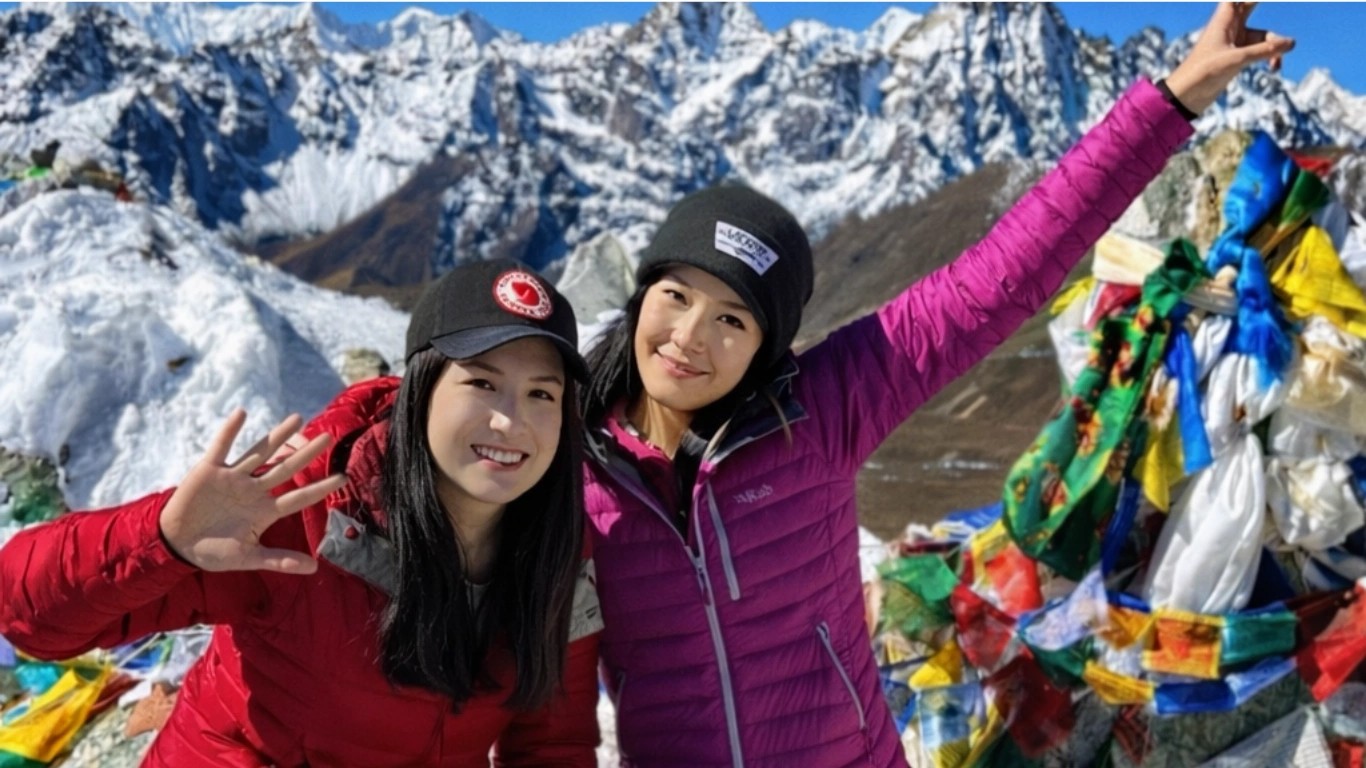
Duration: 18-21 Days | Challenging | Max. 5,535 Meters | Teahouses | March-May/Sept-Nov
The complete Khumbu circuit | Three passes, two base camps, every viewpoint
This is the trek the other Everest treks are pieces of. The Three Passes route links every valley in the Khumbu by crossing Kongma La (5,535 m), Cho La (5,420 m), and Renjo La (5,360 m), collecting Everest Base Camp, Kala Patthar, the Gokyo Lakes, and Gokyo Ri in a single circuit.
Cho La involves a glacier crossing where microspikes and sometimes fixed ropes come into play. Most groups run the circuit counter-clockwise, Kongma La first from Chhukung, because that direction acclimatizes better. The return leg passes through Thame, a beautiful Sherpa village most trekkers never see.
With proper acclimatization, success rates run around 85 to 90 percent. Weather is the main factor that closes passes, which is why our itinerary carries contingency days.
This is not a first Himalayan trek. It rewards trekkers who have already been above 4,000 meters and want everything the region holds, with the crowds left behind on the passes.
If you are not ready for three passes yet, start with the Everest Base Camp Trek and return for this one. Study the full crossing schedule in our day-by-day 3 Passes itinerary.
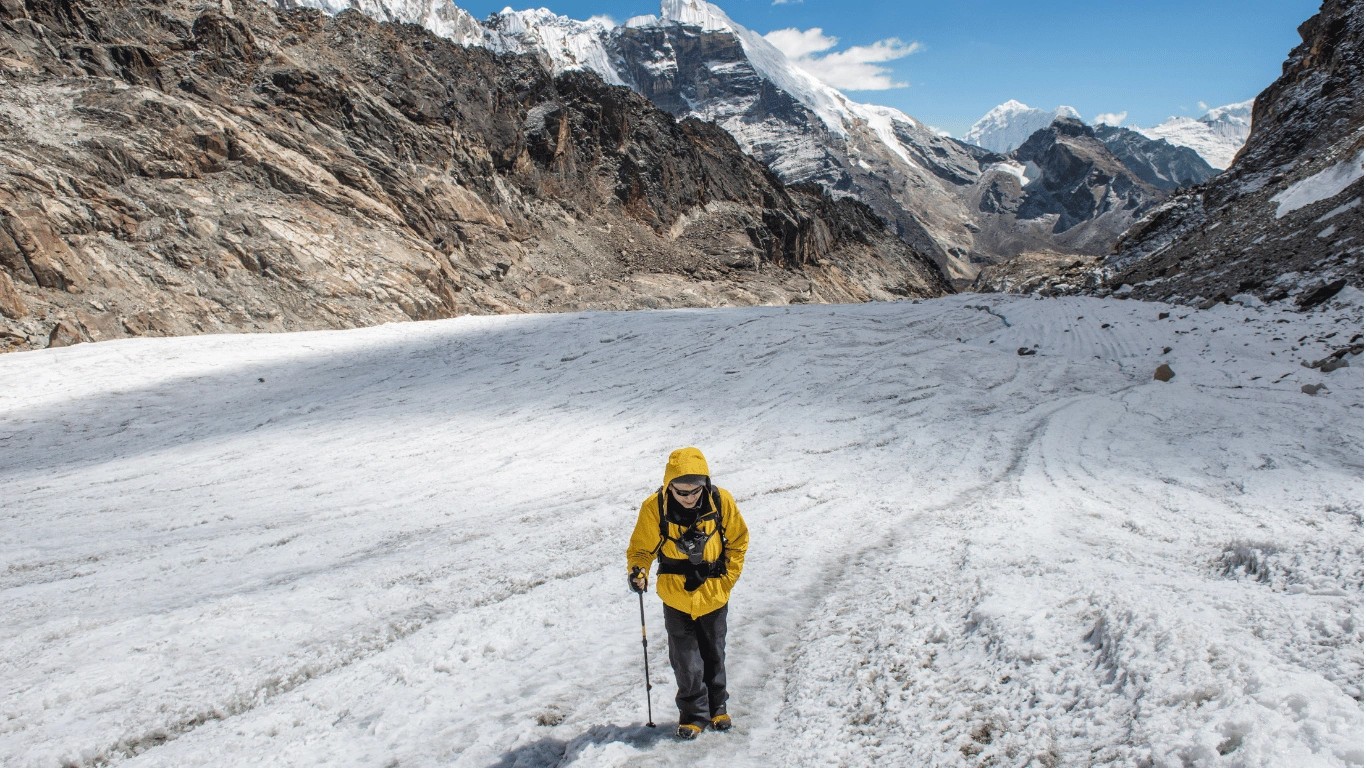
Duration: 16-18 Days | Moderate-Challenging | Max. 5,545 Meters | Teahouses | March-May/Sept-Nov
Base camp and the lakes in one trip | One pass instead of three
Cannot choose between base camp and the Gokyo Lakes? This route does both with a single crossing. The itinerary ascends the quiet Gokyo valley first, climbs Gokyo Ri for the four-peak panorama, then crosses the glaciated Cho La at 5,420 meters to join the main trail for Everest Base Camp and Kala Patthar.
Climbing the Gokyo side first builds a natural acclimatization profile, so you arrive at base camp better adapted than trekkers who came straight up the main valley.
Cho La is a genuine high crossing. Winter snow can close it, which pushes this route into the spring and autumn windows more firmly than the standard trails.
For trekkers with 16 to 18 days, this is the strongest value itinerary in the region: two of the three valleys, both signature viewpoints, and only one pass day of real difficulty.
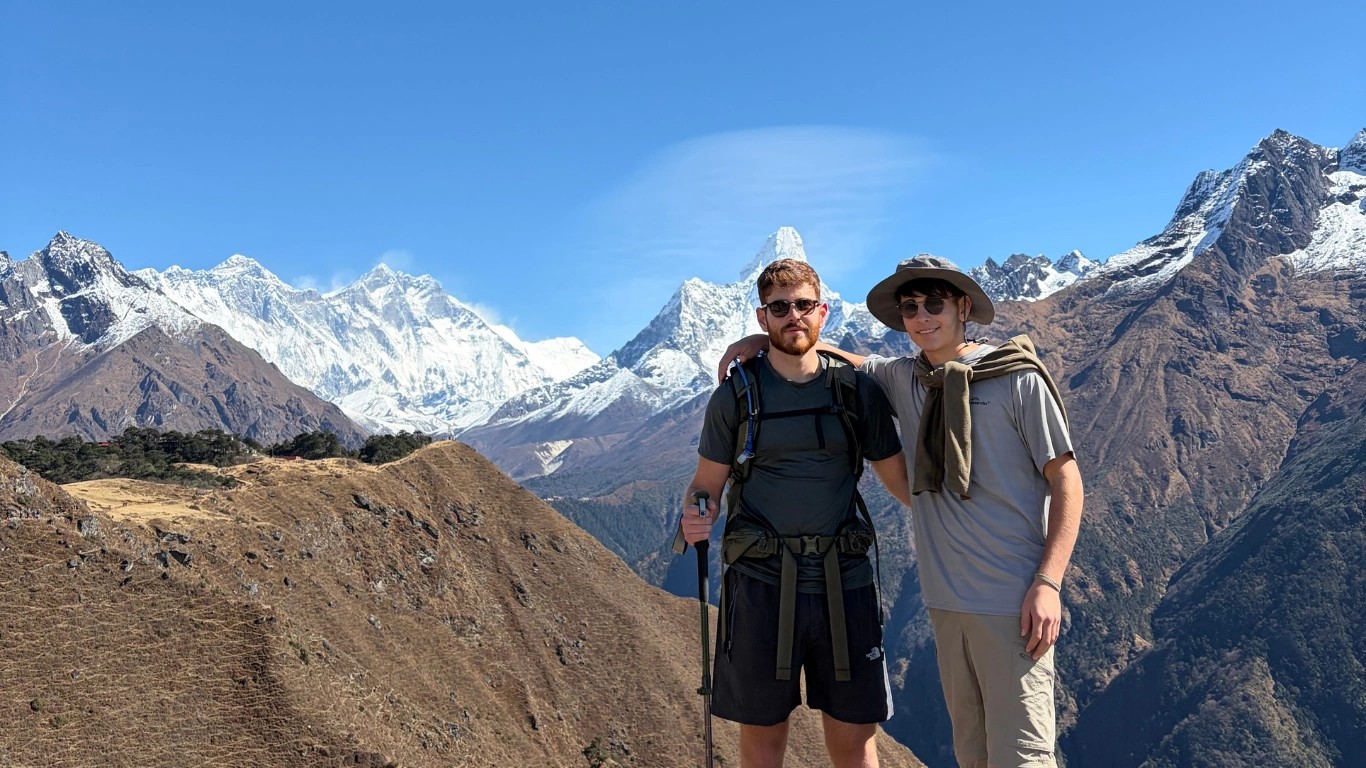
Duration: 9 Days | Easy-Moderate | Max. 3,880 Meters | Teahouses | March-May/Sept-Dec
The best short trek to Everest | Full views, low altitude, nine days
Not everyone has three weeks or wants to sleep above 5,000 meters, and you do not have to. The Everest Panorama Trek is the definitive short trek to Everest, climbing only as far as Tengboche at around 3,880 meters.
The views give up nothing: Everest, Lhotse, and Ama Dablam fill the horizon from the Tengboche ridge, and the route includes both cultural anchors of the Khumbu, Namche Bazaar and Tengboche Monastery. Time it right and you can watch the monks' morning prayer ceremony with Ama Dablam framed in the window.
At this elevation serious altitude sickness is rare, which makes this Everest hiking tour the best fit for families, older trekkers, and anyone whose leave allows Everest short trekking but not a full base camp itinerary.
At USD 950, it is also the most affordable entry into the region on this list.
Duration: 9-12 Days | Moderate | Max. 5,545 Meters | Teahouses + Heli | March-May/Sept-Nov
Trek the full ascent | Fly home in 45 minutes
The descent from base camp takes three days of retracing your steps. This itinerary replaces them with a 45-minute helicopter flight from Gorak Shep or Lobuche, cutting the trip to 9 to 12 days while keeping every meter of the ascent: Namche, Tengboche, base camp, and the Kala Patthar sunrise.
The flight becomes a highlight in itself. The entire route you walked unrolls beneath you, from the Khumbu Glacier down the Dudh Koshi gorges to Lukla.
Because the walking days all point uphill, your acclimatization profile stays identical to the full trek. Nothing about the altitude safety changes; only the repeated trail disappears.
The trade-off is cost. Helicopter seats price well above the walking descent, typically adding USD 400 to 600 per person on a shared flight.
If budget matters more than days, the classic Everest Base Camp Trek walks both directions for less. Check flight logistics and season notes in our best time to trek in Nepal guide.
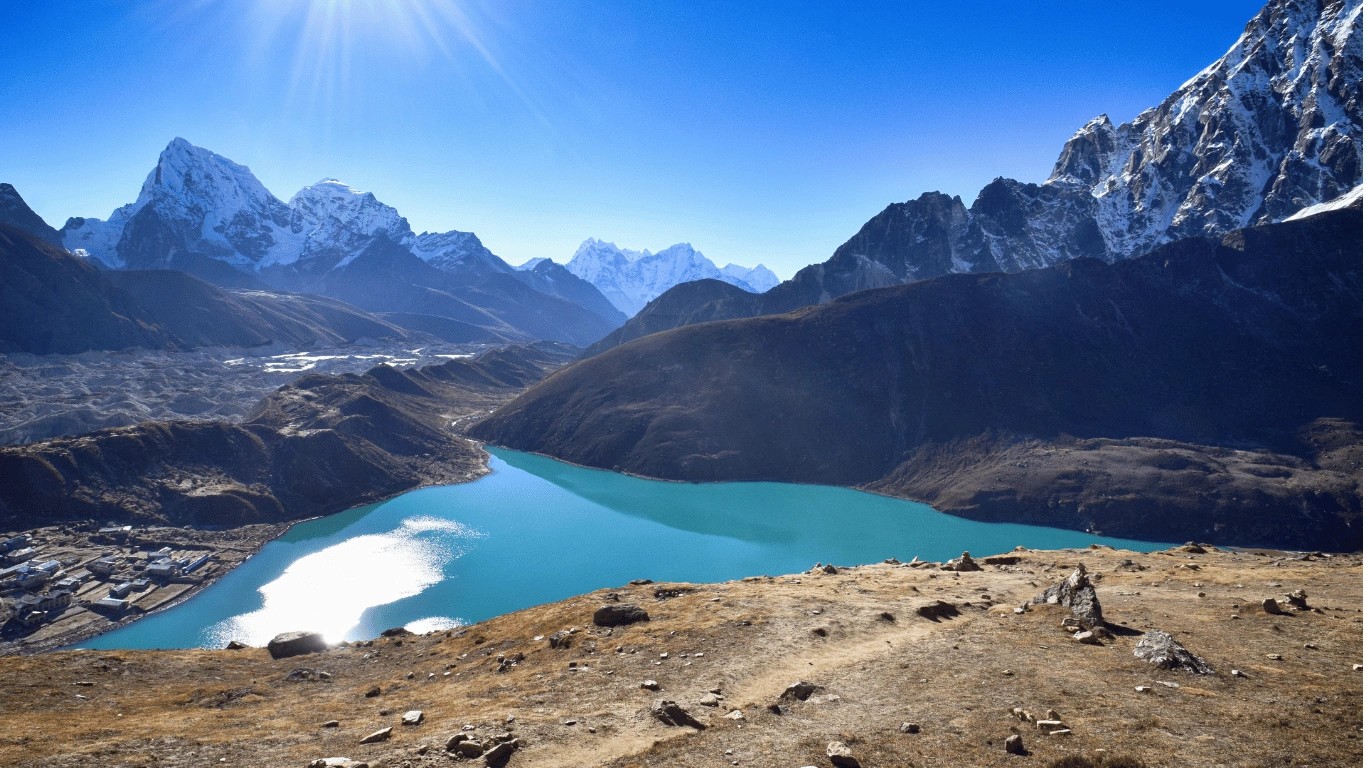
Duration: 13-15 Days | Moderate-Challenging | Max. 5,360 Meters | Teahouses | March-May/Sept-Nov
One high pass, zero crowds | The most photogenic arrival in the Khumbu
The middle path between the standard Gokyo trek and the full Three Passes, and one of our most loved Everest region trek itineraries. This loop ascends the near-empty Bhote Koshi valley, the old salt-trade route toward Tibet, where trekkers are outnumbered by yaks.
The crossing of Renjo La at 5,360 meters delivers the signature reward: Everest, Lhotse, and Makalu framed directly above the third Gokyo lake. Photographers rank this arrival above any other viewpoint approach in the region.
The route passes through Thame, birthplace village of Tenzing Norgay and home of Apa Sherpa, before the climb to the pass. The descent drops straight to the Gokyo lakeshore, with Gokyo Ri waiting the next morning.
The pass day is long and exposed. One previous altitude trek, or excellent fitness, is the honest entry requirement.
If a single pass feels light, the full Everest Three Passes Trek adds Cho La and Kongma La to the same loop. Read the complete Three Passes guide to compare the two commitments.
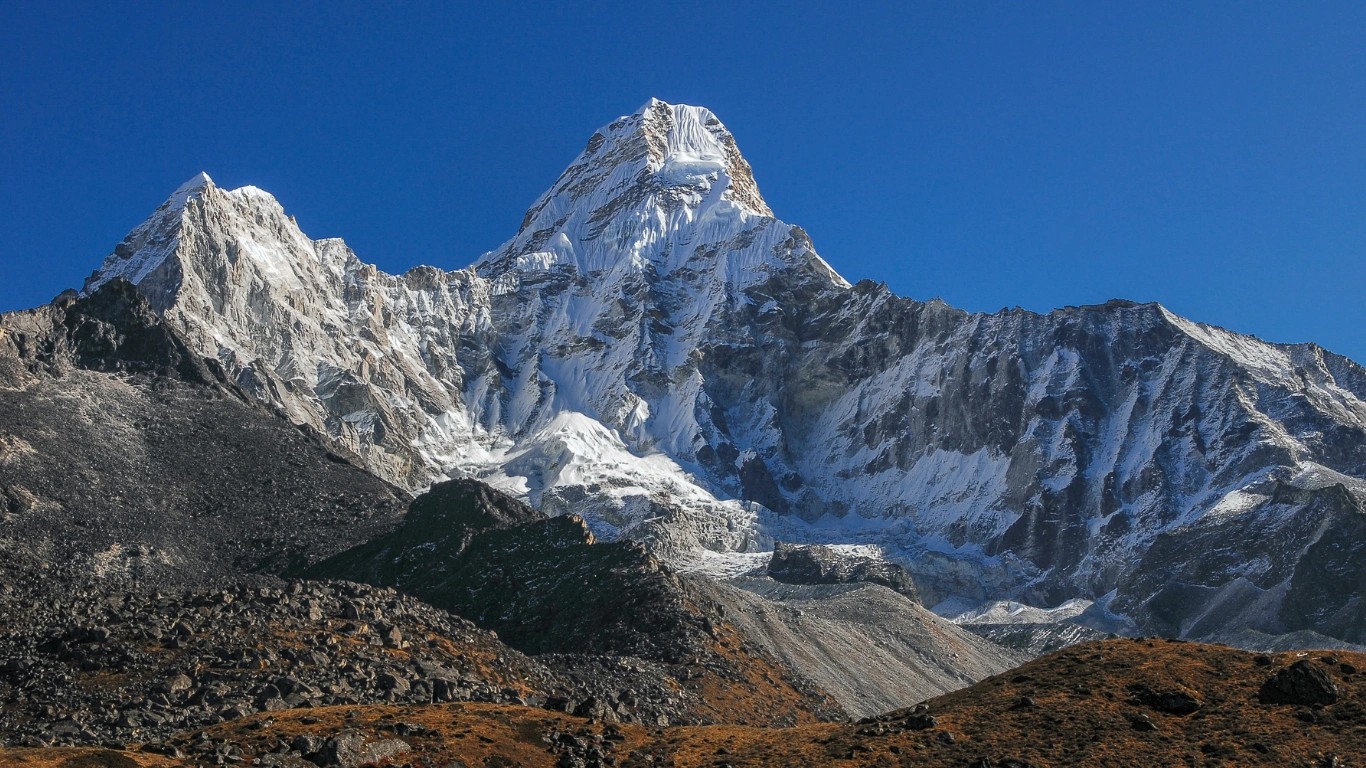
Duration: 10-12 Days | Moderate | Max. 4,600 Meters | Teahouses | March-May/Sept-Nov
The Himalaya's most elegant peak | An uncrowded base camp below 5,000 meters
Ask guides which mountain they photograph most and the answer is rarely Everest. It is Ama Dablam at 6,812 meters, the "mother's necklace," whose armed ridgelines dominate half the trail photos in this guide.
This trek follows the classic route through Namche and Tengboche to Pangboche, home of the region's oldest monastery, then branches off the main highway to Ama Dablam Base Camp at about 4,600 meters. The camp is a grassy shelf directly beneath the southwest face, where expedition tents cluster in the autumn climbing season.
Because the maximum altitude stays below 5,000 meters, this route carries a gentler acclimatization demand than any base camp trek in the region while still delivering a genuine expedition atmosphere.
Everest appears in profile from the trail rather than close-up, which is the only concession this route makes.
If you want Everest front and center instead, the Everest Base Camp Trek shares the first half of this route before continuing north. See how both trails sit inside the park in our Sagarmatha National Park guide.
Duration: 10 Days | Easy-Moderate | Max. 4,065 Meters | Teahouses | March-May/Sept-Dec
Hillary's favourite Everest view | No Lukla flight required
Sir Edmund Hillary said the view of Everest from Pikey Peak at 4,065 meters was the finest he knew, and he had seen the mountain from the summit. Our Pikey Peak Trek [confirm slug] runs through the green lower Solu hills south of the national park, at USD 1,090 for 10 days.
The trail crosses rhododendron forest, Sherpa monasteries, and yak pastures where you will often walk a full day without meeting another foreign trekker. The ridge-top sunrise sweeps a 360-degree wall of peaks from Everest and Makalu to Kanchenjunga in the far east.
Because the route starts from a road rather than the Lukla flight, Pikey Peak dodges the region's biggest logistical risk entirely. No weather delays, no Ramechhap transfers, no backup days burned in an airport.
Its modest altitude makes it one of the most accessible Everest hikes for first-timers, families, and winter trekkers chasing guaranteed clear skies.
If this trek is not challenging enough, the Everest Base Camp Trek takes you from viewing the Khumbu to standing inside it. Compare more easy options on our short treks in Nepal page.
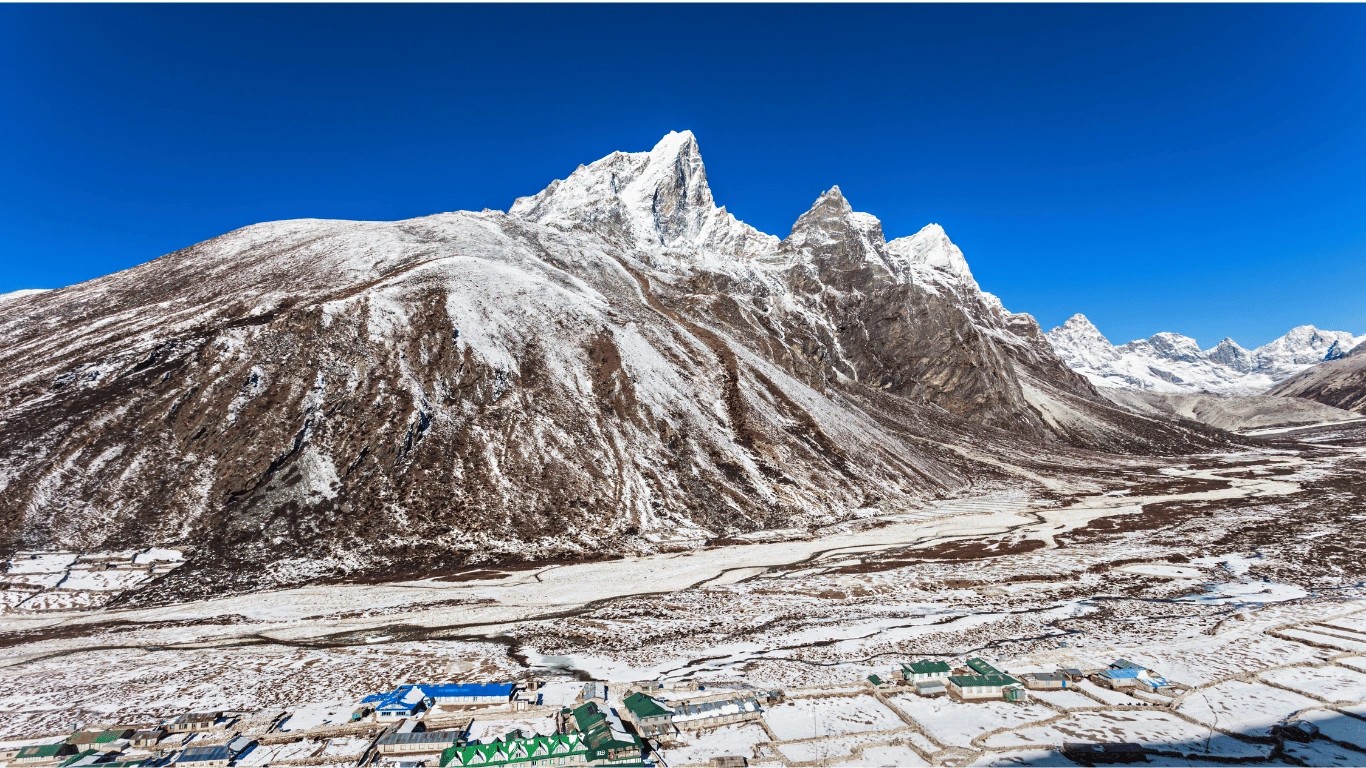
Duration: 20-24 Days | Moderate-Challenging | Max. 5,545 Meters | Teahouses | March-May/Sept-Nov
The 1953 expedition route | Walk in, the way Hillary and Tenzing did
Before Lukla's airstrip existed, every expedition walked in from the road, including Hillary and Tenzing's in 1953. The Jiri route revives that classic approach through the Solu hills, where the trail crosses Rai and Sherpa villages, terraced fields, and forest in which foreign trekkers remain a novelty.
Two practical advantages hide inside the romance. You skip the weather-dependent Lukla flight entirely, and the slow gain from low country gives the best natural acclimatization of any route on this list.
The terrain is honest work: relentless up-and-down through warm valleys, with total ascent over the full route exceeding the height of Everest itself. Lodges on the lower stretch are simpler than the Khumbu standard, and that simplicity is much of the charm.
Above Lukla, the route joins the main trail for Namche, Tengboche, and the full run to base camp and Kala Patthar.
If a month is out of reach, the same summit views come in 14 days on the standard Everest Base Camp Trek. Plan the season carefully with our best time to trek in Nepal guide, since the low hills run hot outside autumn and early spring.
Autumn (September to November) and spring (March to May) are the two prime windows for Everest trekking in Nepal: stable weather, clear skies, every teahouse open.
October offers the year's most reliable visibility. November trades slightly colder nights for the sharpest air and thinning crowds. April adds rhododendron bloom and expedition-season energy at base camp.
Winter rewards well-equipped trekkers with empty trails, though the high passes may close under snow. The monsoon (June to August) hides the peaks and disrupts Lukla flights, and we do not recommend it for any route here.
One rule regardless of season: build one or two buffer days around the Lukla flight. Delays are a normal part of Everest region logistics, and in peak season most Lukla flights operate from Ramechhap (Manthali) rather than Kathmandu. For the full month-by-month picture, read our best time to trek in guide.
Every route inside the park requires two permits: the Sagarmatha National Park Entry Permit (NPR 3,000 for foreign nationals, plus VAT) and the Khumbu Pasang Lhamu Rural Municipality Permit (NPR 2,000, paid in Lukla or Monjo).
Under the Nepal Tourism Board's 2025 directive, a TIMS card is also required for Everest region trekking, a reversal of the earlier exemption that many older guides still get wrong.
Pikey Peak and the Jiri approach lie outside the park and use the Gaurishankar Conservation Area Permit for their opening stretch. When you trek with us, we arrange every permit before you walk.
Solo travellers are fully welcome on every route in this guide, with one adjustment: since 2023, foreign trekkers in Nepal's national park trekking areas are required to walk with a licensed guide. In practice, solo trekking in the Everest region means trekking independently with a guide rather than in a fixed group. On the pass routes that guide is a safety asset, not a formality: pass conditions, altitude monitoring, and lodge booking in peak season all run through them. We run private departures for solo trekkers on every itinerary above, with guaranteed dates.
The Everest Base Camp Trek is the best all-round choice for first-time visitors, while the Three Passes Trek is the most complete route for experienced trekkers. For the single finest viewpoint, most guides pick Gokyo Ri over Kala Patthar.
The Everest Panorama Trek is a 9-day short trek to Everest that climbs to Tengboche Monastery at about 3,880 metres, with full views of Everest, Lhotse, and Ama Dablam. It costs USD 950 and suits families and trekkers who want the scenery without altitude above 4,000 metres.
The Gokyo Ri trek is a 12-to-14-day route up the central Khumbu valley to six glacial lakes, crowned by the climb of Gokyo Ri at 5,357 metres, a viewpoint over four 8,000-metre peaks: Everest, Lhotse, Makalu, and Cho Oyu.
November is one of Nepal's two finest trekking months, with the year's clearest post-monsoon skies. In the Everest region, the Base Camp trek, Gokyo Ri, and Pikey Peak are all at their best, and late November adds emptying trails to the sharp visibility. Pack for nights well below freezing above 4,000 metres.
In the Everest region, the strongest options around ten days are the Everest Panorama Trek (9 days, USD 950), the Pikey Peak Trek (10 days, USD 1,090), and the Everest Base Camp Trek with helicopter return. All three fit inside a two-week holiday including arrival days in Kathmandu.
The Everest Base Camp Trek, Gokyo Ri Trek, and Ama Dablam Base Camp Trek are the Everest region's benchmark moderate treks: non-technical trails, teahouse lodging, and 5-to-7-hour walking days, with altitude rather than terrain as the main challenge.
No. Nuptse blocks Everest from base camp itself. The classic close-up view comes from Kala Patthar at 5,545 metres, a two-hour climb from Gorak Shep, best at dawn.
Every route in this guide starts the same way: a date, a duration, and an honest conversation about your fitness. At Majestic Trails Nepal, we run these Everest trekking itineraries with licensed local guides, arranged permits, and pacing built around acclimatisation rather than the calendar. Tell us how many days you have, and we will tell you exactly which trek fits. And if the answer is a shorter one than you hoped, we will say that too.
Contact Majestic Trails Nepal to check departures, compare Everest trekking routes, or build a private trek around your dates.
Written by
Trekking guide
Prabin Adhikari is a professional trekking guide in Nepal with extensive experience leading trekkers across the Himalayas. Known for his friendly personality, local knowledge, and commitment to safety, he ensures every journey is enjoyable and well-organized.
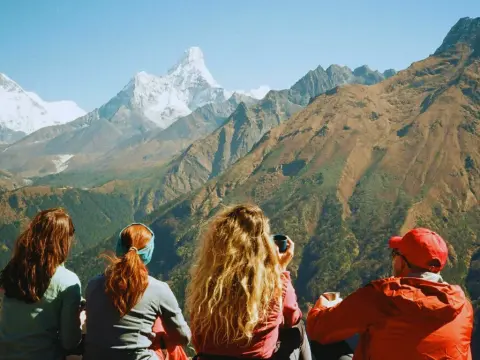
Standing face-to-face with Mount Everest doesn't require weeks of grueling trekking or extreme altitude exposure. The Everest View Trek Nepal offers o...
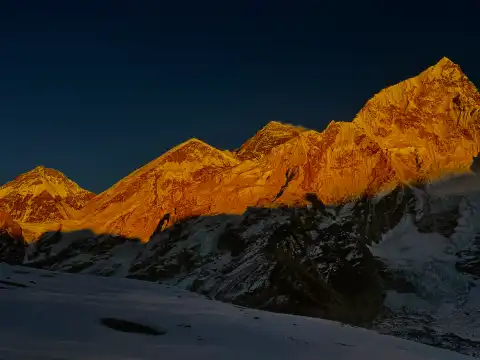
Kalapathar stands at 5,545 meters (18,192 feet) as the highest accessible viewpoint on the Everest Base Camp trek and arguably the most spectacular pa...
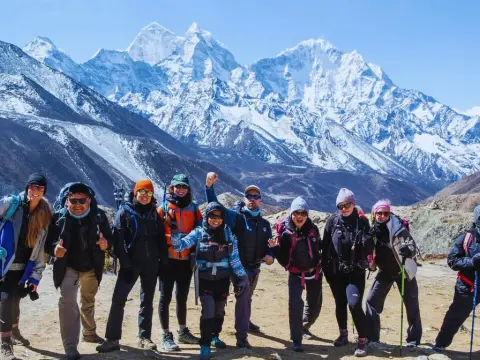
Understanding the Everest Base Camp trek Nepal cost helps you plan your dream Himalayan adventure without budget surprises.The total EBC trek cost Nep...
Mount Everest is 8,848.86 meters tall. That is 29,031.7 feet, or roughly 5.5 miles straight up from the ocean's average surface. Nepal and China joint...
Mount Everest sits on the border between Nepal and the Tibet Autonomous Region of China, deep within the eastern Himalayas of South Asia. It is the hi...
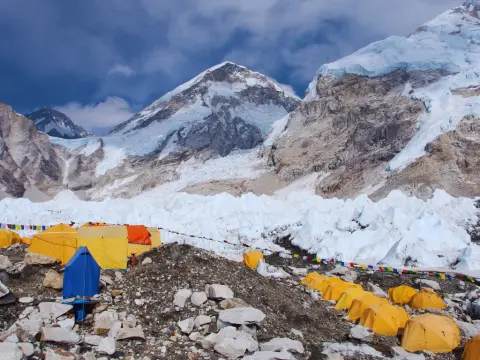
Everest Base Camp in Nepal sits at 5,364 meters above sea level, which converts to 17,598 feet. That is the number you will find on official trekking...
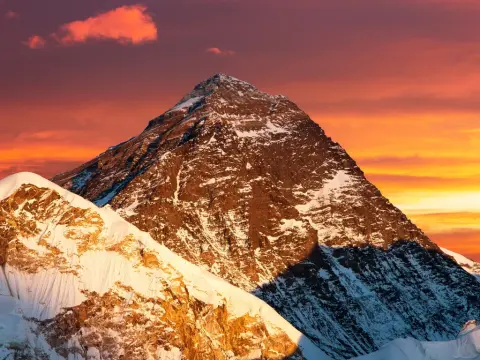
What does Everest mean? Mount Everest is the highest mountain on earth at 8,849 m, but the name "Everest" has only existed since 1865 — when British s...
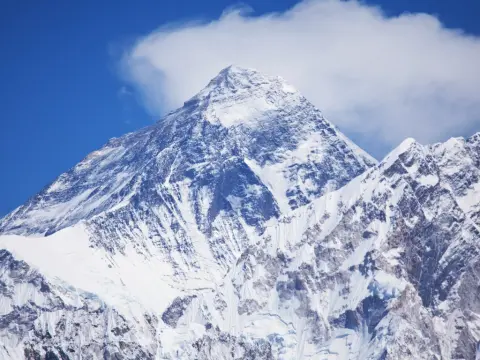
Mount Everest is the highest mountain on Earth at 8,848.86 meters (29,031.7 feet) above sea level, sitting on the border between Nepal and the Tibet A...
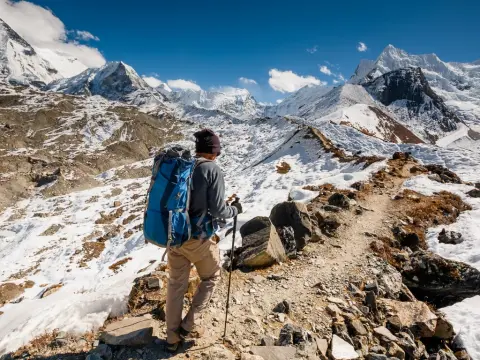
Yes, a beginner can complete the Everest Base Camp Trek. Despite what many people assume, reaching Everest Base Camp is not a mountaineering expeditio...
