
Group Departure Trekking in Nepal – Join Pre-Scheduled Adventures
3 Jul 2025
Group Departure Trekking in Nepal offers the perfect solution for adventurers who want to explore the Himalayas without the hassle of planning every d...

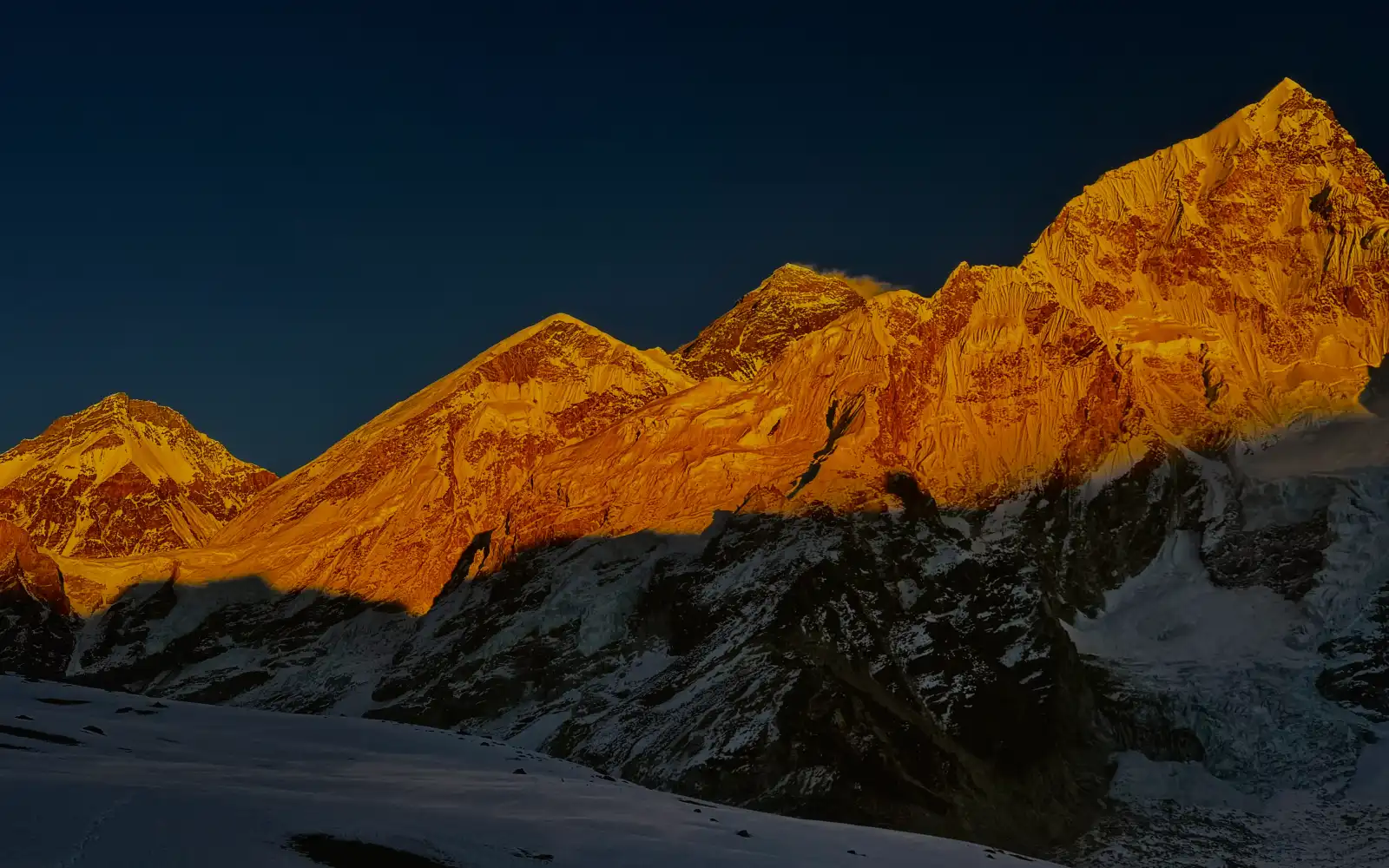

Kalapathar stands at 5,545 meters (18,192 feet) as the highest accessible viewpoint on the Everest Base Camp trek and arguably the most spectacular panoramic lookout in the entire Himalayan range. While thousands of trekkers journey to Everest Base Camp each year, seasoned mountaineers know that Kala Patthar delivers the true visual reward—an unobstructed, breathtaking view of Mount Everest's summit pyramid that Base Camp itself cannot provide.
Located just above the settlement of GorakShep in Nepal's Khumbu region, this rocky outcrop has become synonymous with Everest trekking achievement. The name translates to "black rock" in Nepali, describing the dark, exposed ridge that contrasts sharply against the surrounding glacial white landscape.
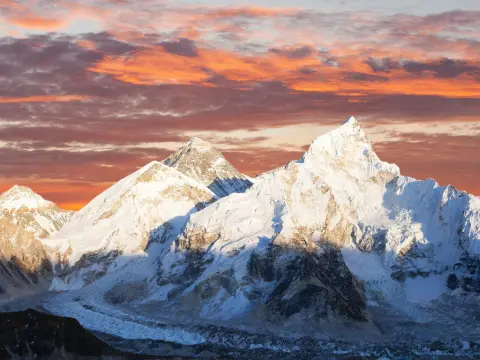
What makes Kalapathar viewpoint legendary isn't just altitude—it's geometry. From this precise position, the entire southern face of Everest (8,848.86m) reveals itself in full magnificence, flanked by Nuptse, Lhotse, and the towering west face of Pumori. As golden light strikes the world's highest peak during sunset, trekkers standing atop this windswept summit witness one of nature's greatest theatrical performances.
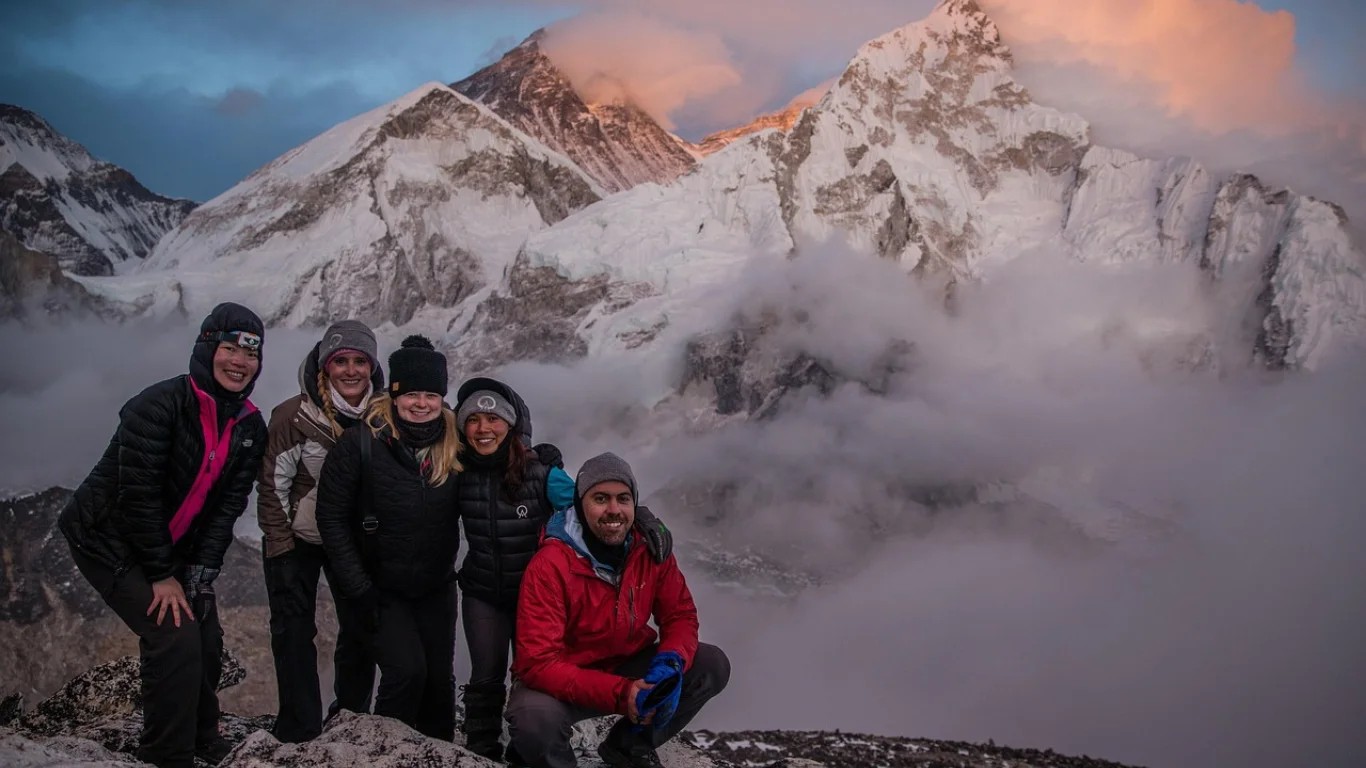
Kalapathar sits within Sagarmatha National Park in the Solukhumbu District of northeastern Nepal, forming part of the Khumbu region that the Sherpa people have called home for centuries.
The viewpoint overlooks the Khumbu Glacier's lateral moraine and provides direct sightlines to the Everest massif. Unlike Everest Base Camp, which sits nestled among glacial debris and rocky moraines that obstruct summit views, Kala Patthar's elevated position offers unimpeded 360-degree Himalayan panoramas.
Gorak Shep serves as the staging point for both Everest Base Camp and Kalapathar ascents. This small settlement—among the world's highest permanent habitations—consists of basic teahouses providing shelter before the final push to either destination.
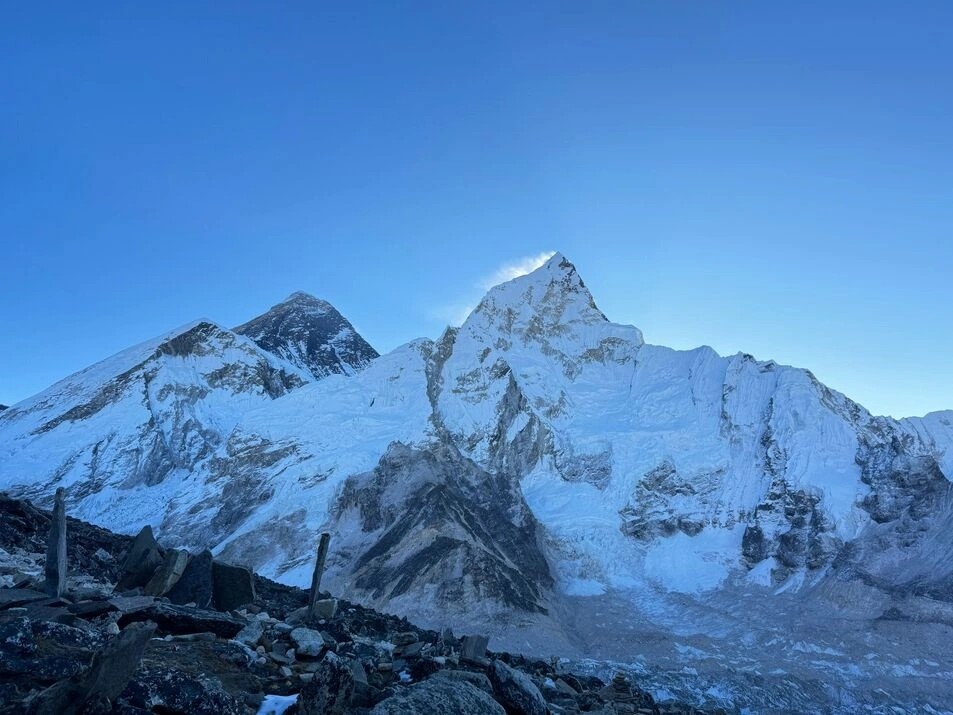
The highest viewpoint of Everest Base Camp trek has achieved iconic status for reasons that become immediately apparent upon reaching the summit ridge.
Kalapathar provides the closest panoramic view of Mount Everest's summit accessible to non-technical trekkers. From this vantage point, the entire summit pyramid, South Col, and Southeast Ridge (the standard climbing route) are clearly visible—a perspective that even Base Camp cannot match due to intervening terrain.
While most trekkers focus on sunrise, sunset at Kalapathar actually offers superior photographic and visual conditions. Here's why:
During sunrise, the sun rises from behind Mount Everest (from the Tibetan side), meaning:
During sunset, the opposite occurs:
We strongly recommend sunset over sunrise for the best Kalapathar experience. The colors are richer, the mountain detail sharper, and the atmosphere far more peaceful without the pre-dawn crowds.
Beyond Everest itself, the viewpoint reveals:
The classic shot of Everest from Kala Patthar appears in countless magazines, documentaries, and travel publications. For many trekkers, capturing this image represents the tangible proof of their Himalayan achievement.
The question arises constantly among prospective trekkers: which destination offers superior rewards?
| Feature | Kalapathar | Everest Base Camp |
|---|---|---|
| Altitude | 5,545m (18,192 ft) | 5,364m (17,598 ft) |
| View of Everest Summit | Clear, unobstructed | Blocked by Nuptse and Khumbu Icefall |
| Panoramic Range | 360-degree Himalayan vista | Limited glacier views |
| Glacier Access | Overlooks from above | Direct contact with Khumbu Glacier |
| Crowds | Moderate (sunset hours) | Heavy (peak season) |
| Difficulty | Steep 400m ascent from Gorak Shep | Gradual rocky trail |
| Primary Draw | Visual spectacle | Symbolic achievement |
| Oxygen Level | ~50% of sea level | ~51% of sea level |
The verdict: For visual impact and photographic opportunity, Kalapathar wins decisively. Everest Base Camp holds symbolic value as the mountaineers' staging ground, but summit views are non-existent. Most experienced trekkers prioritize Kala Patthar while treating EBC as a secondary objective.
Many itineraries now visit both—ascending to Kalapathar in the afternoon for sunset, returning to Gorak Shep, then visiting EBC the following morning.
Accessing the Everest viewpoint requires completing the multi-day Everest Base Camp trek from Lukla, followed by the final ascent from Gorak Shep.
The standard approach begins from Gorak Shep teahouses. Two timing options exist:
Sunrise Option (Traditional):
Sunset Option (Recommended):
Our recommendation: Choose the sunset session for optimal Everest views. The sun illuminates Everest's face directly rather than backlighting the mountain as during sunrise. The experience is equally magical—arguably more so—with dramatically better photographic conditions.
Kalapathar typically features on day 8–10 of standard EBC itineraries:
This revised itinerary allows afternoon Kalapathar sunset followed by morning EBC visit—maximizing both experiences.
The climb follows a clear but demanding path up the ridge's south face. Switchbacks reduce gradient somewhat, but the final 200 meters ascend steeply across loose rock requiring careful footing.
Wind exposure increases significantly above Gorak Shep. Weather can deteriorate rapidly, with visibility dropping to near-zero in minutes during storms.
This question deserves direct comparison, as conventional wisdom often misleads trekkers.
| Factor | Sunrise | Sunset (Recommended) |
|---|---|---|
| Light on Everest | Backlit (sun behind mountain) | Front-lit (direct illumination) |
| Summit Detail | Partially shadowed | Fully visible, sharp definition |
| Crowd Level | Very crowded | Significantly fewer trekkers |
| Temperature | Extreme cold (-15°C to -25°C) | More manageable (-5°C to -15°C) |
| Ascent Conditions | Dark, headlamp required | Full daylight, safer footing |
| Photography Quality | Challenging backlight | Optimal golden hour lighting |
| Physical Comfort | Sleep-deprived, exhausted | Rested, stronger performance |
| Color Intensity | Good alpenglow | Richer, warmer golden tones |
The fundamental issue with sunrise: The sun rises from behind Mount Everest, emerging over Tibet to the east. This means during the classic "sunrise moment," Everest's south face—the side you're viewing from Kalapathar—remains in relative shadow or backlit conditions.
Sunset reverses this geometry entirely. The afternoon sun illuminates Everest's south face with direct, warm light. Every ridge, serac, and snow feature becomes visible. The mountain transforms from a silhouette into a three-dimensional golden sculpture.
Additional sunset advantages:
Sunrise from Kalapathar remains beautiful—the alpenglow on surrounding peaks, the gradual awakening of the Himalayan morning, the personal achievement of standing there at dawn. Many trekkers treasure this experience.
However, if your primary goal is the best view of Mount Everest itself, sunset delivers superior results. The iconic photographs showing Everest's golden summit? Most were taken during afternoon light, not dawn.
While technically non-technical (no ropes, ice axes, or climbing skills required), the Kalapathar ascent presents serious high-altitude challenges that should not be underestimated.
At 5,545 meters, every step requires deliberate effort. Heart rates spike, breathing becomes labored, and even fit trekkers move at dramatically reduced pace compared to lower elevations.
Kala Patthar suits trekkers who have:
The importance of gradual altitude gain cannot be overstated. Proper itineraries include:
Rushing to Kalapathar viewpoint without adequate acclimatization invites severe altitude sickness, potentially life-threatening conditions like HACE (High Altitude Cerebral Edema) or HAPE (High Altitude Pulmonary Edema).
Seasonal timing dramatically affects visibility, temperature, and overall experience at the highest viewpoint of Everest Base Camp trek.
Optimal conditions for most trekkers:
Drawbacks: Peak season pricing, busier trails and teahouses
Best overall season for Kalapathar trekking:
Drawbacks: Heaviest tourist traffic, advance booking essential
For experienced, cold-tolerant trekkers:
Challenges: Requires superior cold-weather gear, limited accommodation options
Generally not recommended:
Only determined trekkers with flexible schedules should attempt monsoon season.
High-altitude environments present objective dangers that experience and fitness cannot fully eliminate. Understanding risks enables appropriate preparation.
Common symptoms at 5,545 meters include:
Critical rule: If symptoms worsen despite rest, descend immediately. Altitude sickness resolves with descent more effectively than any medication.
Sea-level oxygen saturation in healthy individuals measures 95–100%. At Kala Patthar, even well-acclimatized trekkers typically measure 70–85% on pulse oximeters—levels that would indicate medical emergency at sea level but are normal at extreme altitude.
Himalayan weather changes with minimal warning. Clear sunset conditions can deteriorate into whiteout blizzards within an hour. Wind speeds regularly exceed 50 km/h at the exposed summit.
Licensed guides provide critical safety value:
While independent trekking to Kalapathar is possible, guided treks significantly reduce risk—especially for first-time Himalayan trekkers.
Standing atop Kalapathar viewpoint delivers a 360-degree Himalayan theater that photographs cannot fully capture.
The summit pyramid dominates the northern skyline, approximately 8 kilometers distant. The entire Southeast Ridge—followed by most summit attempts—traces clearly from South Col to the Hillary Step region and final summit.
During sunset, the golden light transforms Everest's snow-covered slopes into a glowing beacon. The yellow oxygen bottles, tattered prayer flags, and colorful tents of climbers become visible through telephoto lenses during climbing season.
The distinctive saddle between Everest and Lhotse, the South Col sits at 7,906m—the launching point for summit pushes. This wind-scoured plateau remains visible as a prominent gap in the ridge.
The massive Khumbu Glacier flows below Kala Patthar like a frozen river of chaos—a churning mass of ice seracs, crevasses, and debris. The notorious Khumbu Icefall, scene of numerous climbing tragedies, descends from the Western Cwm.
Perhaps the most photogenic peak from this vantage, Pumori's west face rises almost vertically just across the Khumbu Glacier. Sunset light striking this face creates spectacular golden-orange effects.
The massive wall of Nuptse forms Everest's neighboring rampart, its 2,000-meter south face one of the Himalaya's most imposing mountain walls.
As afternoon progresses toward evening, peaks begin their color transformation. The sun drops toward the western horizon, casting increasingly warm light across the entire massif. Colors shift from bright white to golden yellow to deep orange-red across thirty magical minutes.
Everest's summit catches the final rays, glowing like a beacon while surrounding valleys fall into shadow. This spectacle justifies every difficult step.
Capturing the Mount Everest sunset view requires preparation and technique.
For Sunset (Recommended):
For Sunrise:
Understanding permit requirements ensures smooth passage through checkpoints along the Everest Base Camp trek.
Two permits are mandatory for trekking to Kalapathar:
1. Sagarmatha National Park Permit
2. Khumbu Pasang Lhamu Rural Municipality Permit (Khumbu Permit)
Option 1: Lukla
Option 2: Monjo
Your trekking agency can arrange permits in advance if you prefer hassle-free processing.
Current regulations and practical considerations both inform this decision.
As of recent Nepal tourism regulations, trekkers must either:
Solo independent trekking is no longer permitted in Sagarmatha National Park, though enforcement varies.
Beyond legal compliance, guides provide:
Experienced high-altitude trekkers with previous Himalayan experience may prefer more autonomy. However, even veteran mountaineers acknowledge that local guide knowledge proves invaluable in this environment.
The 5,545 meters viewpoint demands respect. Weather, altitude, and terrain create objective hazards that preparation cannot fully eliminate. Professional guidance significantly reduces risk.
While "Everest Base Camp" appears in the trek's name, experienced Himalayan trekkers know that Kalapathar delivers the emotional and visual climax.
Standing atop this windswept summit at 5,545 meters, watching afternoon light transform the world's highest peak from white pyramid to golden beacon, represents one of travel's genuinely transcendent moments. The physical effort required—the steep ascent, the labored breathing in thin air, the biting cold—amplifies rather than diminishes the reward.
This is not passive tourism. The Everest viewpoint demands something from those who visit—physical effort, mental determination, respect for altitude, and acceptance of nature's power. In return, it offers a perspective shared by fewer people than have summited Everest itself during some years.
For many trekkers, the Kalapathar sunset becomes a watershed moment—confirmation that physical limits exist to be explored, that discomfort often precedes profound experience, and that the Himalaya's scale transcends human comprehension.
The journey to 5,545 meters transforms casual trekkers into members of a relatively small group who have stood in the golden light watching the sun set behind them while Everest's face glows with impossible colors. This achievement, this memory, this photograph—these become permanent landmarks in personal geography.
Remember: While most guides and articles recommend sunrise, the sunset experience offers superior views of Everest itself. The mountain faces west-southwest from Kalapathar, meaning afternoon and evening light illuminates every feature while sunrise leaves the face in shadow. This insider knowledge can transform your Everest experience from good to unforgettable.
Plan your Everest Base Camp trek with experienced local guides at Majestic Trails Nepal to safely experience Kalapathar at 5,545 meters. Our Sherpa-led teams provide the knowledge, safety protocols, and flexible itineraries that transform high-altitude challenges into achievable adventures. We'll ensure you reach the summit at the perfect time—sunset—for views most trekkers miss.
Kalapathar stands at 5,545 meters (18,192 feet) above sea level, making it the highest point reached on standard Everest Base Camp treks. This altitude places it approximately 180 meters higher than Everest Base Camp itself.
Yes, Kala Patthar sits at 5,545m while Everest Base Camp reaches 5,364m—a difference of 181 vertical meters. This elevation advantage, combined with unobstructed sightlines, explains why Kalapathar offers superior Everest views.
Beginners with good fitness and proper acclimatization can successfully summit Kalapathar, though it remains a serious high-altitude challenge. The key is following appropriate itineraries with rest days in Namche Bazaar and Dingboche, ascending gradually, and monitoring for altitude sickness symptoms.
The ascent from Gorak Shep to Kalapathar summit requires 2–3 hours depending on acclimatization and pace. Descent takes 1–1.5 hours. For sunset (recommended), start around 2:00–3:00 PM. For sunrise, start at 3:00–4:00 AM.
Kala Patthar presents altitude-related risks including acute mountain sickness, HACE, and HAPE if proper acclimatization is ignored. Weather can also deteriorate rapidly. However, thousands summit safely each year by following gradual itineraries, respecting altitude, and turning back if conditions or symptoms warrant.
Sunset is actually better for viewing Mount Everest. During sunrise, the sun rises behind Everest, backlighting the mountain and reducing detail visibility. During sunset, direct light illuminates Everest's face, revealing every feature in golden detail. Sunset also offers warmer temperatures, fewer crowds, and safer daylight ascent conditions.
Two permits are required: Sagarmatha National Park Permit (NPR 3,000) and Khumbu Pasang Lhamu Rural Municipality Permit (NPR 3,000). Both can be obtained at Lukla or Monjo checkpoint. TIMS card is not required for the Everest region.
Kalapathar provides clear, unobstructed views of Mount Everest's summit, while Base Camp views are blocked by the Khumbu Icefall and Nuptse. The dramatic sunset over Everest from Kalapathar viewpoint has become the iconic image of Himalayan trekking, making it the true visual reward of the EBC trek.
Group Departure Trekking in Nepal offers the perfect solution for adventurers who want to explore the Himalayas without the hassle of planning every d...

Let's cut straight to it. Autumn, specifically September through November, is the best time to trek in Nepal. Spring runs a very close second, coverin...
IntroductionNepal — the final destination for every mountaineer. A place where almost everyone dreams of going at least once in their lifetime. To see...
Nepal is a country defined by mountains. Stretching across the country’s northern edge, the Himalayas pack Earth’s highest peaks into one nation. Eigh...
Why 6000m Trekking Peaks Nepal Should Be Your Next AdventureStanding atop a 6000-meter summit in the Himalayas, with prayer flags snapping in the wind...
The first rays of dawn strike the summit of an 8,000-meter giant. Your breath forms clouds in the crisp mountain air. Below your feet, ancient glacier...
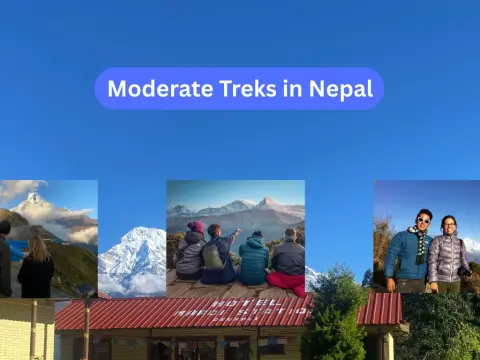
Moderate treks in Nepal offer the perfect balance between challenging adventure and accessible exploration, making them ideal for trekkers who want br...
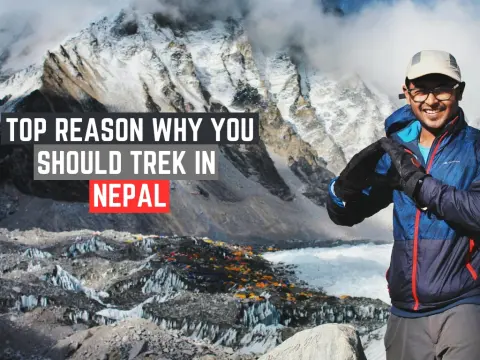
If you've ever wondered why trekking in Nepal captivates adventurers from every corner of the globe, the answer lies in its extraordinary combination...
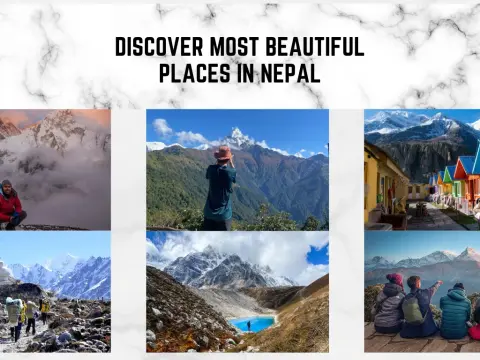
Nepal is a land where nature paints its most spectacular masterpieces. From the towering peaks of the Himalayas to serene alpine lakes, dense jungles...
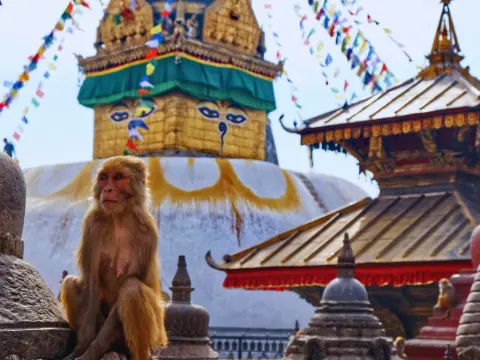
Discover the Heart of NepalIf you're searching for the best places to go in Nepal Kathmandu, you've chosen one of Asia's most captivating destinations...
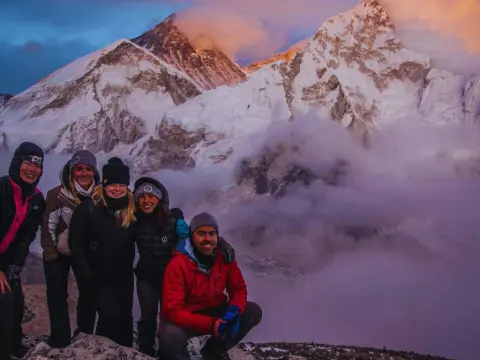
If you're curious about trekking in Nepal, you've landed in the right place. Nepal is home to the world's most breathtaking mountain trails, ancient c...
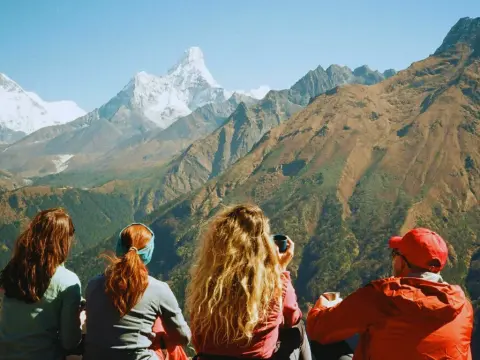
Standing face-to-face with Mount Everest doesn't require weeks of grueling trekking or extreme altitude exposure. The Everest View Trek Nepal offers o...
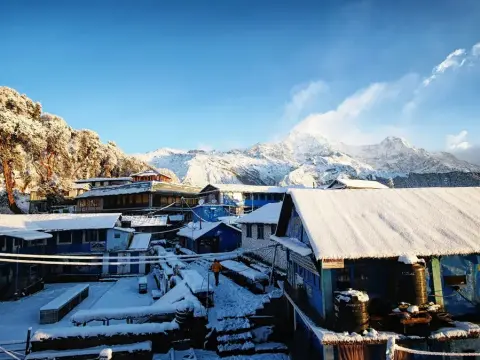
Winter in Nepal gets misunderstood a lot. Most travelers from Europe or North America picture deep snowdrifts, frozen trails, and dangerous conditions...
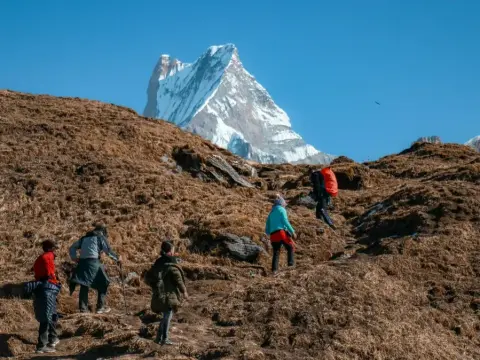
The Best Nepal treks from Kathmandu represent some of the most spectacular mountain journeys on Earth, all accessible from Nepal's vibrant capital cit...
