[{"name":"Langtang Valley Trek \u2014 10 Days","duration":"10","image_url":"https:\/\/www.majestictrailsnepal.com\/storage\/trip-galleries\/1\/thumb_e7907ed736676d12e6ab17328008e746.webp","offer_price":null,"url":"https:\/\/www.majestictrailsnepal.com\/trips\/langtang-valley-trek"},{"name":"Everest Base Camp Trek","duration":"14","image_url":"https:\/\/www.majestictrailsnepal.com\/storage\/trip-galleries\/2\/thumb_4b769c9c4b5b007a61f4ce3b76ff440d.webp","offer_price":null,"url":"https:\/\/www.majestictrailsnepal.com\/trips\/everest-base-camp-trek"},{"name":"Everest Panorama Trek","duration":"9","image_url":"https:\/\/www.majestictrailsnepal.com\/storage\/trip-galleries\/3\/thumb_e6ee74caea3e2900c23ca370b06bab80.webp","offer_price":null,"url":"https:\/\/www.majestictrailsnepal.com\/trips\/everest-panorama-trek"},{"name":"Annapurna Base Camp Trek","duration":"14","image_url":"https:\/\/www.majestictrailsnepal.com\/storage\/trip-galleries\/4\/thumb_3f8d40f9472f701d7c46a827925201bc.webp","offer_price":null,"url":"https:\/\/www.majestictrailsnepal.com\/trips\/annapurna-base-camp-trek"},{"name":"Annapurna Base Camp Express Trek","duration":"9","image_url":"https:\/\/www.majestictrailsnepal.com\/storage\/trip-galleries\/5\/thumb_bac80de2bd257d651fa75d9c8025da1a.webp","offer_price":null,"url":"https:\/\/www.majestictrailsnepal.com\/trips\/annapurna-base-camp-express-trek"},{"name":"Annapurna Circuit Trek","duration":"15","image_url":"https:\/\/www.majestictrailsnepal.com\/storage\/trip-galleries\/6\/thumb_b73bdec74acacaa0d72a2a2a513f3d4a.webp","offer_price":null,"url":"https:\/\/www.majestictrailsnepal.com\/trips\/annapurna-circuit-trek"},{"name":"Ghorepani Poon Hill Trek","duration":"8","image_url":"https:\/\/www.majestictrailsnepal.com\/storage\/trip-galleries\/7\/thumb_aeda9e6388ab2692138cc9c9efa81a7f.webp","offer_price":null,"url":"https:\/\/www.majestictrailsnepal.com\/trips\/ghorepani-poon-hill-trek"},{"name":"Mardi Himal Trek \u2014 9 Days","duration":"9","image_url":"https:\/\/www.majestictrailsnepal.com\/storage\/trip-galleries\/8\/thumb_c511ee87ecab8ff015210dd647392d66.webp","offer_price":null,"url":"https:\/\/www.majestictrailsnepal.com\/trips\/mardi-himal-trek"},{"name":"Manaslu Circuit Trek","duration":"15","image_url":"https:\/\/www.majestictrailsnepal.com\/storage\/trip-galleries\/9\/thumb_7726908390ad6b249f2f6a7856f9dc17.webp","offer_price":null,"url":"https:\/\/www.majestictrailsnepal.com\/trips\/manaslu-circuit-trek"},{"name":"Upper Mustang Trek","duration":"16","image_url":"https:\/\/www.majestictrailsnepal.com\/storage\/trip-galleries\/10\/thumb_6a9b52ecd1d8cda92d594e5351431d6e.webp","offer_price":null,"url":"https:\/\/www.majestictrailsnepal.com\/trips\/upper-mustang-trek"},{"name":"Pokhara City Tour","duration":"1","image_url":"https:\/\/www.majestictrailsnepal.com\/storage\/trip-galleries\/11\/thumb_cf762ba4c20363bd1c0f239db35fcc84.webp","offer_price":null,"url":"https:\/\/www.majestictrailsnepal.com\/trips\/pokhara-city-tour"},{"name":"Paragliding in Pokhara","duration":"1","image_url":"https:\/\/www.majestictrailsnepal.com\/storage\/trip-galleries\/12\/thumb_b896201edf88bbe0f570e876c3c337a3.webp","offer_price":70,"url":"https:\/\/www.majestictrailsnepal.com\/trips\/paragliding-in-pokhara"},{"name":"Kathmandu City Tour","duration":"2","image_url":"https:\/\/www.majestictrailsnepal.com\/storage\/trip-galleries\/13\/thumb_846ad05bd3ce7bebb3843c24c08db6f9.webp","offer_price":null,"url":"https:\/\/www.majestictrailsnepal.com\/trips\/kathmandu-city-tour"},{"name":"Lumbini Buddhist Pilgrimage Tour","duration":"4","image_url":"https:\/\/www.majestictrailsnepal.com\/storage\/trip-galleries\/14\/a2998dca0ce22f28a61c3862dd47f6a3.webp","offer_price":null,"url":"https:\/\/www.majestictrailsnepal.com\/trips\/lumbini-buddhist-pilgrimage-tour"},{"name":"5 days langtang valley trek","duration":"5","image_url":"https:\/\/www.majestictrailsnepal.com\/storage\/trip-galleries\/15\/thumb_7a6c65c139b8085d220ac01913cb1448.webp","offer_price":510,"url":"https:\/\/www.majestictrailsnepal.com\/trips\/5-days-langtang-valley-trek"},{"name":"Leisure Port Nepal Price: Rafting and Camping Adventure","duration":"7","image_url":"https:\/\/www.majestictrailsnepal.com\/storage\/trip-galleries\/17\/thumb_02cb8c3f0697c7c5c4f73d744b47d87f.webp","offer_price":550,"url":"https:\/\/www.majestictrailsnepal.com\/trips\/leisure-port-nepal-price-rafting-and-camping-adventure"},{"name":"10 days spiritual tour in Nepal","duration":"10","image_url":"https:\/\/www.majestictrailsnepal.com\/storage\/trip-galleries\/18\/thumb_b4e7eba000673d1bce6b56abb422fe3b.webp","offer_price":1200,"url":"https:\/\/www.majestictrailsnepal.com\/trips\/10-days-spiritual-tour-in-nepal"},{"name":"Annapurna Circuit Short Trek","duration":"10","image_url":"https:\/\/www.majestictrailsnepal.com\/storage\/trip-galleries\/19\/thumb_769ee8cbe02a510d8db76419c97a2dc9.webp","offer_price":null,"url":"https:\/\/www.majestictrailsnepal.com\/trips\/annapurna-circuit-short-trek"},{"name":"Best Short Manaslu Circuit Trek","duration":"11","image_url":"https:\/\/www.majestictrailsnepal.com\/storage\/trip-galleries\/20\/thumb_ac1b4977a3fce9d11ee68240cad675b6.webp","offer_price":null,"url":"https:\/\/www.majestictrailsnepal.com\/trips\/best-short-manaslu-circuit-trek"},{"name":"Langtang Gosaikunda Trek","duration":"13","image_url":"https:\/\/www.majestictrailsnepal.com\/storage\/trip-galleries\/22\/thumb_577a6402f2ca4b3f12bfd80b96b33a23.webp","offer_price":940,"url":"https:\/\/www.majestictrailsnepal.com\/trips\/langtang-gosaikunda-trek"},{"name":"3 Passes Trek Nepal","duration":"22","image_url":"https:\/\/www.majestictrailsnepal.com\/storage\/trip-galleries\/24\/thumb_8020edea67aefce87e9012dc89a60087.webp","offer_price":null,"url":"https:\/\/www.majestictrailsnepal.com\/trips\/3-passes-trek-nepal"},{"name":"Tsum Valley Trek","duration":"13","image_url":"https:\/\/www.majestictrailsnepal.com\/storage\/trip-galleries\/25\/thumb_194c03e3c3463dff07a3f621a81ef9ea.webp","offer_price":null,"url":"https:\/\/www.majestictrailsnepal.com\/trips\/tsum-valley-trek"},{"name":"Gokyo and Renjo La Pass Trek","duration":"14","image_url":"https:\/\/www.majestictrailsnepal.com\/storage\/trip-galleries\/26\/thumb_7b865f0f0d0d4c6807b625b6e391b56d.webp","offer_price":1490,"url":"https:\/\/www.majestictrailsnepal.com\/trips\/gokyo-and-renjo-la-pass-trek"},{"name":"Honeymoon Tour in Nepal","duration":"9","image_url":"https:\/\/www.majestictrailsnepal.com\/storage\/trip-galleries\/27\/thumb_dabf449c090bb16efd5823c653eb61b3.webp","offer_price":null,"url":"https:\/\/www.majestictrailsnepal.com\/trips\/honeymoon-tour-in-nepal"},{"name":"Pikey Peak Trek","duration":"10","image_url":"https:\/\/www.majestictrailsnepal.com\/storage\/trip-galleries\/28\/thumb_5425e57ce3ea84d31a7b24b83b1af94f.webp","offer_price":1090,"url":"https:\/\/www.majestictrailsnepal.com\/trips\/pikey-peak-trek"},{"name":"Makalu Base Camp Trek","duration":"17","image_url":"https:\/\/www.majestictrailsnepal.com\/storage\/trip-galleries\/29\/thumb_d68c8ec6492540c922045d825a38cd50.webp","offer_price":null,"url":"https:\/\/www.majestictrailsnepal.com\/trips\/makalu-base-camp-trek"},{"name":"Nepal Winter Tour","duration":"8","image_url":"https:\/\/www.majestictrailsnepal.com\/storage\/trip-galleries\/30\/thumb_c8491c0c4b1fb19d8e93630866895799.webp","offer_price":null,"url":"https:\/\/www.majestictrailsnepal.com\/trips\/nepal-winter-tour"},{"name":"Maratika Tour in Nepal","duration":"6","image_url":"https:\/\/www.majestictrailsnepal.com\/storage\/trip-galleries\/31\/thumb_97948560c5a12a486f9ac2b76567cafd.webp","offer_price":null,"url":"https:\/\/www.majestictrailsnepal.com\/trips\/maratika-tour-in-nepal"},{"name":"Nepal Lake Trek","duration":"14","image_url":"https:\/\/www.majestictrailsnepal.com\/storage\/trip-galleries\/32\/thumb_d9b260fe13127816f5b3c25447caf70c.webp","offer_price":null,"url":"https:\/\/www.majestictrailsnepal.com\/trips\/nepal-lake-trek"},{"name":"Taste of Nepal Tour Package","duration":"9","image_url":"https:\/\/www.majestictrailsnepal.com\/storage\/trip-galleries\/33\/thumb_f4b55ab5760a8e057b4c3e208e25ab36.webp","offer_price":null,"url":"https:\/\/www.majestictrailsnepal.com\/trips\/taste-of-nepal-tour-package"},{"name":"Poon Hill Yoga Trek in Nepal","duration":"9","image_url":"https:\/\/www.majestictrailsnepal.com\/storage\/trip-galleries\/34\/thumb_904b238e690107c5c9b1092296880cc9.webp","offer_price":null,"url":"https:\/\/www.majestictrailsnepal.com\/trips\/poon-hill-yoga-trek-in-nepal"},{"name":"Nar Phu Nepal Trek","duration":"10","image_url":"https:\/\/www.majestictrailsnepal.com\/storage\/trip-galleries\/35\/thumb_f959e3e22c260629add0ba61a4038812.webp","offer_price":null,"url":"https:\/\/www.majestictrailsnepal.com\/trips\/nar-phu-nepal-trek"},{"name":"Annapurna Base Camp Helicopter Tour","duration":"1","image_url":"https:\/\/www.majestictrailsnepal.com\/storage\/trip-galleries\/36\/thumb_e81861e8772a9d7fac92ab4a7d43e3bf.webp","offer_price":null,"url":"https:\/\/www.majestictrailsnepal.com\/trips\/annapurna-base-camp-helicopter-tour"},{"name":"Annapurna Circuit with Nar Phu Valley Trek","duration":"16","image_url":"https:\/\/www.majestictrailsnepal.com\/storage\/trip-galleries\/38\/thumb_b70692cbd1c1dd772587c940be2d0bc9.webp","offer_price":null,"url":"https:\/\/www.majestictrailsnepal.com\/trips\/annapurna-circuit-with-nar-phu-valley-trek"}]
Trekking in Nepal
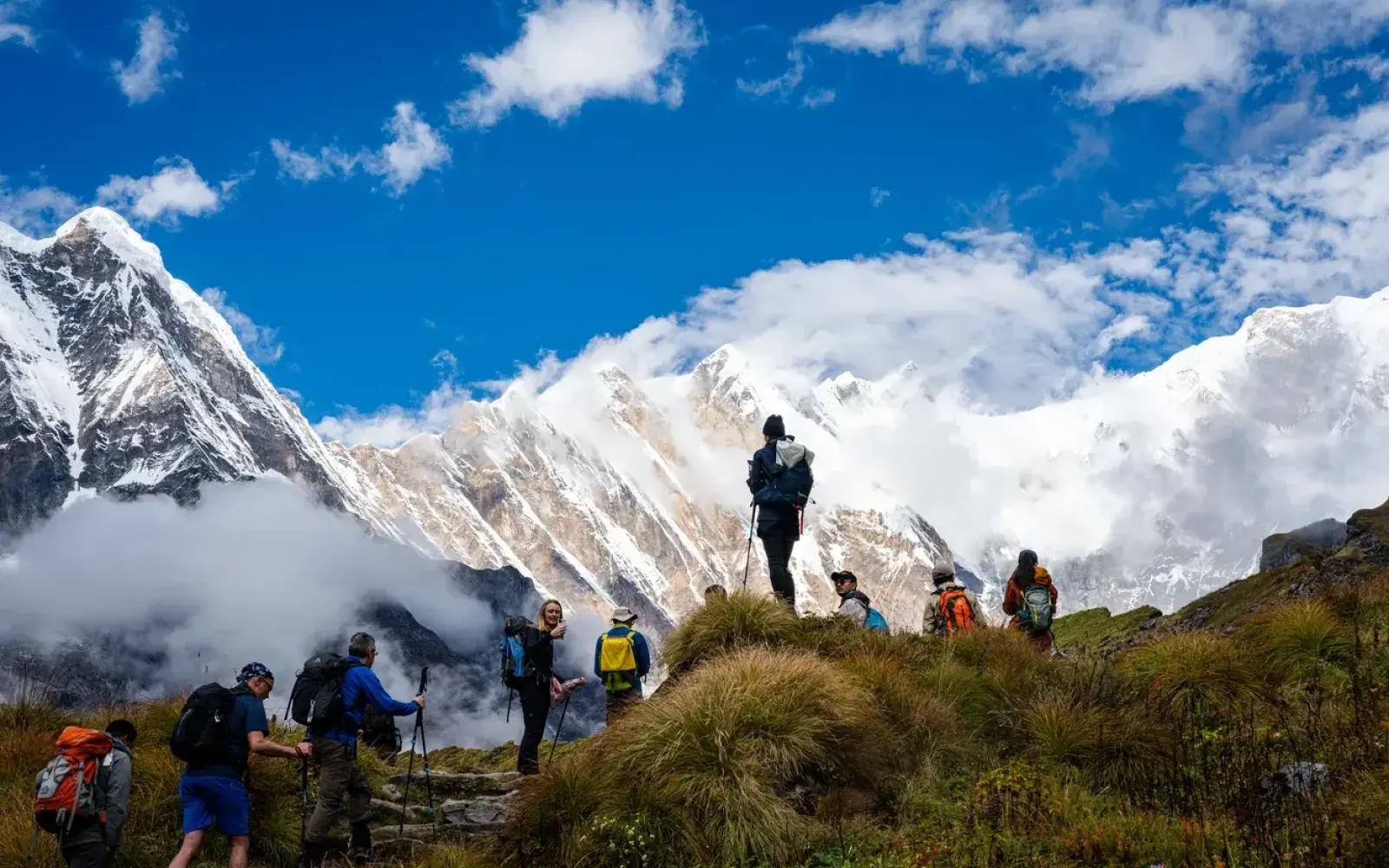
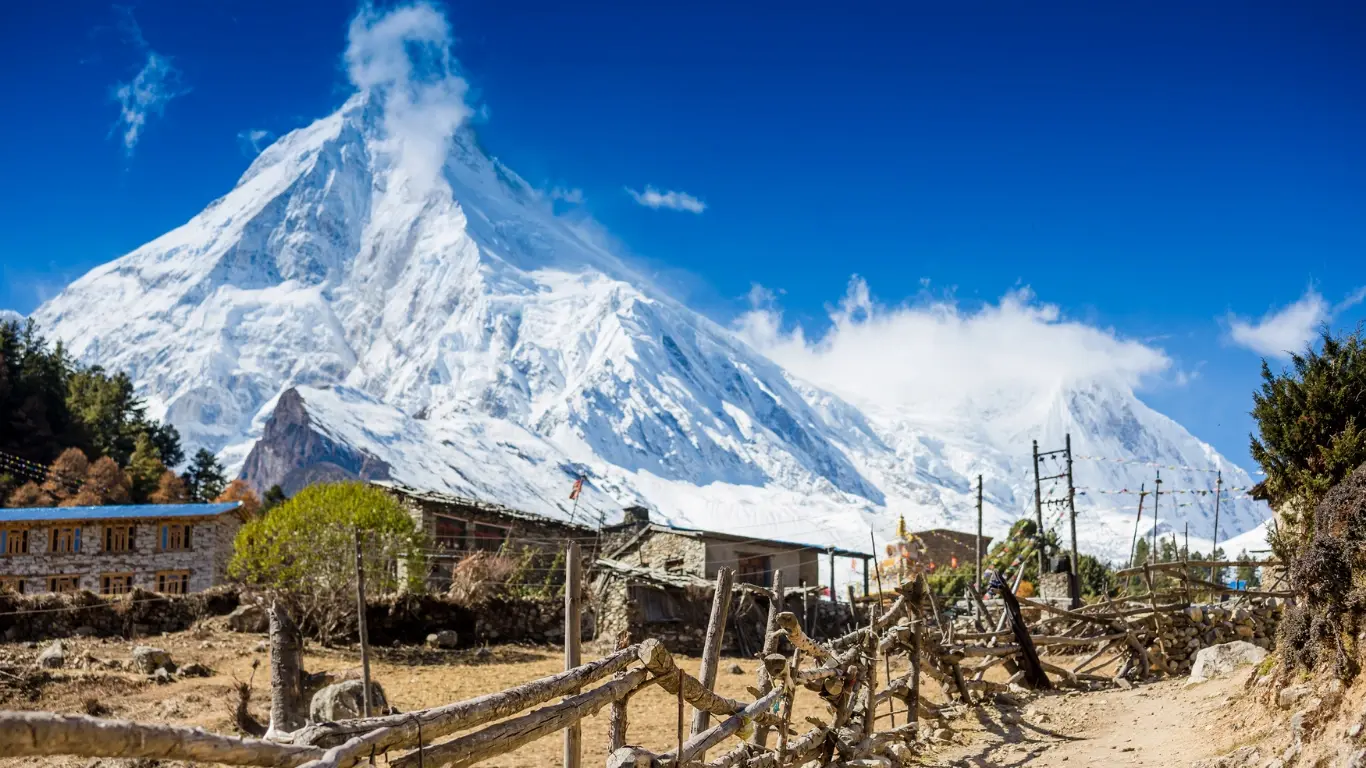
Have you ever dreamed of walking through misty mountain trails, with snow-capped peaks towering above you and prayer flags fluttering in the wind?
Welcome to trekking in Nepal – the adventure that changes lives.
Every year, over 200,000 travelers from around the world lace up their boots and head to Nepal. Some come for the famous Everest Base Camp trek. Others explore the breathtaking Annapurna Circuit. Many discover hidden gems in Langtang, Manaslu, and beyond.
But here's what they all have in common: they leave Nepal with unforgettable memories, new friendships, and a deeper connection to nature.
I've been organizing Nepal trekking tours for over 15 years. I've guided first-timers who had never slept in a sleeping bag. I've helped seasoned mountaineers plan challenging expeditions. And I've watched countless travelers fall in love with the Himalayas.
This guide shares everything I've learned.
Whether you're planning your first Himalayan trekking experience or returning for another adventure, you'll find honest answers to all your questions here.
No complicated jargon. No confusing details. Just clear, practical information to help you plan the trek of a lifetime.
Ready to explore the best treks in Nepal? Let's begin.
Why Trekking in Nepal is World Famous
Nepal isn't just another trekking destination.
It's THE trekking destination.
Here's why travelers from America, Europe, Australia, and beyond choose Nepal over anywhere else:
Home to Eight of the World's Highest Peaks
Nepal shares 8 of the world's 14 peaks above 8,000 meters. This includes Mount Everest (8,848m), Kanchenjunga, Lhotse, Makalu, and more.
Nowhere else on Earth can you trek so close to such legendary mountains.
Unmatched Natural Diversity
In just a few days of Nepal hiking, you can walk through:
Subtropical jungles filled with rhododendrons
Traditional farming villages with terraced fields
Alpine meadows dotted with yaks
High-altitude deserts that feel like another planet
Glacial valleys with turquoise lakes
This incredible variety exists because Nepal rises from just 60 meters above sea level to 8,848 meters – all within 200 kilometers.
Rich Culture and Warm Hospitality
The trails pass through villages where ancient traditions live on. You'll meet Sherpa families in the Everest region, Gurung communities in Annapurna, and Tamang people in Langtang.
Local teahouses welcome you with hot dal bhat, warm beds, and genuine smiles. The famous "Namaste" greeting isn't just a word here – it's a way of life.
Affordable Adventure
Compared to trekking in Europe, Patagonia, or even other Asian destinations, trekking in Nepal offers exceptional value. Quality guided treks, comfortable accommodation, and delicious food cost a fraction of what you'd pay elsewhere.
Well-Established Trekking Infrastructure
Nepal has been welcoming trekkers since the 1960s. Today, you'll find:
Clearly marked trails
Regular teahouses and lodges
Rescue and emergency services
Experienced local guides and porters
Reliable permit systems
This makes Nepal trekking tours accessible to beginners while still offering challenges for experienced hikers.
Best Trekking Regions in Nepal
Nepal offers over 400 trekking routes across different regions. Here are the most popular destinations for Himalayan trekking:
1. Everest Region (Khumbu)
The crown jewel of trekking in Nepal.
The Everest region offers the most iconic trekking experience on Earth. Walking in the footsteps of legendary mountaineers, you'll witness views that have inspired adventurers for generations.
Popular Treks:
Trek Name
Duration
Difficulty
Highlights
Everest Base Camp Trek
12-14 days
Moderate-Challenging
Base Camp, Kala Patthar, Sherpa culture
Gokyo Lakes Trek
12-14 days
Moderate-Challenging
Stunning turquoise lakes, Gokyo Ri viewpoint
Three Passes Trek
18-20 days
Challenging
Three high passes above 5,300m, remote valleys
Everest View Trek
7-9 days
Easy-Moderate
Short option with great Everest views
What Makes It Special:
Stand at the foot of the world's highest mountain
Experience authentic Sherpa culture and monasteries
Visit the famous Tengboche Monastery
Challenge yourself at Kala Patthar (5,545m) for sunrise views
Best For: Bucket-list adventurers, photography enthusiasts, those seeking iconic Himalayan experiences
2. Annapurna Region
The most diverse trekking region in Nepal.
The Annapurna region offers something for everyone – from gentle walks through rice paddies to challenging high-altitude circuits. It's home to the Annapurna trek routes that attract the most trekkers each year.
Popular Treks:
Trek Name
Duration
Difficulty
Highlights
Annapurna Circuit
12-18 days
Moderate-Challenging
Complete mountain loop, Thorong La Pass
Annapurna Base Camp
10-12 days
Moderate
Mountain amphitheater, diverse landscapes
Poon Hill Trek
4-5 days
Easy
Perfect sunrise, rhododendron forests
Mardi Himal Trek
5-7 days
Moderate
Off-the-beaten-path, stunning ridgelines
What Makes It Special:
Cross Thorong La Pass (5,416m) on the classic circuit
Wake up in the Annapurna Sanctuary surrounded by giants
Watch sunrise paint the mountains gold from Poon Hill
Experience diverse cultures – Hindu, Buddhist, and indigenous traditions
Best For: First-time trekkers, families, those wanting variety and good teahouse facilities
3. Langtang Region
The closest Himalayan experience to Kathmandu.
Just 30 kilometers north of Kathmandu, Langtang offers wild beauty without long travel times. Often called the "Valley of Glaciers," this region was devastated by the 2015 earthquake but has rebuilt stronger than ever.
Popular Treks:
Trek Name
Duration
Difficulty
Highlights
Langtang Valley Trek
7-10 days
Moderate
Glacial valley, Kyanjin Gompa, cheese factory
Gosaikunda Lake Trek
7-8 days
Moderate
Sacred alpine lakes, pilgrimage site
Helambu Trek
5-7 days
Easy-Moderate
Cultural villages, close to Kathmandu
Langtang-Gosaikunda-Helambu
14-16 days
Moderate-Challenging
Combined adventure through all areas
What Makes It Special:
Meet the resilient Tamang community
Fewer crowds than Everest or Annapurna
Stunning views of Langtang Lirung (7,227m)
Easy access from Kathmandu
Best For: Travelers with limited time, those seeking authentic cultural experiences, and trekkers avoiding crowded trails
4. Manaslu Region
The hidden gem of Nepal trekking.
The Manaslu Circuit rivals the Annapurna Circuit in beauty but sees only a fraction of the visitors. Restricted until 1991, this region maintains an untouched quality that's increasingly rare in popular trekking destinations.
Popular Treks:
Trek Name
Duration
Difficulty
Highlights
Manaslu Circuit Trek
14-18 days
Challenging
Larkya La Pass (5,106m), Tibetan culture
Tsum Valley Trek
10-12 days
Moderate
Sacred hidden valley, ancient monasteries
Manaslu-Tsum Valley Combined
18-22 days
Challenging
Complete exploration of the region
What Makes It Special:
Authentic Tibetan Buddhist culture
Dramatic scenery rivaling any trek worldwide
The restricted area permit keeps crowds minimal
Close views of Manaslu (8,163m), the world's 8th highest peak
Best For: Experienced trekkers, cultural explorers, those seeking solitude and authenticity
5. Mustang Region
The Last Forbidden Kingdom.
Upper Mustang was closed to foreigners until 1992 and still requires special permits. This trans-Himalayan region feels more like Tibet than Nepal, with red-rock landscapes, ancient cave dwellings, and the walled city of Lo Manthang.
Popular Treks:
Trek Name
Duration
Difficulty
Highlights
Upper Mustang Trek
12-16 days
Moderate
Lo Manthang, ancient caves, unique landscape
Lower Mustang Trek
7-9 days
Easy-Moderate
Kagbeni, Muktinath, accessible adventure
What Makes It Special:
Desert landscapes in the rain shadow of Annapurna
Medieval walled capital with royal palace
Ancient Buddhist caves and monasteries
Unique culture preserved for centuries
Best For: Cultural enthusiasts, photographers, and those seeking unique landscapes
6. Dolpo Region
Nepal's wildest and most remote trekking destination.
Dolpo remains one of the least-visited areas in Nepal. Featured in the book and film "Himalaya" (Caravan), this region offers genuine exploration for adventurous souls.
Popular Treks:
Trek Name
Duration
Difficulty
Highlights
Upper Dolpo Trek
20-25 days
Challenging
Shey Phoksundo Lake, ancient Bon culture
Lower Dolpo Trek
14-18 days
Moderate-Challenging
Phoksundo Lake, less restricted access
What Makes It Special:
Shey Phoksundo, Nepal's deepest and most beautiful lake
Pre-Buddhist Bon religion is still practiced
True wilderness experience
Wildlife, including blue sheep and possibly snow leopards
Best For: Experienced adventurers, those seeking genuine wilderness, and cultural researchers
7. Kanchenjunga Region
Walking to the world's third-highest peak.
Remote, challenging, and spectacularly beautiful, the Kanchenjunga region in far eastern Nepal offers a genuine expedition experience.
Popular Treks:
Trek Name
Duration
Difficulty
Highlights
Kanchenjunga Base Camp Trek
20-25 days
Challenging
North and South Base Camps, pristine wilderness
Kanchenjunga Circuit
25-30 days
Very Challenging
Complete circumnavigation of the massif
What Makes It Special:
Close-up views of five 8,000m peaks
Truly off-the-beaten-path experience
Rich biodiversity and wildlife
Cultural diversity from the Rai to the Limbu communities
Best For: Experienced trekkers seeking remote adventures, those with 3-4 weeks available
Best Time for Trekking in Nepal
Choosing the right season dramatically affects your trekking in Nepal experience.
Autumn (September – November): Peak Season
The best time for most treks.
Aspect
Details
Weather
Clear skies, stable conditions
Visibility
Excellent mountain views
Temperature
Pleasant days, cold nights at altitude
Crowds
Highest (book ahead)
Recommended For
All treks, especially high-altitude routes
Autumn Highlights:
Crystal-clear Himalayan panoramas
Comfortable trekking temperatures
Major festivals like Dashain and Tihar
Reliable weather for photography
Spring (March – May): Second Best Season
Rhododendron blooms and warming weather.
Aspect
Details
Weather
Generally stable, occasional afternoon clouds
Visibility
Good, can be hazy at lower altitudes
Temperature
Warmer than autumn, snow melting at altitude
Crowds
Moderate to high
Recommended For
Most treks, especially lower altitude routes
Spring Highlights:
Rhododendron forests in full bloom (March-April)
Warmer temperatures for high passes
Longer daylight hours
Wildlife more active
Winter (December – February): Cold but Clear
For experienced trekkers seeking solitude.
Aspect
Details
Weather
Cold and dry, occasional snowfall at altitude
Visibility
Excellent on clear days
Temperature
Very cold, especially above 3,000m
Crowds
Very low
Recommended For
Lower altitude treks, experienced trekkers
Winter Highlights:
Empty trails and peaceful teahouses
Stunning snow-covered landscapes
Clear, crisp mountain views
Lower prices for accommodation
Note: Many high passes close due to snow. High-altitude treks like Everest Base Camp and Annapurna Circuit become much more challenging.
Perfect for: Highly experienced trekkers, those seeking genuine wilderness
Characteristics:
Very high altitude, remote regions
3+ weeks duration
Camping or very basic teahouses
Potential technical sections
Full expedition logistics required
Recommended Expedition Treks:
Trek
Duration
Max Altitude
Why It's Great
Upper Dolpo Trek
20-25 days
5,190m
Nepal's wildest region
Kanchenjunga Circuit
25-30 days
5,143m
Remote eastern Nepal
Makalu Base Camp
18-22 days
5,250m
Pristine wilderness
Great Himalaya Trail
150+ days
Various
Ultimate Nepal challenge
Physical Requirements:
Peak physical condition
Extensive high-altitude experience
Ability to handle isolation and unpredictability
Previous challenging treks completed
How to Assess Your Fitness Level
Ask yourself these questions:
Can you comfortably:
✅ Walk uphill for 2+ hours without stopping?
✅ Carry a daypack (5-7 kg) for a full day?
✅ Handle uneven, rocky terrain?
✅ Exercise for 5+ hours without exhaustion?
✅ Recover overnight and repeat the next day?
If you answered "yes" to all: You're ready for moderate treks.
If you answered "yes" to some: Start with easy treks and build experience.
If you answered "no" to most: Begin training 2-3 months before your trip.
Cost of Trekking in Nepal
Understanding the cost of trekking in Nepal helps you plan a realistic budget.
Budget Breakdown by Trek Style
Teahouse Trekking (Most Popular)
Staying in local lodges along the trail.
Component
Budget
Mid-Range
Comfort
Accommodation
$5-10/night
$15-30/night
$40-80/night
Food
$15-25/day
$25-40/day
$40-60/day
Guide
$25-30/day
$35-45/day
$50-70/day
Porter
$20-25/day
$25-30/day
$30-35/day
Permits
$30-50
$30-50
$30-50
Typical Total for 14-day Everest Base Camp Trek:
Budget: $1,200 - $1,500
Mid-Range: $1,800 - $2,500
Comfort: $3,000 - $4,500
Camping/Expedition Trekking
Required for remote areas like Dolpo or Kanchenjunga.
Component
Typical Cost
Full camping package
$100-180/day
Includes: Tents, cook, staff, food, equipment
Permits (restricted areas)
$50-500
Internal flights
$150-400
Typical Total for 20-day Remote Trek: $2,500 - $4,000
What's Included vs. What to Budget Extra
Usually Included in Organized Treks:
✅ Airport transfers
✅ Pre-trek hotel in Kathmandu (1-2 nights)
✅ Trek permits and national park fees
✅ Experienced guide and porters
✅ Teahouse accommodation
✅ Meals during trek (breakfast, lunch, dinner)
✅ Internal transportation to the trailhead
Usually NOT Included:
❌ International flights
❌ Nepal visa ($50-125)
❌ Travel insurance ($80-200)
❌ Personal gear
❌ Hot showers, WiFi, charging ($2-5 each)
❌ Alcoholic beverages
❌ Tips for guide and porter
❌ Personal snacks and extras
How to Save Money (Without Sacrificing Quality)
Book with local companies directly – Save 20-40% compared to international agencies
Travel in shoulder season – Late November or early March offers good weather with lower prices
Join a group trek – Sharing guide/porter costs reduces individual expenses
Bring your own gear – Renting in Kathmandu adds up over multiple days
Eat local food – Dal bhat is nutritious, filling, and cheapest on menus
Limit extras at altitude – Snacks, drinks, and charging cost more at higher teahouses
Hidden Costs to Budget For
Hidden Cost
Amount
When Needed
Kathmandu expenses
$30-50/day
Before/after trek
Gear purchases
$50-300
If you need to buy items
Altitude medicine
$20-50
Diamox prescription
Emergency evacuation
$3,000-5,000
If needed (insurance covers)
Tips
$50-150
End of trek
Souvenirs
Variable
Personal choice
Sample Budgets for Popular Treks
Trek
Duration
Budget
Mid-Range
Comfort
Poon Hill Trek
5 days
$400-500
$600-800
$1,000-1,500
Annapurna Base Camp
12 days
$900-1,200
$1,500-2,000
$2,500-3,500
Everest Base Camp
14 days
$1,200-1,500
$1,800-2,500
$3,000-4,500
Annapurna Circuit
15 days
$1,000-1,300
$1,600-2,200
$2,800-4,000
Manaslu Circuit
16 days
$1,500-1,800
$2,200-2,800
$3,500-5,000
Note: These are ground costs in Nepal. Add international flights and insurance.
Permits and Safety Tips
Trekking Permits in Nepal
All trekkers need permits for Nepal's protected areas.
TIMS Card (Trekkers' Information Management System)
Cost: $20 (organized group) / $40 (individual)
Required for: Most trekking regions
Where to get: Tourist Board offices in Kathmandu or Pokhara
Conservation Area Permits
Area
Cost
Notes
Annapurna Conservation Area
$30
Most popular
Sagarmatha National Park (Everest)
$30
Plus Khumbu Pasang Lhamu fee
Langtang National Park
$30
Manaslu Conservation Area
$70-100
Restricted area, requires guide
Upper Mustang
$500
10 days, highly restricted
Upper Dolpo
$500
10 days, highly restricted
Kanchenjunga
$20
Remote eastern region
Important Permit Notes:
Permits must be obtained before starting treks
Some restricted areas require a minimum 2 trekkers with a licensed guide
Keep permits safe – checkpoints verify them regularly
Your trekking company usually arranges all permits
Essential Safety Tips
Altitude Sickness Prevention
Acute Mountain Sickness (AMS) is the biggest risk for trekkers. Here's how to stay safe:
The Golden Rules:
Climb high, sleep low – Gain no more than 500m sleeping altitude per day above 3,000m
Take acclimatization days – Essential at 3,500m and 4,500m
Stay hydrated – Drink 3-4 liters of water daily
Recognize symptoms – Headache, nausea, dizziness, loss of appetite
Descend if symptoms worsen – This is the only guaranteed cure
Symptoms to Watch For:
Mild AMS
Moderate AMS
Severe AMS (Emergency)
Headache
Severe headache
Confusion, disorientation
Fatigue
Persistent vomiting
Inability to walk straight
Loss of appetite
Breathlessness at rest
Coughing blood/fluid
Difficulty sleeping
Extreme fatigue
Blue lips/fingernails
If experiencing moderate symptoms: Stop ascending, rest, descend if no improvement
If experiencing severe symptoms: Descend immediately, seek medical help, consider helicopter evacuation
Travel Insurance (Essential!)
Never trek in Nepal without proper travel insurance.
Your insurance MUST cover:
✅ Helicopter evacuation (minimum $100,000)
✅ High altitude trekking (up to your maximum elevation)
✅ Medical expenses abroad
✅ Trip cancellation
✅ Personal belongings
Recommended Insurers for Trekking:
World Nomads
Global Rescue
Allianz Travel
IMG Global
Cost: $80-200 for a 2-3 week trip (depending on coverage)
Safety Gear Checklist
Essential Item
Purpose
Headlamp with extra batteries
Nighttime and emergencies
First aid kit
Minor injuries and ailments
Water purification
Safe drinking water
Sun protection
Intense UV at altitude
Emergency whistle
Signaling for help
Emergency blanket
Warmth if stranded
Copies of documents
Passport, permits, insurance
Weather and Trail Safety
✅ Check weather forecasts daily with your guide
✅ Start early to avoid afternoon clouds and storms
✅ Cross rivers and high passes in the morning
✅ Never trek alone in remote areas
✅ Inform the teahouse staff of your next destination
✅ Carry enough snacks and water between stops
Why Choose a Local Trekking Company in Nepal
Booking directly with a local Nepali trekking company offers significant advantages:
Better Value for Money
International agencies add 30-60% markup to cover their overhead and commissions. By booking local, you get the same (or better) service at lower cost.
Example Price Comparison:
Trek
International Agency
Local Company
Savings
Everest Base Camp 14 days
$2,500-3,500
$1,400-2,000
40-45%
Annapurna Circuit 16 days
$1,800-2,800
$1,100-1,600
35-40%
Poon Hill Trek 5 days
$800-1,200
$450-650
40-45%
Local Expertise
Local guides know the trails intimately. They:
Grew up in these mountains
Understand weather patterns intuitively
Have personal relationships with teahouse owners
Know emergency procedures and contacts
Speak local languages and English
Direct Community Benefit
Your money goes directly to:
Nepali families and communities
Local guide and porter salaries
Teahouse owners in remote villages
Conservation and development projects
Flexibility and Personal Service
Local companies offer:
Direct communication (WhatsApp, email)
Easy customization of itineraries
Quick responses to questions and changes
Personal attention throughout your journey
On-the-ground support during emergencies
What to Look for in a Local Company
Green Flags:
✅ Registered with Nepal Tourism Board
✅ Positive reviews on TripAdvisor, Google, Trustpilot
✅ Clear pricing with detailed inclusions
✅ Responsive communication
✅ Proper staff wages and insurance
✅ Environmental responsibility policies
✅ Years of operating experience
Red Flags:
❌ Prices that seem too good to be true
❌ No verifiable reviews or references
❌ Vague answers about inclusions
❌ Pressure to book immediately
❌ No physical office address
❌ Poor English communication
Frequently Asked Questions About Trekking in Nepal
Q: Do I need to be very fit to trek in Nepal?
A: Not necessarily! Nepal offers treks for all fitness levels. Easy treks like Poon Hill or Everest View Trek are suitable for anyone who can walk 4-6 hours daily. Start training 6-8 weeks before your trip with regular walks and stair climbing.
Q: Can beginners do the Everest Base Camp trek?
A: Yes, with proper preparation. While challenging due to altitude (reaching 5,545m), the trail itself isn't technical. Success depends on:
Reasonable fitness
Proper acclimatization
Positive attitude
Experienced guide
Many first-time trekkers successfully complete EBC each year.
Q: Is trekking in Nepal safe?
A: Yes, trekking in Nepal is generally safe when you:
Trek with experienced guides
Have proper travel insurance
Respect altitude and weather
Follow safety guidelines
Nepal has decades of trekking infrastructure and experienced rescue services.
Q: Can I trek in Nepal alone (solo)?
A: Yes, solo trekking is possible on most routes, though we recommend hiring at least a guide. Since October 2023, some areas require mandatory guides for all foreign trekkers. Solo trekking isn't permitted in restricted areas like Manaslu or Upper Mustang.
Practical Questions
Q: What should I pack for trekking in Nepal?
A: Essential items include:
Sturdy hiking boots (broken in)
Layered clothing (base, insulation, waterproof)
Down jacket for high altitude
Sleeping bag (or rent in Nepal)
Day pack (25-30 liters)
Sun protection, water bottles, and a first aid kit
Most gear can be purchased or rented in Kathmandu at reasonable prices.
Q: How much cash should I bring?
A: Bring enough Nepali rupees for personal expenses:
Budget: $15-20/day
Mid-range: $25-35/day
ATMs exist in Kathmandu, Pokhara, and Lukla, but not on the trail. Carry enough cash for your entire trek plus emergencies.
Q: Is WiFi available on the trail?
A: WiFi is available at most teahouses on popular routes like Everest Base Camp and Annapurna, but:
Speed is often slow
Cost: $2-5 per session
Connection can be unreliable
Consider a local SIM card with data for essential communication.
Q: What's the food like on treks?
A: Teahouse food is hearty and delicious:
Dal bhat – Rice, lentils, vegetables (unlimited refills!)
Mo: mo – Tibetan dumplings
Noodle soups – Thukpa, chow mein
Pancakes and porridge – Breakfast favorites
Snacks – Mars bars, Snickers, chips
Food is safe at established teahouses. Stick to cooked food and avoid salads at higher altitudes.
Altitude and Health Questions
Q: Will I get altitude sickness?
A: Anyone can experience altitude sickness, regardless of fitness. The key is:
Ascending slowly
Taking acclimatization days
Staying hydrated
Recognizing symptoms early
With proper acclimatization, most trekkers don't experience serious problems.
Q: Should I take Diamox?
A: Diamox (Acetazolamide) can help prevent altitude sickness. Consult your doctor before the trip. Common approach:
Start 24 hours before reaching high altitude
Take 125-250mg twice daily
Continue until descending
Some trekkers experience tingling in fingers/toes as a side effect.
Q: What if I need to be evacuated?
A: Helicopter evacuation is available throughout Nepal's trekking regions. If needed:
Your guide will call for rescue
The insurance company is contacted
Helicopter reaches most locations within hours
You're taken to Kathmandu for medical care
This is why travel insurance is absolutely essential.
Booking and Timing Questions
Q: How far in advance should I book?
A: Recommended booking times:
Peak season (Oct-Nov): 2-4 months ahead
Spring (Mar-May): 1-3 months ahead
Off-season: 2-4 weeks ahead
Popular routes fill up fast, especially for flights to Lukla.
Q: Can I extend or shorten my trek?
A: Yes! A good trekking company offers flexibility:
Alternative routes if weather/health issues arise
Extra days for better acclimatization
Early return options if needed
Communicate any changes with your guide promptly.
Q: What happens if my flight to Lukla is delayed?
A: Lukla flights are weather-dependent, and delays are common. Good companies:
Build buffer days into itineraries
Have backup plans (helicopter, alternative routes)
Adjust schedules to ensure you reach the destination
Always have flexibility at the end of your trip for potential delays.
Ready to Trek in Nepal? Start Your Adventure Today!
You've read about the majestic peaks, diverse trails, and incredible experiences waiting in Nepal.
Now it's time to make it happen.
Trekking in Nepal isn't just a holiday – it's a journey that transforms you. The mountains have a way of putting life in perspective, of showing you what you're truly capable of.
Every year, thousands of travelers just like you take the first step. They book their trek, board the plane, and discover why Nepal is called the ultimate trekking destination.
Your adventure is waiting.
Take the Next Step
📧 Contact us today for a free, no-obligation quote
Tell us:
Which trek interests you?
When do you want to travel?
How many people are in your group?
Any special requirements?
We'll create a personalized itinerary within 24 hours.
Why Choose Us?
✅ 15+ years of Nepal trekking expertise
✅ Licensed, insured, and registered
✅ 5-star reviews from travelers worldwide
✅ Fair prices, no hidden costs
✅ Experienced local guides who love the mountains
✅ Flexible itineraries and 24/7 support
The mountains are calling. Will you answer?
This guide was written by [Your Name/Company], a Nepal Tourism Board licensed trekking company based in Kathmandu. With over [X] years of experience and thousands of satisfied trekkers, we're committed to providing authentic, safe, and unforgettable Himalayan adventures.
Summary: Your Quick Reference Guide
Topic
Key Takeaway
Best Time
Autumn (Sept-Nov) and Spring (Mar-May)
Top Regions
Everest, Annapurna, Langtang, Manaslu
Beginner Treks
Poon Hill, Everest View, Helambu
Average Cost
$100-180/day (all-inclusive)
Essential Permits
TIMS + Conservation Area Permit
Must-Have Insurance
Helicopter evacuation coverage
Booking
2-4 months ahead for peak season
Share this guide with someone dreaming of trekking in Nepal!