
The 10 Best Treks in Nepal for 2026
10 Jun 2025
What makes for the best treks in Nepal can vary from person to person. While Everest Base Camp Trek (EBC) at 5545 m is ideal for a trekker wanting the...


Let's cut straight to it. Autumn, specifically September through November, is the best time to trek in Nepal. Spring runs a very close second, covering late February through April. But honestly, Nepal doesn't really have a "bad" season for trekking. It just has different ones, and the right choice depends on what kind of experience you're actually after.
The best time to trek in Nepal is during the autumn (September to November) and spring (March to May) seasons. Autumn offers crystal-clear skies and pleasant temperatures post-monsoon, making it ideal for high-altitude treks. Spring provides warmer weather, longer days, and blooming rhododendron forests, perfect for flowers and peak climbing.
Picking your trekking season is one of the most important decisions you'll make — it shapes everything from mountain visibility and trail conditions to crowd levels, accommodation costs, and even which routes are physically accessible.
The right season means safer travel with predictable weather, open passes, and teahouses fully stocked. The wrong one can mean obscured views, closed routes, or scrambling for the last lodge bed in October. Understanding the trekking seasons in Nepal lets you match your expectations to reality — whether you're heading to the Everest Base Camp Trek or exploring the Annapurna Circuit Trek for the first time.
| Season | Months | Weather | Crowds | Best For |
| Spring | Feb–Apr | Warm, slightly hazy | Moderate | Blooming trails, summit climbs |
| Monsoon | May–Aug | Hot and rainy | Low | Rain-shadow regions, tight budgets |
| Autumn | Sep–Nov | Clear and stable | High | Panoramic views, all-round trekking |
| Winter | Dec–Jan | Cold and dry | Very Low | Snow scenery, low-altitude routes |
If you're starting your trip in Kathmandu, late September to December is genuinely hard to beat. Temperatures sit comfortably between 14 and 25°C, the air feels clean, and the mountain backdrop is actually visible on most days.
You also land right in the middle of Nepal's festival calendar, which is something you really shouldn't miss if you have the timing. Dashain and Tihar turn the whole city into something that's difficult to describe but easy to feel.
Here is the breakdown of best time to trek in Nepal by season:
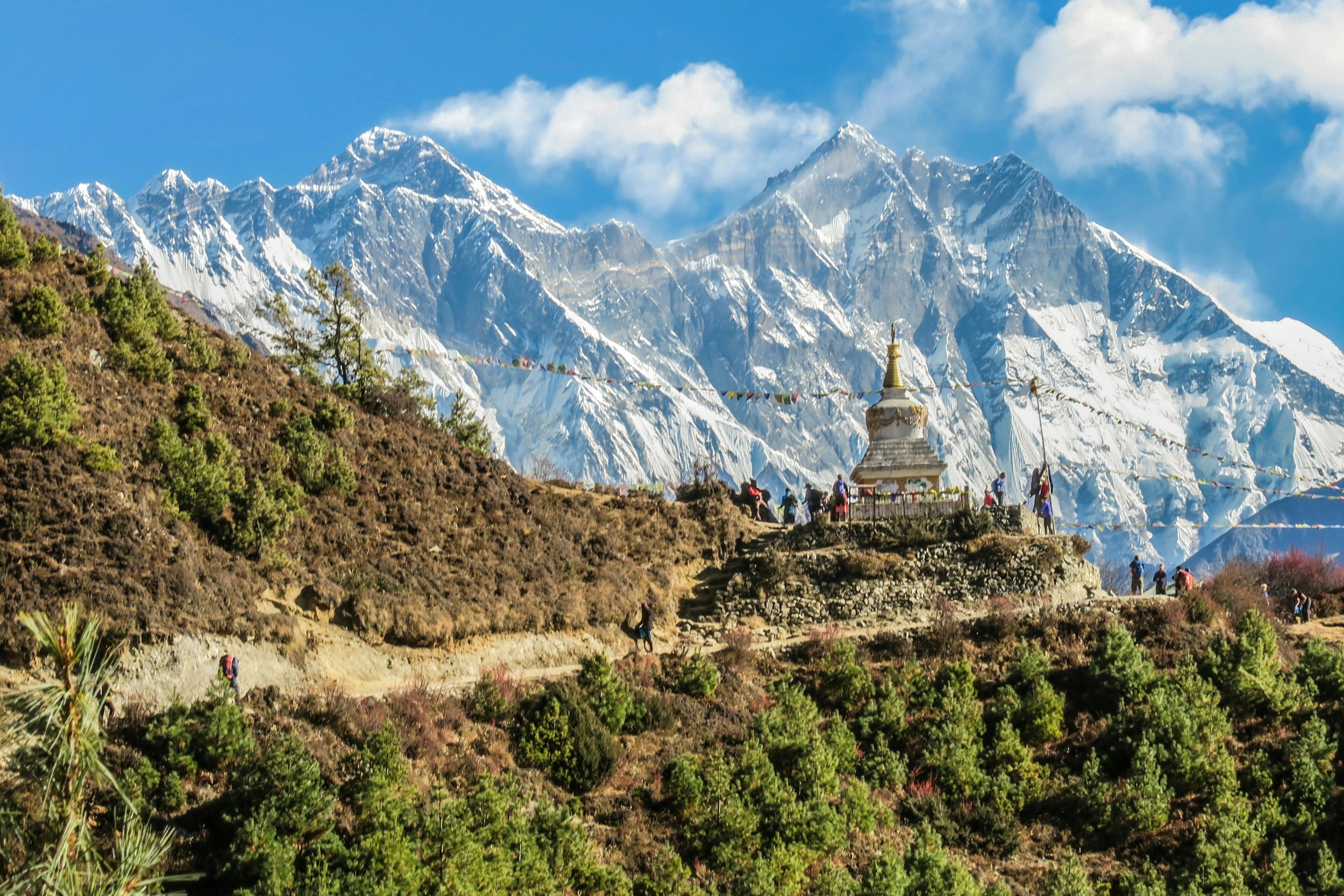
Autumn is the main event. There's really no way around it.
Once the monsoon clears, the air over the Himalayas becomes incredibly clean. Mountains that were hiding behind clouds for months suddenly appear in full detail. The weather is stable, the temperatures are comfortable, and the whole country feels energized. October, in particular, is probably the single best month to trek anywhere in Nepal. We'd argue it's one of the best months to be outdoors almost anywhere in the world.
The trade-off is obvious. Everyone knows about autumn, so everyone shows up. Everest Base Camp and the Annapurna Circuit get genuinely crowded in October. Teahouses book out. Guide rates in Thamel climb. But to be fair, those are manageable problems compared to what other seasons throw at you.
Autumn is ideal for almost every major route. The Everest Base Camp Trek offers jaw-dropping views of Everest and Lhotse in peak clarity. The Annapurna Circuit Trek showcases diverse landscapes and cultural villages at their scenic best. The Gokyo Lakes trek, the Langtang Valley Trek, and Annapurna Base Camp are all excellent choices during this season.
While temperatures are generally pleasant, packing layers is crucial. A good waterproof and windproof outer shell is essential. Bring moisture-wicking base layers, insulating mid-layers (fleece or down jacket), and comfortable hiking trousers. Sturdy, broken-in hiking boots are a must. Don't forget a warm hat, gloves, sunglasses, and high SPF sunscreen for protection against the strong mountain sun. A good quality sleeping bag rated for at least 0°C is recommended, especially for higher altitudes.
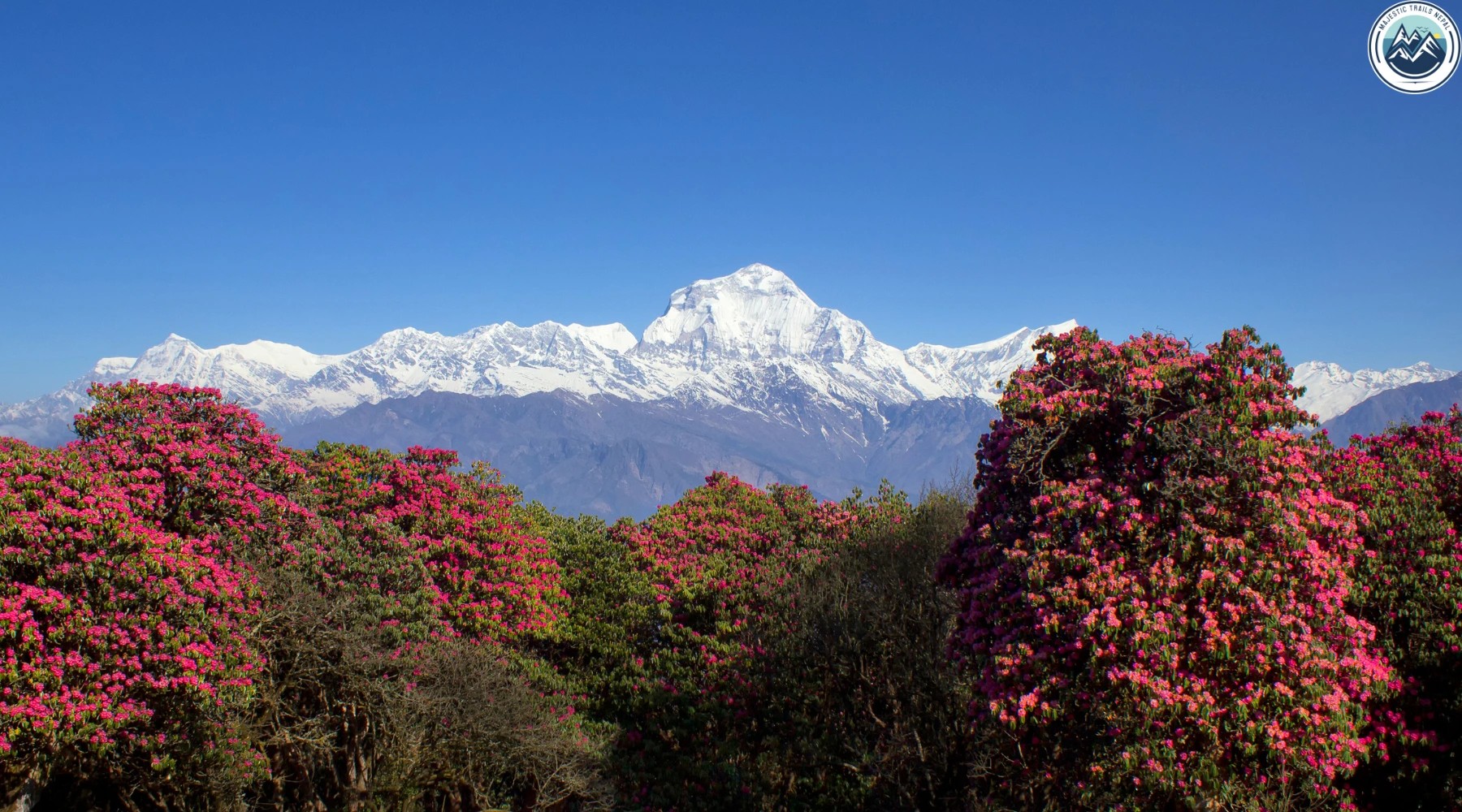
Spring is, in our opinion, the most underrated trekking season in Nepal. The trails are quieter than autumn, the rhododendron forests are in full bloom, and the weather is genuinely pleasant without being extreme. It feels less like a trekking season and more like the Himalayas showing off.
Temperature-wise, you're looking at around 16 to 23°C at higher elevations during the day. And by April, major passes like Cho La (5,335m) and Thorong La (5,416m) start shedding their snow cover, making high-altitude routes viable again.
Spring is also the main climbing season. If Everest or any serious peak is on your list, this is your window.
Daytime highs reach 16–23°C at mid-altitude. Nights are cooler but generally above freezing. By April, major passes like Cho La (5,335m) and Thorong La (5,416m) begin shedding their winter snow, opening high-altitude routes to all trekkers. Afternoons can bring cloud build-up, and occasional snow showers are possible at elevation without much warning — something to plan around.
The Everest Base Camp Trek in spring comes with the added spectacle of expedition activity on the upper mountain. The Annapurna Circuit Trek and Annapurna Base Camp are particularly beautiful — rhododendrons here are at their absolute peak from March to April. The Langtang Valley Trek also offers gorgeous floral displays and fewer crowds than autumn.
Packing for spring requires a versatile approach. Lightweight, moisture-wicking clothing for base layers is ideal. Include mid-layers for warmth, and a waterproof and windproof jacket for unpredictable weather. Long hiking trousers are recommended. A hat and gloves are still necessary for cooler mornings and evenings. Sun protection remains crucial. Given the potential for afternoon showers, good-quality rain gear is a must. Insect repellent is also advisable as warmer temperatures bring out mosquitoes at lower elevations.
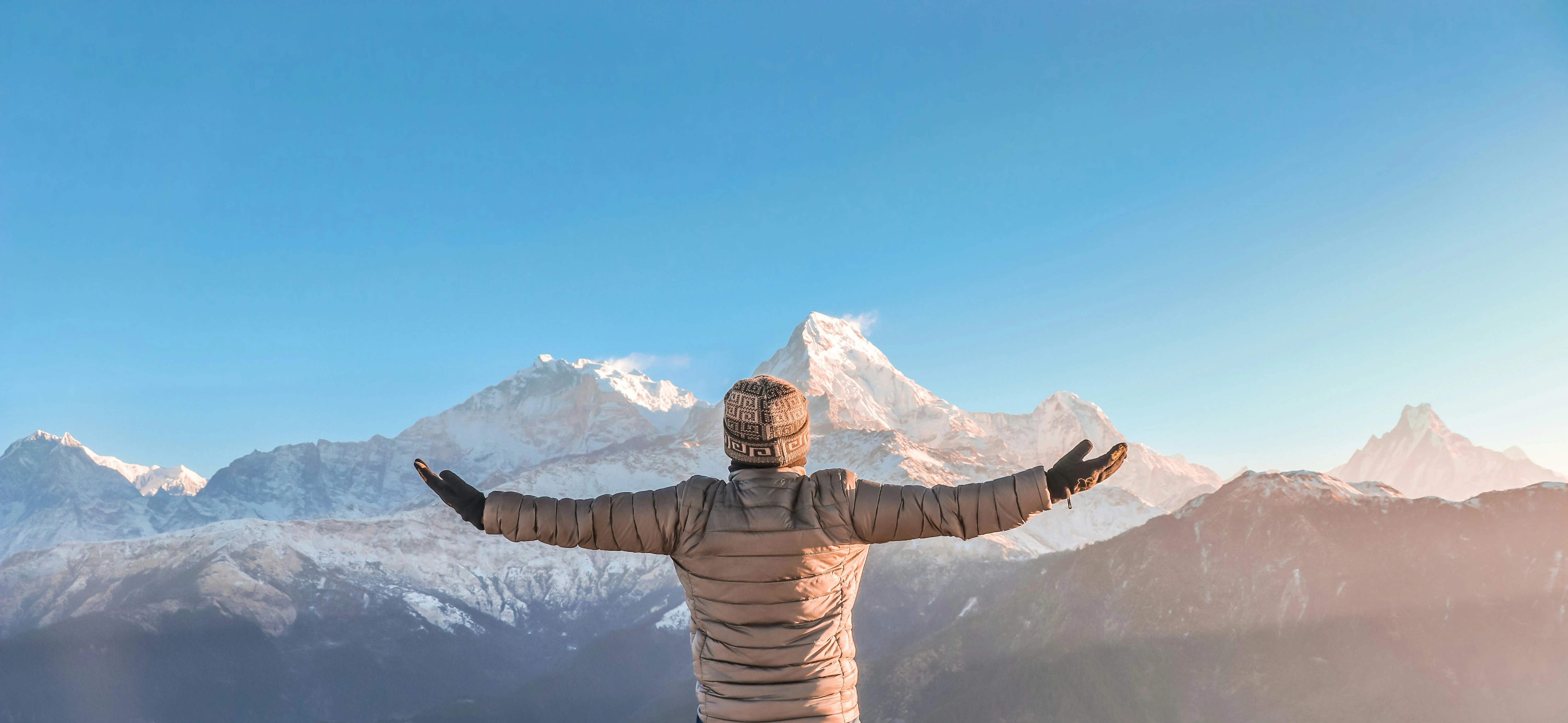
Winter gets dismissed too quickly, and that's a shame.
There's something almost cinematic about the Himalayas when they're buried in snow. You share the trail with barely anyone. Daytime temperatures at lower elevations hover around 9 to 12°C, which is cold but not unbearable. The skies are often strikingly clear during the day.
The hard limit is altitude. High passes like Thorong La, Kongma La, and Renjo La close under heavy snowfall and stay that way. So routes that rely on crossing above 5,000m simply aren't realistic for most trekkers in December or January.
But winter works brilliantly for low-altitude trekking. And it's also the best season to visit Chitwan and Bardia National Parks, where Bengal tigers and one-horned rhinos are far easier to spot than at any other time of year.
Temperatures at higher altitudes plummet well below freezing, with significant snowfall common above 3,000m. Daylight hours are shorter, and high passes like Thorong La, Kongma La, and Renjo La close under heavy snowfall. This is the hard limit of winter trekking in Nepal — routes requiring crossings above 5,000m are simply not realistic for most trekkers in December or January.
The Ghorepani Poon Hill trek is one of the finest winter routes in Nepal — accessible, rewarding, and beautiful under snow. Lower Annapurna region treks work well throughout winter. The arid regions of Mustang and Dolpo also remain relatively accessible during this period.
Extreme cold weather gear is essential. High-quality, down-filled insulated jackets and trousers are a must. Thermal base layers made from merino wool or synthetic materials are crucial for retaining warmth. You'll need a warm hat that covers your ears, insulated gloves or mittens, and warm socks. A very warm sleeping bag (rated to -15°C or colder) is highly recommended, as lodge blankets may not be sufficient. Waterproof and windproof outer layers are still important for protection against snow and wind chill. Lip balm and moisturisers are vital to combat the dry, cold air.
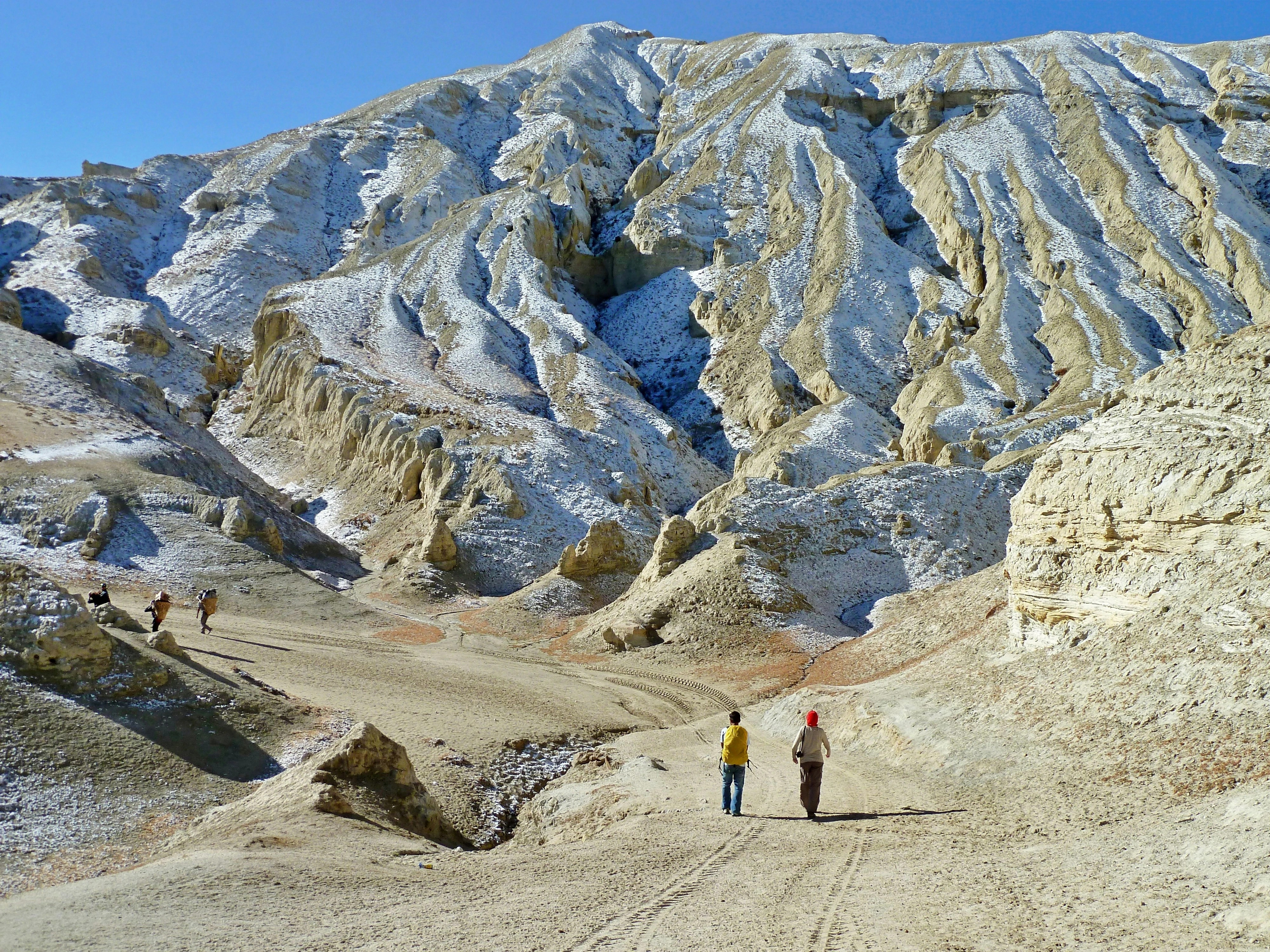
So here's the thing about monsoon trekking. Most people skip it entirely, and honestly, that's understandable. But there's a side to it that most travel guides gloss over.
Yes, you'll deal with leeches on the lower trails. Yes, paths get slippery and muddy. And yes, mountain views mostly disappear behind clouds for weeks at a stretch. But the valleys are insanely green, waterfalls appear out of nowhere, prices drop across the board, and the trails feel almost entirely yours.
More importantly, the rain-shadow regions don't actually get monsoon rain. Upper Mustang, Upper Dolpo, and Narphu Valley sit behind the Himalayan barrier and stay dry even while the rest of Nepal is soaked. If these destinations are calling you, June through August is basically the ideal time to go.
Heavy rainfall, high humidity, and frequent cloud cover define the monsoon period across most of Nepal. Temperatures in Kathmandu and the Terai push toward 30°C. The Nepal trekking weather during this period is genuinely challenging at low altitude — but the high-altitude picture is more nuanced.
Upper Mustang is the standout choice — it stays dry when the rest of Nepal is soaked and offers dramatic high-desert landscapes unique to trans-Himalayan Nepal. Upper Dolpo and Narphu Valley are similarly excellent rain-shadow alternatives for adventurous trekkers willing to go off the beaten trail.
High-quality waterproofs are paramount: a reliable rain jacket and trousers, waterproof boots, and a waterproof cover for your backpack. Gaiters are essential to keep mud and water out of your boots and trousers. Quick-drying clothing is beneficial. Insect repellent is a must, and water purification methods are essential as water sources can be contaminated by heavy rains. A dry bag to protect electronics and other sensitive items is also highly recommended.
| Trek | Best Season | Worth Knowing |
| Everest Base Camp | Autumn, Spring | Views peak in October and November |
| Annapurna Circuit | Autumn, Spring | Skip the Thorong La crossing July to August |
| Annapurna Base Camp | Spring, Autumn | Rhododendrons hit their best from March to April |
| Upper Mustang | Monsoon, Spring | Stays dry when the rest of Nepal is soaked |
| Ghorepani Poon Hill | Autumn, Winter | One of the few routes that works year-round |
| Langtang Valley | Autumn, Spring | Heavy monsoon months make the trail rough |
| Manaslu Circuit | Autumn | Remote enough that clear windows matter more |
| Narphu Valley | Monsoon | Brilliant rain-shadow destination, rarely crowded |
There's no single wrong answer here, and we think that's what makes Nepal special. Autumn gives you the clearest views and the most reliable conditions. Spring gives you rhododendrons and slightly fewer crowds. Monsoon gives you solitude, low prices, and access to rain-shadow gems most trekkers never see. Winter gives you snow, silence, and a trail basically to yourself.
Pick the experience, not just the season. Figure out what you want to feel when you're out there, then work backwards to find the dates.
And book your guide early, especially if you're aiming for October.
October. Honestly, it's not that close. The post-monsoon clarity is at its peak, the weather is stable, and you're not dealing with the cold extremes that November starts to bring at altitude.
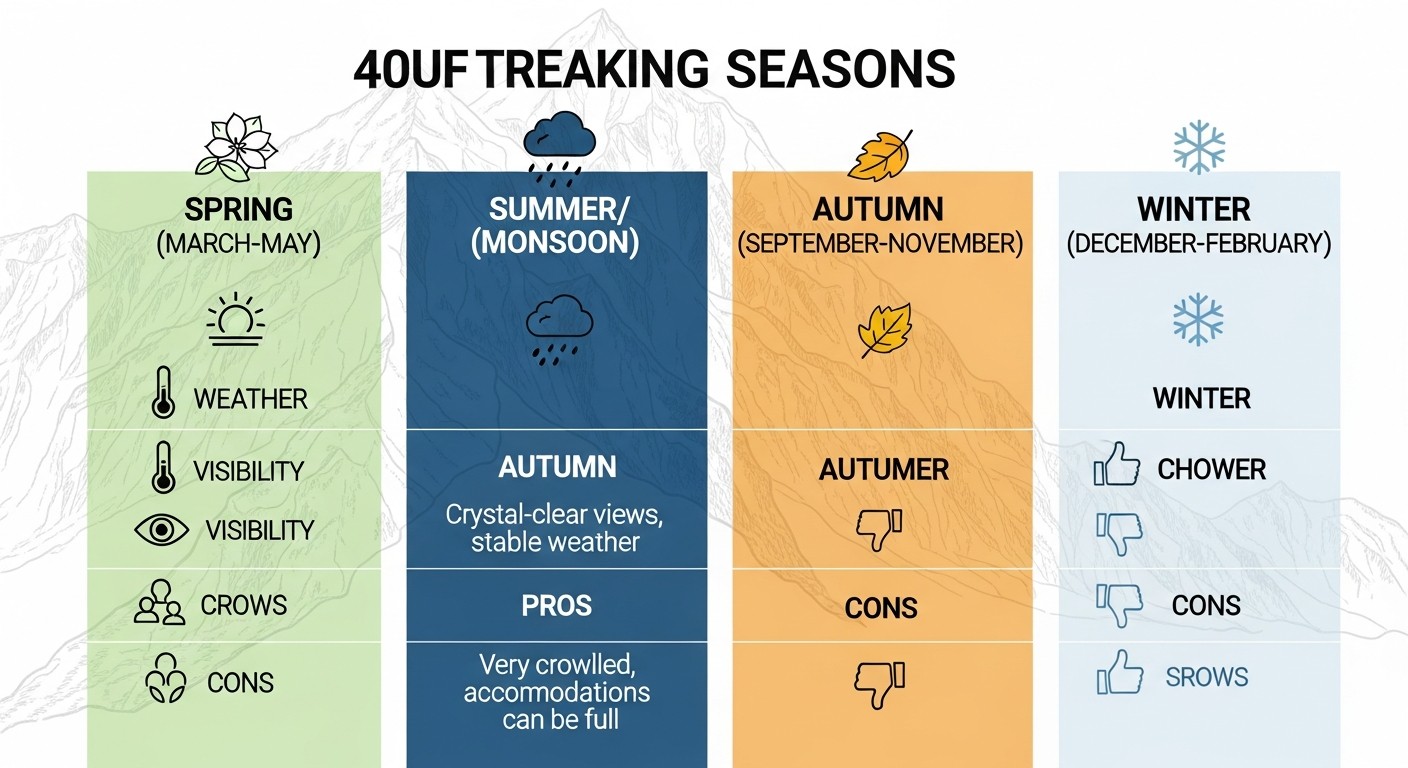
Nepal experiences four distinct seasons that each offer a unique experience. Understanding these helps you choose the best Nepal treks for your specific goals:
October is widely regarded as the best month to go to Nepal. By this time, the monsoon has retreated, leaving the atmosphere exceptionally clear. Temperatures are comfortable—daytime highs of 15°C to 20°C at Namche Bazaar—while evenings are cool but not yet bitter. Because this is the gold standard for visibility, Nepal trekking packages for October often book up months in advance.
Both are excellent, but they suit different priorities:
For travelers with limited time, the Ghorepani Poon Hill trek or the Dhampus Sarangkot trek are often cited as the best 3 day trek in Nepal. These routes offer stunning views of the Annapurna and Dhaulagiri ranges without requiring weeks of commitment.
Yes. Nepal trekking December and trekking in Nepal in January are becoming popular for those seeking solitude. While high-altitude routes like the Annapurna Circuit may be blocked by snow, lower-elevation treks (under 3,000m) are beautiful. You will find that Nepal trekking guide services are more available, and the views are often sharper than in the hazy spring months.
The best trek in Nepal for beginners is generally the Ghorepani Poon Hill trek. It reaches a maximum altitude of 3,210m, meaning the risk of altitude sickness is low, yet it provides a "big mountain" experience. Other great entry-level options include the Langtang Valley or the Mardi Himal trek.
The best time to trek in Nepal Annapurna is October and November. Unlike the Everest region, the Annapurna trails feature diverse landscapes from sub-tropical forests to alpine scree. The autumn window ensures the Thorong La Pass (5,416m) is most likely to be clear of heavy snow, making it safer for hikers.
For peak seasons (October and April), you should book your Nepal trekking packages 3 to 6 months in advance. This is especially critical for treks involving domestic flights, such as the Everest Base Camp trek, as seats to Lukla are limited and in high demand.
While some trails allow independent hikers, hiring a licensed Nepal trekking guide is highly recommended for safety, cultural immersion, and logistics. Since 2023, the Nepal Tourism Board has implemented new regulations regarding solo trekking in certain regions; always check the latest requirements before your arrival.
If you are trekking in Nepal in January, the layering principle is your best friend. You will need:
Expert Tip: Regardless of when you go, always ensure your travel insurance specifically covers "trekking up to 6,000 meters" and includes emergency helicopter evacuation.
What makes for the best treks in Nepal can vary from person to person. While Everest Base Camp Trek (EBC) at 5545 m is ideal for a trekker wanting the...
Group Departure Trekking in Nepal offers the perfect solution for adventurers who want to explore the Himalayas without the hassle of planning every d...

The Langtang Valley Trek is one of Nepal’s most rewarding trekking adventures—less crowded than Everest or Annapurna, yet rich in culture, biodiversit...

Short on time but big on ambition? Nepal delivers extraordinary mountain experiences in as little as three days, and this guide breaks down exactly wh...
The Annapurna Base Camp trek stands among the world's most iconic Himalayan adventures. Every year, thousands of trekkers from across the globe journe...
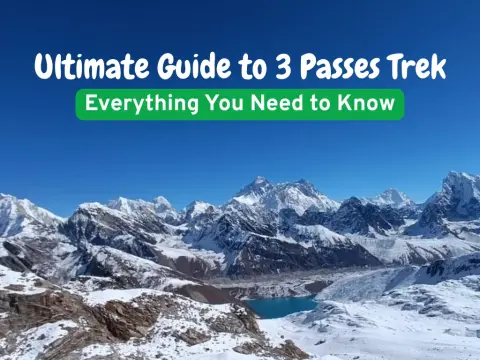
Nepal, cradled by the majestic Himalayas, calls out to adventurers with its unrivaled trekking opportunities. While the Everest Base Camp (EBC) trek a...
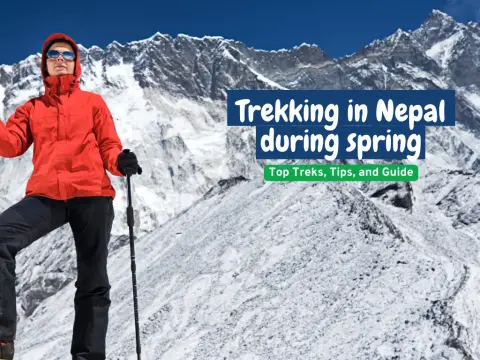
Introduction: Why Spring is Nepal's Golden Season for TrekkersSpring in Nepal is a season of renewal, a time when the Himalayas awaken from their wint...
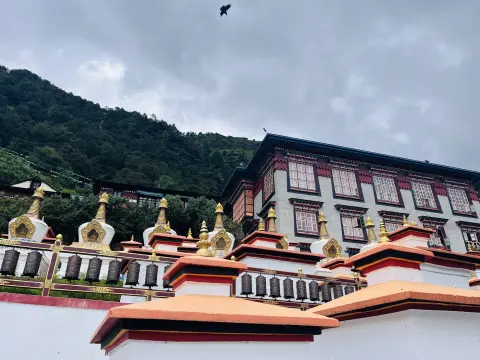
Situated in the peaceful Solu-Khumbu region of Nepal, near the village of Junbesi, Thupten Chholing Monastery is a living testament to Tibetan Buddhis...
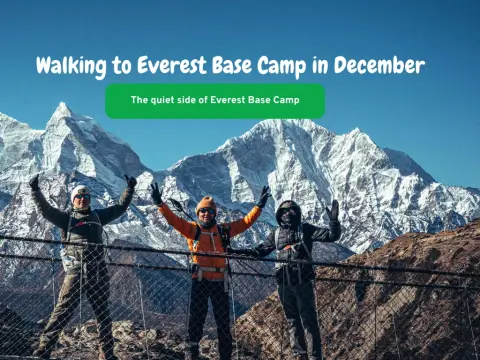
IntroductionNepal — the final destination for every mountaineer. A place where almost everyone dreams of going at least once in their lifetime. To see...
