
The 10 Best Treks in Nepal for 2026
10 Jun 2025
What makes for the best treks in Nepal can vary from person to person. While Everest Base Camp Trek (EBC) at 5545 m is ideal for a trekker wanting the...

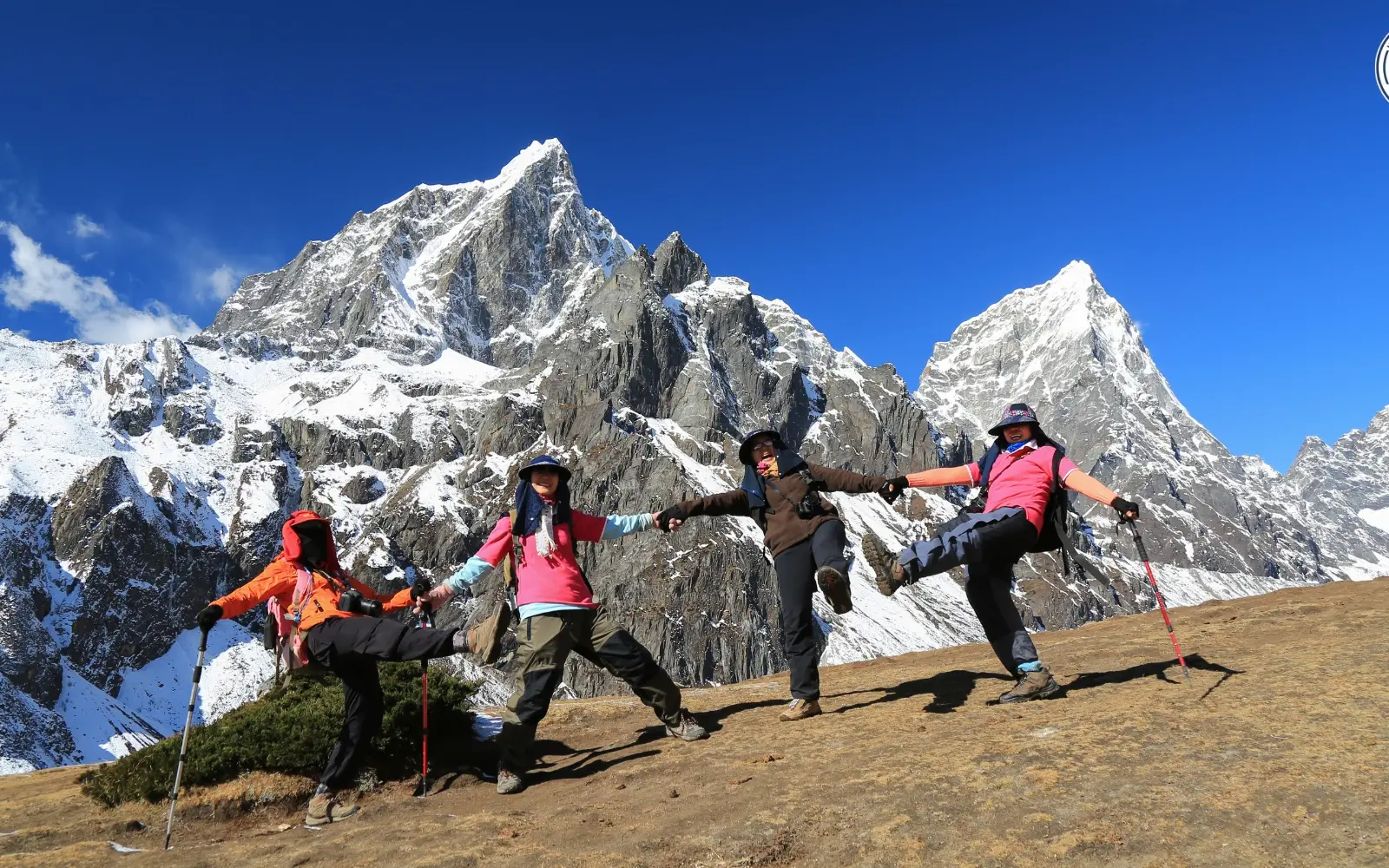

Short on time but big on ambition? Nepal delivers extraordinary mountain experiences in as little as three days, and this guide breaks down exactly which routes are worth your time in 2026.
Nepal doesn't ask you for weeks of your time before it shows you something extraordinary. That's one of the things we genuinely love about this country, and quite frankly, it operates in a league of its own when it comes to accessible mountain experiences. You can fly into Kathmandu on a Monday, be standing on a ridge with Annapurna filling your entire field of vision by Wednesday, and still make it back to Pokhara before the weekend. The best short treks in Nepal are built for exactly that kind of trip.
Whether you've got three days or a full week, the options here are better than most people realize. And from what Majestic Trails Nepal has seen guiding people through Nepal's trails across different seasons, the short routes often produce some of the most vivid memories, precisely because there's no slow build-up. You hit the good stuff fast, and the pace keeps everything feeling sharp.
This guide is built from real trail experience. Majestic Trails Nepal has guided trekkers of all ages and fitness levels through every route on this list. What follows isn't a list assembled from research alone. It's a nuanced breakdown of what each trek actually delivers, who it suits best, and what to watch out for.
Dreaming of the Himalaya isn’t enough; it's time to walk among them. 2026 is your year for a stunning, quick escape. Book your unforgettable short trek to Nepal today with Majestic Trails Nepal!
A Note on What Makes This Guide Different
A lot of short trek guides pull information from other sources and repackage it. This one doesn't pull any punches. Majestic Trails Nepal's guides have walked every route on this list across multiple seasons, at different altitudes, with trekkers ranging from 7-year-olds to people in their 70s. The notes on difficulty, crowd levels, seasonal conditions, and what each trek actually delivers come directly from that first-hand field experience.
We've also included honest trade-offs. Every trek has something it does brilliantly and something it doesn't. Knowing both before you book makes your trip better.
Here is the list of top short treks in Nepal:
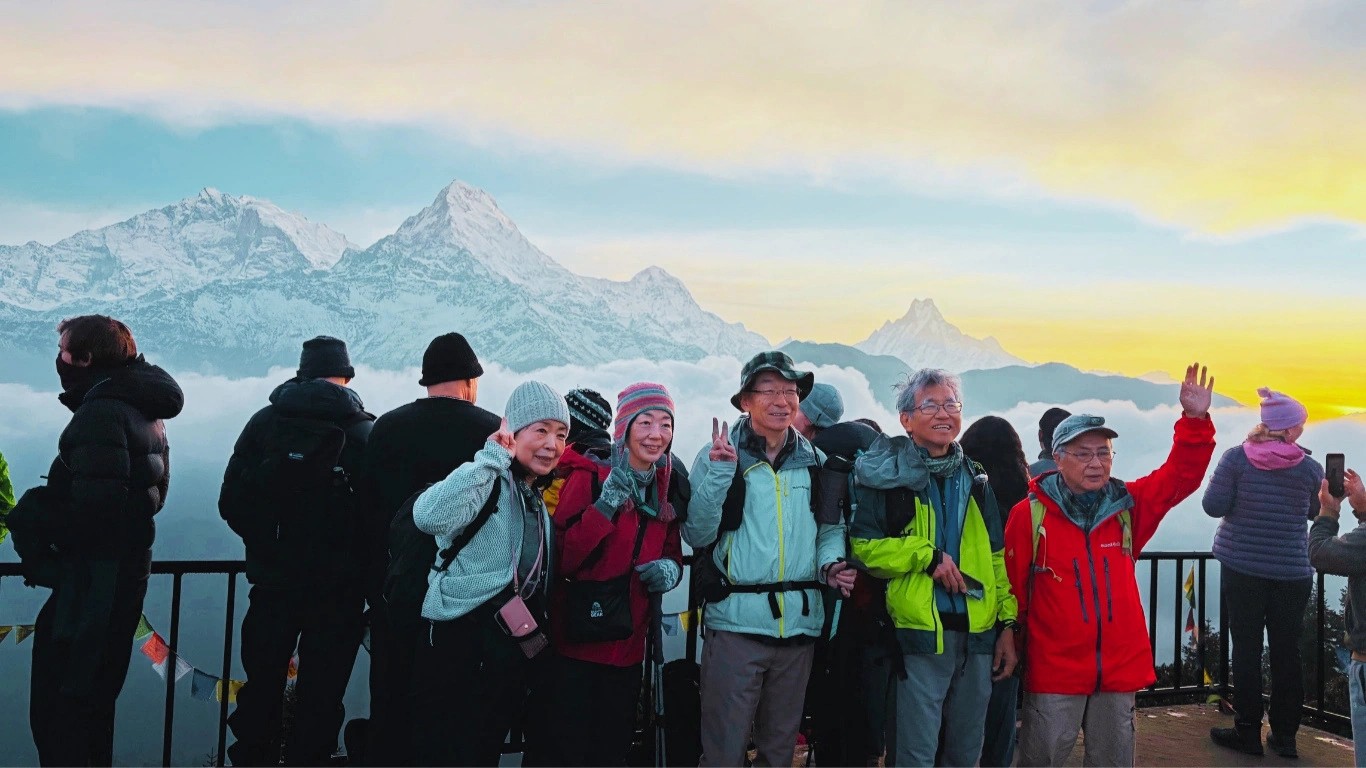
Duration: 3 to 5 days | Max Altitude: 3,210m | Difficulty: Easy to Moderate | Best Season: March to May, September to November
If there's one trek in Nepal that consistently over-delivers for the time and effort it asks for, it's Ghorepani Poon Hill Trek. This is basically the gold standard for short treks in Nepal for beginners, and it earns that reputation every single time.
The trail starts from Nayapul, a short drive from Pokhara, and winds through ethnic Gurung and Magar villages in Ghorepani, Ulleri, and Ghandruk. Dense rhododendron forests line most of the route, and in spring they're spectacular. Whole hillsides turn red, pink, and white simultaneously, creating a landscape so salient in its beauty that even seasoned trekkers stop in their tracks.
The main event is sunrise from Poon Hill's viewpoint at 3,210 meters. You're up before dawn, headlamp on, moving through a crowd of equally sleep-deprived trekkers, and then the light hits the Annapurna range and Dhaulagiri and the whole effort makes complete sense. Views of Annapurna I through IV, Nilgiri, Annapurna South, Himchuli, Lamjung Himal, and Machhapuchhre all at once. It's a lot.
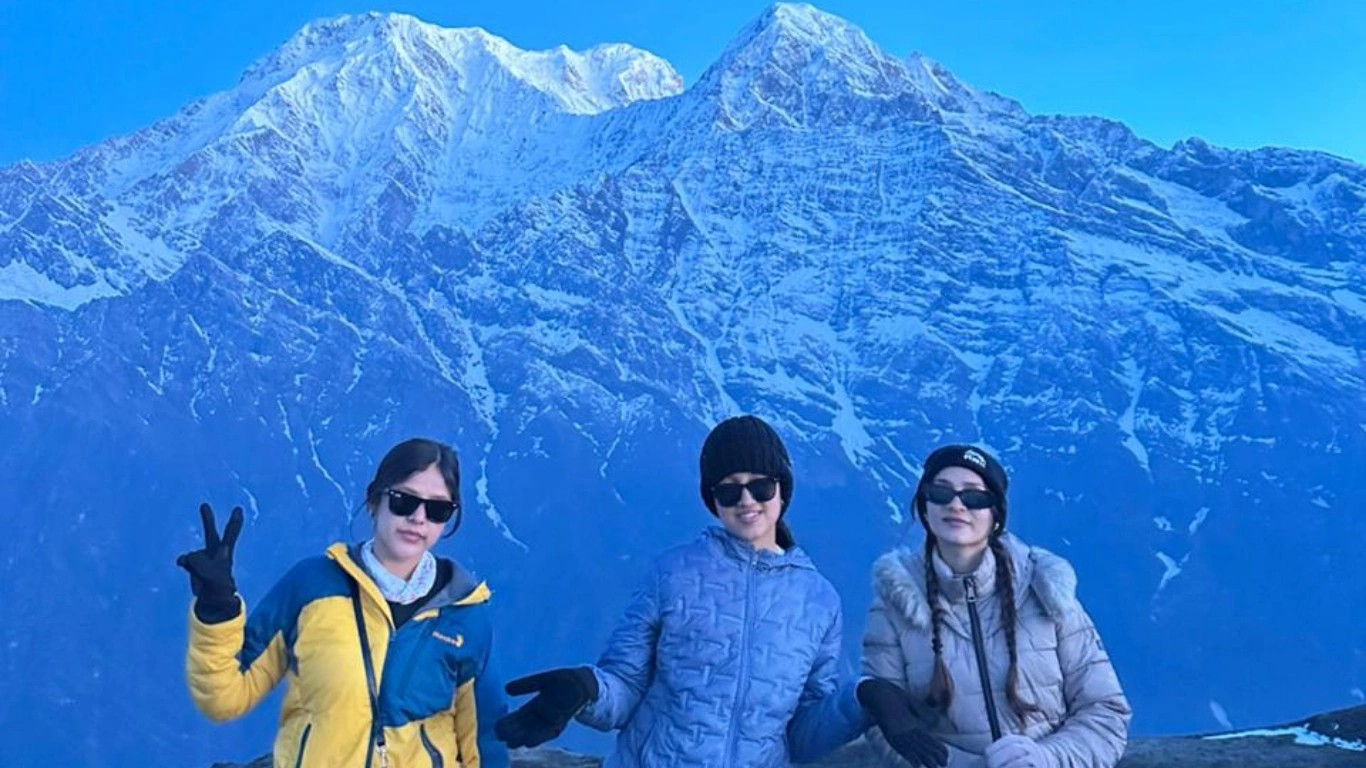
Duration: 4 to 6 days | Max Altitude: 4,500m | Difficulty: Easy to Moderate | Best Season: March to May, October to November
Mardi Himal Trek is the one we'd push more people toward if they want something slightly off the main tourist flow. It's newer than Poon Hill, less known among international visitors, and genuinely beautiful in a more raw and personal way, which is precisely what sets it apart from the more trodden routes.
The trek starts from Kande village, a 45-minute drive from Pokhara, and climbs through rhododendron forests before the trail steepens toward the high camp ridge. From the upper sections you get close-up views of Machhapuchhre (Fishtail Mountain) directly above you, alongside Annapurna South, Hiunchuli, Gangapurna, and Mardi Himal itself. On clear days the Dhaulagiri range stretches across the full horizon.
What makes Mardi Himal feel different from Poon Hill is the scale of the views. You're not looking at the peaks from across a valley. They're right there, filling the sky above you. It's the kind of proximity that makes you stop mid-sentence.
What the data says: Mardi Himal reaches 4,500 meters, making it the highest-altitude short trek near Pokhara. Majestic Trails Nepal guides note that acclimatization on the ascent is gradual enough that most trekkers handle it well without prior altitude experience.
Honest trade-off: The upper sections above High Camp can feel cold and exposed in early March and late November. It's doable but requires proper layering.
Best for: Trekkers wanting fewer crowds, close-up Himalayan views, and a more personal experience near Pokhara. Also a strong option for a 3-day trek in Nepal via the Siding village route.
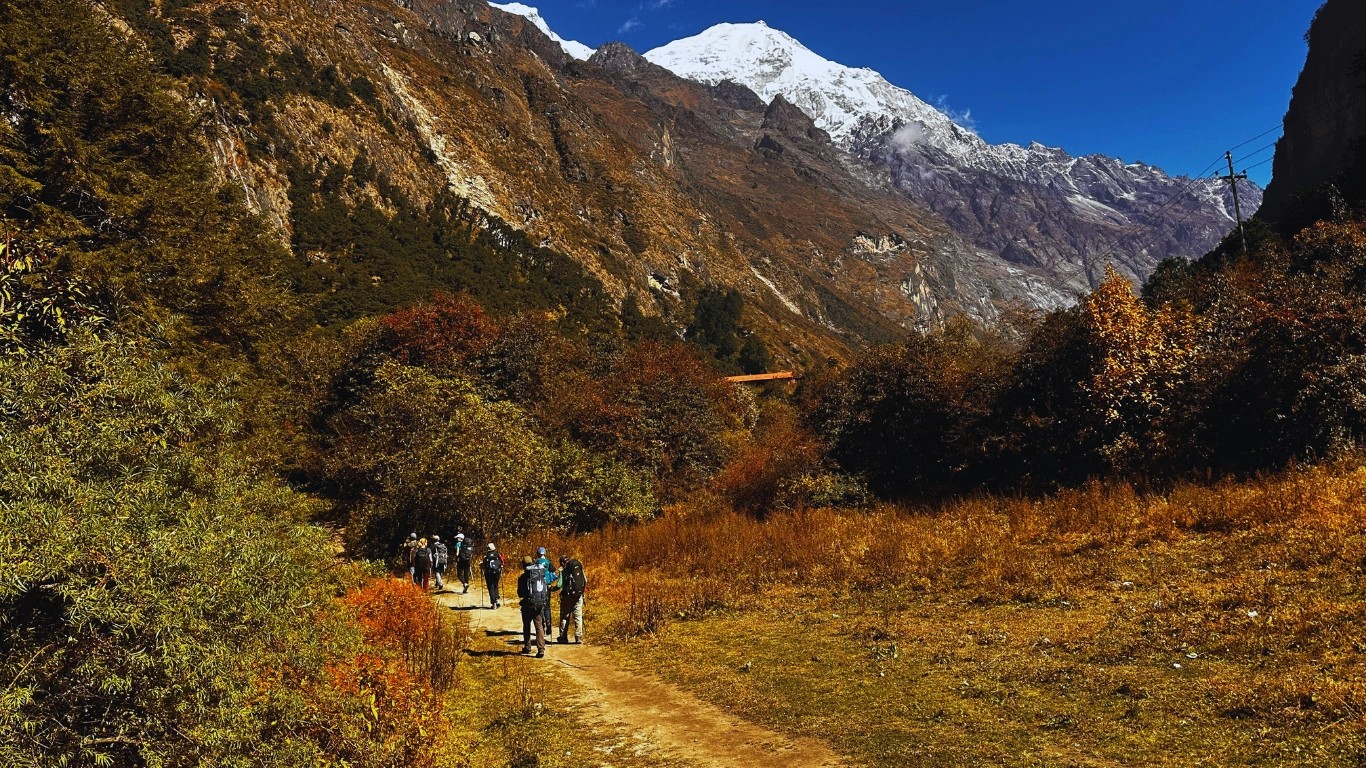
Duration: 5 to 8 days | Max Altitude: 5,050m | Difficulty: Easy to Moderate | Best Season: March to May, September to November
Langtang sits just 19 miles from Kathmandu, which makes it one of the most accessible proper mountain treks anywhere in Nepal. And yet it's significantly less crowded than the Annapurna or Everest routes, which gives it a character that feels genuinely unhurried, a paradigm of what authentic trekking in Nepal can still look like.
The trail starts from Syabrubesi and follows an ancient trade route toward Tibet, passing yak farms and traditional cheese factories, classical monasteries and gompas, dense forests of oak, maple, pine, and rhododendron, and dozens of waterfalls tumbling out of glacial valleys. The Tamang and Sherpa communities along the route offer some of the warmest, most authentic hospitality you'll find on any trail in Nepal.
The main viewpoints at Kyanjin Ri and Chorkari Ri sit above 4,700 meters and deliver 360-degree panoramas of Langtang Lirung, Ganesh Himal, and distant Shishapangma over the Tibetan border. And if conditions allow, you might spot red panda in the forest sections of Langtang National Park, one of Nepal's genuinely exciting wildlife encounters.
What the data says: Langtang is Nepal's third most popular trekking destination overall. Despite that ranking, trail density is noticeably lower than Annapurna or Everest routes, giving trekkers more breathing room at key stops.
Honest trade-off: The 2015 earthquake significantly affected Langtang village. Rebuilt teahouses are good quality now, but some longer-term trekkers feel the village has changed in character. Worth knowing before you go.
Best for: Trekkers based in Kathmandu who want a quick but proper mountain immersion with strong cultural depth. Also excellent for wildlife enthusiasts and photographers.
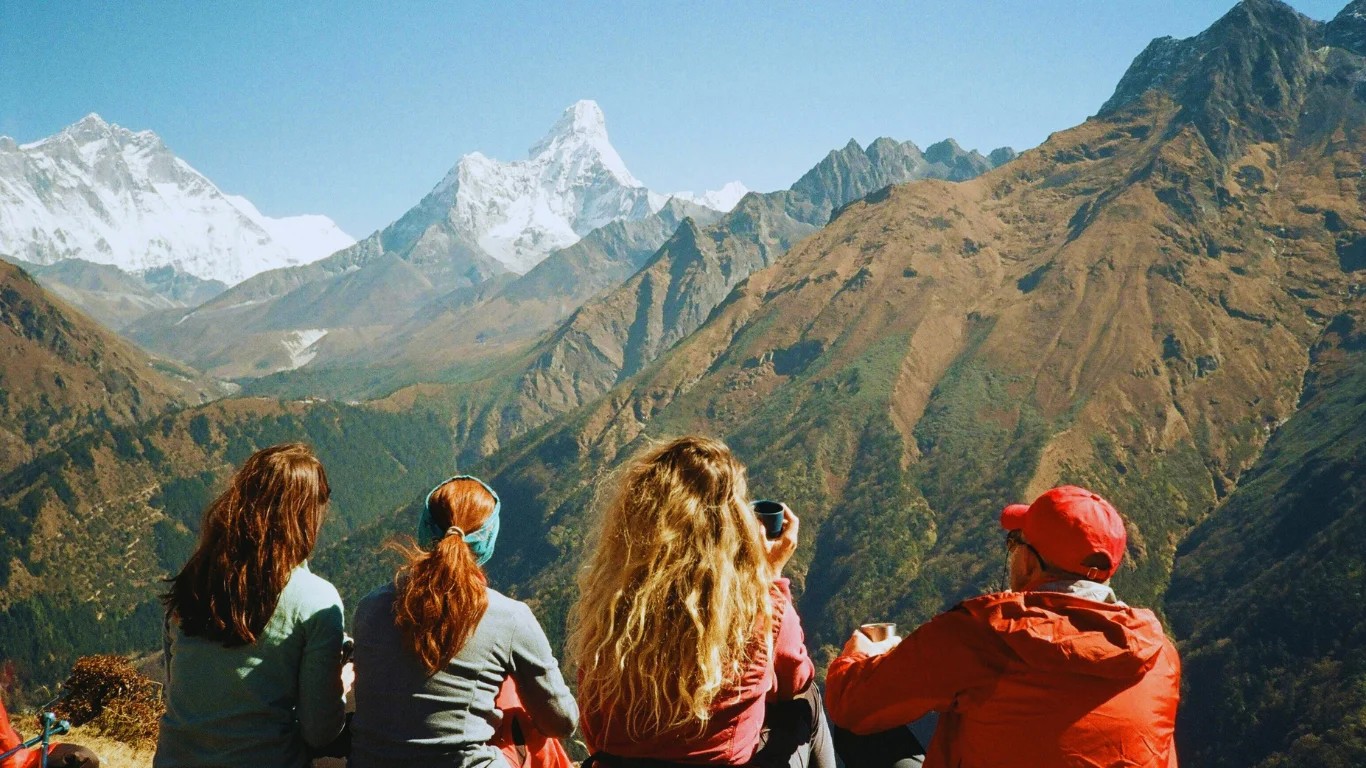
Duration: 5 to 7 days | Max Altitude: 3,880m | Difficulty: Easy to Moderate | Best Season: March to May, October to November
Not everyone can commit to the full Everest Base Camp trek, and you simply cannot judge a book by its cover when it comes to this shorter alternative. The Everest View Trek exists for exactly that situation, and it delivers a legitimate taste of the Khumbu experience without the altitude demands or the two-week timeline.
You fly into Lukla, hike to Phakding, climb to Namche Bazaar, and from there either visit Hotel Everest View at 3,880 meters for 360-degree panoramas including Everest, or continue to Tengboche Monastery for one of the most photogenic stops on any trail in Nepal. The cultural immersion at Namche, learning about Sherpa life and traditions in the Solu Khumbu valley, is genuine and worth the trip on its own terms.
Views of Everest, Ama Dablam, Lhotse, Nuptse, and Thamserku are all accessible on this route. The climb into Namche, gaining 830 meters in a single day, is real but manageable for most fit adults.
What the data says: Majestic Trails Nepal clients who complete the Everest View Trek report that approximately 70% go on to book the full EBC trek within two years. It's genuinely a strong introduction to the Khumbu region.
Honest trade-off: Lukla flights are the variable. Delays happen, especially in shoulder seasons. Build a buffer day into your Kathmandu itinerary before this trek.
Best for: Travelers with limited time who want real Everest region experience, families exploring the Khumbu for the first time, and anyone deciding whether the full EBC trek is right for them.
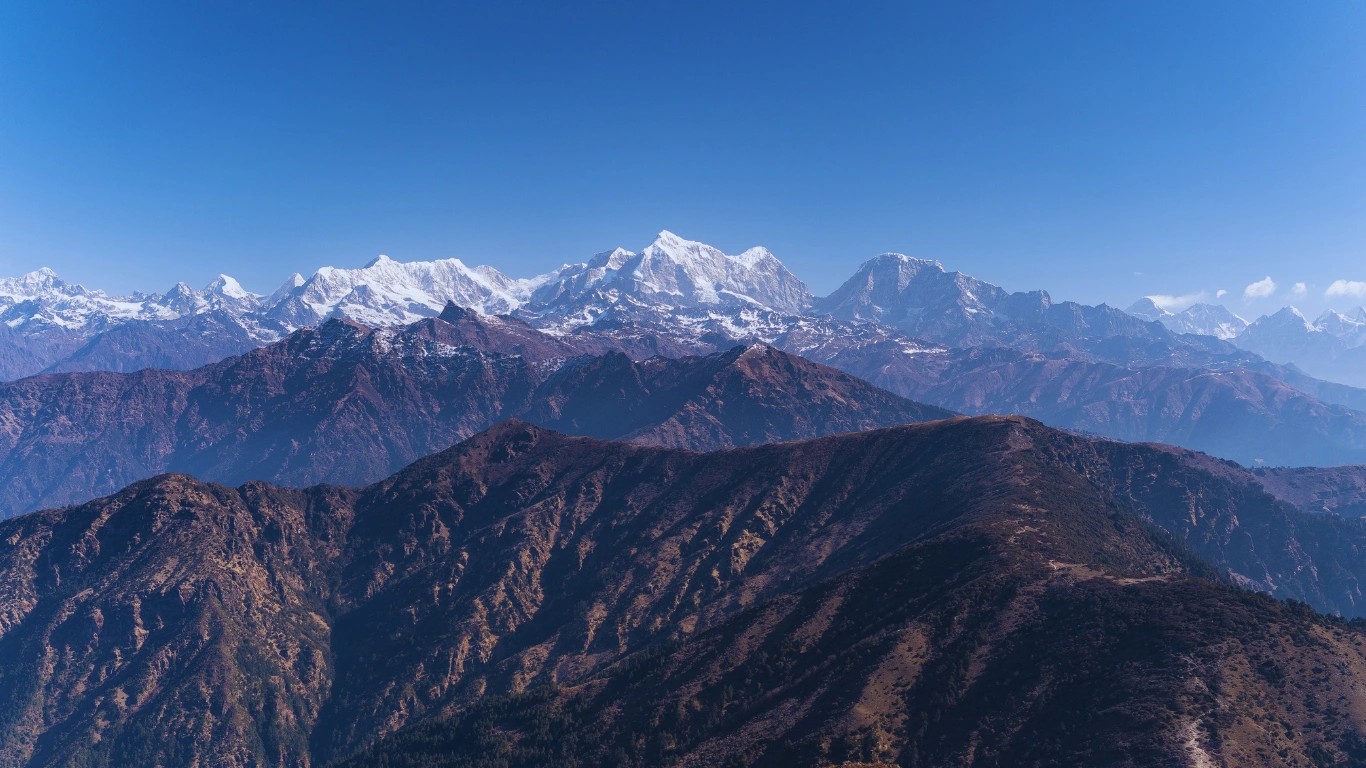
Duration: 5 to 9 days | Max Altitude: 4,065m | Difficulty: Easy to Moderate | Best Season: March to May, October to November
Pikey Peak is what we'd describe as an underrated gem in the lower Khumbu region, the kind of off the beaten path experience that rewards those willing to look beyond the obvious. The trail runs through peaceful Sherpa villages and thick rhododendron forests without the concentrated tourist traffic of the main Everest route. And from the summit at 4,065 meters, you get one of the finest panoramic views of Mount Everest available anywhere in Nepal.
Sir Edmund Hillary himself reportedly named Pikey Peak as one of the best Everest viewpoints in the country. That's about as authoritative an endorsement as you can get.
The route passes through Thubten Choling Monastery and charming Junbesi village, with apple orchards in Ringmo producing some of Nepal's finest mountain fruit in season. It's the kind of trail where you'll stop frequently, not because it's hard, but because there's genuinely something worth looking at around most corners.
What the data says: Pikey Peak sits at 4,065 meters and offers views of Everest (8,848m), Makalu (8,485m), Kanchenjunga (8,586m), and Cho Oyu (8,188m) on clear days. Very few viewpoints in Nepal offer this range of 8,000-meter peaks from a single position.
Honest trade-off: Getting there requires a longer drive from Kathmandu than most other short treks, which adds time to the overall trip. Factor that into your schedule.
Best for: Trekkers who want Everest views without EBC crowds, nature and photography enthusiasts, and anyone wanting a quieter Khumbu experience that feels genuinely off the beaten track.
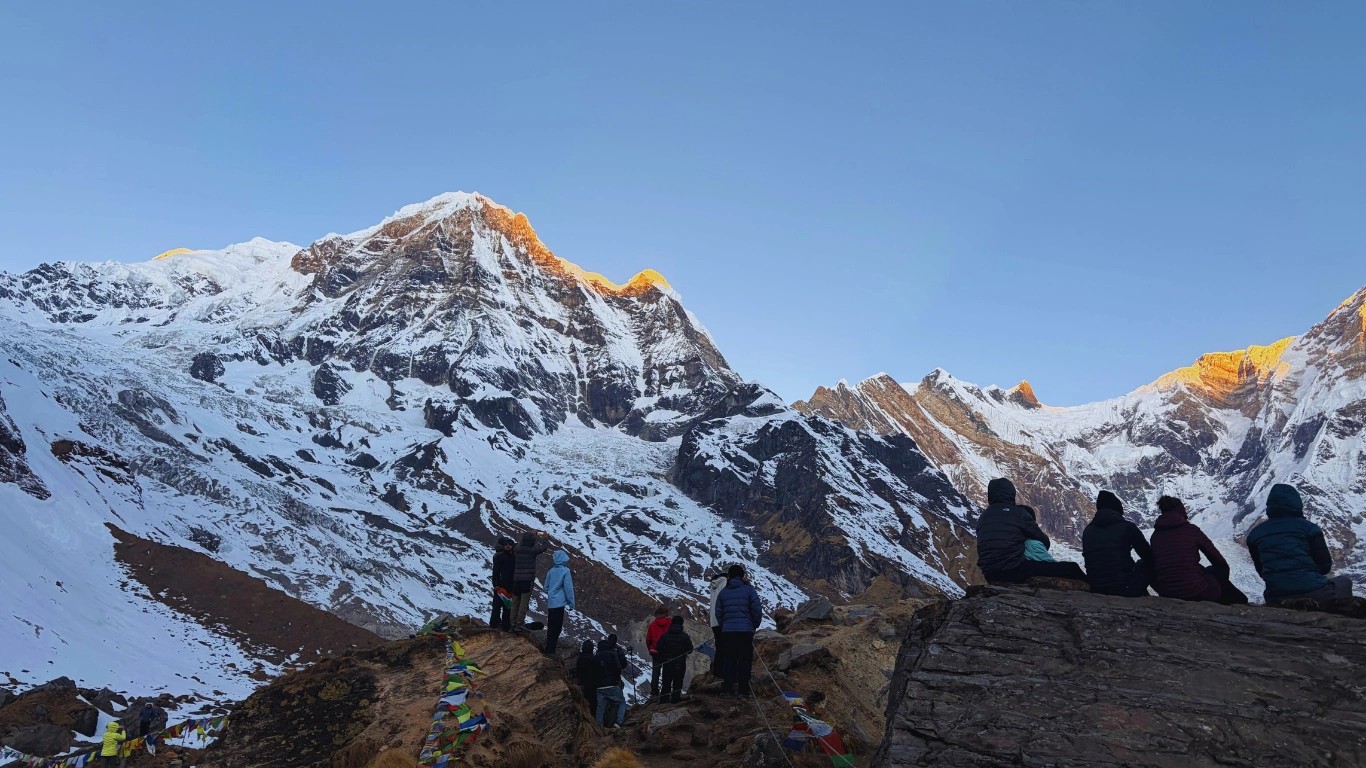
Duration: 5 to 8 days | Max Altitude: 4,230m | Difficulty: Moderate | Best Season: March to May, September to November
The Annapurna Base Camp trek has a well-earned reputation as one of Nepal's great mountain journeys. The shorter version, completable in 5 to 6 days using fly-in, fly-out options from Pokhara, delivers the full Base Camp experience without requiring a 10 to 12-day commitment, and the heuristic here is simple: same views, fewer days on the trail.
The route passes through bamboo and rhododendron forests, hot springs at Jhinu Dhada, alpine meadows, and mountain villages before arriving at the base of Annapurna I, the world's 10th highest peak. The mountain amphitheater at Base Camp, surrounded by Annapurna I at 8,091 meters, Machhapuchhre at 6,993 meters, and Hiunchuli at 6,441 meters, is one of those views that stops conversation.
The shorter version starts and finishes at Ghandruk, following the same path to Base Camp and back. Spring showcases blooming rhododendrons all the way to higher sections, while autumn delivers clean air and crystal visibility.
What the data says: The Annapurna Base Camp receives significantly less foot traffic than Everest Base Camp despite being at a similar cultural and scenic caliber. Average altitude at Base Camp is 4,130 meters, requiring moderate fitness but no technical climbing experience.
Honest trade-off: The short version retraces the same trail on the way back, which some trekkers find repetitive. If variety matters, the 8 to 10-day version allows for a loop route via different villages.
Best for: Trekkers who want the base camp experience without the full circuit timeline. Moderate fitness required, suitable for people with some hiking background.
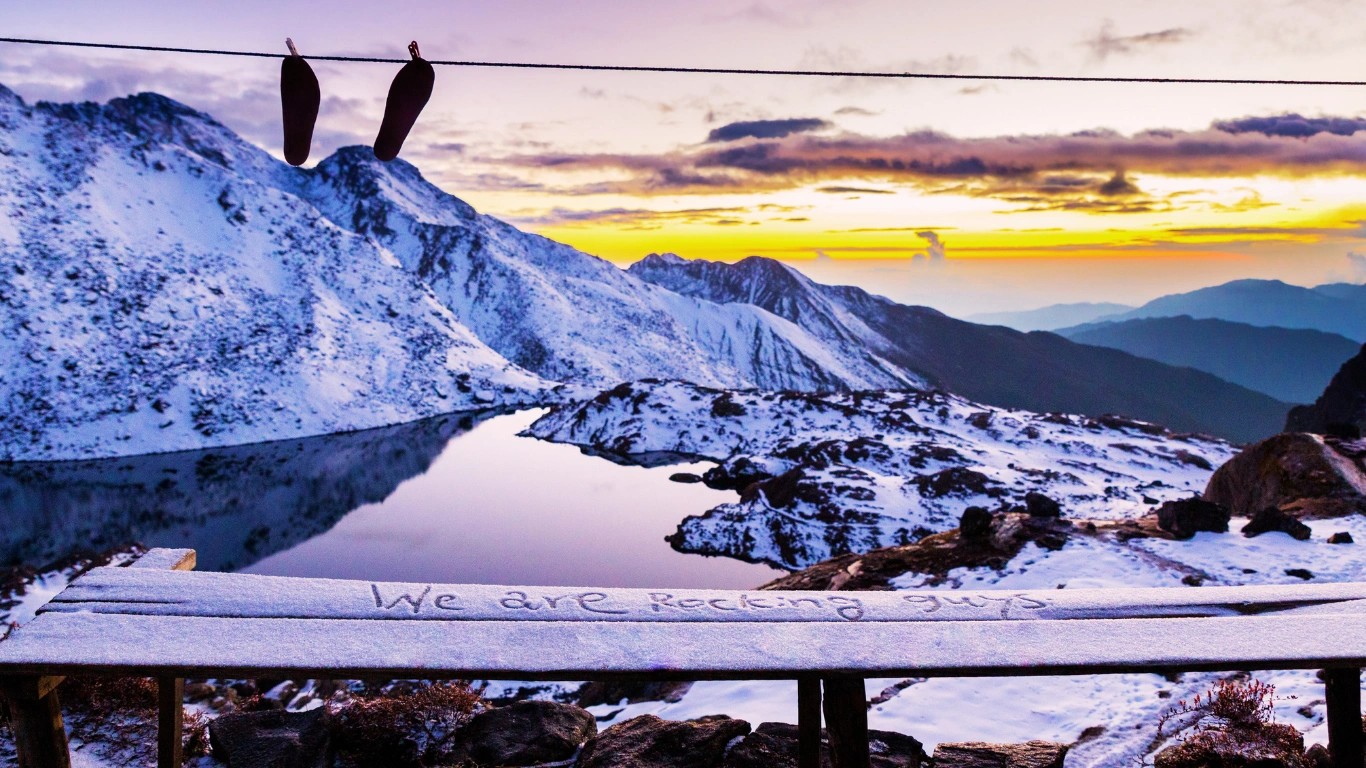
Duration: 7 days | Max Altitude: 4,380m | Difficulty: Moderate | Best Season: September to November, June to August
Gosaikunda sits at 4,380 meters inside Langtang National Park, an alpine lake of extraordinary clarity that holds deep significance in Hindu mythology as the abode of Shiva and Gauri. It's been recognized as a RAMSAR wetland since 2007 and is one of the genuinely special natural places in all of Nepal.
The trail passes through lush pine and rhododendron forests, past yak farms and local cheesemakers, with the lake area surrounded by over 100 smaller lakes scattered across the high plateau. What makes Gosaikunda unusual is that despite being frozen for six months of the year, the average water temperature stays above 7 degrees Celsius, significantly warmer than other lakes at this altitude, a phenomenon that has genuinely puzzled researchers and made this site one of the more scientifically salient high-altitude environments in the region.
The best seasons are monsoon and autumn, which makes this trek a useful option for travelers visiting outside peak spring trekking windows. During the monsoon festival of Janai Purnima, thousands of Hindu pilgrims make the journey to the lake, creating one of the most culturally immersive experiences available on any Nepal trek.
What the data says: Gosaikunda's RAMSAR wetland designation means it receives formal international conservation protection. The surrounding area contains over 100 individual lakes and is one of the most biodiverse high-altitude environments in Nepal.
Honest trade-off: The altitude gain to 4,380 meters is significant for a 7-day trek. Proper acclimatization pacing is essential, and the higher sections can feel demanding for trekkers who haven't spent time at altitude before.
Best for: Trekkers interested in mythology, high-altitude lakes, and spiritual experiences. Also a strong choice for visitors arriving outside peak spring and autumn windows.
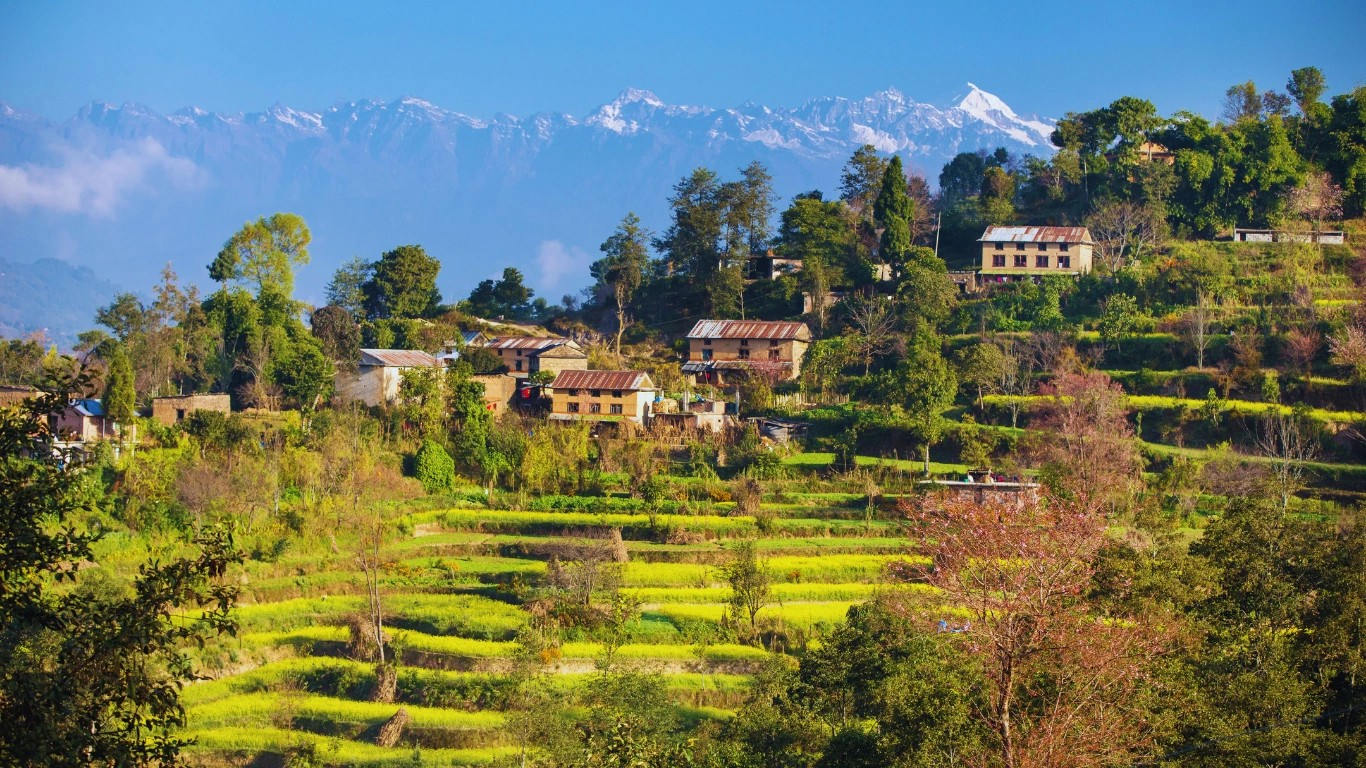
Duration: 3 days | Max Altitude: 2,175m | Difficulty: Easy | Best Season: Year-round
This is the best 3-day trek in Nepal for anyone based in Kathmandu who wants a proper hiking experience without dealing with flights or long drives. The trail starts at Sundarijal, about an hour from the city, and moves through Shivapuri National Park before climbing to Chisapani, Nagarkot, and finishing at Dhulikhel.
Each overnight stop has its own reward. Chisapani gives you your first Himalayan sunrise in a mountain setting. Nagarkot, one of Nepal's most famous hill stations at 2,175 meters, delivers breathtaking panoramas of the Langtang range and beyond. Dhulikhel wraps the route up with 360-degree valley views and access to Namobuddha, a peaceful Buddhist shrine worth the visit.
The trail winds through hardwood forests, Tamang settlements, and communities of mixed ethnicity living alongside each other in the hills around the valley rim. Low altitude, suitable for all fitness levels, and produces surprisingly vivid mountain experiences given how close it stays to the capital.
What the data says: This is the only 3-day trek on this list that requires no flights, no permit fees beyond Shivapuri National Park entry, and no prior acclimatization. Maximum altitude stays below 2,200 meters throughout.
Honest trade-off: The lower altitude means no dramatic glacial or high-alpine scenery. This is a cultural and hill landscape experience rather than a mountain summit experience. Adjust expectations accordingly.
Best for: Travelers based in Kathmandu with 3 days, complete beginners, families, older adults, and anyone wanting a 1-day trek in Nepal extended into a genuinely rewarding multi-day experience.
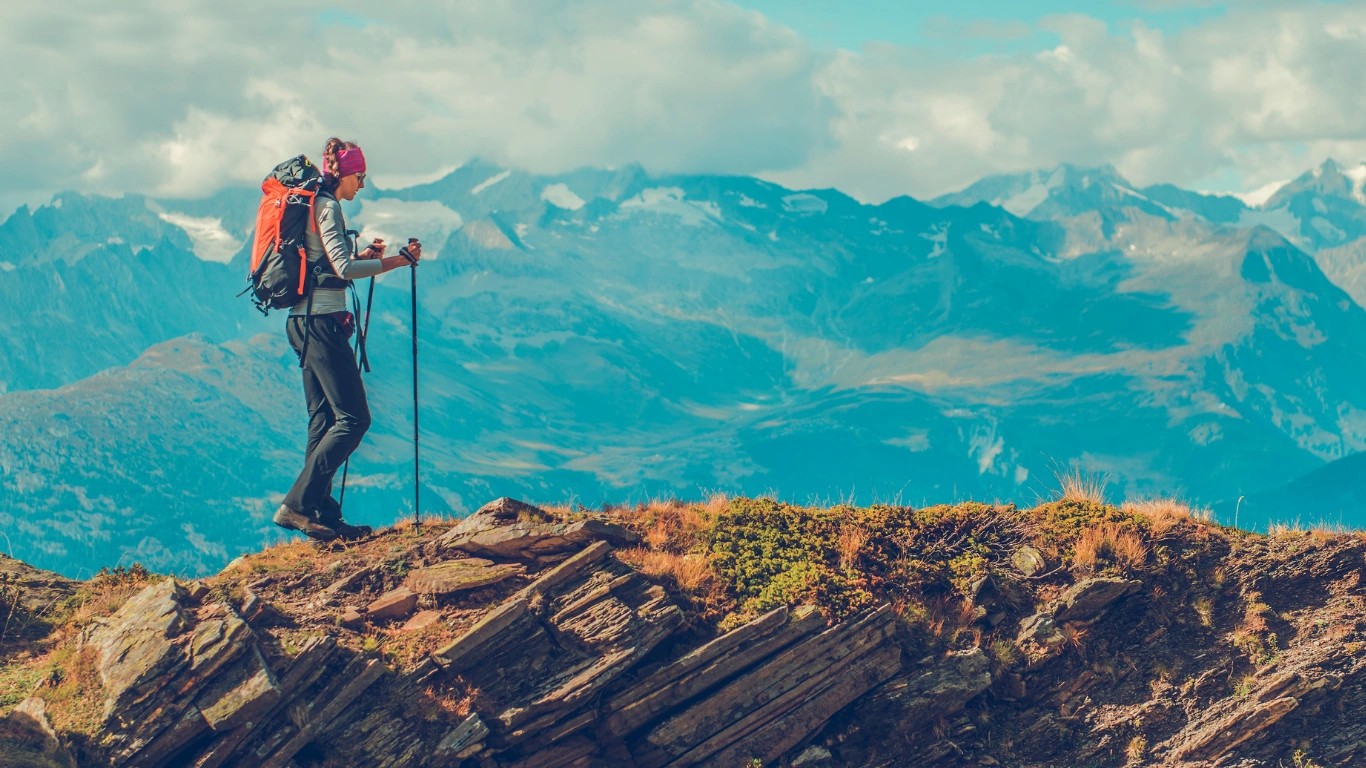
Duration: 5 to 7 days | Max Altitude: 3,650m | Difficulty: Easy to Moderate | Best Season: March to May, October to November
Helambu is the short trek in Nepal that culture-focused travelers tend to love most, and it doesn't take long to understand why once you're on the trail. The trail runs through quiet Hyolmo villages close to Kathmandu, through Shivapuri Nagarjun National Park, and up to the sacred viewpoint of Ama Yangri at 3,771 meters where Langtang, Dorje Lhakpa, and the Jugal Himal range spread across the horizon.
The Hyolmo people who inhabit this region have a distinctive cultural tradition that sits between Sherpa and Tamang influences, and their villages feel genuinely off the tourist trail in a way the busier routes don't. Ancient Buddhist temples, traditional homestays, and a pace that feels unhurried throughout make Helambu one of the more quietly rewarding treks in the Nepal portfolio.
Altitudes stay manageable throughout, making it a solid option for older trekkers or those who want to prioritize cultural immersion over mountain elevation.
What the data says: Helambu sees a fraction of the foot traffic of Annapurna or Langtang routes, despite offering comparable cultural depth and mountain views. It's one of the most underutilized quality treks near Kathmandu in Majestic Trails Nepal's assessment.
Honest trade-off: The mountain views, while real and rewarding, don't quite match the dramatic scale of Poon Hill or Mardi Himal. If panoramic Himalayan views are your primary goal, one of the Annapurna routes will serve you better.
Best for: Culture-focused travelers, trekkers based near Kathmandu, older adults, and anyone wanting less-trafficked trails with genuine village life.
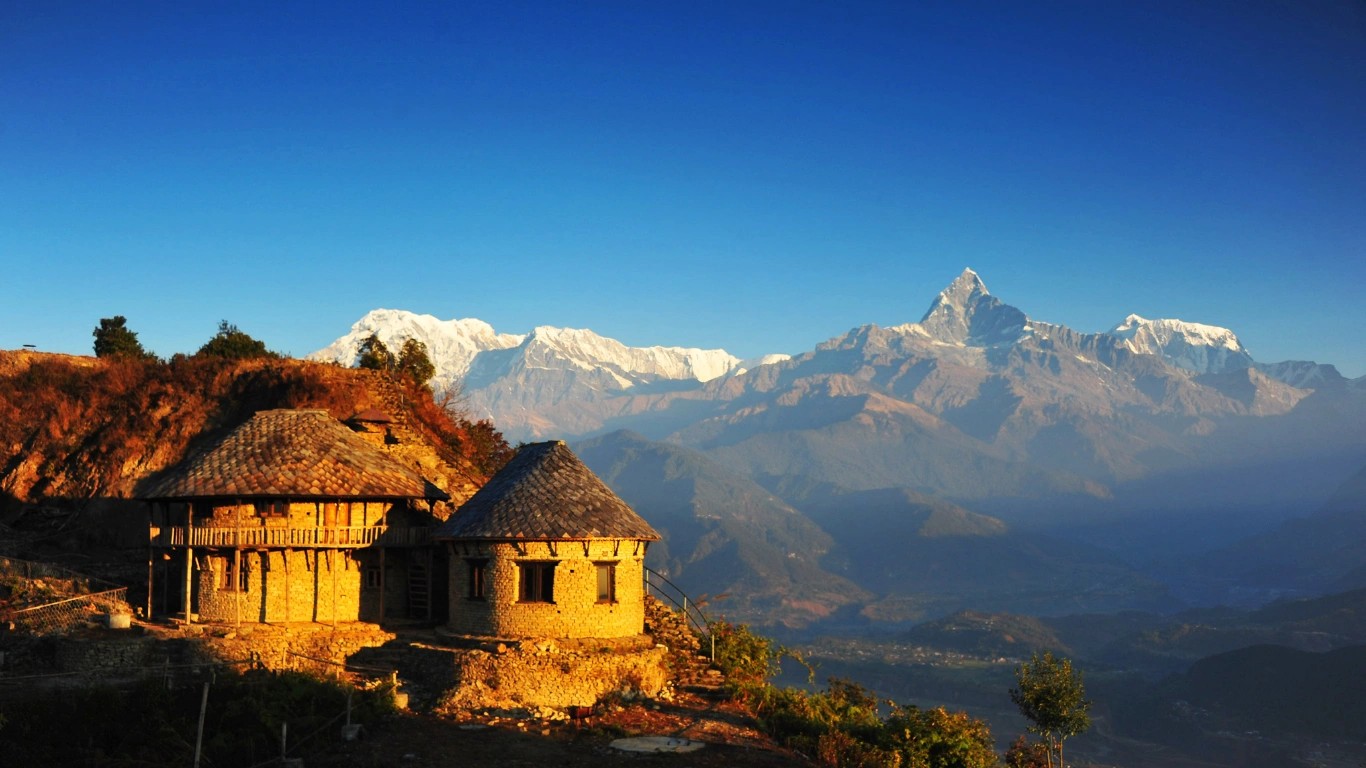
Duration: 2 to 5 days | Max Altitude: 1,592m | Difficulty: Easy | Best Season: Year-round
This is the shortest and most accessible option on the list of Nepal trekking, and it still delivers. Starting from Phedi, a 45-minute drive from Pokhara, the trail passes through Sarangkot and Dhampus through forests of Himalayan pine and oak, with views of Annapurna South, Machhapuchhre, Dhaulagiri, Hiunchuli, and a dozen other peaks along the way.
Sarangkot is famous as a sunrise viewpoint, and watching the Annapurna range light up in gold as the sun comes over the horizon is the kind of experience that is genuinely worth getting up at the crack of dawn for. And the Gurung village of Dhampus, known for its hospitality and mountain backdrop, gives the trek a genuine cultural layer that pure viewpoint hikes often lack.
Suitable for all age groups, available year-round, and can be used as a standalone short adventure or as an introduction before a longer trek in the Annapurna region.
What the data says: Sarangkot sunrise is one of the most photographed moments in the entire Pokhara region, with views of Machhapuchhre (6,993m), Annapurna South (7,219m), and Dhaulagiri (8,167m) all visible on clear mornings.
Honest trade-off: This trek stays at low altitude throughout. It's genuinely beautiful but doesn't provide the altitude or endurance experience that other treks on this list offer. It's a taster, not a full Himalayan experience.
Best for: Families, complete beginners, travelers with very limited time, senior trekkers, and anyone wanting a gentle introduction to Himalayan trekking near Pokhara.
Over 60% of people trekking in Nepal today choose routes under 10 days. That's not a compromise. It's a reflection of how well Nepal's trekking network is set up for shorter timeframes, and the empirical evidence backs that up at every level.
Most short treks start within a couple of hours of Kathmandu or Pokhara, meaning you don't lose days just getting to the trailhead. The trails are well-marked, teahouses run all the way through, and the altitudes on most short routes stay manageable enough that first-timers and seniors can complete them without prior experience.
The cost factor matters too. Fewer days means lower overall spend on permits, accommodation, guides, and food, while still delivering views and cultural experiences that people talk about for years.
Nepal's short treks are genuinely some of the best value outdoor experiences available anywhere in the world. You don't need months of preparation, an extreme fitness baseline, or an extended holiday. What you need is decent boots, a realistic sense of what the mountains ask for, and the willingness to move at the pace the landscape sets.
Majestic Trails Nepal has been guiding trekkers through these routes across all seasons and all experience levels. Ready to stop sitting on the fence and book the trek that's right for you? Reach out to our team directly and we'll help you hit the ground running.
We'd rather you go on the right trek for you than the most popular one on the list.
The Poon Hill Trek (3 to 5 days) is the most beginner-friendly option, with well-marked trails, teahouses at every stop, and a max altitude of 3,210 meters. The Dhampus Sarangkot Trek near Pokhara is also a strong choice for complete first-timers.
All-inclusive packages through a registered agency like Majestic Trails Nepal range from USD 280 for a 3-day Chisapani Nagarkot trek to USD 1,100 for the Everest View Trek. Independent trekking costs roughly USD 30 to 50 per day on most routes.
While not legally mandatory on all routes, hiring a licensed local guide adds cultural depth, safety support, and logistical efficiency that is hard to replicate independently, particularly on routes above 3,500 meters.
Most routes require a relevant conservation area or national park permit. Costs range from USD 5 to USD 60 depending on the region. A registered agency handles this process as part of every booking.
Pikey Peak (4,065m) offers one of the most panoramic Everest viewpoints in Nepal, with simultaneous views of Makalu, Kanchenjunga, and Cho Oyu. The Everest View Trek via Namche Bazaar is the best option for those wanting a direct Khumbu experience.
What makes for the best treks in Nepal can vary from person to person. While Everest Base Camp Trek (EBC) at 5545 m is ideal for a trekker wanting the...
Group Departure Trekking in Nepal offers the perfect solution for adventurers who want to explore the Himalayas without the hassle of planning every d...

Let's cut straight to it. Autumn, specifically September through November, is the best time to trek in Nepal. Spring runs a very close second, coverin...

The Langtang Valley Trek is one of Nepal’s most rewarding trekking adventures—less crowded than Everest or Annapurna, yet rich in culture, biodiversit...
The Best Nepal treks from Kathmandu represent some of the most spectacular mountain journeys on Earth, all accessible from Nepal's vibrant capital cit...
