Discover how we keep every trek safe, ethical, and unforgettable Read Our Safety Standards >>
Majestic Trails Nepal

Nar Phu Nepal Trek

(2 reviews)

Nar Phu Nepal is a remote restricted valley tucked within the Annapurna region of northern Nepal. This hidden gem preserves authentic Tibetan Buddhist culture, ancient stone villages, and dramatic high-altitude landscapes. 

Trip Facts of Nar Phu Nepal Trek

Max. Elevation
5322 m / 17460 ft
Group size
Min 2+
Level
Difficult
Transportation
Private Vehicle 
Best Season
Mar - May, Sep - Nov
Starts at / Ends at
Kathmandu / Kathmandu
Accommodation

Included

Meals

Included

What Makes the Nar Phu Nepal Trek Special

  • Experience authentic Tibetan Buddhist culture preserved for centuries in remote mountain villages.
  • Trek through a restricted area with limited visitors for a truly uncrowded Himalayan journey.
  • Cross the breathtaking Kang La Pass (5,322m) with panoramic mountain views.
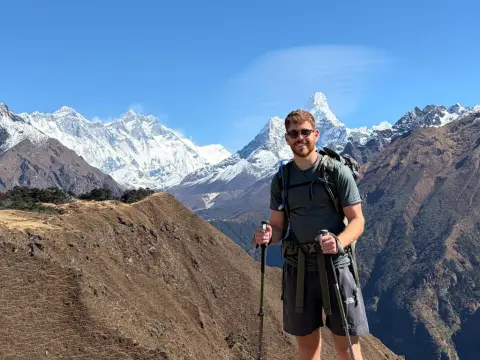
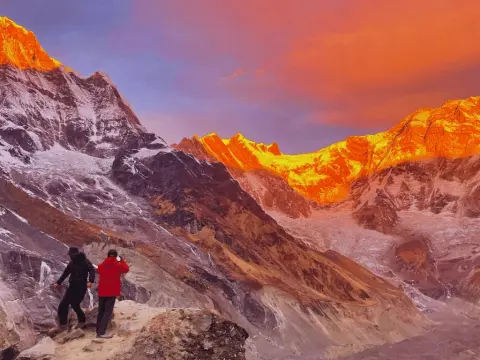
  • Witness stunning peaks including Annapurna II, Gangapurna, Tilicho Peak, and Pisang Peak.
  • Explore ancient stone houses, prayer flags, and centuries-old monasteries in Nar and Phu villages.
  • Walk through dramatic landscapes of deep gorges, barren cliffs, and alpine meadows.
  • Enjoy a perfect blend of cultural immersion and high-altitude adventure.
  • Experience raw Himalayan wilderness beyond commercialized trekking routes.
  • Suitable for fit trekkers seeking challenge without technical mountaineering skills.
  • Create meaningful connections with resilient local communities in one of Nepal’s hidden valleys.

Overview Of Nar Phu Nepal Trek

Nar Phu Nepal is a remote restricted valley located in the Annapurna region of northern Nepal, bordering Tibet. This hidden gem preserves authentic Tibetan Buddhist culture through ancient stone villages, centuries-old monasteries, and resilient communities maintaining traditions unchanged for generations.

The dramatic landscape features deep river gorges, towering cliffs, and barren high-altitude terrain unlike anywhere else in Nepal. Due to its protected status, the Nar Phu Valley trek Nepal requires a special Restricted Area Permit costing USD $100, ensuring the region remains exclusive and remarkably uncrowded compared to popular neighboring trails.

The journey reaches its climax at Kang La Pass (5,322m), where trekkers are rewarded with panoramic views of Annapurna II, Gangapurna, Tilicho Peak, and Pisang Peak before descending to rejoin the main Annapurna Circuit. This challenging 10-day trek suits physically fit individuals with prior high-altitude experience, featuring daily walks of 5–9 hours through varied terrain including suspension bridges, steep ascents, and rocky paths.

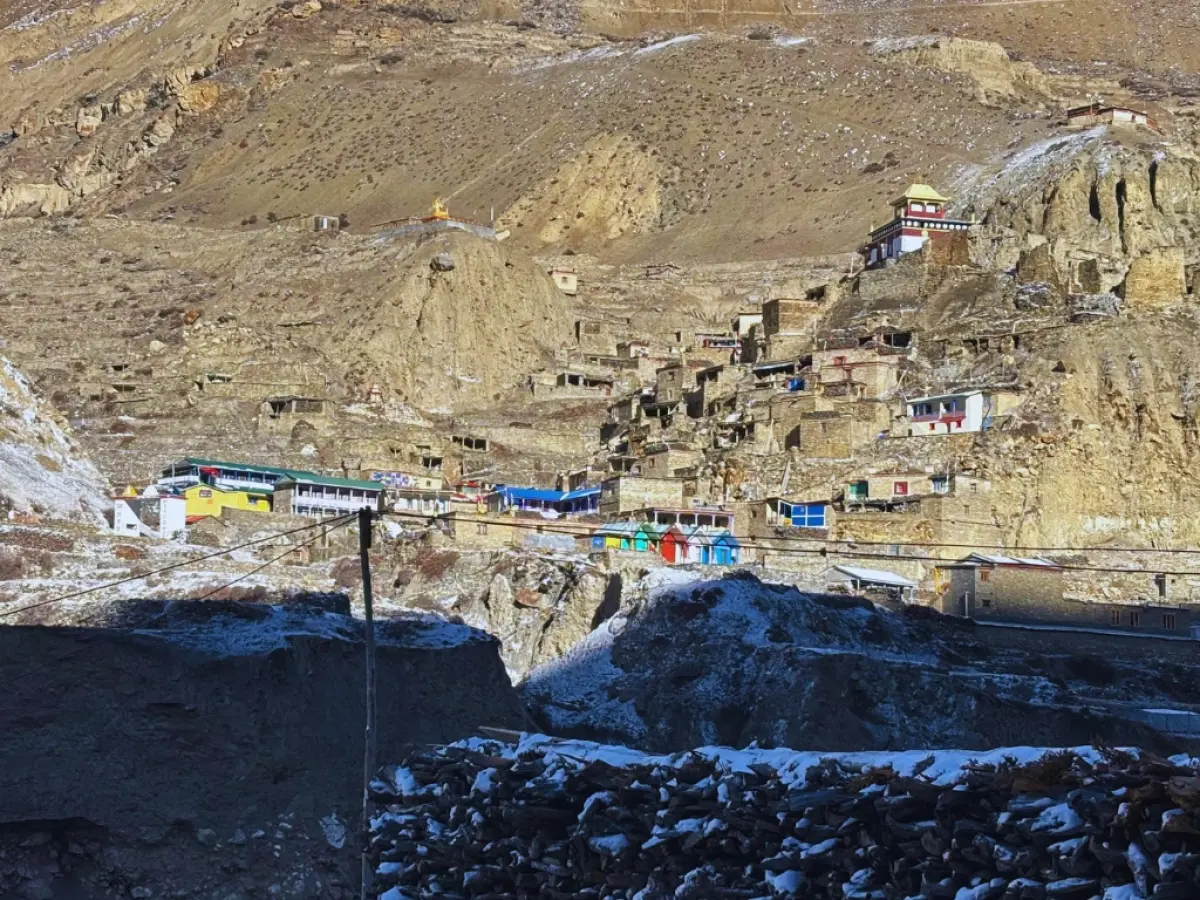
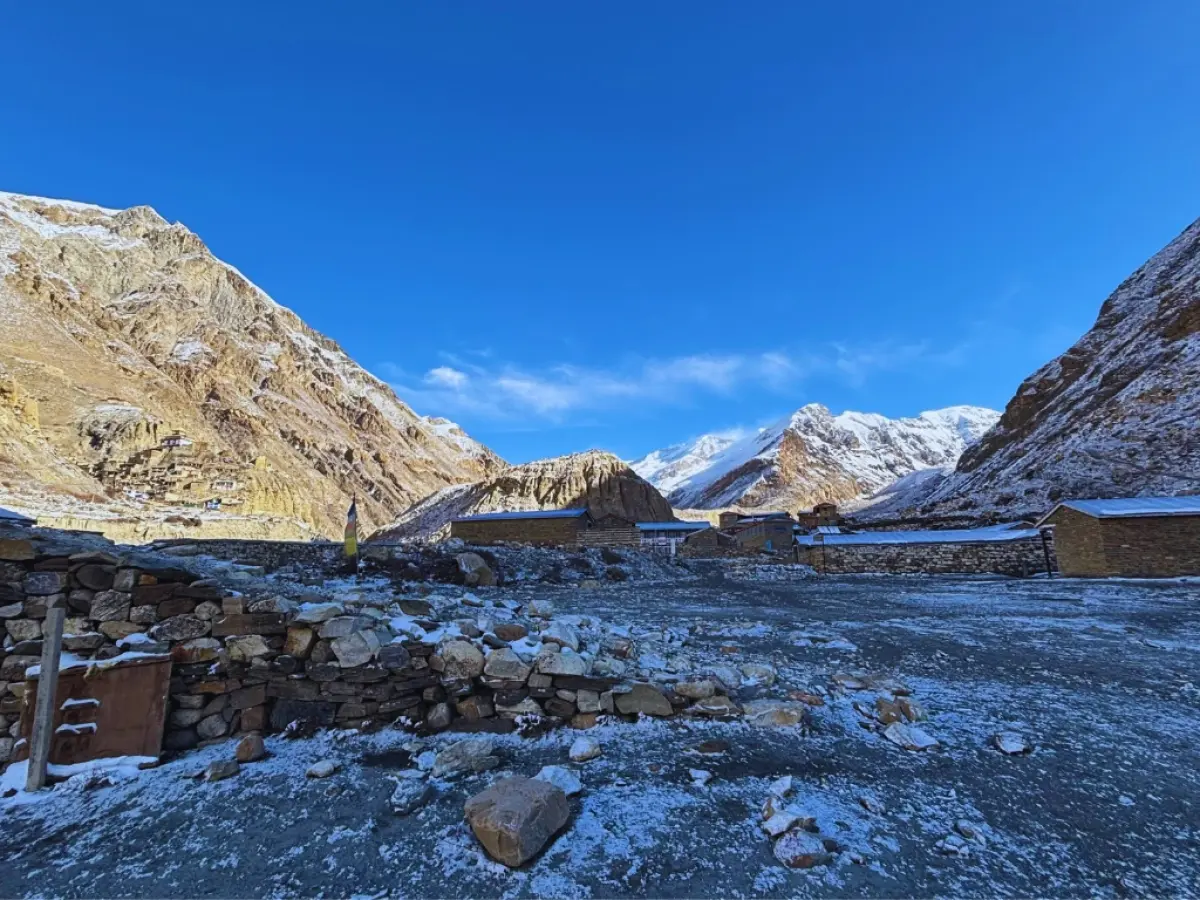
Two primary villages anchor the valley—Phu at 4,080m and Nar at 4,110m—both displaying remarkable Tibetan character with flat-roofed stone houses, prayer flags, and ancient gompas. For adventurers seeking genuine Himalayan wilderness beyond commercialized routes, Nar Phu delivers an increasingly rare experience of remote solitude and cultural authenticity.

Things to Know Before Nar Phu Nepal Trek

  • Group Requirement (Important)
    The Nar Phu Valley Trek is a restricted area trek, and a minimum of 2 trekkers is officially required. However, for safety, logistics, and a better experience in this remote Himalayan region, we strongly recommend trekking in a group of more than 3 people with a licensed guide.
  • Mode of Trekking
    This trek combines basic teahouse accommodation with remote village stays. Facilities are simple in Nar and Phu villages, offering an authentic and raw Himalayan experience compared to commercial routes.
  • Trekking Duration
    • 7–9 Days inside Nar Phu Valley (restricted section)
    • Total Trip: 14–18 Days including Annapurna Circuit connection
  • Connection with Annapurna Circuit
    The Nar Phu Valley Trek is often combined with the Annapurna Circuit via Kang La Pass, adding more adventure and diversity to the journey.
    • Thorong La Pass (5,416 m / 17,769 ft) – One of the highest trekking passes in the world.
    • Diverse Landscapes – From lush forests to high alpine desert.
    • Better Facilities – Compared to Nar Phu, the Annapurna Circuit offers more developed teahouses and comfort.
  • Contact Us
    For organizing Nar Phu Valley Trek or combining it with the Annapurna Circuit Trek, feel free to reach out to our team at Majestic Trails Nepal for a safe and well-managed adventure experience.

Itinerary of Nar Phu Nepal Trek

Your Nar Phu Nepal adventure begins upon arrival at Tribhuvan International Airport. Our representative meets you outside the arrivals terminal and transfers you to your hotel in Thamel or a quieter neighborhood.

After settling in, you'll visit our office to complete permit documentation. Bring your passport and photographs. In the evening, attend a detailed trek briefing covering daily expectations, equipment checks, and safety protocols.

Nar Phu Nepal Trek

Max. altitude

1,400m / 4,593 ft.
Nar Phu Nepal Trek

Accommodation

3-star Hotel
Nar Phu Nepal Trek

Meals

Welcome Dinner

Early morning departure from Kathmandu. The drive follows the Prithvi Highway westward through terraced hillsides and river valleys.

After Besisahar, the district headquarters of Lamjung, the road becomes rougher. You'll follow the Marsyangdi River upstream, passing through villages that serve as starting points for Annapurna region treks.

Dharapani marks the traditional boundary between lower valleys and alpine terrain. The village sits at the confluence of the Marsyangdi and Dudh Khola rivers.

Nar Phu Nepal Trek

Max. altitude

1,860m / 6,102 ft.
Nar Phu Nepal Trek

Accommodation

Lodge
Nar Phu Nepal Trek

Meals

Breakfast, Lunch and dinner

The trek begins along the main Annapurna Circuit trail, following well-maintained paths through mixed forests of pine and rhododendron.

Morning views reveal Manaslu (8,163m) and Peak 29 (7,871m) to the east. You'll pass through Bagarchhap village with its distinctive flat-roofed stone houses—early indicators of Tibetan influence.

Koto serves as the official gateway to the Nar Phu restricted area. Here, officials verify permits and register all trekkers entering the protected zone.

Nar Phu Nepal Trek

Max. altitude

2,610m / 8,563 ft.
Nar Phu Nepal Trek

Accommodation

Lodge
Nar Phu Nepal Trek

Meals

Breakfast, Lunch & Dinner

Today you officially enter the Nar Phu Valley, branching north from the Annapurna Circuit. The character of the trek changes immediately.

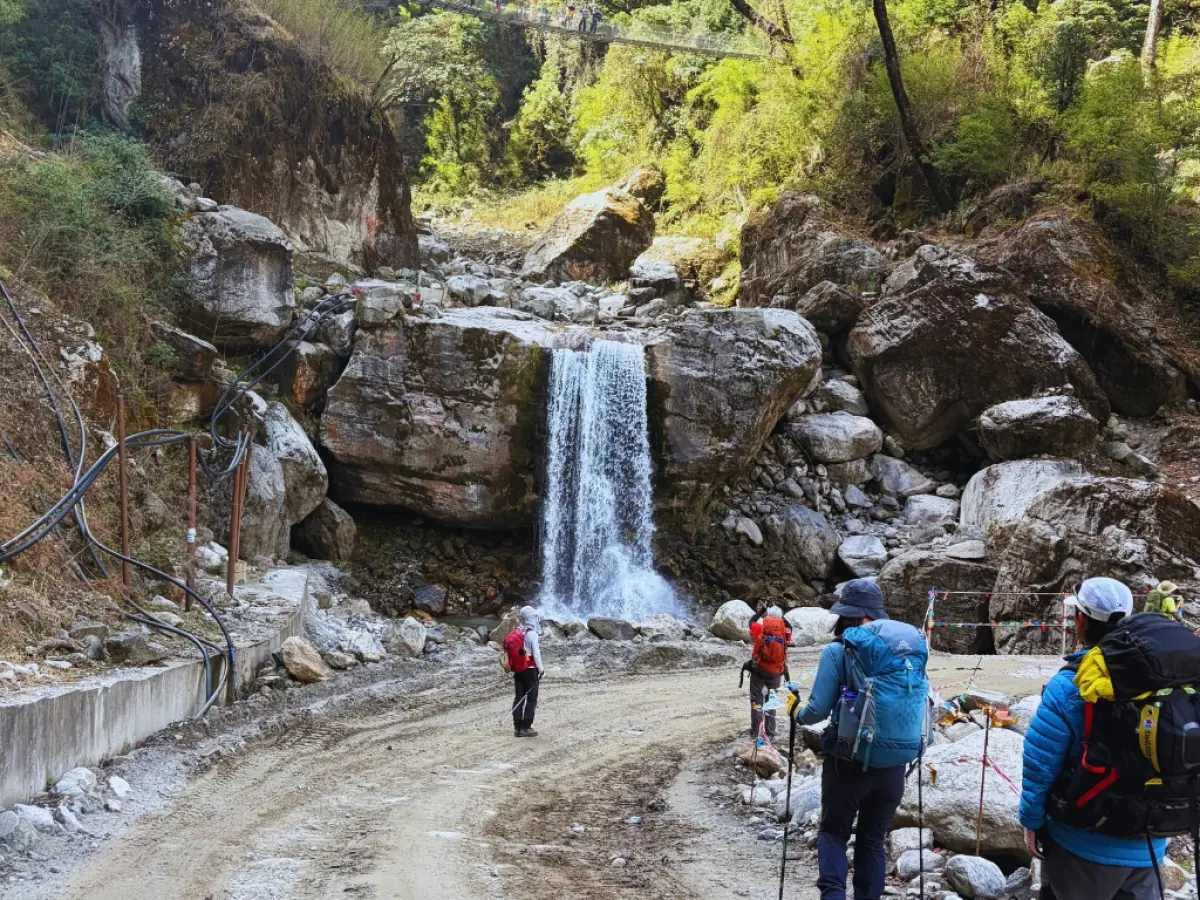
The trail crosses suspension bridges over the Nar Khola river and traverses dramatic cliffs carved by centuries of water and wind. Deep gorges plunge below the narrow path.

Vegetation thins as you gain altitude. Pine forests give way to juniper scrub and alpine grasslands. The isolation becomes tangible—you've left the established trekking route behind.

Meta consists of temporary herder shelters and a few basic lodges. The setting offers first glimpses of the stark beauty defining this region.

Nar Phu Nepal Trek

Max. altitude

3,560m / 11,680 ft.
Nar Phu Nepal Trek

Accommodation

Teahouse
Nar Phu Nepal Trek

Meals

Breakfast, Lunch & Dinner

The trail continues upstream through increasingly barren terrain. Rocky hillsides display mineral striations—reds, oranges, and browns creating an almost desert-like palette.

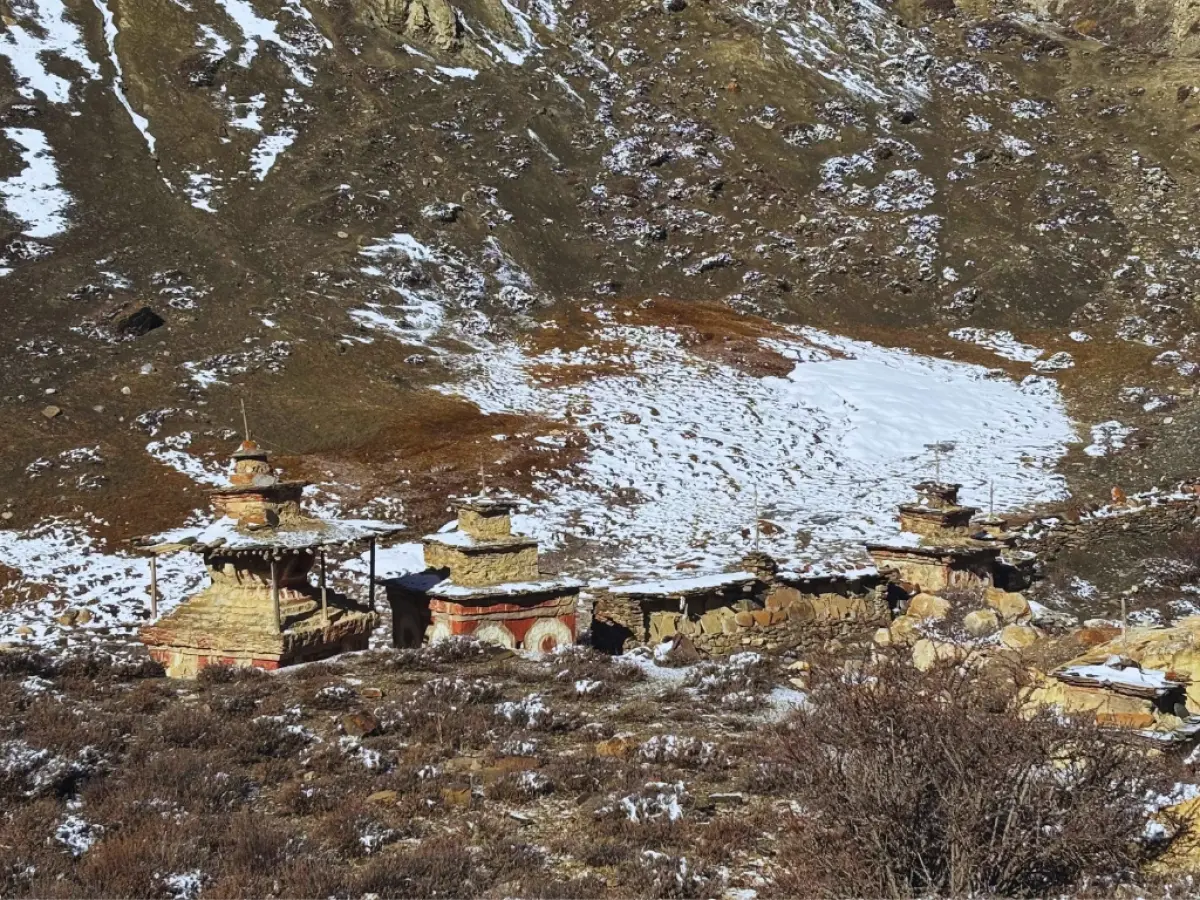
Chortens (Buddhist shrines) and mani walls (prayer stone structures) appear with growing frequency. These religious markers indicate approaching inhabited areas.

Phu Village reveals itself dramatically—flat-roofed stone houses clustered beneath towering cliffs. This is among the most authentic Tibetan settlements remaining in Nepal.

Explore the ancient Tashi Lakhang Monastery, where monks maintain centuries-old Buddhist traditions. The village atmosphere transports visitors to another era.

Nar Phu Nepal Trek

Max. altitude

4,080m / 13,386 ft.
Nar Phu Nepal Trek

Accommodation

Teahouse
Nar Phu Nepal Trek

Meals

Breakfast, Lunch & Dinner

After morning exploration of Phu, the trail descends into the valley before climbing toward Nar. Today's route traverses rugged terrain connecting the two main villages of the Nar Phu restricted area.

The landscape alternates between narrow gorges and open valley floors. River crossings require careful footing on wooden bridges spanning glacial streams.

Nar Phedi ("foot of Nar") sits below the main village, offering views of ancient structures perched on hillsides above. A small monastery provides spiritual focal point for this scattered settlement.

This descent day aids acclimatization before ascending again tomorrow.

Nar Phu Nepal Trek

Max. altitude

3,490m / 11,450 ft.
Nar Phu Nepal Trek

Accommodation

Teahouse
Nar Phu Nepal Trek

Meals

Breakfast, Lunch & Dinner

A shorter trekking day allows proper acclimatization before tomorrow's demanding pass crossing. The climb to Nar Village follows ancient pathways worn smooth by generations of traders and pilgrims.

Nar Village displays even stronger Tibetan character than Phu. Stone houses topped with prayer flags crowd narrow alleyways. Residents maintain traditional dress and customs.

Use the afternoon for acclimatization walks. Explore surrounding ridges for panoramic valley views. Visit the village gompa (monastery) if monks are present.

Rest well tonight. Tomorrow requires early departure and maximum physical effort.

Nar Phu Nepal Trek

Max. altitude

4,110m / 13,484 ft.
Nar Phu Nepal Trek

Accommodation

Teahouse
Nar Phu Nepal Trek

Meals

Breakfast, Lunch & Dinner

The defining day of your Nar Phu trekking package. Pre-dawn departure (around 4:00 AM) ensures reaching the pass during stable morning weather.

Headlamps illuminate the rocky trail as you ascend steadily through darkness. The gradient increases as you approach the pass. Snow patches may cover sections depending on season.

Kang La Pass (5,322m) rewards the effort spectacularly. The panorama encompasses:

  • Annapurna II (7,937m)
  • Gangapurna (7,455m)
  • Tilicho Peak (7,134m)
  • Pisang Peak (6,091m)
  • Chulu peaks
  • Countless unnamed summits

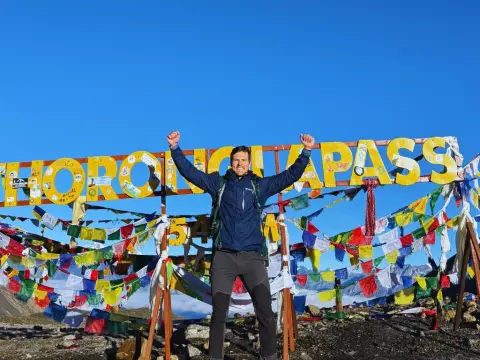
Prayer flags mark the pass. Take photographs quickly—exposure at this altitude demands efficiency.

The descent toward Ngawal is equally demanding. Steep scree slopes require careful footing. Gradually, you rejoin the main Annapurna Circuit trail, returning to more established trekking infrastructure.

Nar Phu Nepal Trek

Max. altitude

3,660m / 12,008 ft.
Nar Phu Nepal Trek

Accommodation

Teahouse
Nar Phu Nepal Trek

Meals

Breakfast, Lunch & Dinner

After the intensity of crossing Kang La Pass, today is intentionally short and easy.

We leave Ngawal with a gentle descent, walking along a quieter section of the Annapurna Circuit. The trail opens up with wide views of Annapurna II, Gangapurna, and the Marsyangdi Valley below. Compared to the raw isolation of Nar Phu, this feels more connected — small villages, prayer wheels, and cultivated fields return to the landscape.

The walk to Upper Pisang is not physically demanding, but it plays a crucial role in recovery. Your body finally gets a break after high altitude exposure, and the lower elevation helps you regain energy.

Upper Pisang itself is one of the most beautiful villages in the Annapurna region — traditional stone houses, a hilltop monastery, and wide Himalayan panoramas.

👉 Today is not about distance — it’s about resetting your body after Kang La.

Nar Phu Nepal Trek

Max. altitude

3,300m / 10,827 ft.
Nar Phu Nepal Trek

Accommodation

Lodge
Nar Phu Nepal Trek

Meals

Breakfast, lunch and Dinner

Today, we continue descending deeper into the Annapurna valley.

The trail drops gradually through pine forests, crossing suspension bridges and following the Marsyangdi River. The air feels thicker, warmer, and noticeably easier to breathe — a welcome change after days above 4,000 meters.

You’ll pass through small settlements and rejoin sections of the classic Annapurna Circuit route. Compared to the remote Nar Phu section, this part feels more lively, with trekkers, teahouses, and better trail infrastructure.

Chame, the district headquarters of Manang, offers a comfortable stop with good lodges and even natural hot springs nearby.

👉 This is a comfortable walking day — your legs relax, and your appetite comes back strong.

Nar Phu Nepal Trek

Max. altitude

2,670m / 8,760 ft.
Nar Phu Nepal Trek

Accommodation

Lodge
Nar Phu Nepal Trek

Meals

Breakfast, lunch and Dinner

After breakfast, we begin the long drive back to Kathmandu.

The jeep ride follows the rugged mountain road along the Marsyangdi River, passing waterfalls, terraced fields, and hillside villages. It’s a bumpy journey, but also a final chance to soak in the landscapes you’ve just walked through.

Once we reach Besisahar, the road improves as we connect to the highway back to Kathmandu.

By the time you return to the city, it hits you — you’ve just completed one of Nepal’s most remote and culturally rich treks.

👉 From hidden valleys to high passes — this journey closes with a full-circle return to Kathmandu

Nar Phu Nepal Trek

Max. altitude

1,400m / 4,593 ft.
Nar Phu Nepal Trek

Accommodation

3-star Hotel
Nar Phu Nepal Trek

Meals

Breakfast, Lunch & Dinner

Your Nar Phu Valley adventure comes to a close today. After breakfast, you’ll be transferred to Tribhuvan International Airport for your onward flight.

This is the moment to reflect on the journey — from remote high Himalayan villages and the epic Kang La Pass to lush valleys and bustling Kathmandu streets. Memories of quiet monasteries, panoramic peaks, and unique cultural encounters will stay with you long after you leave Nepal.

Our team ensures a smooth airport transfer, so you can leave with peace of mind and a heart full of unforgettable experiences.

Not satisfied with this itinerary? Make your own.
Contact Us
Elevation Chart

What’s Included in Your Trek Package

  • Airport pickup and drop-off in Kathmandu
  • 2 nights hotel accommodation in Kathmandu with breakfast
  • All ground transportation (Kathmandu–Dharapani–Ngawal–Kathmandu)
  • Restricted Area Permit (RAP) for Nar Phu Valley
  • Annapurna Conservation Area Permit (ACAP)
  • Experienced licensed trekking guide
  • Porter service (1 porter per 2 trekkers)
  • All teahouse accommodation during trek
  • Three meals daily during trek (breakfast, lunch, dinner)
  • First aid kit and emergency oxygen cylinder
  • Trekking route map and trip briefing
  • All government taxes and service charges

What’s Not Included in Your Package

  • International airfare and Nepal visa fees
  • Travel and emergency evacuation insurance (mandatory)
  • Lunch and dinner in Kathmandu
  • Personal trekking gear and equipment
  • Hot showers and battery charging during trek
  • Alcoholic beverages, soft drinks, and bottled water
  • Personal expenses (phone calls, laundry, souvenirs)
  • Tips and gratuities for guide and porter
  • Extra accommodation due to flight delays or weather
  • Any costs arising from itinerary changes beyond our control
  • Items not specifically mentioned in inclusions

Nar Phu Nepal Trek– Trip Information & Details

The Nar Phu Valley trek Nepal offers what few Himalayan trails can match—solitude, cultural authenticity, and raw natural beauty without the crowds that frequent popular routes.

Untouched Tibetan Heritage

Unlike commercialized trekking regions, villages in Nar Phu have preserved their Tibetan Buddhist traditions for centuries. Prayer flags flutter over ancient stone houses. Monks chant in remote monasteries. Local residents maintain customs largely unchanged by modern influence.

Dramatic Himalayan Scenery

The landscape shifts dramatically throughout the trek. You'll navigate deep river gorges, cross suspension bridges over roaring waters, and ascend through alpine meadows toward snow-capped peaks. The crossing of Kang La Pass rewards trekkers with panoramic views of Annapurna II (7,937m), Gangapurna (7,455m), Tilicho Peak (7,134m), and Pisang Peak (6,091m).

Exclusive Experience

Restricted area status limits visitor numbers significantly. While the Annapurna Circuit trek sees thousands of trekkers annually, Nar Phu remains genuinely remote. This exclusivity creates an intimate connection with both landscape and local communities.

Adventure Without Extreme Technical Demands

Though challenging, the Nar Phu restricted area trek doesn't require mountaineering skills. Fit trekkers with high-altitude experience can complete this journey with proper preparation, acclimatization, and licensed guide support.

Nar Phu Valley lies in the Manang District of Nepal's Gandaki Province, north of the main Annapurna Circuit trail. The valley sits along the Tibetan border, explaining its strong cultural connections to Tibetan Buddhism.

Geographic Position

The region occupies a hidden tributary valley of the Marsyangdi River. Access requires branching off from the standard Annapurna Circuit route at Koto village (2,610m), then following the Nar Khola river northward into increasingly remote terrain.

Key Landmarks

  • Koto (2,610m): Gateway checkpoint to the restricted area
  • Phu Village (4,080m): Highest permanent settlement in the valley
  • Nar Village (4,110m): Traditional Tibetan village with ancient monastery
  • Kang La Pass (5,322m): High crossing connecting to Ngawal on the Annapurna Circuit
  • Meta (3,560m): First major settlement inside the restricted zone

The valley's isolation—surrounded by high ridges and accessible only through limited entry points—preserved its unique character while neighboring regions developed tourist infrastructure.

Understanding permit requirements is essential before planning your Nar Phu restricted area trek. The Nepali government limits access to protect the region's fragile ecology and preserve its cultural heritage.

Required Permits

1. Restricted Area Permit (RAP)

This special permit allows entry into the Nar Phu Valley. Key details:

  • Cost: USD $100 per person for the first 7 days
  • Extension: USD $15 per day beyond 7 days
  • Minimum group size: 2 persons
  • Mandatory requirement: Licensed trekking agency and registered guide
  • Issuing authority: Department of Immigration, Kathmandu

Individual travelers cannot obtain this permit independently. You must book through a registered Nepali trekking company that processes documentation on your behalf.

2. Annapurna Conservation Area Permit (ACAP)

Since the trek passes through the Annapurna Conservation Area:

  • Cost: NPR 3,000 (approximately USD $23)
  • Issuing authority: Nepal Tourism Board or ACAP offices
  • Valid for: Entry into all Annapurna region trails

Permit Processing

Allow 3–5 working days for permit processing in Kathmandu. Required documents include:

  • Valid passport with minimum 6 months validity
  • Passport-sized photographs (digital copies acceptable)
  • Completed application forms (handled by trekking agency)

We handle all permit arrangements as part of our Nar Phu trekking package, eliminating bureaucratic complications so you can focus on preparation.

Checkpoints

Officials verify permits at multiple locations:

  • Koto village (entry checkpoint)
  • Phu village
  • Nar village
  • Ngawal or Manang (exit point)

Ensure you carry original permits throughout the trek. Photocopies are not accepted at checkpoints.

Planning your budget helps set realistic expectations. Nar Phu permit cost and overall trek expenses exceed standard Annapurna treks due to restricted area fees and limited infrastructure.

Cost Breakdown

Expense CategoryEstimated Cost (USD)
Restricted Area Permit (7 days)$100
ACAP Permit$23
Guide fees (10 days)$250–300
Porter fees (10 days)$200–250
Accommodation (teahouses)$150–200
Meals (full board)$250–350
Transportation (Kathmandu–Dharapani–Kathmandu)$100–150
Kathmandu hotel (2 nights)$60–100
Travel insurance$50–100
Miscellaneous$100–150

Total Estimated Budget

Independent arrangement: USD $1,300–1,600 per person
Organized package: USD $1,500–2,200 per person (all-inclusive)

What Affects Pricing?

  • Season: Peak season (October–November) commands higher prices
  • Group size: Larger groups reduce per-person costs for shared expenses
  • Accommodation standard: Basic teahouses cost less than upgraded lodges in accessible areas
  • Package inclusions: All-inclusive packages cost more upfront but eliminate unexpected expenses

Our Nar Phu trekking package includes all permits, guide and porter services, accommodation, meals, and transportation—providing transparent pricing without hidden fees.

Honest assessment of the Kang La Pass trek difficulty helps trekkers prepare appropriately and make informed decisions. For a full guide, check out our Nar Phu Valley Trek Difficulty blog.

Difficulty Rating: Challenging

This trek demands physical fitness, mental resilience, and respect for high-altitude environments. It's not suitable for first-time trekkers or those without prior Himalayan experience.

Physical Demands

  • Daily walking: 5–9 hours depending on terrain
  • Elevation gain: Multiple days with 700–1,000m ascent
  • High pass crossing: Kang La Pass at 5,322m requires early morning start and 8–9 hours of strenuous hiking
  • Terrain: Uneven rocky paths, loose scree near the pass, suspension bridges, steep ascents and descents

Altitude Challenges

The itinerary includes careful acclimatization, but altitude remains the primary challenge:

  • Above 3,500m from Day 4 onward
  • Maximum sleeping altitude: 4,110m (Nar Village)
  • Pass crossing at 5,322m requires optimal acclimatization

Acute Mountain Sickness (AMS) risks are real. Symptoms include headache, nausea, dizziness, and fatigue. Our guides monitor trekkers closely and carry emergency oxygen and communication equipment.

Required Fitness Level

Ideal candidates for this trek:

  • Complete regular cardiovascular exercise (running, cycling, hiking)
  • Can comfortably hike 6–8 hours daily on varied terrain
  • Have prior experience above 4,000m
  • Possess no serious cardiac or respiratory conditions

Technical Requirements

No technical climbing skills are needed. However, trekkers should be comfortable with:

  • Crossing suspension bridges
  • Navigating steep rocky terrain
  • Walking on snow patches near Kang La Pass (depending on season)
  • Early morning starts in cold conditions

Timing significantly impacts trek conditions, views, and overall experience. The Nar Phu Valley has distinct seasonal characteristics. For a full guide, check out our Best Time to Trek Nar Phu Valley Trek blog.

Peak Season: September – November

Advantages:

  • Stable weather with minimal precipitation
  • Clear mountain views
  • Comfortable temperatures at lower elevations
  • Post-monsoon freshness in vegetation

Considerations:

  • Higher demand for permits and guides
  • Teahouses may reach capacity
  • Kang La Pass potentially snow-free

This remains the most popular and reliable trekking window.

Spring Season: March – May

Advantages:

  • Rhododendron blooms at lower elevations
  • Warming temperatures
  • Fewer trekkers than autumn
  • Good visibility before pre-monsoon clouds

Considerations:

  • Late May may see pre-monsoon weather
  • Higher snowpack on Kang La Pass early in season
  • Warmer temperatures at lower elevations

Spring offers excellent conditions, particularly April and early May.

Monsoon Season: June – August

Not Recommended

Heavy rainfall makes trails dangerous. Landslides occur frequently. Views are obscured by clouds. Teahouses may close during this period.

Winter Season: December – February

For Experienced Trekkers Only

Cold temperatures and potential heavy snowfall create challenging conditions. Kang La Pass may be impassable. However, hardy trekkers experience pristine solitude and crisp mountain views.

Kang La Pass (5,322m) is the highest and toughest section of the Nar Phu Valley trek, connecting the hidden valley to the Annapurna Circuit.

Difficulty: Challenging

This pass requires strong fitness, proper acclimatization, and mental endurance.

Key Challenges

  • 8–9 hours trekking on pass day
  • ~1,000m ascent with steep, rocky terrain
  • Snow and loose scree near the top
  • Early morning start in cold conditions

Altitude Factor

At 5,322m, risk of Acute Mountain Sickness is high. Acclimatization in Nar Village is essential.

Fitness Requirement

Best suited for trekkers who:

  • Can hike 6–8 hours daily
  • Have prior high-altitude experience
  • Are physically and mentally prepared

👉 For full details, read our Kang la Pass Blog.

The Nar Phu Valley trek is a high-altitude adventure, starting from lower elevations and reaching up to Kang La Pass (5,322m)—the highest point of the journey.

Altitude Overview

  • Gradual ascent above 3,000m from Koto onward
  • Phu Village: ~4,080m
  • Nar Village: ~4,110m
  • Kang La Pass: 5,322m

Altitude Challenge

Trekkers spend multiple days above 3,500m, increasing the risk of Acute Mountain Sickness. Proper acclimatization and a steady pace are essential for a safe trek.

👉 For a complete village-by-village breakdown, read our Nar Phu Valley Trek Altitude – Elevation Guide.

The Nar Phu Valley trek is a restricted-area adventure, so costs are slightly higher than standard treks—but still very reasonable for the experience.

Average Cost (Per Person)

  • Budget: $700 – $1,000
  • Standard: $1,000 – $1,500
  • Premium: $1,500 – $2,000+ 

👉 Most trekkers typically pay around $1,000 – $1,800 for a complete guided package.

Cost Breakdown

  • Permits: ~$130–$150 (restricted area + ACAP)
  • Guide: $30–40/day (mandatory)
  • Porter (optional): $20–30/day
  • Food & Accommodation: $25–40/day
  • Transport: $30–60 (one way) 

Why It Costs More

  • Restricted area permits
  • Mandatory licensed guide
  • Remote logistics and limited infrastructure

👉 For a complete detailed breakdown, read our Nar Phu Valley Trek Cost guide.

Why Book Nar Phu Nepal Trek with Majestic Trails Nepal – Personalized and Authentic Trekking Experiences?
  • Founded by experienced Guide with over 10 years of guiding expertise on Trekking in Nepal
  • Hundreds of genuine five-star reviews across TripAdvisor, Google, and social media.
  • Honest pricing with no hidden costs, ensuring reliability and value.
  • Fully personalized itineraries accommodating extra days, private guides, or unique trekking experiences.
  • Supporting sustainable tourism and local communities.
  • Professional English-speaking guides supported by local Sherpa porters for safety at high altitudes.
  • Comprehensive emergency care including first aid kits, essential trekking gear, oximeters, and reliable helicopter rescue arrangements.
  • Strong connections with local vendors and trusted partners, ensuring smooth flights, helicopter services, and full support during emergencies.
Full Package
US$ 1,300 /person
9 Nights 10 Days
  • 3 - 5 Person US$ 1,499
  • 6 - 8 Person US$ 1,350
  • 9 - 14 Person US$ 1,300
Share
Print

Reviews of Nar Phu Nepal Trek by Past Trekkers

Life-Changing Himalayan Adventure

I honestly didn’t know what to expect from the Nar Phu Valley trek, but it turned out to be one of the most powerful travel experiences of my life. From the moment we left the main Annapurna trail and entered the restricted valley, everything felt wilder, quieter, and more authentic. Our guide, Ramesh, was incredibly professional and calm, especially during the long ascent toward Kang La Pass. One morning near Nar village, I started feeling a mild headache from the altitude. Ramesh immediately checked my oxygen level, adjusted our pace, and made sure I drank enough fluids. That small moment showed me how experienced and responsible he was. I always felt safe. Our porter, Bikash, was equally amazing. Despite carrying heavy loads, he was always smiling and somehow reached the teahouse before us every day. One afternoon, while crossing a suspension bridge over a deep gorge, I felt nervous because of the strong wind. Bikash waited patiently and encouraged me step by step. It sounds small, but those gestures really matter at altitude. Phu village felt like stepping back in time—ancient stone houses, prayer flags everywhere, and monks chanting in a small monastery above the village. It didn’t feel commercial at all. We were often the only trekkers in sight, which made the experience even more special. Crossing Kang La Pass was tough—snowy sections and strong winds—but standing at 5,322 meters with panoramic mountain views was unforgettable. Ramesh made sure our timing was perfect to avoid afternoon clouds, and the descent toward Ngawal was smooth and well-managed. If you’re looking for something beyond the typical trekking routes, Nar Phu is truly special. With the right team like Ramesh and Bikash, it becomes not just a trek, but a deeply personal journey.

S
Sarah Mitchell
Australia

Raw, Remote and Absolutely Worth It

The Nar Phu Valley trek was exactly what I was searching for—remote, challenging, and culturally authentic. After trekking in Everest and Annapurna before, I wanted something less crowded, and Nar Phu delivered beyond expectations. Our guide, Suman, was exceptional. His knowledge about Tibetan Buddhist culture and the history of the valley made every village feel alive with stories. In Phu village, he arranged a short visit to a local monastery where we were invited inside during evening prayers. Listening to monks chant while the sun set behind the cliffs was a moment I will never forget. There was one difficult day on the way to Kang La Pass when the trail was partially covered with snow. I was slightly anxious about the steep section near the top. Suman stayed close, setting a steady pace and reminding us to conserve energy. He constantly monitored our condition and made sure we were properly acclimatized before attempting the pass. Our porter, Karma, was incredibly strong and humble. One afternoon near Nar, the weather suddenly changed and strong winds picked up dust along the trail. Karma quickly helped secure our duffel bags and even offered me his extra buff to protect my face. Small actions like that show true care. What impressed me most was how quiet the trail was. Some days we walked for hours without seeing another group. The stone houses, yak caravans, and dramatic cliffs made it feel like we had stepped into another world. Crossing Kang La at 5,322 meters was physically demanding, but the panoramic views of Annapurna II and the surrounding peaks made every step worth it. Thanks to Suman and Karma, I felt safe, supported, and fully immersed in this incredible Himalayan adventure.

D
Daniel Weber
Germany
See more reviews

Packing List for Nar Phu Nepal Trek

  • Thermal underwear (top and bottom)
  • Moisture-wicking t-shirts (long-sleeved)
  • Moisture-wicking underwear
  • Fleece jacket or pullover
  • Insulated down or synthetic jacket
  • Waterproof, windproof jacket (Gore-Tex or similar)
  • Waterproof, windproof pants (Gore-Tex or similar)
  • Warm beanie or hat
  • Sun hat or cap
  • Neck gaiter or scarf
  • Trekking pants (convertible preferred)
  • Waterproof trousers
  • Lightweight gloves (inner)
  • Insulated gloves or mittens (outer)
  • Hiking boots (broken in and waterproof)
  • Comfortable camp shoes (e.g., sneakers or sandals)
  • Trekking backpack (30-40 liters) with waterproof cover
  • Sleeping bag (rated for cold temperatures)
  • Sleeping pad or mattress (insulated)
  • Adjustable trekking poles
  • Insulated water bottles or hydration bladder (2 liters capacity)
  • Travel-sized toiletries
  • Biodegradable soap
  • Quick-dry towel
  • Medications for altitude sickness, pain relief, and common ailments
  • Sun protection cream, wet wipes, and hand sanitizer
  • Camera and batteries
  • Notebook and pen
  • Earplugs (for sleeping in lodges)
  • Portable solar charger
  • Headlamp, power bank, and extra batteries

Frequently Asked Questions About Nar Phu Nepal Trek

Why Majestic Trails Nepal

Majestic Trails Nepal is a government-licensed trekking agency with experienced local guides who specialize in restricted area treks like Nar Phu Valley. We provide complete permit arrangements, safety support, and authentic cultural experiences throughout your journey.

Yes, all our Nar Phu Valley Trek guides are government-certified, highly experienced in high-altitude trekking, and trained in wilderness first aid and altitude sickness management. We ensure your safety and comfort throughout the entire trek.

We offer personalized service with expert local guides, transparent pricing with no hidden costs, 24/7 emergency support, and comprehensive trek packages that handle all logistics so you can focus on the experience.

Fitness and Difficulty

The Nar Phu Valley trek difficulty is moderate to challenging due to high altitude reaching 5,320m at Kang La Pass, remote trails, and daily walking of 6-8 hours. We recommend good fitness and some prior trekking experience.

Trekkers should have strong cardiovascular endurance, ability to walk 6-8 hours daily with elevation gain, and capacity to handle consecutive trekking days. We suggest 3-4 months of training including hiking, running, or cycling.

The Kang La Pass crossing at 5,320m is the most challenging section, involving a 10-12 hour day with steep ascent, potential snow, high winds, and significant altitude. Proper acclimatization is essential for this section.

Weather and Best Time

The best time for Nar Phu Valley Trek is October to November (autumn) and March to May (spring) when weather is stable, skies are clear, and Kang La Pass conditions are safest for crossing.

We do not recommend winter trekking (December-February) as Kang La Pass is often impassable due to heavy snow, extreme cold, and high avalanche risk. Teahouses may also be closed during this period.

No, the monsoon season (June-September) brings heavy rain, trail erosion, leeches, poor visibility, and landslide risks. We strongly advise against trekking during these months for safety reasons.

October and early November provide the most stable weather with clear mountain views, moderate temperatures, and optimal trail conditions. Late April through May also offers excellent spring trekking conditions.

Cost and Payment

The Nar Phu Valley trek cost ranges from $1,200 to $1,800 USD per person depending on group size, season, and services included. This covers all permits, guide, accommodation, meals, and ground transportation.

Our package includes all trekking permits, experienced guide and porter, teahouse accommodation, three meals daily during trek, Kathmandu-trek transportation, and emergency evacuation support. International flights and personal expenses are excluded.

Yes, we provide discounted rates for groups of 3 or more trekkers. Contact us with your group size and preferred dates for a customized quote and special pricing.

We accept bank transfer, credit cards (Visa/Mastercard), and cash payment in USD or NPR. A 20% deposit secures your booking, with the remaining balance due before trek departure.

Accommodation and Meals

Nar Phu Valley trek accommodation consists of basic teahouse lodges with twin-sharing rooms, shared bathrooms, and no heating. We provide warm sleeping bags rated to -15°C for cold nights at high altitude.

You'll enjoy nutritious meals including Dal Bhat (traditional Nepali meal), noodle soups, fried rice, pasta, Tibetan bread, and porridge. Food variety decreases in upper villages but remains sufficient for trekking energy.

Teahouses are available at major stops including Meta, Kyang, Phu, and Nar villages, but facilities are very basic with limited electricity and no indoor heating. Advance booking through our team ensures accommodation availability.

Yes, vegetarian options are readily available throughout the trek. For other dietary requirements (vegan, gluten-free, allergies), please inform us in advance so we can communicate with teahouse owners along the route.

Itinerary and Route Details

The standard Nar Phu Valley trek itinerary takes 12-16 days, starting from Koto, entering the restricted valley through Meta, reaching Phu and Nar villages, crossing Kang La Pass, and descending to Ngawal before returning via Annapurna Circuit.

The Nar Phu Valley trek route begins at Koto (2,600m), ascends through Meta and Kyang to Phu village (4,080m), continues to Nar village (4,110m), crosses Kang La Pass (5,320m), and descends to Ngawal connecting to the Annapurna Circuit.

Yes, we can customize the Nar Phu Valley trek itinerary based on your available time, fitness level, and preferences. We can extend for additional acclimatization days or combine it with other Annapurna region treks.

We recommend 14-16 days for the complete trek including adequate acclimatization, buffer days for weather, and safe pacing. Rushed itineraries increase altitude sickness risk and reduce enjoyment of this remarkable journey.

Permits and Required Documents

Nar Phu Valley trek permits include a Restricted Area Permit ($90 for 7 days, $15 per additional day) and Annapurna Conservation Area Permit - ACAP ($30). All must be arranged through a registered trekking agency.

The total Nar Phu Valley trek permits cost approximately $140 USD per person, including Restricted Area Permit and ACAP. These fees are included in our trek packages, and we handle all permit arrangements.

No, Nar Phu is a restricted area requiring permits obtained only through government-licensed trekking agencies with a registered guide. Independent trekking is not permitted by Nepal government regulations.

Similar Trips

Limited
Everest Panorama Trek
9 Days
1 Reviews
US$ 950
Trending
Annapurna Base Camp Trek
14 Days
14 Reviews
US$ 940
Best Selling
Annapurna Circuit Trek
15 Days
2 Reviews
US$ 1,180
Top Rated
Langtang Gosaikunda Trek
13 Days
3 Reviews
US$ 940

Join our Newsletter

Sign up to stay updated with latest offers, recent events and more news.
Art representing various natural and cultutal heritages of Nepal
Home Whatsapp Book Now
We use cookies to enhance your experience on our website. By continuing to browse, you agree to our use of cookies.