[{"name":"Langtang Valley Trek \u2014 10 Days","duration":"10","image_url":"https:\/\/www.majestictrailsnepal.com\/storage\/trip-galleries\/1\/thumb_e7907ed736676d12e6ab17328008e746.webp","offer_price":null,"url":"https:\/\/www.majestictrailsnepal.com\/trips\/langtang-valley-trek"},{"name":"Everest Base Camp Trek","duration":"14","image_url":"https:\/\/www.majestictrailsnepal.com\/storage\/trip-galleries\/2\/thumb_4b769c9c4b5b007a61f4ce3b76ff440d.webp","offer_price":null,"url":"https:\/\/www.majestictrailsnepal.com\/trips\/everest-base-camp-trek"},{"name":"Everest Panorama Trek","duration":"9","image_url":"https:\/\/www.majestictrailsnepal.com\/storage\/trip-galleries\/3\/thumb_e6ee74caea3e2900c23ca370b06bab80.webp","offer_price":null,"url":"https:\/\/www.majestictrailsnepal.com\/trips\/everest-panorama-trek"},{"name":"Annapurna Base Camp Trek","duration":"14","image_url":"https:\/\/www.majestictrailsnepal.com\/storage\/trip-galleries\/4\/thumb_3f8d40f9472f701d7c46a827925201bc.webp","offer_price":null,"url":"https:\/\/www.majestictrailsnepal.com\/trips\/annapurna-base-camp-trek"},{"name":"Annapurna Base Camp Express Trek","duration":"9","image_url":"https:\/\/www.majestictrailsnepal.com\/storage\/trip-galleries\/5\/thumb_bac80de2bd257d651fa75d9c8025da1a.webp","offer_price":null,"url":"https:\/\/www.majestictrailsnepal.com\/trips\/annapurna-base-camp-express-trek"},{"name":"Annapurna Circuit Trek","duration":"15","image_url":"https:\/\/www.majestictrailsnepal.com\/storage\/trip-galleries\/6\/thumb_b73bdec74acacaa0d72a2a2a513f3d4a.webp","offer_price":null,"url":"https:\/\/www.majestictrailsnepal.com\/trips\/annapurna-circuit-trek"},{"name":"Ghorepani Poon Hill Trek","duration":"8","image_url":"https:\/\/www.majestictrailsnepal.com\/storage\/trip-galleries\/7\/thumb_aeda9e6388ab2692138cc9c9efa81a7f.webp","offer_price":null,"url":"https:\/\/www.majestictrailsnepal.com\/trips\/ghorepani-poon-hill-trek"},{"name":"Mardi Himal Trek \u2014 9 Days","duration":"9","image_url":"https:\/\/www.majestictrailsnepal.com\/storage\/trip-galleries\/8\/thumb_c511ee87ecab8ff015210dd647392d66.webp","offer_price":null,"url":"https:\/\/www.majestictrailsnepal.com\/trips\/mardi-himal-trek"},{"name":"Manaslu Circuit Trek","duration":"15","image_url":"https:\/\/www.majestictrailsnepal.com\/storage\/trip-galleries\/9\/thumb_7726908390ad6b249f2f6a7856f9dc17.webp","offer_price":null,"url":"https:\/\/www.majestictrailsnepal.com\/trips\/manaslu-circuit-trek"},{"name":"Upper Mustang Trek","duration":"16","image_url":"https:\/\/www.majestictrailsnepal.com\/storage\/trip-galleries\/10\/thumb_6a9b52ecd1d8cda92d594e5351431d6e.webp","offer_price":null,"url":"https:\/\/www.majestictrailsnepal.com\/trips\/upper-mustang-trek"},{"name":"Pokhara City Tour","duration":"1","image_url":"https:\/\/www.majestictrailsnepal.com\/storage\/trip-galleries\/11\/thumb_cf762ba4c20363bd1c0f239db35fcc84.webp","offer_price":null,"url":"https:\/\/www.majestictrailsnepal.com\/trips\/pokhara-city-tour"},{"name":"Paragliding in Pokhara","duration":"1","image_url":"https:\/\/www.majestictrailsnepal.com\/storage\/trip-galleries\/12\/thumb_b896201edf88bbe0f570e876c3c337a3.webp","offer_price":70,"url":"https:\/\/www.majestictrailsnepal.com\/trips\/paragliding-in-pokhara"},{"name":"Kathmandu City Tour","duration":"2","image_url":"https:\/\/www.majestictrailsnepal.com\/storage\/trip-galleries\/13\/thumb_846ad05bd3ce7bebb3843c24c08db6f9.webp","offer_price":null,"url":"https:\/\/www.majestictrailsnepal.com\/trips\/kathmandu-city-tour"},{"name":"Lumbini Buddhist Pilgrimage Tour","duration":"4","image_url":"https:\/\/www.majestictrailsnepal.com\/storage\/trip-galleries\/14\/a2998dca0ce22f28a61c3862dd47f6a3.webp","offer_price":null,"url":"https:\/\/www.majestictrailsnepal.com\/trips\/lumbini-buddhist-pilgrimage-tour"},{"name":"5 days langtang valley trek","duration":"5","image_url":"https:\/\/www.majestictrailsnepal.com\/storage\/trip-galleries\/15\/thumb_7a6c65c139b8085d220ac01913cb1448.webp","offer_price":510,"url":"https:\/\/www.majestictrailsnepal.com\/trips\/5-days-langtang-valley-trek"},{"name":"Leisure Port Nepal Price: Rafting and Camping Adventure","duration":"7","image_url":"https:\/\/www.majestictrailsnepal.com\/storage\/trip-galleries\/17\/thumb_02cb8c3f0697c7c5c4f73d744b47d87f.webp","offer_price":550,"url":"https:\/\/www.majestictrailsnepal.com\/trips\/leisure-port-nepal-price-rafting-and-camping-adventure"},{"name":"10 days spiritual tour in Nepal","duration":"10","image_url":"https:\/\/www.majestictrailsnepal.com\/storage\/trip-galleries\/18\/thumb_b4e7eba000673d1bce6b56abb422fe3b.webp","offer_price":1200,"url":"https:\/\/www.majestictrailsnepal.com\/trips\/10-days-spiritual-tour-in-nepal"},{"name":"Annapurna Circuit Short Trek","duration":"10","image_url":"https:\/\/www.majestictrailsnepal.com\/storage\/trip-galleries\/19\/thumb_769ee8cbe02a510d8db76419c97a2dc9.webp","offer_price":null,"url":"https:\/\/www.majestictrailsnepal.com\/trips\/annapurna-circuit-short-trek"},{"name":"Best Short Manaslu Circuit Trek","duration":"11","image_url":"https:\/\/www.majestictrailsnepal.com\/storage\/trip-galleries\/20\/thumb_ac1b4977a3fce9d11ee68240cad675b6.webp","offer_price":null,"url":"https:\/\/www.majestictrailsnepal.com\/trips\/best-short-manaslu-circuit-trek"},{"name":"Langtang Gosaikunda Trek","duration":"13","image_url":"https:\/\/www.majestictrailsnepal.com\/storage\/trip-galleries\/22\/thumb_577a6402f2ca4b3f12bfd80b96b33a23.webp","offer_price":940,"url":"https:\/\/www.majestictrailsnepal.com\/trips\/langtang-gosaikunda-trek"},{"name":"3 Passes Trek Nepal","duration":"22","image_url":"https:\/\/www.majestictrailsnepal.com\/storage\/trip-galleries\/24\/thumb_8020edea67aefce87e9012dc89a60087.webp","offer_price":null,"url":"https:\/\/www.majestictrailsnepal.com\/trips\/3-passes-trek-nepal"},{"name":"Tsum Valley Trek","duration":"13","image_url":"https:\/\/www.majestictrailsnepal.com\/storage\/trip-galleries\/25\/thumb_194c03e3c3463dff07a3f621a81ef9ea.webp","offer_price":null,"url":"https:\/\/www.majestictrailsnepal.com\/trips\/tsum-valley-trek"},{"name":"Gokyo and Renjo La Pass Trek","duration":"14","image_url":"https:\/\/www.majestictrailsnepal.com\/storage\/trip-galleries\/26\/thumb_7b865f0f0d0d4c6807b625b6e391b56d.webp","offer_price":1490,"url":"https:\/\/www.majestictrailsnepal.com\/trips\/gokyo-and-renjo-la-pass-trek"},{"name":"Honeymoon Tour in Nepal","duration":"9","image_url":"https:\/\/www.majestictrailsnepal.com\/storage\/trip-galleries\/27\/thumb_dabf449c090bb16efd5823c653eb61b3.webp","offer_price":null,"url":"https:\/\/www.majestictrailsnepal.com\/trips\/honeymoon-tour-in-nepal"},{"name":"Pikey Peak Trek","duration":"10","image_url":"https:\/\/www.majestictrailsnepal.com\/storage\/trip-galleries\/28\/thumb_5425e57ce3ea84d31a7b24b83b1af94f.webp","offer_price":1090,"url":"https:\/\/www.majestictrailsnepal.com\/trips\/pikey-peak-trek"},{"name":"Makalu Base Camp Trek","duration":"17","image_url":"https:\/\/www.majestictrailsnepal.com\/storage\/trip-galleries\/29\/thumb_d68c8ec6492540c922045d825a38cd50.webp","offer_price":null,"url":"https:\/\/www.majestictrailsnepal.com\/trips\/makalu-base-camp-trek"},{"name":"Nepal Winter Tour","duration":"8","image_url":"https:\/\/www.majestictrailsnepal.com\/storage\/trip-galleries\/30\/thumb_c8491c0c4b1fb19d8e93630866895799.webp","offer_price":null,"url":"https:\/\/www.majestictrailsnepal.com\/trips\/nepal-winter-tour"},{"name":"Maratika Tour in Nepal","duration":"6","image_url":"https:\/\/www.majestictrailsnepal.com\/storage\/trip-galleries\/31\/thumb_97948560c5a12a486f9ac2b76567cafd.webp","offer_price":null,"url":"https:\/\/www.majestictrailsnepal.com\/trips\/maratika-tour-in-nepal"},{"name":"Nepal Lake Trek","duration":"14","image_url":"https:\/\/www.majestictrailsnepal.com\/storage\/trip-galleries\/32\/thumb_d9b260fe13127816f5b3c25447caf70c.webp","offer_price":null,"url":"https:\/\/www.majestictrailsnepal.com\/trips\/nepal-lake-trek"},{"name":"Taste of Nepal Tour Package","duration":"9","image_url":"https:\/\/www.majestictrailsnepal.com\/storage\/trip-galleries\/33\/thumb_f4b55ab5760a8e057b4c3e208e25ab36.webp","offer_price":null,"url":"https:\/\/www.majestictrailsnepal.com\/trips\/taste-of-nepal-tour-package"},{"name":"Poon Hill Yoga Trek in Nepal","duration":"9","image_url":"https:\/\/www.majestictrailsnepal.com\/storage\/trip-galleries\/34\/thumb_904b238e690107c5c9b1092296880cc9.webp","offer_price":null,"url":"https:\/\/www.majestictrailsnepal.com\/trips\/poon-hill-yoga-trek-in-nepal"},{"name":"Nar Phu Nepal Trek","duration":"10","image_url":"https:\/\/www.majestictrailsnepal.com\/storage\/trip-galleries\/35\/thumb_f959e3e22c260629add0ba61a4038812.webp","offer_price":null,"url":"https:\/\/www.majestictrailsnepal.com\/trips\/nar-phu-nepal-trek"},{"name":"Annapurna Base Camp Helicopter Tour","duration":"1","image_url":"https:\/\/www.majestictrailsnepal.com\/storage\/trip-galleries\/36\/thumb_e81861e8772a9d7fac92ab4a7d43e3bf.webp","offer_price":null,"url":"https:\/\/www.majestictrailsnepal.com\/trips\/annapurna-base-camp-helicopter-tour"},{"name":"Annapurna Circuit with Nar Phu Valley Trek","duration":"16","image_url":"https:\/\/www.majestictrailsnepal.com\/storage\/trip-galleries\/38\/thumb_b70692cbd1c1dd772587c940be2d0bc9.webp","offer_price":null,"url":"https:\/\/www.majestictrailsnepal.com\/trips\/annapurna-circuit-with-nar-phu-valley-trek"}]
The 3 passes trek Nepal itinerary represents one of the most challenging and rewarding high-altitude adventures in the Himalayas. This epic journey takes you across three legendary mountain passes—Kongma La, Cho La, and Renjo La—while offering unparalleled views of the world's highest peaks.
Unlike the standard Everest Base Camp trek, the Everest Three Passes Trek itinerary pushes your limits with demanding terrain, extreme altitudes, and remote landscapes. This comprehensive guide breaks down every detail you need to plan this unforgettable journey through Sagarmatha National Park.
Overview of the 3 Passes Trek in Nepal
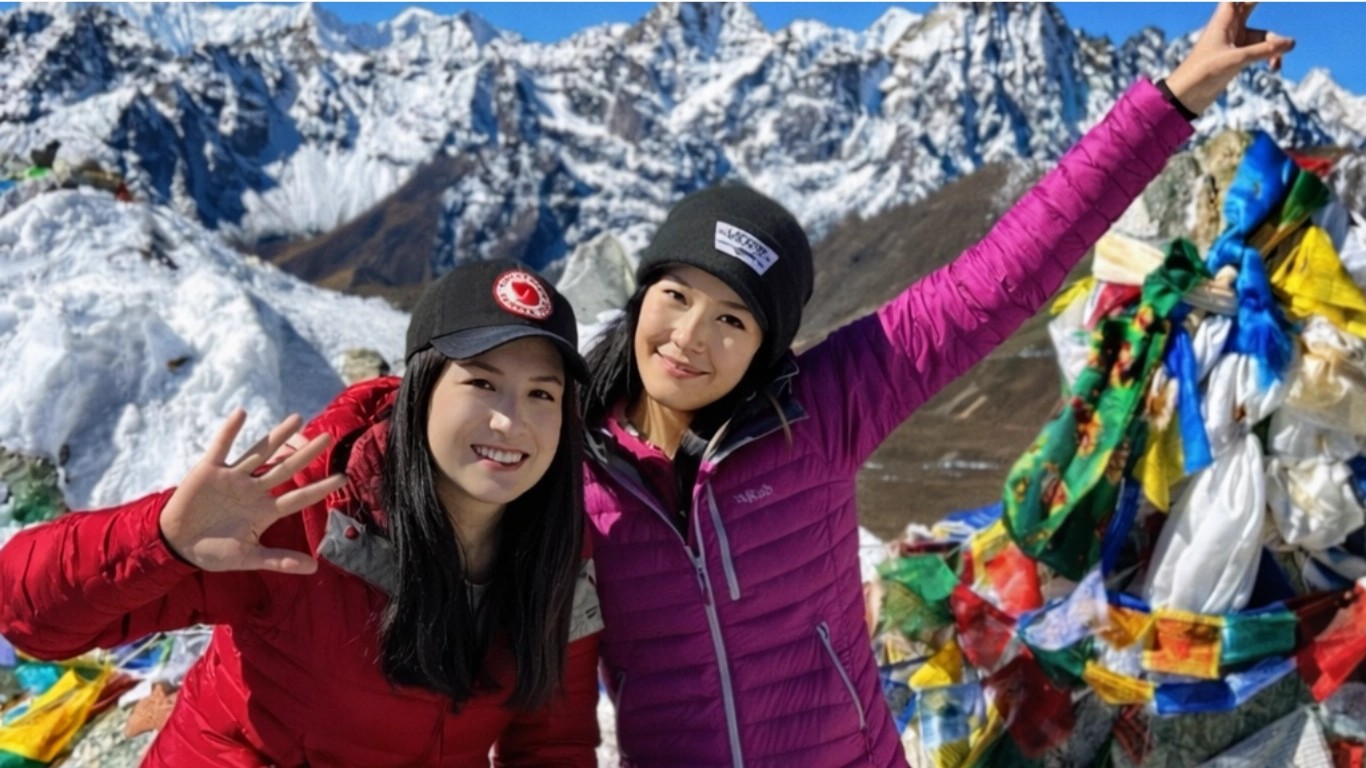
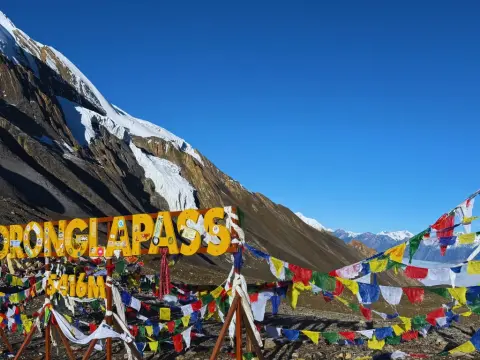
Two hikers at the top of Kongma La Pass with colorful prayer flags during the Three Passes trek in Nepal
Before diving into the day-by-day breakdown, understanding the scope of this adventure helps set realistic expectations.
Key Trek Statistics:
Total Duration: 18–21 days (including travel days)
Maximum Altitude: 5,545m (Kongma La Pass)
Total Distance: Approximately 160–170 km
Trek Difficulty: Strenuous to Very Difficult
Daily Walking Hours: 5–8 hours average
Best Suited For:
Experienced trekkers with prior high-altitude experience
Physically fit individuals with excellent cardiovascular endurance
Adventure seekers wanting more than the standard EBC route
Those comfortable with basic mountaineering terrain (snow, ice, rocky sections)
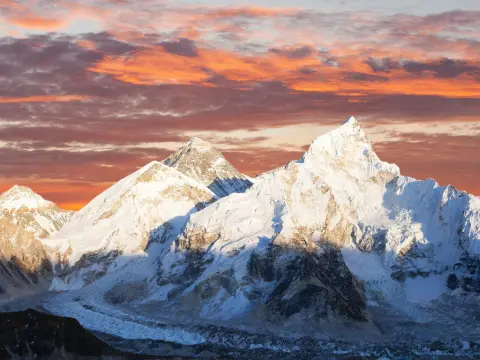
The Three Passes trek route combines the Everest Base Camp experience with three challenging high passes, creating a complete circuit through the Khumbu region. You'll witness iconic peaks including Everest, Lhotse, Makalu, Cho Oyu, and Ama Dablam from multiple vantage points.
Detailed 18–21 Day 3 Passes Trek Nepal Itinerary
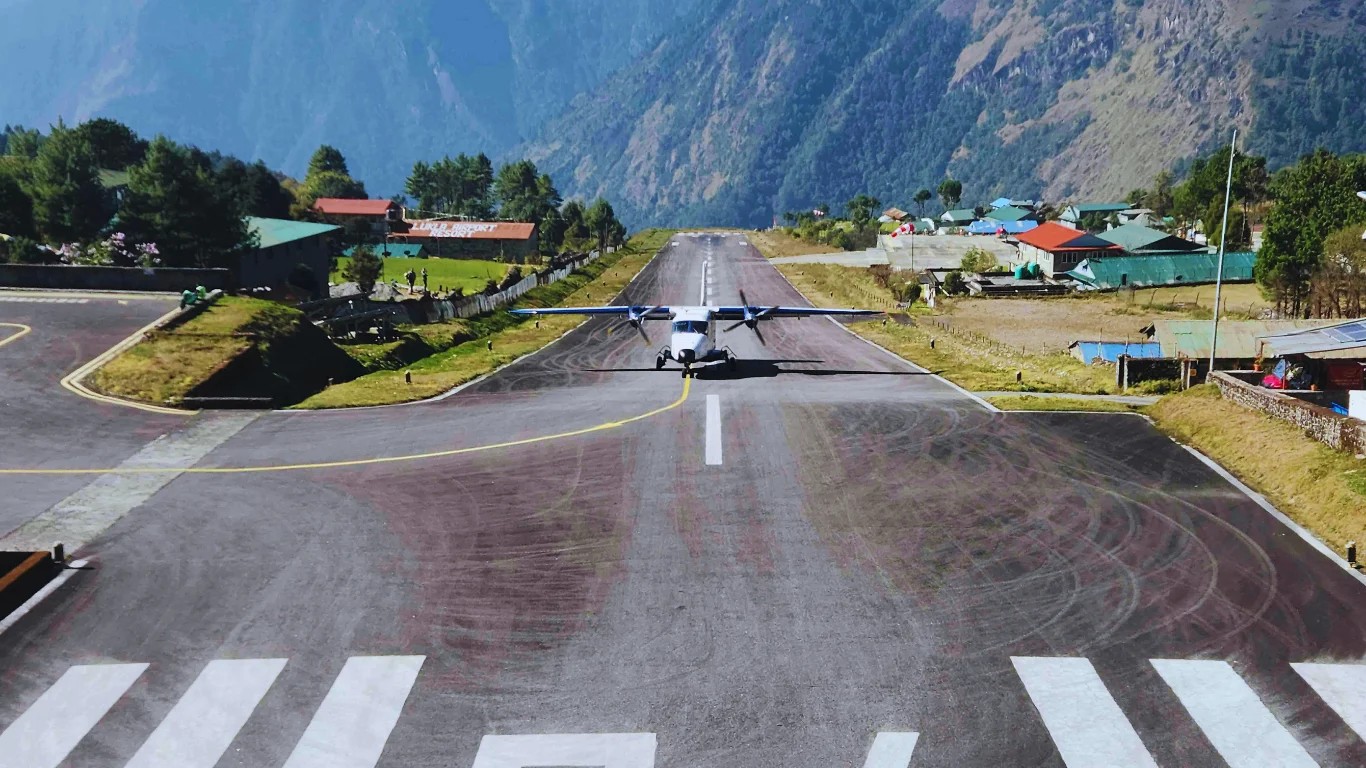
Flight to Lukla—gateway to the Everest Three Passes Trek and the dramatic start of your 3 passes trek Nepal itinerary.
This comprehensive Everest Three Passes Trek itinerary follows the most popular clockwise route, crossing Kongma La first, followed by Cho La, and finishing with Renjo La. This direction offers optimal acclimatization and manageable altitude progression.
Day 1: Arrival in Kathmandu (1,400m)
Starting Point: International arrival
Ending Point: Kathmandu (Thamel area)
Altitude: 1,400m
Walking Hours: None
Arrive in Kathmandu and transfer to your hotel. Use this day for final gear checks, permit verification, and trek briefing with your guide. Rest well—the adventure begins tomorrow.
Highlights:
Final equipment purchases in Thamel
Pre-trek briefing and documentation
Acclimatization to Nepal's environment
Day 2: Fly to Lukla and Trek to Phakding
Starting Point: Kathmandu Airport
Ending Point: Phakding
Altitude: 2,610m
Walking Hours: 3–4 hours
The scenic 35-minute flight to Lukla provides your first glimpse of Himalayan terrain. After landing at Tenzing-Hillary Airport, begin trekking through pine forests along the Dudh Koshi River.
Highlights:
Dramatic mountain flight to Lukla
First views of snow-capped peaks
Crossing suspension bridges over glacial rivers
Day 3: Trek to Namche Bazaar
Starting Point: Phakding
Ending Point: Namche Bazaar
Altitude: 3,440m
Walking Hours: 5–6 hours
Today's trek involves significant altitude gain with a challenging uphill climb to Namche. Cross the famous Hillary Suspension Bridge and enter Sagarmatha National Park.
Highlights:
First Everest viewpoint (weather permitting)
Entry into Sagarmatha National Park
Arrival at the Sherpa capital
Day 4: Acclimatization Day in Namche
Starting Point: Namche Bazaar
Ending Point: Namche Bazaar
Altitude: 3,440m (with hike to 3,800m)
Walking Hours: 3–4 hours (optional hike)
This crucial acclimatization day follows the "climb high, sleep low" principle. Hike to the Everest View Hotel or Khumjung village, then return to Namche for rest.
Highlights:
Stunning Everest, Lhotse, and Ama Dablam panoramas
Visit to Sherpa Culture Museum
Exploration of Namche's shops and bakeries
Day 5: Trek to Tengboche
Starting Point: Namche Bazaar
Ending Point: Tengboche
Altitude: 3,867m
Walking Hours: 5–6 hours
Trek through rhododendron forests with incredible Ama Dablam views dominating the skyline. Tengboche Monastery, the largest in the Khumbu region, offers spiritual respite.
Highlights:
Iconic Ama Dablam photography opportunities
Visit to historic Tengboche Monastery
Beautiful forest trails with diverse birdlife
Day 6: Trek to Dingboche
Starting Point: Tengboche
Ending Point: Dingboche
Altitude: 4,410m
Walking Hours: 5–6 hours
Leave the tree line behind as the landscape transforms into alpine terrain. The trail passes through Pangboche before climbing to Dingboche's wide valley.
Highlights:
Transition from forest to high alpine environment
Views of Island Peak and Lhotse's south face
Traditional Sherpa farming villages
Day 7: Acclimatization Day in Dingboche
Starting Point: Dingboche
Ending Point: Dingboche
Altitude: 4,410m (with hike to 5,000m)
Walking Hours: 4–5 hours (optional)
Another essential rest day before tackling the first high pass. Hike toward Chhukung or Nangkartshang Peak for altitude exposure.
Highlights:
Spectacular views of Makalu (world's fifth-highest peak)
Preparation for Kongma La crossing
Physical and mental rest before challenging days ahead
Day 8: Trek to Chhukung
Starting Point: Dingboche
Ending Point: Chhukung
Altitude: 4,730m
Walking Hours: 3–4 hours
A shorter day allows afternoon rest before tomorrow's demanding pass crossing. Chhukung sits in a dramatic glacial valley beneath towering peaks.
Highlights:
Intimate valley surrounded by 8,000m peaks
Final preparation for Kongma La
Quieter, less crowded settlement
Day 9: Cross Kongma La Pass (5,535m)
Starting Point: Chhukung
Ending Point: Lobuche
Altitude: Maximum 5,535m; overnight at 4,940m
Walking Hours: 8–10 hours
This is the highest and most technically demanding pass on the entire Everest high passes trek. Expect steep scrambling, possible snow, and glacial terrain.
Highlights:
Summit of Kongma La (5,535m)—highest point of the trek
Panoramic views of Everest, Lhotse, Makalu, and Ama Dablam
Crossing the Khumbu Glacier
Day 10: Trek to Lobuche
Starting Point: Kongma La descent area
Ending Point: Lobuche
Altitude: 4,940m
Walking Hours: 2–3 hours (if not completed previous day)
Some itineraries combine this with Day 9. If separated, use this shorter day for recovery before Everest Base Camp.
Highlights:
Khumbu Glacier views
Memorial chortens for fallen climbers
Rest and recovery
Day 11: Everest Base Camp & Gorak Shep
Starting Point: Lobuche
Ending Point: Gorak Shep
Altitude: EBC at 5,364m; Gorak Shep at 5,164m
Walking Hours: 7–8 hours
Trek to the legendary Everest Base Camp through the Khumbu Glacier's moraine. During climbing season, witness expedition tents dotting the glacier.
Highlights:
Arrival at Everest Base Camp (5,364m)
Khumbu Icefall views
Standing at the foot of the world's highest mountain
Day 12: Kala Patthar & Trek to Dzongla
Starting Point: Gorak Shep
Ending Point: Dzongla
Altitude: Kala Patthar at 5,545m; Dzongla at 4,830m
Walking Hours: 7–8 hours (including early morning hike)
Wake before dawn for the Kala Patthar sunrise—the best Everest viewpoint accessible without climbing gear. Then descend and traverse to Dzongla.
Highlights:
Sunrise from Kala Patthar (5,545m)
Unobstructed Everest summit views
Positioning for Cho La crossing
Day 13: Cross Cho La Pass (5,420m)
Starting Point: Dzongla
Ending Point: Thagnak or Dragnag
Altitude: Maximum 5,420m; overnight at 4,700m
Walking Hours: 7–8 hours
The second high pass involves glacier crossing with possible fixed ropes. Ice axes and crampons may be necessary depending on conditions.
Highlights:
Summit of Cho La Pass (5,420m)
Glacier crossing experience
Dramatic descent into the Gokyo Valley
Day 14: Trek to Gokyo
Starting Point: Thagnak
Ending Point: Gokyo
Altitude: 4,790m
Walking Hours: 3–4 hours
An easier day following the previous pass crossing. Walk alongside the stunning turquoise Gokyo Lakes—sacred to both Hindus and Buddhists.
Highlights:
Gokyo Lakes—stunning glacial lakes
Ngozumpa Glacier views (longest in Nepal)
Peaceful lakeside village setting
Day 15: Gokyo Ri & Rest
Starting Point: Gokyo
Ending Point: Gokyo
Altitude: Gokyo Ri at 5,357m
Walking Hours: 3–4 hours (morning hike)
Climb Gokyo Ri for arguably the most spectacular panorama in the Khumbu. Four 8,000m peaks are visible from the summit.
Highlights:
Summit of Gokyo Ri (5,357m)
Views of Everest, Cho Oyu, Lhotse, and Makalu
Afternoon rest before final pass
Day 16: Cross Renjo La Pass (5,360m)
Starting Point: Gokyo
Ending Point: Lungden or Marlung
Altitude: Maximum 5,360m; overnight at 4,380m
Walking Hours: 7–8 hours
The final pass rewards with incredible views back toward Gokyo Lakes and Everest. The descent is steep but well-defined.
Highlights:
Summit of Renjo La Pass (5,360m)
Final high-altitude achievement
Spectacular sunset possibilities
Day 17–20: Trek back to Namche & Lukla
Route: Lungden → Thame → Namche → Lukla
Altitude: Gradual descent to 2,860m
Walking Hours: 5–7 hours daily
The return journey passes through Thame, a beautiful Sherpa village rarely visited by trekkers. Enjoy the thickening air and increasing comfort as you descend.
Highlights:
Traditional Thame village visit
Celebration in Namche Bazaar
Final night in Lukla
Final Day: Fly Back to Kathmandu
Starting Point: Lukla
Ending Point: Kathmandu
Altitude: 1,400m
Walking Hours: None
Catch your morning flight back to Kathmandu. Weather delays are common—always build buffer days into your schedule.
How Difficult Is the 3 Passes Trek?
The Everest Three Passes Trek itinerary ranks among Nepal's most demanding treks. Understanding the challenges helps ensure proper preparation.
Primary Difficulties:
Extreme Altitude: Three consecutive days above 5,400m
Long Walking Days: Multiple 8–10 hour days
Technical Terrain: Snow, ice, and glacier crossings possible
Weather Exposure: High passes vulnerable to sudden storms
Physical Demands: Steep ascents and descents with full exposure
Who Should Attempt This Trek:
This route suits experienced trekkers with proven high-altitude tolerance. Prior experience above 4,000m is highly recommended. Those with respiratory issues, heart conditions, or inadequate fitness should consider alternative routes.
Best Time to Follow This 3 Passes Trek Nepal Itinerary
Timing significantly impacts your Three Passes trek route experience.
Autumn (September–November):
Clear skies and stable weather
Excellent visibility for mountain views
Post-monsoon freshness
Busier trails and teahouses
Spring (March–May):
Rhododendron blooms at lower elevations
Warming temperatures
Generally good weather with occasional afternoon clouds
Moderate crowds
Winter (December–February):
Cold temperatures (extreme at high passes)
Fewer trekkers
Some teahouses closed
Passes may be snow-blocked
Monsoon (June–August):
Not recommended
Heavy rainfall and leeches at lower elevations
Cloud-obscured views
Trail conditions dangerous
Acclimatization & Altitude Considerations
Proper acclimatization is non-negotiable on the Everest high passes trek. Acute Mountain Sickness (AMS) affects trekkers regardless of fitness level.
Essential Acclimatization Practices:
Follow all scheduled rest days
Climb high, sleep low during acclimatization hikes
Maintain slow, steady pace (pole-pole, as Sherpas say)
While technically possible independently, hiring an experienced guide is strongly recommended. High passes involve route-finding challenges, and conditions change rapidly. Guides provide safety, cultural insight, and logistical support.
Insurance Requirements:
Comprehensive travel insurance with helicopter evacuation coverage (minimum $100,000) is essential. Verify your policy covers trekking above 5,500m. Keep policy documents accessible during the trek.
FAQs About the 3 Passes Trek Nepal Itinerary
How fit do I need to be for the Three Passes Trek?
You should maintain excellent cardiovascular fitness and have experience with multi-day hiking. Prior high-altitude trekking experience above 4,000m significantly improves your chances of success.
Can I complete this trek without a guide?
Technically yes, but it's not recommended. High passes involve technical sections, and weather conditions can change rapidly. Solo trekking without proper experience is risky.
How much does the complete trek cost?
Budget approximately $2,500–$4,500 USD including flights, permits, guide, porter, accommodation, and meals. Costs vary based on service level and season.
What happens if weather closes a pass?
Passes occasionally close due to snow or unsafe conditions. Your itinerary should include buffer days. Guides may suggest alternative routes or waiting periods.
Is the Three Passes Trek harder than Everest Base Camp?
Yes, significantly. The Everest Three Passes Trek itinerary involves longer days, higher maximum altitudes, technical terrain, and greater overall physical demands than the standard EBC route.
Final Thoughts
The 3 passes trek Nepal itinerary delivers an unmatched Himalayan adventure for prepared trekkers. Crossing Kongma La, Cho La, and Renjo La offers perspectives of Everest and surrounding giants that few ever witness.
This route demands respect—proper fitness, adequate acclimatization, quality gear, and experienced guidance. But for those who commit to thorough preparation, the rewards are extraordinary: standing atop three legendary passes, watching sunrise paint Everest gold, and walking through landscapes that redefine what mountains can be.
Whether you're drawn by the physical challenge, the stunning photography opportunities, or simply the call of genuine adventure, the Everest Three Passes Trek represents the pinnacle of Himalayan trekking experiences.