
Best Time to Trek in Nepal
17 Jan 2026
Let's cut straight to it. Autumn, specifically September through November, is the best time to trek in Nepal. Spring runs a very close second, coverin...

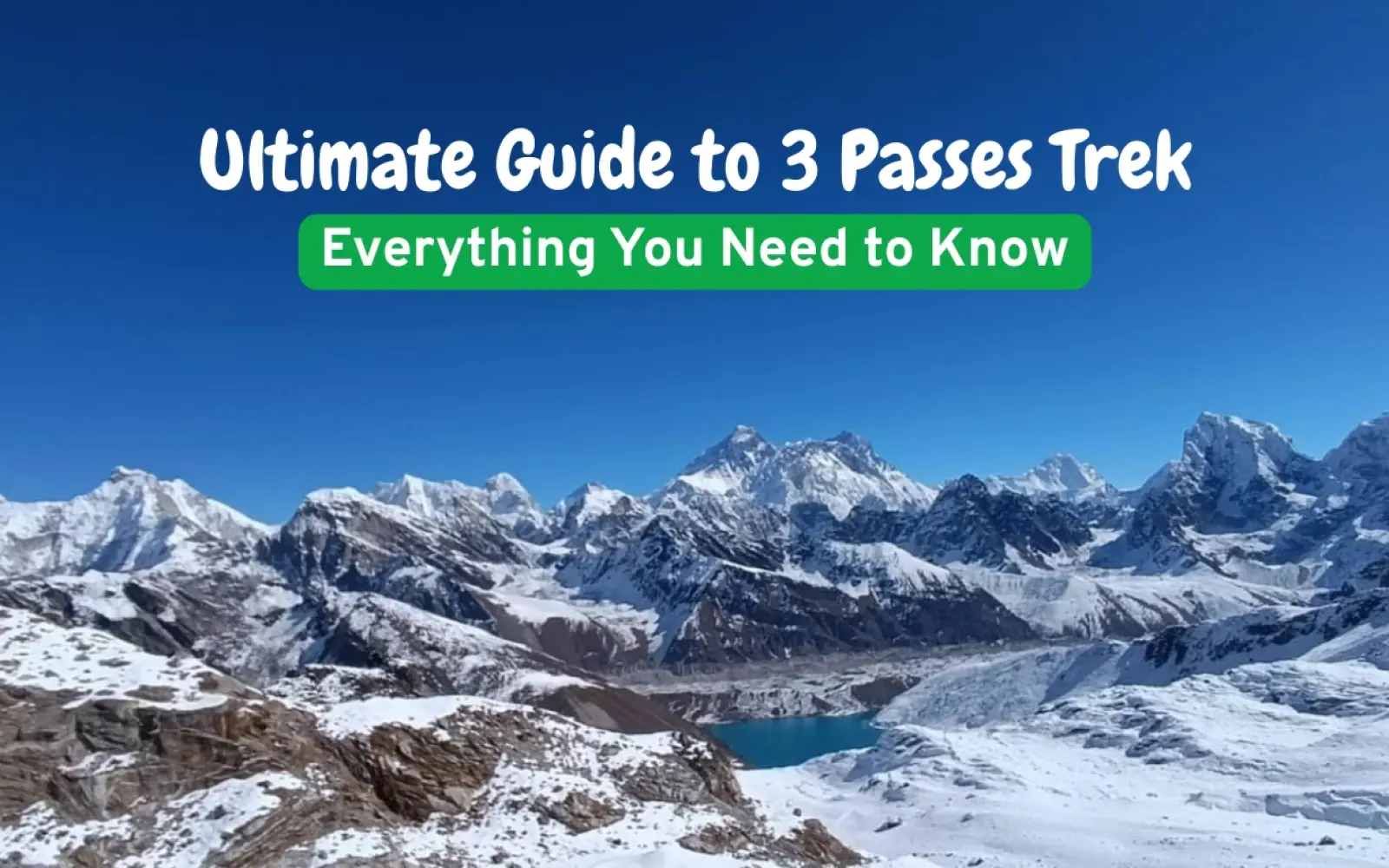

Nepal, cradled by the majestic Himalayas, calls out to adventurers with its unrivaled trekking opportunities. While the Everest Base Camp (EBC) trek attracts thousands each year, an even more ambitious and deeply rewarding journey awaits those who wish to fully experience the raw beauty and rich culture of the Everest Region: the Three Passes Trek. This is not just a trek. The Three Passes Trek goes through the heart of the Khumbu, crosses three high mountain passes, reaches Everest Base Camp, and offers stunning views of the Himalayas. It is a challenging journey that tests your limits and gives a true mountain experience.
The Three Passes Trek, also known as the Everest Three High Passes Trek, elevates the classic Everest Region experience. It transcends the well-trodden path to Everest Base Camp, venturing into lesser-explored valleys and over formidable passes. This comprehensive route weaves a spectacular mix of snow-capped peaks, turquoise lakes, and vibrant Sherpa culture, providing a holistic immersion into the Himalayas. Unlike treks that lead to a singular destination, the 3 Passes Trek Nepal is a journey of continuous discovery, each day presenting new challenges and awe-inspiring panoramas. This trek offers a deeper connection to the Khumbu region than many other routes.
The 3 Passes Trek is a high-altitude adventure that rewards careful timing. Choosing the right season ensures not only safer trekking but also the most breathtaking Himalayan panoramas. While the Everest Region can be trekked year-round by seasoned adventurers, certain windows truly enhance the experience.
Autumn (September to November) – Peak Himalayan Splendor
Autumn is widely regarded as the most favorable time for the 3 Passes Trek. The skies are generally clear, offering uninterrupted, jaw-dropping views of Everest, Lhotse, Ama Dablam, and the surrounding peaks. Temperatures are moderate, the trails are firm, and the vibrant Sherpa villages hum with post-monsoon energy. This season also coincides with several local festivals, giving trekkers a unique cultural insight alongside the adventure. As a bonus, the risk of rainfall or snow is minimal, making trekking across Kongma La, Cho La, and Renjo La more predictable and enjoyable.
Spring (March to May) – Blooming Trails and Gentle Weather
Spring brings a different kind of magic to the Everest Region. The rhododendron forests along the trail burst into color, contrasting beautifully against the snow-capped peaks. Days are generally warm, nights crisp, and visibility is excellent for photography and Himalayan panoramas. While the occasional pre-monsoon shower can occur, the trails are generally safe, and this season offers a slightly quieter experience than autumn, especially on the high passes.
Winter (December to February) – Solitude Among the Giants
Winter is for the bold. The trails are almost deserted, giving trekkers an unmatched sense of solitude in the heart of the Khumbu. The air is crisp and clear, offering spectacular visibility of the Himalayan giants. However, temperatures plummet above 4,000 meters, and snow can make Kongma La, Cho La, and Renjo La significantly more challenging. Only experienced, well-equipped trekkers should attempt the 3 Passes Trek during this season.
Monsoon (June to Early September) – Adventure, but with Risks
The monsoon months bring heavy rainfall and unstable weather to the Everest Region. Trails can become slippery, river crossings dangerous, and snow may accumulate at higher passes. Visibility is often compromised, obscuring the very peaks trekkers have come to see. While it is possible to trek during this time, it is not recommended for those seeking the full beauty and safety of the Three Passes experience.
Recommendation from Majestic Trails Nepal:
For the ultimate Himalayan adventure—the perfect balance of safety, visibility, and scenery—late September to November is unmatched. Spring, from March to May, is a close second, offering vibrant trails and slightly fewer crowds. Winter and monsoon trekking are possible but suited only for highly experienced adventurers prepared for extreme conditions.
The Three Passes Trek in Nepal is widely regarded as one of the most challenging trekking routes in the Everest Region. While it does not require technical mountaineering skills, the overall difficulty comes from a combination of high altitude, long trekking days, and crossing three major Himalayan passes above 5,300 meters.
From our experience guiding trekkers on the 3 Passes Trek Nepal at Majestic Trails Nepal, this trek demands strong physical endurance and mental resilience. Trekkers should be comfortable walking 6 to 8 hours a day for multiple consecutive days, with some pass-crossing days extending to 9 or even 10 hours. The thin air at altitude significantly amplifies fatigue, even for fit and experienced hikers.
Technically, the most demanding section is Cho La Pass, where trekkers often cross icy glacier terrain. Depending on the season, the use of microspikes or crampons may be necessary. Kongma La Pass is physically the toughest due to its steep ascent and loose scree, while Renjo La Pass, although slightly less technical, still tests stamina and balance at high altitude.
In short, the 3 Passes Trek Nepal is best suited for experienced trekkers or those who have previously completed high-altitude treks. With proper acclimatization, preparation, and guidance, it is challenging but absolutely achievable.
Deciding on the direction of your Three Passes Trek is a strategic choice that impacts acclimatization, difficulty sequencing, and the overall experience. Both clockwise and counterclockwise routes have their merits, and the optimal choice depends on individual preferences and acclimatization profiles. At Majestic Trails Nepal, our itinerary always follows the counter-clockwise route, ensuring a well-planned progression and safer acclimatization. Understanding these differences is key to tailoring the expedition to your needs.
The counter-clockwise route (typically starting with Kongma La, then Cho La, and finally Renjo La) is often recommended for better acclimatization. This approach generally starts with lower altitudes and gradually ascends, incorporating essential acclimatization days in key villages like Namche Bazaar and Dingboche before tackling the higher passes. It allows for a more progressive adaptation to the altitude, minimizing the risk of altitude sickness. The clockwise route (starting with Renjo La) can offer stunning initial views of Gokyo and Mount Everest, but may present a steeper altitude gain early on. After more than 20 years of trekking experience, we recommend the counter-clockwise route as the most sensible approach for managing altitude sickness effectively in the Everest Region.
For a counter-clockwise trek, the logical sequence is:
This sequence generally provides a progressive ascent and allows for critical acclimatization days before each major pass. Conversely, a clockwise route would start with Renjo La Pass, then Cho La Pass, and finally Kongma La Pass. The choice depends on individual acclimatization rates, comfort levels with technical terrain, and desired pacing. Experienced mountain experts often advise that the counter-clockwise direction is superior for gradual acclimatization.
The total distance of the 3 Passes Trek Nepal typically ranges between 160 to 180 kilometers, depending on the exact route taken and side trips such as Everest Base Camp, Kala Patthar, or Gokyo Ri. This makes it significantly longer than the standard Everest Base Camp Trek.
Most trekking days involve 6 to 8 hours of walking, covering a mix of gradual ascents, steep climbs, and long descents. Pass-crossing days, such as Kongma La, Cho La, and Renjo La, are the longest and most demanding, often requiring 8 to 10 hours on the trail.
This 17-19 day itinerary can be adjusted. A shorter version (around 14-16 days) might involve skipping Kala Patthar or Everest Base Camp to save time, or combining some trekking days if you are very fit and acclimatized. For a longer, more in-depth experience (21+ days), you can add rest days in strategic locations like Namche or Gokyo, explore side valleys, or spend more time at viewpoints like Gokyo Ri or Kala Patthar. Integrating the full Everest Base Camp Trek with the Three Passes Trek can extend the itinerary significantly, often requiring 21-25 days or more, depending on pacing. Consider adding detours to Island Peak Base Camp or even attempting Mera Peak if you have advanced mountaineering experience and time.
While trekking regulations in Nepal have evolved over time, the Three Passes Trek Nepal is not a route we recommend attempting without a guide. Beyond administrative requirements, the real concern lies in safety and route complexity.
The trek crosses remote high passes, glacial terrain, and sections where the weather can change rapidly. Whiteout conditions at Kongma La or Cho La are not uncommon, and route-finding can become extremely difficult without local knowledge. Emergency response time in these areas is also limited.
At Majestic Trails Nepal, our guides are trained in high-altitude safety, acclimatization management, and emergency response. They continuously assess weather, trail conditions, and group health, making informed decisions that significantly reduce risk. For a trek of this scale and difficulty, a guide is not just a formality—it is a critical safety component.
The cost of the 3 Passes Trek Nepal typically ranges between USD 1,700 to USD 2,400, depending on the level of service, group size, trek duration, and the season in which you choose to trek. This wide range reflects the complexity and length of the route, as well as the logistical demands of crossing three high Himalayan passes.
At Majestic Trails Nepal, our Three Passes Trek packages are designed to prioritize safety, proper acclimatization, and a well-paced itinerary rather than rushing the experience. A professionally guided trek in this price range usually includes experienced licensed guides, porters, all required trekking permits, domestic flights to and from Lukla, accommodation in teahouses during the trek, and meals on the trail.
The lower end of the cost range (around USD 1,700) generally applies to small-group departures with standard teahouse accommodation and shared services. Higher-end packages (up to USD 2,400) may include smaller group sizes, additional acclimatization days, better accommodation options where available, private transportation, and enhanced safety support such as satellite communication devices.
It is important to understand that the 3 Passes Trek Nepal is not a budget trek. Expenses increase significantly at higher altitudes due to transportation costs, limited supplies, and the need for trained local staff. Choosing a reputable trekking company ensures that guides and porters are properly insured, equipped, and fairly compensated—an essential factor for both safety and ethical trekking.
From our experience guiding trekkers through the Everest Three Passes route, investing in a well-organized trek within this price range provides peace of mind, better risk management, and a far more enjoyable Himalayan experience.
Reaching the Everest Region requires careful planning, especially for flights into Lukla’s high-altitude airstrip. The journey itself is an adventure, beginning well before the trek starts.
Kathmandu to Lukla: The Iconic Flight:
Most treks begin with a short but scenic flight to Lukla, home to Tenzing–Hillary Airport. This flight offers spectacular views of the Himalayas and lands on one of the world’s most dramatic mountain runways. Due to challenging terrain and weather conditions, flights usually operate early in the morning when conditions are most stable. At Majestic Trails Nepal, we recommend booking your Three Passes Trek in advance, and we can also arrange your Lukla flight ahead of time to ensure a smooth and well-coordinated start to your journey.
Ramechhap (Manthali Airport) Flight Operations During Peak Season:
During peak trekking seasons, congestion at Kathmandu’s Tribhuvan International Airport often results in Lukla flights operating from Ramechhap (Manthali Airport), located about a 4–5 hour drive from Kathmandu. This requires an early morning drive to Ramechhap to catch the connecting flight to Lukla. While it adds an extra travel day and some logistical complexity, this is currently the standard procedure for most Lukla flights and is managed by local authorities. Flight operations may change depending on government decisions and airport conditions.
Lukla flights are highly dependent on weather, and delays or cancellations are common. Safety is always the top priority, so schedule changes should be expected. We strongly recommend including one or two buffer days in your itinerary, especially before your international departure, to avoid travel disruptions. Booking your trek with Majestic Trails Nepal well in advance allows us to manage these logistics carefully and provide a smoother overall trekking experience.
Kathmandu's Tribhuvan International Airport (KTM) is the international gateway to Nepal and the starting point for your Everest Region adventure. Here, you'll arrive, arrange for internal flights, and often rent or purchase essential trekking gear. Understanding the airport's layout, navigating immigration and customs, and the process for domestic flight check-ins, which can differ significantly from international procedures, is vital for a smooth departure.
Trekking in the Everest Region requires specific permits to support conservation, manage tourism, and ensure the safety of trekkers. These permits are mandatory and must be obtained before or during the trek.
All trekkers entering Sagarmatha National Park, a UNESCO World Heritage Site and home to Mount Everest, must obtain this permit. The fee supports conservation and park management efforts. Our guide will arrange this permit for you at the park entrance in Monjo, making the process simple and hassle-free.
Trekkers are also required to obtain a local entrance permit issued by the Khumbu Pasang Lhamu Rural Municipality. This fee contributes directly to local infrastructure and community development. This permit is collected in Lukla, and our guide will handle it on your behalf upon arrival.
A TIMS card is not required for trekking in the Everest Region. The Sagarmatha National Park permit and the Khumbu Pasang Lhamu Rural Municipality permit are sufficient for the Everest Base Camp and Three Passes Trek routes.
The Three Passes Trek demands significant physical fitness and mental resilience. Proper preparation is key to a safe and enjoyable journey, transforming potential challenges into manageable steps towards a rewarding experience.
A comprehensive training program should include:
Being adequately equipped is non-negotiable for the Three Passes Trek. This list covers the essentials to ensure comfort and safety across varied conditions in the Everest Region:
Prioritizing health and safety is paramount for undertaking challenging treks like the Three Passes Trek. Being informed and prepared can prevent minor issues from becoming serious problems.
Altitude sickness, or Acute Mountain Sickness (AMS), is a serious concern at altitudes above 2,500 meters. Symptoms include headache, nausea, dizziness, fatigue, and loss of appetite. Prevention involves gradual ascent, proper acclimatization, adequate hydration, and avoiding alcohol and strenuous activity upon arrival at altitude. The mantra "climb high, sleep low" is a key strategy. Medications like Diamox (acetazolamide) can be prescribed by a doctor for prevention or treatment, but always consult a medical professional before use. Severe forms, High Altitude Cerebral Edema (HACE), where the brain swells, and High Altitude Pulmonary Edema (HAPE), where fluid fills the lungs, are life-threatening and require immediate descent and medical attention. Recognizing early symptoms of Khumbu cough and other mild AMS symptoms is crucial.
"Khumbu Cough" is a common ailment caused by dry, cold air and dust, leading to irritation of the airways. Staying hydrated, using a buff or scarf over your mouth to humidify the air, and treating with lozenges or cough drops can help alleviate symptoms. Stomach upsets can occur due to food or water contamination; always purify your drinking water and eat well-cooked food. Sunburn is prevalent at high altitudes due to the thinner atmosphere and intense UV radiation; therefore, consistently use high SPF sunscreen, wear a sun hat, and protective clothing.
Drink plenty of purified water daily, aiming for 3-4 liters. Electrolyte powders mixed with water can help replenish lost salts and minerals. Meals in teahouses, particularly Dal Bhat (lentil soup, rice, and vegetables), are a trekkers' favorite for a reason; they are nutritious, easily digestible, and provide sustained energy release, which is vital at high altitudes. Supplementing with calorie-dense snacks like nuts, dried fruits, and chocolate is also recommended.
In remote areas like the Khumbu region, communication can still be challenging, but from December 1, 2025, Nepal Telecom mobile coverage is available in most places along the trekking route, with stronger signals in larger villages such as Namche Bazaar. For critical situations, renting a satellite phone in Kathmandu is still advisable as a backup. Inform your Sherpa guide and trekking company of any health concerns, and always follow established emergency protocols. There is also a medical clinic in Dingboche, where experienced doctors are available during the trekking season, providing additional medical support in the high-altitude region. Keeping your trek plan shared with your support team is essential for safety and timely assistance.
Comprehensive travel insurance is absolutely essential for the Three Passes Trek. Ensure it specifically covers high-altitude trekking (up to 6,000 meters), emergency medical expenses, and helicopter evacuation, which can be extremely costly without adequate coverage. Review policy details carefully, as some policies may have exclusions for pre-existing conditions or specific high-risk activities. This is a critical aspect of responsible travel planning, as dictated by government decisions in many cases.
Teahouses are the backbone of trekking in Nepal, offering food and shelter along the trails of the Everest Region. They provide a warm place to rest and a unique cultural experience after long days of trekking. Trekkers can enjoy traditional Nepali meals like dal bhat, along with special garlic soup, which is commonly recommended at high altitude to help with acclimatization and warmth.
Teahouses are simple lodges offering basic accommodation, usually comprising twin-sharing rooms with twin beds. They are designed for trekkers and provide a necessary refuge from the elements. Common dining halls are the social heart of teahouses, often heated by a stove, providing a warm and convivial atmosphere to share stories with fellow trekkers. While rooms are typically spartan, with minimal furnishings, they offer a clean place to rest. Hygiene standards can vary, so exercising caution with food and water is always advised. Many teahouses offer excellent views right from their common areas, including glimpses of peaks like Ama Dablam.
While Dal Bhat is a staple and a trekkers' favorite for its energy-releasing carbohydrates and often unlimited refills, teahouses offer a variety of other dishes. Expect options like momos (dumplings), thukpa (noodle soup), fried rice, chow mein, pasta, and various curries. Vegetarian options are widely available, and many places can accommodate dietary restrictions with advance notice. Consuming calorie-dense foods is vital to maintain energy levels at high altitudes, and teahouse meals provide this essential fuel.
Tap water in most teahouses is unfiltered stream water and should not be drunk directly. Always purify your drinking water. Common methods include using purification tablets, a reliable water filter, or a UV purifier (like a SteriPEN). While boiled water is often available for purchase, it can be expensive and contribute to fuel consumption. Bottled water is available but is discouraged due to its environmental impact and the plastic waste it generates in the pristine Khumbu region. Always carry your water bottle and a purification method.
The Everest Three Passes Trek is more than just a trekking route; it is a life-changing journey into the heart of the Himalayas. This challenging adventure combines high mountain passes, dramatic landscapes, and deep cultural experiences. From the iconic flight to Lukla and the vibrant village of Namche Bazaar to crossing Kongma La, visiting Everest Base Camp, and traversing Cho La and Renjo La passes, the trek pushes your limits while rewarding you with unforgettable Himalayan views. Along the way, you will witness the grandeur of Mount Everest, the beauty of the Everest Massif, the turquoise Gokyo Lakes, and the warmth and resilience of Sherpa culture.
This guide has outlined the key route highlights, logistical details such as Lukla flights and Ramechhap alternatives, required permits for Sagarmatha National Park and the Khumbu Pasang Lhamu Rural Municipality, and essential preparation tips to help you trek safely and confidently. Flexibility, proper acclimatization, and careful planning are vital for success on this demanding high-altitude journey.
If you are looking for a professionally guided, well-planned, and safe Everest Three Passes Trek, Majestic Trails Nepal is ready to help you turn this dream into reality. Our experienced team handles all logistics, permits, and local support, allowing you to focus fully on the adventure. Contact Majestic Trails Nepal today to start planning your ultimate Himalayan trekking experience.
The cost of a guided 3 Passes Trek Nepal generally ranges from USD 1,700 to USD 2,400. This typically includes licensed guides, porter services, trekking permits, domestic flights to Lukla, accommodation during the trek, meals on the trail, and logistical support. Higher-end packages may include smaller group sizes, additional acclimatization days, satellite communication devices, and upgraded services.
Choosing the right trekking company is crucial for safety and overall experience. Look for companies with proven high-altitude experience, certified guides, transparent pricing, proper insurance coverage for staff, and realistic itineraries focused on acclimatization. At Majestic Trails Nepal, we prioritize route planning, safety protocols, and experienced local guides who understand the challenges of the Everest Three Passes route.
Yes, comprehensive travel insurance is mandatory. Your policy must cover high-altitude trekking up to at least 6,000 meters, emergency medical treatment, and helicopter evacuation. Due to the remoteness and altitude of the trek, insurance is not optional—it is essential.
Trekkers require two permits: the Sagarmatha National Park Entry Permit and the Khumbu Pasang Lhamu Rural Municipality Permit. These are typically arranged in Lukla and Monjo. When trekking with Majestic Trails Nepal, all permits are handled by our team, ensuring a smooth and hassle-free process.
Yes, Kathmandu has several reputable trekking gear rental shops where you can rent sleeping bags, down jackets, trekking poles, and other essentials. Many trekkers prefer renting bulky items locally while bringing personal gear, such as trekking boots, for comfort and fit.
Essential equipment includes high-quality trekking boots, layered clothing for cold conditions, a sleeping bag rated for sub-zero temperatures, trekking poles, a headlamp, a water purification system, and a durable backpack. Proper gear is especially important for crossing Kongma La, Cho La, and Renjo La passes safely.
Sturdy, waterproof trekking boots with good ankle support are highly recommended. Boots should be well broken in before the trek to avoid blisters. Due to rocky terrain, glacier crossings, and long descents, reliable footwear significantly reduces injury risk.

Let's cut straight to it. Autumn, specifically September through November, is the best time to trek in Nepal. Spring runs a very close second, coverin...

The Langtang Valley Trek is one of Nepal’s most rewarding trekking adventures—less crowded than Everest or Annapurna, yet rich in culture, biodiversit...

Short on time but big on ambition? Nepal delivers extraordinary mountain experiences in as little as three days, and this guide breaks down exactly wh...
