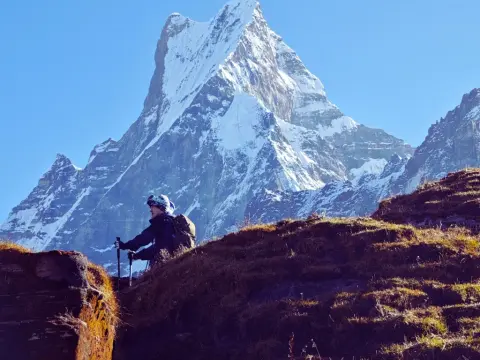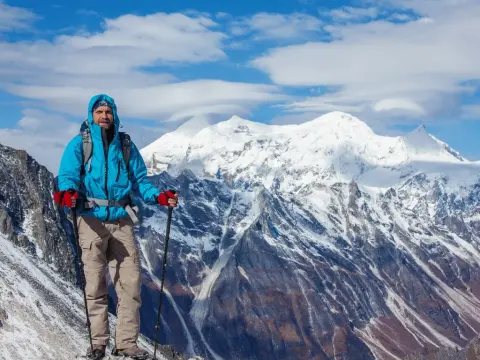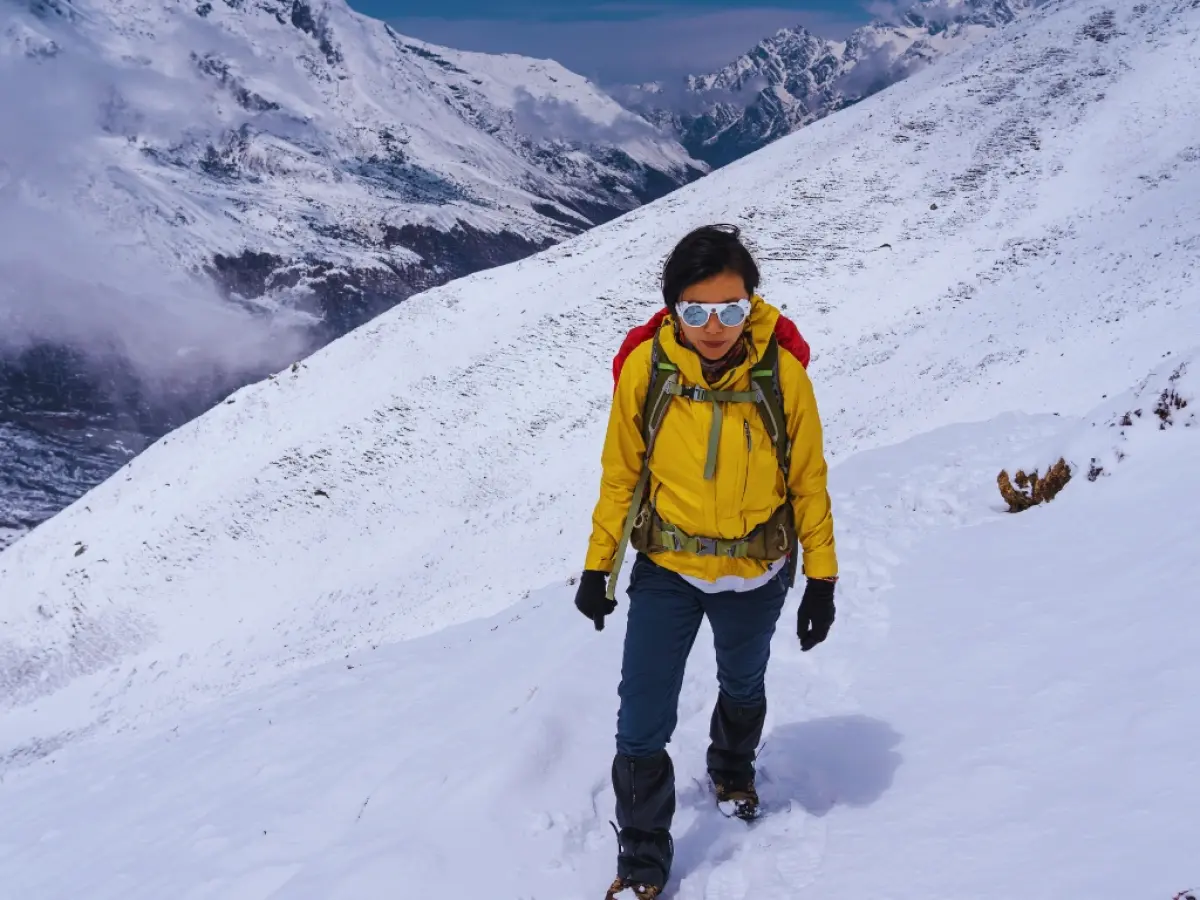

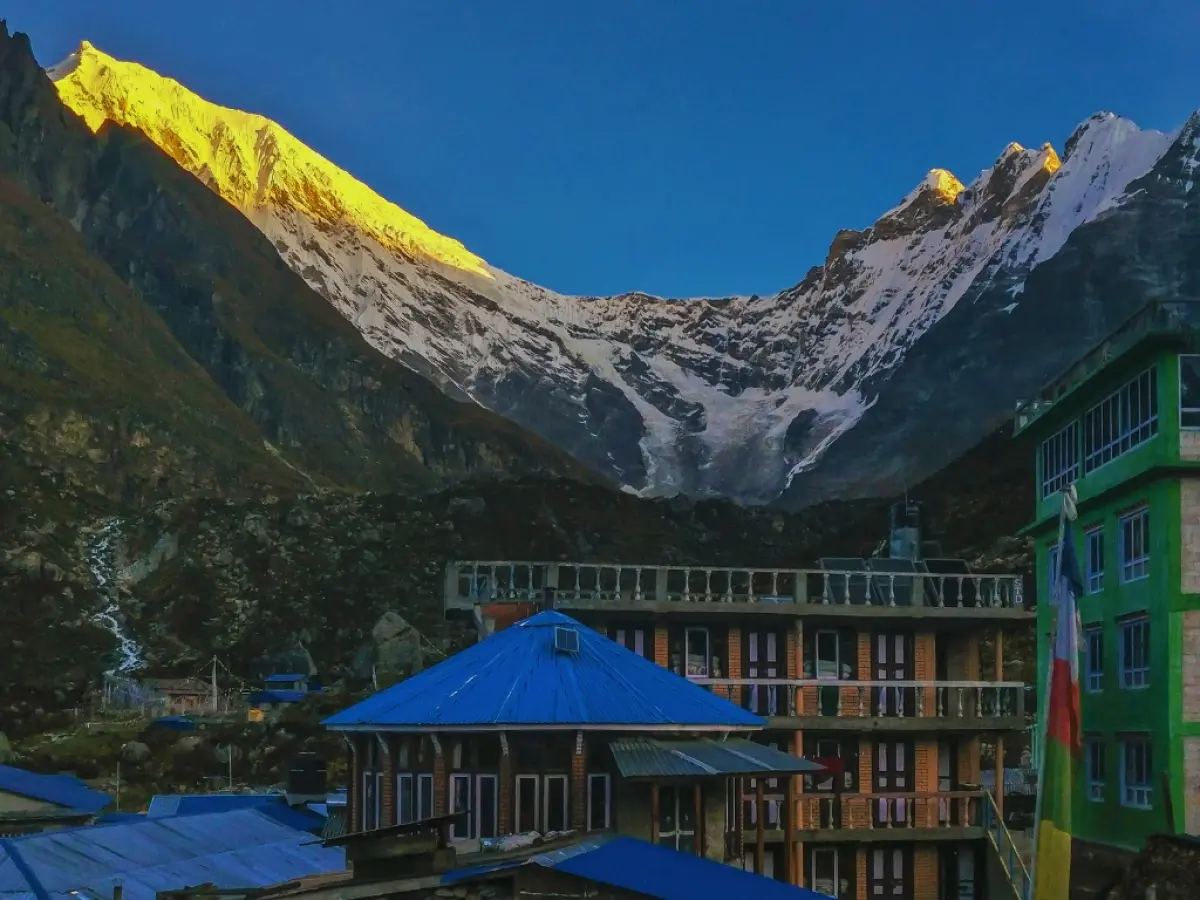
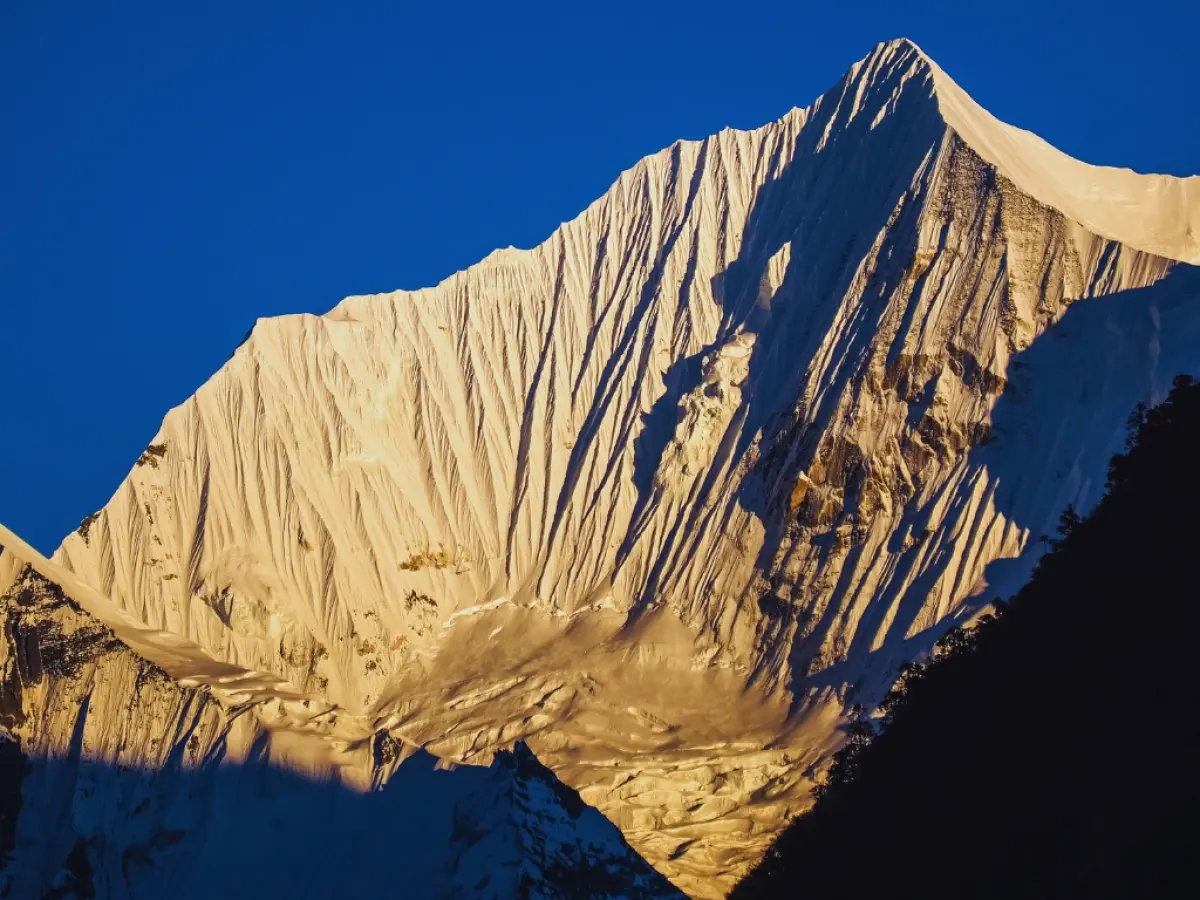
The Langtang Valley Trek is Nepal's most accessible major Himalayan adventure — dramatic mountain scenery within 7 hours of Kathmandu, at half the cost of Everest region treks.
For trekkers researching their first Himalayan experience, the Langtang Valley Trek offers something genuinely rare: a real high-altitude trekking experience without the logistical complexity of Everest region flights, the price tag of premium Annapurna treks, or the restricted-area permit requirements of Manaslu or Upper Mustang.
Rising from Syabrubesi (1,460m) at the road head to Kyanjin Gompa (3,870m), the trek passes through five distinct ecological zones — subtropical forest, temperate rhododendron woodland, high-altitude scrubland, alpine meadow, and glaciated valley floor. Every day looks completely different from the last.
Why book with Majestic Trails Nepal:
Our team has personally guided over 500 trekkers through Langtang Valley over the past 5 years. We know the trail in every season — from spring rhododendron bloom to autumn crystal-clear skies to winter snow depth. We know which teahouses have the best kitchens, which sections of trail are washed out after monsoon, and which local villages are still rebuilding from 2015.
We don't just organize treks. We share our home mountains with you — with the honest safety protocols, transparent pricing, and government-licensed guides that Nepal trekkers deserve.
If you are interested in the Langtang Valley Trek, you might also love exploring these alternative treks for equally breathtaking experiences. Trek prices vary by season and group size, so check out the per-person rates and start planning your unforgettable adventure today!