
Best Time to Trek in Nepal
17 Jan 2026
Let's cut straight to it. Autumn, specifically September through November, is the best time to trek in Nepal. Spring runs a very close second, coverin...

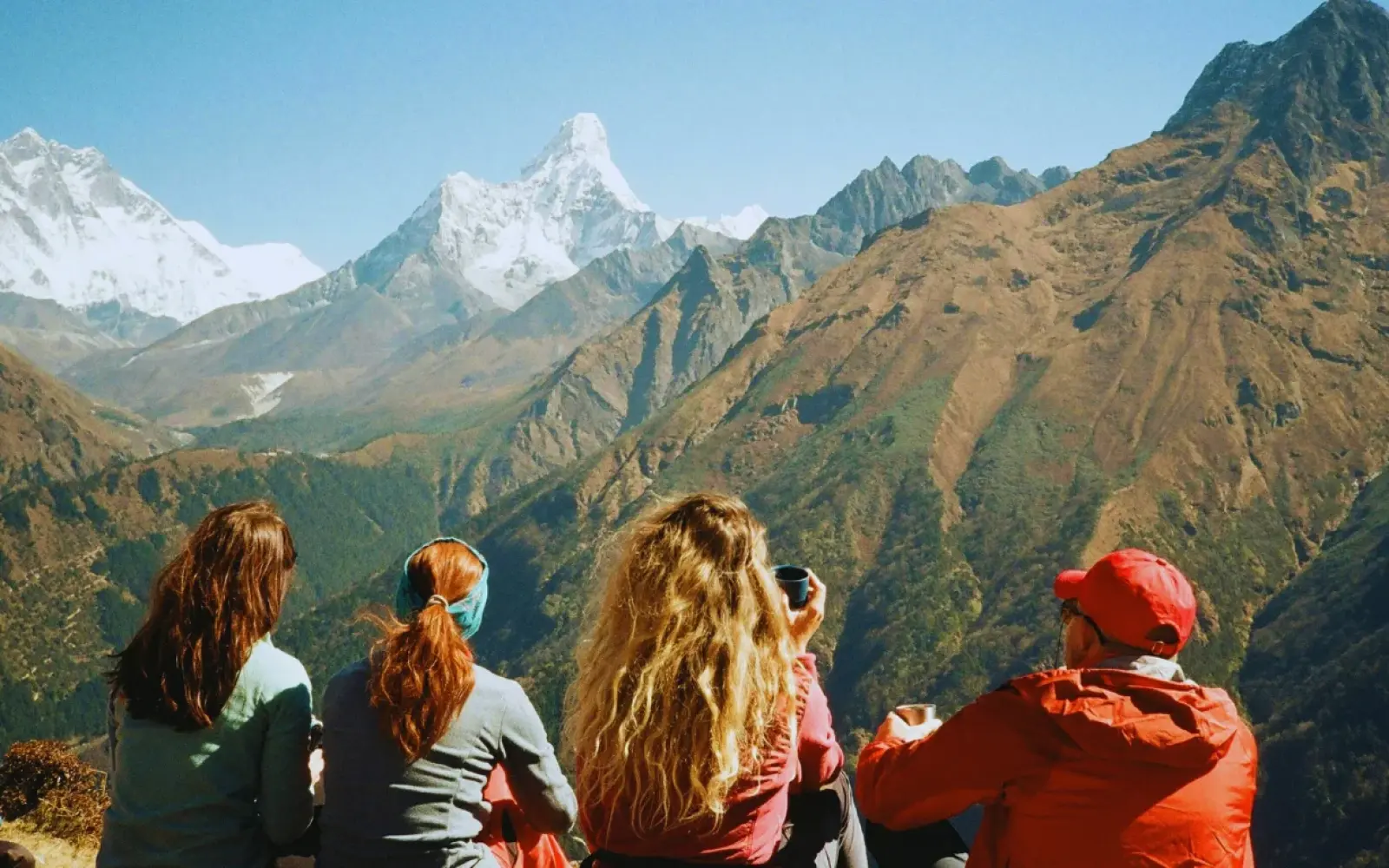

Standing face-to-face with Mount Everest doesn't require weeks of grueling trekking or extreme altitude exposure. The Everest View Trek Nepal offers one of the most accessible pathways to witness the world's highest peak, designed specifically for travelers who want meaningful Himalayan experiences without the demands of longer expeditions.
This remarkable trek proves that seeing Everest is achievable for almost anyone with reasonable fitness and 5-7 days to spare. Unlike the challenging 14-day Everest Base Camp journey, the Everest View Trek Nepal reaches a maximum altitude of just 3,880 meters—significantly reducing altitude-related risks while delivering panoramic views that rival any Himalayan experience.
As a short Everest region trek, this route has gained tremendous popularity among first-time trekkers, families with older children, senior adventurers, and professionals with limited vacation time. The trek combines spectacular mountain scenery with cultural immersion in authentic Sherpa villages, all within a compact itinerary that respects busy schedules without compromising on authenticity.
Whether you're testing your appetite for Himalayan adventure or simply prefer moderate challenges, this comprehensive guide covers everything you need to know about planning, preparing for, and completing the Everest View Trek Nepal successfully.
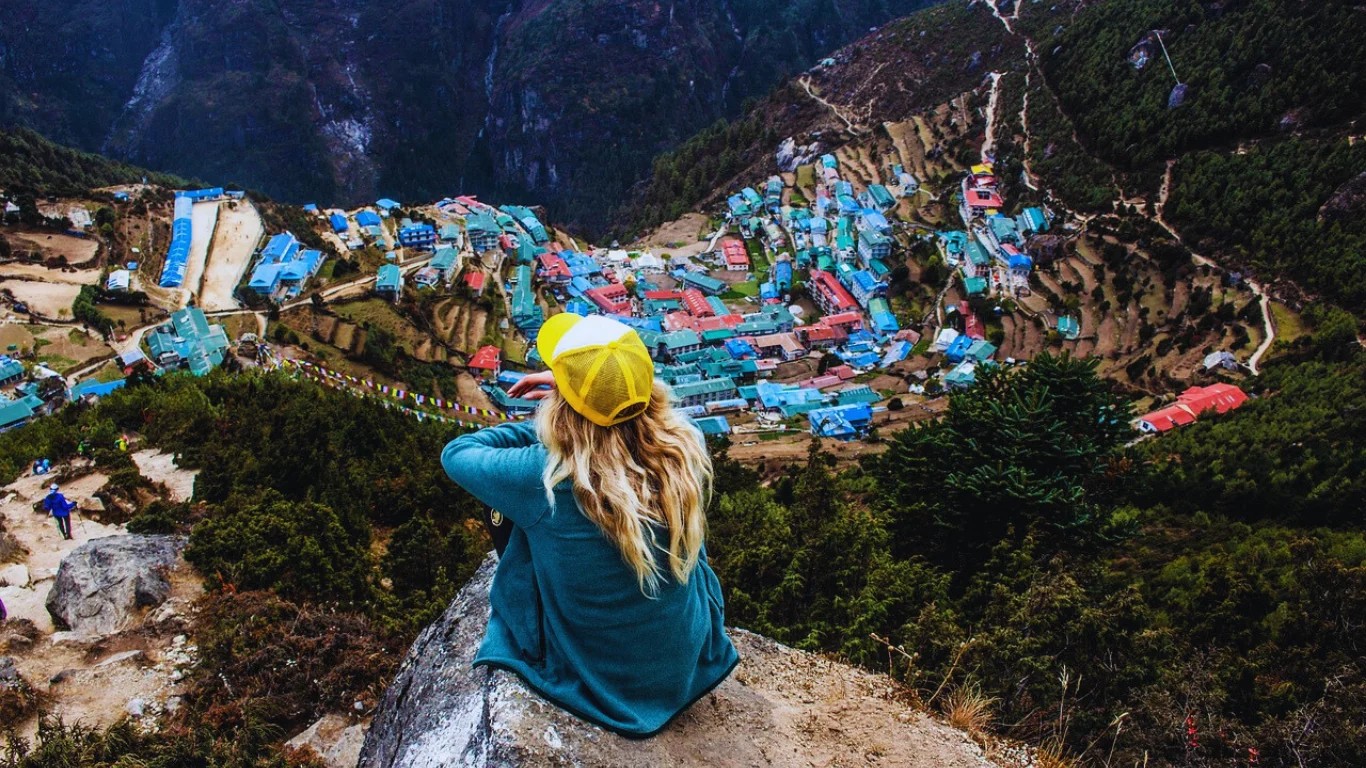
The Everest View Trek Nepal is a short-duration trek in the Khumbu region that prioritizes panoramic mountain views over altitude achievement. This route is known by several names in the trekking community:
The trek follows the initial stages of the classic Everest Base Camp route before diverging at Namche Bazaar, the Sherpa capital. Instead of continuing toward Base Camp, trekkers ascend to the Everest View Hotel at 3,880 meters—historically recognized as the world's highest-placed luxury hotel—before returning along the same route.
This design makes the Everest View Trek Nepal an ideal alternative to Everest Base Camp Trek for those who:
The trek passes through Sagarmatha National Park, a UNESCO World Heritage Site protecting the fragile high-altitude ecosystem surrounding Everest. Every step offers opportunities to observe unique wildlife, ancient monasteries, and the resilient Sherpa culture that has defined this region for centuries.
| Detail | Information |
|---|---|
| Duration | 5-7 days |
| Maximum Altitude | 3,880m (Everest View Hotel) |
| Difficulty | Easy to Moderate |
| Best For | Beginners, families, seniors, short-holiday travelers |
Understanding the daily route structure helps you prepare physically and mentally for each stage of the Everest View Trek Nepal. The journey begins dramatically with a flight into one of the world's most challenging airports.
The adventure starts with a 35-minute flight from Kathmandu to Lukla, landing at Tenzing-Hillary Airport. This short but thrilling flight offers your first glimpses of the Himalayan giants as the aircraft weaves between mountain peaks before touching down on the famously short runway.
Lukla serves as the trailhead for all Everest region treks. After landing, you'll spend time organizing gear, meeting porters, and beginning the initial descent toward Phakding.
The first trekking day covers approximately 8 kilometers over 3-4 hours, descending gradually from Lukla through pine forests and small Sherpa settlements. Phakding sits along the Dudh Koshi River, offering comfortable teahouses and a gentle introduction to trail life.
This descent actually helps with acclimatization by allowing your body to recover from the rapid altitude gain during the flight.
Day two presents the trek's most demanding section—a steep 800-meter ascent from Phakding to Namche Bazaar over approximately 5-6 hours. The trail crosses multiple suspension bridges, including the famous Hillary Bridge, before climbing switchbacks offering first views of Everest (weather permitting).
Namche Bazaar serves as the commercial hub of the Khumbu region. This amphitheater-shaped town carved into a mountainside contains:
A mandatory rest day in Namche allows your body to adjust before ascending higher. This isn't a day of complete inactivity—most trekkers take short hikes to Syangboche Airstrip or the Everest View Hotel, returning to sleep at the same altitude.
This "climb high, sleep low" principle significantly reduces altitude sickness risk and represents a crucial safety protocol.
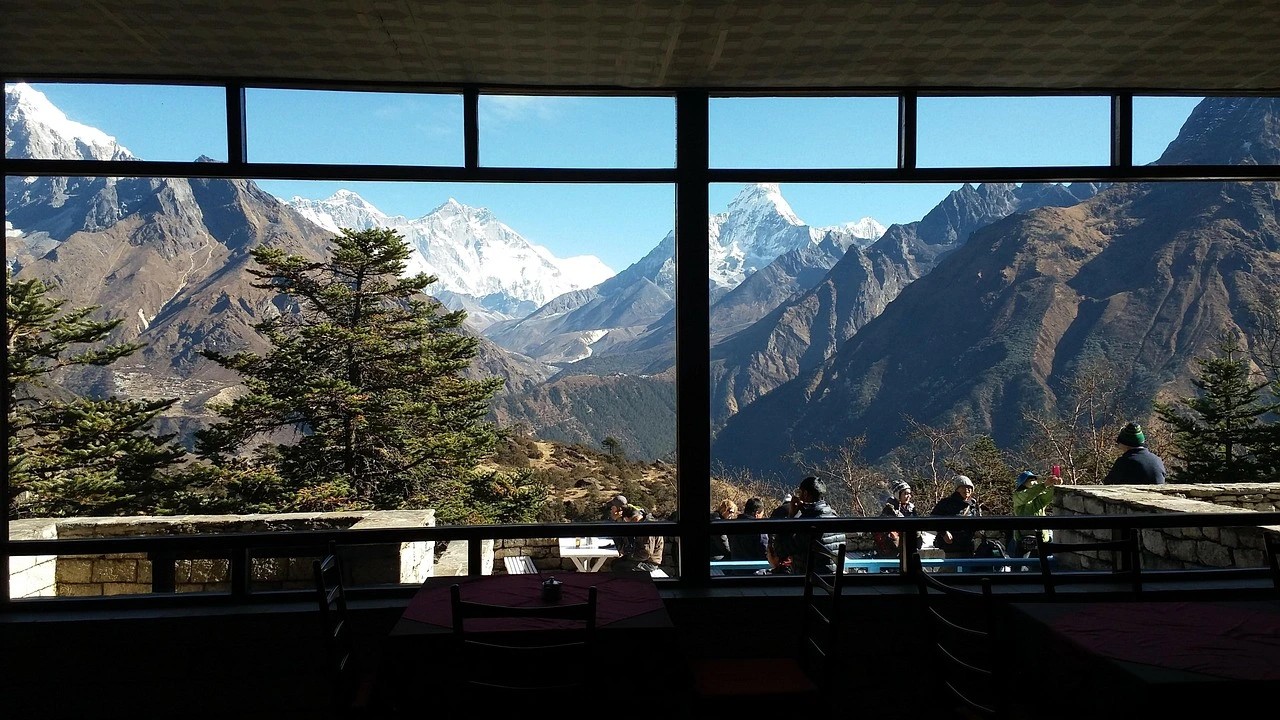
The trek's highlight involves ascending from Namche to the Everest View Hotel, perched on a ridge at 3,880 meters. This 2-3 hour climb rewards you with arguably the most accessible premium Everest panorama available anywhere.
From this vantage point, you'll see:
Many itineraries include a visit to Khumjung, a traditional Sherpa village housing the famous Khumjung Monastery. This monastery reportedly contains a yeti scalp—a fascinating cultural artifact regardless of its authenticity.
The Hillary School, built by Sir Edmund Hillary's foundation, also sits in Khumjung, demonstrating the climber's lasting legacy in the region.
| Day | Destination | Altitude | Walking Hours | Notes |
|---|---|---|---|---|
| 1 | Kathmandu to Lukla to Phakding | 2,610m | 3-4 hours | Flight + downhill trek |
| 2 | Phakding to Namche Bazaar | 3,440m | 5-6 hours | Steep ascent, first Everest view |
| 3 | Namche acclimatization | 3,440m | 2-3 hours | Optional hike to Syangboche |
| 4 | Namche to Everest View Hotel to Namche | 3,880m | 4-5 hours | Main viewpoint, return same day |
| 5 | Namche to Lukla | 2,860m | 6-7 hours | Retrace route |
| 6 | Lukla to Kathmandu | - | Flight | Morning departure |
The Everest View Trek Nepal delivers exceptional experiences concentrated into a compact timeframe. Each day offers distinct highlights that justify the journey.
The primary draw remains direct visual access to Mount Everest without requiring extreme altitude exposure. From the Everest View Hotel terrace and surrounding ridges, Everest appears surprisingly close—its distinctive black pyramid rising above surrounding peaks, often trailing a plume of windblown snow.
Beyond Everest itself, the viewpoint reveals an amphitheater of 8,000-meter peaks rarely visible together elsewhere:
The entire trek occurs within Sagarmatha National Park, Nepal's first national park established in 1976. The UNESCO World Heritage designation protects:
Unlike more remote treks, the Everest View Trek Nepal passes through active Sherpa communities where traditional life continues alongside tourism. You'll observe:
Spending two nights in Namche Bazaar provides unexpected urban sophistication at altitude. The town offers:
The Everest View Hotel itself represents a remarkable achievement—a full-service hotel operating at 3,880 meters since 1971. Originally built by Japanese developers, it continues offering accommodation, dining, and that famous terrace view.
Honest difficulty assessment helps you prepare appropriately and set realistic expectations for the Everest View Trek Nepal.
The trek rates as easy to moderate by Himalayan standards, though this requires context. "Easy" compared to Everest Base Camp still means:
Day 1 (Lukla to Phakding): Easy descent, 3-4 hours
Day 2 (Phakding to Namche): Challenging ascent, 5-6 hours with 800m elevation gain
Day 3 (Acclimatization): Light activity, 2-3 hours optional
Day 4 (Everest View Hotel excursion): Moderate ascent/descent, 4-5 hours
Day 5 (Namche to Lukla): Moderate, 6-7 hours mostly downhill
| Aspect | Everest View Trek | Everest Base Camp Trek |
|---|---|---|
| Duration | 5-7 days | 12-14 days |
| Maximum altitude | 3,880m | 5,364m |
| Daily walking | 4-6 hours | 5-8 hours |
| Total distance | ~35 km | ~130 km |
| Altitude risk | Lower | Moderate-High |
Certain individuals should prepare more extensively or reconsider:
While 3,880 meters doesn't sound extreme, altitude affects everyone differently. Approximately 25% of trekkers experience some altitude symptoms above 2,500 meters, ranging from mild headache to more serious conditions. The acclimatization day in Namche significantly reduces these risks.
Seasonal timing dramatically impacts your Everest View Trek Nepal experience. Understanding weather patterns helps you choose dates aligned with your priorities.
Conditions: Warming temperatures, occasional afternoon clouds, rhododendron blooms
Visibility: Good to excellent, clearer mornings
Trail Status: Well-maintained, minimal snow
Crowds: Moderate to high
Spring offers warmer trekking conditions and the spectacular sight of blooming rhododendrons below treeline. March provides excellent visibility, while May sees increasing afternoon clouds as pre-monsoon moisture builds.
Best for: Those who prefer warmer conditions and don't mind moderate crowds.
Conditions: Clear skies, stable weather, cool temperatures
Visibility: Excellent, the best mountain views
Trail Status: Perfect conditions, dry trails
Crowds: High (peak season)
Autumn represents the premier trekking season throughout Nepal. Post-monsoon clarity creates unobstructed mountain views, and stable weather patterns minimize disruption. October and November offer the absolute best visibility for photography.
Best for: Photographers, those prioritizing guaranteed views, first-time trekkers.
Conditions: Cold temperatures, occasional snow, fewer daylight hours
Visibility: Excellent when clear
Trail Status: Possible snow above 3,000m
Crowds: Low
Winter trekking appeals to those seeking solitude and dramatic conditions. Cold temperatures (reaching -10°C at Namche) require proper gear, but clear skies often reward with spectacular views. Some teahouses close, reducing accommodation options.
Best for: Experienced cold-weather trekkers, those avoiding crowds.
Conditions: Heavy rainfall, leeches at lower elevations, cloud cover
Visibility: Poor, mountains often obscured
Trail Status: Muddy, potential landslides
Crowds: Very low
The monsoon season is generally not recommended for the Everest View Trek Nepal. Clouds frequently obscure mountain views—defeating the trek's primary purpose—and rain creates uncomfortable conditions.
Best for: Not recommended for this particular trek.
Understanding realistic costs helps you budget appropriately for your Everest View Trek Nepal. Prices reflect current market rates and vary by season and service level.
Costs increase progressively with altitude due to transportation difficulties.
| Trek Style | Estimated Cost |
|---|---|
| Budget (independent, basic teahouses) | $900-1,100 USD |
| Standard (guided, comfortable teahouses) | $1,100-1,400 USD |
| Premium (guided, best lodges, extras) | $1,400-1,800 USD |
Organized packages typically include flights, permits, guide, porter, accommodation, and meals—eliminating logistical complexity.
This comparison helps you determine which trek aligns with your goals, fitness level, and available time.
| Feature | Everest View Trek Nepal | Everest Base Camp Trek |
|---|---|---|
| Duration | 5-7 days | 12-14 days |
| Maximum Altitude | 3,880m | 5,364m |
| Difficulty Level | Easy-Moderate | Moderate-Challenging |
| Fitness Required | Average | Above average |
| Daily Walking | 4-6 hours | 5-8 hours |
| Altitude Risk | Lower | Moderate-High |
| Everest Views | Distant panorama | Close proximity |
| Cost Range | $900-1,400 | $1,400-2,200 |
| Cultural Exposure | Excellent | Excellent |
| Crowds | Moderate | Higher |
| Best For | Beginners, families, time-limited | Experienced trekkers, bucket-list goal |
Select the Everest View Trek Nepal if you:
Select Everest Base Camp Trek if you:
Both treks deliver exceptional experiences—neither is objectively "better."
The Everest View Trek Nepal serves specific traveler profiles exceptionally well.
Children aged 10+ with some hiking experience can complete this trek comfortably. The manageable daily distances and moderate altitude make it an excellent family adventure without excessive risk.
Active seniors in good health frequently complete the Everest View Trek Nepal successfully. The shorter duration reduces cumulative fatigue, and the moderate altitude poses fewer risks than longer expeditions.
Professionals with limited vacation time can experience authentic Himalayan trekking within a standard workweek. Flying in and out of Lukla maximizes mountain time while minimizing travel days.
If you've never trekked at altitude, this route provides an ideal introduction. You'll learn about teahouse systems, altitude management, and mountain travel without committing to a two-week expedition.
Those with altitude anxiety or previous negative experiences can enjoy Everest views without pushing into risky elevation zones. The 3,880-meter maximum keeps you below the threshold where serious altitude illness typically develops.
The trek's exceptional viewpoints combined with manageable physical demands allow you to carry camera equipment comfortably and have energy for photography at each location.
After guiding hundreds of trekkers through the Khumbu region, I can offer an honest assessment.
The Everest View Trek Nepal provides genuine value for its intended audience. You'll see Everest clearly, experience Sherpa culture authentically, and return home with meaningful memories—all without risking altitude sickness or requiring extensive fitness preparation.
These practical recommendations come from years of guiding experience on this specific route.
Altitude demands patience. The Nepali phrase "bistari, bistari" (slowly, slowly) should become your mantra. Walking faster doesn't impress anyone and increases altitude sickness risk.
Drink 3-4 liters of water daily at altitude. Dehydration mimics and worsens altitude symptoms. Carry water purification tablets or a filter—buying bottled water creates unnecessary plastic waste.
Alcohol impairs judgment about altitude symptoms and causes dehydration. Save celebrations for Kathmandu after your trek concludes safely.
Ensure your travel insurance covers:
Standard travel insurance typically excludes these—verify coverage explicitly.
Broken-in trekking boots prevent blisters and provide ankle support on rocky terrain. Never debut new boots on the trail—wear them extensively beforehand.
Local guides provide:
The modest additional cost dramatically improves safety and experience quality.
You'll carry only a daypack during trekking—porters handle main luggage. Essential daypack items include:
The Everest View Trek Nepal typically takes 5-7 days including Kathmandu-Lukla flights. The core trekking portion requires 4-5 days, with most itineraries building in flexibility for weather-delayed flights. Adding extra acclimatization time extends the trek to 7-8 days.
Yes, beginners with reasonable fitness can complete this trek successfully. You should be capable of walking 5-6 hours on hilly terrain and climbing stairs without exhaustion. No technical skills or prior trekking experience is required, though general hiking familiarity helps with expectations.
Absolutely yes. On clear days, Mount Everest is unmistakably visible from the Everest View Hotel, Namche Bazaar, and several trail viewpoints. The mountain appears as a distinctive black pyramid rising behind Lhotse and Nuptse. Autumn and spring offer the best visibility conditions.
The Everest View Trek Nepal maintains an excellent safety record when proper precautions are followed. Primary risks include altitude sickness (minimized by acclimatization), weather-related flight delays, and trail injuries. Trekking with experienced guides significantly reduces all risks.
The maximum altitude reached is 3,880 meters at the Everest View Hotel. This elevation is below the threshold (typically 4,000m+) where serious altitude illness commonly develops, though mild symptoms can occur at any altitude above 2,500 meters.
No prior trekking experience is required, though general physical fitness is essential. If you can walk 10+ kilometers on hilly terrain and climb 50+ floors of stairs without significant difficulty, you possess adequate baseline fitness for this trek.
Budget $900-1,400 USD for a standard guided Everest View Trek Nepal experience. This includes Lukla flights, permits, guide, porter, accommodation, and meals. Costs vary based on season, accommodation standards, and service level. Independent trekkers may spend less but sacrifice safety and logistical support.
The Everest View Trek Nepal represents one of the smartest choices for travelers seeking authentic Himalayan experiences within limited timeframes. This trek proves that meaningful mountain encounters don't require extreme altitude exposure, weeks of walking, or elite fitness levels.
Within just 5-7 days, you'll stand before the world's highest peak, immerse yourself in ancient Sherpa culture, and return home with photographs and memories that rival any Himalayan adventure. The moderate altitude keeps you within safer elevation ranges while still delivering genuine high-mountain atmosphere.
For families introducing children to adventure travel, seniors pursuing lifelong dreams, professionals maximizing limited vacation days, or first-time trekkers testing their Himalayan appetite—the Everest View Trek Nepal delivers exceptional value.
The Everest region welcomes thousands of trekkers annually, but only those who choose routes matching their capabilities and constraints return home genuinely satisfied. Understanding your goals and limitations—then selecting appropriate adventures—defines successful Himalayan travel.
If you are planning a short Himalayan adventure, Everest View Trek Nepal is one of the smartest choices. Organizations like Majestic Trails Nepal specialize in crafting these experiences with attention to safety, authenticity, and individual traveler needs—transforming ambitious dreams into achievable realities.

Let's cut straight to it. Autumn, specifically September through November, is the best time to trek in Nepal. Spring runs a very close second, coverin...

Short on time but big on ambition? Nepal delivers extraordinary mountain experiences in as little as three days, and this guide breaks down exactly wh...
Imagine waking up to breathtaking Himalayan sunrises, sharing candlelit dinners beside serene lakes, and exploring ancient temples hand-in-hand with y...
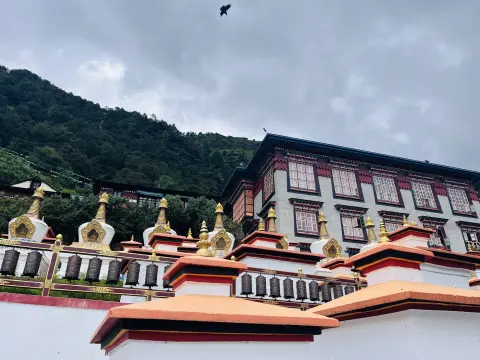
Situated in the peaceful Solu-Khumbu region of Nepal, near the village of Junbesi, Thupten Chholing Monastery is a living testament to Tibetan Buddhis...
Nepal is one of the few countries in the world where you can leave city life behind and stand beneath Himalayan giants within just a few days. If you...
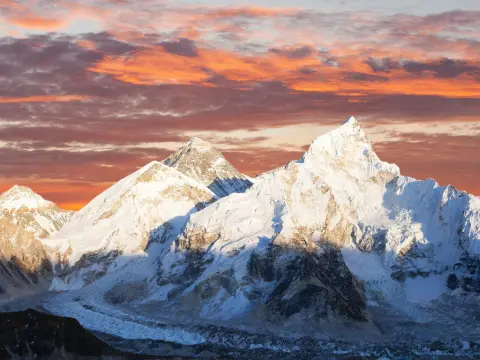
Nepal is a country defined by mountains. Stretching across the country’s northern edge, the Himalayas pack Earth’s highest peaks into one nation. Eigh...
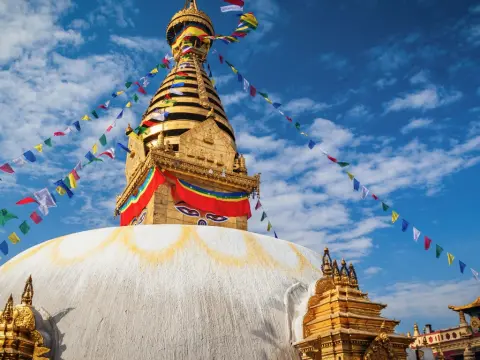
People visiting Kathmandu almost always ask the same two questions about Swayambhunath: how high is it, and where exactly is it? Seems simple. But the...
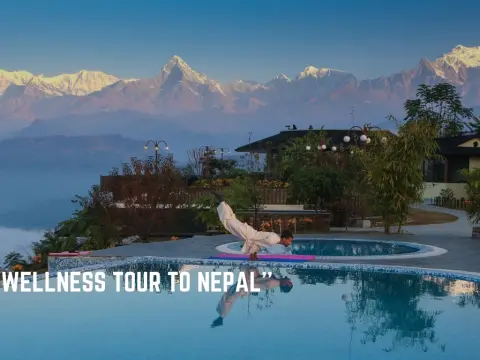
There's a moment that happens somewhere between your first mountain sunrise and your final meditation session. It's the moment you realize you've been...
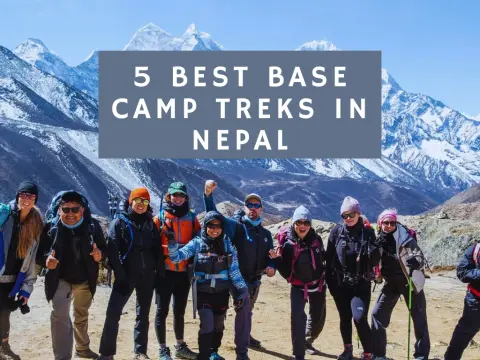
The first rays of dawn strike the summit of an 8,000-meter giant. Your breath forms clouds in the crisp mountain air. Below your feet, ancient glacier...
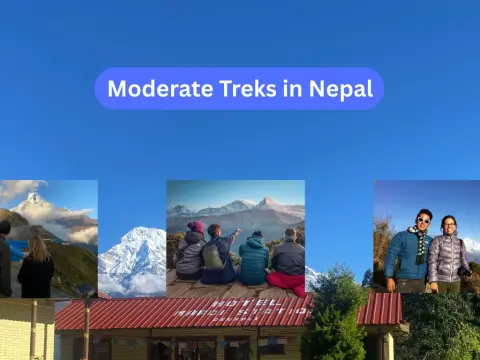
Moderate treks in Nepal offer the perfect balance between challenging adventure and accessible exploration, making them ideal for trekkers who want br...
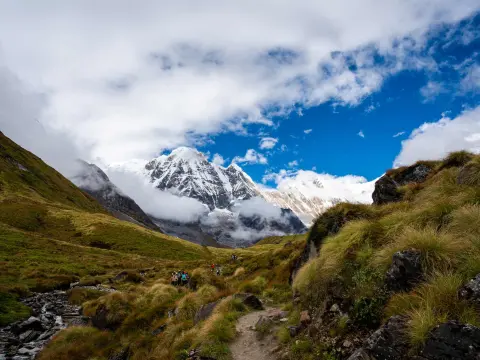
The Annapurna Base Camp trek is a moderate trek, suitable for fit beginners, with no technical climbing required. Its main challenge is not the altitu...
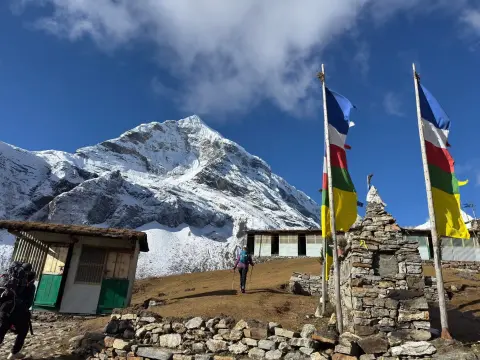
Introduction: Where Wild Nature Meets the World's Fifth Highest PeakThe moment I stepped into the Makalu-Barun Valley for the first time, I understood...
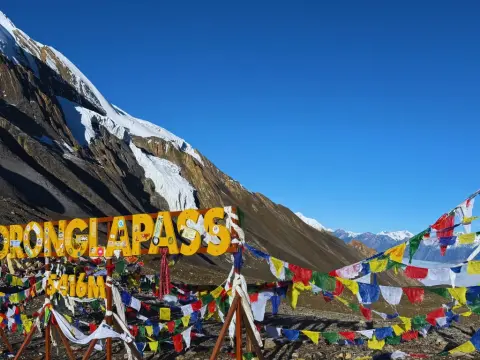
Thorang la Pass is one of the highest and most iconic trekking passes in Nepal, located at 5,416 m (17,769 ft). The pass connects Manang and Mustang a...
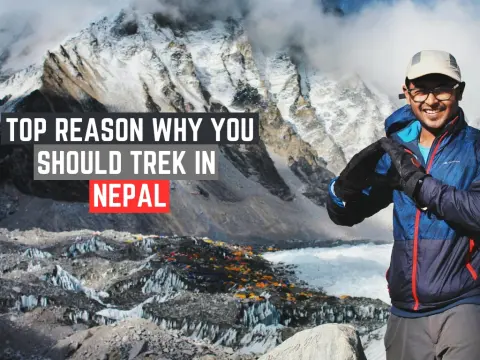
If you've ever wondered why trekking in Nepal captivates adventurers from every corner of the globe, the answer lies in its extraordinary combination...
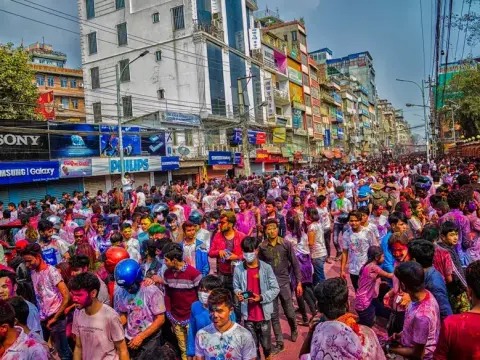
Nepal transforms into a kaleidoscope of colors every spring when Holi Festival Nepal celebrations sweep across the nation. Known locally as "Fagu Purn...
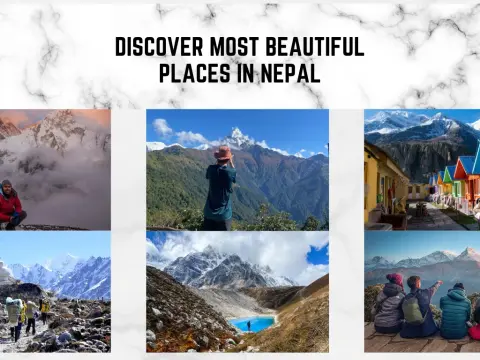
Nepal is a land where nature paints its most spectacular masterpieces. From the towering peaks of the Himalayas to serene alpine lakes, dense jungles...

The most popular treks in Nepal include Everest Base Camp, Annapurna Base Camp, Langtang Valley, Mardi Himal, and Ghorepani Poon Hill. These treks ran...
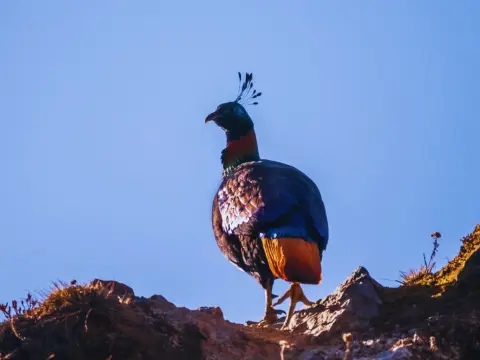
The Danfe, scientifically known as the Himalayan Monal (Lophophorus impejanus), is the national bird of Nepal, celebrated for its stunning iridescent...
