
Everest View Trek Nepal – The Best Short Everest Trek
19 Feb 2026
Standing face-to-face with Mount Everest doesn't require weeks of grueling trekking or extreme altitude exposure. The Everest View Trek Nepal offers o...

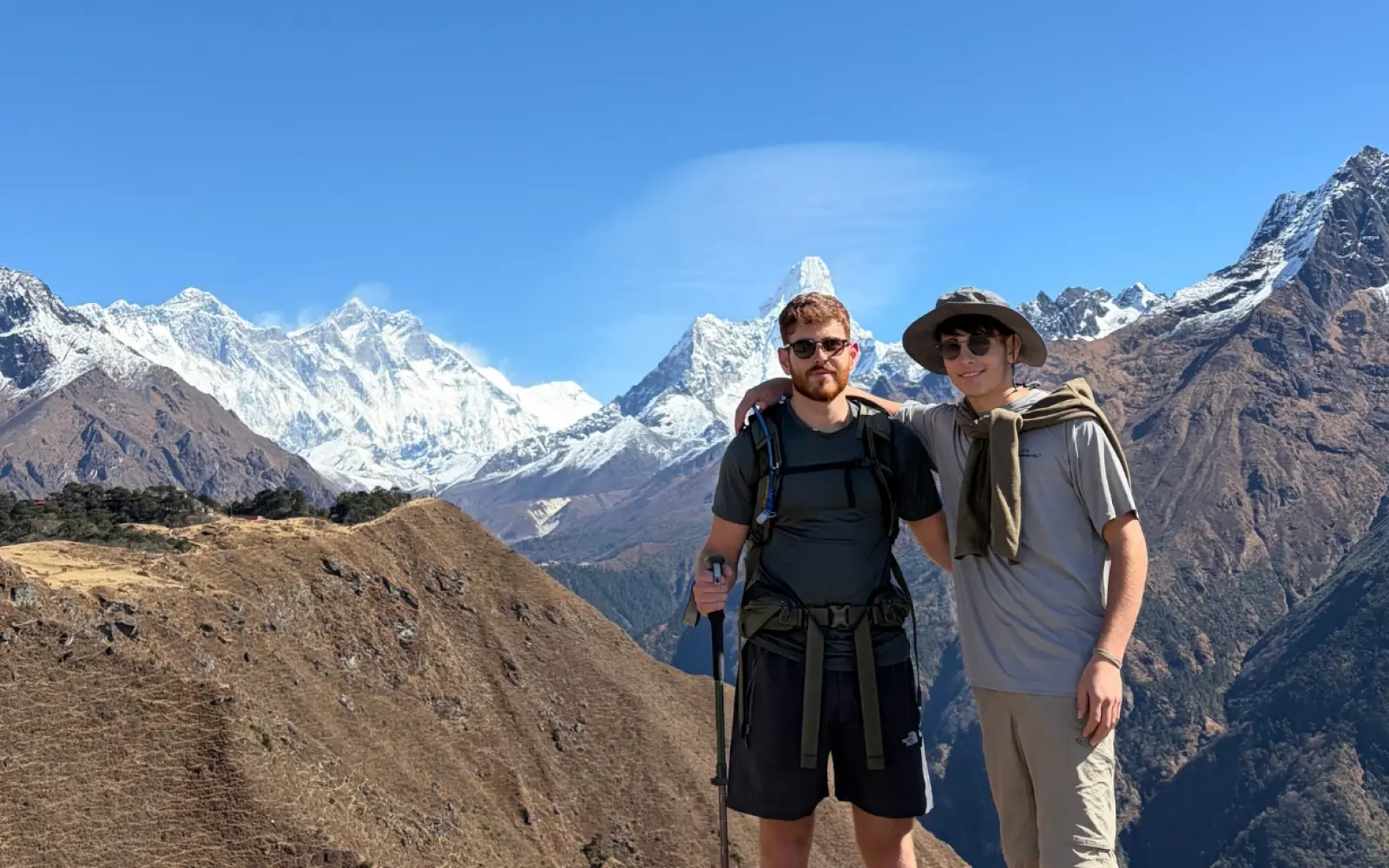

The best time for the Everest Base Camp trek is autumn, from late September through November, and spring, from March through May. If you want the two strongest single months, book October or April: both deliver stable weather, clear mountain views, and daytime temperatures warm enough for comfortable walking at 5,000 meters.
What you are really deciding now is when, and that one choice quietly controls everything else: what you see from Kala Patthar, how cold your nights get, how much the trip costs, how crowded the teahouses are, and even which airport your Lukla flight leaves from. Pick the wrong window for your goals, and you can walk eleven days through clouds without once seeing Everest.
This EBC Best Time guide settles that decision properly. It compares all four trekking seasons, gives you Everest Base Camp temperatures by month in one table, answers the monsoon and winter questions honestly, explains the Lukla flight diversion that surprises most first-timers, and tells you the cheapest time to go, something almost no other guide bothers to answer. By the end, you will know exactly which month fits the trek you actually want.
| Season | Months | Weather | Crowds | Best For |
|---|---|---|---|---|
| Autumn | Late Sep–Nov | Clear, stable | Highest | First-time trekkers |
| Spring | Mar–May | Warm, blooming | High | Flowers, expeditions |
| Winter | Dec–Feb | Cold, dry | Lowest | Winter trekking |
| Monsoon | Jun–Aug | Rainy, cloudy | Very low | Budget travelers |
Sagarmatha National Park, which contains the entire EBC route, records more than 50,000 foreign visitors in a normal year, and the vast majority arrive inside the two peak windows. That concentration shapes everything: teahouse availability, flight schedules, permit queues at Monjo, and the mood on the trail.
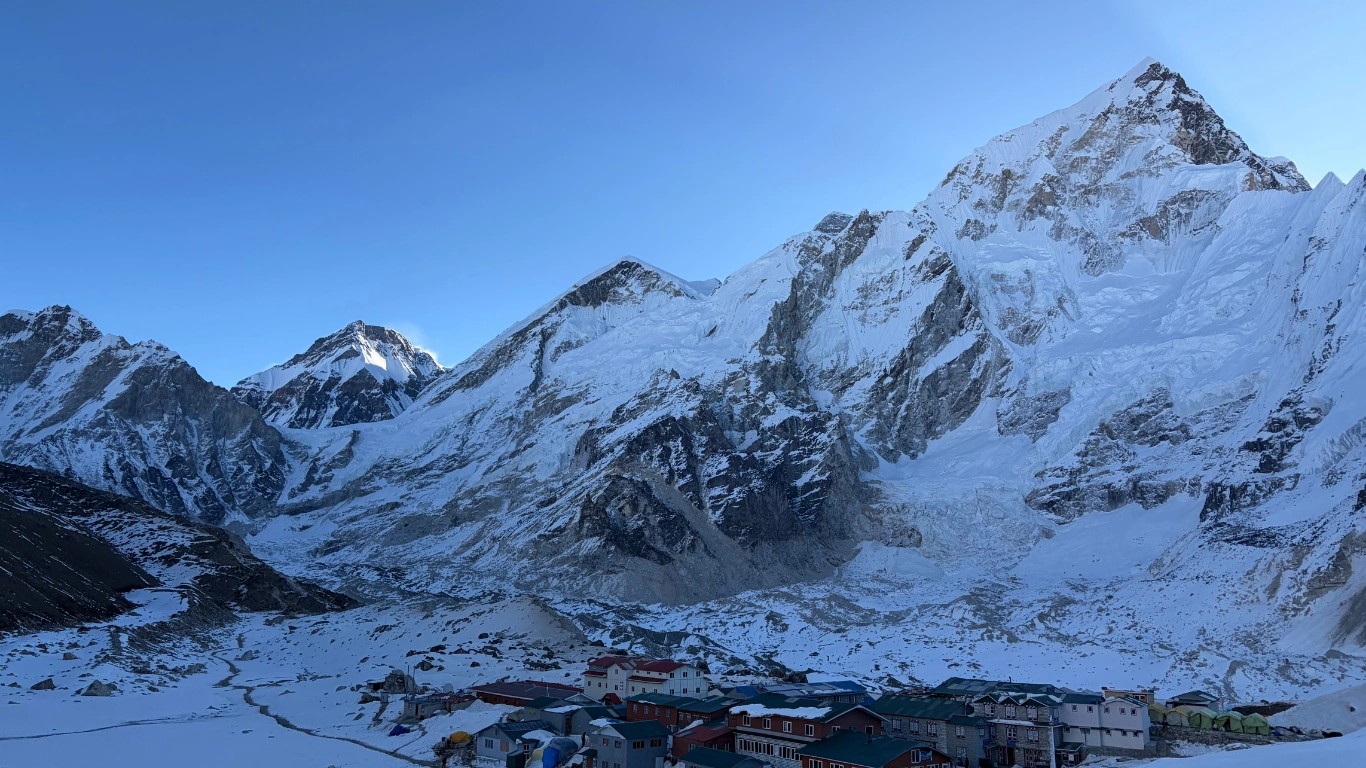
Autumn is the season most guides pick when forced to choose one. The monsoon rains wash dust and haze out of the atmosphere, and what remains through October and November is the sharpest mountain visibility of the year. From Kala Patthar, the panorama of Everest, Lhotse, Nuptse, and Ama Dablam holds its edge all day instead of softening into haze by mid-morning.
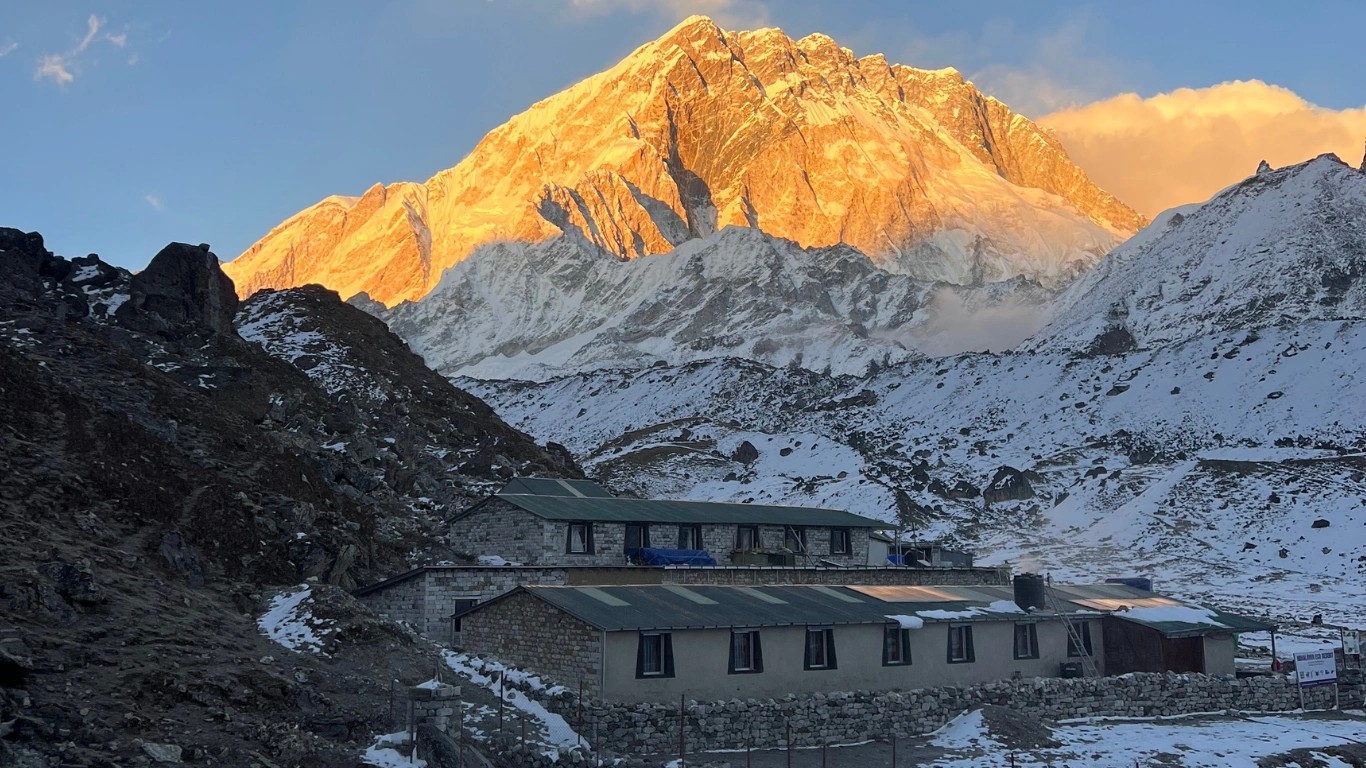
Here is a detail photographers learn the hard way: Everest looks better from Kala Patthar at sunset than at sunrise. At dawn, the sun rises behind the massif and the summit sits in silhouette. In the evening, the last light lands directly on the southwest face and turns it gold.
Most trekkers climb Kala Patthar before breakfast because that is what the itinerary says. The ones who go up in the late afternoon, headlamp packed for the descent, come back with the better photographs. Autumn's dry, stable evenings make that late climb far more dependable than in any other season.
Daytime temperatures at Lukla (2,860 m) sit between 10°C and 20°C in early autumn, cooling steadily through November. At Base Camp itself, expect daytime highs of 0°C to 8°C and nights that fall to -10°C or lower late in the season. The cold is manageable with proper layers and a sleeping bag rated to at least -15°C.
Autumn also carries Nepal's cultural high season. Dashain and Tihar, the country's biggest festivals, fall in this window, and villages along the trail celebrate them openly. At Tengboche Monastery, the Mani Rimdu festival, usually in late October or November, fills the courtyard with masked dances that trekkers are welcome to watch.
One caution recent years have made harder to ignore: shoulder-season weather is becoming less predictable. In early October 2025, a cyclone-driven storm dropped unexpected snow on the trail between Tengboche and Base Camp, briefly halting movement in the upper valley. Nobody was hurt, but "stable season" means statistically stable, not guaranteed. Build one or two buffer days into any autumn itinerary.
Autumn trade-off: October is the single busiest month on the trail. Teahouses in Namche Bazaar, Dingboche, and especially Gorak Shep fill early, and independent trekkers without pre-booked rooms sometimes end up sleeping in dining halls.
Rooms in the bottleneck villages disappear months before October arrives, which is why Majestic Trails Nepal confirms teahouse bookings and Lukla flights the day you reserve your Everest Base Camp trek, not the week you land in Kathmandu. If autumn is your window, secure your dates early and let us hold the rooms.
Spring is the second peak window and, for some trekkers, the better one. Below 3,500 m, the forests between Phakding and Tengboche turn red, pink, and white as the rhododendron, Nepal's national flower, reaches full bloom through late March and April. The lower trail simply looks better in spring than at any other time of year.
Spring is also the Everest climbing season. Expedition teams establish themselves at Base Camp from early April, and by late April the moraine holds a temporary city of tents, generators, and puja ceremonies. Trekkers who arrive in this window see Base Camp alive rather than empty. In autumn and winter, the same spot is a quiet field of rock and prayer flags.
Temperatures run slightly warmer than autumn. Lukla sees daytime highs of 10°C to 18°C, and Base Camp reaches 3°C to 8°C on clear afternoons, with nights around -5°C to -8°C. The one atmospheric drawback: a pre-monsoon haze builds through late April and May, softening long-distance views in the afternoons. For maximum clarity, aim for March or early April, or plan your viewpoints around the first hours after sunrise.
Spring trade-off: April crowds rival October's, and the climbing season adds expedition cargo to every Lukla flight, tightening seat availability further. Late May brings the first pre-monsoon showers to the lower valley.
The figures below are approximate averages for the Base Camp and Gorak Shep area (5,160 m to 5,364 m). Actual conditions swing with wind, cloud, and storm systems, and wind chill regularly makes the air feel 10°C colder than the thermometer reads.
| Month | Day (°C) | Night (°C) | Trail Conditions |
|---|---|---|---|
| January | -5 to -8 | -20 to -25 | Cold, dry |
| February | -3 to -6 | -18 to -22 | Cold, quiet |
| March | 0 to 4 | -10 to -14 | Spring, rhododendrons |
| April | 3 to 7 | -6 to -10 | Stable, busy |
| May | 6 to 10 | -3 to -6 | Warm, clear |
| June | 8 to 12 | 0 to -2 | Monsoon begins |
| July | 10 to 14 | 1 to 3 | Wettest month |
| August | 10 to 14 | 1 to 3 | Rain continues |
| September | 8 to 12 | -1 to -3 | Clear, trekking resumes |
| October | 4 to 8 | -6 to -10 | Peak conditions |
| November | 0 to 4 | -10 to -14 | Clear, cold |
| December | -4 to -7 | -16 to -20 | Dry, quiet |
At lower stops, add warmth: Namche Bazaar (3,440 m) typically runs 8°C to 12°C warmer than Base Camp, and Lukla warmer still. Pack for the coldest night of your itinerary, not the average.
At its coldest, in December and January, nights at Everest Base Camp regularly drop to -20°C and can pass -30°C with wind chill during storms. Even in the warmest trekking months, April, May, and October, nights still fall below freezing, so a four-season sleeping bag is required gear year-round.
Three factors drive the cold. Altitude is the main one: at 5,364 m, the thin air holds little heat, and temperatures collapse the moment the sun drops behind Pumori. Wind is the second: the upper Khumbu funnels strong afternoon winds that strip warmth from exposed skin faster than still air ever would. The third is the short winter day, which limits how much the sun can warm the valley before the long night begins again.
Yes, the trail stays open through the monsoon (June to August), and a small number of trekkers walk it every year. The route is never formally closed. Whether you should is a different question, and for most first-time trekkers the honest answer is no.
The problems concentrate in the lower valley. Below roughly 3,500 m, rain falls most days, trails turn to mud, leeches emerge in the forest sections below 3,000 m, and cloud sits on the peaks for days at a time. Lukla flights face their highest cancellation rates of the year, since the route is flown visually and low cloud grounds everything.
One detail changes the picture for experienced trekkers: the upper Khumbu sits partly in a rain shadow. Above Namche, and especially above Pheriche, rainfall drops sharply, and mornings often open clear before clouds rebuild in the afternoon. Trekkers who push through the wet lower valley are sometimes rewarded with near-empty trails, green hillsides, and mountain views that appear and vanish through moving cloud, a moodier and more private version of the trek. Waterproof everything, carry leech socks, and add at least three buffer days for flights.
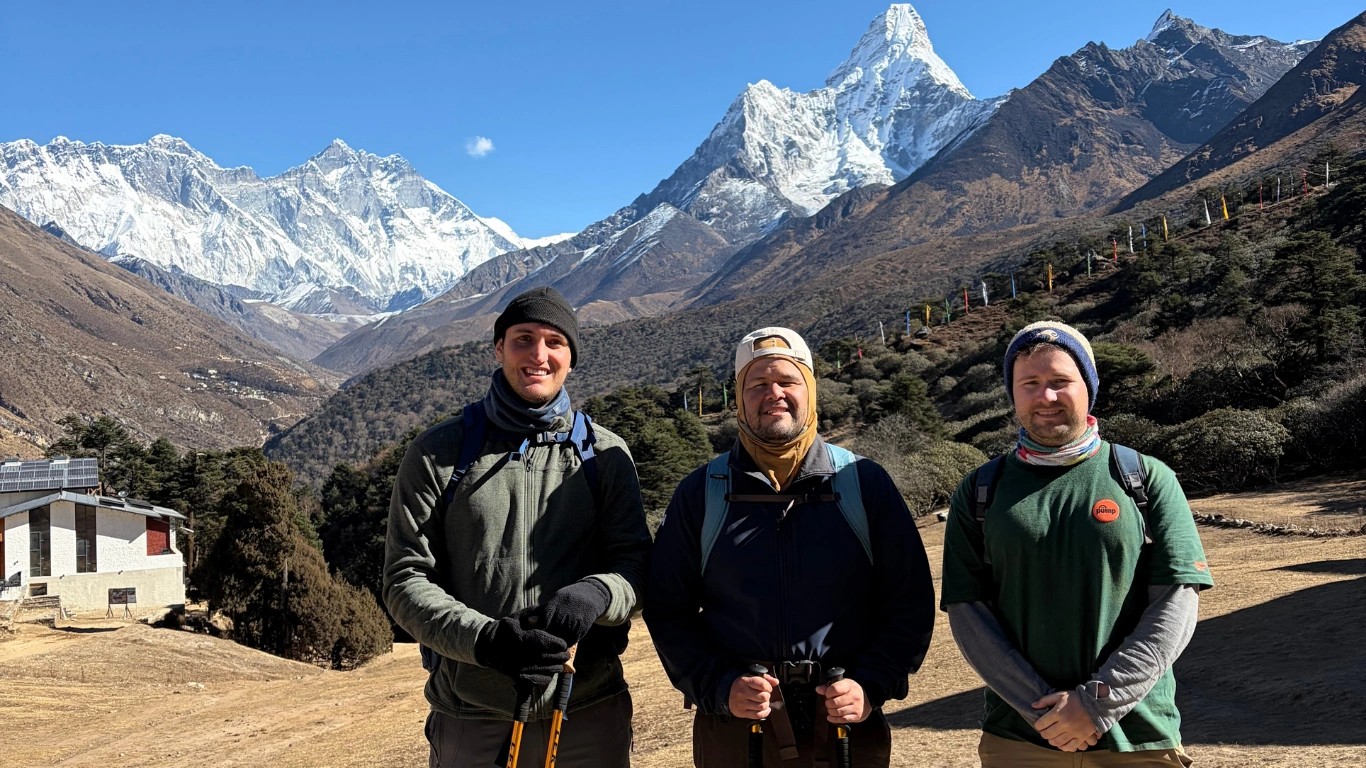
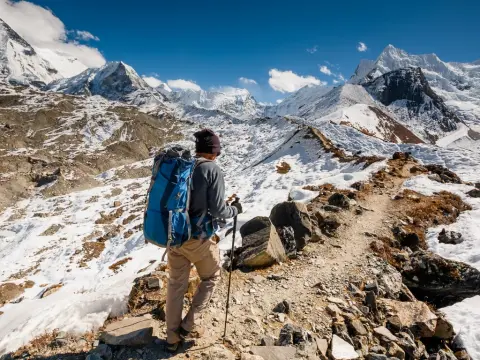
Winter turns the EBC trail into a different trek. Trekker numbers collapse, some teahouses above 4,500 m close for the season, and the trail between Lobuche and Gorak Shep can hold ice and windpacked snow. Nights are brutally cold, and short daylight compresses walking hours.
What winter gives back is space and light. The dry air produces some of the clearest skies of the entire year, and viewpoints that hold hundreds of people at sunrise in October can be completely empty in January. Trekkers with cold-weather experience, a sleeping bag rated to -20°C, microspikes, and a flexible schedule often call winter their favorite season on this trail. It is not a first-timer's window, and it is not the season to trek without a guide who knows which lodges are open.
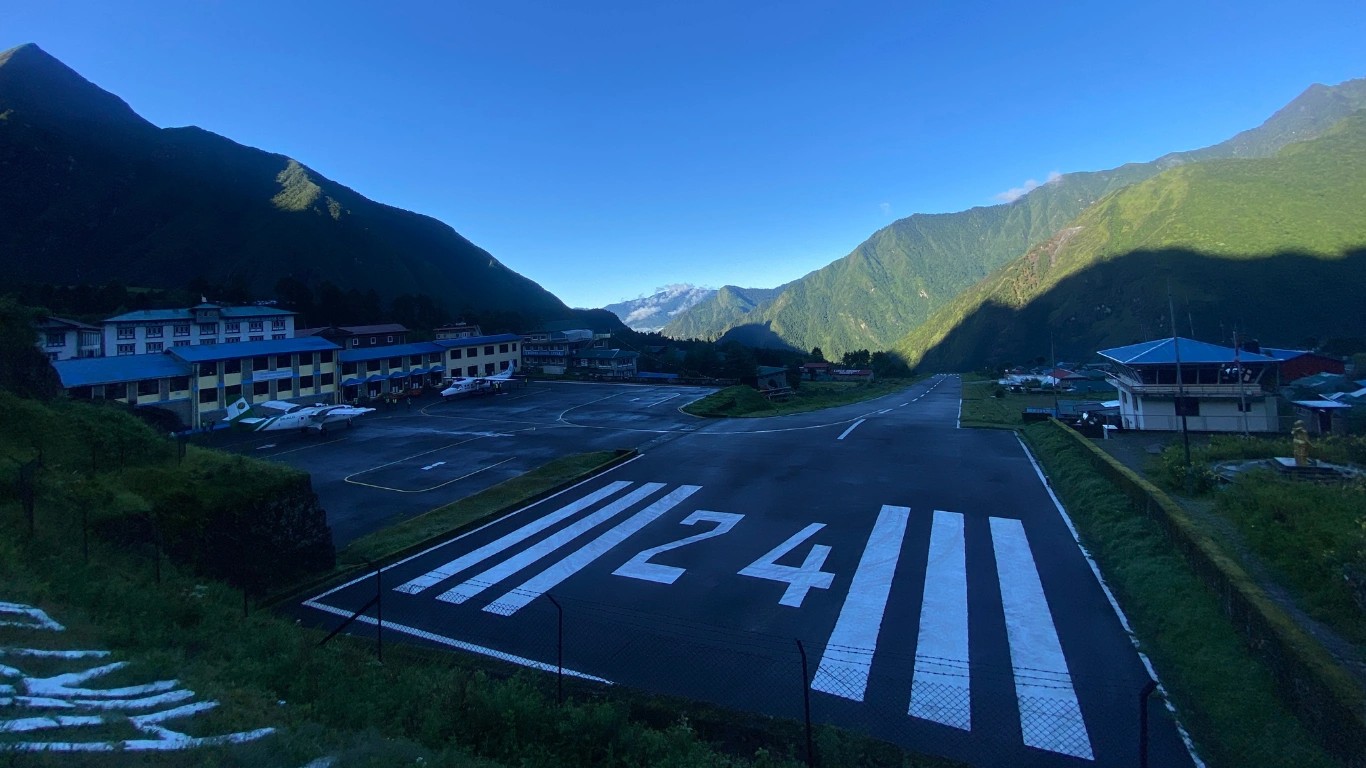
Here is the detail that surprises trekkers more than any temperature chart: during peak season, your flight to Lukla does not leave from Kathmandu.
The Civil Aviation Authority of Nepal shifts all Lukla flights to Manthali Airport in Ramechhap district during the busiest months, typically covering April through mid-May and October through mid-November, with exact dates announced each season. Kathmandu's single-runway international airport cannot absorb the peak-season volume of Lukla rotations, so the entire operation moves 132 km east.
In practice, that means a roughly 1:30 AM hotel departure from Kathmandu, a four-to-five-hour drive on the BP Highway, and then a 15-to-20-minute flight into Lukla instead of the 35-minute flight from Kathmandu. The system actually works: Manthali sits at just 474 m with calmer morning weather and no competing international traffic, so peak-season flights from Ramechhap complete more reliably than Kathmandu departures ever did. But the pre-dawn drive belongs in your planning, not in your surprises. Outside the peak windows, flights operate directly from Kathmandu as normal.
Every peak-season Majestic Trails Nepal itinerary already includes the Ramechhap transfer, with a private vehicle, your guide traveling alongside you, and a built-in contingency day for weather. You wake up at 1:30 AM either way; the difference is whether someone has already solved everything that comes after.
The cheapest time to trek Everest Base Camp is the monsoon, June through August, followed by deep winter, December through February. Teahouse room prices drop and are often waived entirely if you eat dinner and breakfast where you sleep, flight seats are discounted and freely available, and guides and porters negotiate lower off-season rates.
The fixed costs never move: the Sagarmatha National Park entry fee (USD 30 for foreigners), the Khumbu Pasang Lhamu Rural Municipality permit, and international flights stay the same year-round. What changes is everything negotiable, and in the off-season most of it is negotiable. A monsoon or winter EBC trek can realistically cost 20 to 30 percent less than the same itinerary in October. The saving is real, but weigh it against cloud-hidden mountains in monsoon or serious cold in winter. A cheaper trek that never shows you Everest is not a bargain.
If the off-season price appeals but the risks give you pause, talk to us first. Majestic Trails Nepal runs winter and monsoon departures every year with guides who know which teahouses stay open and how the rain shadow behaves week to week. We will tell you honestly whether your dates are worth the discount.
The park's own visitor data points to the answer. Arrivals cluster hard into October, November, April, and May, and thin dramatically on either side. The two windows that balance quiet trails against workable weather are:
Full winter and monsoon deliver the emptiest trails of all, but both demand the preparation described above. The shoulder weeks demand only a warmer sleeping bag and a small dose of flexibility.
October is the best single month for the Everest Base Camp trek, and April is the strongest alternative. October wins on post-monsoon visibility, stable weather, fully stocked teahouses, and festival atmosphere in the villages. April counters with rhododendron color, warmer days, and a Base Camp filled with Everest expedition teams.
If neither fits your calendar, November and March are close runners-up, each trading a few degrees of warmth for noticeably quieter trails.
| You Are | Best Time to Trek | Why |
|---|---|---|
| First-time trekker | October or April | Stable weather and easy trekking |
| Photographer | Late October to November | Clearest mountain views, best light |
| Want to see Everest expeditions | Mid-April to mid-May | Everest climbing season |
| Budget traveler | June to August or winter | Lowest trekking costs |
| Prefer quieter trails | Late November or early March | Fewer trekkers, good weather |
| Experienced winter trekker | December to February | Empty trails and clear skies |
Yes. The trail has no formal seasonal closure, and permits are issued in all twelve months. What varies is practical access: some high teahouses close in deep winter, and monsoon weather disrupts Lukla flights. The route itself remains open year-round.
April is one of the two best months of the year. It combines stable spring weather, peak rhododendron bloom on the lower trail, and the full energy of the Everest climbing season at Base Camp. Its only drawbacks are heavy crowds and the need to book flights and rooms well in advance.
Flights complete most consistently in October, November, March, and April, when morning weather is stable. During these peak months they operate from Ramechhap rather than Kathmandu, which has itself improved on-time performance. Monsoon months see the most cancellations.
Three to six months for October or April departures. That window secures Lukla flight seats, rooms in the bottleneck villages of Dingboche and Gorak Shep, and your preferred guide. Shoulder and off-season treks can be arranged on much shorter notice.
The core kit stays the same, but the sleeping bag rating changes: -15°C comfort for spring and autumn, -20°C or lower for winter. Monsoon adds full waterproofs, pack covers, and leech protection. Winter adds microspikes for icy sections above Lobuche.
Autumn and spring earn their reputation as the best time for the Everest Base Camp trek honestly: they deliver the mountain views people fly across the world for, with logistics that mostly cooperate. But the trail rewards every season differently, and the right month for you depends on whether you value clarity, color, quiet, or cost. Decide what matters most, then plan around it.
Whichever month you land on, Majestic Trails Nepal runs Everest Base Camp departures across every trekking season, led by guides who have walked this valley in all twelve months and know exactly what each one asks of you. Tell us your dates, your budget, and what you want to see, and we will build the itinerary around the answer. The mountain is not going anywhere. The October rooms are.
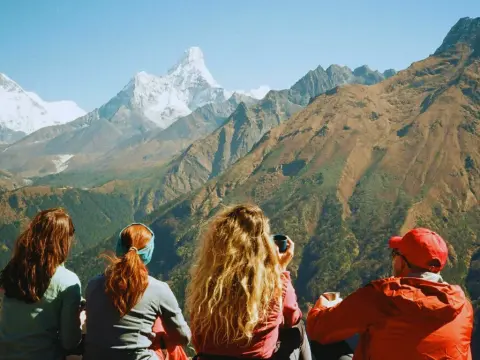
Standing face-to-face with Mount Everest doesn't require weeks of grueling trekking or extreme altitude exposure. The Everest View Trek Nepal offers o...
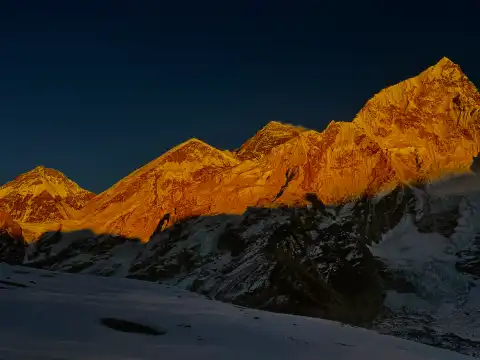
Kalapathar stands at 5,545 meters (18,192 feet) as the highest accessible viewpoint on the Everest Base Camp trek and arguably the most spectacular pa...
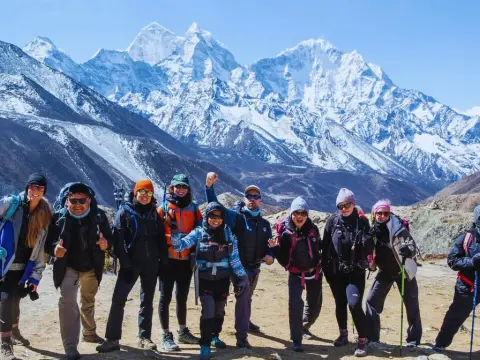
Understanding the Everest Base Camp trek Nepal cost helps you plan your dream Himalayan adventure without budget surprises.The total EBC trek cost Nep...
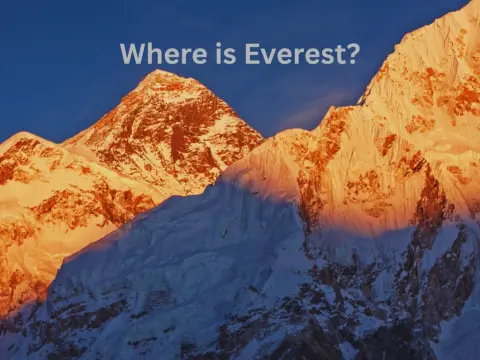
Mount Everest belongs to both Nepal and China, as the international boundary line runs directly across its summit point. The southern slope of the mou...
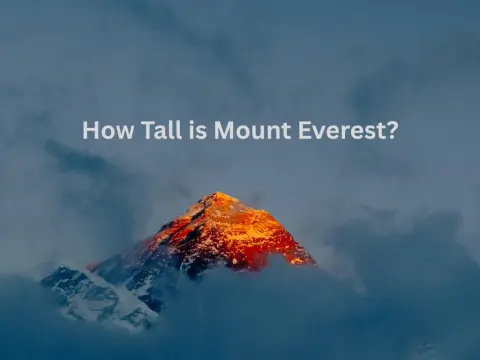
Mount Everest is 8,848.86 meters tall. That is 29,031.7 feet, or roughly 5.5 miles straight up from the ocean's average surface. Nepal and China joint...
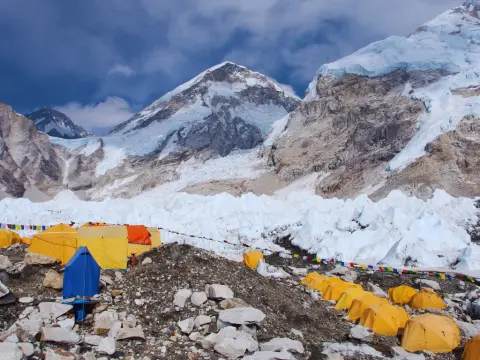
Everest Base Camp in Nepal sits at 5,364 meters above sea level, which converts to 17,598 feet. That is the number you will find on official trekking...
Yes, a beginner can complete the Everest Base Camp Trek. Despite what many people assume, reaching Everest Base Camp is not a mountaineering expeditio...
