
Best Short treks in Nepal
31 Jul 2025
Short on time but big on ambition? Nepal delivers extraordinary mountain experiences in as little as three days, and this guide breaks down exactly wh...

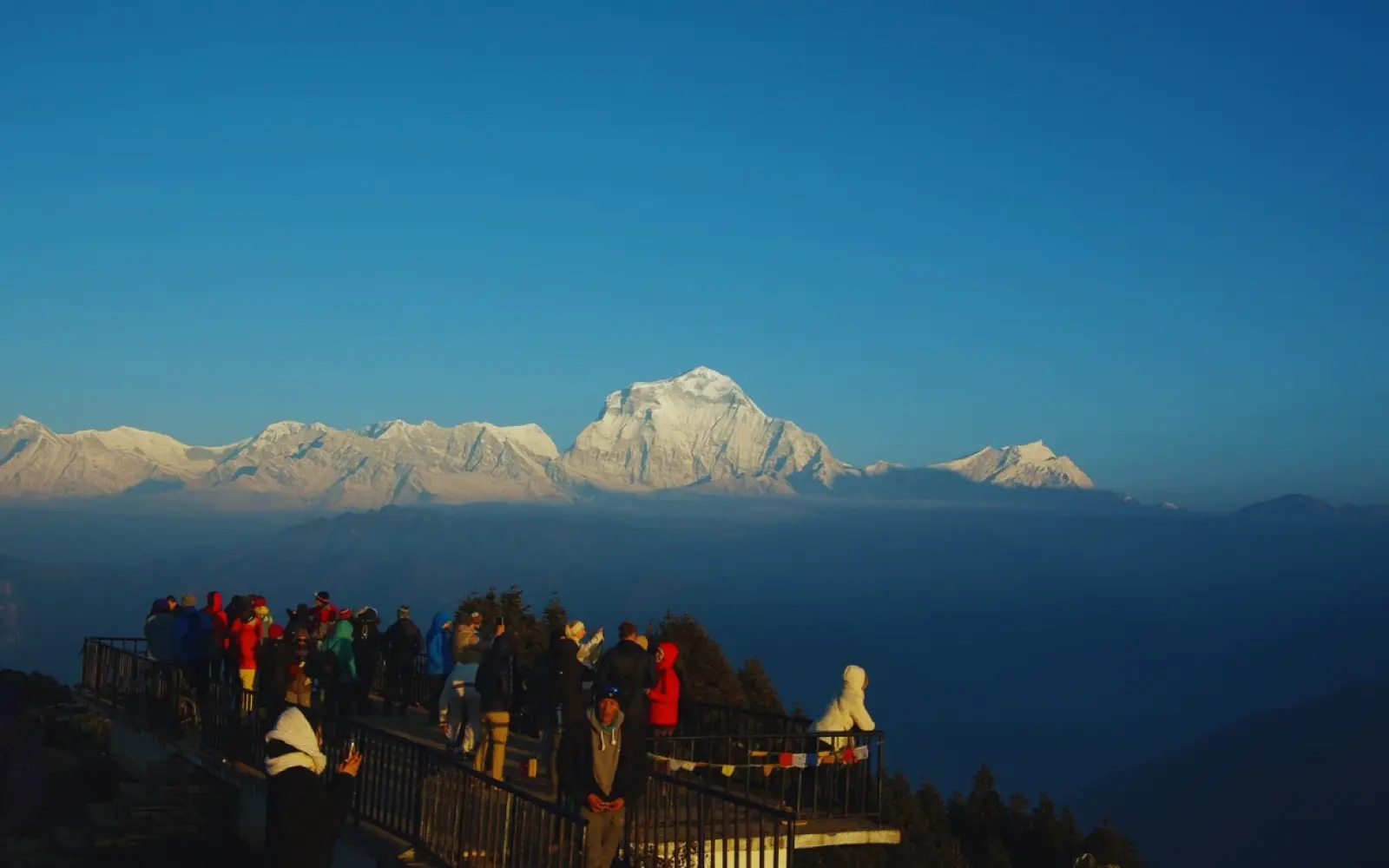

Poon Hill stands as Nepal's most accessible high-altitude viewpoint, rising to 3,210 meters (10,531 feet) above sea level in the Annapurna region of western Nepal. This panoramic hilltop offers unobstructed 360-degree views of the Annapurna and Dhaulagiri mountain ranges, making it one of the most photographed sunrise locations in the Himalayas.
Located within the Annapurna Conservation Area and reached via the Ghorepani Poon Hill Trek, this viewpoint attracts thousands of trekkers annually who seek dramatic mountain vistas without the demands of longer, more technical expeditions. The trek to Poon Hill represents an ideal introduction to Himalayan trekking, combining moderate altitude, well-established trails, and comfortable teahouse accommodation.
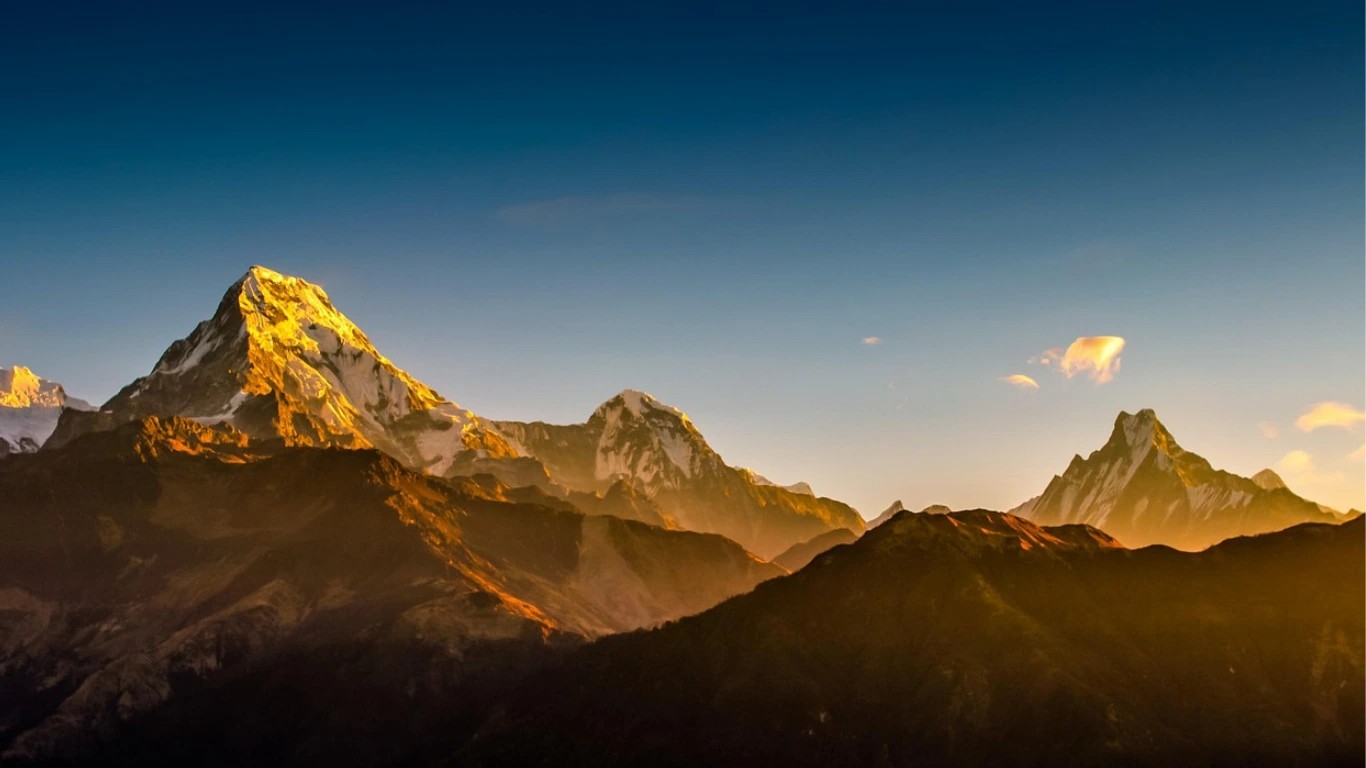
Poon Hill is situated in the Myagdi District of Gandaki Province, northwestern Nepal. The viewpoint lies approximately 50 kilometers northwest of Pokhara, Nepal's second-largest city and the primary gateway to the Annapurna region.
The nearest settlement is Ghorepani, a mountain village positioned at 2,860 meters elevation. Ghorepani serves as the overnight base for trekkers planning the pre-dawn ascent to the viewpoint. The village sits at the junction of two major trekking routes, making it a strategic stopover point.
Key Geographic Details:
| Feature | Information |
|---|---|
| District | Myagdi |
| Province | Gandaki |
| Nearest Village | Ghorepani (2,860m) |
| Distance from Pokhara | ~50 km direct |
| Protected Area | Annapurna Conservation Area |
| Coordinates | 28.3994° N, 83.6997° E |
The entire trekking route falls within the Annapurna Conservation Area, the largest protected zone in Nepal covering 7,629 square kilometers. This conservation area encompasses diverse ecosystems ranging from subtropical forests to high alpine terrain.
The altitude of Poon Hill reaches exactly 3,210 meters (10,531 feet), placing it within the moderate elevation category for Himalayan treks. This elevation is significantly lower than destinations like Everest Base Camp (5,364m) or Annapurna Base Camp (4,130m), making altitude-related challenges minimal for most trekkers.
Altitude Comparison Table:
| Destination | Altitude | Difficulty |
|---|---|---|
| Poon Hill | 3,210m | Easy-Moderate |
| Annapurna Base Camp | 4,130m | Moderate |
| Everest Base Camp | 5,364m | Challenging |
| Thorong La Pass | 5,416m | Strenuous |
At this elevation, acute mountain sickness (AMS) rarely presents serious concerns for healthy individuals. The gradual ascent from Pokhara (827m) through intermediate villages allows natural acclimatization. However, trekkers ascending rapidly may experience mild symptoms including headache, slight breathlessness, or disturbed sleep. These typically resolve without intervention.
The moderate altitude of Poon Hill makes it accessible to first-time trekkers, older travelers, and families with children above eight years old. No technical climbing skills or high-altitude experience is necessary.
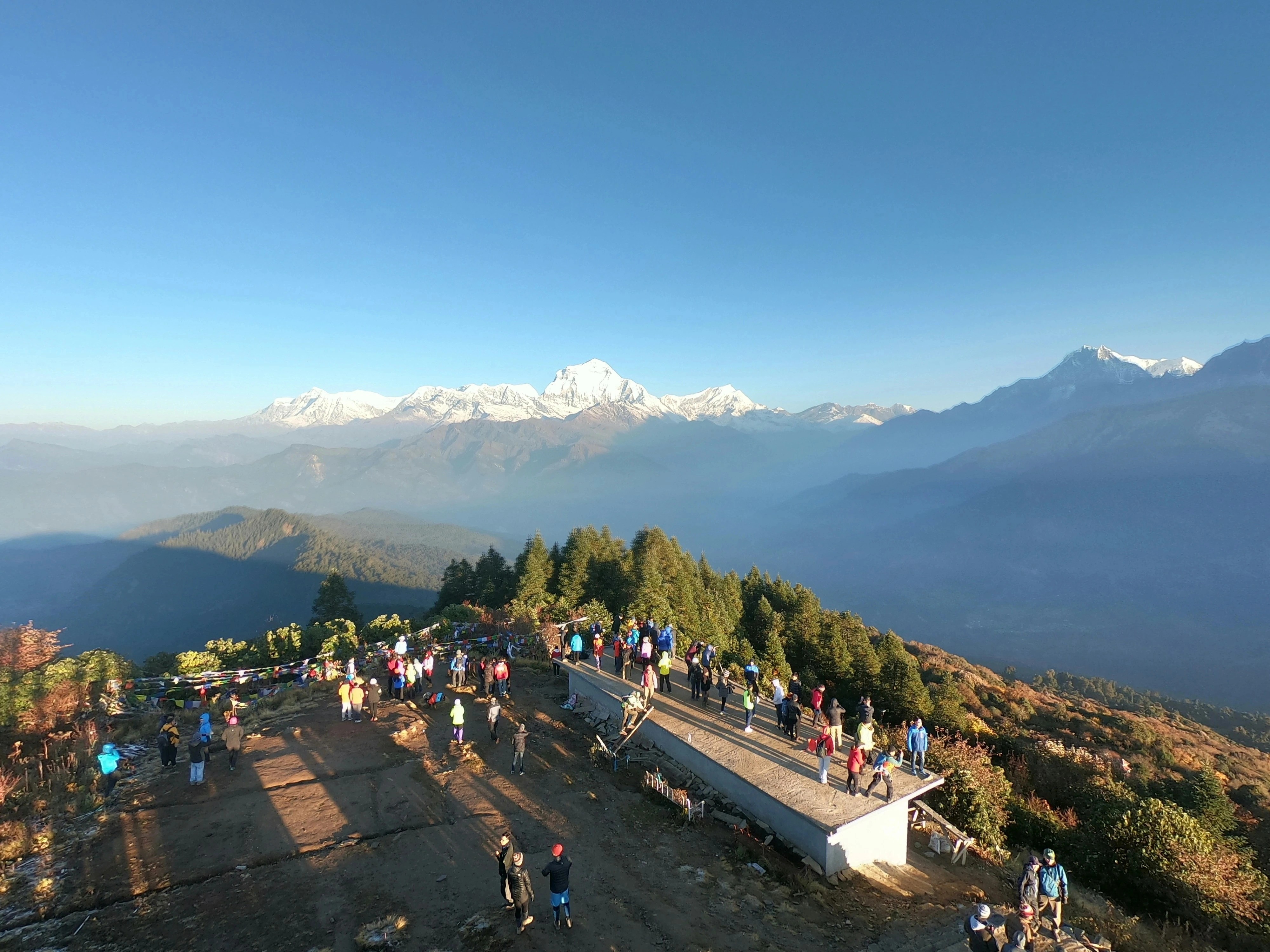
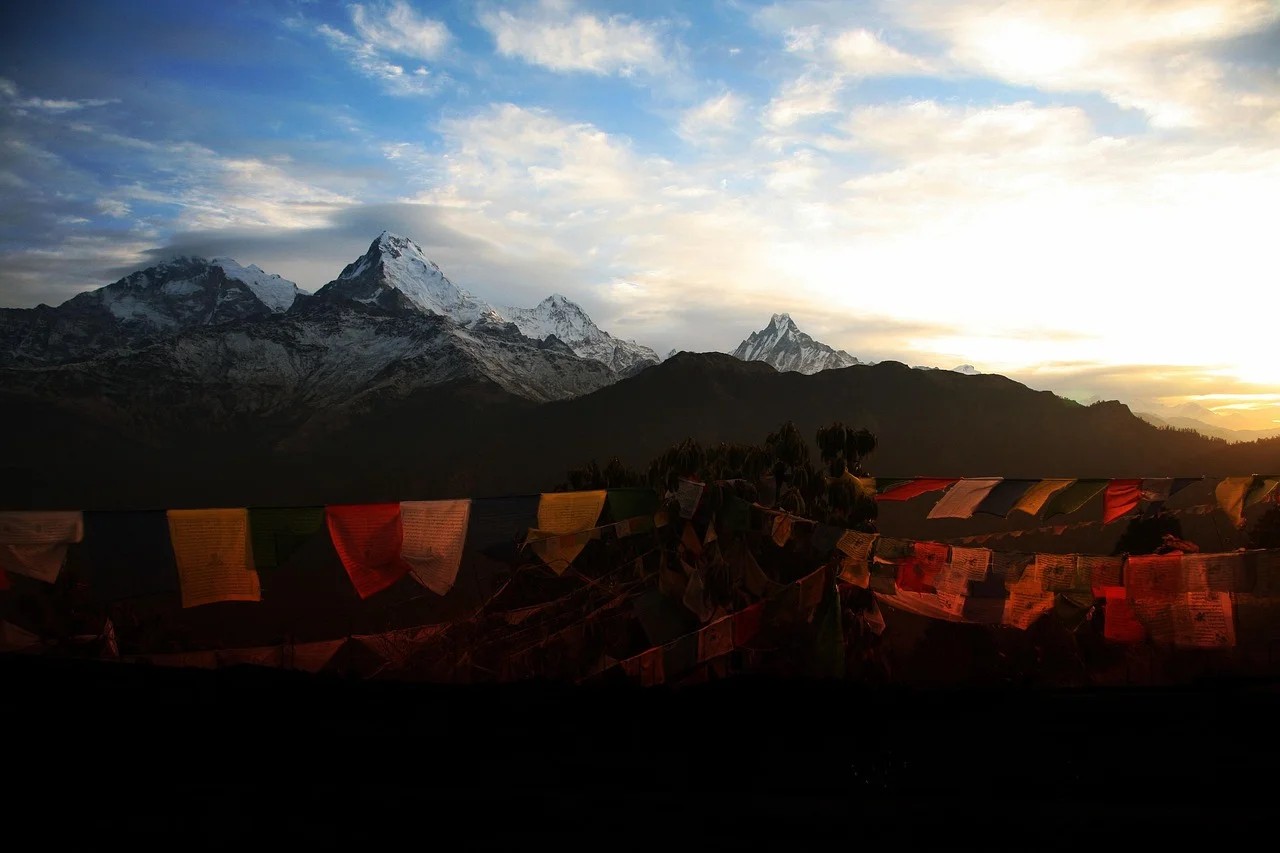
The Poon Hill viewpoint commands unparalleled panoramic visibility across two of the world's highest mountain ranges. At sunrise, the spectacle transforms ordinary photography into extraordinary documentation of nature's grandeur.
Dhaulagiri Massif (8,167m): The world's seventh-highest mountain dominates the western horizon. Its massive white pyramid catches the first golden light, creating the signature Poon Hill sunrise image.
Annapurna South (7,219m): This prominent peak of the Annapurna Himal rises directly north, its steep south face glowing amber during dawn.
Machhapuchhre (6,993m): Known as "Fishtail Mountain" for its distinctive twin summits, this sacred peak has never been climbed and remains spiritually significant to the Gurung people.
Hiunchuli (6,441m): Positioned between Annapurna South and Machhapuchhre, this technical peak adds depth to the northeastern panorama.
Additional Visible Peaks:
The sunrise viewpoint Nepal experience at Poon Hill offers colors shifting from deep purple through orange, pink, and finally brilliant white as sunlight fully illuminates the snow-covered summits. Clear mornings reveal over twenty Himalayan peaks spanning nearly 180 degrees of horizon.
The Ghorepani Poon Hill Trek follows a well-maintained circuit through diverse terrain, passing through rhododendron forests, traditional Gurung and Magar villages, and terraced agricultural landscapes.
Day 1: Pokhara → Nayapul → Tikhedhunga
Day 2: Tikhedhunga → Ulleri → Ghorepani
Day 3: Ghorepani → Poon Hill → Tadapani
Day 4: Tadapani → Ghandruk → Nayapul → Pokhara
The trek can be completed in 3 days by more experienced trekkers or extended to 5 days for a relaxed pace with additional acclimatization. Some itineraries include the village of Ghandruk as an overnight stop, offering deeper cultural immersion with the Gurung community.
New in 2026: A jeep road now connects Pokhara directly to Ghorepani, reducing travel time to approximately 4 hours by 4WD vehicle. This option allows trekkers to reach Ghorepani the same day, spend the night, ascend Poon Hill for sunrise the following morning, and return to Pokhara. While this approach bypasses the traditional trekking experience through rhododendron forests and stone-stair villages like Ulleri, it provides accessibility for travelers with limited time, physical limitations, or those seeking a quick Poon Hill sunrise experience without multi-day commitment.
| Route Option | Duration | Experience Level | Best For |
|---|---|---|---|
| Traditional Trek | 4-5 days | Beginner-Moderate | Full trekking experience |
| Fast Trek | 3 days | Experienced | Time-limited trekkers |
| Jeep to Ghorepani | 1-2 days | Any fitness level | Quick sunrise trip |
The Ghorepani Poon Hill Trek is classified as an easy to moderate trek, making it the best short trek in Nepal for beginners. The primary physical challenge involves the continuous stair climb from Tikhedhunga to Ulleri—approximately 3,300 stone steps ascending 500 vertical meters.
Difficulty Factors:
| Aspect | Assessment |
|---|---|
| Technical Skill | None required |
| Fitness Level | Moderate |
| Daily Walking | 4-6 hours |
| Trail Condition | Well-maintained |
| Navigation | Simple (marked route) |
| Altitude Risk | Low |
This beginner trek in Nepal suits individuals who engage in regular walking, light hiking, or general fitness activities. Those with sedentary lifestyles should undertake conditioning exercises for 4-6 weeks before departure. The trail involves no technical sections, scrambling, or exposed ridges.
The short Himalayan trek duration minimizes cumulative fatigue, unlike extended expeditions where physical deterioration compounds over weeks. Most trekkers complete the route without significant difficulty, though the Ulleri stairs remain memorable.
Weather patterns significantly impact visibility and overall trekking experience. Clear skies are essential for the sunrise spectacle that defines the Poon Hill experience.
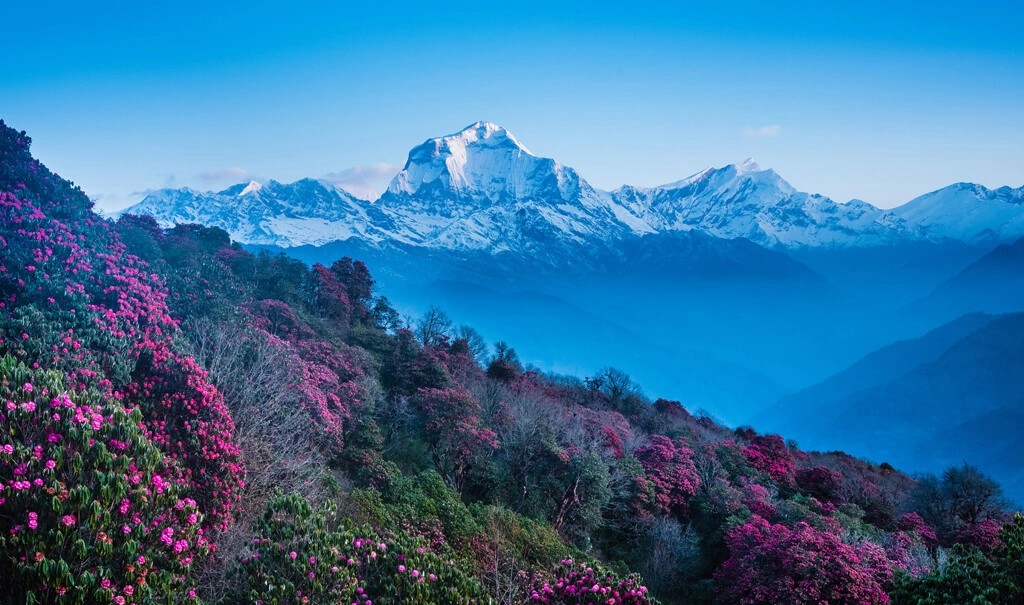
Spring offers exceptional conditions with moderate temperatures and minimal precipitation. The lower forests erupt with rhododendron blooms—Nepal's national flower—creating corridors of red, pink, and white blossoms. Mountain visibility remains excellent, particularly in March and April.
Advantages: Wildflowers, comfortable temperatures, clear skies
Considerations: Increasing haze in late May
Autumn represents the premier trekking season throughout Nepal. Post-monsoon air clarity produces the sharpest mountain views, with Dhaulagiri and the Annapurna range appearing impossibly close. October and November offer ideal conditions.
Advantages: Maximum visibility, stable weather, moderate crowds
Considerations: Peak season pricing, advance booking essential
Winter trekking is possible but demanding. Lower elevations remain accessible, though snow may cover trails above Ghorepani. Mornings are bitterly cold (-5°C to -10°C at summit), but crystal-clear visibility rewards those prepared for frigid conditions.
Advantages: Fewer trekkers, exceptional clarity
Considerations: Cold temperatures, possible snow, limited teahouse operation
The monsoon season brings daily rainfall, persistent cloud cover, and slippery trail conditions. Mountain views are rare. Leeches populate lower forests. This period is not recommended for the Poon Hill trek.
All trekkers entering the Annapurna Conservation Area require proper documentation.
Annapurna Conservation Area Permit (ACAP)
Permits are obtainable at the Nepal Tourism Board office in Kathmandu or the Pokhara Tourism Office. Licensed trekking agencies arrange permits as part of service packages. Checkpoint verification occurs at Birethanti and other points along the route.
Both treks operate within the Annapurna region but differ substantially in commitment level and experience.
| Factor | Poon Hill | Annapurna Base Camp |
|---|---|---|
| Duration | 3-5 days | 8-12 days |
| Maximum Altitude | 3,210m | 4,130m |
| Difficulty | Easy-Moderate | Moderate |
| Mountain Proximity | Distant panorama | Close approach |
| Altitude Risk | Minimal | Moderate |
| Suitable for Beginners | Yes | With preparation |
| Best Feature | Sunrise views | Base camp experience |
The Annapurna viewpoint Nepal experience at Poon Hill provides spectacular distant perspectives, while ABC places trekkers at the foot of the mountain sanctuary. First-time Himalayan trekkers often begin with Poon Hill before attempting longer expeditions.
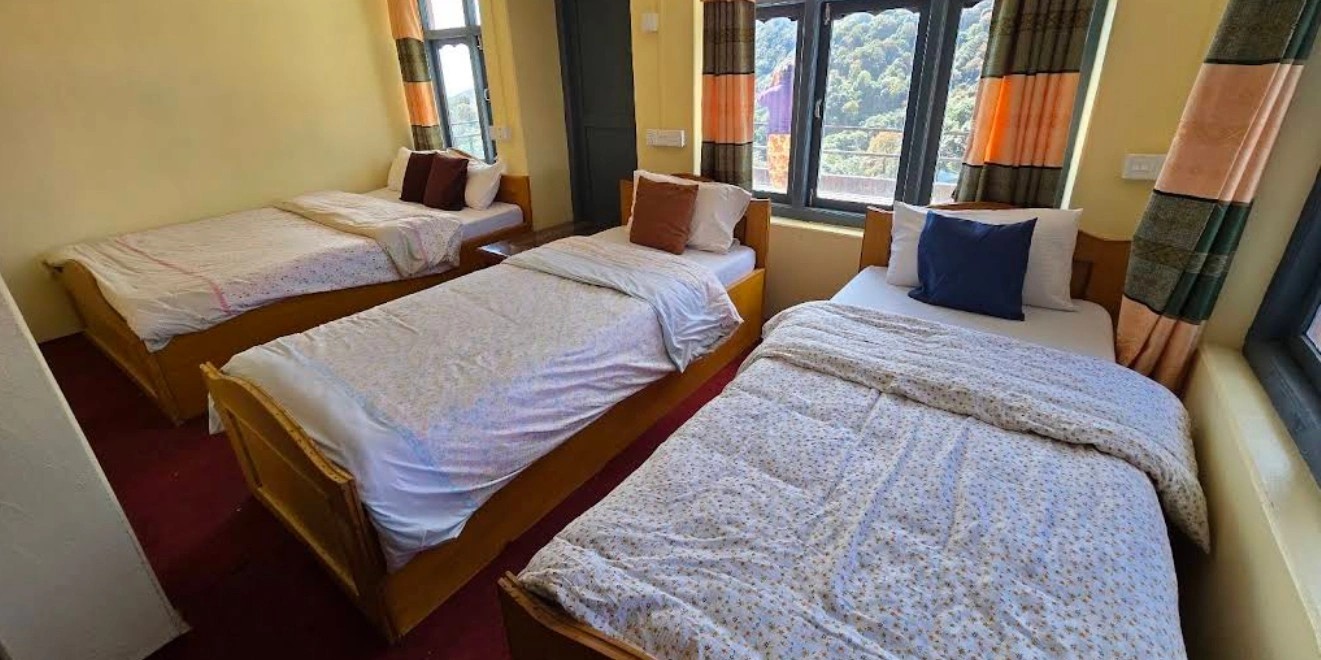
The teahouse trekking model along this route provides comfortable facilities throughout the journey. No camping equipment is necessary.
Safe drinking water stations operate along the route as part of conservation efforts to reduce plastic waste. Trekkers should carry reusable bottles and purification tablets.
Poon Hill delivers exceptional value for the time and effort invested. The easy trek near Pokhara requires minimal preparation while offering world-class Himalayan scenery.
Reasons to Go:
Honest Considerations:
For those seeking their first Himalayan adventure, Poon Hill represents the ideal first Himalayan experience—challenging enough to feel accomplished, accessible enough to ensure success.
Poon Hill is located in the Myagdi District of Nepal, within the Annapurna Conservation Area. It lies approximately 50 kilometers northwest of Pokhara, near the village of Ghorepani.
The altitude of Poon Hill is 3,210 meters (10,531 feet) above sea level, making it a moderate-elevation viewpoint accessible to most trekkers.
The trek is classified as easy to moderate. The main challenge involves ascending approximately 3,300 stone steps between Tikhedhunga and Ulleri. No technical skills are required.
The standard itinerary requires 4–5 days, including transportation from Pokhara. Faster trekkers complete the circuit in 3 days, while relaxed schedules extend to 6 days.
Yes. For the relatively modest time commitment, the sunrise views over Dhaulagiri and the Annapurna range provide extraordinary photographic and experiential value, especially for first-time Himalayan trekkers.
October–November (autumn) offers optimal visibility and stable weather. March–April (spring) provides blooming rhododendron forests alongside clear mountain views.
Successful planning involves selecting appropriate timing, arranging permits, and ensuring adequate fitness preparation. Trekkers should allow rest days in Pokhara before and after the trek.
Local trekking operators provide comprehensive services including guide arrangements, porter services, permit processing, and accommodation reservations. Organizations like Majestic Trails Nepal specialize in Annapurna region treks, offering expertise in route planning and logistics for independent travelers and groups.
Whether undertaken as a standalone adventure or preparation for more demanding expeditions, the Poon Hill trek establishes a foundation for Himalayan exploration that remains accessible to virtually anyone willing to climb those memorable stone stairs to witness dawn illuminate the world's greatest mountains.

Short on time but big on ambition? Nepal delivers extraordinary mountain experiences in as little as three days, and this guide breaks down exactly wh...
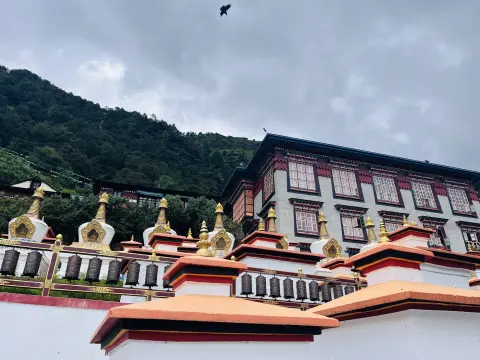
Situated in the peaceful Solu-Khumbu region of Nepal, near the village of Junbesi, Thupten Chholing Monastery is a living testament to Tibetan Buddhis...
Nepal is one of the few countries in the world where you can leave city life behind and stand beneath Himalayan giants within just a few days. If you...
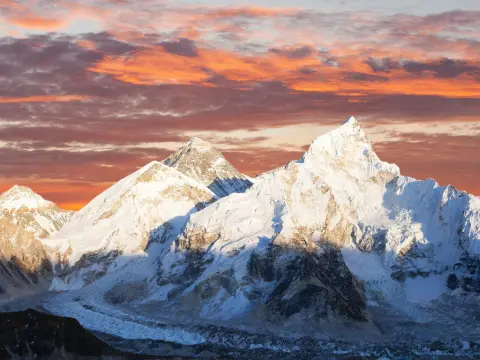
Nepal is a country defined by mountains. Stretching across the country’s northern edge, the Himalayas pack Earth’s highest peaks into one nation. Eigh...

Nepal's tourism destinations offer an unforgettable journey through a landlocked country nestled in the embrace of the world’s most majestic mountain...

People visiting Kathmandu almost always ask the same two questions about Swayambhunath: how high is it, and where exactly is it? Seems simple. But the...
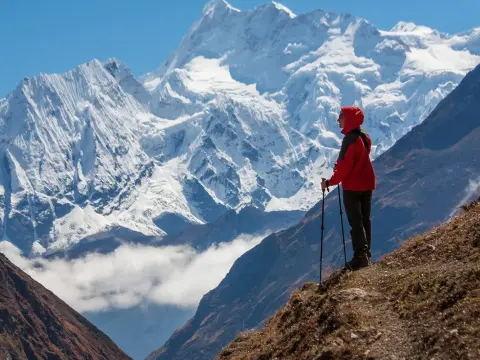
Introduction: Why Nepal is Perfect for Budget TrekkingNepal has long been celebrated as one of the world's premier trekking destinations, but what man...
Moderate treks in Nepal offer the perfect balance between challenging adventure and accessible exploration, making them ideal for trekkers who want br...
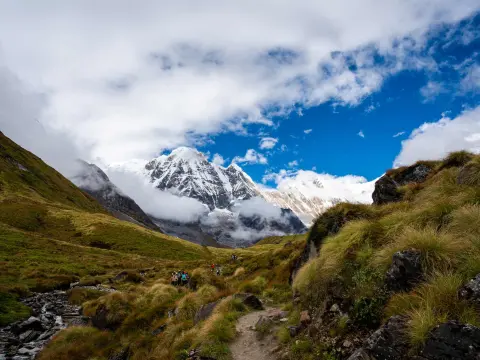
The Annapurna Base Camp trek is a moderate trek, suitable for fit beginners, with no technical climbing required. Its main challenge is not the altitu...

If you've ever wondered why trekking in Nepal captivates adventurers from every corner of the globe, the answer lies in its extraordinary combination...

Nepal is a land where nature paints its most spectacular masterpieces. From the towering peaks of the Himalayas to serene alpine lakes, dense jungles...
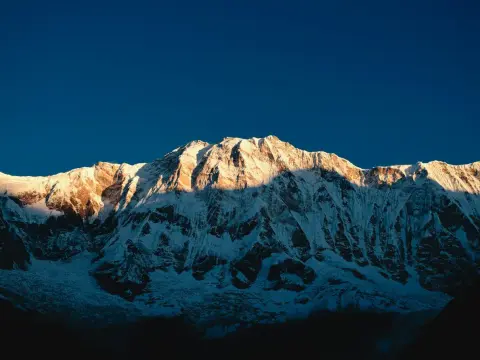
The term "killer mountain" carries a somber weight in mountaineering circles. It refers to peaks with exceptionally high fatality rates relative to su...
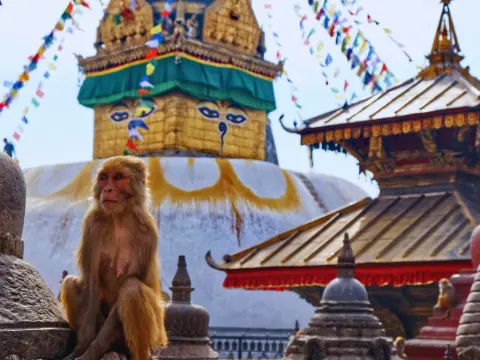
Discover the Heart of NepalIf you're searching for the best places to go in Nepal Kathmandu, you've chosen one of Asia's most captivating destinations...

The most popular treks in Nepal include Everest Base Camp, Annapurna Base Camp, Langtang Valley, Mardi Himal, and Ghorepani Poon Hill. These treks ran...
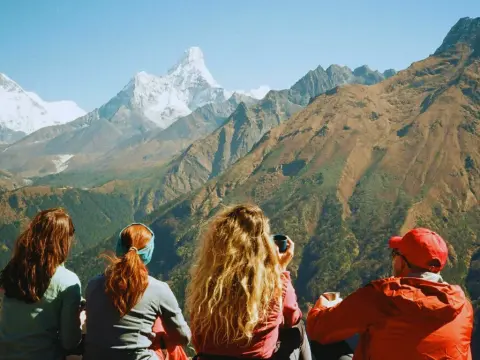
Standing face-to-face with Mount Everest doesn't require weeks of grueling trekking or extreme altitude exposure. The Everest View Trek Nepal offers o...
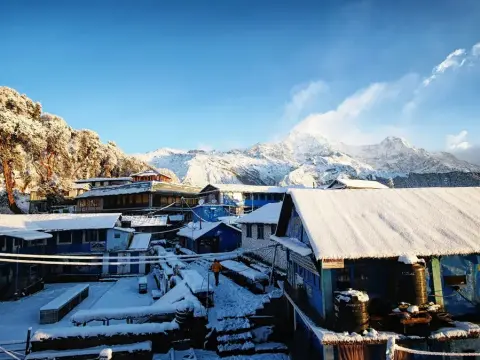
Winter in Nepal gets misunderstood a lot. Most travelers from Europe or North America picture deep snowdrifts, frozen trails, and dangerous conditions...
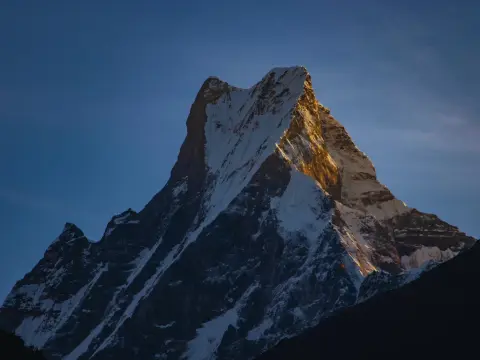
Macchapuchre stands as one of the most iconic and mysterious peaks in the entire Himalayan range. Also commonly spelled Machhapuchhre, this magnificen...
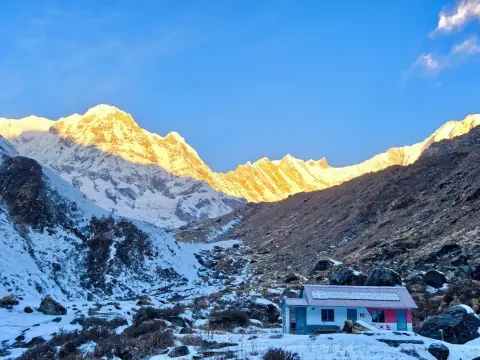
Nestled at 4,130 meters within a dramatic glacial amphitheater, the Annapurna Base Camp (ABC) trek stands among Nepal's most iconic Himalayan journeys...
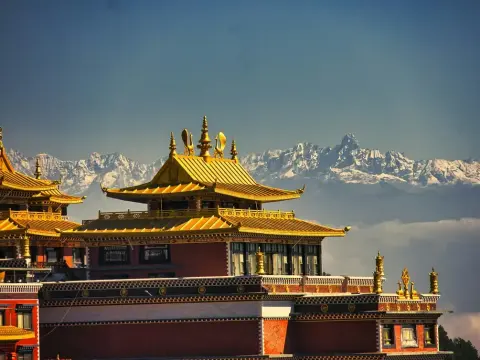
Namo Buddha stands as one of the most revered Buddhist pilgrimage sites in Nepal, drawing devotees and travelers from across the world to its serene h...
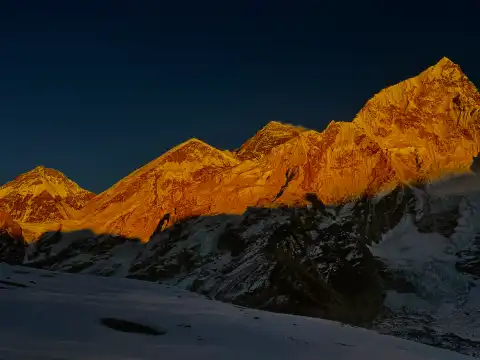
Kalapathar stands at 5,545 meters (18,192 feet) as the highest accessible viewpoint on the Everest Base Camp trek and arguably the most spectacular pa...
