
Gyalpo Losar: Tibetan New Year and Spiritual Renewal
30 May 2025
Gyalpo Losar, the Tibetan New Year, is a festival of immense cultural, religious, and social importance for the Tibetan people, including the Sherpa c...

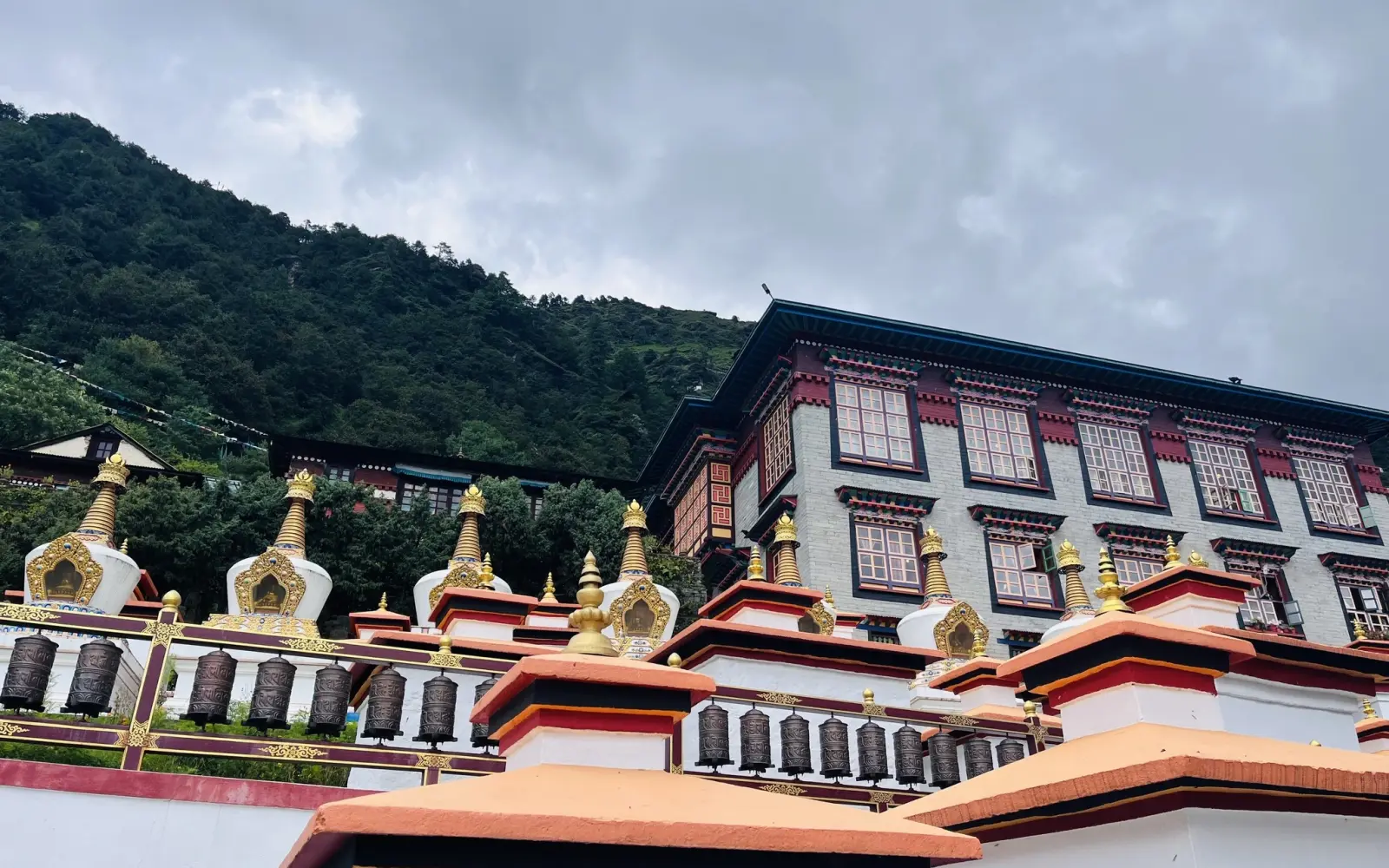

Situated in the peaceful Solu-Khumbu region of Nepal, near the village of Junbesi, Thupten Chholing Monastery is a living testament to Tibetan Buddhism. Set against the majestic Himalayan backdrop, the monastery offers visitors an immersive experience of spirituality, culture, and natural beauty. Every prayer flag, stone, and architectural detail reflects centuries of devotion, making the monastery a place of peace, reflection, and cultural richness.
Thupten Chholing is one of the largest Tibetan Buddhist monasteries located in Solukhumbu. The institution was started by Trulshik Rinpoche, who is an incarnation of one of the main disciples of Guru Rinpoche, in 1960. The institute is renowned for sheltering monks and nuns from not only Nepal and Tibet but also from other parts of the world who come and learn about the teachings of the Nyingma school of Tibetan Buddhism. It is the oldest of the four main schools. The institute is also involved in teaching and provides various cultural events.
Visiting Thupten Chholing allows one to witness the disciplined routine of the monks and nuns participating in silent meals and savor the warmth of an institution deeply committed to spiritual, cultural, and social enrichment. Be it spiritual enlightenment, cultural insight, or a quiet retreat from the hassles of modern life, the monastery leaves its mark on all who come here.
Thupten Chholing Monastery is a significant Tibetan Buddhist monastery located in Nepal. Here are some facts about it:
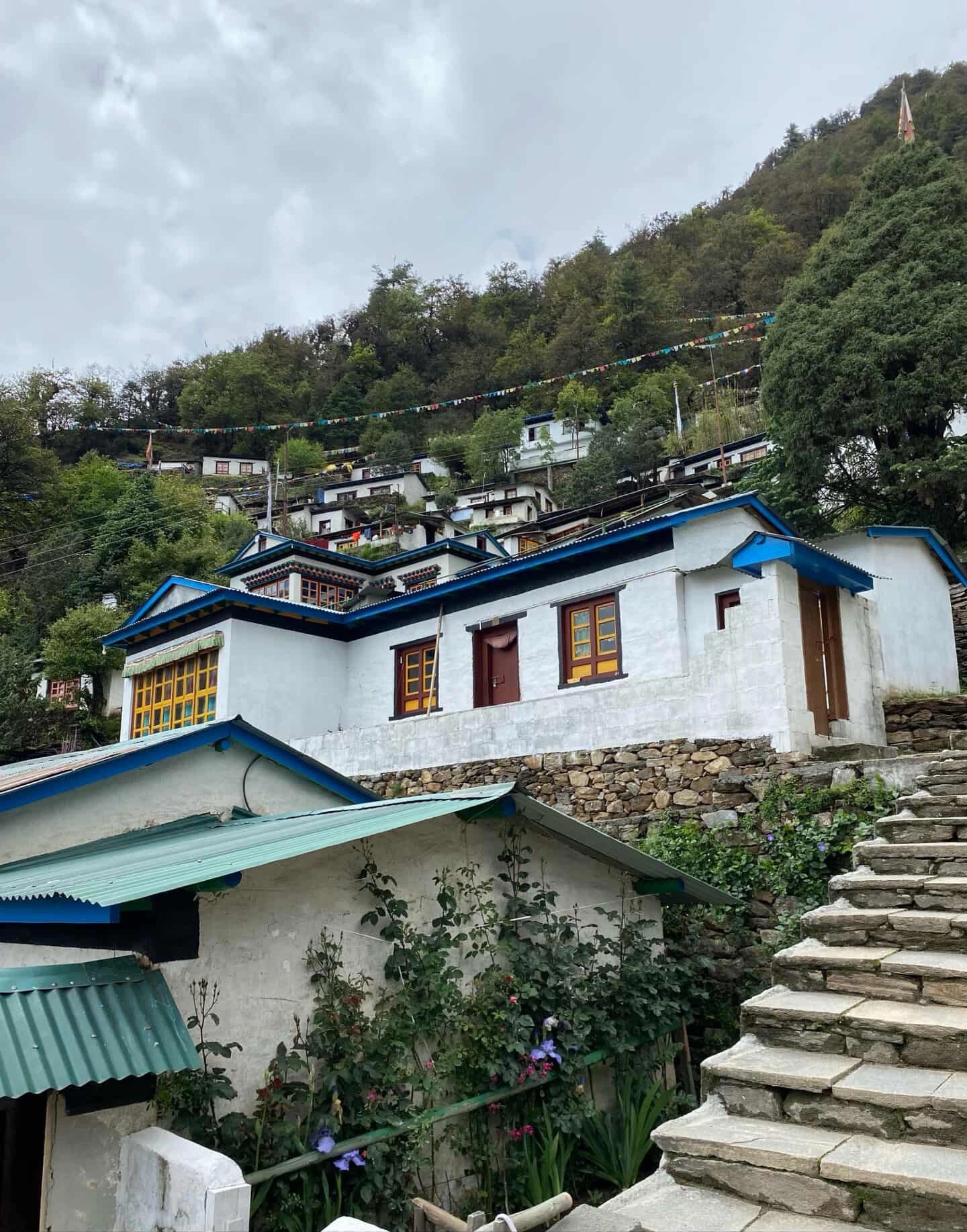
Reaching Thupten Chholing Monastery in Nepal involves a combination of air and ground travel, as it is located in a remote mountainous area. Here is a general guide on how to reach the monastery:
Be sure to check the local weather conditions and flight schedules in advance, and prepare adequately for high-altitude trekking with proper gear and acclimatization if necessary.
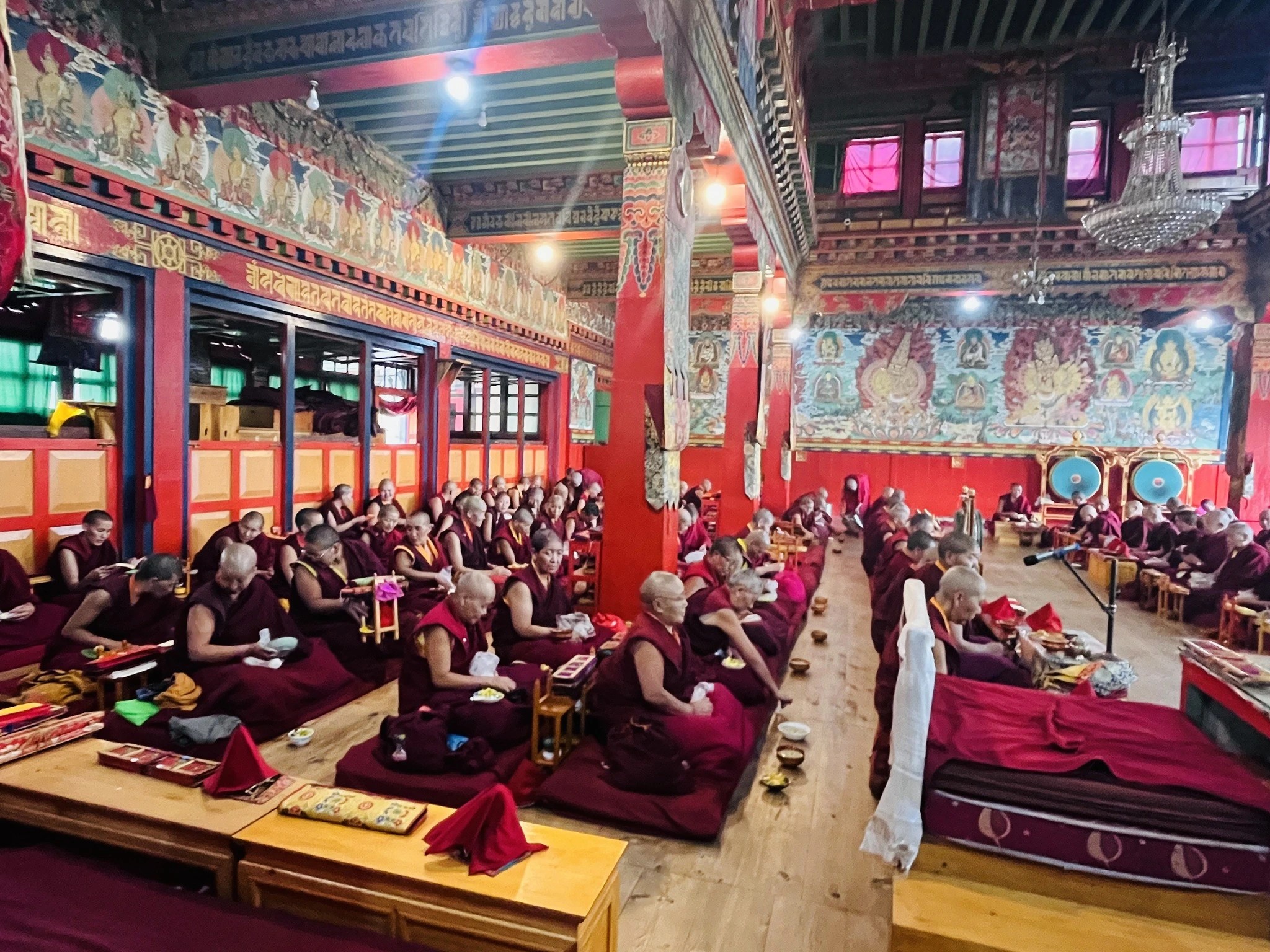
During my visit, I spoke with several monks about their daily practices, which begin before dawn with the sound of conch shells. Meditation, prayers, and rituals form the core of their disciplined routine, reflecting profound dedication and a sense of purpose.
The monastery exudes a subtle aura of wisdom, and visitors are welcomed warmly. Thupten Chholing upholds traditional Buddhist values, emphasizing ethical living, compassion, and nonviolence, which permeate every aspect of monastic life.
A visit isn’t complete without participating in the communal silent meals, a practice that fosters introspection, unity, and mindfulness.
Thupten Chholing Monastery plays a significant role in Sherpa culture, primarily due to its religious, cultural, and social influences in the region. Located in the Solu-Khumbu district of Nepal, near the Everest region, the monastery is a pivotal institution for the Nyingma tradition of Tibetan Buddhism, which is also the oldest of the four major schools of Tibetan Buddhism.
On the whole, the Thupten Chholing Monastery plays an integral role in Sherpa culture, as it greatly contributes to maintaining the religious traditions and ensuring the social needs of the people are met.
If you are referring to a specific location or center that practices Tibetan Buddhism, it's important to note that Tibetan Buddhism encompasses a variety of schools and lineages, each with its own unique teachings and practices. Here are some of the main schools and lineages you might find in a Tibetan Buddhist center:
A Tibetan Buddhist center may offer a variety of practices such as meditation, chanting, study of texts, and rituals, depending on the specific lineage it follows. Visitors are often welcome to participate in certain practices or attend teachings to gain a deeper understanding of Tibetan Buddhist philosophy and techniques.
When engaging in travel photography, it's important to balance capturing beautiful images with respecting local cultures and the environment. Here are some key rules and ethical tips to keep in mind:
By incorporating these rules and tips into your travel photography practice, you can create beautiful images while ensuring that your presence is respectful and considerate of the places and people you encounter.
Thupten Chholing Monastery, being a vibrant center of Tibetan Buddhism and Sherpa culture, hosts a variety of festivals that are essential to the community's spiritual and cultural life. These festivals not only hold significant religious importance but also strengthen community bonds and preserve ancient traditions. Here are some of the key festivals celebrated at the monastery:
Timing: Losar is celebrated in February or March, marking the beginning of the Tibetan lunar calendar.
Significance: As the most important festival in Tibetan Buddhism, Losar is a time for purification, prayer, and celebration. It symbolizes the renewal of life and a fresh start.
Activities: The monastery comes alive with vibrant decorations, traditional music, dance performances, and special prayer ceremonies. Monks and nuns prepare rituals to purify and bless the community for the coming year.
Timing: This festival takes place on the full moon of April or May.
Significance: It commemorates the major life events of Buddha: his birth, enlightenment, and passing into Parinirvana.
Activities: Rituals and prayer flags fill the monastery as devotees gather for meditation and teachings on the life and teachings of Buddha. Offerings are made, and the life stories of Buddha are recounted.
Timing: Mani Rimdu is celebrated during the tenth lunar month, usually falling in October or November.
Significance: It marks the establishment of Buddhism in Tibet by Guru Rinpoche (Padmasambhava) and the defeat of evil spirits.
Activities: The celebration features three days of sacred ceremonies and dances performed by monks in elaborate costumes and masks. These dances, known as "Cham," are said to bring blessings to the attendees and the wider community.
Timing: Observed in the fourth lunar month, often in May or June.
Significance: This is the most sacred month in Tibetan Buddhism, commemorating the enlightenment and Parinirvana of Lord Buddha.
Activities: The month is marked by increased religious observations, including lighting lamps, performing circumambulations, and observing fasts. Pilgrims flock to the monastery to engage in prayer and merit-making activities.
Timing: Celebrated in August, the fourth day of the sixth lunar month.
Significance: It honors the first teaching of Buddha, known as the "Turning of the Wheel of Dharma."
Activities: Special pujas (prayers) are conducted, and people participate in spiritual discussions and meditation sessions focused on the Buddha’s teachings.
These festivals are deeply woven into the fabric of life at Thupten Chholing Monastery, offering a blend of spirituality, community engagement, and cultural preservation. They serve as occasions for the local community and visitors to engage in meaningful traditions, thereby strengthening their cultural and spiritual connections.
Thupten Chholing Monastery is more than just a site of worship; it is a haven of spiritual solace and a beacon of cultural preservation. My visit to this exceptional place revealed the depth of devotion and dedication required to live a monastic life, while also offering a poignant reminder of the universal quest for peace and purpose. Whether one visits seeking spiritual awakening, cultural insight, or simply a reprieve from the hustle of modern life, Thupten Chholing offers an experience that is as enriching as it is unforgettable.

Gyalpo Losar, the Tibetan New Year, is a festival of immense cultural, religious, and social importance for the Tibetan people, including the Sherpa c...

Introduction: Why Spring is Nepal's Golden Season for TrekkersSpring in Nepal is a season of renewal, a time when the Himalayas awaken from their wint...
People visiting Kathmandu almost always ask the same two questions about Swayambhunath: how high is it, and where exactly is it? Seems simple. But the...
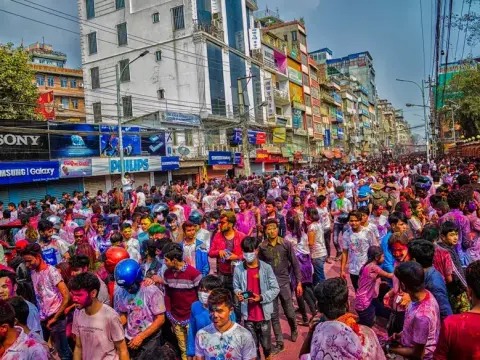
Nepal transforms into a kaleidoscope of colors every spring when Holi Festival Nepal celebrations sweep across the nation. Known locally as "Fagu Purn...
