
All Mountains in Nepal: Peaks, Himalayan Ranges & Trekking Highlights
15 May 2026
Nepal is a country defined by mountains. Stretching across the country’s northern edge, the Himalayas pack Earth’s highest peaks into one nation. Eigh...

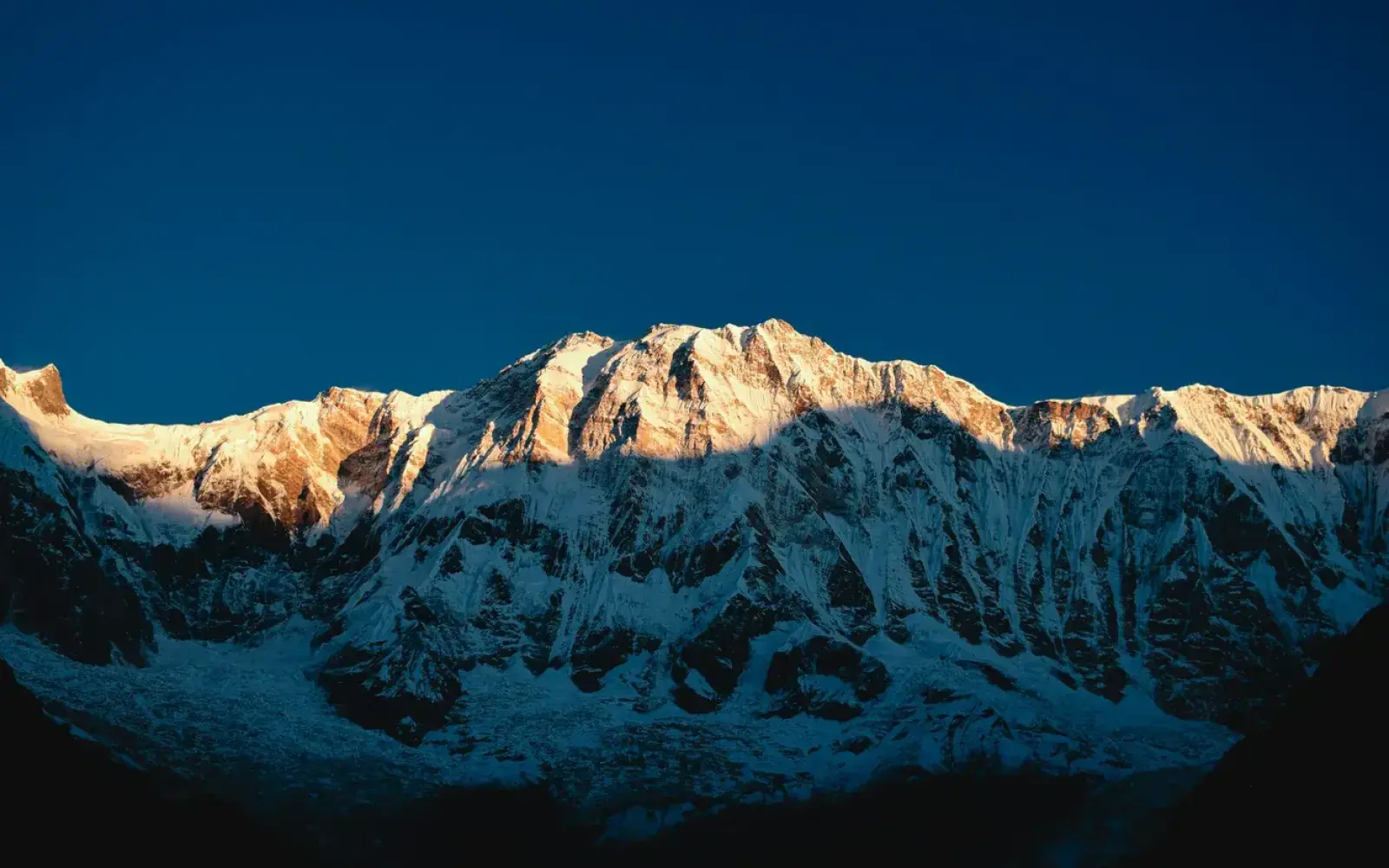

The term "killer mountain" carries a somber weight in mountaineering circles. It refers to peaks with exceptionally high fatality rates relative to successful summits. Among Nepal's towering 8,000-meter giants, one mountain has consistently earned this grim distinction: Annapurna I.
When researching dangerous mountains in Nepal, you may encounter conflicting information. Some outdated sources point to Manaslu. Others confuse Nepal's Annapurna I with Pakistan's Nanga Parbat, which also carries the "killer mountain" nickname. This confusion has led many readers astray.
This article provides a clear, fact-based explanation of why Annapurna I is recognized as the killer mountain of Nepal. We will examine historical data, compare it with Manaslu, and present the current understanding among mountaineering experts.
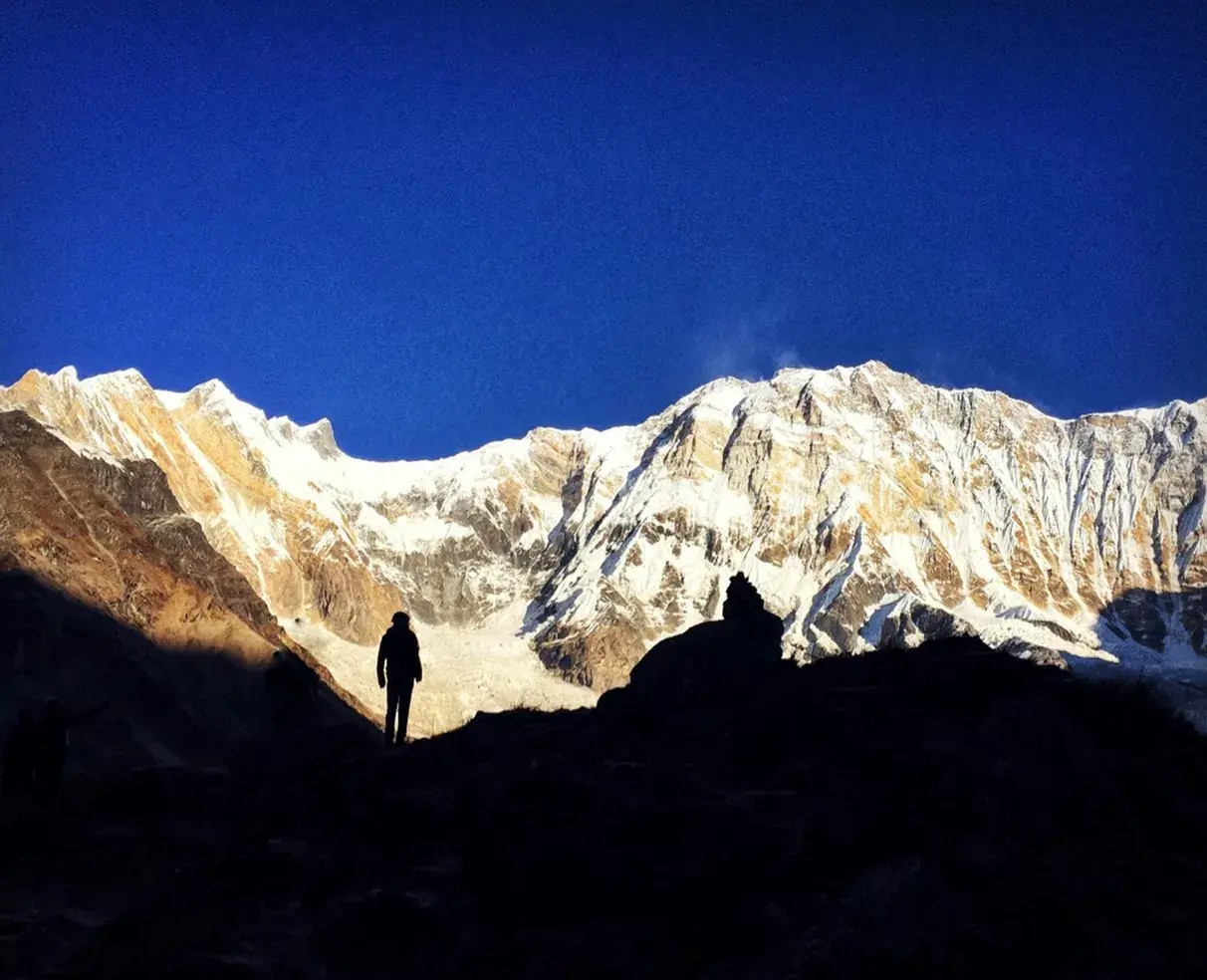
The killer mountain of Nepal is Annapurna I, the tenth-highest peak in the world.
Standing at 8,091 meters (26,545 feet), Annapurna I rises within the Annapurna massif in north-central Nepal. It is located in the Gandaki Province, approximately 160 kilometers west of Kathmandu.
Despite being the first 8,000-meter peak ever summited—achieved by French climbers Maurice Herzog and Louis Lachenal on June 3, 1950—Annapurna I remains one of the least climbed and most deadly mountains on Earth.
The mountain's name comes from Sanskrit, meaning "goddess of the harvest" or "full of food." This peaceful name stands in stark contrast to its deadly reputation.
Among all fourteen 8,000-meter peaks globally, Annapurna I has maintained the highest fatality-to-summit ratio for decades. This statistical reality has cemented its status as Nepal's most dangerous mountain.
Annapurna I earned its deadly reputation through a combination of geological, meteorological, and technical factors. Understanding these elements explains why this mountain claims more lives proportionally than any other peak in Nepal.
A common misconception exists online regarding which Nepalese mountain deserves the "killer mountain" title. Some websites and older publications identify Manaslu as Nepal's deadliest peak. This confusion warrants clarification.
Manaslu, standing at 8,163 meters, experienced several deadly seasons in its early climbing history. Major accidents in the 1970s and 1980s created a perception of extreme danger. Additionally, the 2012 avalanche that killed 11 climbers renewed attention on Manaslu's hazards.
When examining cumulative data:
| Mountain | Approximate Summits | Approximate Deaths | Fatality Rate |
|---|---|---|---|
| Annapurna I | ~370 | ~72 | ~19-27%* |
| Manaslu | ~1,850 | ~70 | ~4% |
*Annapurna I's rate varies by source and time period analyzed; historical rates exceeded 30%.
The raw death tolls appear similar. However, Manaslu sees far more summit attempts, dramatically lowering its proportional fatality rate. Annapurna I's danger lies in the ratio, not just the total numbers.
Early mountaineering literature sometimes labeled Manaslu as particularly deadly based on limited data. As more comprehensive records became available, Annapurna I's consistently higher proportional fatality rate became undeniable.
Modern mountaineering databases, including the Himalayan Database maintained by Elizabeth Hawley's legacy, confirm Annapurna I's statistical deadliness surpasses all other Nepalese 8,000-meter peaks.
Pakistan's Nanga Parbat carries its own "killer mountain" designation. This separate title refers to that peak's deadly history and should not be confused with Nepal's Annapurna I. Both mountains earned their reputations independently through decades of mountaineering tragedy.
Modern mountaineering has benefited from significant technological and logistical advances. These improvements have impacted Annapurna I expeditions, though the mountain remains exceptionally dangerous.
Despite these advances, Annapurna I remains among the most dangerous 8,000-meter peaks for several reasons:
Recent decades have seen both successful expeditions and continued fatalities. The mountain has become marginally safer but cannot be considered "safe" by any reasonable measure.
While Annapurna I holds the deadliest statistical record, Nepal hosts several other 8,000-meter peaks with significant risks.
Nepal's second-most dangerous mountain by fatality rate. Its isolated location, severe weather exposure, and technical routes contribute to a historically high death toll. The northeast ridge presents particular avalanche hazards.
Though safer proportionally than Annapurna I, Manaslu has experienced multiple mass-casualty events. The 2012 avalanche remains one of the deadliest single incidents in Himalayan climbing history. The mountain requires respect despite increased commercial expeditions.
The world's third-highest peak straddles Nepal and India. Technical difficulty and remote location contribute to a notable fatality rate. Many climbers honor a tradition of stopping short of the true summit out of respect for local spiritual beliefs.
The world's highest peak sees the most attempts and the most deaths in raw numbers. However, its fatality rate remains lower than Annapurna I due to the extremely high volume of summit attempts. Commercialization has introduced different risk factors, including overcrowding.
Annapurna I holds this title in Nepal due to its historically high fatality-to-summit ratio. Among 8,000-meter peaks in Nepal, no mountain has claimed more lives proportionally. Pakistan's Nanga Parbat also carries a "killer mountain" designation, but this refers to a different peak in a different country.
Yes, statistically. Annapurna I has a significantly higher fatality rate than Everest. While Everest has more total deaths, thousands more climbers have summited successfully. Annapurna I kills a higher percentage of those who attempt it.
Several motivations drive climbers to Annapurna I despite its dangers. For serious mountaineers, completing all fourteen 8,000-meter peaks requires summiting Annapurna. Others are drawn by the technical challenge, historical significance as the first 8,000er climbed, or personal goals that outweigh their risk assessment.
Yes. Manaslu presents genuine dangers including avalanche risk, crevasses, and altitude-related illness. However, its fatality rate is considerably lower than Annapurna I. Increased commercial expeditions have established more standardized routes, though this brings different concerns including overcrowding during summit windows.
Annapurna I stands at 8,091 meters (26,545 feet) above sea level. This makes it the tenth-highest mountain in the world and the fourth-highest peak located entirely within Nepal's borders.
Annapurna I rightfully holds the title of killer mountain of Nepal. Historical data, consistent fatality ratios, and the testimonies of mountaineers who have witnessed its dangers all support this designation.
While some online sources point to Manaslu or confuse the issue with Pakistan's Nanga Parbat, the evidence clearly identifies Annapurna I as Nepal's deadliest 8,000-meter peak.
Modern technology has marginally improved safety, but the mountain's fundamental dangers remain unchanged. Avalanches continue to threaten climbers. Weather remains unpredictable. Technical routes demand expertise.
For those researching Himalayan mountaineering, understanding Annapurna I's reputation provides crucial context for Nepal's high-altitude climbing history. The mountain commands respect—and its statistics demand acknowledgment of the risks involved in challenging the world's most dangerous peaks. Check the Annapurna Region Treks to see the Annapurna 1 Closely.
Nepal is a country defined by mountains. Stretching across the country’s northern edge, the Himalayas pack Earth’s highest peaks into one nation. Eigh...
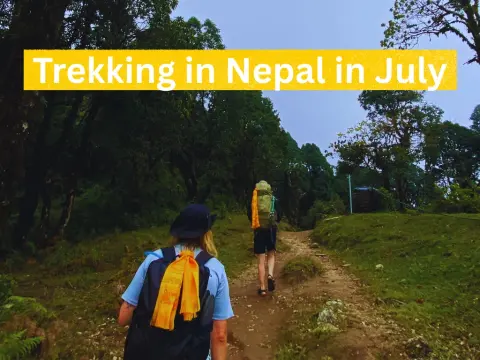
Trekking in Nepal in July offers a completely different yet deeply rewarding adventure for travelers seeking lush landscapes, peaceful trails, and aut...
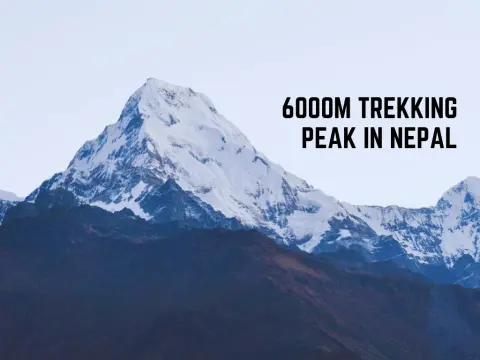
Why 6000m Trekking Peaks Nepal Should Be Your Next AdventureStanding atop a 6000-meter summit in the Himalayas, with prayer flags snapping in the wind...
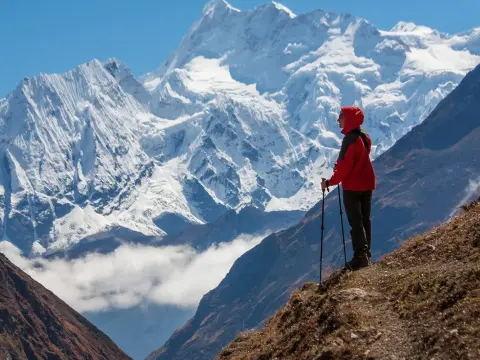
Introduction: Why Nepal is Perfect for Budget TrekkingNepal has long been celebrated as one of the world's premier trekking destinations, but what man...

Introduction"Tailor-made Nepal trips put you in control: Discuss routes, adjust plans, and experience the Himalayas your way with expert local guides"...
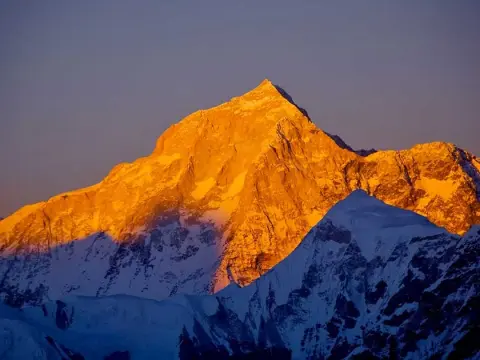
Introduction: Understanding Makalu Base Camp Trek DifficultyThe Makalu Base Camp trek difficulty requires honest evaluation before committing to this...
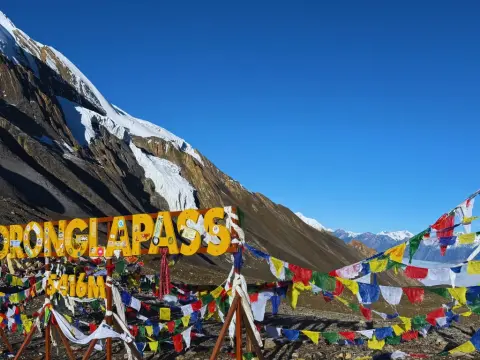
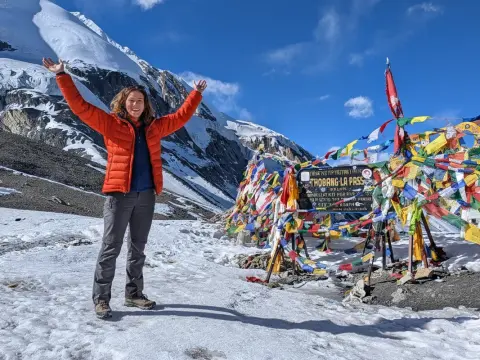
Thorang la Pass is one of the highest and most iconic trekking passes in Nepal, located at 5,416 m (17,769 ft). The pass connects Manang and Mustang a...
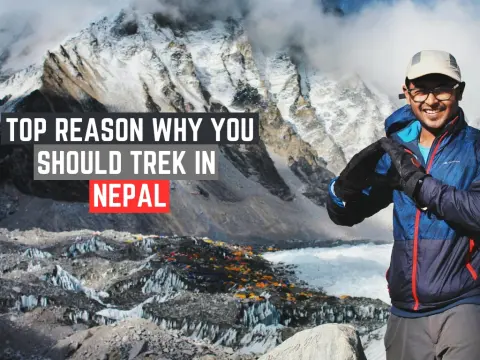
If you've ever wondered why trekking in Nepal captivates adventurers from every corner of the globe, the answer lies in its extraordinary combination...
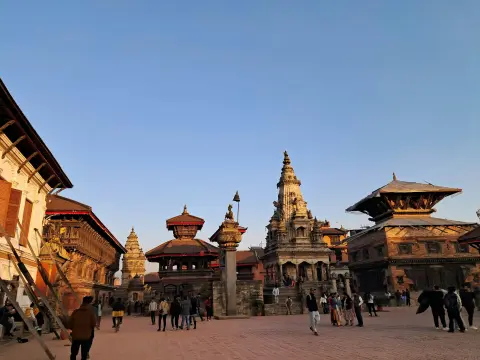
Nepal is a land where ancient temples rise against snow-capped peaks, where the aroma of spices fills narrow alleyways, and where every corner reveals...
December transforms Nepal's trekking trails into a spectacular winter wonderland. While many travelers assume trekking season ends after November, Nep...

Nepal is a land where nature paints its most spectacular masterpieces. From the towering peaks of the Himalayas to serene alpine lakes, dense jungles...
