
Best Time to Trek in Nepal
17 Jan 2026
Let's cut straight to it. Autumn, specifically September through November, is the best time to trek in Nepal. Spring runs a very close second, coverin...

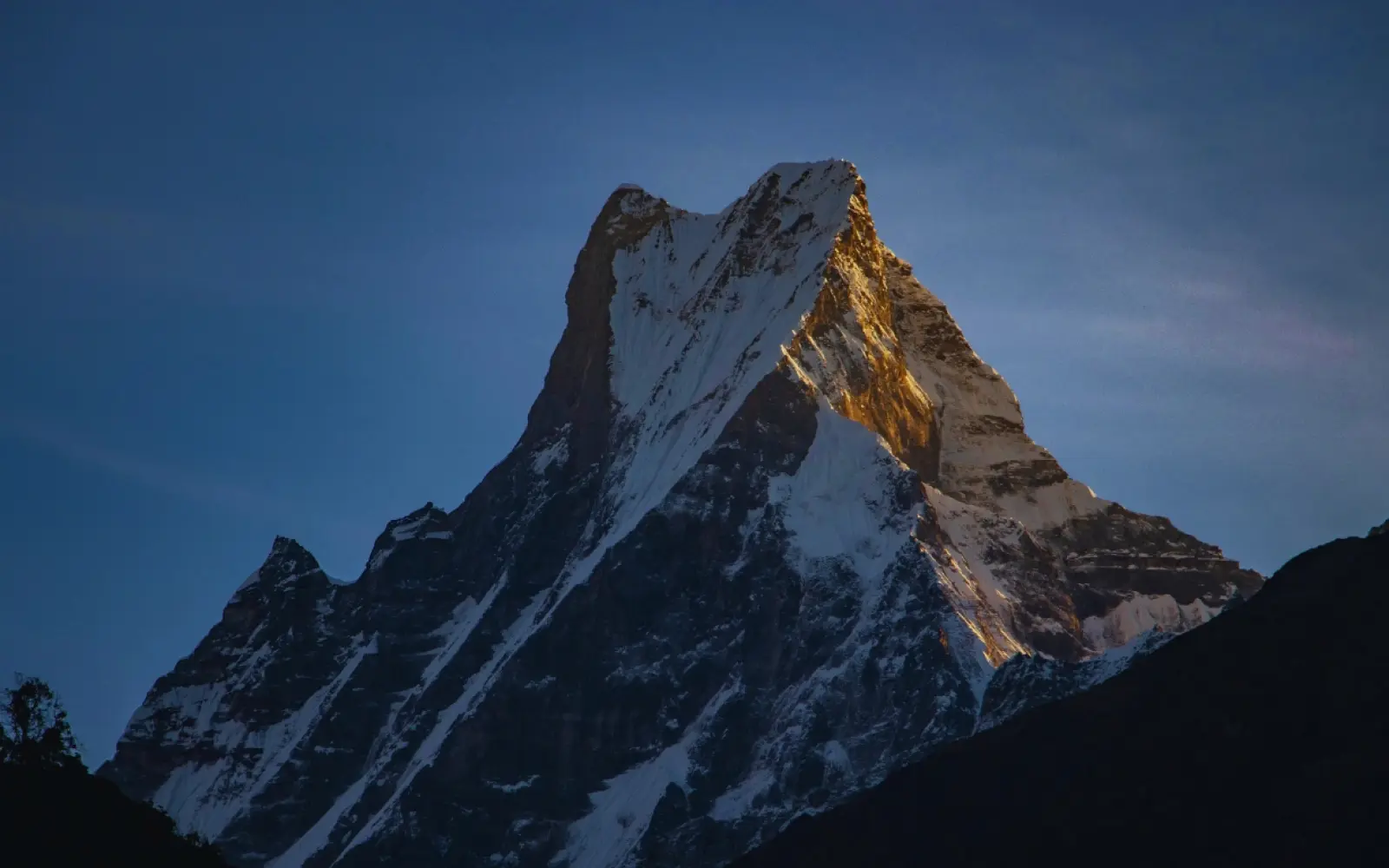

Macchapuchre stands as one of the most iconic and mysterious peaks in the entire Himalayan range. Also commonly spelled Machhapuchhre, this magnificent mountain earned its beloved nickname "Fishtail" from its distinctive twin-summit ridge that resembles the forked tail of a fish when viewed from certain angles. Standing at an impressive elevation of 6,993 meters (22,943 feet), Macchapuchre holds a unique distinction that separates it from virtually every other major Himalayan peak – it remains an unclimbed mountain in Nepal.
The Nepal government has permanently banned all climbing expeditions to Macchapuchre's summit due to its profound sacred status among local communities. Located within the spectacular Annapurna region of central Nepal, this breathtaking peak is considered the earthly abode of Lord Shiva, making it one of the most spiritually significant mountains in Hindu and Buddhist traditions. For trekkers exploring Nepal's famous trails, Macchapuchre represents something rare – a pristine, untouched summit that humans have deliberately chosen to preserve.
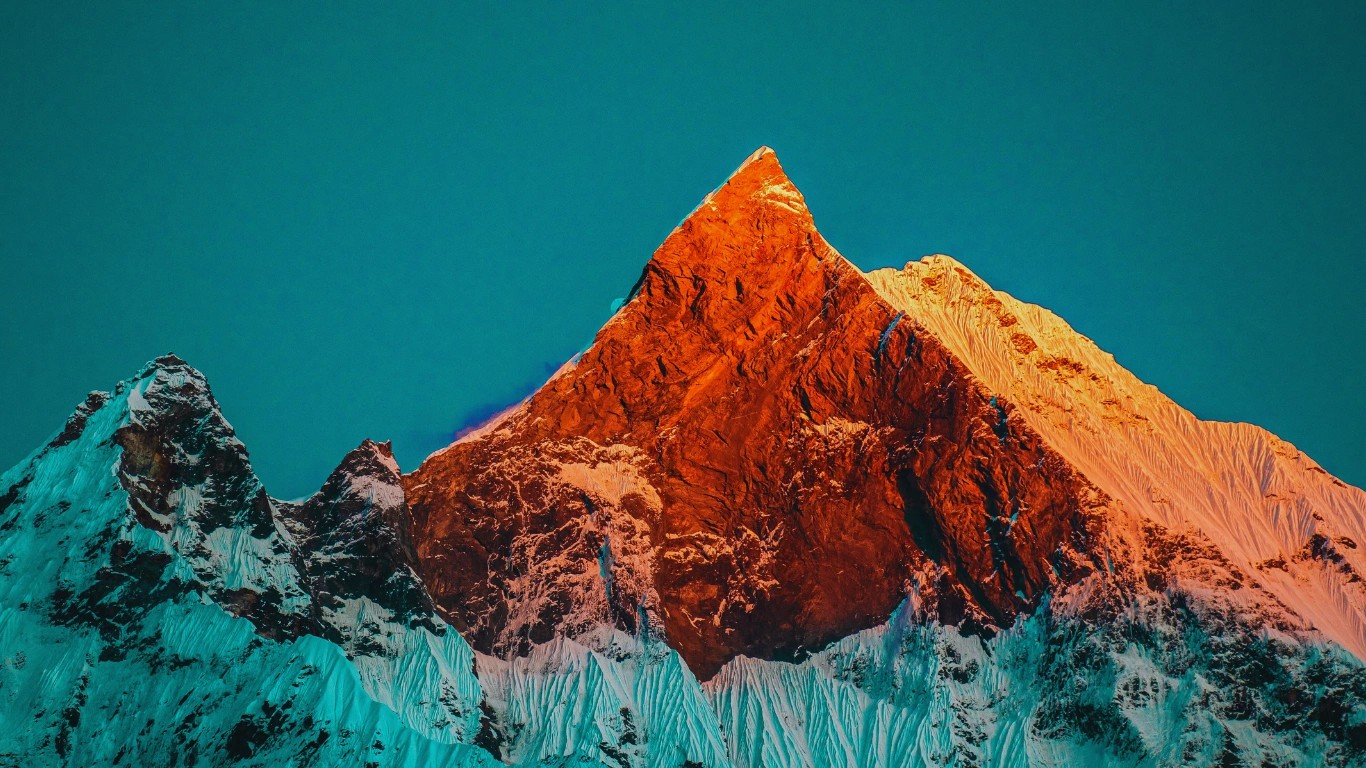
Macchapuchre occupies a commanding position within the Annapurna Conservation Area, the first and largest conservation area established in Nepal. The mountain sits at approximately 28°29'51"N latitude and 83°56'55"E longitude, placing it firmly in the central Himalayan region of Nepal.
The peak forms a crucial part of the Annapurna massif's northern rim, positioned just south of the famous Annapurna Base Camp. From this location, Macchapuchre serves as a natural gateway to the Annapurna Sanctuary – the high-altitude glacial basin surrounded by towering Himalayan giants.
Perhaps most remarkably, this sacred mountain is clearly visible from Pokhara, Nepal's second-largest tourist city located approximately 25 kilometers to the south. Visitors relaxing by Phewa Lake can watch the Fishtail mountain Nepal residents cherish transform through countless colors during sunrise and sunset, making it one of the most photographed peaks in the country.
The mountain's accessibility in terms of visibility, combined with its permanently off-limits summit, creates a fascinating paradox that draws trekkers from around the world to witness its majesty up close.
The story of why Macchapuchre remains unclimbed combines mountaineering history with deep cultural reverence.
In 1957, a British expedition led by Jimmy Roberts attempted the first ascent of mountain via its north ridge. The team made remarkable progress through extremely technical terrain, eventually reaching an estimated altitude of approximately 6,997 meters – just 50 meters (roughly 150 feet) below the true summit.
However, the climbers deliberately stopped short of the top.
According to historical accounts, Roberts and his team chose not to complete their ascent out of respect for the mountain's sacred significance to local Gurung communities. The expedition had promised Nepalese authorities they would not set foot on the actual summit, and they honored this commitment despite being tantalizingly close to success.
Following this expedition, the Nepal government made a decisive choice. Recognizing the deep spiritual importance of Macchapuchre to indigenous communities, authorities permanently banned all future climbing attempts. No mountaineering permits have been issued since, and the mountain remains officially closed to summiting.
For the local Gurung people and many Hindu practitioners, Macchapuchre is believed to be the sacred home of Lord Shiva, one of the principal deities in Hinduism. The mountain's perfect pyramidal shape and ethereal presence reinforce these beliefs, making any human footprint on its summit deeply inappropriate from a spiritual perspective.
This unclimbed peak in Nepal therefore represents something extraordinary in mountaineering – a technical challenge that humanity has consciously chosen not to conquer, preserving its sanctity for future generations.
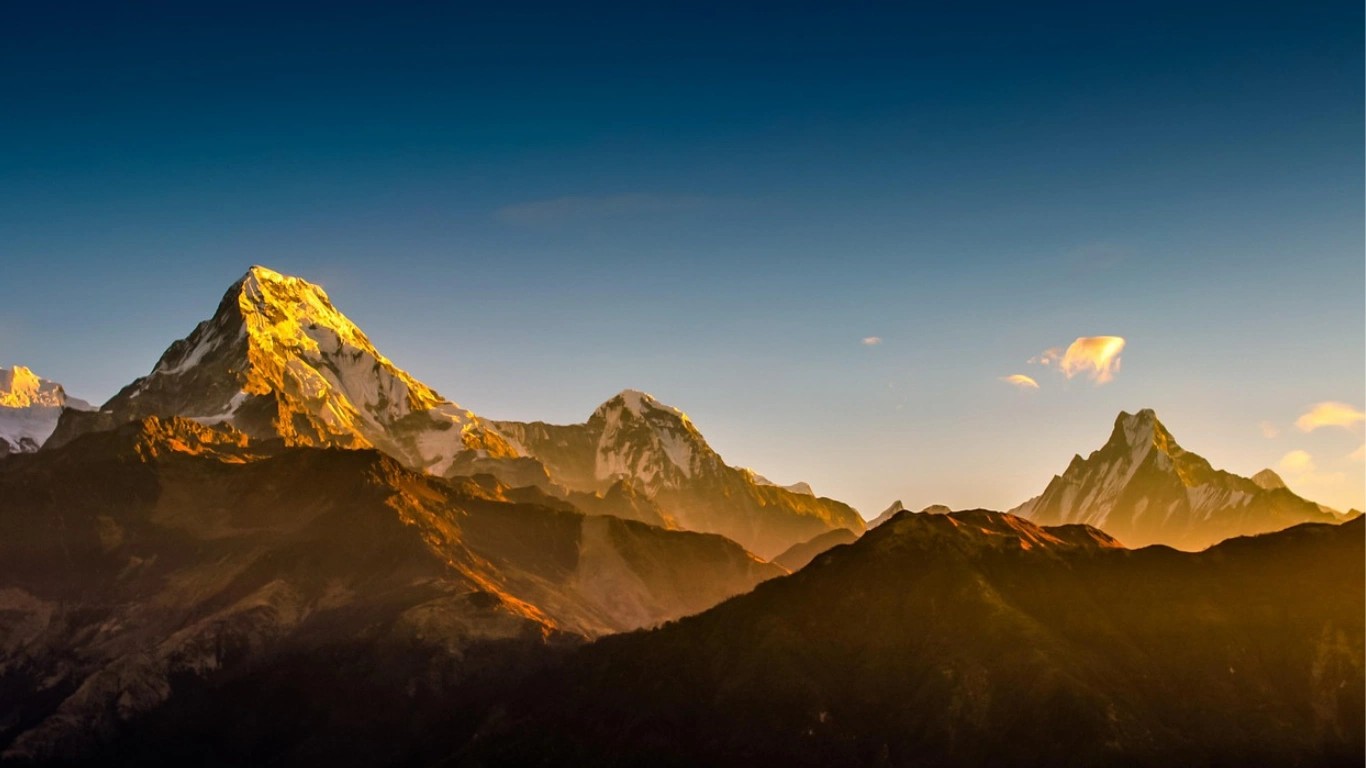
Macchapuchre's official elevation of 6,993 meters places it just seven meters shy of the significant 7,000-meter threshold. While this height ranks it below Nepal's fourteen 8,000-meter giants, the mountain presents exceptional technical challenges.
Key Technical Characteristics:
The mountain's dramatic profile results from its extraordinarily steep faces. Unlike broader peaks that offer multiple route options, Macchapuchre presents consistently severe angles regardless of the chosen approach. The twin summits creating the distinctive fishtail appearance are separated by a narrow, knife-edge ridge that would challenge even the most experienced technical climbers.
Mountaineering experts have noted that even if climbing were permitted, Macchapuchre would likely rank among the most dangerous Himalayan ascents due to:
These factors combine to make Macchapuchre not merely sacred, but genuinely formidable from a purely mountaineering perspective.
While standing atop Macchapuchre remains forbidden, trekkers can experience the mountain's magnificence through two distinct base camp approaches. These accessible routes allow visitors to witness the Fishtail's grandeur while respecting its protected status.
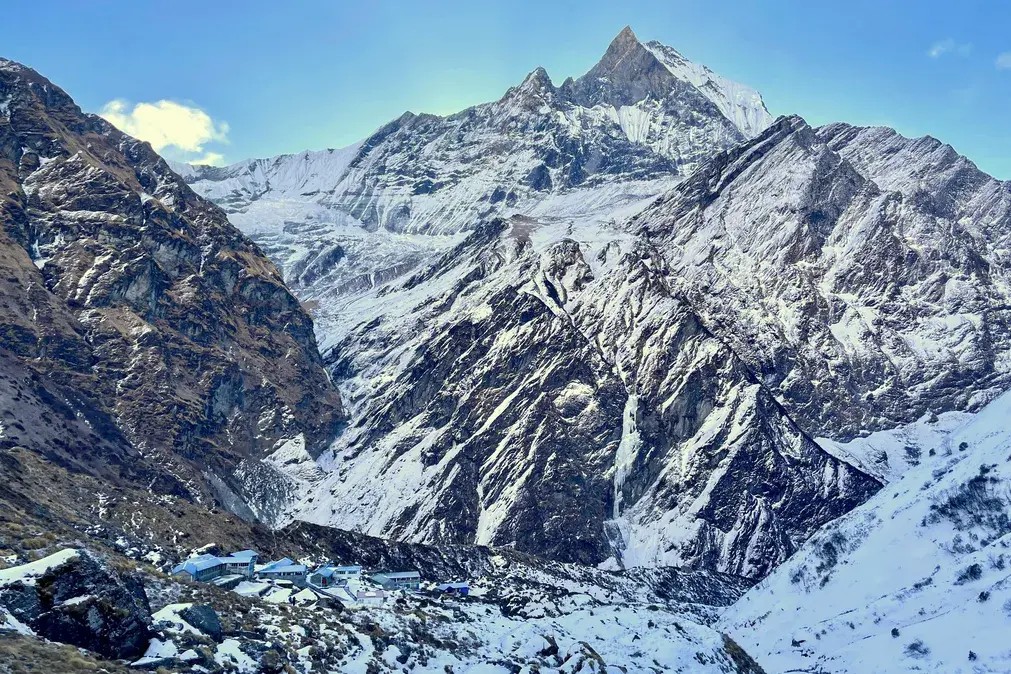
The most popular route to experience Macchapuchre up close follows the classic Annapurna Base Camp trek. Macchapuchre Base Camp sits at approximately 3,700 meters (12,139 feet) and serves as a crucial waypoint on the journey to Annapurna's glacial sanctuary.
Located within the narrowing valley leading to the Annapurna Sanctuary, MBC offers extraordinarily close views of the Fishtail's imposing south face. Trekkers arriving at this camp often spend contemplative evenings watching alpenglow paint the mountain's flanks in brilliant shades of orange and pink.
MBC Trek Highlights:
The Macchapuchre base camp experience through this route provides the most intimate encounter with the sacred peak available to visitors.
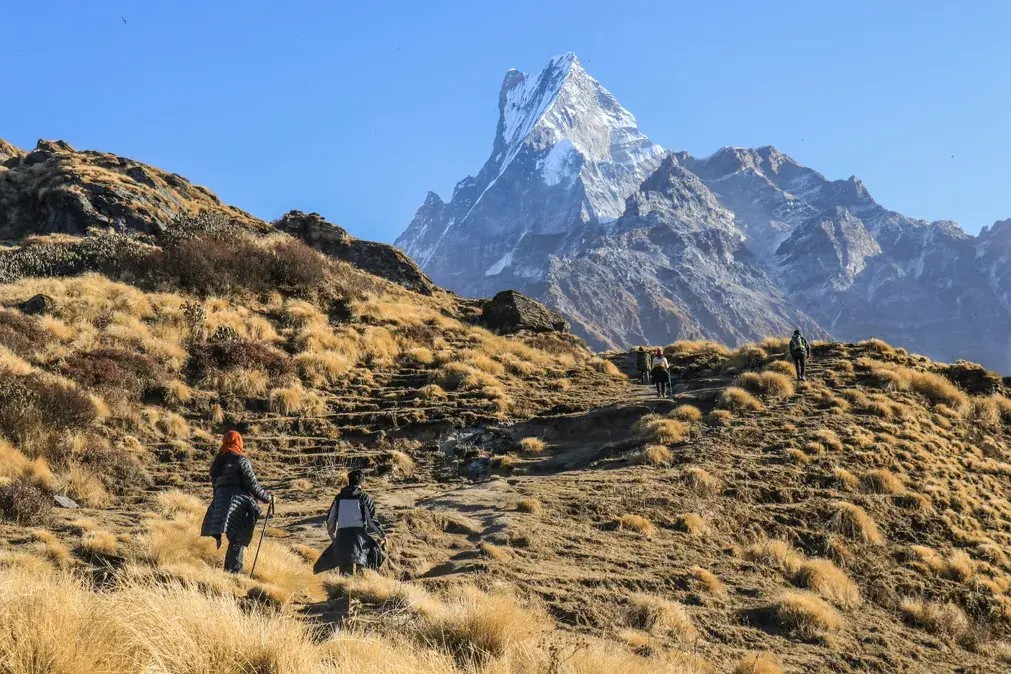
The Mardi Himal Trek offers a compelling alternative for trekkers seeking dramatic Fishtail views from a different perspective. This less-traveled route approaches the mountain's eastern flanks, providing panoramic vistas that differ significantly from the ABC trail.
The Mardi Himal high camp, situated around 4,500 meters, delivers stunning close-up views of Macchapuchre's distinctive twin summits. From this angle, the fishtail formation appears particularly pronounced against the high-altitude sky.
Mardi Himal Route Advantages:
Although no one can climb Macchapuchre, trekkers can experience its powerful presence through these accessible base camp routes, each offering unique perspectives on Nepal's most sacred mountain.
The spiritual importance of Macchapuchre extends far beyond simple mythology. For the Gurung people indigenous to the Annapurna region, this mountain represents a living deity requiring respect and protection.
According to local beliefs, Macchapuchre serves as the throne of Lord Shiva, the destroyer and transformer within the Hindu trinity. The mountain's perfect pyramidal shape, visible only from specific angles, symbolizes the lingam – a sacred representation of Shiva's divine energy.
Local traditions hold that disturbing the mountain's summit would bring misfortune to surrounding communities. Stories passed through generations describe the peak's spiritual protectors and the mountain's role in regional weather patterns and agricultural cycles.
Buddhist communities in the area similarly revere Macchapuchre, viewing it as a power place where spiritual energies concentrate. Many consider the mountain a site of natural blessing, with prayers offered toward its summit during important ceremonies.
This cultural significance influences responsible trekking practices throughout the region. Experienced guides from organizations like Majestic Trails Nepal emphasize the importance of approaching these sacred landscapes with appropriate reverence, ensuring visitors understand they are entering spiritually significant territory.
| Feature | Macchapuchre | Annapurna I |
|---|---|---|
| Height | 6,993 m | 8,091 m |
| Climbing Status | Unclimbed (Banned) | Open to expeditions |
| First Ascent | Never completed | 1950 |
| Technical Difficulty | Extreme | Very High |
| Religious Significance | Extremely Sacred | Moderate |
| Fatality Rate | N/A | Highest among 8000ers |
| Permit Availability | None issued | Available |
This comparison illustrates Macchapuchre's unique position – a technically demanding peak that remains forever closed while surrounded by successfully climbed giants.
Timing significantly impacts visibility and overall experience when trekking to witness this unclimbed mountain in Nepal.
Spring offers excellent visibility with rhododendrons blooming along lower trails. Temperatures remain comfortable, and snow conditions at Macchapuchre base camp become more manageable as the season progresses. Clear morning skies provide outstanding photography opportunities.
The premier trekking season delivers consistently clear skies and stable weather patterns. Post-monsoon conditions create crisp mountain views with minimal haze. October represents peak season, combining ideal temperatures with maximum visibility of the Fishtail mountain Nepal trekkers travel far to witness.
Adventurous trekkers encounter snow-covered trails and fewer crowds. Views can be spectacular on clear days, though afternoon clouds frequently obscure summits. Lower temperatures and shorter daylight hours require additional preparation.
Reaching Macchapuchre Base Camp typically follows the established Annapurna Base Camp Trek route, one of Nepal's most popular trekking experiences.
Standard Itinerary Details:
The trek passes through diverse terrain, from subtropical forests to high alpine environments. Traditional Gurung villages provide cultural immersion opportunities, while teahouse accommodations eliminate the need for camping equipment.
From Pokhara, the journey begins with a scenic drive to the trailhead, followed by steadily ascending paths through terraced farmland and rhododendron forests before entering the dramatic Annapurna Sanctuary.
The answer remains definitively no.
The Nepal government maintains its permanent ban on Macchapuchre climbing expeditions. No permits have been issued since the 1957 British attempt, and authorities show no indication of changing this policy.
Attempting unauthorized ascents would constitute a serious violation of Nepalese law, potentially resulting in significant penalties including fines and imprisonment. More importantly, such attempts would represent profound disrespect toward local communities and their spiritual traditions.
The mountaineering community broadly supports this prohibition, recognizing that preserving certain peaks serves important cultural and environmental purposes.
Witnessing the majesty of Nepal's most sacred unclimbed mountain requires thoughtful planning and cultural sensitivity. Majestic Trails Nepal brings deep regional expertise to every Annapurna journey, with guides who understand both the practical trekking requirements and the profound spiritual significance of these landscapes.
Our experienced team has led countless treks to Macchapuchre Base Camp and along the Mardi Himal route, ensuring safe passage while sharing authentic insights into local Gurung traditions. We believe responsible trekking means approaching sacred mountains with appropriate reverence, treating these ancient landscapes as the spiritual sanctuaries they represent to indigenous communities.
Whether you choose the classic ABC route with its intimate MBC experience or prefer the less-traveled Mardi Himal perspectives, our carefully designed itineraries prioritize proper acclimatization, cultural immersion, and meaningful connections with Nepal's extraordinary mountain heritage.
Discover the sacred Fishtail peak responsibly – let its untouched summit inspire wonder while your journey respects the traditions that keep it forever pristine.
No verified summit has ever been recorded. The 1957 British team stopped roughly 50 meters below the true summit as a gesture of respect. Since then, no climbing permits have been issued, and no further attempts have been allowed.
The official elevation of Macchapuchre is 6,993 meters (22,943 feet). Despite being lower than Nepal’s 8,000-meter giants, it is one of the world’s most famous unclimbed peaks.
A British expedition led by Colonel Jimmy Roberts climbed Fishtail Mountain in 1957. However, the team stopped just below the true summit out of respect for the mountain's sacred status. Since then, no other climbers have been permitted to attempt the mountain.
Fishtail Mountain is banned from climbing because of local religious beliefs. Many people believe that if someone reaches the summit, it could bring a major natural disaster. Another reason is that the mountain is highly technical and challenging to climb.
No one has officially summited Fishtail Mountain. In 1957, a British expedition climbed the mountain but stopped just short of the summit out of respect for its sacred status. After that, the Nepalese government stopped issuing climbing permits, and the mountain has remained closed to climbers ever since.
October and November are considered the best months. Post-monsoon skies are usually crystal clear, offering unobstructed views of the sacred summit and surrounding Himalayan ranges.
Fishtail Mountain is sacred because local people believe that Lord Shiva resides at the top of the mountain. This is why meat is banned beyond certain points on the way to Annapurna Base Camp (ABC).

Let's cut straight to it. Autumn, specifically September through November, is the best time to trek in Nepal. Spring runs a very close second, coverin...

Short on time but big on ambition? Nepal delivers extraordinary mountain experiences in as little as three days, and this guide breaks down exactly wh...
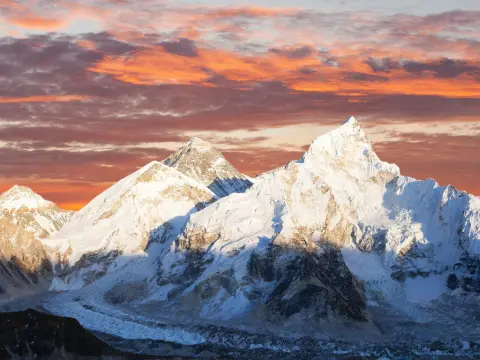
Nepal is a country defined by mountains. Stretching across the country’s northern edge, the Himalayas pack Earth’s highest peaks into one nation. Eigh...
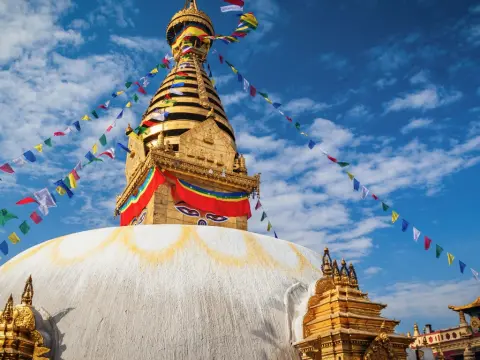
People visiting Kathmandu almost always ask the same two questions about Swayambhunath: how high is it, and where exactly is it? Seems simple. But the...
The first rays of dawn strike the summit of an 8,000-meter giant. Your breath forms clouds in the crisp mountain air. Below your feet, ancient glacier...
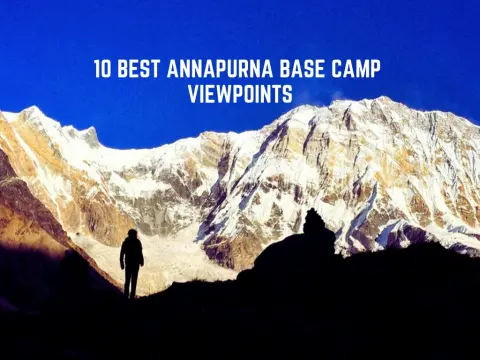
The alarm rings at 4:30 AM. You stumble out of your sleeping bag in Machhapuchhre Base Camp, cursing the cold—until you step outside.The first rays of...

The morning mist parts slowly, revealing a hillside ablaze with crimson rhododendrons. Somewhere in the branches above, a Himalayan Monal's iridescent...
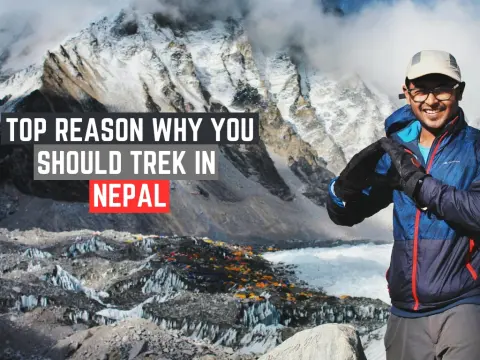
If you've ever wondered why trekking in Nepal captivates adventurers from every corner of the globe, the answer lies in its extraordinary combination...
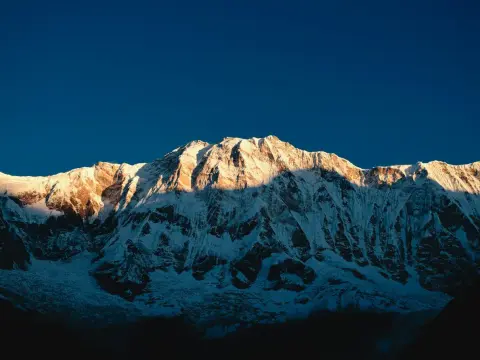
The term "killer mountain" carries a somber weight in mountaineering circles. It refers to peaks with exceptionally high fatality rates relative to su...
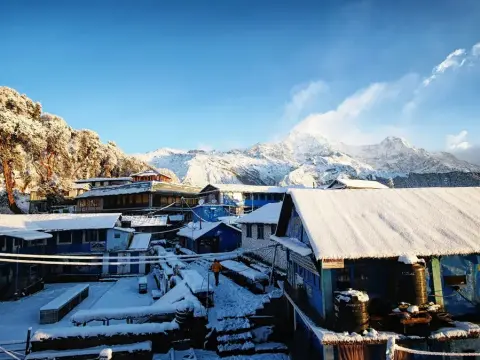
Winter in Nepal gets misunderstood a lot. Most travelers from Europe or North America picture deep snowdrifts, frozen trails, and dangerous conditions...
