
Group Departure Trekking in Nepal – Join Pre-Scheduled Adventures
3 Jul 2025
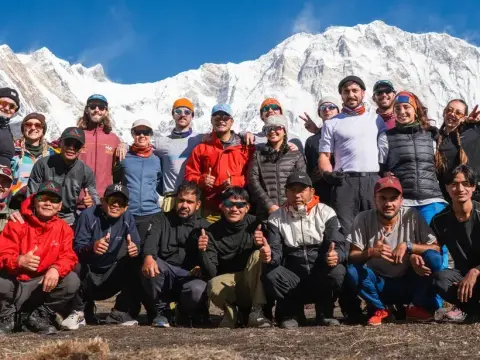
Group Departure Trekking in Nepal offers the perfect solution for adventurers who want to explore the Himalayas without the hassle of planning every d...

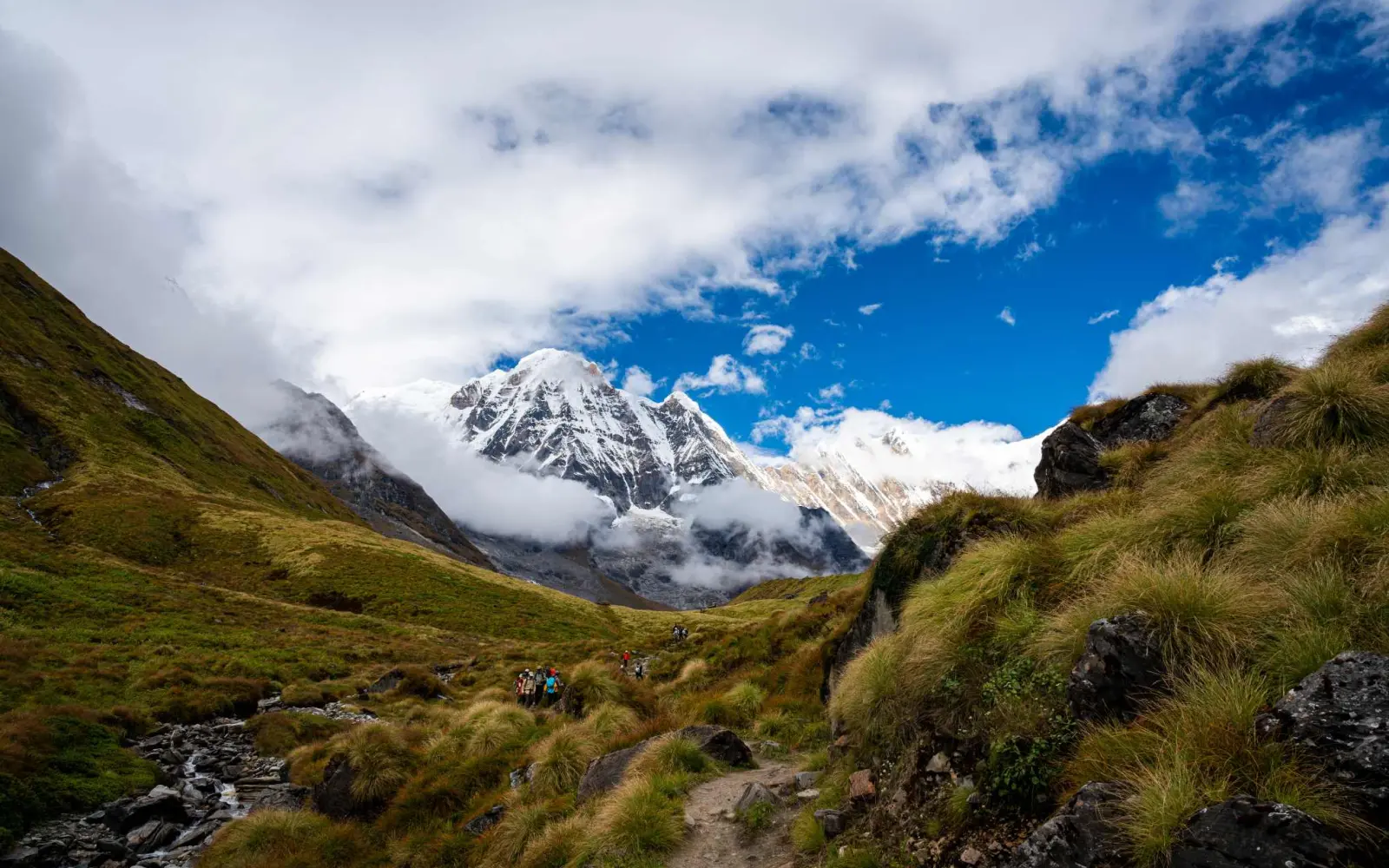

The Annapurna Base Camp trek is a moderate trek, suitable for fit beginners, with no technical climbing required. Its main challenge is not the altitude but the thousands of stone stairs — over 10,000 steps across the route — that test your legs on both the climb up and the long descent. The trek reaches a maximum altitude of 4,130 m and takes 7 to 12 days depending on your route and pace. Most reasonably fit people complete it successfully with 8–12 weeks of basic preparation and a sensible, well-acclimatized itinerary.
Key Takeaways:
| Detail | Information |
|---|---|
| Difficulty rating | Moderate |
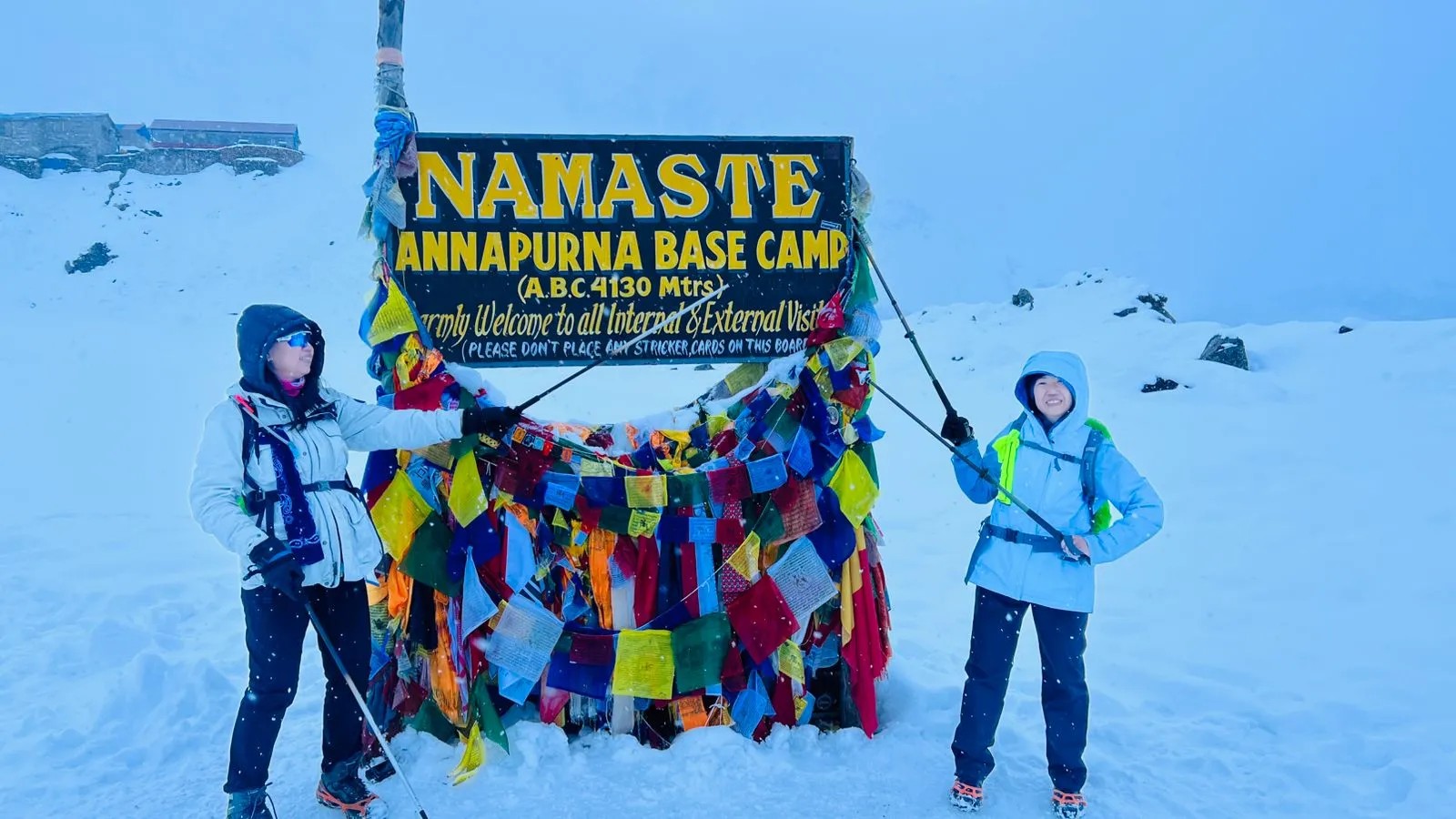
| Max altitude | 4,130 m (Annapurna Base Camp) |
| Main challenge | Stone stairs (10,000+ steps) |
| Duration | 7–12 days |
| Daily walking | 5–7 hours |
| Technical skills | None required |
| Best for | Fit beginners and up |
One October, our guides watched a 67-year-old grandmother from Japan reach Annapurna Base Camp with tears streaming down her face. Three days earlier, she had questioned whether she could continue past Deurali. That same week, a 25-year-old marathon runner struggled severely with altitude above Machhapuchhre Base Camp and needed extra acclimatization time. These contrasting experiences are exactly why understanding Annapurna Base Camp difficulty takes an honest, nuanced look rather than a single rating.
At Majestic Trails Nepal, we guide hundreds of trekkers through this iconic sanctuary every year. Between them, our guides have walked this trail thousands of times, seeing every possible scenario — from effortless journeys to emergency evacuations. This guide shares that accumulated experience so you can accurately judge whether your fitness, background, and expectations match the trek's real demands.
Whether you are considering our 14-day ABC trek or the shorter 9-day Express itinerary, understanding the real challenges ahead turns anxiety into confident preparation.
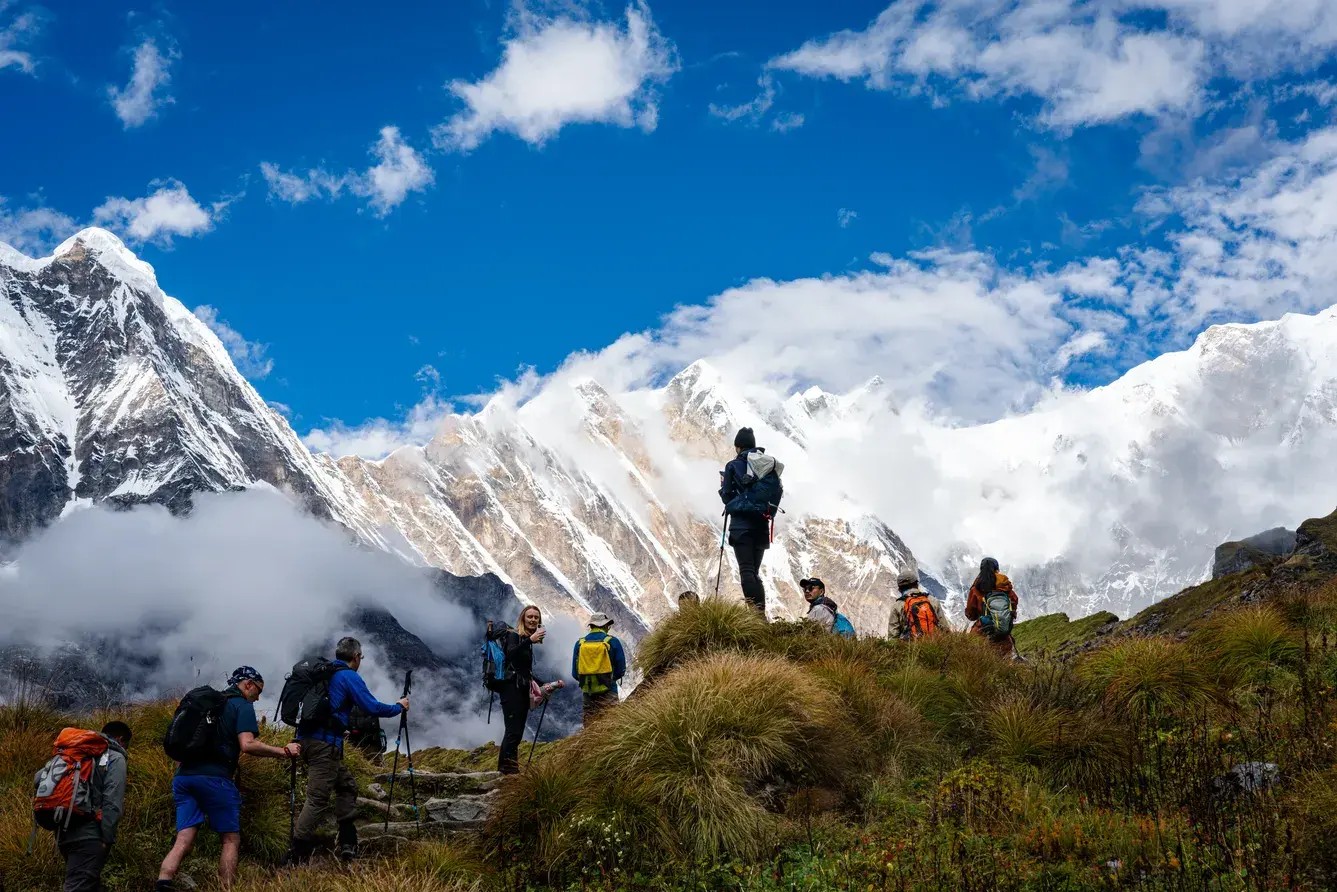
The Annapurna Base Camp height reaches 4,130 meters (13,549 feet) above sea level. This elevation places ABC in the "high altitude" category, where physiological effects become significant for most trekkers.
| Altitude Category | Elevation Range | Effects on Body | ABC Trek Relevance |
|---|---|---|---|
| Low Altitude | Below 1,500m | None | Starting point (Nayapul: 1,070m) |
| Moderate Altitude | 1,500–2,500m | Minimal for most | Days 1–3 of trek |
| High Altitude | 2,500–3,500m | Noticeable effects begin | Mid-trek sections |
| Very High Altitude | 3,500–5,500m | Significant acclimatization needed | Deurali to ABC |
The Annapurna Base Camp elevation gain totals approximately 3,060 meters from Nayapul, but that figure doesn't tell the whole story. You climb and descend repeatedly along the way, accumulating far more vertical movement than a simple start-to-finish calculation suggests.
The oxygen level at Annapurna Base Camp drops to roughly 60% of sea-level concentration. At 4,130 meters, each breath delivers noticeably less oxygen to your muscles and brain, which causes:
From our senior guides (20+ years on the trail): "We tell every trekker — respect the altitude, don't race it. The mountain isn't going anywhere. Your body needs time to adapt, and rushing creates problems that patience prevents."
Understanding Annapurna Base Camp difficulty means looking at each section individually, because the challenges vary dramatically between trail segments. Knowing what awaits helps you pace yourself well. (Our standard ABC trek runs 14 days; the Express version compresses this into 9.)
Starting elevation: 1,070m
Ending elevation: 2,050m
Distance: Approximately 12 km total
The journey begins deceptively gently. Flat trails along the Modi Khola river lull trekkers into complacency. Then Ulleri appears.
The truth about Ulleri's stone stairs:
The climb from Tikhedhunga to Ulleri features approximately 3,000 stone steps, ascending roughly 700 vertical meters. This relentless staircase typically takes 1 hour 35 minutes to 2 hours of continuous uphill effort.
What makes it challenging:
A tip from our guides: "We position ourselves behind first-time trekkers on the Ulleri stairs. When they look up and see more steps, many feel defeated — but looking back shows how far they've climbed. Perspective matters enormously here."
Difficulty rating: Moderate to Challenging (mainly due to sustained climbing)
Starting elevation: 2,050m
Ending elevation: 2,870m
Distance: Approximately 7 km
After the previous day's intensity, this section offers welcome relief. The trail climbs gradually through beautiful rhododendron forests, with moderate stone stair sections.
What to expect:
Difficulty rating: Easy to Moderate
Poon Hill sunrise: 2,870m → 3,210m
Then descend to Tadapani: 2,660m
This day challenges both fitness and mental resilience through constant elevation changes.
Early morning Poon Hill climb:
The pre-dawn ascent to Poon Hill gains 340 meters in roughly 45 minutes. Starting around 4:30 AM in darkness and cold, you climb steep stone stairs alongside hundreds of other trekkers seeking sunrise views.
The challenging descent:
After sunrise, the real test begins. Returning to Ghorepani, then descending through forest toward Tadapani, involves:
Difficulty rating: Moderate to Challenging (cumulative fatigue, knee stress)
Elevation range: 2,660m → 2,170m → 2,310m
These days feature the infamous Chhomrong stairs — both the descent and the ascent of this hillside village test even experienced trekkers.
The Chhomrong challenge:
Descending into the valley below Chhomrong involves approximately 2,500 stone steps. What goes down must come up — the opposite side requires climbing back to a similar elevation.
What our trekkers tell us: "Nobody warned me about Chhomrong. After four days of trekking, those stairs going down destroyed my quads. Going up the other side, I questioned every life decision that brought me here. Worth it, but brutal."
Difficulty rating: Challenging (cumulative leg fatigue, stone stair intensity)
Elevation range: 2,310m → 3,230m → 3,700m
Now you enter the inner sanctuary, where the altitude effects become pronounced. The trail narrows, the vegetation thins, and the air feels noticeably lighter.
What changes:
Acclimatization becomes critical:
Between Deurali and MBC, many trekkers feel their first significant altitude symptoms. Walking slowly, staying hydrated, and telling your guide about any symptoms keeps minor discomfort from becoming serious altitude sickness.
Difficulty rating: Challenging (altitude effects, terrain, accumulated fatigue)
Starting elevation: 3,700m
Ending elevation: 4,130m
Distance: Approximately 3 km
Time: 2–3 hours
The final approach follows a gradually ascending valley floor. Technically straightforward, this section challenges trekkers through altitude rather than terrain.
What to expect:
Difficulty rating: Moderate terrain, Challenging due to altitude
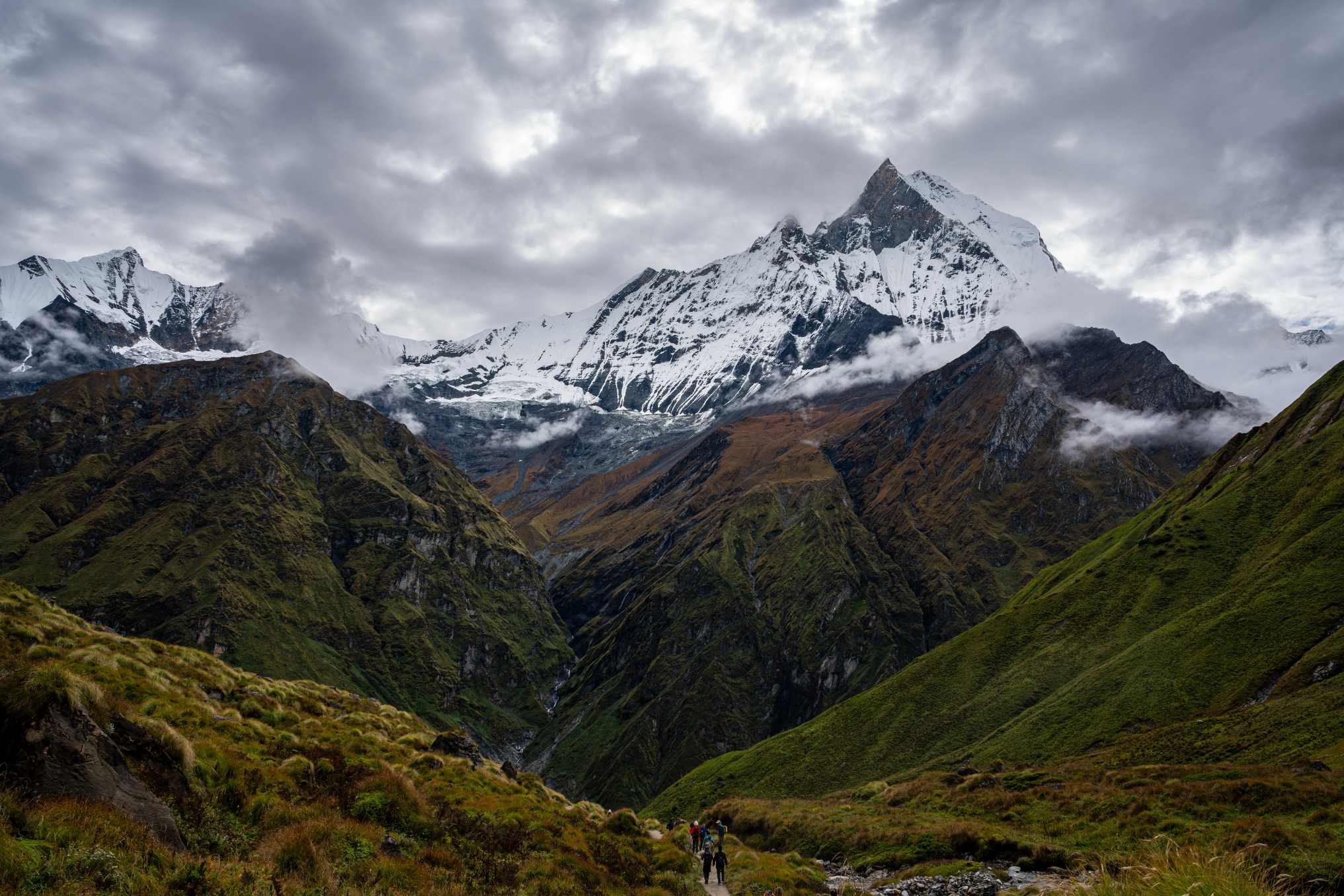
Some trekkers opt for condensed itineraries that reach ABC in 5–7 days. Understanding how this affects the difficulty helps you make the right choice.
| Factor | Standard Trek | Short/Express Trek |
|---|---|---|
| Daily distance | 8–15 km average | 15–22 km average |
| Daily elevation gain | 400–800m | 800–1,200m |
| Acclimatization time | Adequate | Compressed |
| Physical intensity | Moderate daily effort | High daily effort |
| Recovery opportunity | Rest days possible | Minimal rest |
| Altitude sickness risk | Lower | Significantly higher |
Starting from Jhinu or Chhomrong, short treks demand covering significant distance immediately. The first day typically involves:
Our honest advice: "Short treks suit fit, experienced trekkers who have been at altitude before. For beginners, we always recommend the full itinerary. Saving three days isn't worth altitude sickness — or missing the experience because you're exhausted."
Our 9-day Annapurna Base Camp Express Trek gives detailed daily breakdowns for those considering the condensed option.
Judging whether Annapurna Base Camp is dangerous means separating inherent hazards from manageable risks. The honest answer: it is a reasonably safe trek for prepared, guided trekkers, but the risks are real and worth respecting.
Altitude-related risks:
Trail hazards:
Statistical context:
Serious incidents on the ABC trail remain relatively rare compared to the volume of trekkers. Most problems stem from ignoring altitude sickness symptoms, inadequate preparation, trekking without guides in bad conditions, or pre-existing health conditions.
How we mitigate the risks:
Read the tips for Annapurna Base Camp Trek:
Cardiovascular training:
Strength training:
Specific preparation:
| Exercise | Weekly Target | Purpose |
|---|---|---|
| Loaded hiking | 2–3 sessions, building to 15 km | Trail simulation |
| Stair climbing | 30–45 minutes, 2 sessions | Ulleri preparation |
| Squats/lunges | 3 sets of 15, 3 sessions | Descent strength |
| Cardio | 150+ minutes total | Altitude tolerance |
Before the trek:
During the trek:
Hydration and nutrition:
Understanding the cost helps with planning. Prices vary significantly based on your trekking style.
| Cost Category | Budget (USD) | Mid-Range (USD) | Comfort (USD) |
|---|---|---|---|
| Permit (ACAP) | $23 | $23 | $23 |
| Guide services | $25–30/day | $35–45/day | $50+/day |
| Porter services | $18–25/day | $25–30/day | $30+/day |
| Accommodation | $5–10/night | $15–25/night | $30+/night |
| Meals | $15–20/day | $25–35/day | $40+/day |
| Transportation | $30–50 | $50–80 | $100+ |
| Insurance | $50–100 | $100–150 | $150+ |
Total estimated range: $800–2,500+ for the complete trek. For a full breakdown, see our Annapurna Base Camp Trek cost guide, which explains the same cost components in detail.
The number of days you take typically ranges from 7 to 14, depending on route and pace.
| Itinerary Type | Duration | Best For | Difficulty Impact |
|---|---|---|---|
| Express | 7–9 days | Fit, experienced trekkers | High intensity |
| Standard | 10–14 days | Most trekkers | Balanced |
| Comfortable | 12–14 days | Beginners, photographers, relaxed pace | Lower daily difficulty |
Our Annapurna Base Camp trek packages offer various durations suited to different fitness levels and time constraints.
There are over 10,000 stone steps on the Annapurna Base Camp trek in total. The two most demanding staircases are the Ulleri stairs (around 3,000 steps climbing 700 m) and the Chhomrong stairs (around 2,500 steps down and back up). These stone stairs — not the altitude — are the signature physical challenge of the ABC trek, on both the ascent and the knee-testing descent.
It is absolutely achievable for beginners with proper preparation. The trek doesn't require technical climbing skills — just reasonable fitness, mental determination, and respect for altitude. We have successfully guided complete beginners aged 16 to 70. Start training 8–12 weeks before departure, focusing on hiking, stair climbing, and cardiovascular fitness.
No, Annapurna Base Camp is generally easier than Everest Base Camp. ABC reaches 4,130 m over 7–12 days, while EBC reaches 5,364 m (and Kala Patthar at 5,545 m) over 12–14 days, meaning EBC involves higher altitude, more days, and greater altitude-sickness risk. ABC's challenge is concentrated in its stone stairs rather than extreme altitude, making it a better first Himalayan trek for many people.
No, Annapurna Base Camp is easier than the Annapurna Circuit. The Circuit is longer (12–18 days) and crosses the Thorong La Pass at 5,416 m, far higher than ABC's 4,130 m. ABC is shorter and lower, though its relentless stone stairs make it demanding in a different way. For a shorter, lower first trek, choose ABC; for a bigger high-altitude challenge, choose the Circuit. See our full Annapurna Circuit difficulty guide for a direct comparison.
Most trekkers reach Annapurna Base Camp in 4–5 days from Nayapul via the standard route. The complete round trip typically takes 7–12 days. Short treks accomplish this in 5–7 days but with significantly higher daily intensity and increased altitude-sickness risk.
Yes, altitude sickness affects many trekkers to varying degrees. Mild symptoms (headache, fatigue, breathlessness) are common above 3,500 m. Serious complications remain rare when trekkers follow proper acclimatization protocols, stay hydrated, and don't ignore warning signs.
The best seasons are autumn (October–November) for clear skies and stable weather, and spring (March–May) for rhododendron blooms and warming temperatures. Winter (December–February) is cold with some lodges closed, and monsoon (June–September) brings rain, leeches, and obscured views. Read our full guide on the best time to trek Annapurna Base Camp.
While not always legally mandatory, a guide significantly improves safety, navigation, cultural understanding, and the overall experience. For first-time Himalayan trekkers, a guide is invaluable — especially during bad weather or an altitude-sickness situation.
With proper preparation, experienced guides, and respect for conditions, ABC trekking is reasonably safe. Dangers exist — altitude sickness, weather, and trail hazards — but incidents remain rare relative to the number of trekkers. Insurance, guide services, and symptom awareness mitigate most risks effectively.
After guiding thousands of trekkers, one truth stays consistent: most people underestimate their own capability while overestimating the trek's difficulty. Yes, the stone stairs challenge your legs. Yes, the altitude demands respect. Yes, some days feel long and hard.
But watching that grandmother from Japan reach base camp reminds us why this trek transforms people. The challenge is what creates the achievement. Easy accomplishments don't produce the tears of joy we see at ABC week after week.
When you are ready, our Annapurna Base Camp trek page has detailed itineraries, packing lists, and booking information — and our team answers every question personally, helping you prepare for an adventure that stays with you for life.
→ View our 14-day Annapurna Base Camp Trek — the standard, well-paced route
→ Short on time? The 9-day ABC Express Trek — for fit, experienced trekkers
→ Compare with the Annapurna Circuit — a higher, longer challenge
Group Departure Trekking in Nepal offers the perfect solution for adventurers who want to explore the Himalayas without the hassle of planning every d...

The Langtang Valley Trek is one of Nepal’s most rewarding trekking adventures—less crowded than Everest or Annapurna, yet rich in culture, biodiversit...

Short on time but big on ambition? Nepal delivers extraordinary mountain experiences in as little as three days, and this guide breaks down exactly wh...
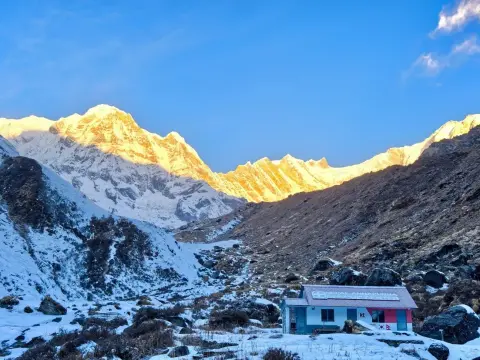
The Annapurna Base Camp trek stands among the world's most iconic Himalayan adventures. Every year, thousands of trekkers from across the globe journe...

Trekking to Annapurna Base Camp Trek is one of Nepal’s most iconic mountain journeys. For mountaineers, the climb begins here, but for trekkers, Annap...
