
Best Time to Trek Annapurna Base Camp – Seasons, Weather, and Expert Tips
28 Dec 2025
The Annapurna Base Camp trek stands among the world's most iconic Himalayan adventures. Every year, thousands of trekkers from across the globe journe...

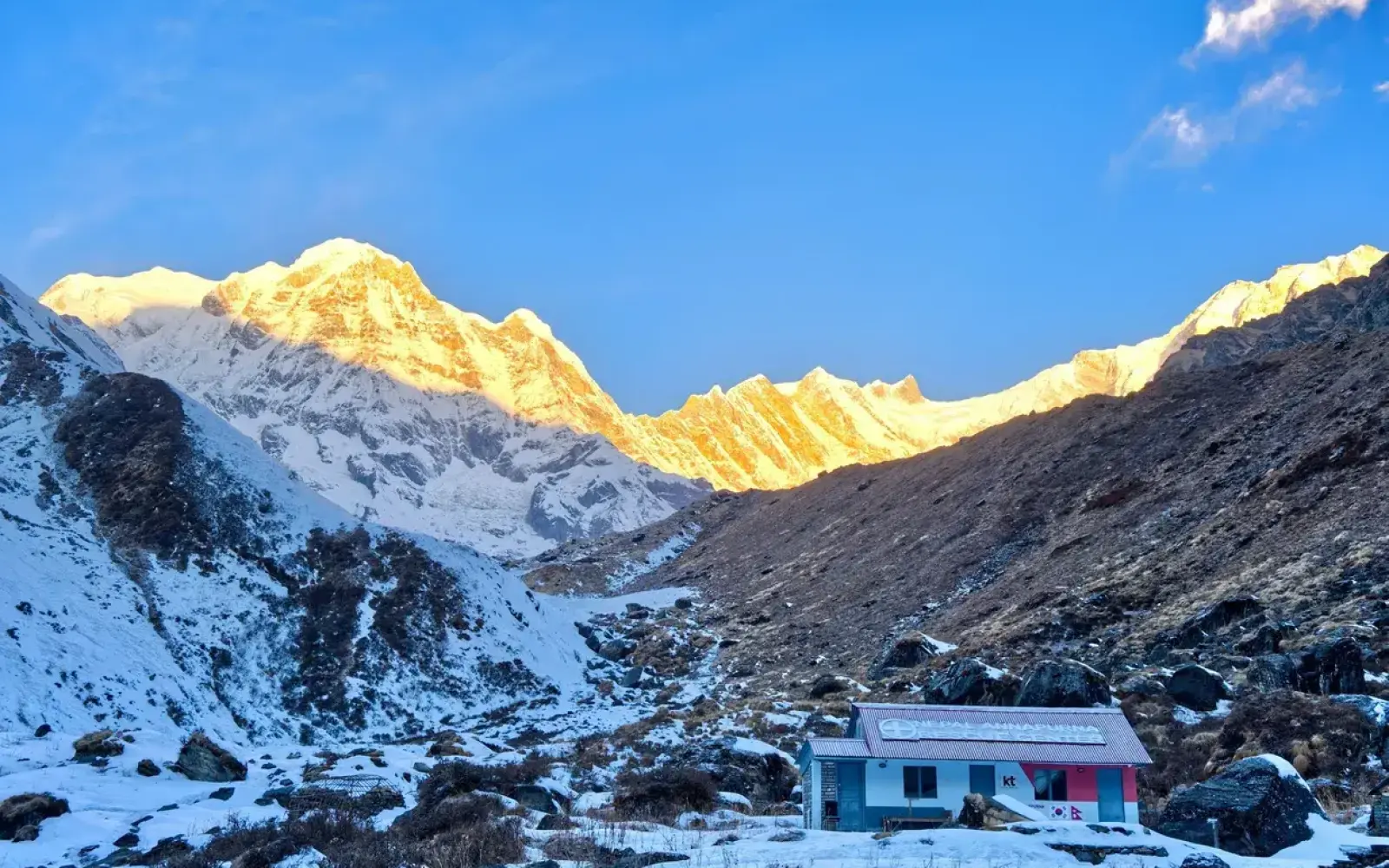

Nestled at 4,130 meters within a dramatic glacial amphitheater, the Annapurna Base Camp (ABC) trek stands among Nepal's most iconic Himalayan journeys. Surrounded by towering peaks — Annapurna I (8,091 m), Machapuchare (Fishtail), Hiunchuli, and Annapurna South — this trek consistently ranks as one of the most rewarding experiences available to trekkers of moderate fitness and ambition.
Yet behind every successful ABC trek lies a practical question that demands honest, detailed answers: how much does Annapurna Base Camp trek cost?
The truth is that no single figure applies universally. Your total trekking expenses in Nepal depend on the route you choose, the season you travel, your accommodation preferences, whether you hire a guide or porter, and how you manage daily spending on food, water, and transport. A budget-conscious solo trekker and a fully supported group traveler will experience vastly different cost realities on the same trail.
This guide provides a thorough ABC trek cost breakdown — covering every major category from permits and transport to meals and gear — so you can build a realistic Nepal trek budget before setting foot on the trail.
The Annapurna Base Camp trek offers multiple route options, each with different durations and therefore different overall costs. Understanding these variations is the first step toward accurate budgeting.
This is the classic, most popular itinerary. It includes the stunning Poon Hill sunrise detour, passes through diverse terrain from subtropical forest to alpine glacial basins, and allows generous acclimatization time.
Kathmandu Stay (1–2 Nights)
Most trekkers arrive in Kathmandu and spend one or two nights before traveling to Pokhara. Budget guesthouses in Thamel start at 800–1,500 NPR per night. Mid-range hotels range from 3,000–6,000 NPR, while premium properties with modern amenities can cost 10,000–20,000 NPR or more.
Transport: Kathmandu to Pokhara
Pokhara Stay (1–2 Nights)
Pokhara serves as the gateway to the Annapurna region. Accommodation near the popular Lakeside area starts at 600–1,200 NPR for budget rooms, 3,000–5,000 NPR for mid-range hotels, and 10,000–25,000 NPR for lakefront resorts. Most trekkers spend one night before and one night after the trek.
Pokhara to Nayapul (Trailhead)
Accommodation Along the Trek
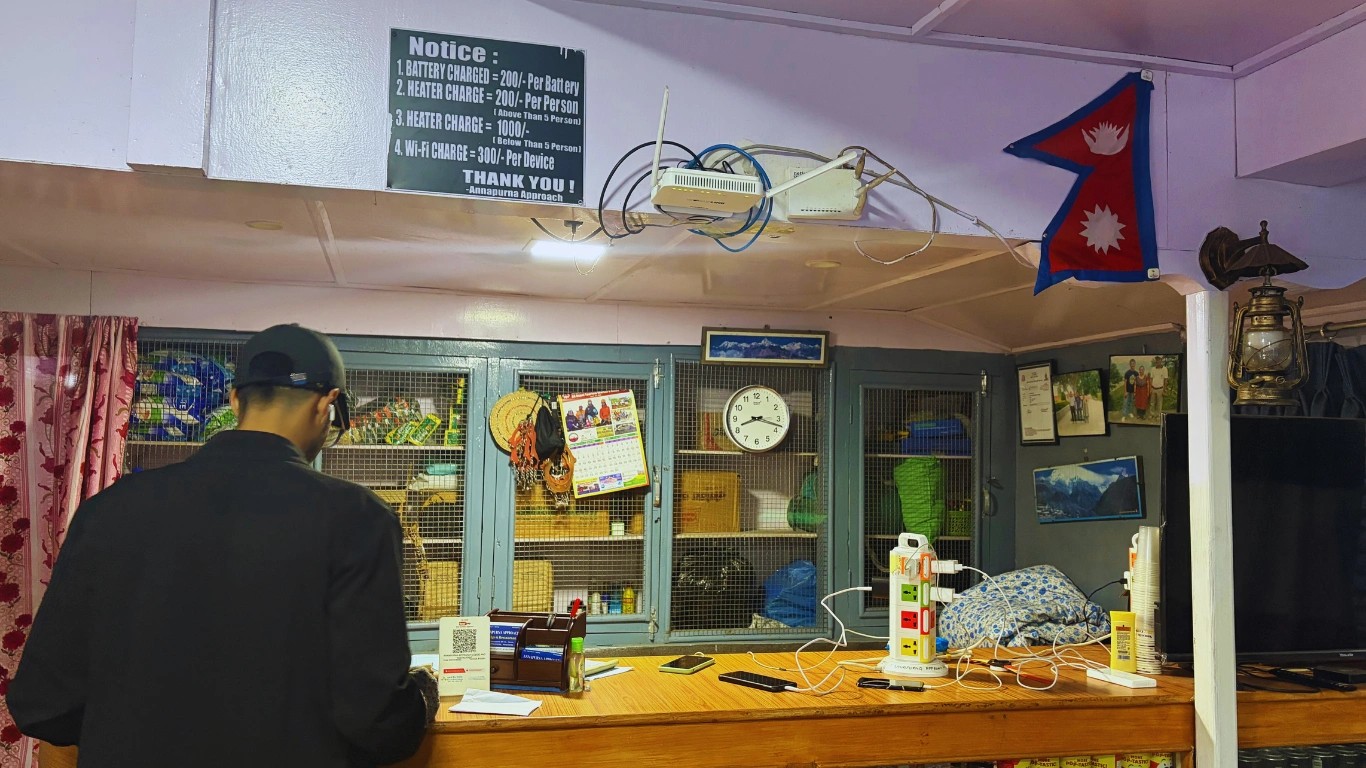
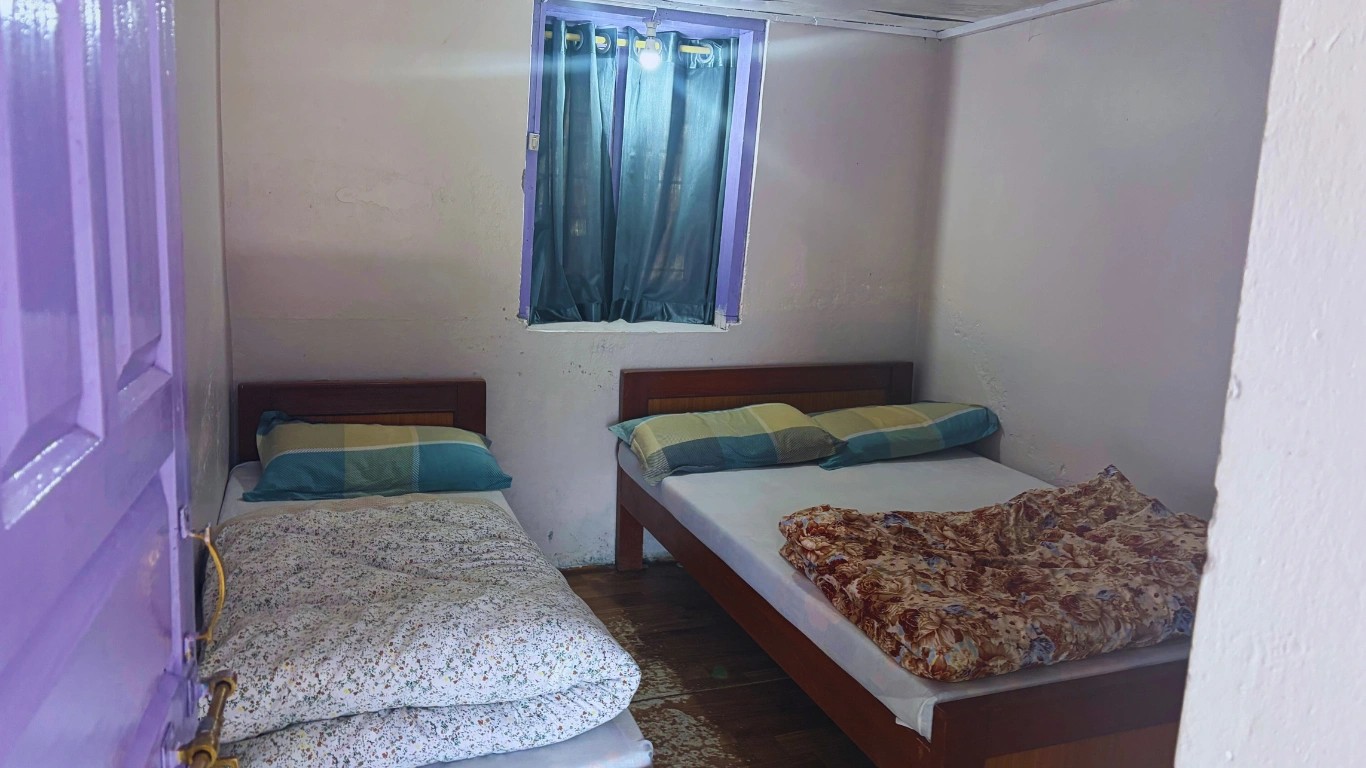
Teahouse rooms on the long route cost between 300–800 NPR per night during the regular season. During peak months (October, November, March, April), popular stops like Ghorepani, Chhomrong, and Deurali can charge 1,000–1,500 NPR. Solo trekkers should note that single-room availability becomes scarce during high season, often requiring shared rooms or supplementary charges.
On-Trail Entry Fees and Rising Costs
The Poon Hill sunrise viewpoint carries an entry fee of approximately 150 NPR. Beyond Chhomrong, all costs begin climbing noticeably. Filtered or boiled water starts at around 150 NPR per liter near Chhomrong and can reach 300–400 NPR at higher altitudes like Machapuchare Base Camp or Annapurna Base Camp itself.
The Ghandruk route bypasses the Ghorepani–Poon Hill loop, heading directly through the beautiful Gurung village of Ghandruk before joining the main trail at Chhomrong. This variation saves one to two trekking days.
Cost Comparison:
This route appeals to trekkers who want the full base camp experience with a slightly tighter Annapurna Base Camp itinerary cost.
The most direct approach ascends through Jhinu Danda and Chhomrong, reaching base camp in fewer days and with the lowest overall on-trail expenditure.
Key Cost Advantages:
Considerations:
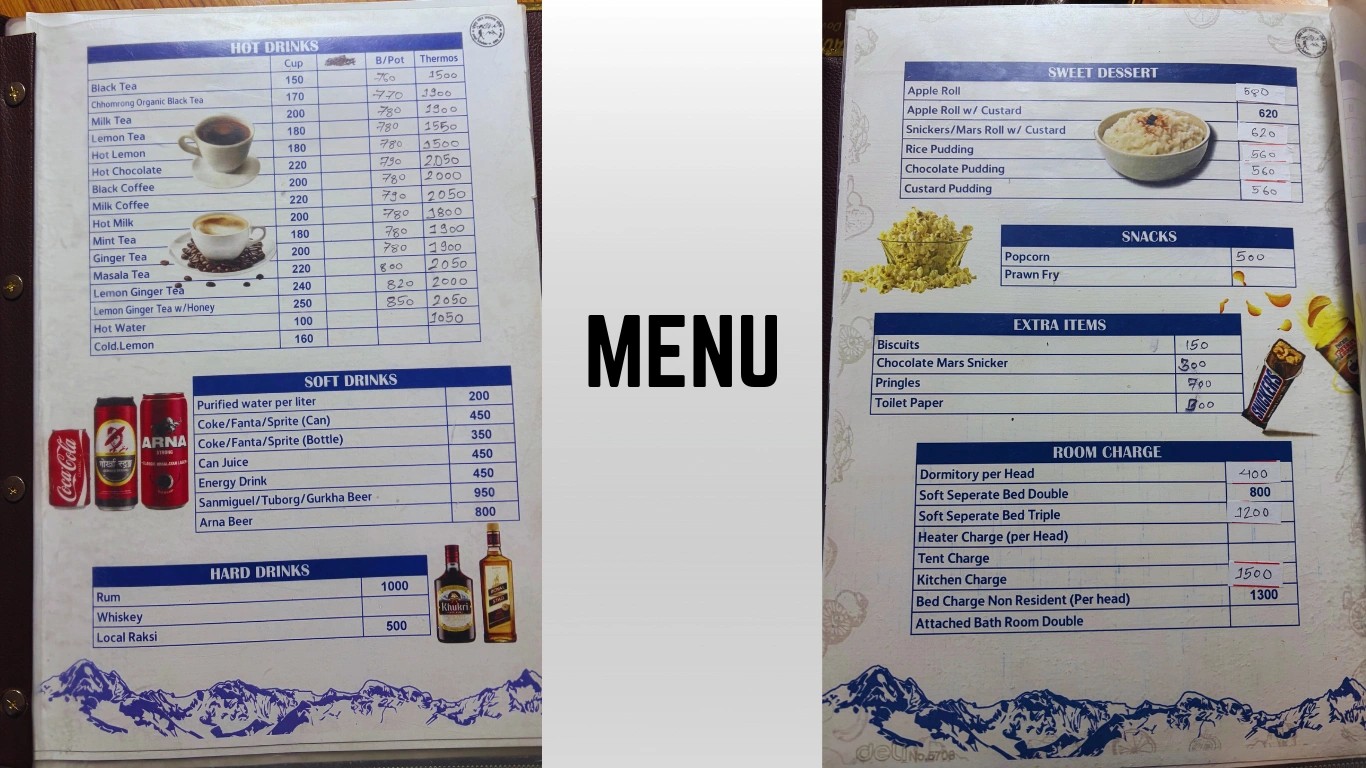
Food is one of the most significant daily expenses on the trail, and understanding what to expect helps you budget accurately and avoid surprises.
Teahouse menus across the Annapurna region follow a remarkably consistent pattern. The staple trekking meal is Dal Bhat — a generous plate of steamed rice, lentil soup, vegetable curry, and pickles. It is filling, nutritious, and almost always includes unlimited refills of rice and dal, making it the best value meal on the trail.
Beyond Dal Bhat, teahouse menus typically offer:
Meal prices follow a predictable altitude-driven pattern. The higher you climb, the more expensive every item becomes — reflecting the cost and effort of transporting supplies by porter or mule to remote locations.
| Location | Dal Bhat (approx.) | Noodles/Pasta | Tea/Coffee |
|---|---|---|---|
| Tikhedhunga / Ghorepani | 400–500 NPR | 300–400 NPR | 50–100 NPR |
| Chhomrong | 500–600 NPR | 400–500 NPR | 80–120 NPR |
| Deurali | 600–700 NPR | 450–550 NPR | 100–150 NPR |
| MBC / ABC | 700–900 NPR | 500–650 NPR | 120–200 NPR |
Vegetarian options are widely available at every teahouse. Vegan trekkers can manage with some flexibility — Dal Bhat is naturally vegan, and most kitchens will prepare vegetables and chapati without dairy on request. Gluten-free options are limited but possible with advance communication.
During the off-season, some teahouses at higher elevations operate with reduced menus. Variety narrows above Chhomrong regardless of season, so manage expectations accordingly.
The following table provides realistic cost estimates for the full ABC trek (long route, 10–11 days from Kathmandu) across three traveler profiles. Shorter routes will reduce accommodation and meal totals proportionally.
| Expense Category | Budget Traveler | Mid-Range Traveler | Luxury Traveler |
|---|---|---|---|
| ACAP Permit | 3,000 NPR (~23 USD) | 3,000 NPR (~23 USD) | 3,000 NPR (~23 USD) |
| Kathmandu Accommodation (2 nights) | 1,600–3,000 NPR | 6,000–12,000 NPR | 15,000–30,000 NPR |
| Transport: Kathmandu–Pokhara | 1,500 NPR (bus) | 120 USD (flight) | 120 USD (flight) |
| Pokhara Accommodation (2 nights) | 1,200–2,400 NPR | 6,000–10,000 NPR | 15,000–25,000 NPR |
| Transport: Pokhara–Nayapul | 250 NPR (bus) | 3,000 NPR (taxi) | 3,500–4,000 NPR (taxi) |
| Trek Accommodation (7–9 nights) | 2,100–5,600 NPR | 5,600–10,000 NPR | 8,000–15,000 NPR |
| Meals on Trek (total, 7–9 days) | 10,000–15,000 NPR | 15,000–22,000 NPR | 20,000–30,000 NPR |
| Water and Beverages on Trek | 2,000–4,000 NPR | 3,000–5,000 NPR | 4,000–7,000 NPR |
| Guide Fee (full trek) | Not hired | 25–35 USD/day | 40–50 USD/day |
| Porter Fee (full trek) | Not hired | 20–25 USD/day | 25–30 USD/day |
| Gear Rental (if needed) | 2,000–5,000 NPR | 3,000–6,000 NPR | Included in package |
| Travel Insurance | 40–80 USD | 60–120 USD | 100–200 USD |
| Miscellaneous (tips, snacks, charging) | 2,000–4,000 NPR | 5,000–10,000 NPR | 10,000–18,000 NPR |
| Estimated Total | 350–550 USD | 800–1,200 USD | 1,500–2,500+ USD |
The Annapurna Conservation Area Permit (ACAP) is mandatory for all trekkers. The cost is 3,000 NPR (approximately 23 USD) for foreign nationals. As of current regulations, the TIMS card is not separately required when trekking within the Annapurna Conservation Area through a registered agency. However, Nepal's permit policies evolve periodically — always verify requirements before your trip.
Permits can be obtained at the Nepal Tourism Board office in Kathmandu or at the ACAP counter in Pokhara. When booking through an established agency like Majestic Trails Nepal, all permits are arranged on your behalf as part of the package.
Licensed trekking guides cost between 25–50 USD per day depending on experience, language proficiency, and season. Porters, who typically carry loads for two trekkers, charge 20–30 USD per day.
Nepal has periodically mandated that foreign trekkers hire a licensed guide. Beyond regulatory compliance, a knowledgeable guide provides navigation confidence, cultural depth, altitude sickness awareness, and emergency coordination — services whose value far exceeds their cost. Agencies like Majestic Trails Nepal bundle guide and porter fees into comprehensive packages that often represent better value than independent arrangements.
Reducing your Annapurna Base Camp trek cost does not require sacrificing safety or enjoyment. The following strategies have a meaningful impact on your total spending:
Your chosen travel season directly influences both the quality of your experience and the weight of your expenses.
These months deliver the clearest skies, most stable weather, and finest mountain visibility. They are also the most expensive and crowded periods on the trail.
Winter months bring cold temperatures and occasional snowfall above Chhomrong, but also spectacular clear skies on stable days and far fewer trekkers. The monsoon period (June–August) brings rain to lower elevations but surprisingly clear conditions above the cloud line near Machapuchare and Annapurna Base Camp.
Cost advantages of off-peak travel:
The trade-off involves weather unpredictability and the potential need for warmer or waterproof gear, which may add modest gear rental costs. For budget-focused trekkers, late February or early December strikes an effective balance between cost savings and favorable conditions.
The Annapurna Base Camp trek cost in Nepal is not a fixed number — it is shaped by the decisions you make at every stage of planning. Your route selection, travel season, transportation choices, accommodation preferences, and daily spending habits all contribute to your final total.
A disciplined budget trekker on the shortest route can complete the experience for as little as 350–550 USD. A mid-range trekker following the classic long route with a licensed guide and comfortable teahouse stays should plan for 800–1,200 USD. Those seeking comprehensive agency support, private transport, and premium comfort will find their Annapurna Base Camp itinerary cost ranging from 1,500 to 2,500 USD or more.
Regardless of your budget category, three investments should never be compromised:
For trekkers seeking transparent pricing, professional logistics, and experienced local support, Majestic Trails Nepal offers structured Annapurna Base Camp trek packages designed to remove guesswork and deliver value across all budget levels.
The Annapurna sanctuary rewards those who come prepared. Budget realistically, plan thoroughly, and the experience will return far more than its cost.
Planning your Annapurna Base Camp trek and need personalized cost guidance? Contact Majestic Trails Nepal for detailed itinerary and pricing tailored to your travel dates, group size, and preferences.
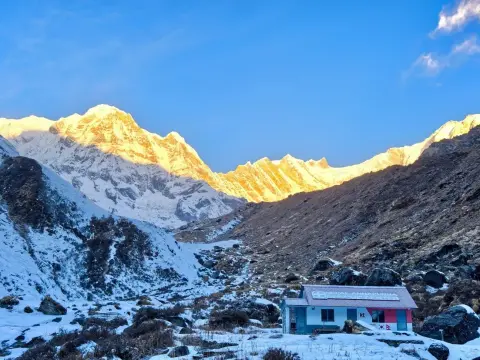
The Annapurna Base Camp trek stands among the world's most iconic Himalayan adventures. Every year, thousands of trekkers from across the globe journe...
Solukhumbu is synonymous with Mount Everest, but beyond the famous peak lie quieter, magical destinations that often get overlooked. One such gem is P...
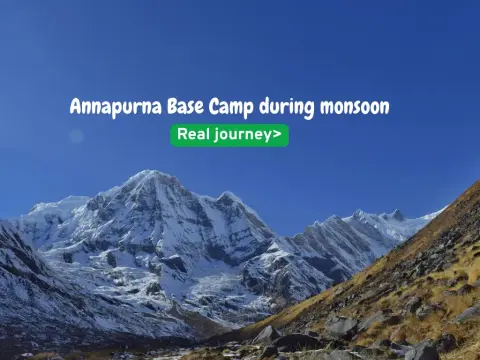
Trekking to Annapurna Base Camp Trek is one of Nepal’s most iconic mountain journeys. For mountaineers, the climb begins here, but for trekkers, Annap...
People visiting Kathmandu almost always ask the same two questions about Swayambhunath: how high is it, and where exactly is it? Seems simple. But the...
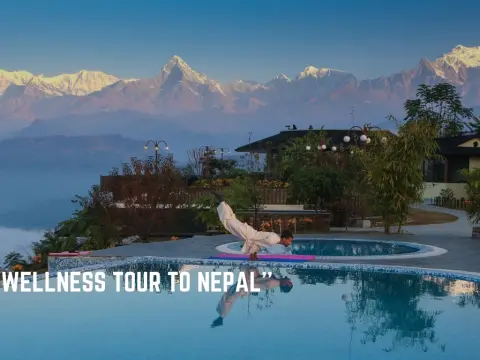
There's a moment that happens somewhere between your first mountain sunrise and your final meditation session. It's the moment you realize you've been...
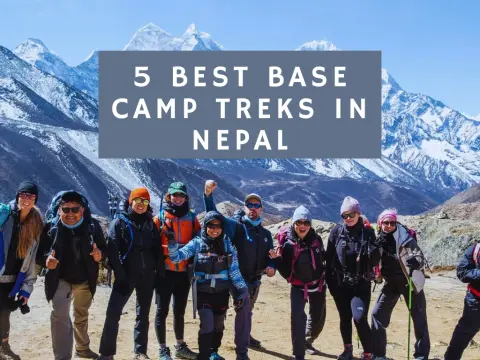
The first rays of dawn strike the summit of an 8,000-meter giant. Your breath forms clouds in the crisp mountain air. Below your feet, ancient glacier...
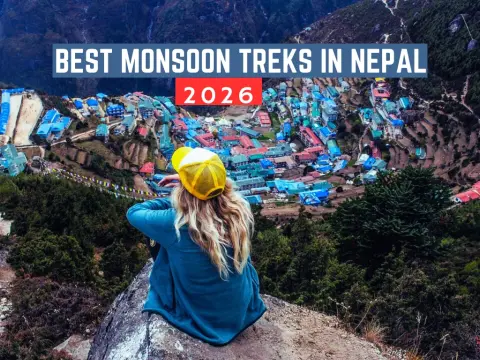
A monsoon trek in Nepal transforms the Himalayas into something most trekkers never witness—thundering waterfalls, emerald valleys, and ancient trails...
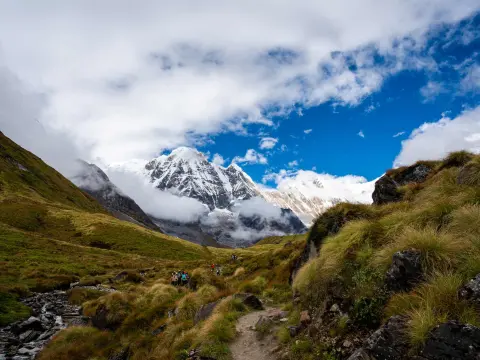
The Annapurna Base Camp trek is a moderate trek, suitable for fit beginners, with no technical climbing required. Its main challenge is not the altitu...
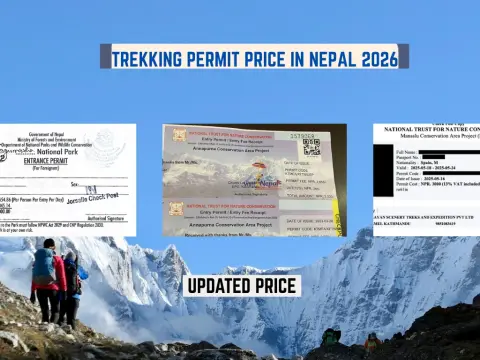
IntroductionPlanning a trek in Nepal requires more than just physical preparation—you also need the right permits. Trekking permits are official docum...
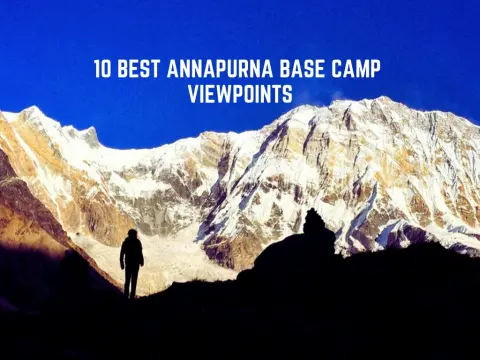
The alarm rings at 4:30 AM. You stumble out of your sleeping bag in Machhapuchhre Base Camp, cursing the cold—until you step outside.The first rays of...
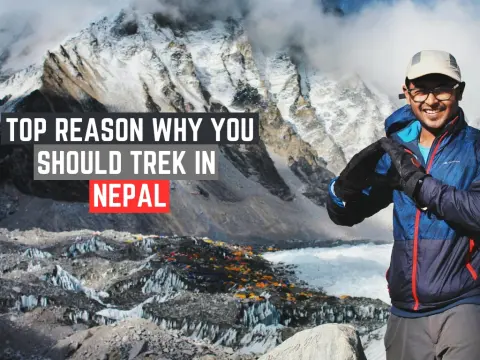
If you've ever wondered why trekking in Nepal captivates adventurers from every corner of the globe, the answer lies in its extraordinary combination...
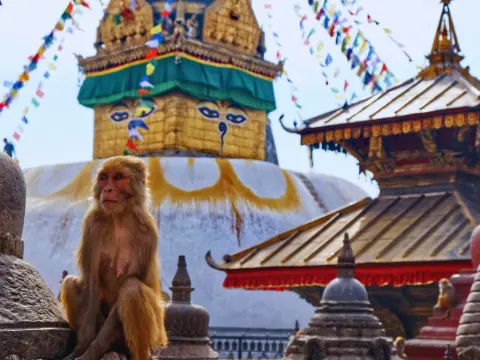
Discover the Heart of NepalIf you're searching for the best places to go in Nepal Kathmandu, you've chosen one of Asia's most captivating destinations...
If you're curious about trekking in Nepal, you've landed in the right place. Nepal is home to the world's most breathtaking mountain trails, ancient c...
