
Gyalpo Losar: Tibetan New Year and Spiritual Renewal
30 May 2025
Gyalpo Losar, the Tibetan New Year, is a festival of immense cultural, religious, and social importance for the Tibetan people, including the Sherpa c...

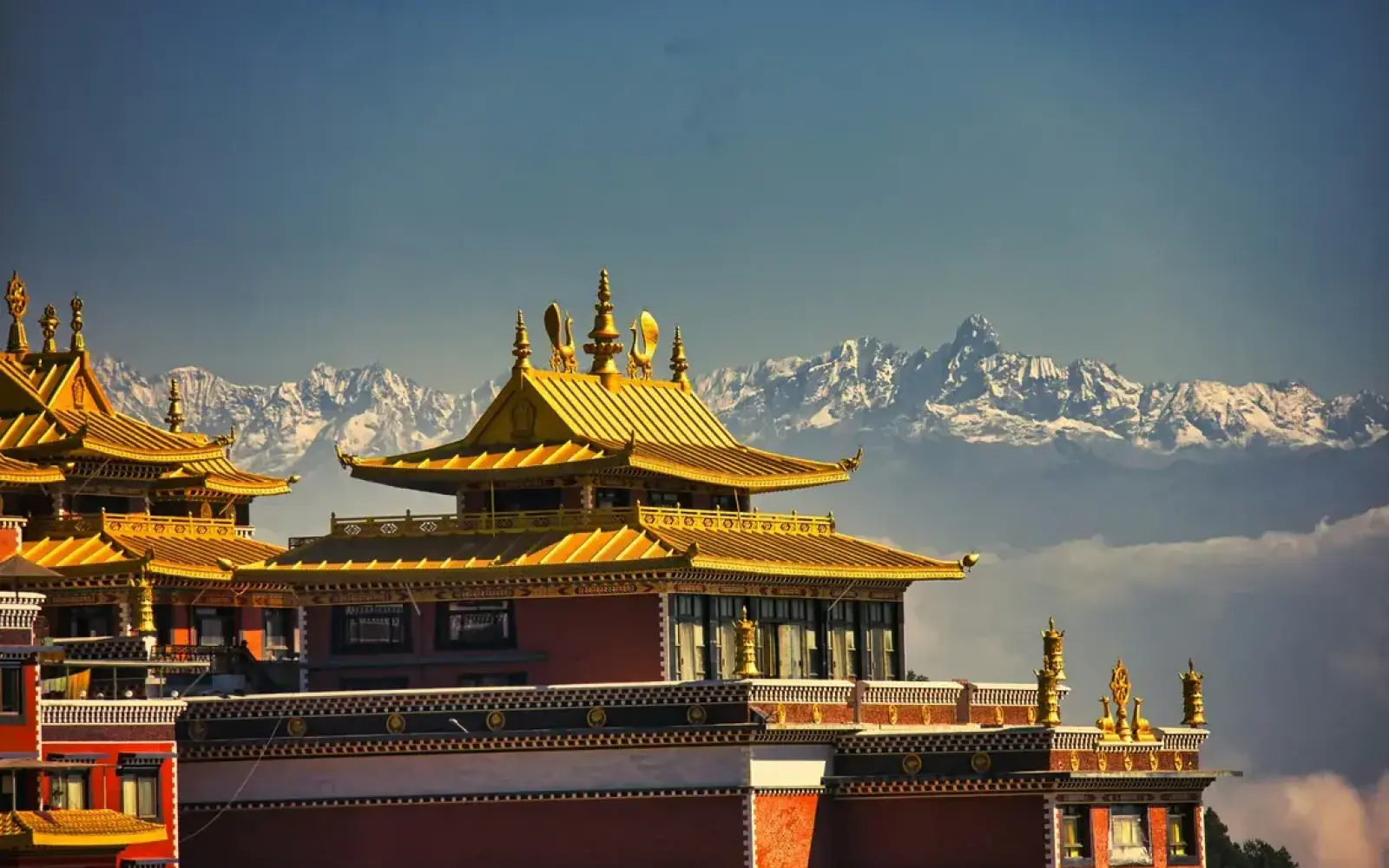

Namo Buddha stands as one of the most revered Buddhist pilgrimage sites in Nepal, drawing devotees and travelers from across the world to its serene hilltop location in Kavrepalanchok district. Situated approximately 40 kilometers southeast of Kathmandu, this sacred Buddhist site in Nepal commemorates the legendary selfless act of Prince Mahasattva, who offered his body to feed a starving tigress and her cubs.
The ancient stupa marking this sacrifice, combined with the magnificent Thrangu Tashi Yangtse Monastery established in 1978, creates a profound spiritual atmosphere that transcends ordinary tourism. For those seeking meaningful Buddhist pilgrimage in Nepal without venturing far from the capital, Namo Buddha Nepal offers an accessible yet deeply transformative experience that combines religious significance with breathtaking Himalayan panoramas.
Namo Buddha occupies a prominent hilltop position in Kavrepalanchok district, one of the most culturally rich regions surrounding the Kathmandu Valley. The site rests at an elevation of approximately 1,750 meters above sea level, offering commanding views of terraced farmland, traditional Newari villages, and distant snow-capped peaks.
The location sits strategically between Dhulikhel and Panauti, making it possible to combine visits to multiple heritage destinations in a single day. The rolling hills of Kabhrepalanchok district provide a stark contrast to the urban density of Kathmandu, with pine forests, rhododendron groves, and agricultural terraces creating a peaceful backdrop for spiritual contemplation.
The sanctity of Namo Buddha derives from one of Buddhism's most powerful stories of selfless compassion. According to ancient texts preserved in both Pali and Sanskrit traditions, Prince Mahasattva was the youngest of three sons born to a noble king in this region thousands of years ago.
While walking through the forest with his brothers, the prince encountered a tigress on the verge of death from starvation. Beside her lay her newborn cubs, equally weak and close to perishing. The tigress had become so desperate that she appeared ready to consume her own offspring.
In Buddhist philosophy, particularly within Mahayana Buddhism, this narrative illustrates the bodhisattva ideal—the willingness to sacrifice personal welfare for the benefit of all sentient beings. The term "Namo Buddha" translates roughly to "homage to the Buddha," honoring the belief that Prince Mahasattva was a previous incarnation of Shakyamuni Buddha himself.
A small stupa at the pilgrimage site marks the exact location where this sacrifice allegedly occurred. Devotees circumambulate this structure while reciting mantras, continuing a practice that has endured for centuries.
The Namo Buddha monastery complex that dominates the hilltop today represents one of the most significant Tibetan Buddhist institutions outside Tibet. Known formally as Thrangu Tashi Yangtse Monastery, this sprawling religious center was established under the spiritual guidance of the Very Venerable Thrangu Rinpoche, a highly respected teacher within the Kagyu lineage of Vajrayana Buddhism.
The monastery serves dual purposes as both an active religious institution and a meditation retreat Nepal destination. Western practitioners and Asian pilgrims alike visit for short meditation courses, extended retreats, or simply to absorb the contemplative atmosphere.
Daily rituals follow traditional Tibetan Buddhist customs. Monks gather before dawn for morning prayers, their chanting resonating across the hillside. Afternoon debate sessions in the courtyard showcase the intellectual rigor expected of monastic education. Evening prayers conclude each day, accompanied by the deep tones of ceremonial horns and drums.
Thrangu Rinpoche, now in his nineties, remains the spiritual head of this institution while overseeing affiliated centers across Asia, Europe, and North America. His teachings on Vajrayana Buddhism have influenced thousands of practitioners worldwide.
The spiritual significance of Namo Buddha extends far beyond its historical legend. Within the broader context of Buddhist pilgrimage in Nepal, this site occupies a unique position as a place associated with pre-historical Buddha activity.
Unlike Lumbini, which commemorates the Buddha's birth in his final life, Namo Buddha connects practitioners to the infinite timeline of spiritual development across countless lifetimes. This concept resonates deeply within Vajrayana Buddhist philosophy, which emphasizes the gradual perfection of compassion and wisdom over eons.
The site maintains strong spiritual connections with other sacred Buddhist sites in Nepal. Many pilgrims combine visits to Namo Buddha with Boudhanath Stupa and Swayambhunath, creating a triangular pilgrimage route around the Kathmandu Valley. Each location offers distinct blessings while contributing to a comprehensive understanding of Buddhist heritage in Nepal.
Multiple transportation options make visiting this Buddhist pilgrimage site near Kathmandu accessible for travelers with varying preferences and fitness levels.
The most convenient option for international visitors involves hiring a private vehicle through established tour operators. The drive from Kathmandu takes approximately 1.5 to 2 hours via Banepa and Dhulikhel. Road conditions are generally good, with sealed asphalt throughout most of the route. Private transportation allows flexibility for combining Namo Buddha with stops at Panauti's medieval temples or Dhulikhel's mountain viewpoints.
Budget travelers can reach the site via local bus services departing from Kathmandu's Ratna Park bus station. Buses head toward Dhulikhel every 30 minutes during daylight hours. From Dhulikhel, shared jeeps or local buses continue to Namo Buddha. Total travel time using public transportation ranges from 2.5 to 3.5 hours depending on connections.
Perhaps the most rewarding approach involves walking from Dhulikhel through traditional villages and farmland. This short hike from Kathmandu region covers approximately 12 kilometers along well-marked trails, taking 3 to 4 hours at a leisurely pace. The path passes through Kavre village, offering authentic glimpses of rural Nepali life. This option appeals particularly to those seeking a spiritual tour Nepal experience that combines physical activity with cultural immersion.
Majestic Trails Nepal organizes guided hiking excursions along this route, providing local insight and logistical support for travelers unfamiliar with the terrain. Contact us
Seasonal considerations significantly impact the quality of any visit to this hillside sanctuary.
Visitors typically spend 3 to 5 hours exploring the complete pilgrimage area, though meditation practitioners may remain considerably longer.
Primary activities include:
The atmosphere at Namo Buddha rewards unhurried exploration. Unlike some tourist sites that can be "covered" quickly, spiritual destinations reveal their depth gradually to those who approach with patience and openness.
For travelers with limited time, a day tour from Kathmandu provides an ideal introduction to Buddhist heritage outside the capital. The excursion typically departs early morning, allowing sufficient time for monastery exploration, lunch, and a leisurely return.
Popular itinerary combinations include:
This format suits families, elderly visitors, and those preferring organized logistics over independent exploration. The relatively short driving distance and moderate terrain make the journey accessible to travelers of most fitness levels.
Majestic Trails Nepal offers curated spiritual and cultural day tours from Kathmandu that include transportation, experienced guides, and entrance coordination.
Entry requirements:
Dress code guidelines:
Behavioral expectations:
| Aspect | Namo Buddha | Lumbini |
|---|---|---|
| Location | Kavrepalanchok | Rupandehi |
| Distance from Kathmandu | 40 km | 280 km |
| Atmosphere | Quiet, contemplative | Vast, peaceful |
| Religious importance | Jataka tale site | Buddha's birthplace |
| Typical crowds | Low to moderate | Moderate |
| Experience type | Pilgrimage and hiking | Historical pilgrimage |
Namo Buddha represents far more than a tourist attraction or historical curiosity. This sacred Buddhist site in Nepal embodies living spiritual tradition, active monastic practice, and timeless teachings on compassion that remain profoundly relevant today. Whether approached through scholarly interest, religious devotion, or simple curiosity, the hilltop sanctuary rewards visitors who arrive with open minds and respectful attitudes.
The juxtaposition of ancient legend and contemporary practice creates unique depth. Pilgrims today circumambulate the same stupa that devotees have honored for centuries, while young monks study Buddhist philosophy in modern classrooms just meters away. This continuity of tradition distinguishes authentic pilgrimage destinations from mere heritage attractions.
For travelers seeking meaningful Buddhist pilgrimage in Nepal beyond the familiar confines of Kathmandu, Namo Buddha delivers an accessible yet genuinely transformative experience. The journey itself—whether by vehicle, public transport, or foot along village trails—becomes part of the spiritual undertaking.
Those interested in exploring Nepal's Buddhist heritage through thoughtfully organized itineraries may consider the guided cultural tours offered by Majestic Trails Nepal, which provide knowledgeable local guides and respectful approaches to sacred sites throughout the Himalayan region.
Absolutely. The combination of profound spiritual significance, active monastery life, and scenic hilltop location creates an experience distinct from other Buddhist sites near Kathmandu.
Approximately 40 kilometers by road, requiring 1.5 to 2 hours of driving time under normal traffic conditions.
The site commemorates Prince Mahasattva's sacrifice of his own body to save a starving tigress and her cubs, demonstrating the Buddhist ideal of selfless compassion.
Yes. The monastery operates a basic guesthouse for visitors wishing to experience early morning prayers or extended meditation practice. Advance arrangements are recommended.
Thrangu Tashi Yangtse Monastery, one of the most important Tibetan Buddhist institutions in Nepal, occupies the hilltop adjacent to the ancient stupa.
Autumn (September to November) offers optimal weather and visibility, though spring also provides excellent conditions.
While independent visits are possible, knowledgeable guides enhance understanding of religious symbolism and historical context significantly.
The trail is considered easy to moderate, suitable for reasonably fit individuals including older travelers and families with children.

Gyalpo Losar, the Tibetan New Year, is a festival of immense cultural, religious, and social importance for the Tibetan people, including the Sherpa c...
Situated in the peaceful Solu-Khumbu region of Nepal, near the village of Junbesi, Thupten Chholing Monastery is a living testament to Tibetan Buddhis...
People visiting Kathmandu almost always ask the same two questions about Swayambhunath: how high is it, and where exactly is it? Seems simple. But the...
Macchapuchre stands as one of the most iconic and mysterious peaks in the entire Himalayan range. Also commonly spelled Machhapuchhre, this magnificen...
December transforms Nepal into a winter wonderland of crystal-clear skies, snow-dusted peaks, and peaceful trails. For travelers seeking the best plac...
