
The 10 Best Treks in Nepal for 2026
10 Jun 2025
What makes for the best treks in Nepal can vary from person to person. While Everest Base Camp Trek (EBC) at 5545 m is ideal for a trekker wanting the...


Moderate treks in Nepal offer the perfect balance between challenging adventure and accessible exploration, making them ideal for trekkers who want breathtaking Himalayan experiences without extreme altitude or technical difficulty. After guiding hundreds of trekkers through Nepal's diverse mountain trails over the past fifteen years, I can confidently say that moderate-level treks deliver the most rewarding experiences—stunning panoramic views, authentic cultural immersion, and that satisfying sense of accomplishment without pushing your body to dangerous limits.
Nepal's moderate trekking routes have transformed adventure travel, opening the majestic Himalayas to a broader audience. Whether you're a first-time trekker testing your capabilities or an experienced hiker seeking scenic beauty without the grueling demands of high-altitude expeditions, Nepal's moderate trails promise unforgettable journeys through some of Earth's most spectacular landscapes.
In this comprehensive guide, I'll share insider knowledge on the best moderate treks in Nepal, practical preparation tips, and exactly what makes each route special—information gathered from years of on-the-ground experience that you won't find in standard travel guides.
Before diving into specific routes, understanding what qualifies as "moderate" helps you choose appropriately. The Majestic Trails Nepal classifies treks based on several factors that determine overall difficulty and accessibility.
Key characteristics of moderate treks:
Moderate treks in Nepal for beginners are particularly appealing because they provide genuine Himalayan experiences while remaining achievable with proper preparation. You'll encounter challenging uphill sections, but nothing requiring specialized equipment or mountaineering skills.
The trails are well-marked, and local communities along the routes have developed excellent hospitality infrastructure over decades of welcoming international visitors.
What separates moderate from easy treks is primarily the altitude gain and daily walking duration. Easy treks rarely exceed 3,000 meters and involve shorter daily walks. Moderate treks push these boundaries while remaining firmly within reach of reasonably fit individuals.
"I was nervous about my first Himalayan trek at 52. The moderate rating was accurate—challenging enough to feel accomplished, but never overwhelming. The views made every step worthwhile." — Margaret Chen, First-time Trekker from Singapore
Based on our extensive experience and trekker feedback, these routes consistently deliver exceptional experiences for moderate-level adventurers. Each offers unique characteristics, ensuring there's a perfect match for every preference.
Duration: 4-5 days | Max Altitude: 3,210m | Best For: First-timers, photographers
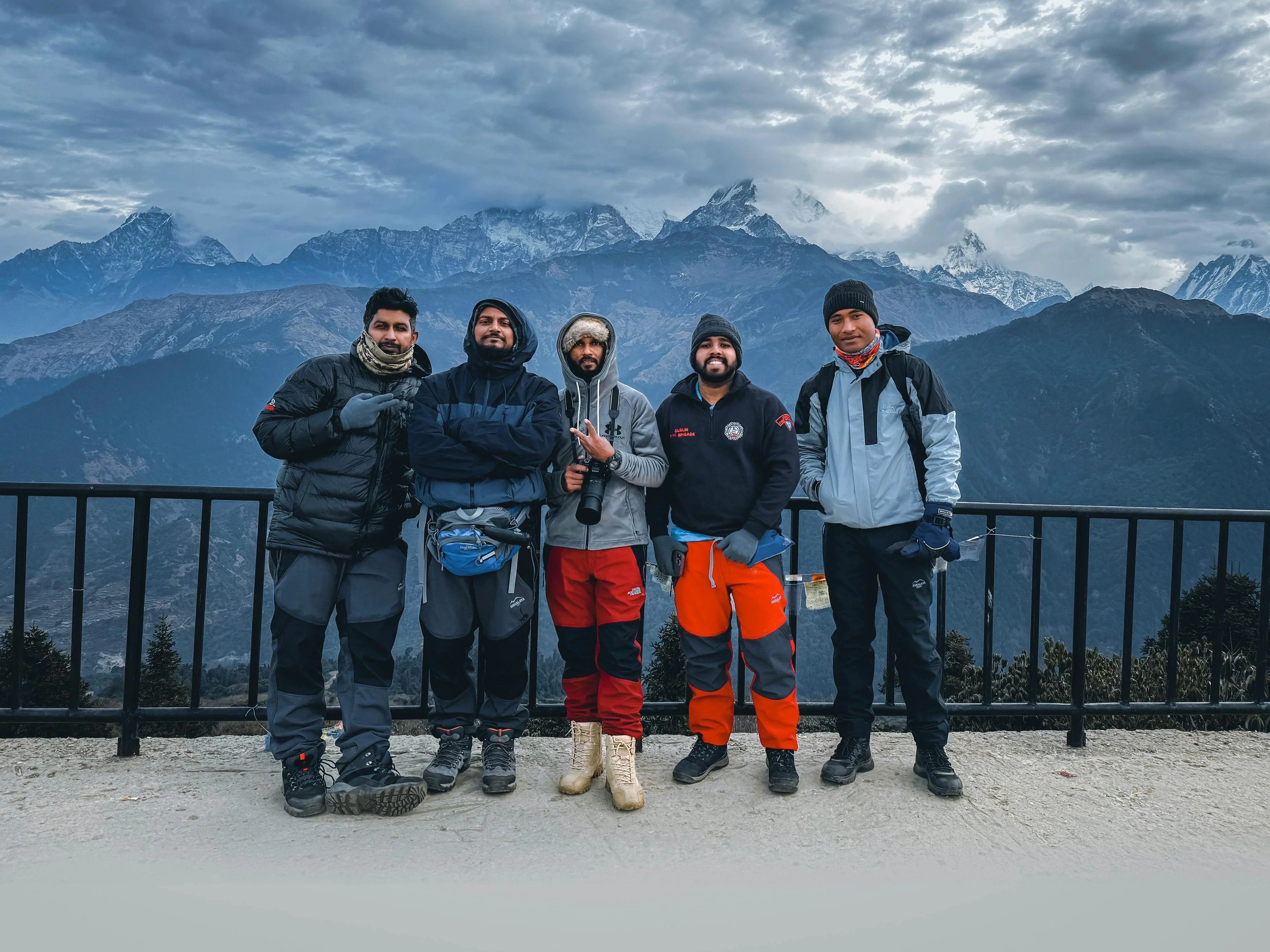
The Ghorepani Poon Hill trek remains Nepal's most popular moderate route—and deservedly so. This journey through the Annapurna region delivers spectacular sunrise views over Dhaulagiri and Annapurna massifs without demanding extreme fitness levels.
For many trekkers, Poon Hill represents their introduction to Himalayan adventure, and it rarely disappoints.
Why we recommend it:
The trail begins from Nayapul, winding through charming villages like Tikhedhunga and Ghorepani before the pre-dawn climb to Poon Hill viewpoint. The diversity of landscapes—from subtropical forests to alpine meadows—makes every day visually distinct.
Insider tip: Start the Poon Hill climb at 4:30 AM to secure a prime viewing spot. The hilltop gets crowded during peak season, and position matters for photography. Bring a headlamp with fresh batteries and dress in warm layers—temperatures drop significantly before sunrise.
[Explore our Ghorepani Poon Hill Trek packages →]
Duration: 5-7 days | Max Altitude: 4,500m | Best For: Solitude seekers, nature lovers
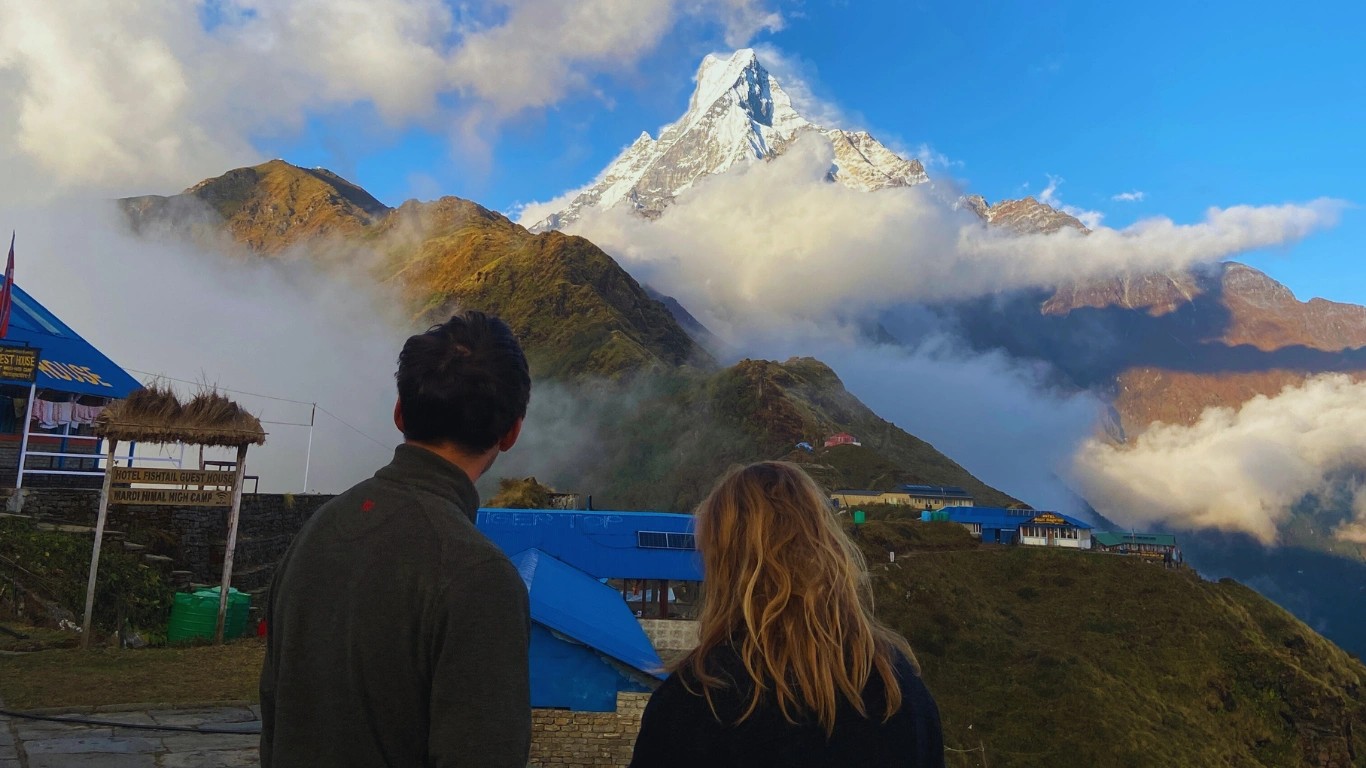
The Mardi Himal trek has emerged as a hidden gem in the Annapurna region. Less commercialized than neighboring routes, this trail offers intimate encounters with the Himalayas through pristine rhododendron forests and high alpine meadows.
It's become increasingly popular among trekkers seeking authentic wilderness experiences without the crowded trails of more famous routes.
What makes it special:
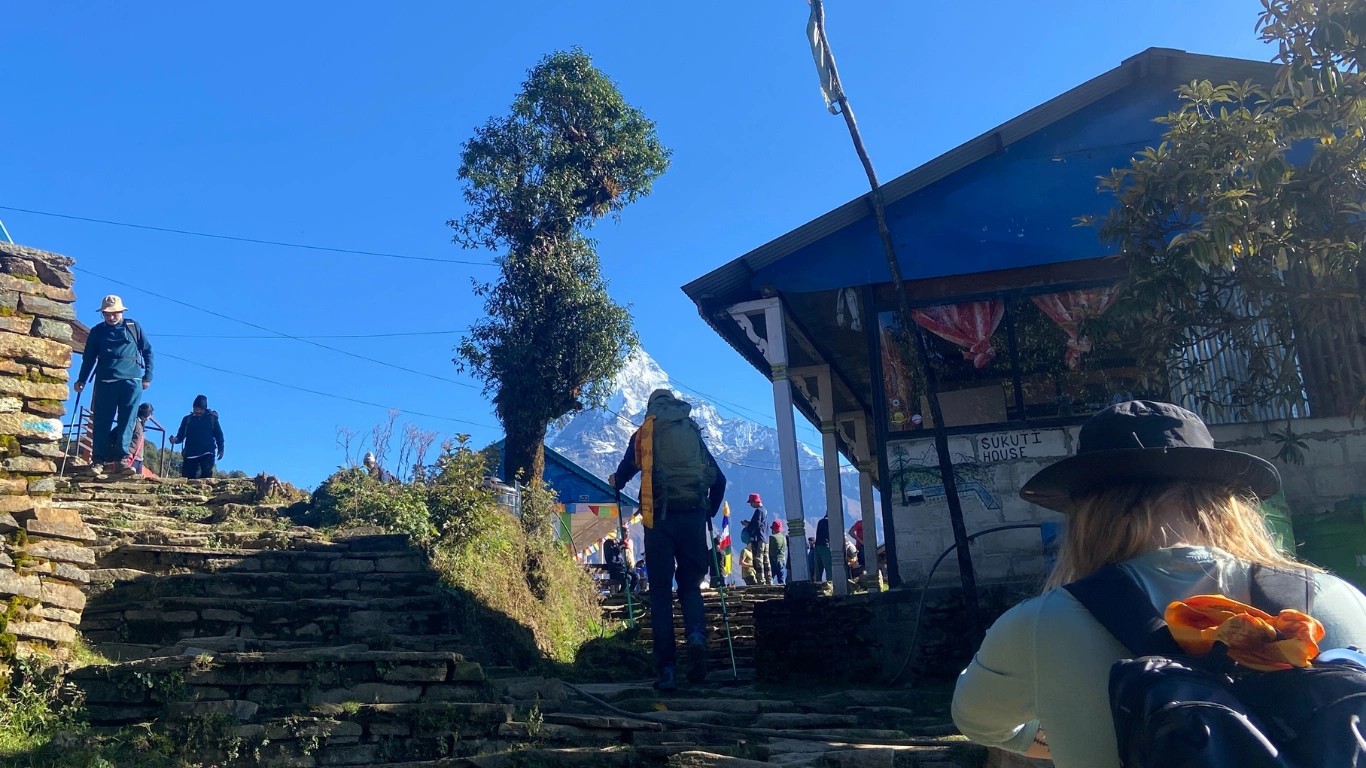
The journey takes you through dense rhododendron forests that burst with color during spring, eventually emerging above the treeline to reveal stunning panoramic views.
The final push to Mardi Himal Base Camp rewards trekkers with an intimate perspective of Machapuchare's dramatic south face.
Trail condition note: Some sections between High Camp and Mardi Himal Base Camp can be steep and require careful footing. Trekking poles are essential, not optional. The trail can become slippery during or after rainfall, so quality footwear with good grip is mandatory.
"Mardi Himal was the highlight of our Nepal trip. We saw maybe 20 other trekkers the entire week. Standing at base camp with Machapuchare filling the sky—absolutely life-changing." — Thomas & Julia, Adventure Travelers from Germany
[View Mardi Himal Trek details and availability →]
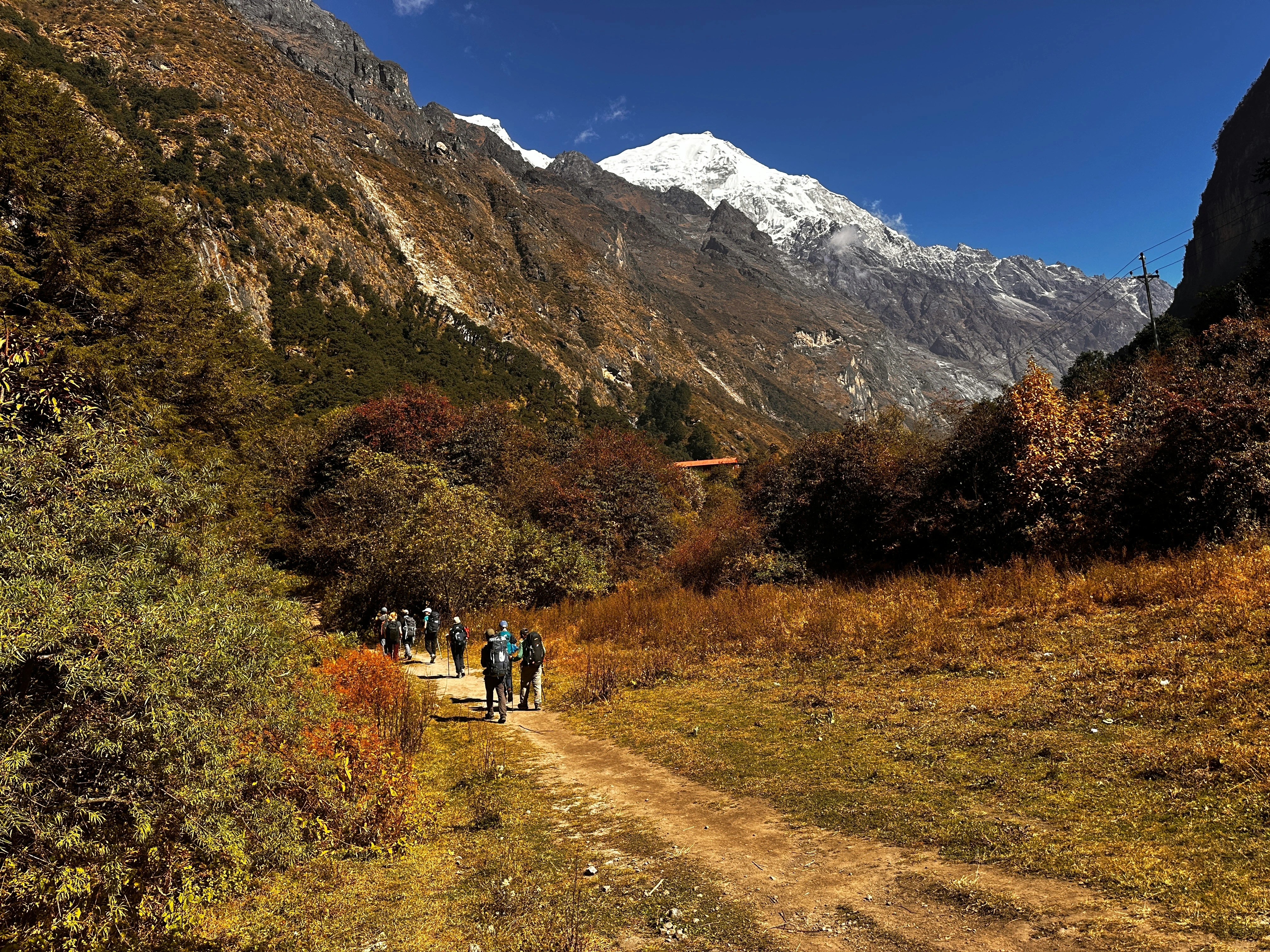
Duration: 7-10 days | Max Altitude: 4,984m | Best For: Cultural immersion, off-beaten-path experience
The Langtang Valley Trek offers something increasingly rare in Nepal—an authentic, uncrowded Himalayan experience just north of Kathmandu. This region, home to Tamang Buddhist communities, provides deep cultural immersion alongside stunning glacial valley scenery. Often called the "Valley of Glaciers," Langtang presents landscapes dramatically different from the Annapurna and Everest regions.
Unique highlights:
The trail follows the Langtang Khola river, gradually ascending through mixed forests before opening into the spectacular glacial valley. Side trips to Kyanjin Ri and Tserko Ri offer panoramic viewpoints that rival any in Nepal.
Recovery context: The 2015 earthquake devastated Langtang village, with massive landslides burying much of the original settlement. Trekking here directly supports community rebuilding—your visit contributes to meaningful recovery efforts while honoring the resilience of the Tamang people.
Cultural insight: Take time to interact with local families in the teahouses. The Tamang people have preserved traditions closely linked to Tibetan Buddhism, and their hospitality offers genuine cultural exchange opportunities often missing from more commercialized routes.
[Discover our Langtang Valley Trek itineraries →]
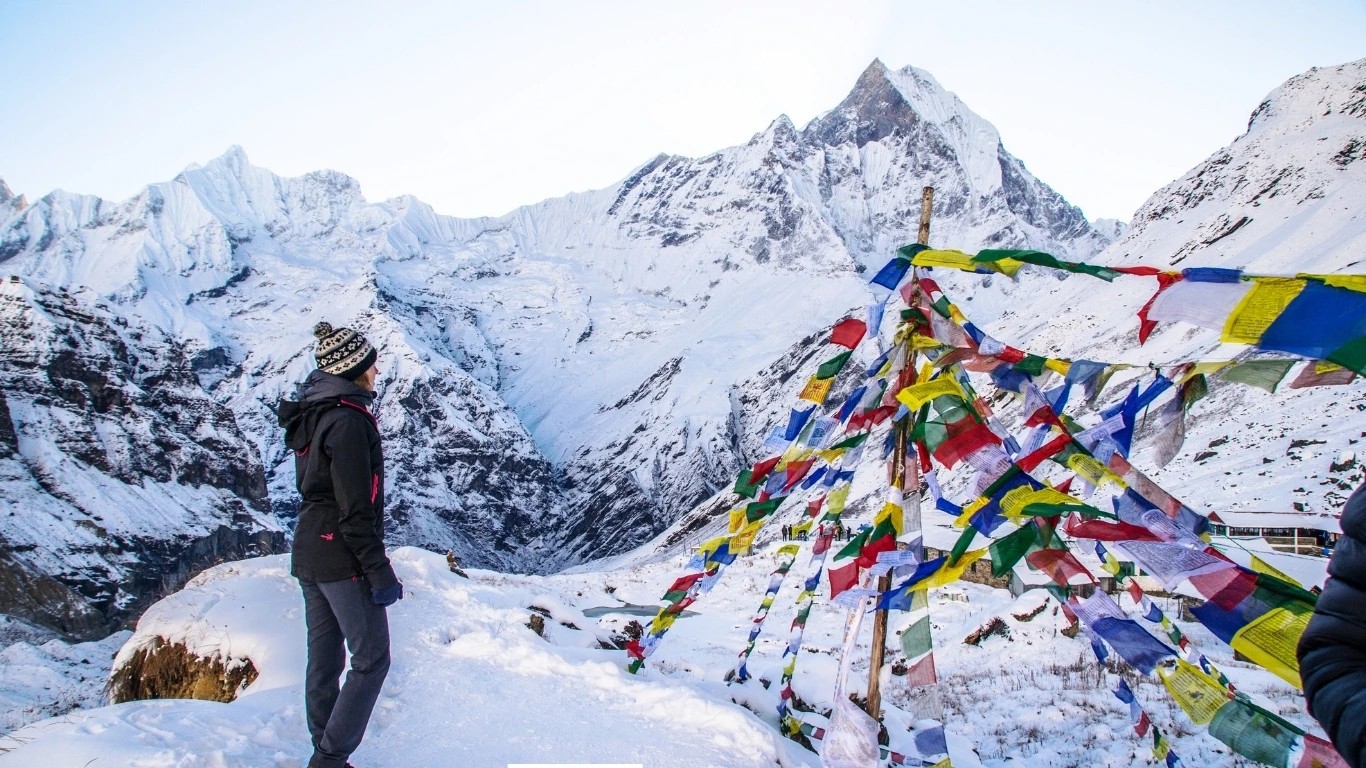
Duration: 10-14 days | Max Altitude: 4,130m | Best For: Bucket-list seekers, mountain enthusiasts
The Annapurna Base Camp trek delivers Nepal's most dramatic mountain amphitheater experience. Standing in the natural stadium surrounded by 8,000-meter giants—Annapurna I, Annapurna South, Machapuchare—creates moments that define travel lifetimes. This iconic journey represents many trekkers' ultimate Himalayan aspiration.
Why it's legendary:
The trail transitions through remarkable ecological zones—from lowland rice terraces through bamboo forests, past thundering waterfalls, and finally into the stark beauty of the glacial sanctuary. This environmental diversity keeps the journey visually engaging throughout.
Physical reality check: While classified as moderate, the ABC trek involves significant daily elevation gain. Solid cardiovascular fitness is essential—don't underestimate the demands.
The stone staircases between Chomrong and Sinuwa test even fit trekkers' legs, and the final approach to base camp requires determination.
[Plan your Annapurna Base Camp adventure →]
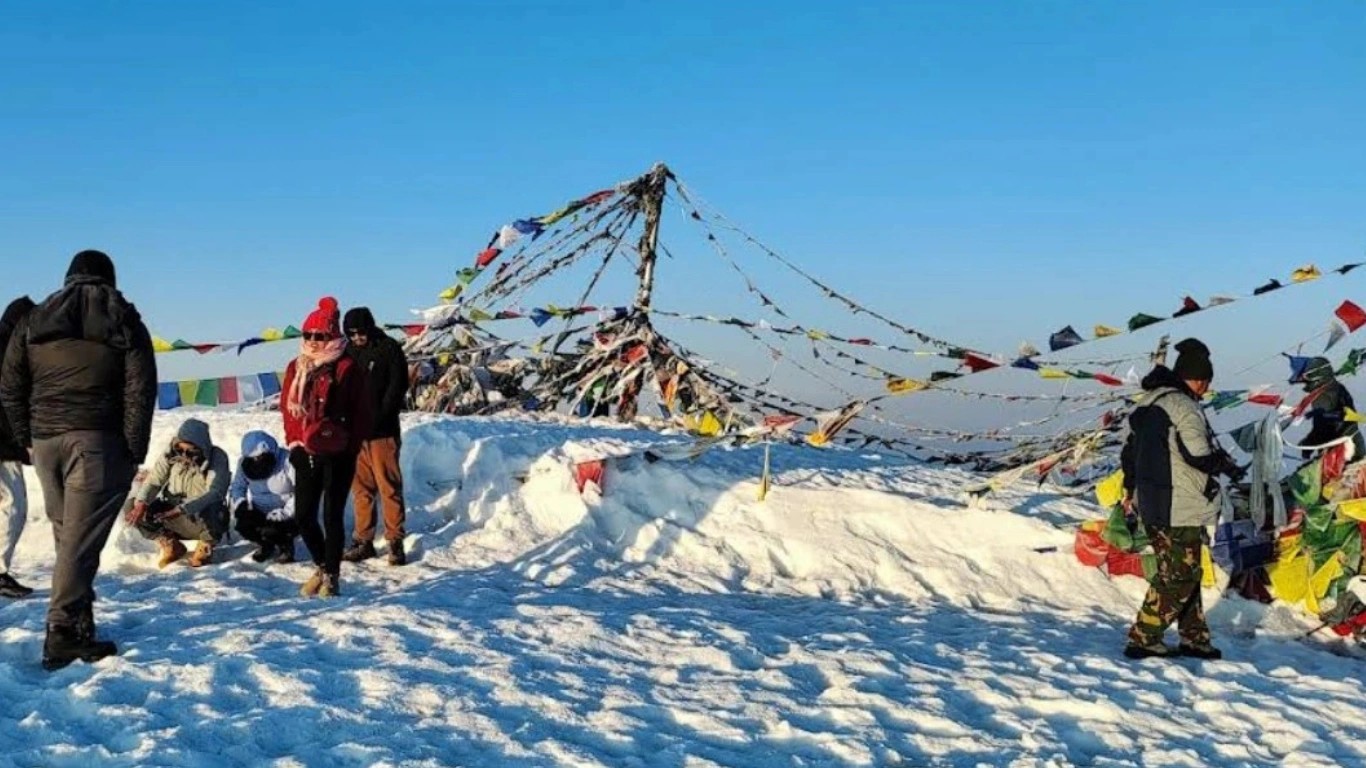
Duration: 6-8 days | Max Altitude: 4,065m | Best For: Everest views without the crowds
The Pikey Peak Trek offers perhaps Nepal's best-kept secret—jaw-dropping Everest views without the Lukla flight hassle or Everest Base Camp crowds. This Solukhumbu region gem was reportedly recommended by Sir Edmund Hillary himself as his favorite viewpoint. The praise was well-founded.
Compelling reasons to choose Pikey Peak:
The trail winds through rhododendron and pine forests, passing through villages where traditional Sherpa life continues largely unchanged. The relatively low maximum altitude makes this trek accessible to a wider range of trekkers while still delivering world-class mountain views.
Best-kept secret: The sunrise from Pikey Peak summit rivals—some argue surpasses—views from more famous vantage points, without the altitude challenges.
On clear mornings, you can see from Everest in the east to Dhaulagiri in the west, a panorama spanning over 300 kilometers of Himalayan giants.
[Explore Pikey Peak Trek options →]
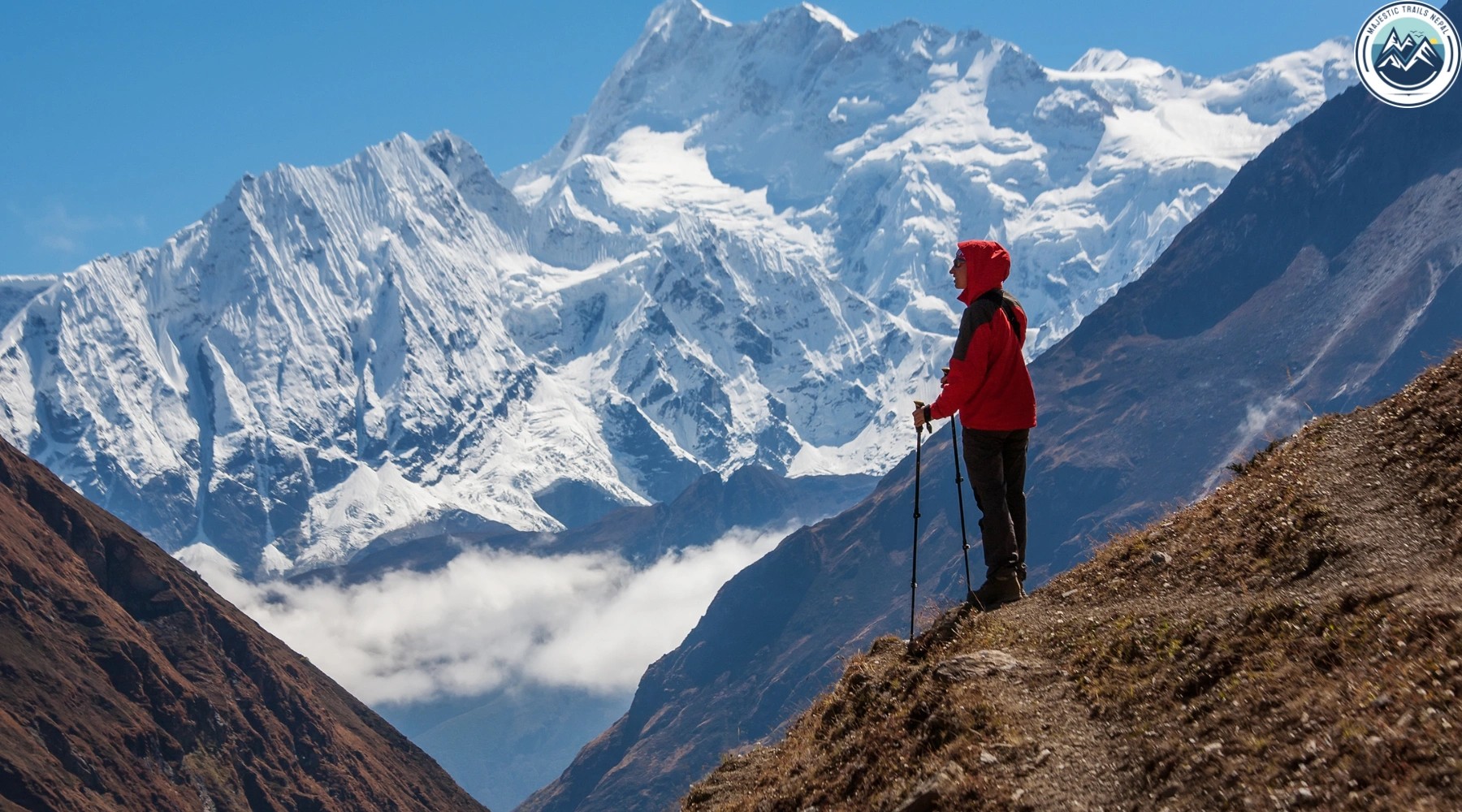
Duration: 12-16 days | Max Altitude: 5,106m (Larkya La Pass) | Best For: Experienced moderate trekkers seeking challenge
The Manaslu Circuit Trek represents the upper boundary of moderate difficulty—demanding but achievable for well-prepared trekkers. This restricted-area trek around the world's eighth-highest peak offers wilderness immersion unmatched in more accessible regions. For those seeking adventure beyond standard tourist circuits, Manaslu delivers profoundly.
What sets it apart:
The circuit follows ancient trade routes once used by Tibetan salt traders, passing through villages that have changed little over centuries. The cultural transition from Hindu lowland communities to Buddhist highland settlements provides fascinating anthropological observations throughout the journey.
Important consideration: Special permits required. The restricted-area status maintains the route's pristine character but requires booking through registered agencies. This regulation, while adding costs, ensures sustainable tourism and limits environmental impact.
Physical demands: The Larkya La pass crossing requires early departure (typically 3-4 AM) and represents the trek's physical and emotional climax. Proper acclimatization in the preceding days is non-negotiable.
We build gradual altitude gain into itineraries specifically to prepare bodies for this demanding day.
"After Everest Base Camp and Annapurna Circuit, I wanted something more remote. Manaslu delivered exactly that—challenging, wild, and spiritually fulfilling. The Larkya La crossing was tough but absolutely worth it." — David Martinez, Experienced Trekker from Spain
[View Manaslu Circuit Trek details →]
Duration: 5-7 days | Max Altitude: 3,300m | Best For: Community tourism enthusiasts, beginners
An emerging community-managed route, Mohare Danda offers sustainable trekking with panoramic Annapurna and Dhaulagiri views. Perfect for moderate treks in Nepal for beginners who want meaningful cultural exchange alongside mountain scenery. This route demonstrates Nepal's growing commitment to responsible tourism.
Unique attributes:
Unlike established teahouse routes, Mohare Danda relies on homestay accommodations where trekkers sleep in family homes and share meals with their hosts. This arrangement creates genuine connections and ensures tourism revenue reaches families directly rather than outside investors.
Community impact: Every rupee spent on this trek directly benefits local families. The Mohare Danda Community Eco-Tourism Development Committee manages the route, ensuring sustainable practices and equitable distribution of tourism income.
"The homestays transformed our trek from a hike into a cultural education. Learning to cook dal bhat with our host mother, hearing stories around the fire—these moments meant more than any mountain view." — Sophie Williams, Solo Trekker from Australia
Success on any trek depends significantly on preparation. Physical conditioning, proper gear, and mental readiness all contribute to enjoyable experiences. Here's what experienced guides recommend:
Start training 8-12 weeks before departure:
| Training Type | Frequency | Purpose |
|---|---|---|
| Cardiovascular | 4-5x weekly | Build endurance for long walking days |
| Strength training | 2-3x weekly | Prepare legs and core for varied terrain |
| Hiking with weight | Weekly | Simulate actual trekking conditions |
| Stair climbing | 2-3x weekly | Specifically builds uphill stamina |
| Flexibility work | Daily | Prevent injuries and improve recovery |
The most common mistake we see is underestimating physical demands. Trekking 5-7 hours daily at altitude taxes even fit individuals. Arriving prepared prevents the trek from becoming survival mode rather than enjoyment.
Practical training tip: Find hills or stairs and practice with a weighted pack (8-10 kg). This specific preparation builds exactly the strength and endurance you'll need on the trail. Gym fitness doesn't always translate to mountain readiness.
Non-negotiable items for moderate treks:
Packing philosophy: Bring less than you think you need. Porters have weight limits, and you'll carry a daypack yourself. Most teahouses can wash clothes, and you'll wear the same few items repeatedly. Versatility beats variety.
Optimal trekking windows:
Season selection guidance: If mountain views are your priority, autumn delivers the clearest skies. If wildflowers and fewer crowds appeal, spring offers excellent value. Winter provides solitude but requires additional preparation for cold conditions.
Even moderate treks involve altitude that can affect unprepared bodies. Understanding acclimatization helps you trek safely and enjoyably.
Key altitude considerations:
Acclimatization principles:
Selecting appropriately ensures enjoyment rather than struggle. Be honest about your fitness and experience:
| Trek | Best For | Fitness Required | Technical Difficulty |
|---|---|---|---|
| Ghorepani Poon Hill | First-timers | Moderate | Easy |
| Mardi Himal | Intermediate beginners | Moderate-High | Easy-Moderate |
| Pikey Peak | Budget-conscious trekkers | Moderate | Easy |
| Langtang Valley | Cultural enthusiasts | Moderate-High | Easy |
| Mohare Danda | Complete beginners | Low-Moderate | Very Easy |
| Annapurna Base Camp | Committed beginners | High | Moderate |
| Manaslu Circuit | Experienced trekkers | Very High | Moderate-Challenging |
Selection advice: First-time trekkers should consider Ghorepani Poon Hill or Mohare Danda. Those with hiking experience but new to altitude can tackle Mardi Himal or Langtang. Annapurna Base Camp and Manaslu Circuit suit those with previous moderate trekking experience.
While independent trekking is possible on some routes, working with registered agencies provides significant advantages that enhance both safety and experience:
Practical benefits:
Safety considerations: While Nepal's trails are generally safe, having experienced guides provides crucial support during emergencies. They know evacuation procedures, speak local languages, and can recognize early altitude sickness symptoms.
[Connect with our experienced trekking team →]
Nepal's moderate treks offer the perfect gateway to Himalayan exploration—challenging enough to transform you, accessible enough to welcome you. Every year, thousands of trekkers discover that these balanced routes deliver experiences as profound as more extreme expeditions, often with greater enjoyment and safety.
The mountains have waited millennia. They'll wait for you, too—but why delay the adventure of a lifetime?
Whether you're drawn to the iconic sunrise at Poon Hill, the solitude of Mardi Himal, the cultural richness of Langtang Valley, or the wilderness immersion of Manaslu, your perfect moderate trek awaits. The Himalayas call to those ready to answer.
[→ Browse All Trek Packages]
[→ Request Custom Itinerary Consultation]
The Ghorepani Poon Hill trek is widely considered the easiest among quality moderate options. Its 4-5 day duration, maximum altitude of just 3,210m, and excellent trail infrastructure make it ideal for beginners while still delivering spectacular Himalayan views. Mohare Danda offers an even gentler introduction for those concerned about difficulty.
Yes, moderate treks in Nepal are generally safe for beginners with proper preparation. Key safety factors include choosing appropriate routes, allowing adequate acclimatization time, trekking with experienced guides, and maintaining realistic daily objectives. Routes like Poon Hill and Mohare Danda are specifically recommended for first-time trekkers. Nepal's trekking infrastructure has developed over decades specifically to accommodate visitors of varying experience levels.
You should be able to walk 5-7 hours daily on varied terrain and climb 500-1000 meters of elevation. Regular cardiovascular exercise, strength training, and practice hikes with a weighted pack for 8-12 weeks before departure prepares most healthy adults adequately. The key is consistent preparation rather than intensive last-minute training.
October and November offer the best combination of clear skies, stable weather, and comfortable temperatures. March through May provides equally good conditions with spectacular rhododendron blooms at lower elevations. These shoulder months balance excellent trekking conditions with manageable crowd levels.
Budget $50-100 per day for organized treks including guide, accommodation, permits, and meals. A 7-day moderate trek typically costs $500-$1,000 depending on accommodation standards and group size. Premium packages with luxury lodges can reach $150-200 daily. Independent trekking reduces costs but eliminates support systems.
While not legally mandatory on most routes (except restricted areas like Manaslu), hiring local guides significantly enhances safety, cultural understanding, and overall experience. For first-time Nepal trekkers, guides are highly recommended. They navigate trail options, manage logistics, and provide invaluable local knowledge.
Most treks require TIMS (Trekkers' Information Management System) cards and conservation area permits. Restricted areas like Manaslu require special permits only available through registered agencies. Costs typically range from $30-100 depending on the region. Your trekking agency handles all permit arrangements.
Solo trekking is possible on popular routes like Annapurna and Langtang, though hiring guides is strongly recommended. Restricted areas like Manaslu require organized groups. Solo trekkers should register with their embassy, share itineraries with contacts at home, and consider travel insurance with emergency evacuation coverage.
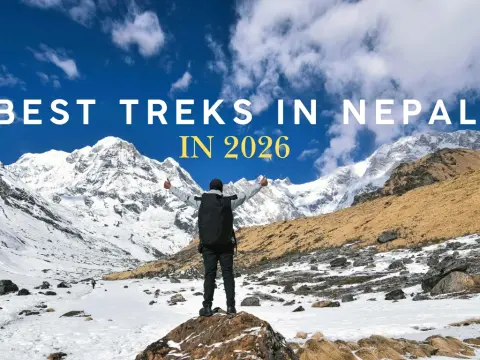
What makes for the best treks in Nepal can vary from person to person. While Everest Base Camp Trek (EBC) at 5545 m is ideal for a trekker wanting the...
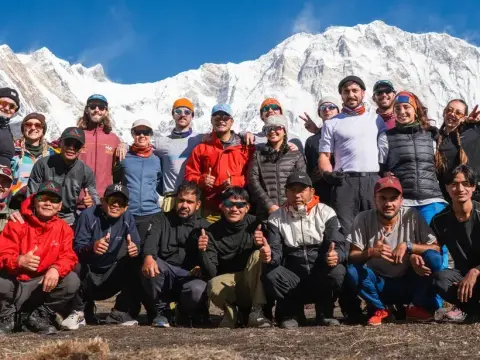
Group Departure Trekking in Nepal offers the perfect solution for adventurers who want to explore the Himalayas without the hassle of planning every d...

Let's cut straight to it. Autumn, specifically September through November, is the best time to trek in Nepal. Spring runs a very close second, coverin...

The Langtang Valley Trek is one of Nepal’s most rewarding trekking adventures—less crowded than Everest or Annapurna, yet rich in culture, biodiversit...
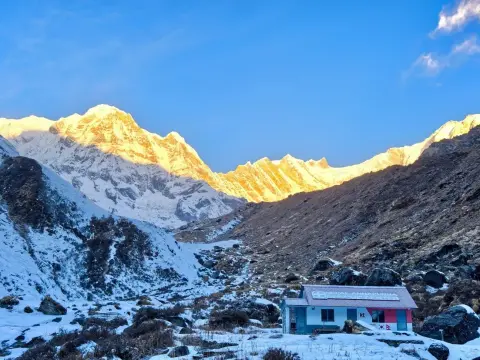
The Annapurna Base Camp trek stands among the world's most iconic Himalayan adventures. Every year, thousands of trekkers from across the globe journe...
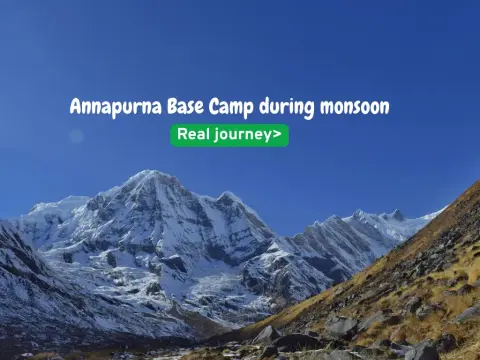
Trekking to Annapurna Base Camp Trek is one of Nepal’s most iconic mountain journeys. For mountaineers, the climb begins here, but for trekkers, Annap...
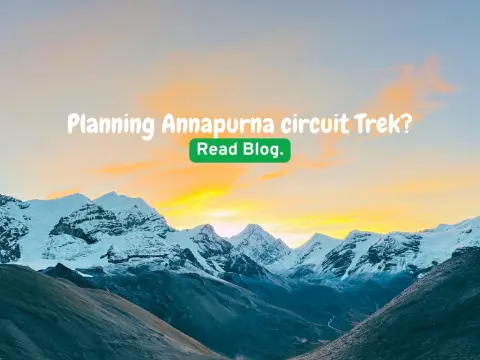
The Annapurna Circuit Trek is one of the world’s most legendary long-distance treks — a journey that circles the Annapurna massif through Nepal’s most...
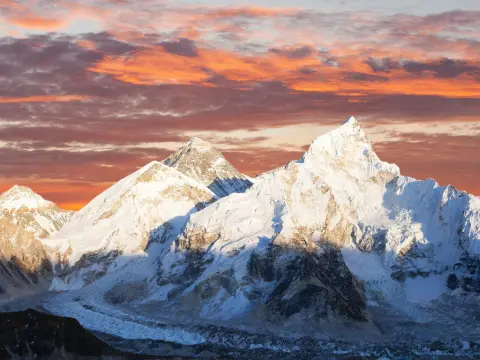
Nepal is a country defined by mountains. Stretching across the country’s northern edge, the Himalayas pack Earth’s highest peaks into one nation. Eigh...
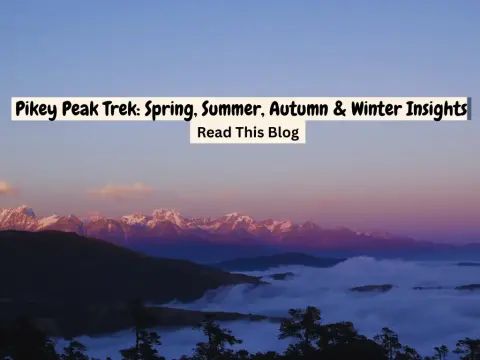
Choosing the best time to trek Pikey Peak Trek is one of the first decisions you'll make when planning this beautiful Himalayan adventure. Located in...
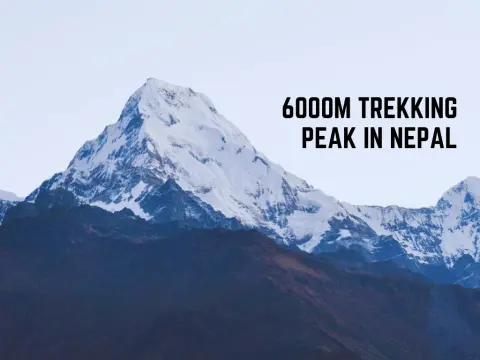
Why 6000m Trekking Peaks Nepal Should Be Your Next AdventureStanding atop a 6000-meter summit in the Himalayas, with prayer flags snapping in the wind...
