
Group Departure Trekking in Nepal – Join Pre-Scheduled Adventures
3 Jul 2025
Group Departure Trekking in Nepal offers the perfect solution for adventurers who want to explore the Himalayas without the hassle of planning every d...

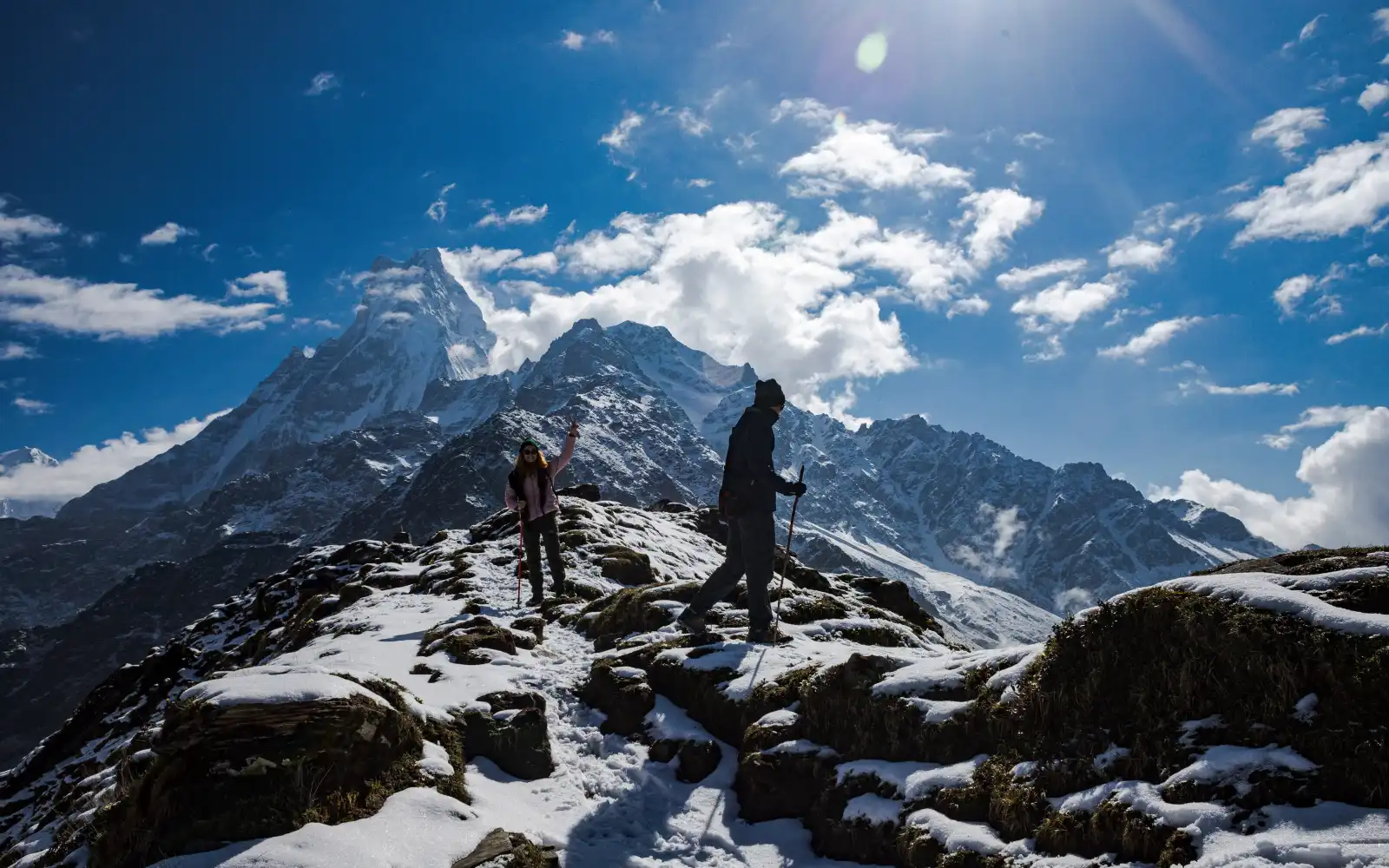

Planning your Mardi Himal Trek itinerary starts with understanding the complete journey from Kathmandu. International travelers arrive at Tribhuvan International Airport (TIA) in Kathmandu, then travel to Pokhara before beginning the actual trek.
The trek itself takes 5 to 7 days depending on your pace and acclimatization preferences. You'll reach a maximum elevation of approximately 4,500 meters at Mardi Himal Base Camp, enjoying spectacular views of Machapuchare, Annapurna South, and Hiunchuli.
This guide covers everything from airport arrival to summit day and back. For complete information on permits, costs, and gear requirements, visit our comprehensive Mardi Himal Trek guide.
Understanding how to reach Mardi Himal from Kathmandu is essential for proper trip planning. The journey involves two stages: reaching Pokhara, then traveling to the trailhead at Kande.
All international flights land at Tribhuvan International Airport (TIA) in Kathmandu. This is Nepal's only international airport.
Key arrival information:
Most trekkers spend one night in Kathmandu before traveling to Pokhara. This allows time for permit processing, gear shopping, and rest after long international flights.
Pokhara serves as the gateway city for Mardi Himal Trek. Three main transport options connect Kathmandu to Pokhara.
Duration: 25–30 minutes
Cost: $100–120 USD one way
Pros:
Cons:
Best for: Trekkers with limited time or those preferring comfort.
Duration: 6–8 hours
Cost: $10–15 USD one way
Pros:
Cons:
Best for: Budget travelers with flexible schedules.
Duration: 5–7 hours
Cost: $150–200 USD (entire vehicle)
Pros:
Cons:
Best for: Groups or families wanting privacy and flexibility.
For the 5 day Mardi Himal Trek itinerary, we recommend flying to Pokhara. The time saved allows you to start trekking the same day you arrive in Pokhara, maximizing your mountain time.
For budget-conscious trekkers with the 7 day Mardi Himal Trek route, the tourist bus works well since you have extra days built into your schedule.
From Pokhara, a 45-minute drive takes you to Kande, the official starting point of the Mardi Himal Base Camp route.
| Day | Route | Elevation | Walking Hours |
|---|---|---|---|
| Day 1 | Kathmandu to Pokhara, Drive to Kande, Trek to Forest Camp | 820m to 2,550m | 5–6 hours |
| Day 2 | Forest Camp to High Camp | 2,550m to 3,580m | 5–6 hours |
| Day 3 | High Camp to Mardi Himal Base Camp and Return | 3,580m to 4,500m to 3,580m | 6–7 hours |
| Day 4 | High Camp to Siding | 3,580m to 1,885m | 5–6 hours |
| Day 5 | Siding to Pokhara, Return to Kathmandu | 1,885m to 820m | 4–5 hours |
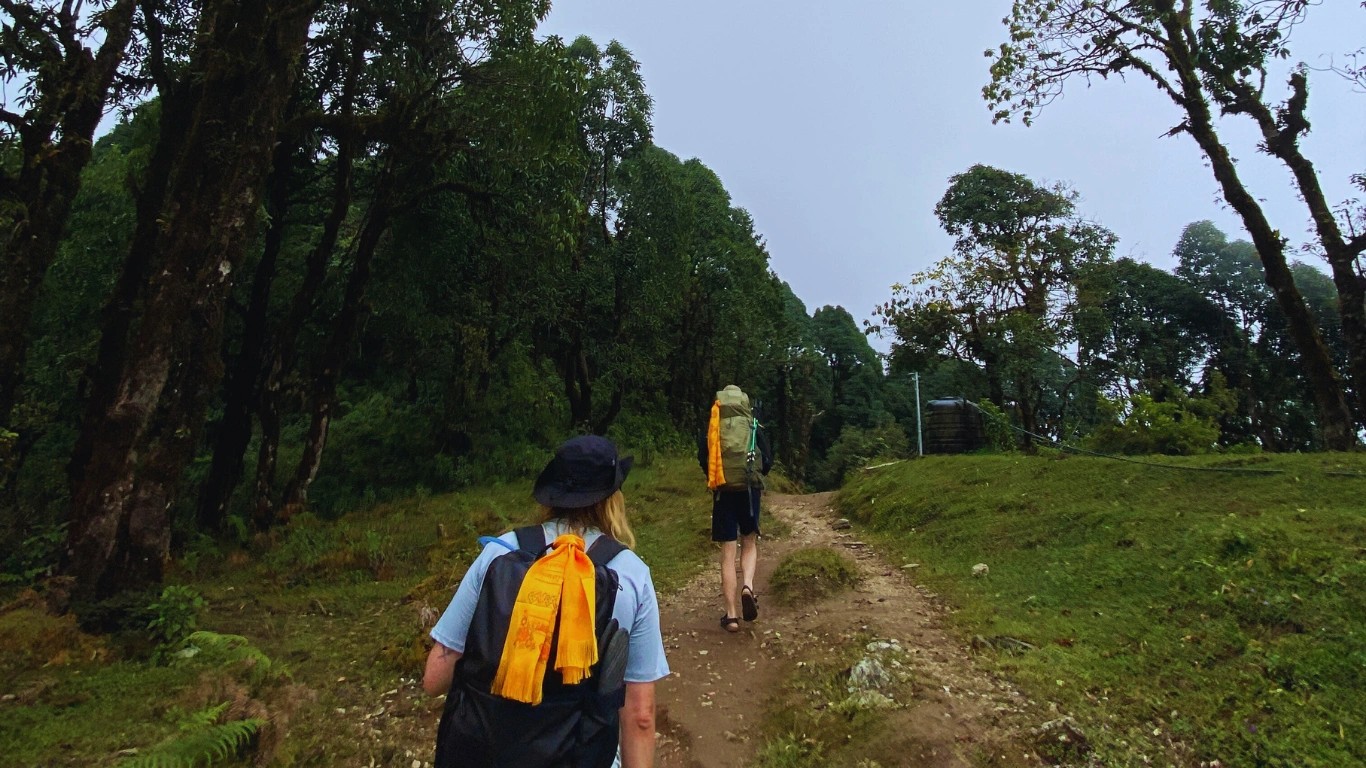
Starting Point: Kathmandu (1,400m)
Trek Starting Altitude: Kande (820m)
Ending Altitude: Forest Camp (2,550m)
Walking Time: 5–6 hours
Total Travel Time: 7–9 hours (including flight/drive + trek)
Your 5 day Mardi Himal Trek itinerary begins early in Kathmandu. An early morning flight or pre-dawn bus departure gets you to Pokhara by mid-morning.
From Pokhara, your trekking team drives you to Kande. The trail begins immediately with a steady uphill climb through farmland and villages.
Trail Condition:
Scenic Highlights:
Accommodation:
Basic teahouse lodge at Forest Camp. Twin rooms with shared bathroom facilities. Electricity available for device charging. Hot meals served in common dining area.
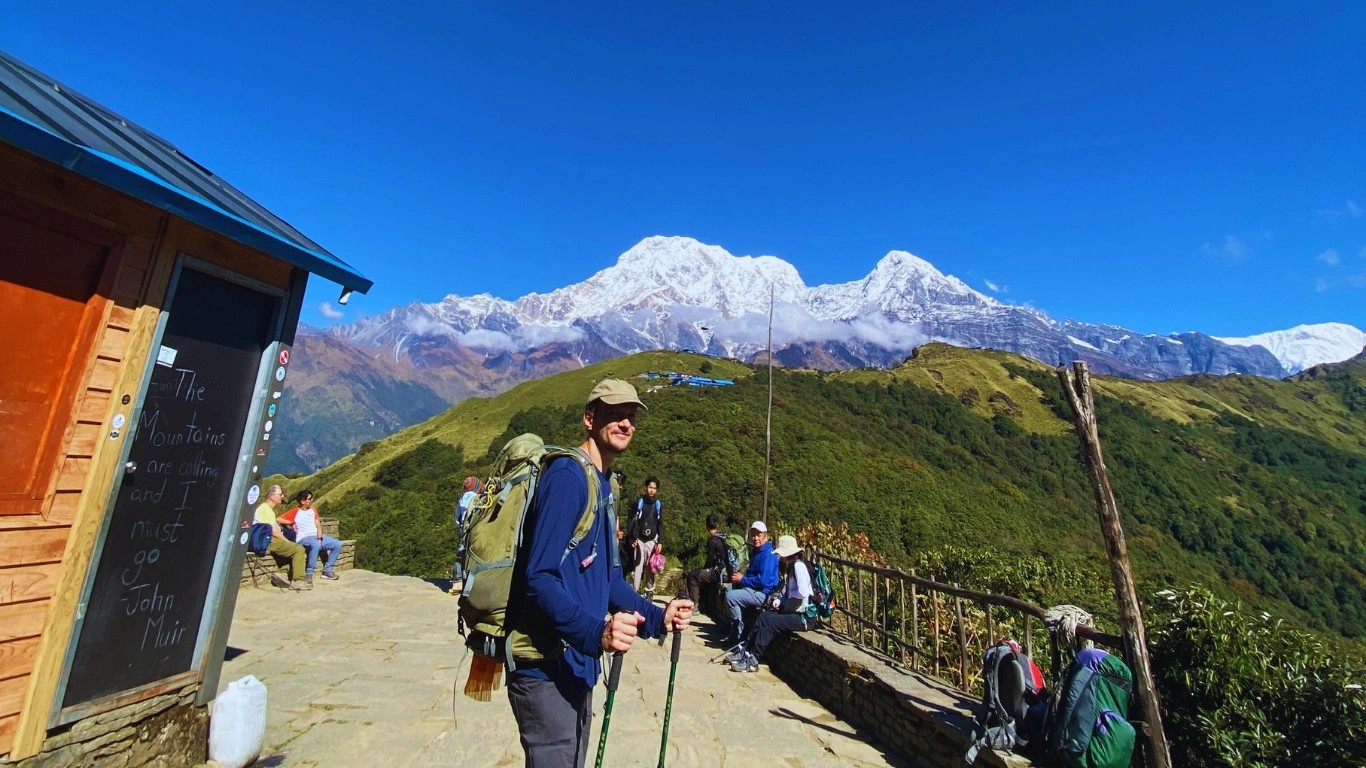
Starting Altitude: 2,550m
Ending Altitude: 3,580m
Walking Time: 5–6 hours
Distance: Approximately 8 km
Day two covers the most significant elevation gain on the Mardi Himal elevation profile. The landscape transforms dramatically as you ascend above the tree line.
Morning begins in dense forest. By afternoon, you emerge onto open alpine ridges with expanding mountain panoramas.
Trail Condition:
Scenic Highlights:
Accommodation:
Simple mountain lodge at High Camp. Basic twin rooms with thick blankets. Limited electricity. Temperatures drop below freezing at night. Common dining room with heating stove.
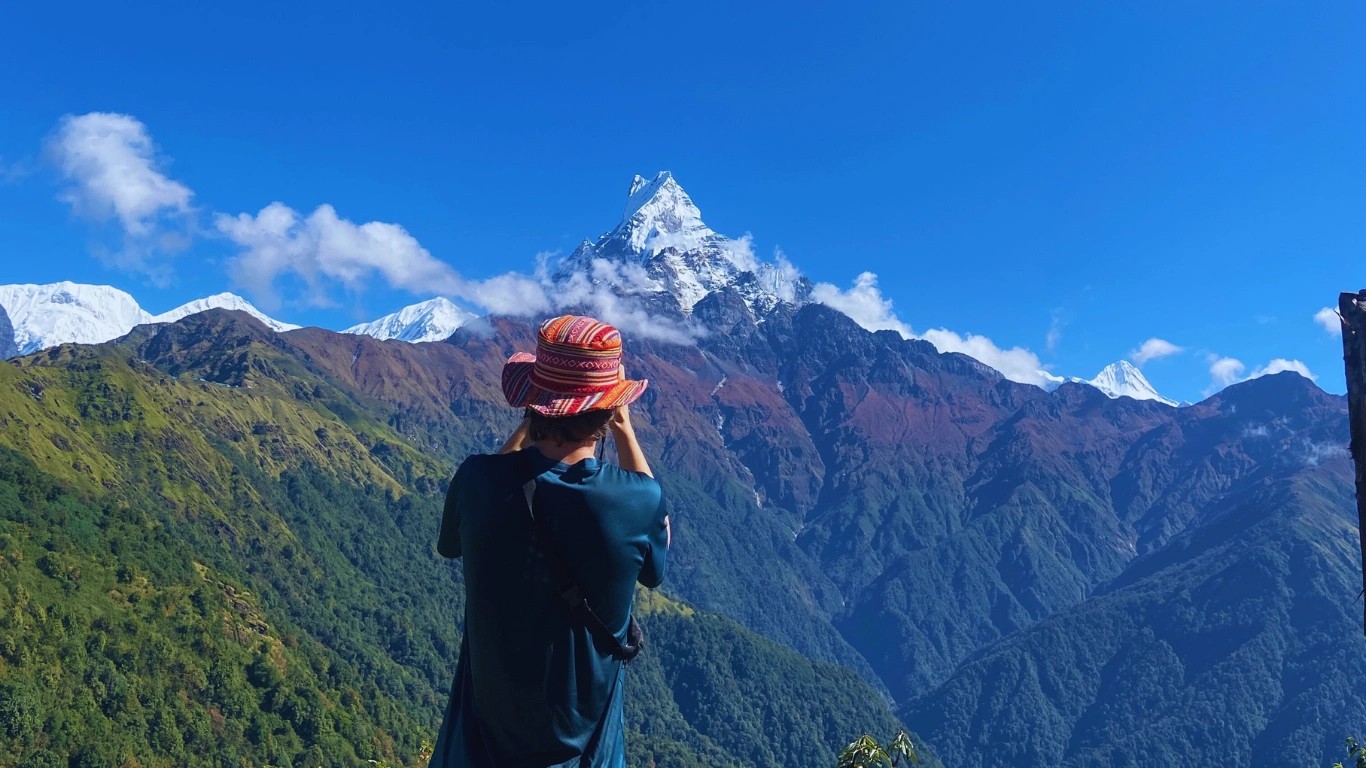
Starting Altitude: 3,580m
Highest Point: 4,500m (Mardi Himal Base Camp)
Ending Altitude: 3,580m (return to High Camp)
Walking Time: 6–7 hours (round trip)
Distance: Approximately 10 km round trip
Summit day is the most challenging and rewarding on the Mardi Himal Base Camp route. An early pre-dawn start ensures clear mountain views before afternoon clouds develop.
The exposed ridgeline trail requires careful footing and respect for the altitude. Take your time and enjoy every moment at the top.
Trail Condition:
Scenic Highlights:
Accommodation:
Return to High Camp for celebratory dinner and overnight rest. Hot meals and warm lodge after demanding summit day.
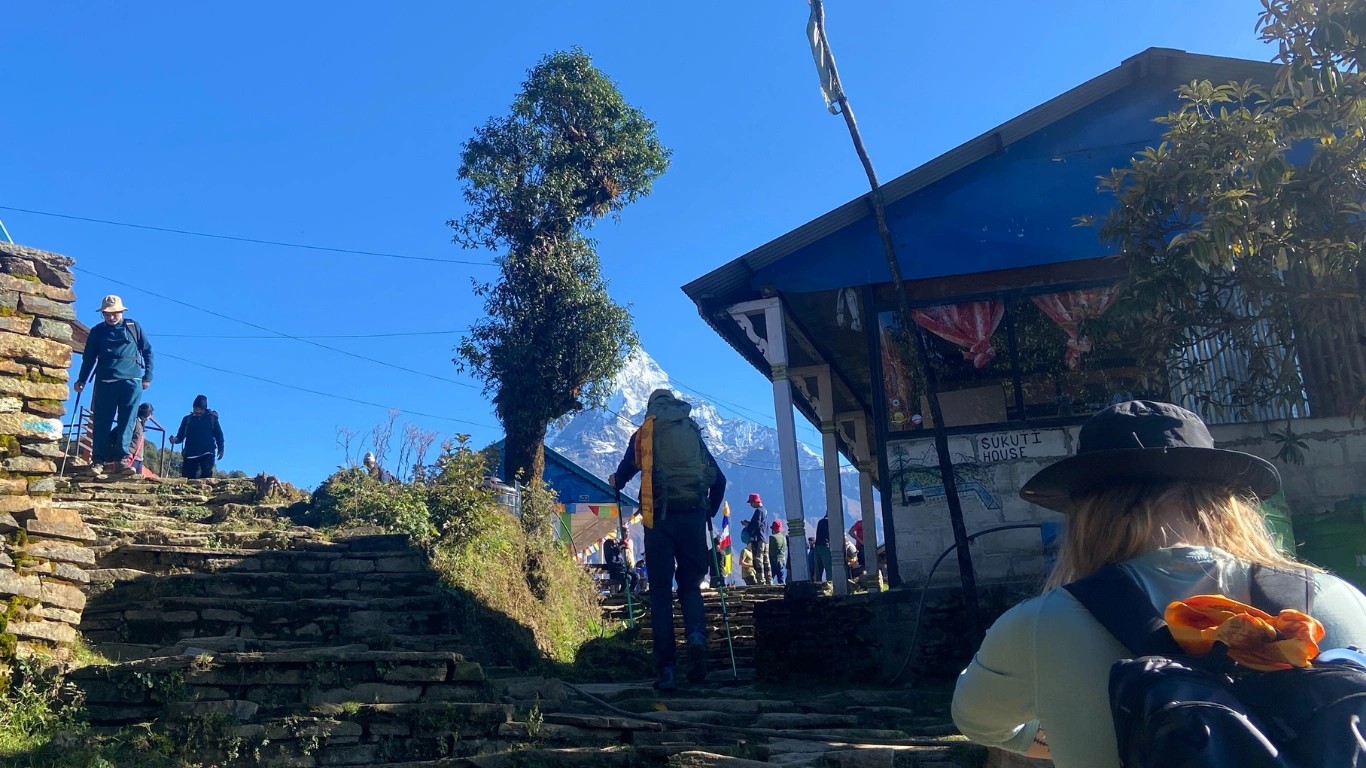
Starting Altitude: 3,580m
Ending Altitude: 1,885m
Walking Time: 5–6 hours
Distance: Approximately 12 km
Descent day takes you down an alternate route through Siding village. This path offers fresh scenery and cultural experiences different from the ascent route.
The long downhill stretches challenge knees and ankles. Trekking poles and proper footwear essential for joint protection.
Trail Condition:
Scenic Highlights:
Accommodation:
Comfortable teahouse in Siding village. Larger rooms than mountain lodges. Hot showers typically available. Warmer sleeping conditions.
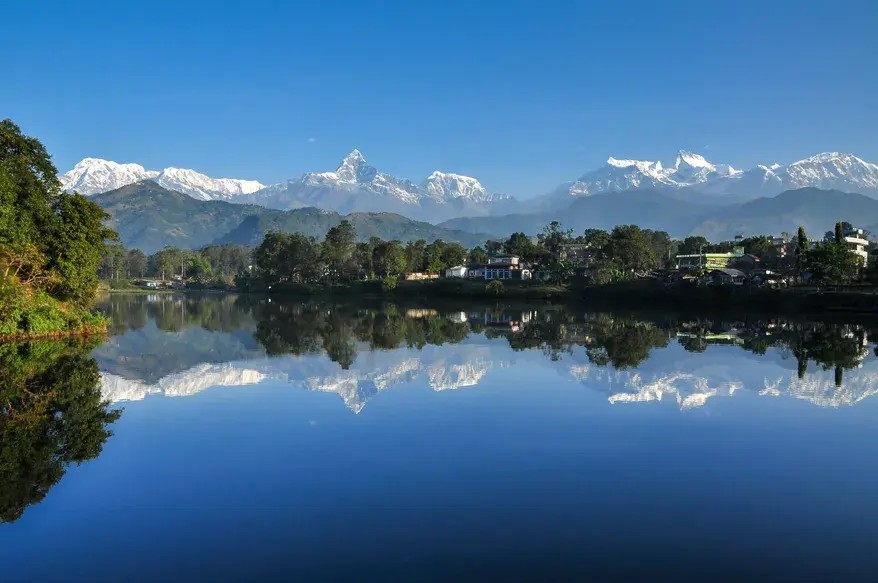
Starting Altitude: 1,885m
Ending Altitude: Pokhara (820m) / Kathmandu (1,400m)
Walking Time: 4–5 hours to road point
Total Travel: Trek + drive to Pokhara + flight/drive to Kathmandu
Final day completes your trek and returns you to civilization. Morning walk descends through peaceful farming villages to Lwang or Lumre, where your vehicle waits.
The drive back to Pokhara takes 1.5–2 hours. Afternoon flight or evening bus returns you to Kathmandu.
Trail Condition:
Scenic Highlights:
Transport Options to Kathmandu:
The 7 day Mardi Himal Trek route provides extra acclimatization time and a more relaxed pace. This version reduces daily elevation gain and includes rest opportunities.
| Day | Route | Elevation |
|---|---|---|
| Day 1 | Kathmandu to Pokhara (night stay) | 820m |
| Day 2 | Pokhara to Kande, Trek to Australian Camp | 820m to 2,060m |
| Day 3 | Australian Camp to Forest Camp | 2,060m to 2,550m |
| Day 4 | Forest Camp to Low Camp | 2,550m to 2,970m |
| Day 5 | Low Camp to High Camp | 2,970m to 3,580m |
| Day 6 | High Camp to Base Camp and Return, Descend to Low Camp | 3,580m to 4,500m to 2,970m |
| Day 7 | Low Camp to Siding to Pokhara, Return to Kathmandu | 2,970m to 820m |
The extended itinerary significantly reduces altitude sickness risk while maximizing enjoyment of the stunning scenery.
The Mardi Himal elevation profile requires respect and proper preparation. Understanding altitude effects keeps you safe and healthy throughout the trek.
Monitor yourself and trekking partners for these symptoms:
Immediate action required: Descend if symptoms worsen despite rest and medication.
All Majestic Trails Nepal guides carry first aid supplies and emergency oxygen. Helicopter evacuation available for serious emergencies.
The Mardi Himal Trek itinerary accommodates various trekker profiles. Here's who benefits most from this route:
The Mardi Himal Trek requires 5 to 7 days of actual trekking from Pokhara. Add 1–2 days for Kathmandu arrival, permit processing, and travel to Pokhara. Total trip duration from arrival to departure is typically 7–10 days.
Yes, multiple daily flights connect Kathmandu to Pokhara. Flight duration is 25–30 minutes. Airlines include Buddha Air, Yeti Airlines, and Shree Airlines. Cost ranges from $100–120 USD one way. Flights offer stunning Himalayan views but may be delayed by weather.
Yes, 5 days is sufficient for reasonably fit trekkers. This itinerary covers all major highlights including Mardi Himal Base Camp. However, those new to altitude or preferring leisurely pace should consider the 7-day option for better acclimatization.
The trek officially starts at Kande village, located 45 minutes by road from Pokhara. Kande sits at 820 meters elevation along the Pokhara-Baglung highway. International travelers begin their journey from Kathmandu's Tribhuvan International Airport (TIA).
While technically possible to trek independently, hiring a guide is strongly recommended. Guides provide navigation assistance, altitude sickness monitoring, teahouse arrangements, and emergency support. Mardi Himal has remote sections where guide expertise proves invaluable. All Majestic Trails Nepal treks include experienced local guides.
Two permits are required:
Permits are obtained in Kathmandu or Pokhara. Majestic Trails Nepal handles all permit processing for clients.
Autumn (September–November) offers the best conditions with clear skies and stable weather. Spring (March–May) features rhododendron blooms and comfortable temperatures. Winter treks (December–February) are possible but colder. Monsoon season (June–August) brings rain and is not recommended.
This complete Mardi Himal Trek itinerary covers everything from Kathmandu arrival to summit success and return. Our experienced team at Majestic Trails Nepal handles all logistics, permits, and arrangements.
For detailed information on trek costs, packing lists, and booking options, visit our main Mardi Himal Trek page.
Contact us today to customize your itinerary or join our next scheduled departure. The mountains are waiting.
Group Departure Trekking in Nepal offers the perfect solution for adventurers who want to explore the Himalayas without the hassle of planning every d...

Let's cut straight to it. Autumn, specifically September through November, is the best time to trek in Nepal. Spring runs a very close second, coverin...

Introduction: Why Spring is Nepal's Golden Season for TrekkersSpring in Nepal is a season of renewal, a time when the Himalayas awaken from their wint...
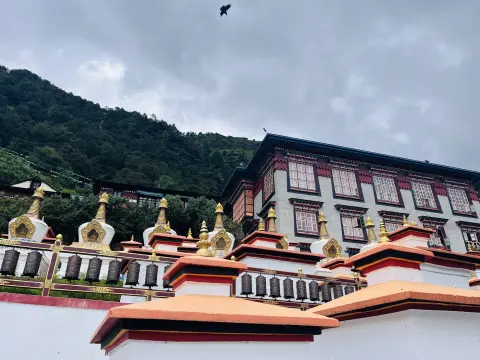
Situated in the peaceful Solu-Khumbu region of Nepal, near the village of Junbesi, Thupten Chholing Monastery is a living testament to Tibetan Buddhis...

Nepal's tourism destinations offer an unforgettable journey through a landlocked country nestled in the embrace of the world’s most majestic mountain...

Introduction"Tailor-made Nepal trips put you in control: Discuss routes, adjust plans, and experience the Himalayas your way with expert local guides"...
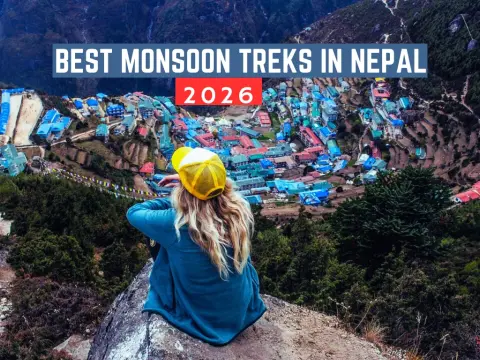
A monsoon trek in Nepal transforms the Himalayas into something most trekkers never witness—thundering waterfalls, emerald valleys, and ancient trails...
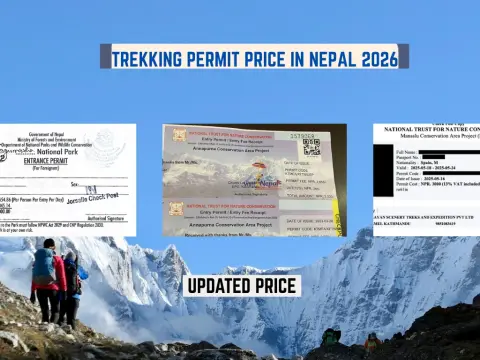
IntroductionPlanning a trek in Nepal requires more than just physical preparation—you also need the right permits. Trekking permits are official docum...
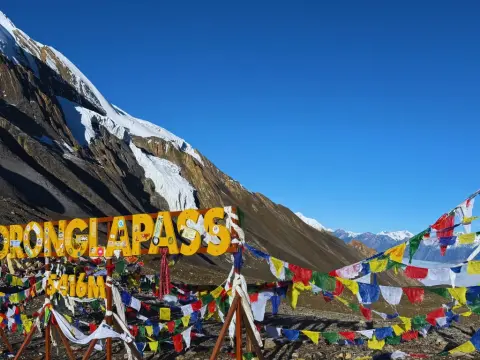
Thorang la Pass is one of the highest and most iconic trekking passes in Nepal, located at 5,416 m (17,769 ft). The pass connects Manang and Mustang a...

If you've ever wondered why trekking in Nepal captivates adventurers from every corner of the globe, the answer lies in its extraordinary combination...

Nepal is a land where nature paints its most spectacular masterpieces. From the towering peaks of the Himalayas to serene alpine lakes, dense jungles...
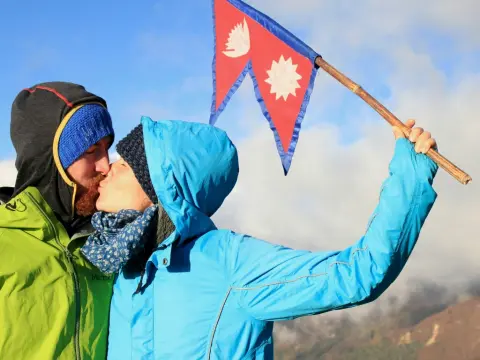
Congratulations on your upcoming wedding! This is an incredibly beautiful, exhilarating chapter of your life, and we are absolutely thrilled that you...
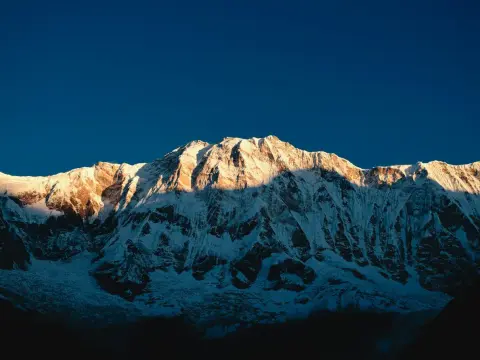
The term "killer mountain" carries a somber weight in mountaineering circles. It refers to peaks with exceptionally high fatality rates relative to su...
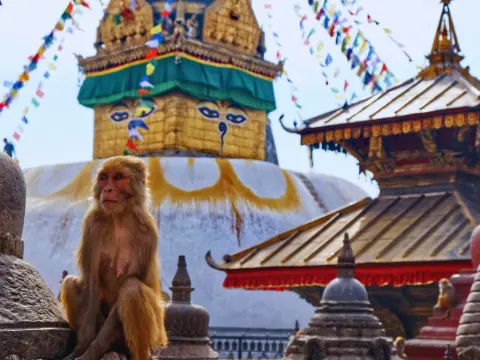
Discover the Heart of NepalIf you're searching for the best places to go in Nepal Kathmandu, you've chosen one of Asia's most captivating destinations...
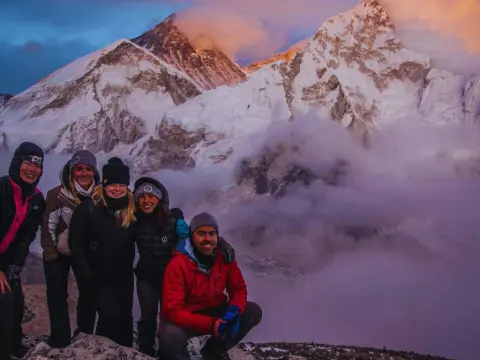
If you're curious about trekking in Nepal, you've landed in the right place. Nepal is home to the world's most breathtaking mountain trails, ancient c...

The most popular treks in Nepal include Everest Base Camp, Annapurna Base Camp, Langtang Valley, Mardi Himal, and Ghorepani Poon Hill. These treks ran...
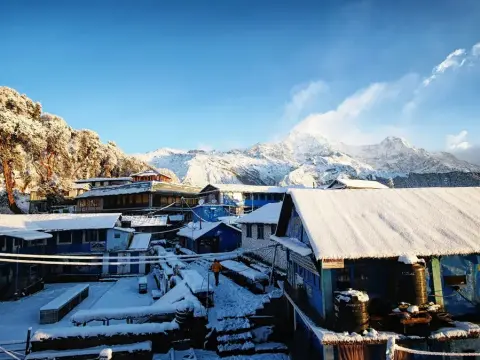
Winter in Nepal gets misunderstood a lot. Most travelers from Europe or North America picture deep snowdrifts, frozen trails, and dangerous conditions...
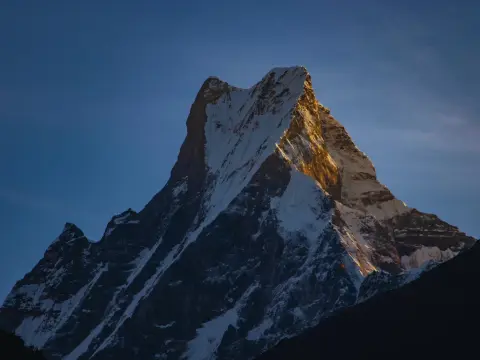
Macchapuchre stands as one of the most iconic and mysterious peaks in the entire Himalayan range. Also commonly spelled Machhapuchhre, this magnificen...
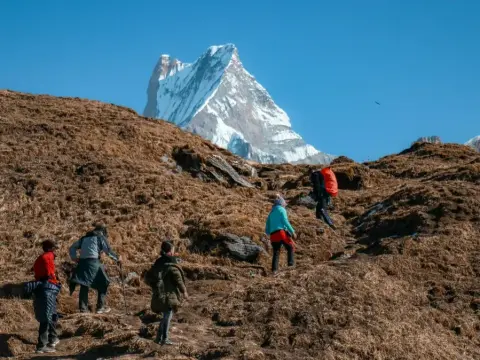
The Best Nepal treks from Kathmandu represent some of the most spectacular mountain journeys on Earth, all accessible from Nepal's vibrant capital cit...
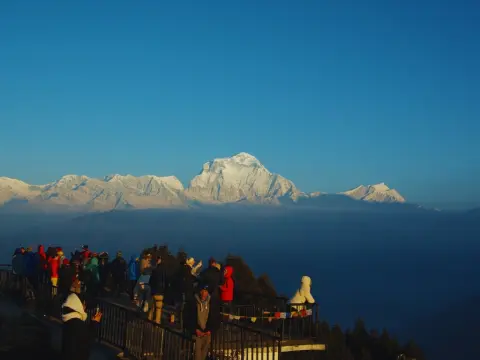
Poon Hill stands as Nepal's most accessible high-altitude viewpoint, rising to 3,210 meters (10,531 feet) above sea level in the Annapurna region of w...
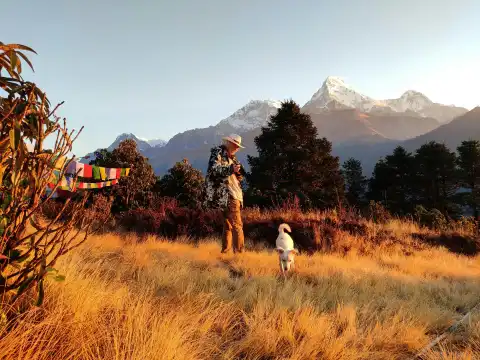
Planning your Himalayan adventure starts with understanding the Poon Hill trek cost clearly. This guide breaks down every expense you will face on thi...
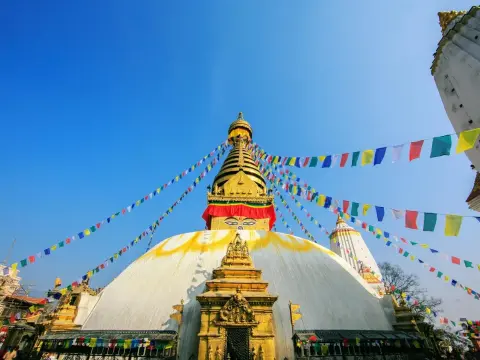
June marks the beginning of Nepal's monsoon season, bringing lush green landscapes, fewer crowds, and unique travel opportunities. While many traveler...
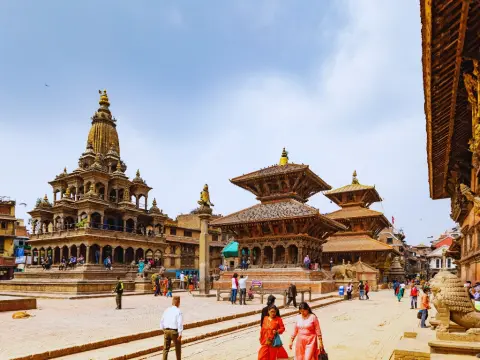
December transforms Nepal into a winter wonderland of crystal-clear skies, snow-dusted peaks, and peaceful trails. For travelers seeking the best plac...
