
Manaslu Circuit Trek in February – A Winter Himalayan Adventure in Nepal
17 Jan 2026
There are treks that impress you, and then there are treks that change you. As someone who has guided and explored many routes across the Himalayas wi...

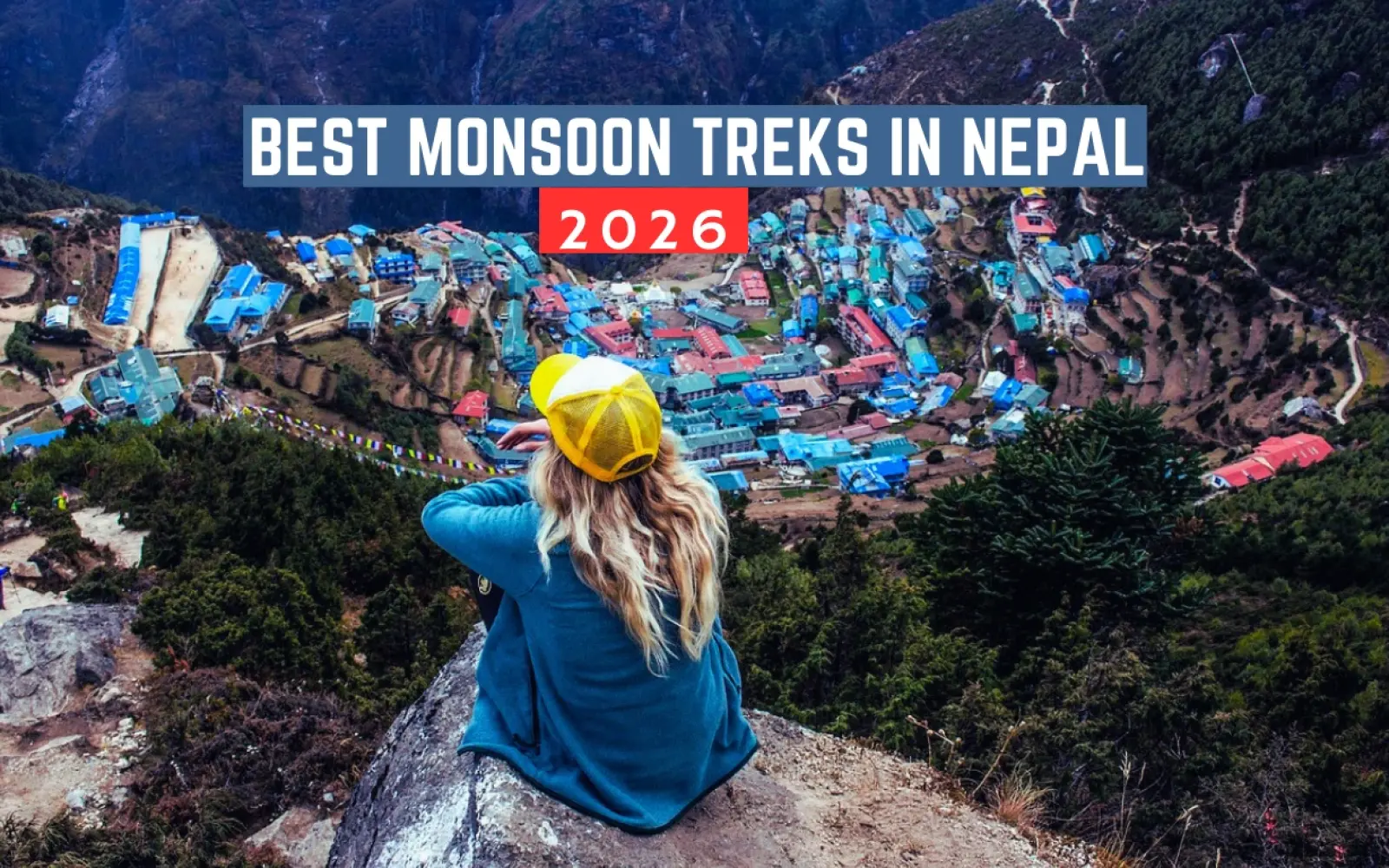

A monsoon trek in Nepal transforms the Himalayas into something most trekkers never witness—thundering waterfalls, emerald valleys, and ancient trails you'll have almost entirely to yourself. While crowds flock to Nepal in autumn, savvy adventurers are discovering that trekking in Nepal during monsoon offers experiences impossible to find any other time of year.
The monsoon season in Nepal typically runs from June to September, bringing warm rain, dramatic skies, and the lushest landscapes of the year.
We have guided treks through every season across Nepal's diverse landscapes. And here's what surprises most people: some of the country's most spectacular regions actually thrive during the rainy season.
After fifteen years leading expeditions from Kathmandu to the Tibetan border, we have witnessed firsthand how monsoon transforms ordinary trails into extraordinary adventures. The waterfalls that barely trickle in October become roaring cascades. The brown hillsides of spring explode into impossible shades of green. And those crowded teahouses? You'll often have them entirely to yourself.
This guide reveals exactly where to trek, what to expect, and how to plan a safe, unforgettable monsoon adventure. Whether you're a seasoned Himalayan trekker or planning your first Nepal experience, you'll find everything needed to make informed decisions.
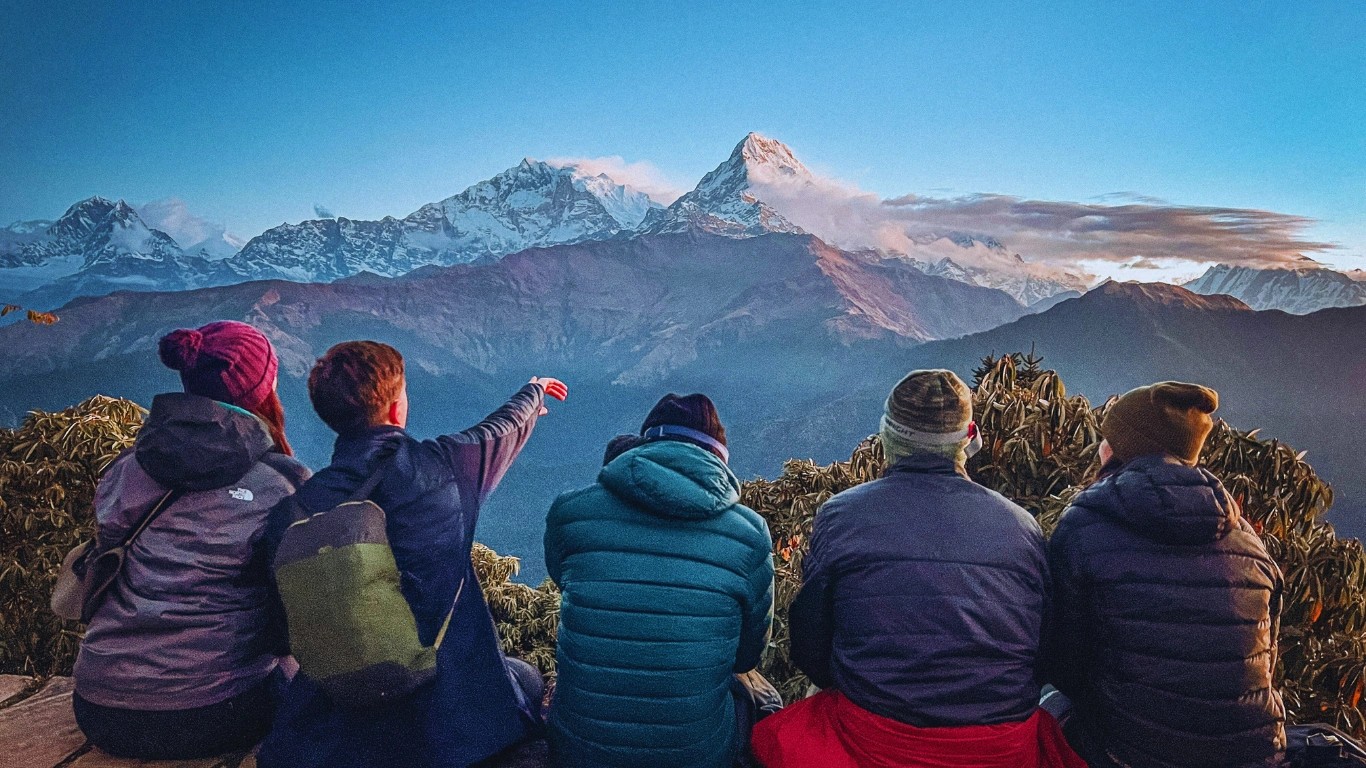
A monsoon trek in Nepal is a Himalayan trekking experience between June and September, strategically routed through rain-shadow regions like Upper Mustang and Dolpo where rainfall remains minimal and trails stay safe while the rest of Nepal receives heavy monsoon rains.
Unlike typical autumn or spring treks, monsoon trekking requires:
When planned correctly, rainy season trekking Nepal delivers unmatched solitude, dramatic landscapes, and authentic cultural encounters.
Nepal's topography creates fascinating weather patterns. The mighty Himalayas act as a barrier, blocking moisture-laden clouds from the Indian Ocean. This creates "rain-shadow" zones where rainfall drops dramatically—sometimes receiving 90% less precipitation than areas just 50 kilometers away.
Smart monsoon trekkers exploit these geographical advantages. While Pokhara receives 3,000mm+ of rain, Upper Mustang gets barely 200mm. Same country, same season—completely different experience.
Most travel websites warn you away from Nepal between June and September. They're not entirely wrong—but they're missing half the story.
Here's what the monsoon actually delivers:
Unmatched Natural Beauty
Rivers swell to their most powerful. Waterfalls appear where dry rock faces stood weeks before. Rice paddies glow electric green. The landscape transforms into something almost tropical.
The visual transformation is staggering. Trails that appear brown and dusty in promotional photos come alive with color. Wildflowers carpet alpine meadows. Glacial lakes reach maximum capacity, reflecting peaks with mirror-like clarity.
Genuine Solitude
Popular trails like Annapurna Circuit see 90% fewer trekkers. Teahouses that normally overflow become intimate. Locals have time to share stories, meals, and genuine hospitality.
Imagine arriving at a teahouse where the owner's children practice English with you because no other foreigners have passed through in weeks. Picture having an entire monastery courtyard for morning meditation. This is monsoon reality.
Dramatic Photography
Moody skies, mist weaving through forests, rainbows arcing over valleys—monsoon light creates images impossible during clear-sky seasons.
Professional landscape photographers increasingly target monsoon windows. The dramatic cloud formations, golden light breaking through storms, and saturated colors produce portfolio-worthy images unavailable during "perfect weather" seasons.
Significant Savings
Expect 20-40% lower prices on accommodation, flights, and guided services during off-season trekking Nepal adventures.
Your budget stretches remarkably further. A trek costing $2,500 in October might run $1,700 in July. Airlines discount seats. Teahouses negotiate rates. Package companies offer incentives to keep guides employed during slow months.
Cultural Authenticity
Without tourist crowds, villages return to daily rhythms. You'll witness real Himalayan life—farmers working terraces, festivals celebrated for locals, not cameras.
The secret? Knowing where to go during monsoon makes all the difference.
Not every trail suits rainy season trekking Nepal conditions. These five regions sit in rain-shadow zones or handle moisture exceptionally well.
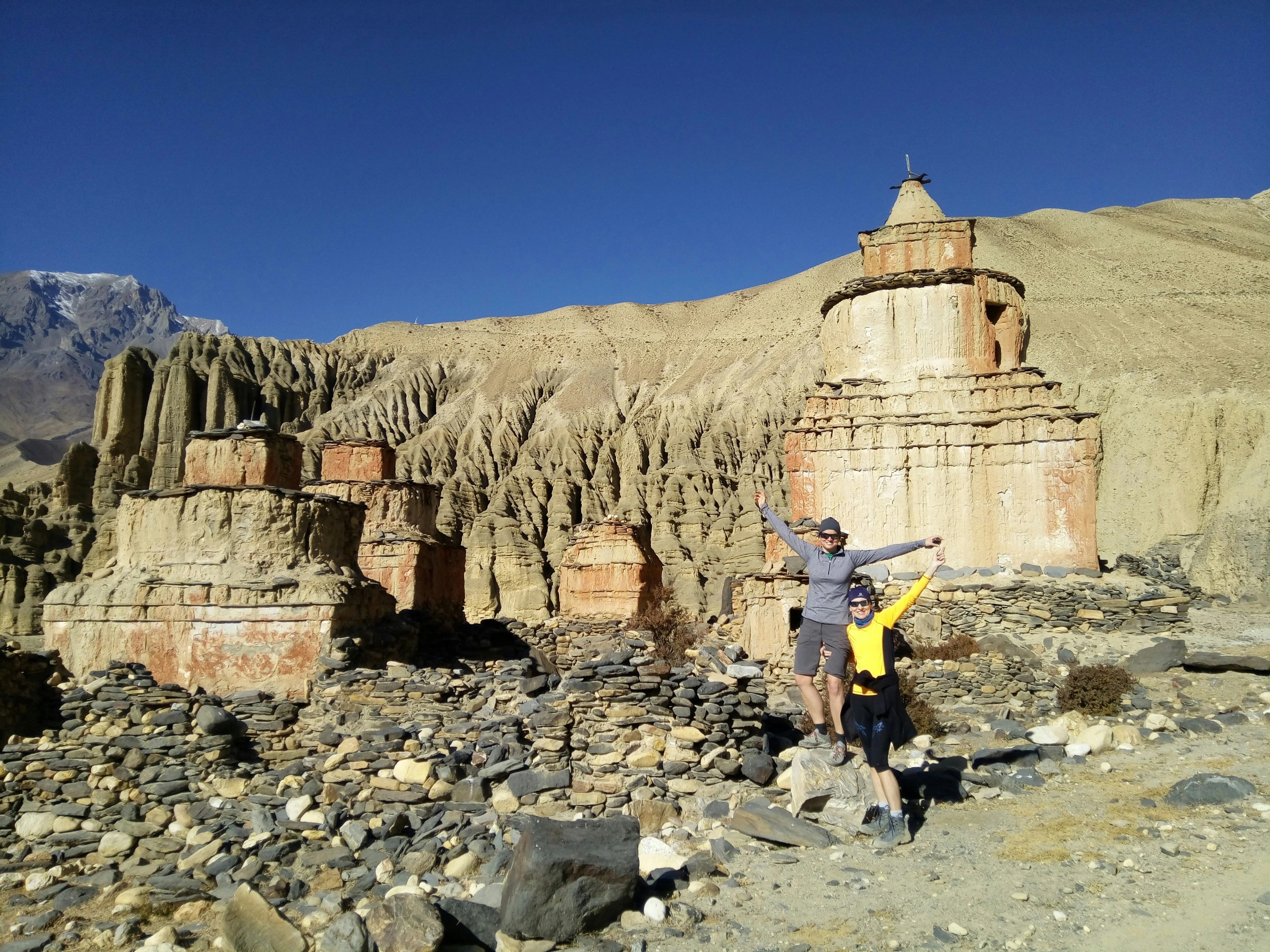
Why It Works: The Tibetan Plateau blocks monsoon clouds entirely. Upper Mustang receives less than 200mm of annual rainfall—making it Nepal's premier monsoon destination.
The geography here is extraordinary. While trekkers in Annapurna Sanctuary shelter from afternoon deluges, Upper Mustang remains bone-dry. The Himalayan range creates such an effective barrier that you'll often see storm clouds piled dramatically to the south—unable to cross the 8,000-meter peaks—while you hike under clear blue skies.
What You'll Experience:
The Cultural Dimension:
Upper Mustang remained a forbidden kingdom until 1992. Even today, it feels like stepping back in time. The Loba people maintain traditions unchanged for centuries. Monks perform daily rituals in monasteries established 800 years ago. Farmers use wooden plows pulled by yaks. Children learn Tibetan script alongside Nepali.
During monsoon, this cultural immersion deepens. Without tourist crowds, locals engage genuinely. You'll be invited for butter tea in family homes. Farmers share stories while working fields. The experience becomes less "tourism" and more "cultural exchange."
Sample 12-Day Itinerary:
| Day | Route | Highlights |
|---|---|---|
| 1-2 | Kathmandu → Jomsom | Scenic flight over Annapurna |
| 3 | Jomsom → Kagbeni | Gateway to Upper Mustang |
| 4 | Kagbeni → Chele | Entering restricted zone |
| 5-6 | Chele → Syangboche → Ghami | Ancient villages, desert trails |
| 7-8 | Ghami → Lo Manthang | Walled city exploration |
| 9-10 | Lo Manthang exploration | Monasteries, caves, local life |
| 11-12 | Return to Jomsom | Different route options available |
An Upper Mustang monsoon trek remains the gold standard for rainy season Nepal adventures.
Explore our complete Upper Mustang monsoon trek in Nepal itinerary and pricing
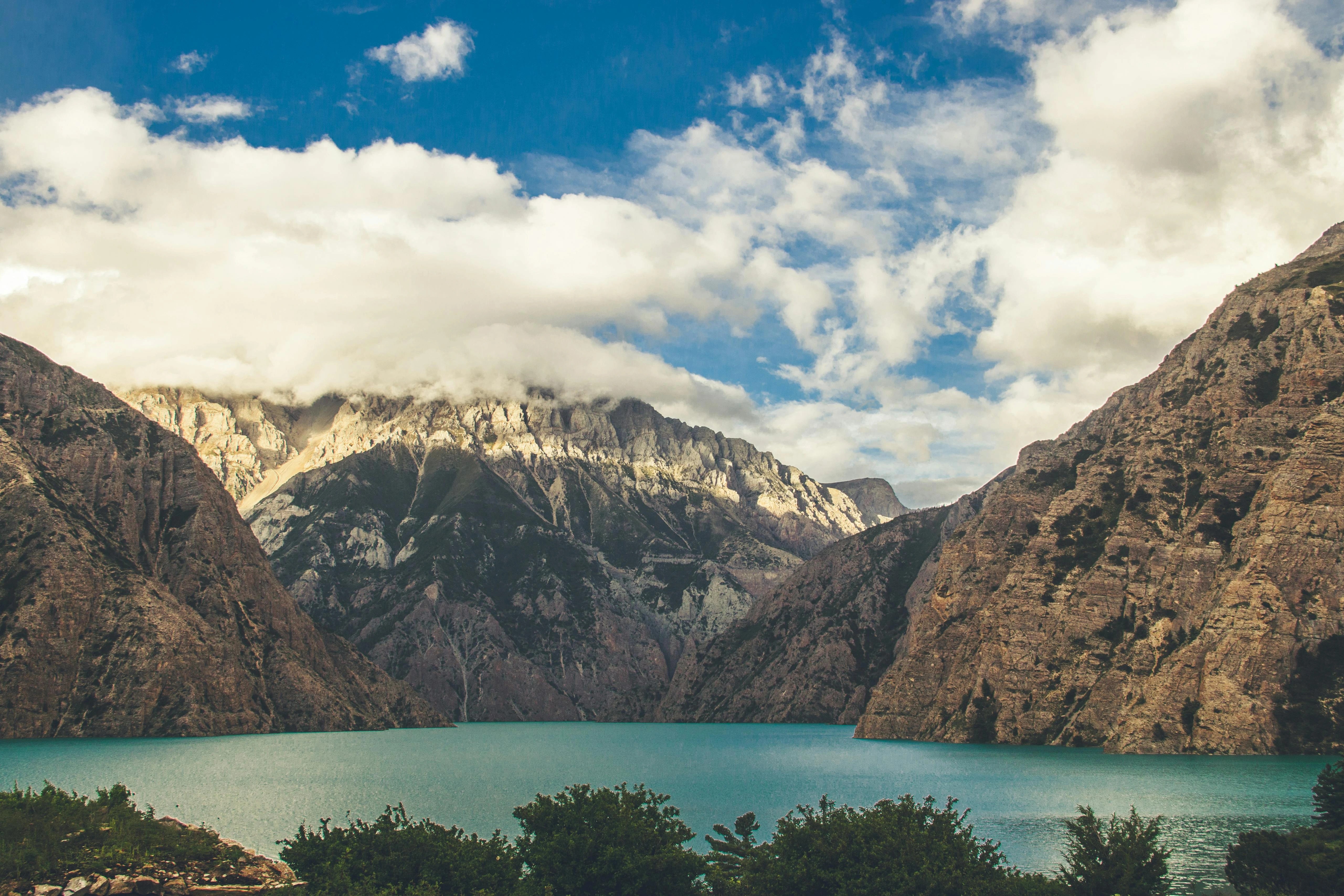
Why It Works: Like Upper Mustang, Dolpo sits in the Himalayan rain shadow. Its remote location means almost zero trekkers—even during peak seasons.
Dolpo represents Nepal's final frontier. Roads haven't reached most villages. Helicopter evacuations require perfect weather. Supplies arrive by mule train or porter. This remoteness creates challenges—but also unparalleled authenticity.
What You'll Experience:
The Shey Phoksundo Experience:
Many consider Shey Phoksundo Nepal's most beautiful lake. During monsoon, snowmelt feeds the lake to maximum capacity. The turquoise waters—colored by glacial minerals—contrast dramatically against surrounding cliffs. Without crowds, you might have the entire shoreline to yourself for sunrise photography.
Trek Duration: 14-21 days depending on route
Difficulty: Strenuous (remote terrain, high passes)
Permit Required: Restricted area permit ($500 for 10 days)
Dolpo rewards adventurers seeking genuine wilderness and cultural immersion during their monsoon trek in Nepal.
Discover the Dolpo region monsoon trek in Nepal experience
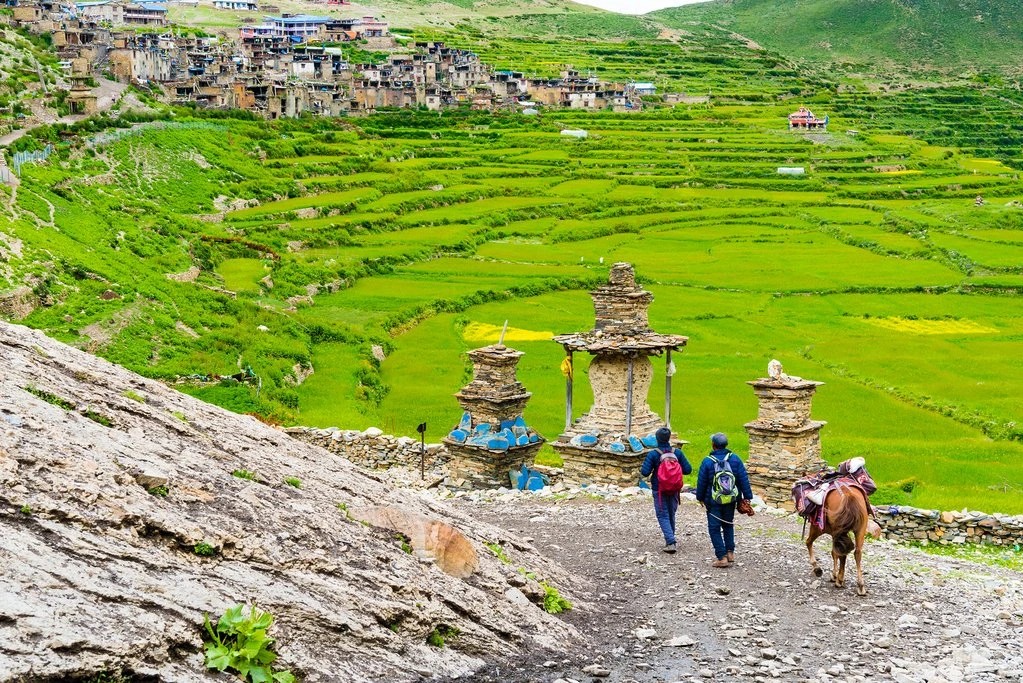
Why It Works: Positioned behind the Annapurna massif, Nar Phu catches significantly less rainfall than main Annapurna trails while offering superior solitude.
Nar Phu opened to trekkers only in 2003. Two decades later, it remains remarkably undiscovered. The valley's positioning—tucked behind Annapurna II and Lamjung Himal—creates a rain-shadow effect while remaining more accessible than Upper Mustang or Dolpo.
What You'll Experience:
Nar Village Experience:
Nar Village sits at 4,200m, home to roughly 300 residents of Tibetan origin. During monsoon, the village focuses on agricultural activities impossible during winter. You'll witness barley harvests, butter churning, and cheese production. Children help parents in fields while monks maintain centuries-old rituals in the village gompa.
Trek Duration: 10-14 days
Best For: Trekkers wanting Tibetan culture without Upper Mustang's permit costs
This hidden valley sees fewer than 1,000 visitors annually—most missing the summer trekking Nepal window entirely.
Plan your Nar Phu Valley monsoon trek in Nepal adventure
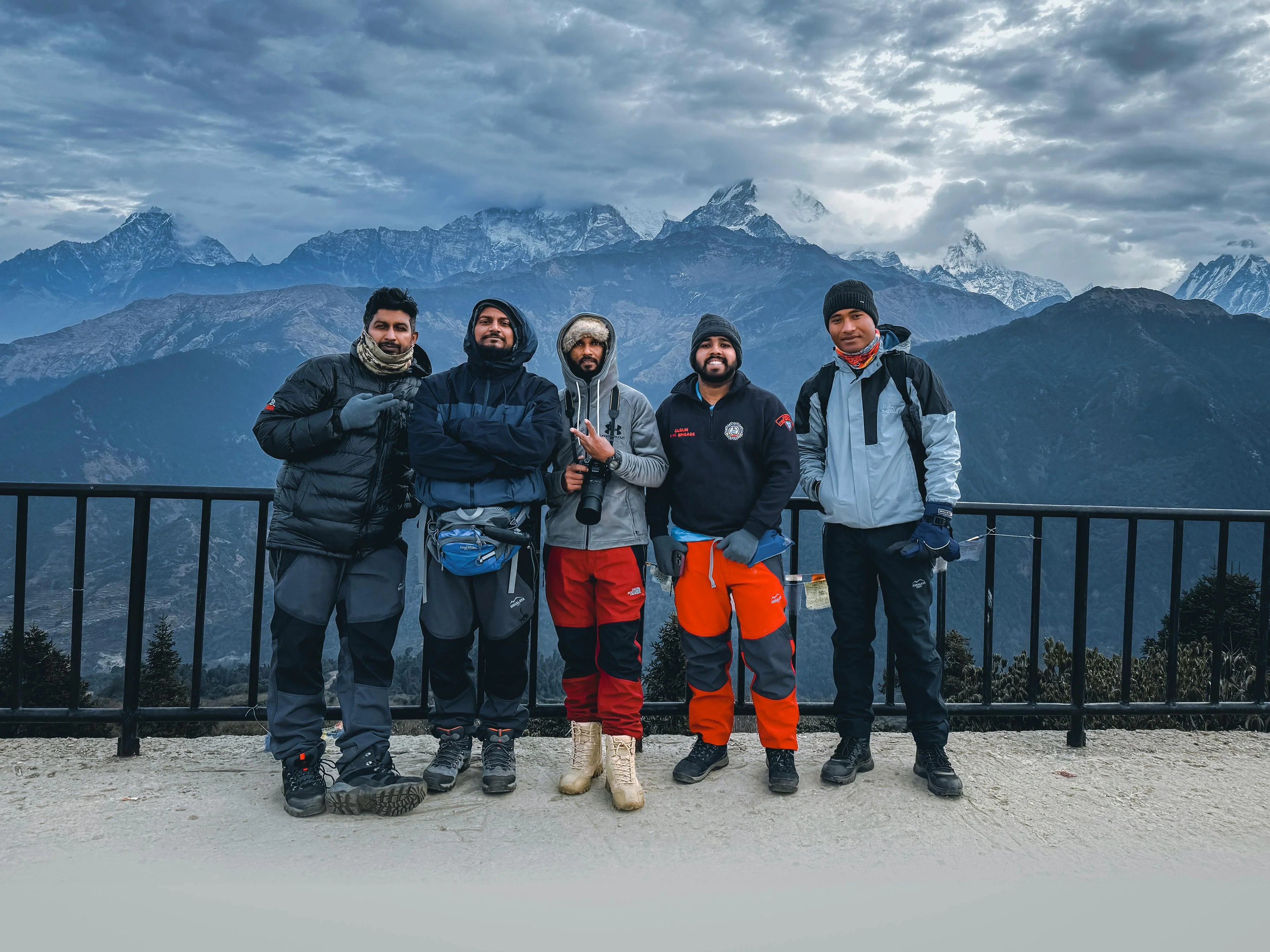
Why It Works: While rain falls, the lower elevation and well-maintained trails make this Nepal's most accessible monsoon trek. Early morning views often clear before clouds build.
Poon Hill proves that monsoon trekking works even outside rain-shadow zones—with proper planning. The key? Understanding weather patterns and adjusting your schedule accordingly.
What You'll Experience:
Monsoon Magic Here:
While rain complicates Poon Hill, it also creates magic. The rhododendron forests—Nepal's national flower—reach peak verdancy. Morning mist creates ethereal photography conditions. And those famous sunrise views? They're actually more common than people assume, especially in June and September.
Trek Duration: 4-5 days
Difficulty: Moderate (suitable for beginners)
Monsoon Strategy: Start sunrise hikes by 4:30 AM for clear views before afternoon clouds
For summer trekking Nepal adventures with limited time, Poon Hill delivers accessible beauty.
Check out our Ghorepani Poon Hill monsoon trek in Nepal package
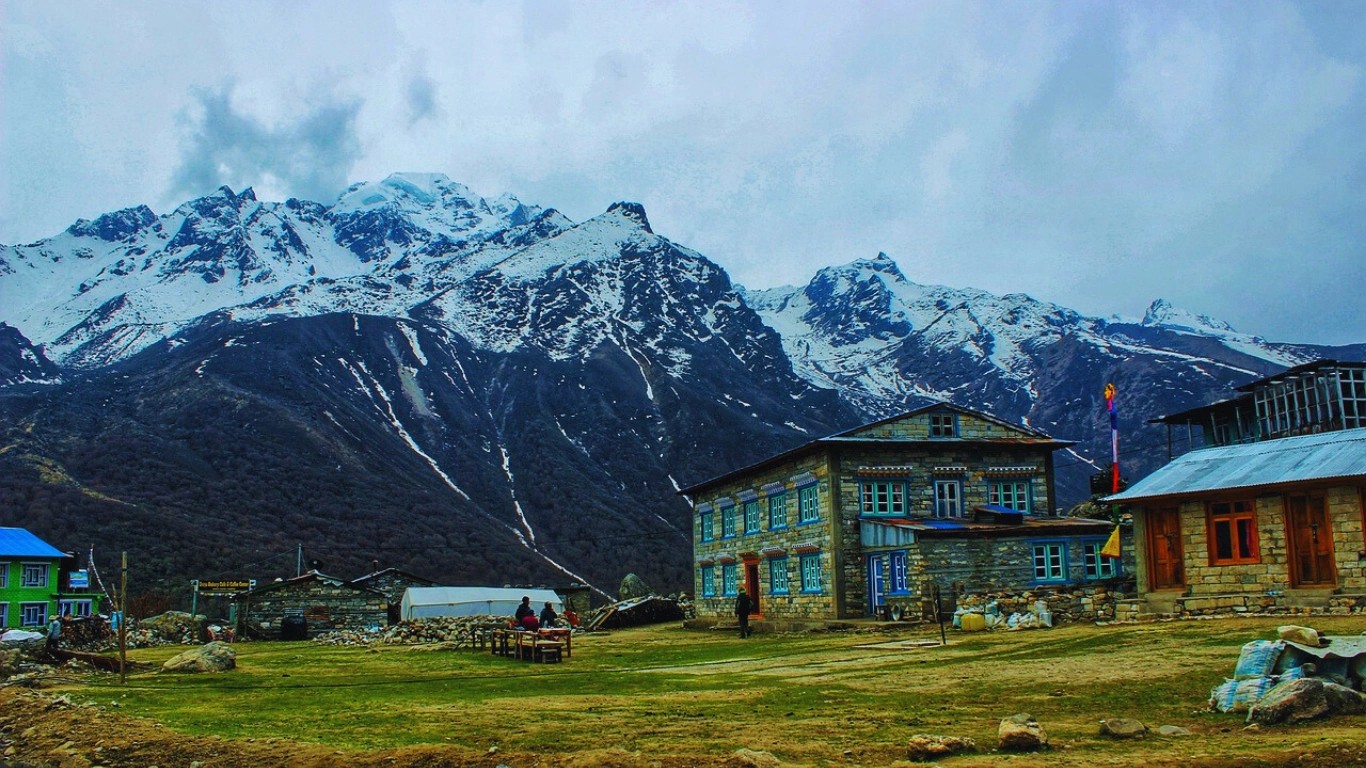
Why It Works: While receiving monsoon rain, Langtang's northern position and valley orientation create surprisingly manageable conditions. The landscape explodes with wildflowers and waterfalls.
Langtang recovered remarkably from the 2015 earthquake. Today, rebuilt teahouses and improved trails make it arguably better than before. The valley's orientation—running east-west with a northern aspect—means it receives less direct monsoon impact than south-facing regions.
What You'll Experience:
The Tamang Heritage:
The Tamang people of Langtang maintain distinct cultural traditions. During monsoon, with fewer tourists, cultural interactions deepen. Join cheese-making at Kyanjin's famous factory. Participate in evening prayers at the gompa. Learn Tamang phrases from teahouse owners. This is trekking as cultural exchange, not tourism performance.
Trek Duration: 7-10 days
Monsoon Reality: Expect afternoon rain, morning clarity, and leeches on lower trails
Langtang offers a genuine rainy season trekking Nepal experience—embrace the elements and discover incredible rewards.
View our Langtang Valley monsoon trek in Nepal details
Let's address monsoon trekking concerns honestly. Transparency builds trust—and helps you prepare properly.
Monsoon rain follows predictable rhythms:
Understanding these patterns transforms your experience. Start trekking early—5:30 or 6:00 AM—and reach your destination by early afternoon. Use rainy hours for rest, reading, or teahouse conversations. This rhythm actually creates more relaxed trekking than rushed autumn schedules.
Leeches: Present on forested trails below 3,000m. Annoying but harmless. Salt, tobacco, or leech socks handle them effectively.
Leeches terrify newcomers but cause minimal actual problems. They don't transmit diseases. Bites heal quickly. After a few encounters, most trekkers view them as minor annoyances—like mosquitoes, not medical emergencies.
Landslides: Real concern on steep sections. This is why guided trekking matters—local guides know current conditions, alternative routes, and danger zones.
River Crossings: Some bridges become impassable. Flexible itineraries essential.
Slippery Trails: Stone paths and wooden bridges get slick. Quality trekking poles non-negotiable.
Solo trekking during monsoon is strongly discouraged. Experienced guides provide:
The value of local expertise multiplies during monsoon. A guide who trekked the same trail last week knows which sections washed out, which bridges need repair, and where conditions remain excellent. This knowledge literally saves lives.
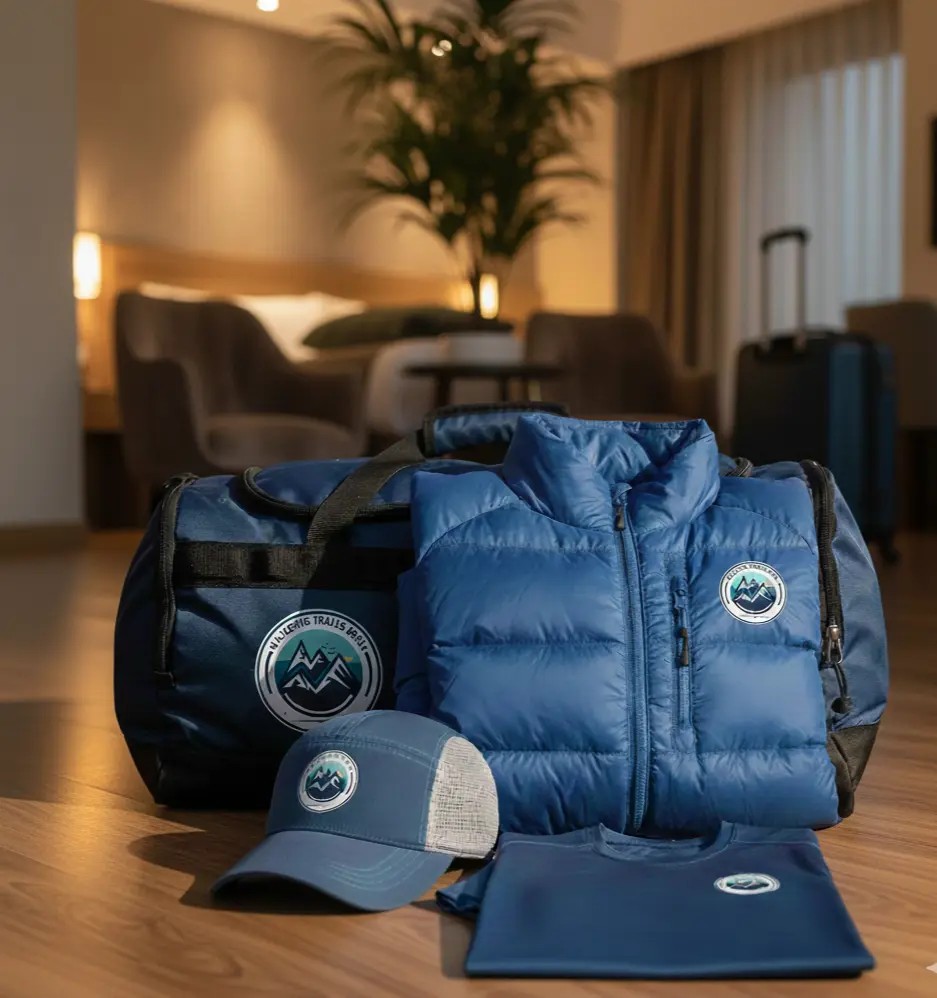
Your monsoon packing list differs significantly from autumn treks. Every item below serves a specific purpose for rainy season success.
Rain Protection:
Footwear:
Leech Defense:
Electronics Protection:
Health Items:
Clothing Strategy:
June Details: The monsoon typically arrives in eastern Nepal around June 10-15, reaching western regions by late June. Early June offers a sweet spot—lush greenery from pre-monsoon showers, fewer crowds than May, and reasonable weather windows.
July Details: July challenges trekkers outside rain-shadow zones. But Upper Mustang and Dolpo actually peak now. The complete absence of tourists creates extraordinary experiences. Festivals occur without tourist audiences.
August Details: Teej, Janai Purnima, and other festivals fill August. Trans-Himalayan regions remain excellent. The landscape reaches maximum saturation—photography opportunities peak for those embracing dramatic conditions.
September Details: Early September still feels like monsoon. By mid-month, conditions improve dramatically. Late September rivals October for weather while maintaining lower prices and smaller crowds. This month offers the broadest route selection.
Recommendation: For the best monsoon treks in Nepal, late June or September offer optimal balance. July-August suit Upper Mustang and Dolpo perfectly.
Honest assessment builds trust. Here's the complete picture:
A monsoon trek in Nepal isn't for everyone. But for adventurers embracing imperfection, it delivers experiences unavailable any other time.
Yes, when you choose appropriate routes and trek with experienced guides. Rain-shadow regions like Upper Mustang and Dolpo remain largely unaffected by monsoon rains. Other trails require careful planning, updated route information, and flexibility. Solo trekking during monsoon is strongly discouraged due to landslide risks and trail condition changes. With proper precautions, monsoon trekking maintains excellent safety records.
Upper Mustang is the definitive answer for July and August trekking. Receiving almost no monsoon rain due to its trans-Himalayan position, it offers reliable conditions when everywhere else is wet. Dolpo provides a more challenging alternative with similar rain-shadow protection. Both regions actually peak during these months when the rest of Nepal becomes difficult.
Upper Mustang is best during monsoon—not just good. While the rest of Nepal receives heavy rain, Upper Mustang's position behind the Himalayan barrier keeps it dry with less than 200mm annual rainfall. July and August are actually ideal months—you'll encounter the fewest trekkers and best weather combination of the entire year.
Domestic flights face higher cancellation rates during monsoon months. Flights to mountain destinations like Lukla and Jomsom experience delays or cancellations regularly due to cloud cover and afternoon storms. Build 2-3 buffer days into your itinerary. Helicopter evacuation for emergencies remains available but is weather-dependent. Always have contingency plans and travel insurance covering delays.
Significantly cheaper—expect 20-40% savings across all categories:
Annoying but manageable. Leeches exist on forested trails below 3,000m—not in high alpine zones. They don't transmit diseases or cause lasting harm. Gaiters or leech socks block them effectively. Salt removes attached leeches instantly. Most trekkers find them less problematic than feared. Trans-Himalayan treks (Upper Mustang, Dolpo) have virtually no leeches due to arid conditions.
Yes, with appropriate route selection. Ghorepani Poon Hill suits monsoon beginners—short duration, well-maintained trails, accessible teahouses. Upper Mustang works for fit beginners willing to commit to 12+ days. Avoid technical routes or remote areas for your first monsoon experience.
The monsoon reveals a Nepal that most travelers never witness. Waterfalls thundering down valley walls. Villages wrapped in mist and mystery. Trails where you won't see another foreigner for days.
This is the Nepal that existed before tourism transformed popular trails into highways. This is the Nepal that locals cherish—vibrant, alive, and achingly beautiful.
Majestic Trails Nepal specializes in monsoon expeditions to Upper Mustang, Dolpo, Nar Phu Valley, and other rain-shadow regions. Our Nepali guides have trekked these routes for decades—they know which trails stay safe, which teahouses remain open, and where to find clear morning views.
Unlike operators who merely tolerate monsoon bookings, we actively champion this season. Our guides train specifically for monsoon conditions. We maintain teahouse relationships ensuring accommodations stay open. We monitor trail conditions daily through local networks.
This isn't reluctant off-season service—it's passionate expertise.
[Suggested Image Alt-Text: "Majestic Trails Nepal guide leading monsoon trek in Nepal through green Himalayan valley with dramatic clouds overhead"]
Your monsoon trek in Nepal adventure starts with a conversation. Tell us your dates, fitness level, and interests—we'll design an experience matching your vision.
Contact Majestic Trails Nepal for Your Monsoon Trek Inquiry →
📧 Email: info@majestictrailsnepal.com
📍 Thamel, Kathmandu, Nepal
Planning your 2026 monsoon adventure? Book before April to secure guide availability for peak July-August departures. Early booking discounts available for groups of 4+.
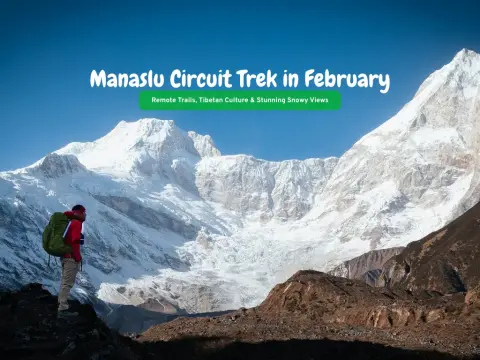
There are treks that impress you, and then there are treks that change you. As someone who has guided and explored many routes across the Himalayas wi...
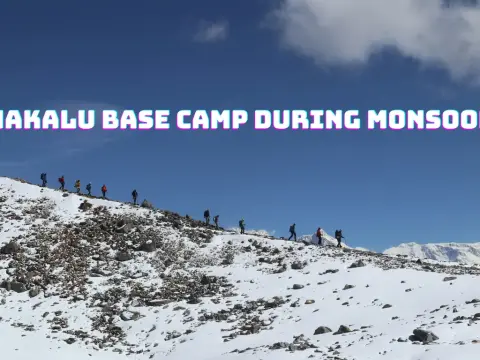
Makalu Base Camp Trek in the monsoon offers one of Nepal’s most remote and raw trekking experiences. Located inside Makalu Barun National Park, named...
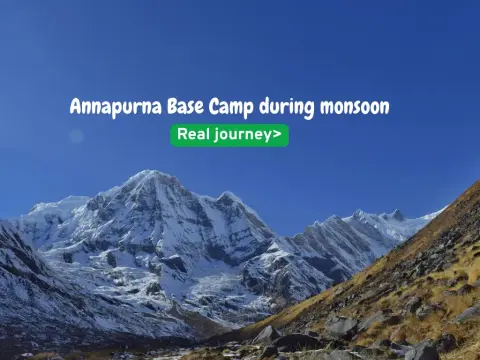
Trekking to Annapurna Base Camp Trek is one of Nepal’s most iconic mountain journeys. For mountaineers, the climb begins here, but for trekkers, Annap...
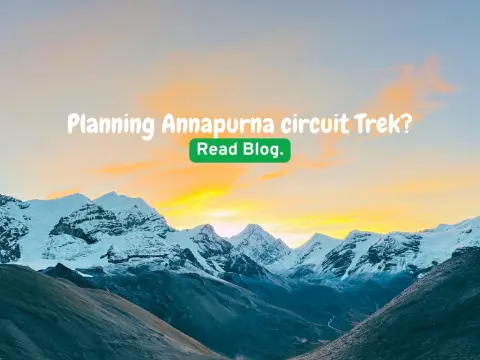
The Annapurna Circuit Trek is one of the world’s most legendary long-distance treks — a journey that circles the Annapurna massif through Nepal’s most...
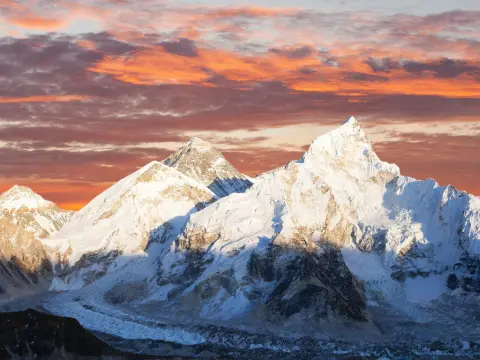
Nepal is a country defined by mountains. Stretching across the country’s northern edge, the Himalayas pack Earth’s highest peaks into one nation. Eigh...
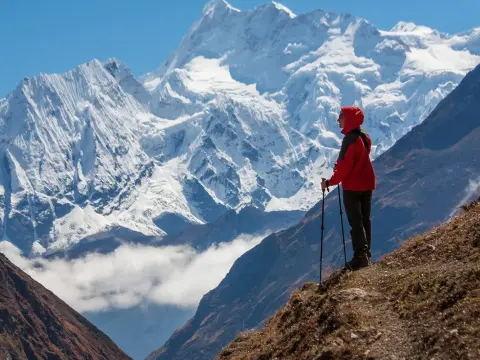
Introduction: Why Nepal is Perfect for Budget TrekkingNepal has long been celebrated as one of the world's premier trekking destinations, but what man...
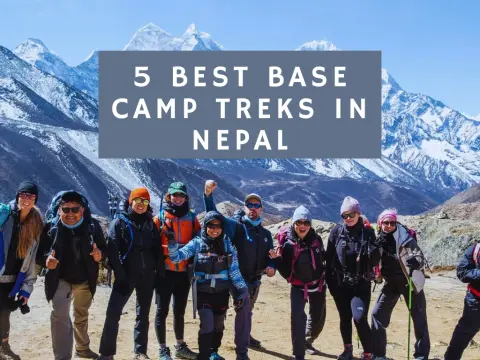
The first rays of dawn strike the summit of an 8,000-meter giant. Your breath forms clouds in the crisp mountain air. Below your feet, ancient glacier...
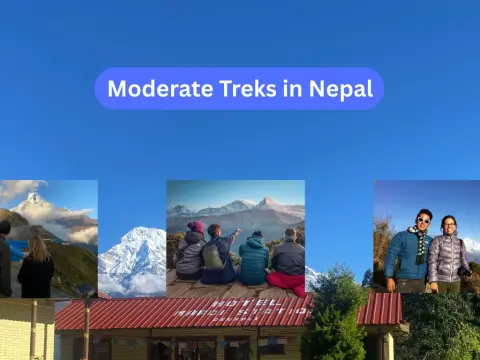
Moderate treks in Nepal offer the perfect balance between challenging adventure and accessible exploration, making them ideal for trekkers who want br...
