
Best Time to Trek in Nepal
17 Jan 2026
Let's cut straight to it. Autumn, specifically September through November, is the best time to trek in Nepal. Spring runs a very close second, coverin...

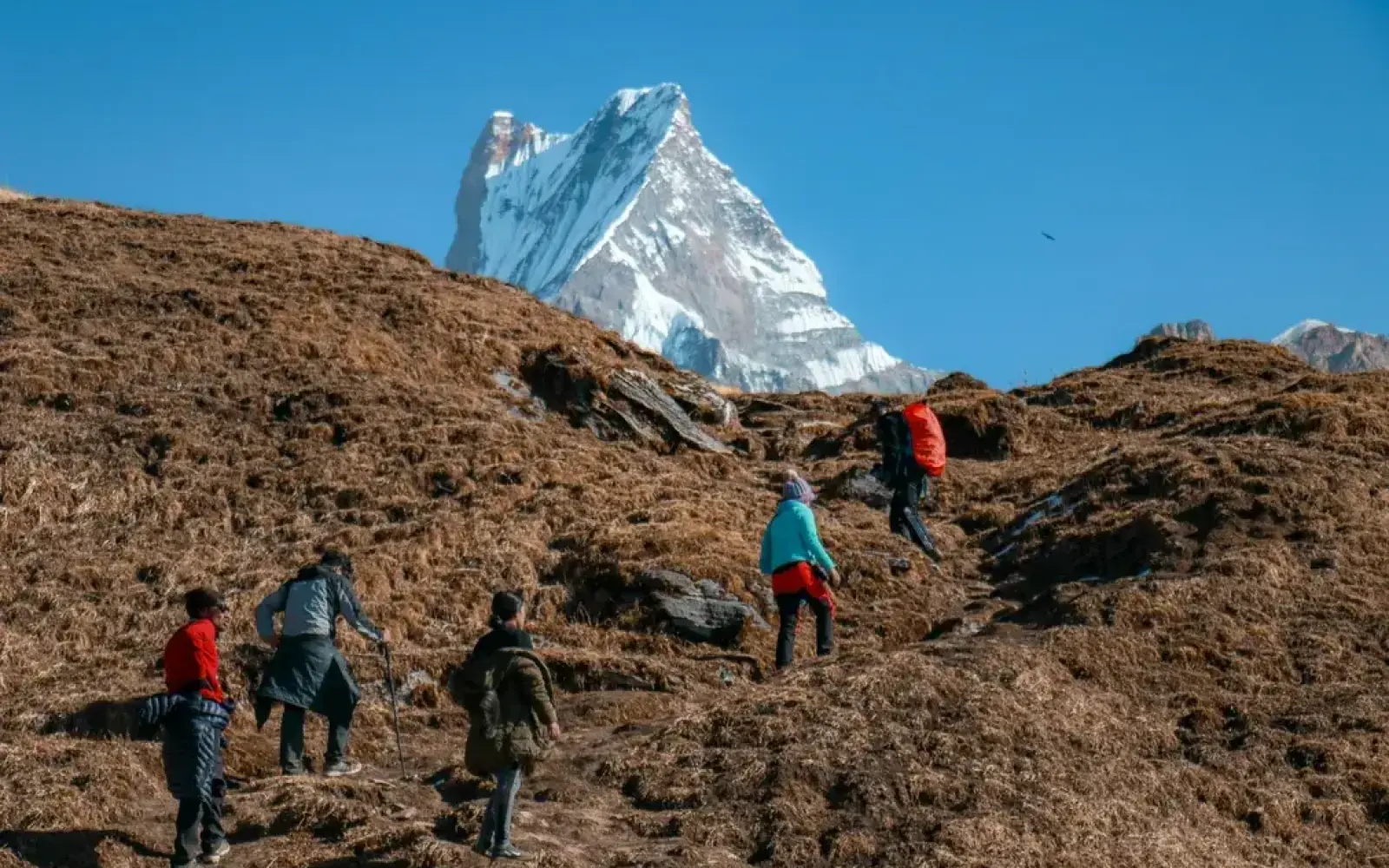

The Best Nepal treks from Kathmandu represent some of the most spectacular mountain journeys on Earth, all accessible from Nepal's vibrant capital city. Whether you're dreaming of standing at Everest Base Camp, traversing the high pass of Thorong La, or exploring the quiet valleys of Langtang, every major Himalayan adventure begins right here in Kathmandu.
Kathmandu serves as Nepal's undisputed trekking hub, offering direct access to the Everest, Annapurna, Langtang, and Manaslu regions. From short three-day hikes through rhododendron forests to challenging three-week expeditions crossing 5,000-meter passes, the range of trekking from Kathmandu accommodates every skill level and schedule.
Altitude ranges vary dramatically across these routes—from gentle 2,000-meter ridgelines near Helambu to the demanding 5,545-meter summit of Kala Patthar on the Everest trail. Durations span from weekend escapes to month-long wilderness immersions. This comprehensive guide breaks down each option, helping you identify which Kathmandu trekking routes match your abilities, timeline, and mountain dreams.
Every international trekker's journey begins at Tribhuvan International Airport, Nepal's sole international gateway. This geographic reality makes Kathmandu the logical starting point for all Himalayan treks starting in Kathmandu and beyond.
The city's Thamel district has evolved into a complete trekking nerve center offering:
Transportation connections radiate outward from Kathmandu like spokes on a wheel:
Beyond logistics, Kathmandu offers cultural immersion before and after your trek:
Selecting the best Nepal treks from Kathmandu requires evaluating multiple factors that affect real-world trekking experiences. Generic "top ten" lists often overlook critical considerations that matter on the ground.
Our selection criteria include:
Each trek below has been evaluated against these criteria based on current ground conditions, not outdated guidebook information.
Duration: 7–10 days
Maximum Altitude: 4,984m (Kyanjin Ri)
Difficulty: Moderate
Permits Required: Langtang National Park permit
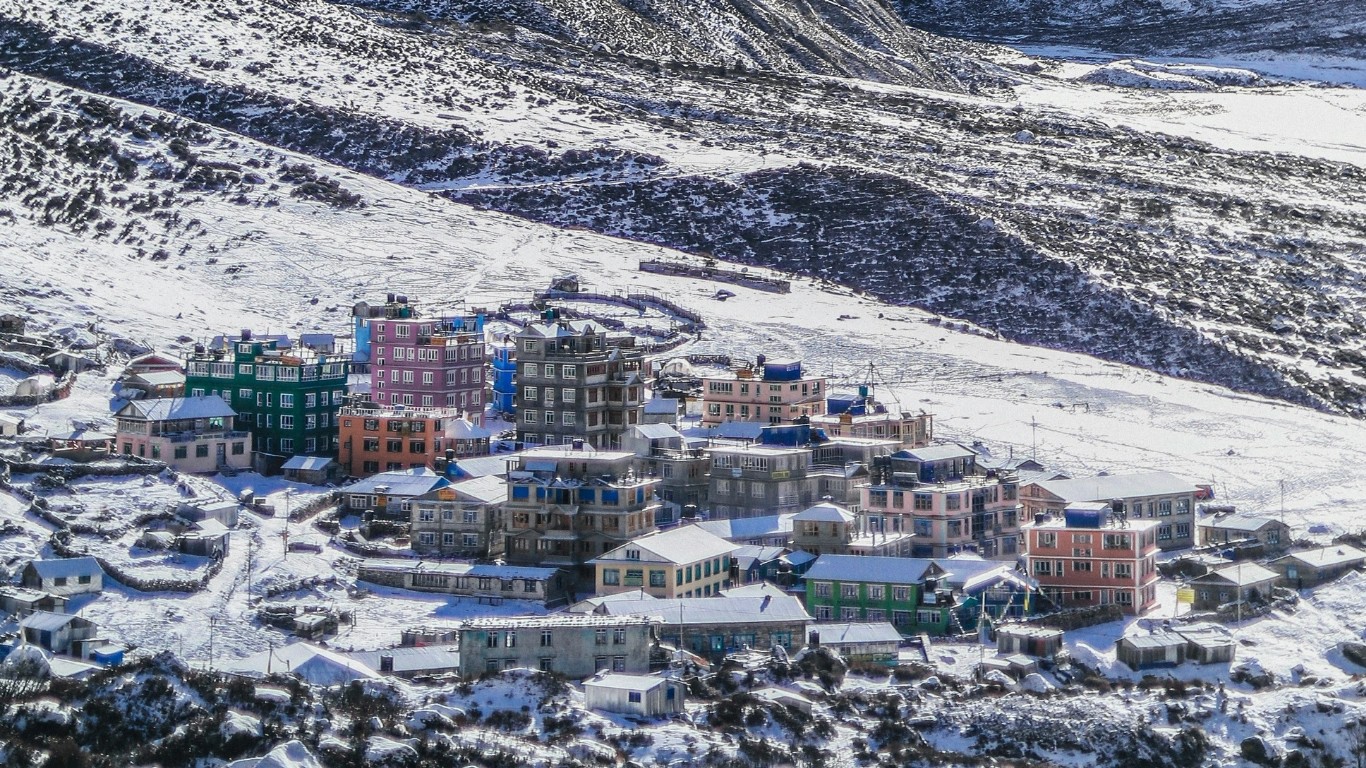
The Langtang Valley Trek stands out among top treks from Kathmandu for one compelling reason: proximity. The trailhead at Syabrubesi sits just 7–8 hours by road from Kathmandu, eliminating the need for expensive domestic flights.
Despite this accessibility, Langtang delivers genuine high-Himalayan scenery. The upper valley opens into a spectacular glacial amphitheater surrounded by 7,000-meter peaks including Langtang Lirung (7,227m), Dorje Lakpa, and Gangchempo.
Tamang Buddhist culture permeates the valley's villages. Monasteries, mani walls, and prayer flags mark the trail, while local teahouses serve authentic Tibetan-influenced cuisine. The optional climb to Kyanjin Ri or Tserko Ri provides sunrise panoramas rivaling any in Nepal.
This trek suits first-time Himalayan trekkers with reasonable fitness, as well as experienced hikers seeking a shorter expedition without sacrificing altitude or scenery.
Duration: 12–14 days
Maximum Altitude: 5,545m (Kala Patthar)
Difficulty: Challenging
Permits Required: Sagarmatha National Park permit, Khumbu Permit
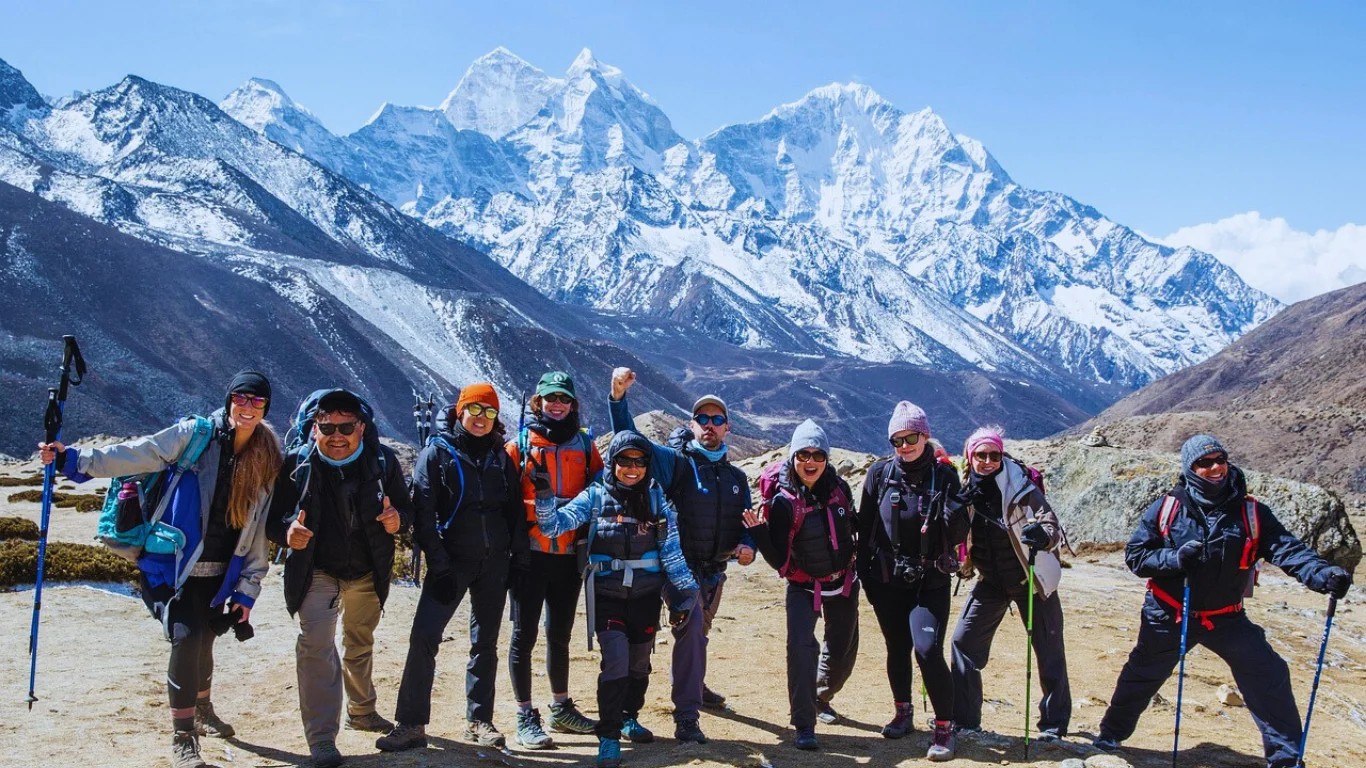
The Everest Base Camp Trek remains the benchmark for Nepal trekking tours from Kathmandu. Standing beneath the world's highest peak represents a lifetime achievement for thousands of trekkers annually.
The journey begins with a dramatic Lukla flight—a 25-minute mountain aviation experience landing at one of the world's most challenging airports. From Lukla, the trail ascends through Sherpa villages, crossing suspension bridges and climbing alongside the Dudh Koshi River.
Namche Bazaar, the Sherpa capital, serves as the primary acclimatization stop. Above Namche, the landscape transforms into high-altitude terrain dominated by glacial moraines, yak pastures, and Buddhist monasteries including Tengboche.
The high altitude challenge demands respect. Proper acclimatization, adequate fitness preparation, and experienced guidance prove essential. Altitude sickness affects trekkers at these elevations regardless of fitness level, making gradual ascent non-negotiable.
Despite crowds during peak season, Everest Base Camp retains its magnetic appeal. Few experiences match watching dawn light strike the summit pyramid from Kala Patthar.
Duration: 12–18 days
Maximum Altitude: 5,416m (Thorong La Pass)
Difficulty: Challenging
Permits Required: ACAP permit
The Annapurna Circuit Trek delivers more landscape diversity than perhaps any single trek on Earth. The route circumnavigates the entire Annapurna massif, transitioning through subtropical forests, alpine meadows, high desert plateaus, and Tibetan Buddhist villages.
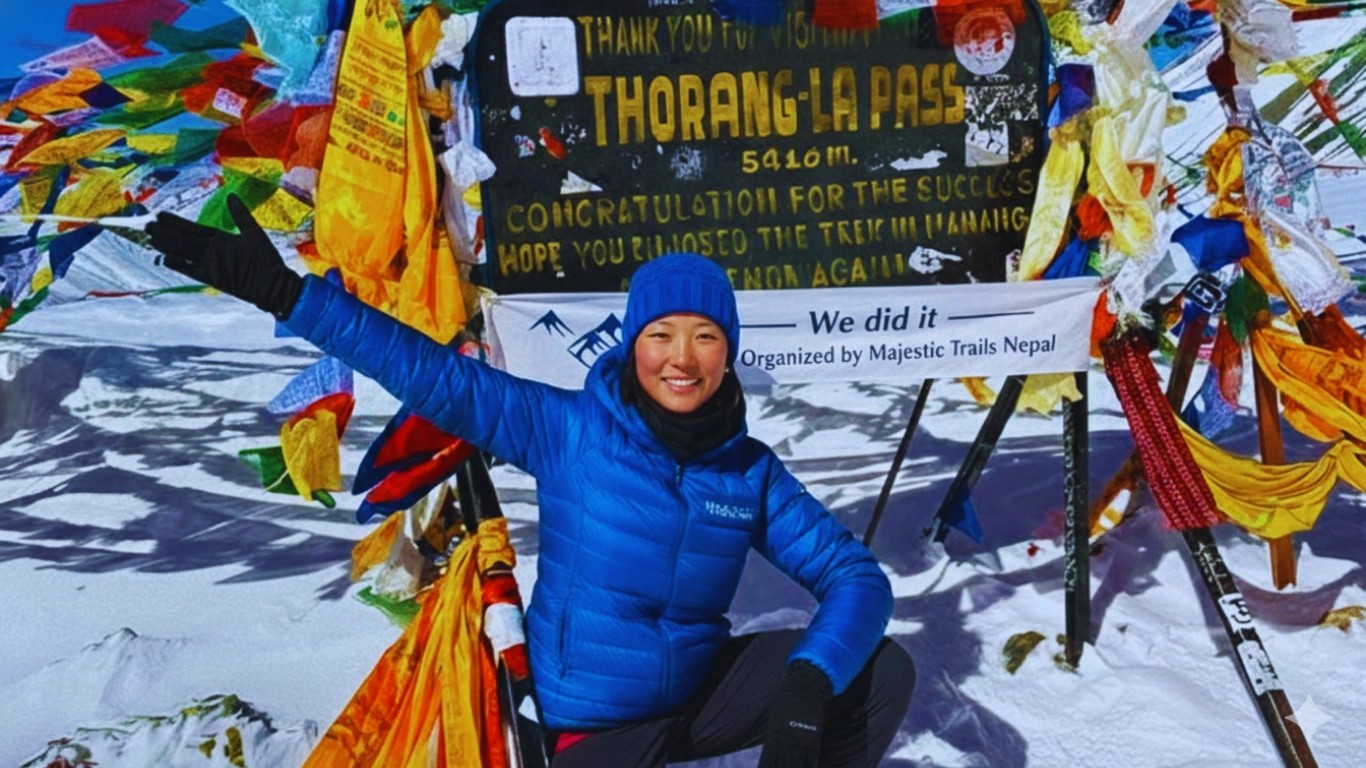
Thorong La Pass at 5,416 meters represents the journey's climax—a demanding high-altitude crossing into the rain shadow of the Himalayan range. The descent into Muktinath reveals a completely different world of arid valleys and ancient pilgrimage sites.
Road construction has altered the traditional circuit, but experienced trekkers can still walk substantial trail sections. Many now combine the Annapurna Circuit with the Tilicho Lake detour, adding one of the world's highest lakes to an already spectacular itinerary.
This trek suits experienced hikers comfortable with consecutive long days and high-altitude camping mindset, even within teahouse infrastructure.
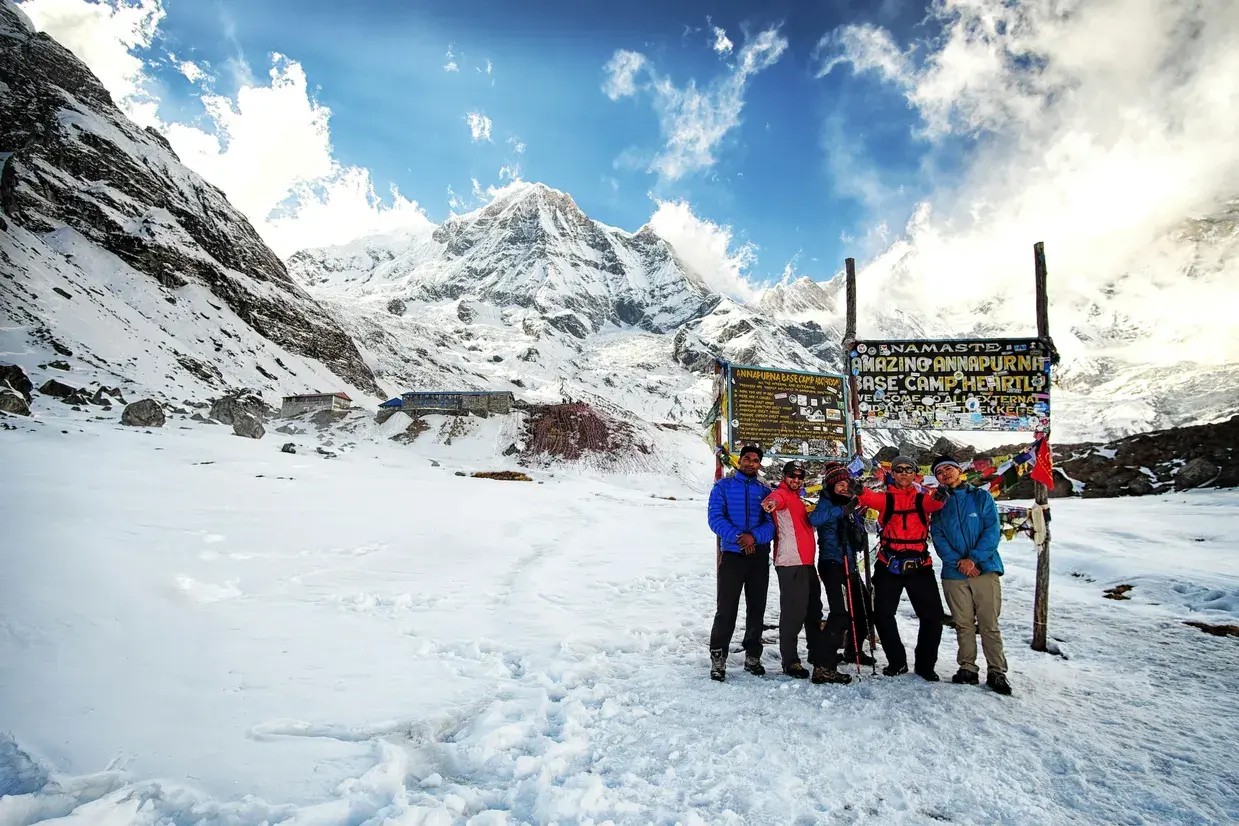
Duration: 8–12 days
Maximum Altitude: 4,130m (Annapurna Base Camp)
Difficulty: Moderate
Permits Required: ACAP permit
The Annapurna Base Camp Trek delivers extraordinary mountain proximity within a relatively short timeframe. The trail penetrates deep into the Annapurna Sanctuary, a glacial basin completely encircled by 7,000 and 8,000-meter peaks.
The final approach through the "gates" of Machapuchare and Hiunchuli feels like entering a hidden mountain kingdom. At base camp itself, Annapurna I (8,091m), Annapurna South, Hiunchuli, and the sacred Machapuchare tower directly overhead.
The lower sections wind through Gurung villages and rhododendron forests that explode with color during the spring season. Cultural interactions in Ghandruk and Chomrong add depth beyond pure mountain scenery.
Moderate duration and altitude make this trek among the best Nepal treks from Kathmandu for trekkers with limited time but high scenic expectations.
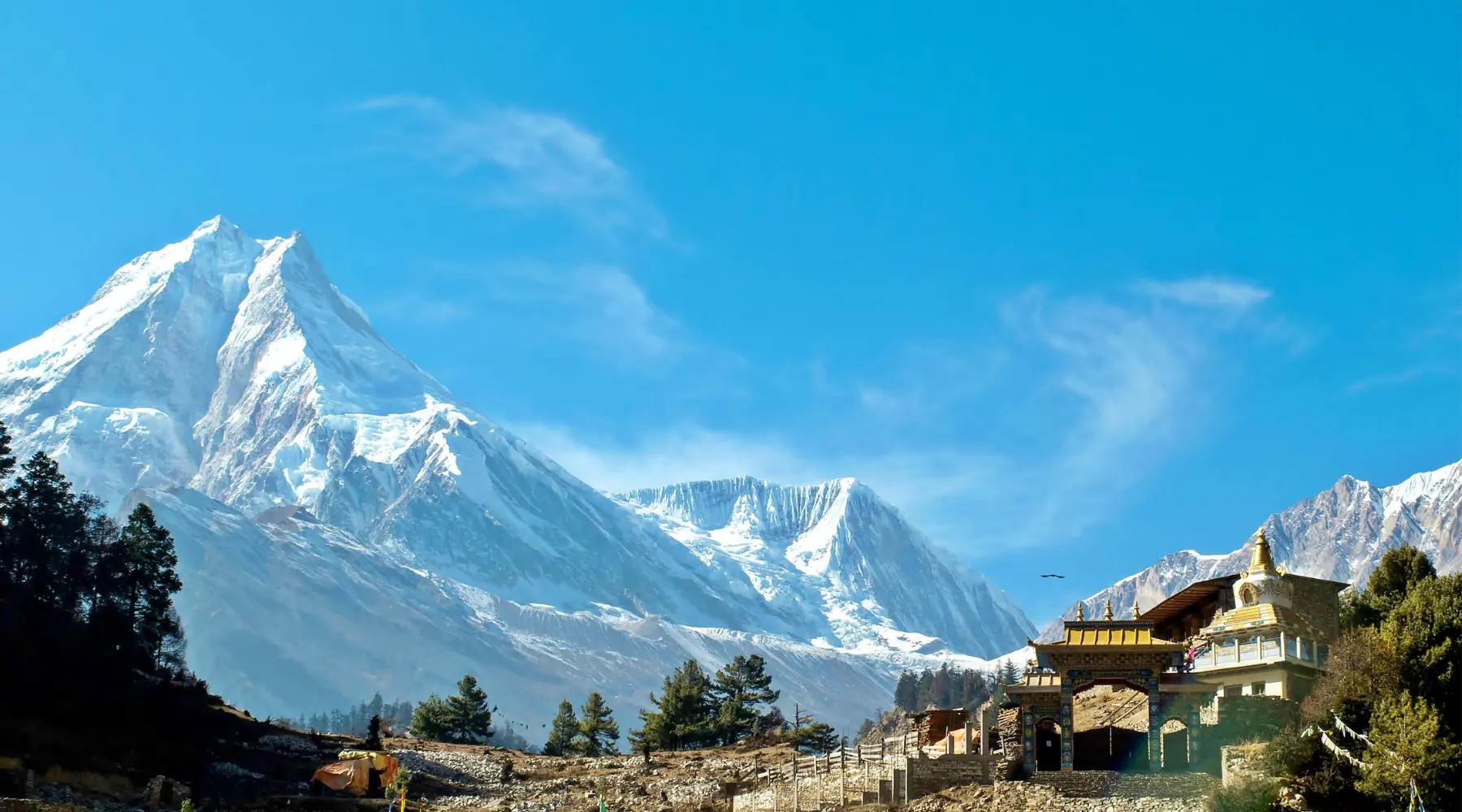
Duration: 14–18 days
Maximum Altitude: 5,106m (Larkya La Pass)
Difficulty: Challenging
Permits Required: Restricted Area Permit, Manaslu Conservation Area Permit
The Manaslu Circuit Trek offers what the Annapurna Circuit once provided—raw Himalayan terrain with minimal tourist infrastructure and authentic cultural encounters. Restricted area regulations limit trekker numbers, preserving the route's wilderness character.
The circuit loops around Manaslu (8,163m), the world's eighth-highest peak. Larkya La Pass at 5,106 meters presents a serious high-altitude challenge, with snow often present even during peak seasons.
Nubri and Tsum Valley communities maintain traditional Tibetan Buddhist lifestyles largely unchanged by outside influence. Stone villages, ancient monasteries, and welcoming homestays define the cultural experience.
This trek demands self-sufficiency mindset despite teahouse availability. Weather can deteriorate rapidly, and evacuation options remain limited. Experienced trekkers seeking adventure beyond mainstream routes find the Manaslu Circuit deeply rewarding.
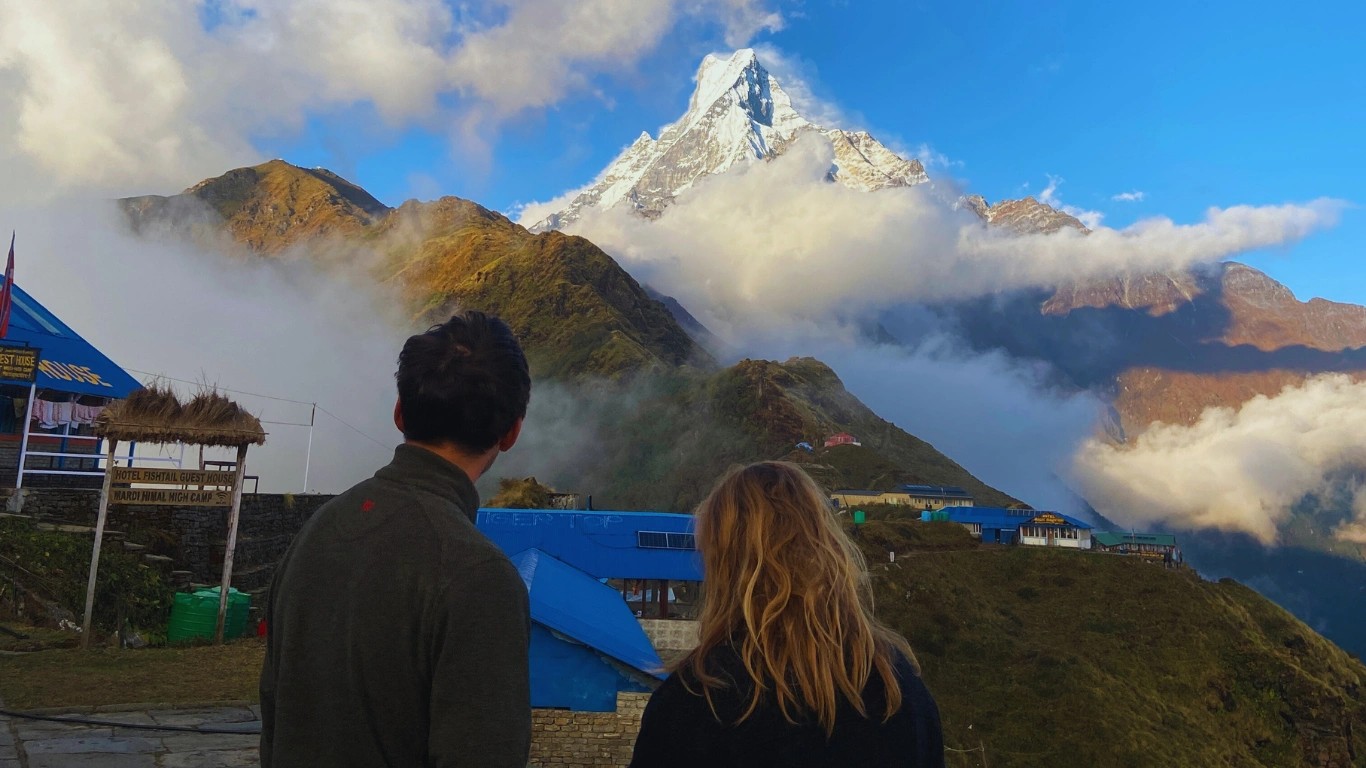
Duration: 5–7 days
Maximum Altitude: 4,500m (Mardi Himal Base Camp)
Difficulty: Moderate
Permits Required: ACAP permit
The Mardi Himal Trek has emerged as one of Nepal's fastest-growing routes, offering exceptional mountain views within a condensed timeframe. The trail climbs a dramatic ridge directly toward Machapuchare, Nepal's sacred "Fishtail" peak.
Unlike crowded Annapurna Base Camp trails, Mardi Himal sees relatively light traffic. High camp positions deliver intimate views of Machapuchare's imposing northwest face alongside Annapurna South and Hiunchuli.
Trail conditions on upper sections require careful footing, particularly during monsoon season. However, the moderate duration makes this trek ideal for visitors with 7–10 days available for guided treks from Kathmandu.
Growing popularity has improved teahouse infrastructure without diminishing the route's adventurous character.
Duration: 3–5 days
Maximum Altitude: 3,640m (Helambu), 2,732m (Shivapuri)
Difficulty: Easy to Moderate
Permits Required: Langtang National Park permit (Helambu), Shivapuri National Park permit
Not every memorable Himalayan experience requires two weeks and 5,000-meter passes. Helambu Trek and Shivapuri hike prove that genuine mountain immersion exists within hours of Kathmandu.
The Helambu region extends northeast of Kathmandu Valley, accessible by local bus in under two hours. Tamang and Sherpa villages dot forested hillsides, with Himalayan panoramas visible from higher viewpoints. The trek works well as acclimatization before higher routes or as a standalone cultural journey.
Shivapuri Nagarjun National Park borders Kathmandu itself. The Shivapuri hike reaches the 2,732-meter summit and back within a single day, offering forest immersion and city-escape without major planning.
Nagarkot hike provides another accessible option, famous for Himalayan sunrise views across a wide arc from Annapurna to Everest.
These routes suit travelers with limited time, families with younger members, or trekkers seeking gentle acclimatization before major expeditions.
| Trek Name | Duration | Max Altitude | Ideal For |
|---|---|---|---|
| Langtang Valley | 7–10 days | 4,984m | First-timers, culture seekers |
| Everest Base Camp | 12–14 days | 5,545m | Bucket-list achievers |
| Annapurna Circuit | 12–18 days | 5,416m | Experienced trekkers |
| Annapurna Base Camp | 8–12 days | 4,130m | Moderate timeframes |
| Manaslu Circuit | 14–18 days | 5,106m | Adventure seekers |
| Mardi Himal | 5–7 days | 4,500m | Short-trip travelers |
| Helambu | 3–5 days | 3,640m | Beginners, limited time |
Timing significantly impacts trail conditions, visibility, and overall experience across all Kathmandu trekking routes.
Spring delivers exceptional trekking conditions combined with rhododendron blooms throughout middle elevations. Temperatures rise gradually, though higher passes may retain snow into April. Visibility generally remains excellent, with occasional afternoon clouds.
This period sees heavy traffic on popular routes, requiring advance teahouse planning during April peak.
The best time to trek in Nepal for most visitors falls during the autumn season. Post-monsoon skies provide crystal-clear mountain views, while moderate temperatures make trail days comfortable.
October represents absolute peak season with maximum crowds on Everest and Annapurna routes. Early September sees monsoon tail-end, while late November brings colder conditions at altitude.
Winter trekking suits experienced trekkers comfortable with cold conditions. Lower-elevation routes like Helambu and Mardi Himal remain viable, while high passes may close due to snow accumulation.
Crowds thin dramatically, and teahouse availability decreases in remote areas. Bright, stable weather often compensates for temperature challenges.
Monsoon conditions make most best Nepal treks from Kathmandu challenging due to heavy rainfall, trail damage, and obscured views. However, rain-shadow regions like Upper Mustang and Dolpo remain viable during this period.
Leeches, slippery trails, and flight disruptions characterize lowland approaches during monsoon months.
Understanding realistic costs helps trekkers budget appropriately for Nepal trekking tours from Kathmandu.
Independent teahouse trekking with minimal support. Suitable for experienced trekkers on established routes.
Guided group treks with porter support, comfortable teahouse stays, and organized logistics. Most popular choice.
Private guides, luxury lodges (where available), helicopter contingencies, and premium services.
Selecting the right trek requires honest self-assessment across several dimensions:
Time available: Under one week favors Mardi Himal or Helambu. Two weeks opens Everest Base Camp or Annapurna Base Camp. Three weeks enables complete circuits.
Budget: All-inclusive guided treks cost more but remove logistical stress. Independent trekking reduces costs but requires experience.
Fitness level: Teahouse trekking demands 5–7 hours of daily walking on uneven terrain. Prior hiking experience proves valuable, though dedicated preparation compensates for limited background.
Altitude tolerance: Individual response to altitude remains unpredictable. Conservative itineraries with built-in acclimatization days protect against altitude sickness regardless of fitness.
Scenic preference: Glacier-and-rock landscapes dominate above 4,500m. Forest and village environments characterize lower routes. Both offer distinct rewards.
Crowd preference: Peak-season Everest and Annapurna routes see heavy traffic. Langtang, Manaslu, and Mardi Himal provide quieter alternatives without sacrificing quality.
Safety on Himalayan treks starting in Kathmandu depends largely on preparation, awareness, and appropriate support.
Altitude sickness represents the most significant risk on routes exceeding 3,500m. Symptoms include headache, nausea, and fatigue—potentially progressing to life-threatening conditions if ignored. Acclimatization days built into itineraries allow gradual adaptation.
Weather risks increase at altitude, where conditions change rapidly. Warm valley mornings can transform into freezing high-pass afternoons within hours.
Emergency evacuation via helicopter remains available throughout major trekking regions, though requires appropriate insurance coverage ($100,000+ coverage recommended).
Licensed guides provide critical safety value. Beyond navigation, experienced guides recognize altitude sickness symptoms, understand weather patterns, and maintain emergency communication equipment.
Thousands of trekkers complete these routes safely each year. Proper preparation, conservative pacing, and professional support transform manageable risks into memorable adventures.
Planning Himalayan treks from Kathmandu benefits enormously from local expertise and ground-level knowledge that remote booking platforms cannot provide.
Majestic Trails Nepal brings decades of combined guiding experience across all major trekking regions. Our team includes licensed guides from Sherpa, Tamang, and Gurung communities who grew up in the mountains they now lead visitors through.
We emphasize:
Whether you're planning your first Himalayan trek or returning for advanced adventures, we help match the right route to your specific goals and abilities.
Contact Majestic Trails Nepal to plan your Himalayan trekking adventure from Kathmandu with trusted local experts.
The Langtang Valley Trek offers the ideal combination of accessibility, moderate altitude, and spectacular scenery for first-time Himalayan trekkers. The Helambu Trek provides an even gentler introduction at lower elevations.
The Annapurna Base Camp Trek places you inside a 360-degree amphitheater of 7,000 and 8,000-meter peaks. Everest Base Camp offers iconic summit views from Kala Patthar viewpoint.
The Mardi Himal Trek reaches 4,500m within 5–7 days with manageable daily distances. Proper acclimatization pacing makes the altitude achievable for fit beginners.
Most treks require a TIMS card ($20) plus relevant national park or conservation area permits ($30–50). Restricted areas like Manaslu require additional special permits ($100+).
Budget trekkers spend $30–50/day independently. Guided treks typically cost $80–150/day including guide, accommodation, and meals. Premium options exceed $200/day.
Autumn (September–November) and spring (March–May) offer optimal conditions for the best Nepal treks from Kathmandu. October represents peak season with best weather and highest crowds.
Guides are legally required in Nepal's national parks as of recent regulations. Beyond legal requirements, guides provide critical safety support, cultural interpretation, and logistical management.
The Manaslu Circuit Trek sees far fewer trekkers due to restricted area permit requirements. Langtang Valley and Mardi Himal offer quieter alternatives to Everest and Annapurna routes.
Choosing among the best Nepal treks from Kathmandu ultimately comes down to matching your personal circumstances with the right trail. Each route offers distinct rewards, and there's no single "best" option that suits everyone.
For first-time Himalayan trekkers with moderate fitness, the Langtang Valley Trek delivers authentic high-mountain experiences without the complexity of flights or extreme altitudes. The proximity to Kathmandu makes it remarkably accessible while sacrificing nothing in scenic grandeur.
Experienced adventurers chasing bucket-list achievements will find the Everest Base Camp Trek lives up to its legendary reputation. Yes, the Lukla flight adds logistical complexity, and the altitude demands respect—but standing beneath the world's highest peak remains a transformative experience.
Those seeking maximum landscape diversity should consider the Annapurna Circuit Trek, while time-limited travelers will appreciate the concentrated beauty of Mardi Himal or Annapurna Base Camp. And for trekkers craving solitude over spectacle, the Manaslu Circuit rewards with raw wilderness few others witness.
The common thread across all these Kathmandu trekking routes? Proper preparation matters more than fitness. Adequate acclimatization, appropriate gear, realistic expectations, and experienced local guidance transform challenging journeys into life-defining adventures.
Nepal's mountains have welcomed travelers for generations. The teahouse system, developed over decades, makes Himalayan trekking more accessible than ever before. Yet these remain serious mountain environments demanding respect and humility.
Whether you choose a five-day Mardi Himal escape or a three-week Manaslu expedition, the Himalayas offer something no other mountain range can replicate—the combination of towering peaks, ancient cultures, and warm local hospitality that defines trekking from Kathmandu.
Start planning your journey today. The mountains are waiting.
Ready to explore the best Nepal treks from Kathmandu? Contact Majestic Trails Nepal for personalized itinerary planning, expert local guidance, and seamless trek logistics. Let our experienced team help you find the perfect Himalayan adventure.

Let's cut straight to it. Autumn, specifically September through November, is the best time to trek in Nepal. Spring runs a very close second, coverin...

Short on time but big on ambition? Nepal delivers extraordinary mountain experiences in as little as three days, and this guide breaks down exactly wh...
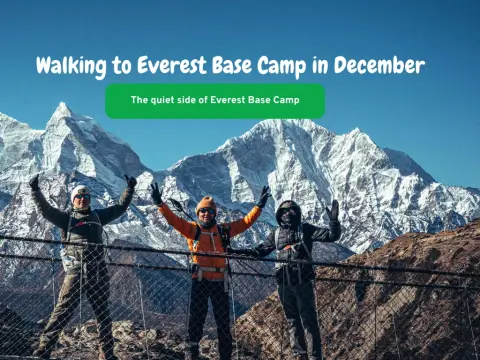
IntroductionNepal — the final destination for every mountaineer. A place where almost everyone dreams of going at least once in their lifetime. To see...
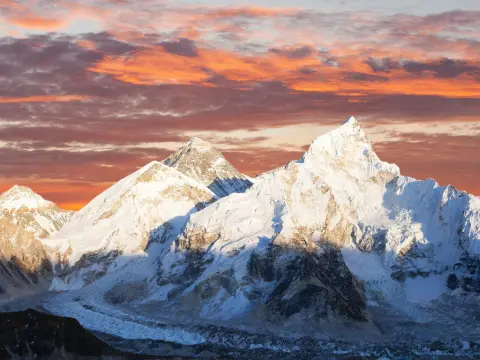
Nepal is a country defined by mountains. Stretching across the country’s northern edge, the Himalayas pack Earth’s highest peaks into one nation. Eigh...
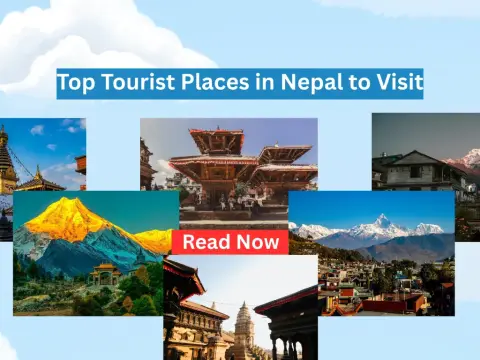
Nepal's tourism destinations offer an unforgettable journey through a landlocked country nestled in the embrace of the world’s most majestic mountain...
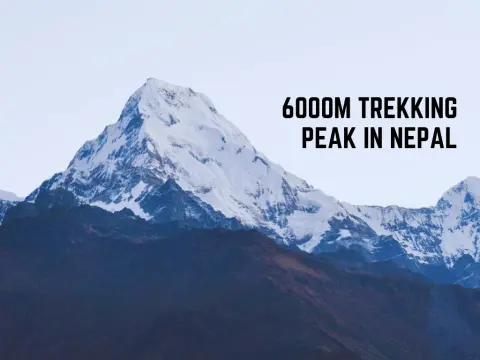
Why 6000m Trekking Peaks Nepal Should Be Your Next AdventureStanding atop a 6000-meter summit in the Himalayas, with prayer flags snapping in the wind...
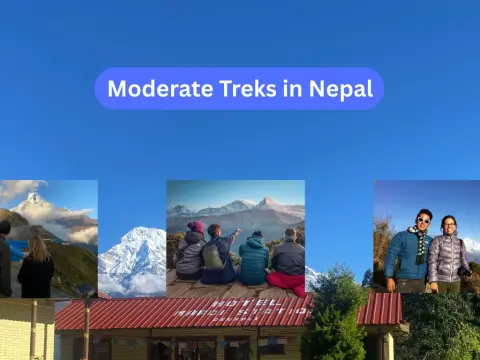
Moderate treks in Nepal offer the perfect balance between challenging adventure and accessible exploration, making them ideal for trekkers who want br...
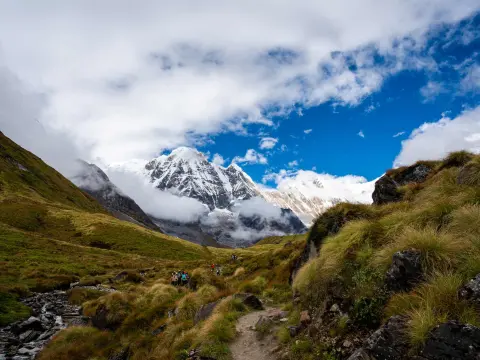
The Annapurna Base Camp trek is a moderate trek, suitable for fit beginners, with no technical climbing required. Its main challenge is not the altitu...
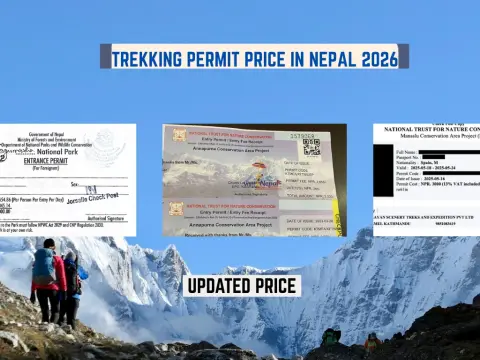
IntroductionPlanning a trek in Nepal requires more than just physical preparation—you also need the right permits. Trekking permits are official docum...
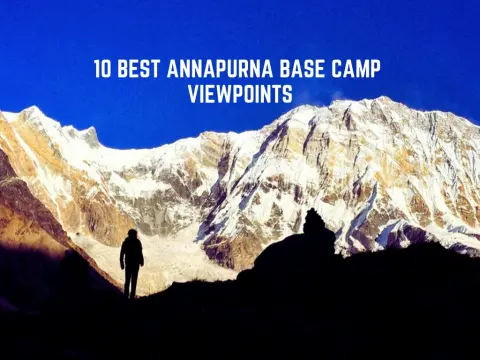
The alarm rings at 4:30 AM. You stumble out of your sleeping bag in Machhapuchhre Base Camp, cursing the cold—until you step outside.The first rays of...
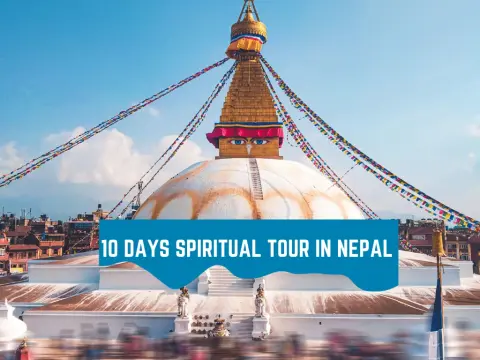
Nepal has always been more than a destination. It is a sanctuary where the physical and spiritual worlds intertwine beneath snow-capped peaks and with...
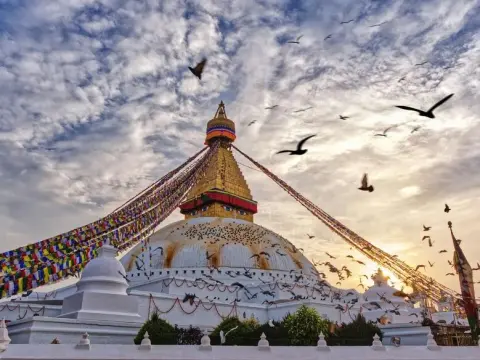
Nepal is far more than a trekking destination nestled among the world's highest peaks. This ancient Himalayan kingdom pulses with profound spiritual e...
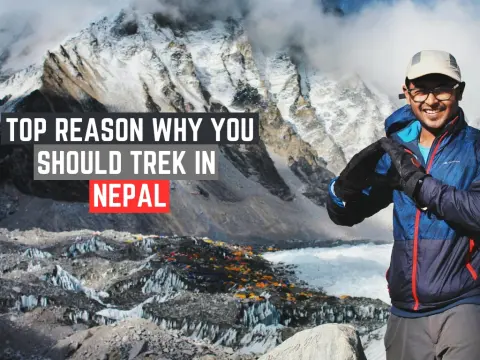
If you've ever wondered why trekking in Nepal captivates adventurers from every corner of the globe, the answer lies in its extraordinary combination...
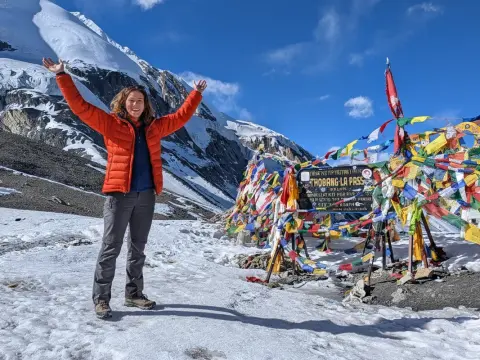
December transforms Nepal's trekking trails into a spectacular winter wonderland. While many travelers assume trekking season ends after November, Nep...
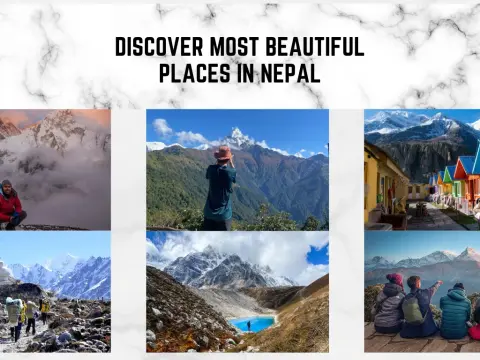
Nepal is a land where nature paints its most spectacular masterpieces. From the towering peaks of the Himalayas to serene alpine lakes, dense jungles...
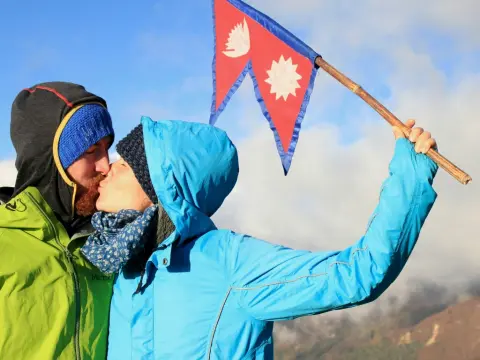
Congratulations on your upcoming wedding! This is an incredibly beautiful, exhilarating chapter of your life, and we are absolutely thrilled that you...
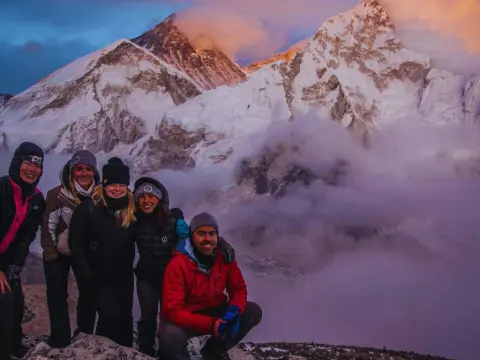
If you're curious about trekking in Nepal, you've landed in the right place. Nepal is home to the world's most breathtaking mountain trails, ancient c...
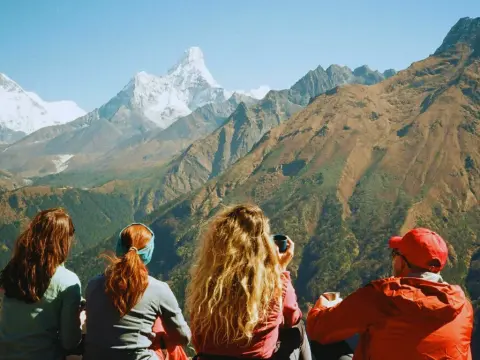
Standing face-to-face with Mount Everest doesn't require weeks of grueling trekking or extreme altitude exposure. The Everest View Trek Nepal offers o...
