
Annapurna Circuit Trek Nepal – Complete Guide, Itinerary, Cost & Best Time
23 Jan 2026
The Annapurna Circuit Trek is one of the world’s most legendary long-distance treks — a journey that circles the Annapurna massif through Nepal’s most...

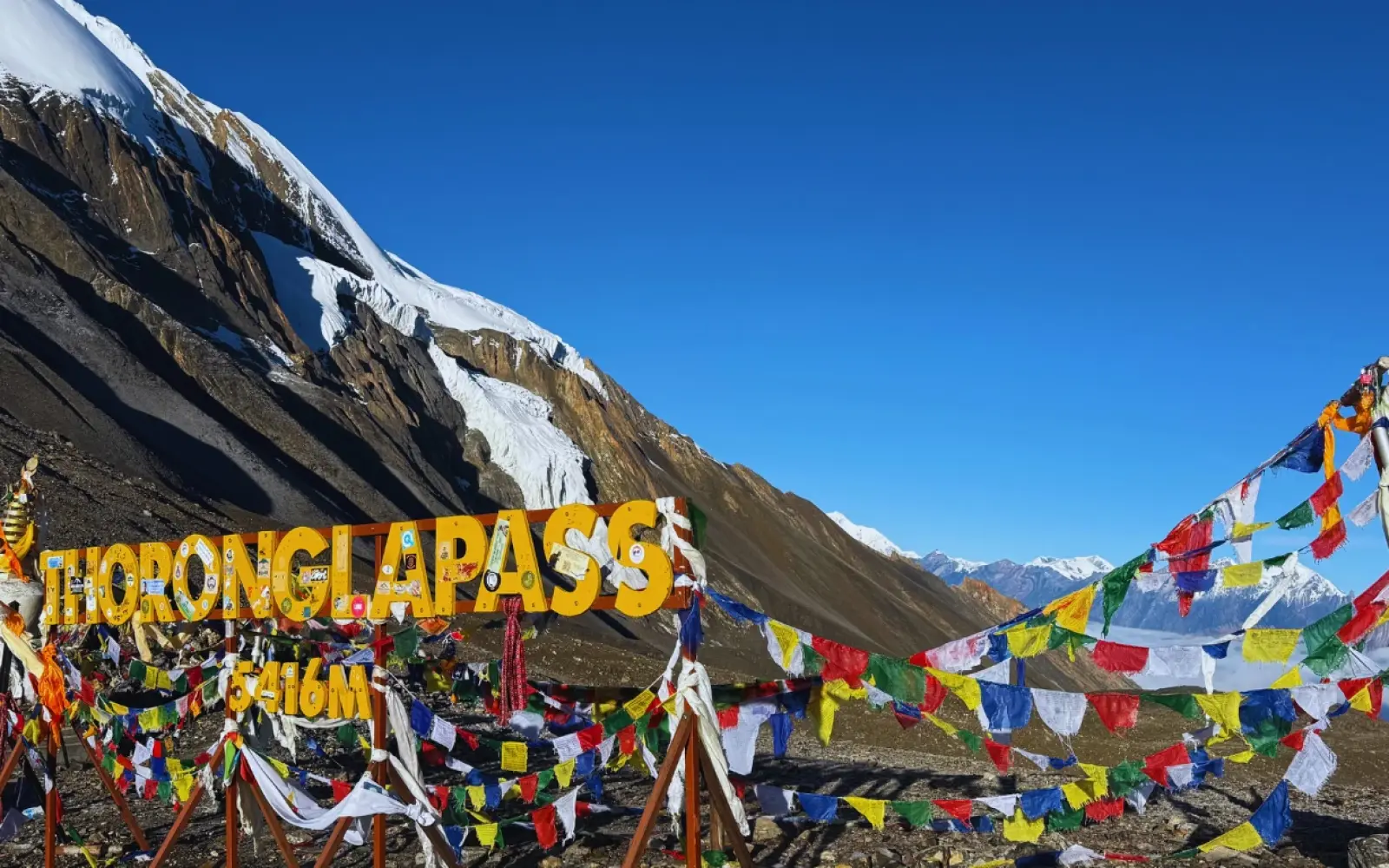

The best time to trek the Annapurna Circuit is during autumn (September to November) and spring (March to May), when the skies are clear, the weather is stable, and the Thorong La Pass at 5,416 m is reliably open. Of these, October is widely considered the single best month — the air is washed clean by the just-finished monsoon, the mountain views are at their sharpest, and the trails are dry. Spring is the close second, adding blooming rhododendron forests to the same stable conditions.
That is the short answer. But the Annapurna Circuit is not like other treks, because it climbs from subtropical valleys to a 5,416 m Himalayan pass and drops into the dry, Tibetan-style desert of Mustang — so the "best time" depends on which part of the trek matters most to you, and there is even a way to trek it during the monsoon. This month-by-month guide breaks it all down.
Key Takeaways
| Season | Months | Verdict |
|---|---|---|
| Autumn | Sep-Nov | Best — clear, stable, busy |
| Spring | Mar-May | Excellent — blooms, warm, busy |
| Winter | Dec-Feb | Cold; pass may close |
| Monsoon | Jun-Aug | Wet, but Mustang stays dry |
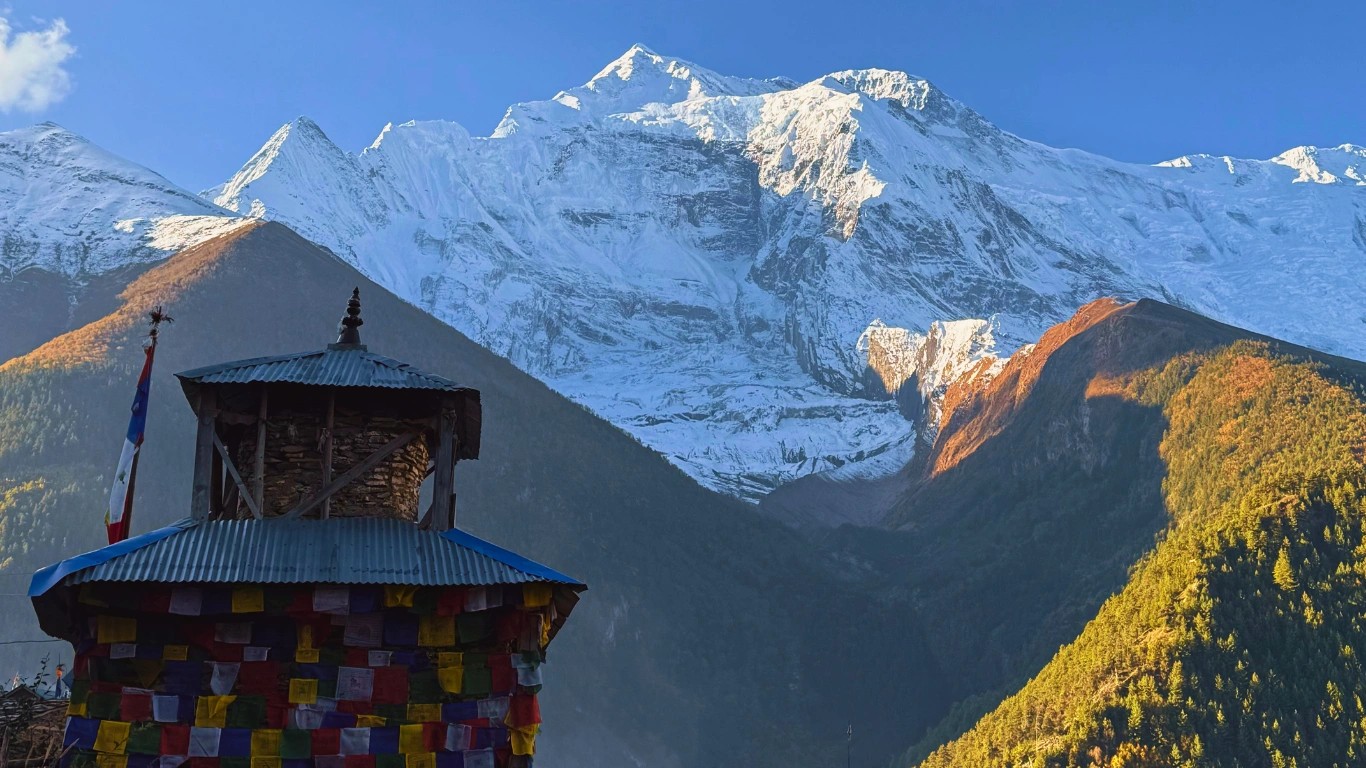
The best time to trek the Annapurna Circuit is autumn and spring, because these seasons offer the two things this trek most needs: stable weather for crossing the high Thorong La Pass, and clear skies for the mountain views. Both autumn (September to November) and spring (March to May) deliver dry trails, comfortable daytime temperatures, and a safely open pass.
The reason these two windows matter so much comes down to the pass. At 5,416 m, Thorong La is the highest point of the trek and the one place where weather can stop you completely. In autumn and spring, the pass is reliably crossable. In deep winter it can close under snow, and in monsoon the lower trails turn to mud while cloud hides the peaks. So the "best time" is really the time when the whole route — valleys and pass together — is at its most reliable.
Between the two, autumn edges ahead for stability and views, while spring wins for warmth and colour. Neither is wrong; they simply offer different versions of the same great trek.
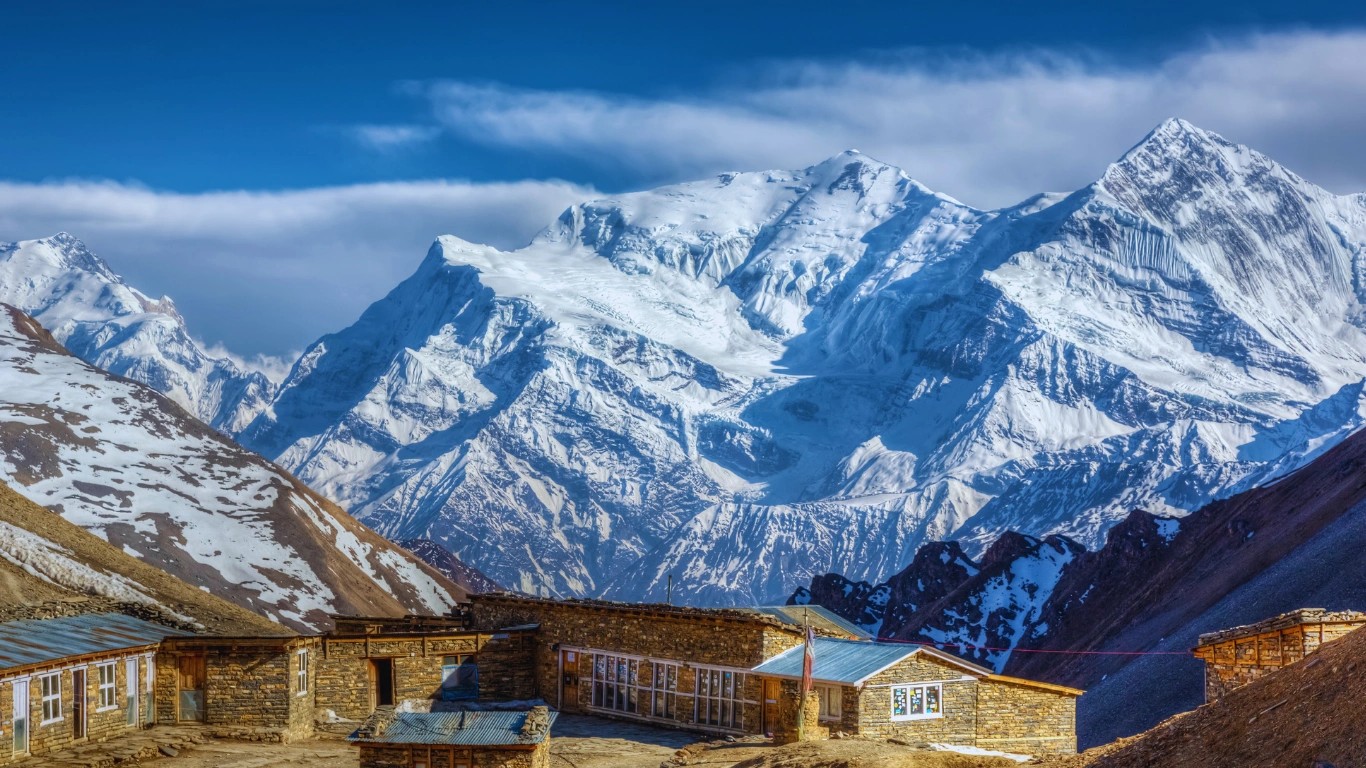
Autumn is the best time to trek the Annapurna Circuit, offering the clearest skies, the most stable weather, and the most reliable Thorong La crossing of the year. The monsoon finishes in mid-September, leaving the air washed clean of dust and haze, so the mountain views through October and November are as sharp as they ever get.
The one trade-off is crowds. Autumn is peak season, so the trail and the tea houses are at their busiest, particularly around Manang and the pass. Book accommodation and guides ahead, and expect company on the trail — this is the most popular trekking window in all of Nepal. October is the busiest and the best; late November is quieter and still excellent, though colder as winter approaches.
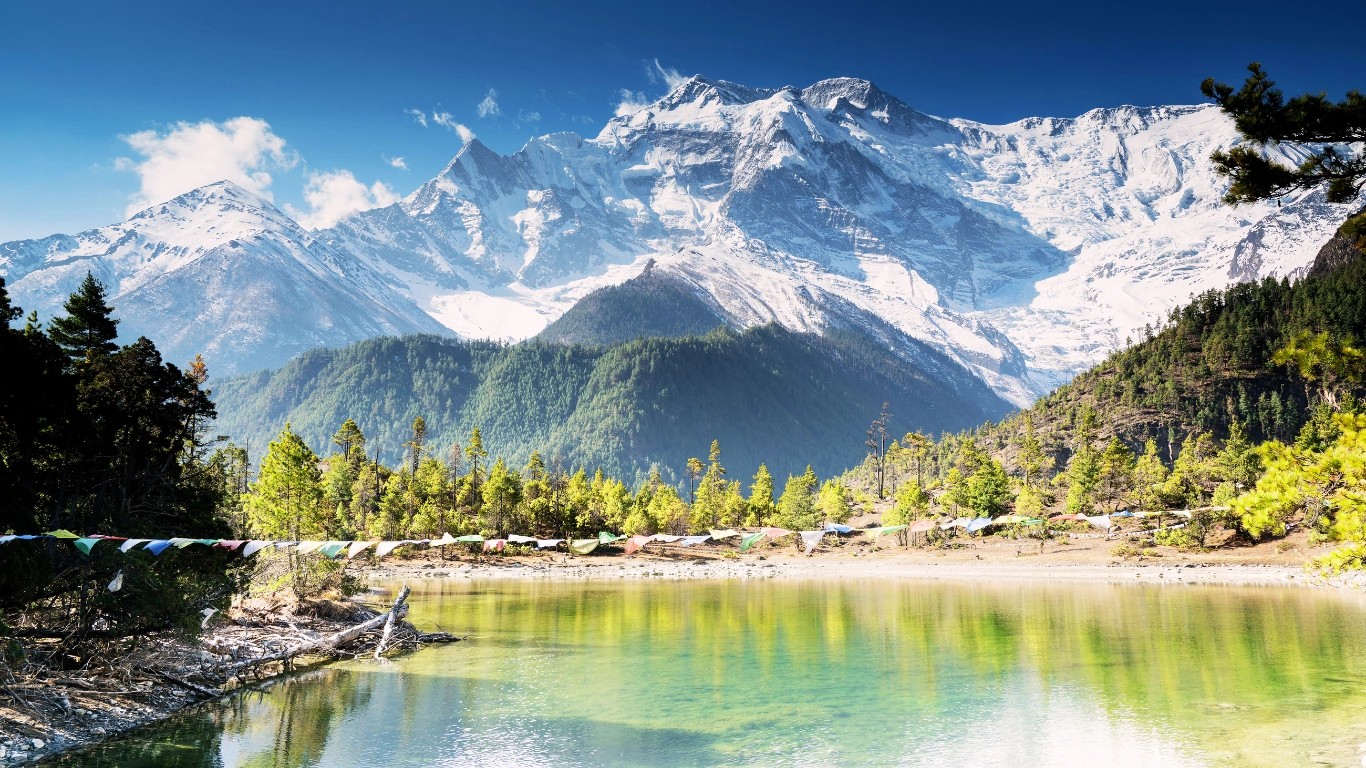
Spring is the second-best time to trek the Annapurna Circuit, combining stable weather and a safely open pass with the added beauty of blooming rhododendron forests. As the winter snow melts, the lower and middle trails come alive with colour, and daytime temperatures climb to comfortable levels.
The trade-offs are haze and crowds. By late spring, pre-monsoon haze can soften the mountain views compared to autumn's crystal clarity, and spring is the second-busiest season after autumn. Early spring (March) is cooler with possible lingering snow high up; late spring (May) is warm but hazier and hotter in the low valleys. April is often the sweet spot.
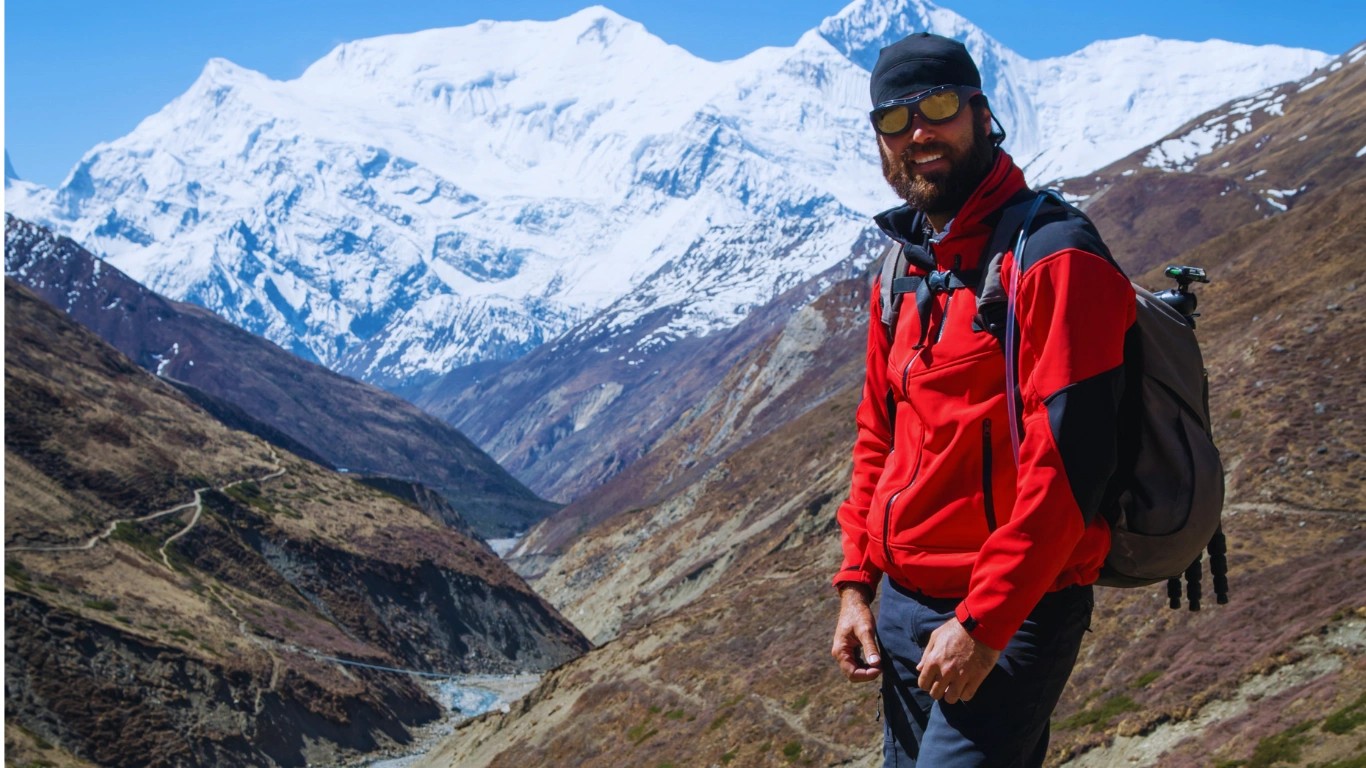
Winter trekking on the Annapurna Circuit is possible and beautifully quiet, but it is cold, and the Thorong La Pass can close under heavy snow with little warning. This is the season for experienced, well-equipped trekkers who value empty trails over guaranteed pass crossings.
Winter rewards you with solitude and sharp, clear mountain air, but it demands serious gear: a sleeping bag rated to around -20°C, proper layers, and often crampons for the pass. December and February are more forgiving than deep-January, when snow most often closes Thorong La. If your heart is set on crossing the pass, winter is the riskiest season for being turned back.
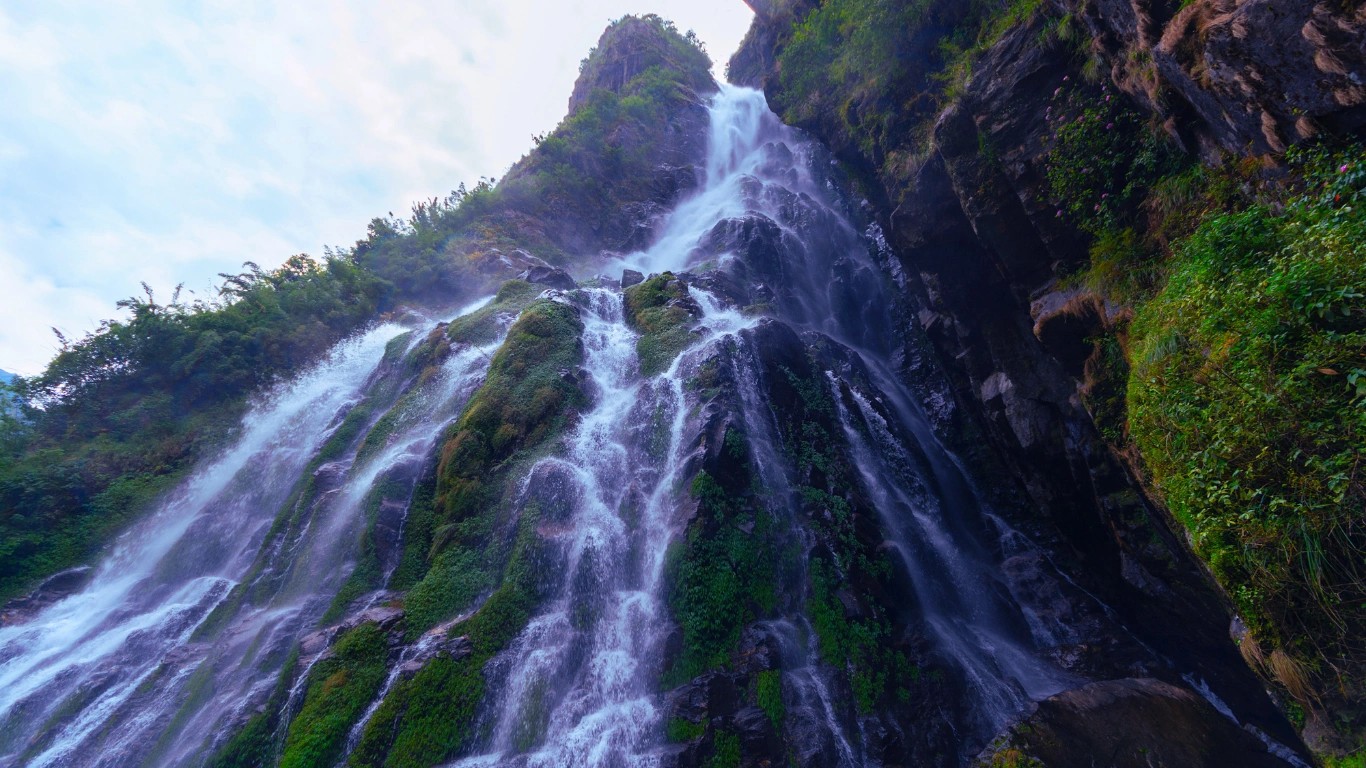
The monsoon is generally the worst time to trek the Annapurna Circuit, with rain, mud, leeches, and cloud-hidden views on the lower trails — but there is a genuine secret that most guides won't tell you: the upper Circuit, in Manang and Mustang, sits in a rain shadow and stays relatively dry. This makes a partial monsoon trek not only possible but genuinely rewarding.
Here is the honest monsoon picture:
This is why some experienced trekkers deliberately trek the upper Annapurna and Mustang region during the monsoon, when the rest of Nepal is washed out. The Kali Gandaki valley and the desert landscapes of Mustang are at their most atmospheric, and the crowds are gone. It takes planning and flexibility, but the rain-shadow route is one of trekking's best-kept monsoon secrets. If you only have summer to travel, this is your option — talk to us about a Mustang-focused itinerary that dodges the worst of the rain.
Here is a quick month-by-month verdict for trekking the Annapurna Circuit, so you can match your travel dates to the conditions.
| Month | Conditions | Verdict |
|---|---|---|
| January | Coldest; pass often snowbound | Hard — pass may close |
| February | Cold but clearing; quiet | Fair — for the hardy |
| March | Spring begins; blooms start; some snow high up | Good |
| April | Warm, blooming, clear | Excellent |
| May | Warm, hazier, busy | Good |
| June | Monsoon begins; wet low, dry Mustang | Mustang only |
| July | Full monsoon; rain-shadow trekking | Mustang only |
| August | Monsoon eases late; still wet low | Mustang only |
| September | Monsoon ends; freshening up | Good, improving |
| October | Clearest, most stable | Best of the year |
| November | Clear, cold nights, quieter | Excellent |
| December | Cold; pass at risk; quiet | Fair — cold |
The pattern is clear: October and November, then March through May, are the reliable windows. The summer months are for the rain-shadow Mustang route only, and deep winter is a gamble on the pass.
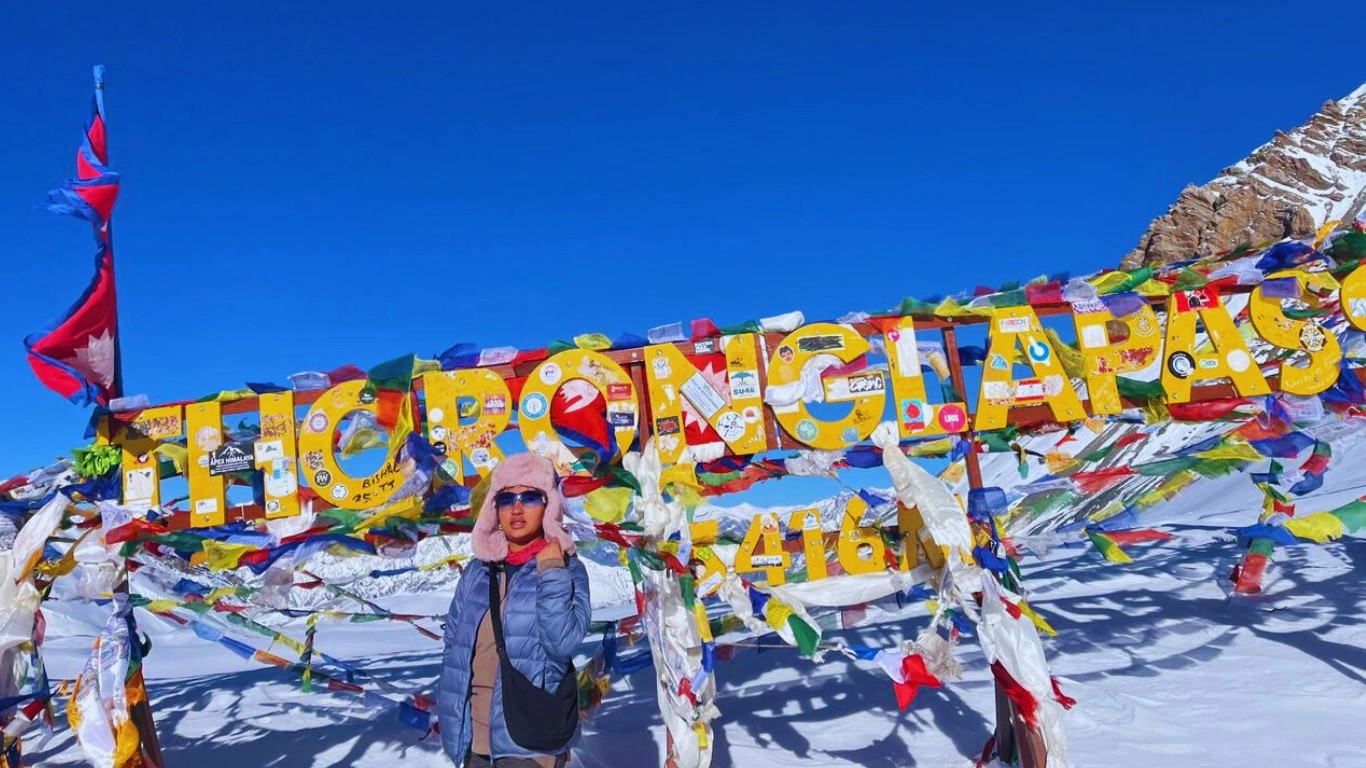
The best time to cross the Thorong La Pass is in autumn (October to early November) and spring (April to May), when snow levels are low and the weather is stable enough for a safe early-morning crossing. Because the pass is the highest and most weather-exposed point of the entire trek, its condition often decides the best time to go more than anything else.
Key points about timing the pass:
Whatever the season, Thorong La is always crossed before dawn to beat the fierce afternoon winds, starting around 3-4 AM from Thorong Phedi or High Camp. Proper acclimatization in Manang beforehand is essential — the pass is not a place to arrive under-prepared. In the marginal seasons, a good guide who knows the current snow conditions is the difference between a safe crossing and turning back.
The Annapurna Circuit's peak seasons (autumn and spring) bring the best weather but also the biggest crowds, while the off-seasons (winter and monsoon) offer solitude at the cost of harder conditions. Knowing the trade-off helps you choose the trip you actually want.
Prices stay fairly consistent year-round, but peak season is when guides and the best tea houses get booked out, so early booking matters more than budget. If you want the classic experience with reliable weather but fewer people, aim for the shoulder edges of the peak seasons — late November or early-to-mid March.
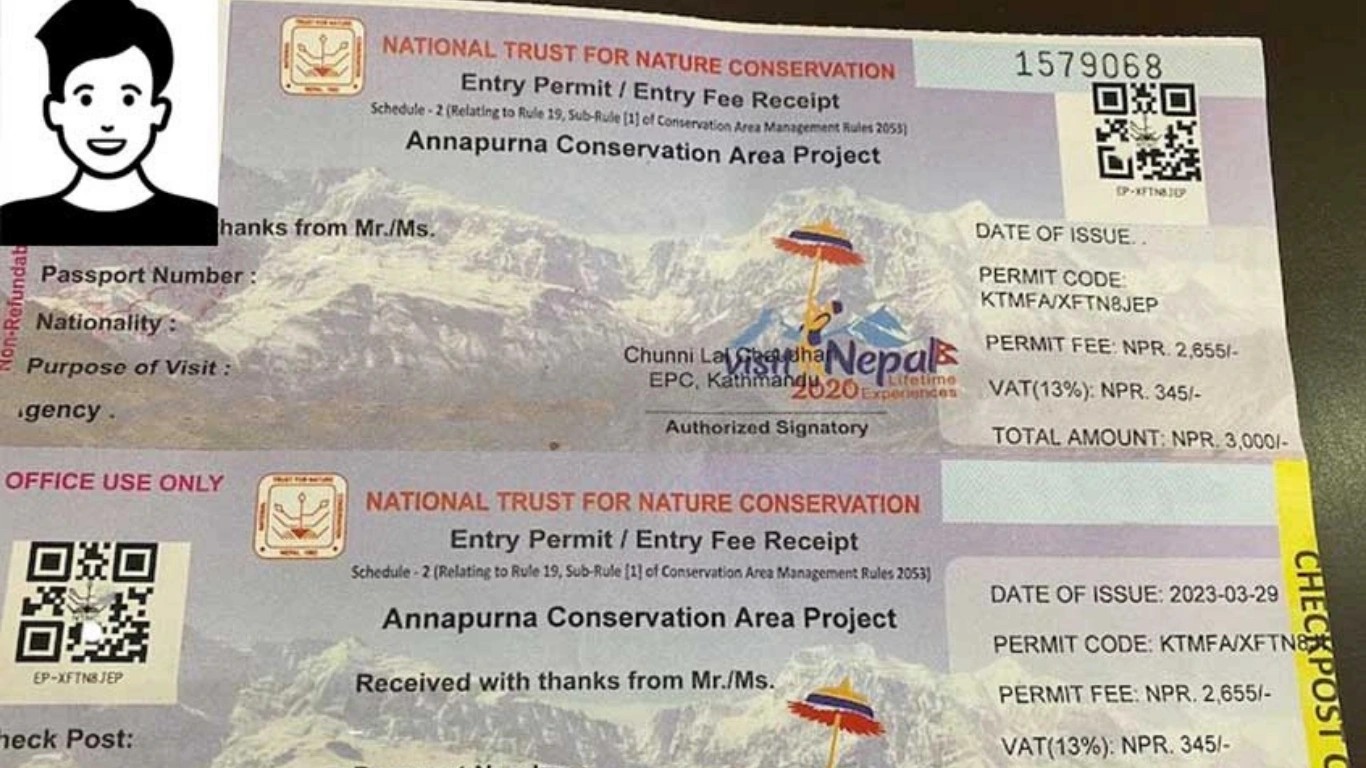
The Annapurna Circuit requires only the ACAP permit in 2026 — the TIMS card is no longer needed — and the permit itself has no seasonal restriction, so you can trek any month of the year. What changes with the season is the conditions, not the paperwork.
Permit facts for 2026:
Because the permit is valid year-round, your choice comes down to weather and the pass, not permits. When you trek with us, we arrange the ACAP permit for you ahead of time — you simply choose your dates and we handle the rest.
October is the best month to trek the Annapurna Circuit. The just-finished monsoon leaves the air clear and the views at their sharpest, the weather is stable, and the Thorong La Pass is reliably open. November and April are close behind.
Autumn (September to November) is the best season, followed closely by spring (March to May). Both offer stable weather, clear skies, and a safely open Thorong La Pass, which are the key conditions for this trek.
Yes, but it is cold and the Thorong La Pass can close under snow, especially in January. Winter trekking suits experienced, well-equipped trekkers who want empty trails and can accept the risk of being turned back at the pass.
Partly, yes. The lower trails are wet and muddy, but the upper region of Manang and Mustang lies in a rain shadow and stays relatively dry. A Mustang-focused monsoon trek is a genuine option when the rest of Nepal is rained out.
The Thorong La Pass is most reliably open in autumn (October-November) and spring (April-May). It can close under snow in winter, particularly in January. It is always crossed before dawn to avoid strong afternoon winds.
In peak season (October-November and March-May), yes — it is one of Nepal's most popular treks and tea houses fill up fast, especially in Manang. For fewer crowds with good weather, trek the shoulder edges like late November or early March.
The weather ranges from warm subtropical conditions in the low valleys to freezing temperatures at the Thorong La Pass. Autumn and spring offer the most stable, comfortable conditions; winter is cold with snow risk on the pass; monsoon is wet at low elevations but dry in the Mustang rain shadow.
For the best Annapurna Circuit experience, trek in autumn (September to November) or spring (March to May), with October standing out as the single finest month for clear views and stable weather. These are the seasons when the whole route — from the subtropical valleys to the 5,416 m Thorong La Pass — is at its most reliable and rewarding. Winter offers quiet, cold beauty for the well-prepared, and even the monsoon has its secret in the dry rain shadow of Mustang.
Whichever season you choose, the two things that matter most are timing the Thorong La crossing and, in peak season, booking early before the guides and best tea houses fill up. After 10+ years guiding this trail through every month of the year, our honest advice is simple: come in October if you can, come in spring if you can't, and talk to us about the Mustang route if summer is your only window.
→ See our Annapurna Circuit Trek (15 days) — fully guided, from USD 1,260
→ Read the complete Annapurna Circuit guide — itinerary, cost, and route
→ Check the Annapurna Circuit difficulty guide — how hard it really is
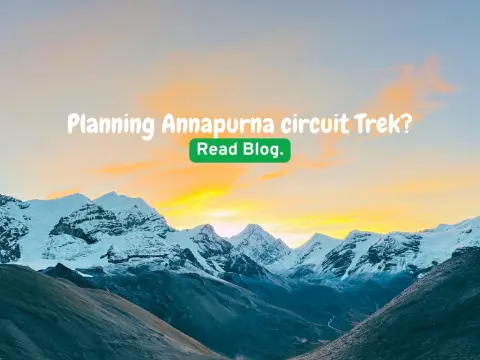
The Annapurna Circuit Trek is one of the world’s most legendary long-distance treks — a journey that circles the Annapurna massif through Nepal’s most...

The ACT Nepal Trek stands as one of the most iconic high-altitude adventures on Earth, drawing thousands of trekkers annually to Nepal's magnificent A...

The Annapurna Circuit stands among the world's most celebrated trekking routes, drawing thousands of adventurers each year to experience its dramatic...
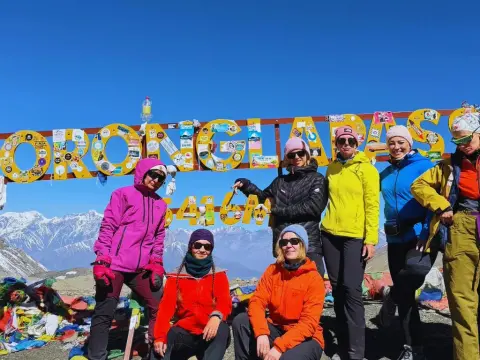
Choosing the right Annapurna Circuit trek agency is genuinely one of the most consequential decisions you will make in planning this journey. Not beca...
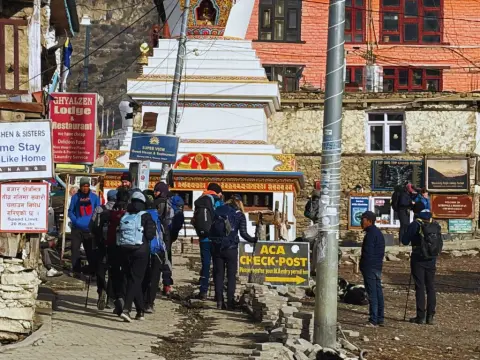
The Annapurna Circuit requires only one permit in 2026: the Annapurna Conservation Area Permit (ACAP). It costs NPR 3,000 for foreign nationals and NP...
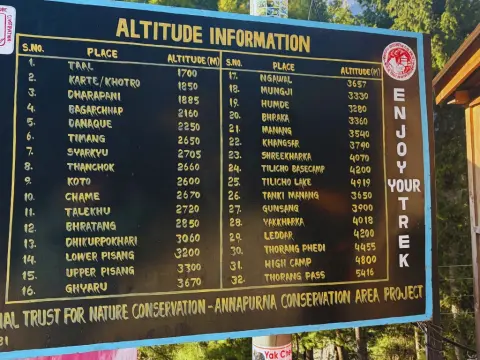
The Annapurna Circuit Trek altitude is both the greatest challenge and the most rewarding aspect of this legendary Himalayan journey. As a trekking co...
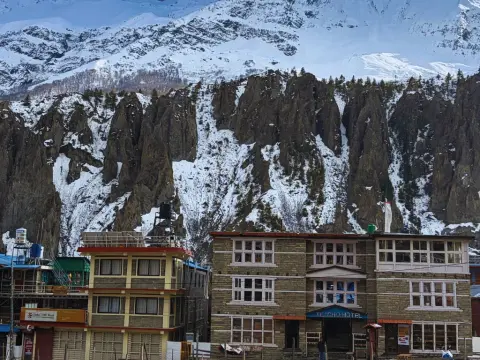
Planning your accommodation during Annapurna Circuit trek requires understanding Nepal's unique teahouse culture—a system that has welcomed trekkers f...
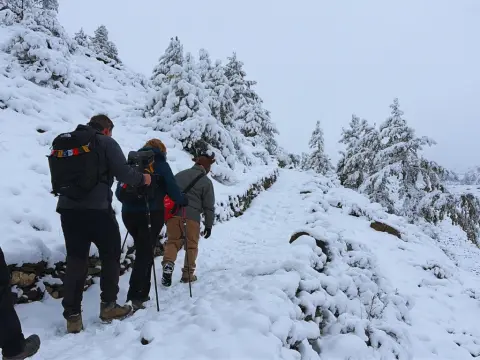
At Majestic Trails Nepal, we've guided hundreds of trekkers across the Annapurna Circuit. One question we hear constantly: "How difficult is the Annap...
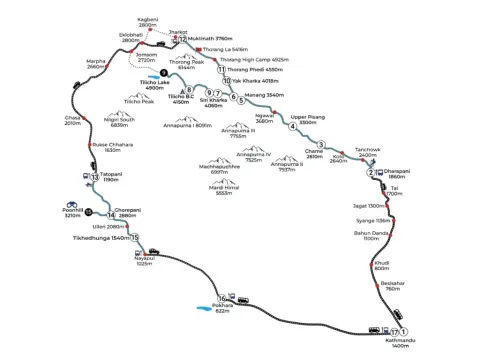
If you're planning the Annapurna Circuit Trek, the first thing you need is a reliable map — not just a blurry screenshot from Google, but a real, deta...
