
Annapurna Circuit Trek Nepal – Complete Guide, Itinerary, Cost & Best Time
23 Jan 2026
The Annapurna Circuit Trek is one of the world’s most legendary long-distance treks — a journey that circles the Annapurna massif through Nepal’s most...

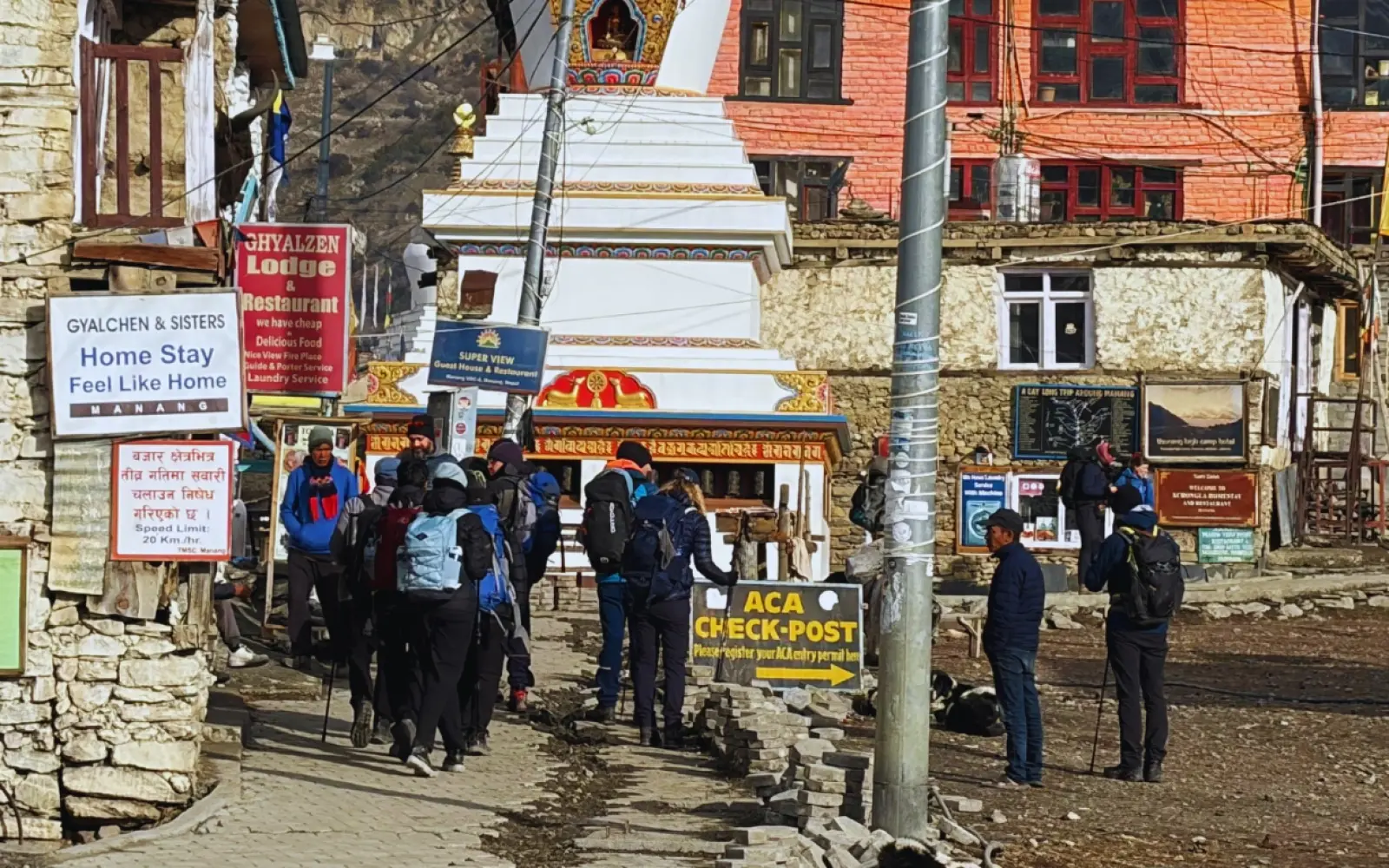

The Annapurna Circuit requires only one permit in 2026: the Annapurna Conservation Area Permit (ACAP). It costs NPR 3,000 for foreign nationals and NPR 1,000 for SAARC nationals. The TIMS card is no longer required despite outdated information across most websites. The trail has 11 checkpoints from Besisahar to Birethanti, with Manang being the most important for safety tracking before Thorong La Pass.
After guiding hundreds of trekkers through the Annapurna Circuit over the past decade, Majestic Trails Nepal has watched the permit system modernize from paper logbooks to QR-code digital tracking. This guide gives you accurate, current 2026 information based on direct experience walking the trail month after month — not recycled content from outdated blog posts.
The Annapurna Conservation Area Project (ACAP) was established in 1986 to protect the biodiversity and cultural heritage of this region. The permit system serves three essential purposes:
We have seen this system save lives firsthand during emergencies.
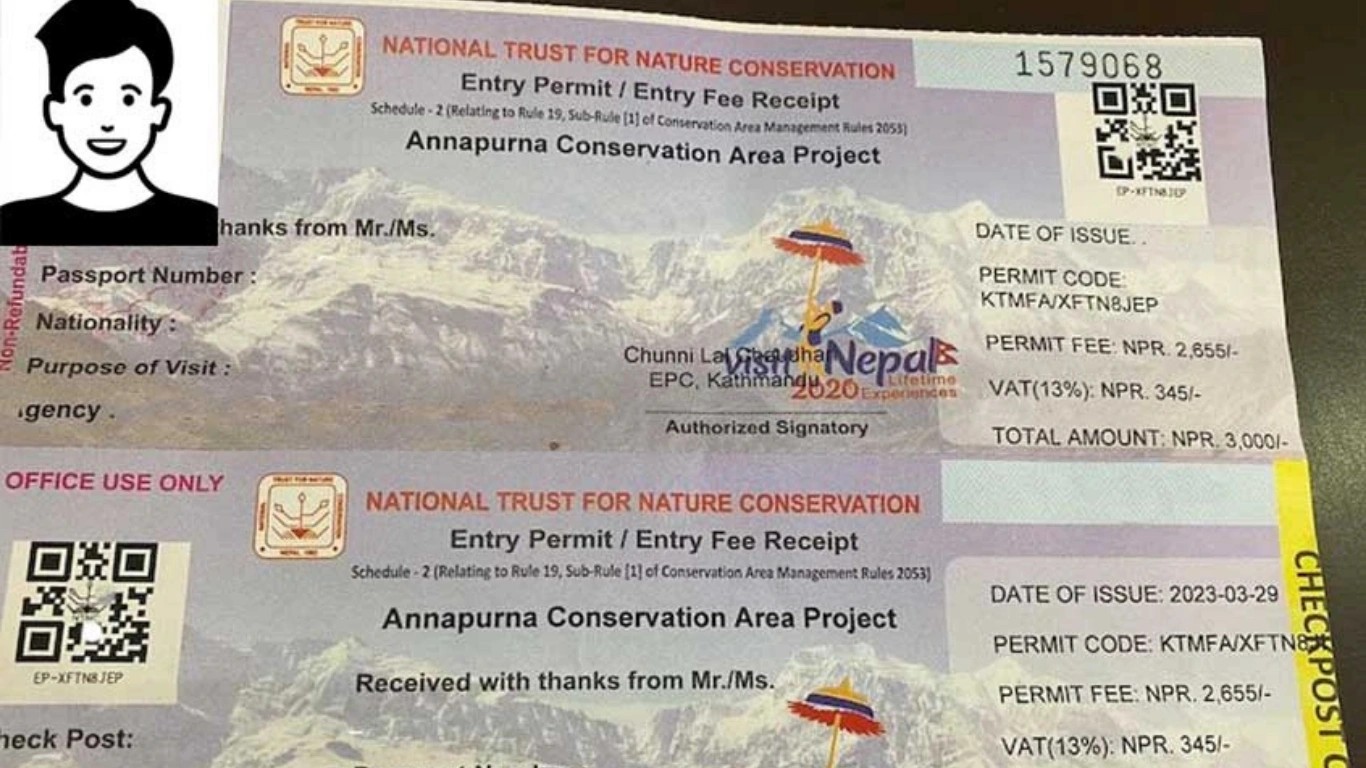
You need only one permit for the Annapurna Circuit in 2026: the Annapurna Conservation Area Permit (ACAP). No other permit is required for the standard circuit route.
That is the entire answer. The confusion online comes from outdated blogs still recommending TIMS cards or referencing old permit systems that no longer apply. As operators walking this trail every month, we can confirm that ACAP is the only permit any checkpoint requests in 2026.
The ACAP permit costs NPR 3,000 for foreign nationals and NPR 1,000 for SAARC nationals. Children under 10 years are exempt from permit fees. Tax is included in both rates.
| Nationality | Cost (tax included) |
|---|---|
| Foreign nationals | NPR 3,000 (approximately USD 23) |
| SAARC nationals | NPR 1,000 (approximately USD 8) |
| Children under 10 | Free |
Critical warning — double fees at checkpoints:
If you arrive at a checkpoint without an ACAP permit already issued, you will be charged double the standard fee. A foreigner without a permit pays NPR 6,000 at the checkpoint instead of NPR 3,000. Always obtain your permit in Kathmandu, Pokhara, or online before you reach the trail.
Online payment surcharge:
If you choose online payment via Visa or Mastercard, an additional 2.9% payment gateway charge applies. Counter payment in cash carries no additional charge.
No, the TIMS card is not required for the Annapurna Circuit in 2026. This is the most important factual correction in this entire guide.
Many blogs, guidebooks, and even some travel agencies still list TIMS as mandatory. This information is outdated. Based on Majestic Trails Nepal's current trekking operations — including treks completed this season — no checkpoint on the Annapurna Circuit asks for TIMS.
The permit system in Nepal has evolved. The ACAP permit now serves the tracking and information management functions that TIMS previously handled. We have guided dozens of groups this season alone, and not once has any checkpoint requested a TIMS card.
Save your money and avoid the hassle of obtaining a permit you no longer need.
The ACAP permit can be obtained three ways: online via the official NTNC portal, in person at the Nepal Tourism Board office in Kathmandu, or in person at the Tourism Service Center in Pokhara.
You can pay for your ACAP permit online at the official NTNC portal (epermit.ntnc.org.np) using a Visa or Mastercard credit card. After successful payment, you receive your permit directly by email. No office visit required.
Nepal Tourism Board Office, Bhrikutimandap, Kathmandu
Tourism Service Center, Damside, Pokhara
When you trek with Majestic Trails Nepal, we arrange all permits for our clients before the trek begins. You provide passport details and photos — we handle the paperwork. You receive your permit during your pre-trek briefing in Kathmandu or Pokhara. No queuing required.
The ACAP permit comes with legal conditions you should understand before you trek. These rules are issued by the National Trust for Nature Conservation under the National Park and Wildlife Conservation Act 1973.
Failure to comply with these rules can result in fines, removal from the conservation area, or restrictions on future trekking permits.
The Annapurna Conservation Area has specific restrictions beyond permits. Trekkers planning specialized activities should know the rules before arrival.
The permit system Annapurna Circuit Nepal uses has modernized significantly over the years. Here's what actually happens at checkpoints, based on our daily experience:
Most checkpoints now use an electronic QR code scanner system. Here's the process:
This digital tracking creates a real-time record of trekker movements throughout the conservation area.
Not all checkpoints have gone digital. From our experience, these locations still use manual registration:
We've encountered situations where the QR scanner malfunctions – it happens, especially in remote mountain locations with inconsistent electricity. When this occurs:
Pro tip from our guides: Always keep your passport accessible, not buried at the bottom of your pack.
The Annapurna Circuit permit checkpoint system has modernized significantly. Most checkpoints now use QR code scanning, though some locations still use manual paper logbooks.
At most checkpoints, the process is:
This digital tracking creates a real-time record of trekker movements throughout the conservation area.
Not all checkpoints have gone digital. From direct operator experience, these locations still use manual registration:
QR scanners occasionally malfunction in remote mountain locations with inconsistent electricity. When this happens, you need to show your passport for verification, the officer manually records your details, and your permit is still signed.
Operator tip: Always keep your passport accessible — not buried at the bottom of your pack.
The Annapurna Circuit has 11 checkpoints from start to finish. Here they are in exact order, with operator-specific detail at each one.
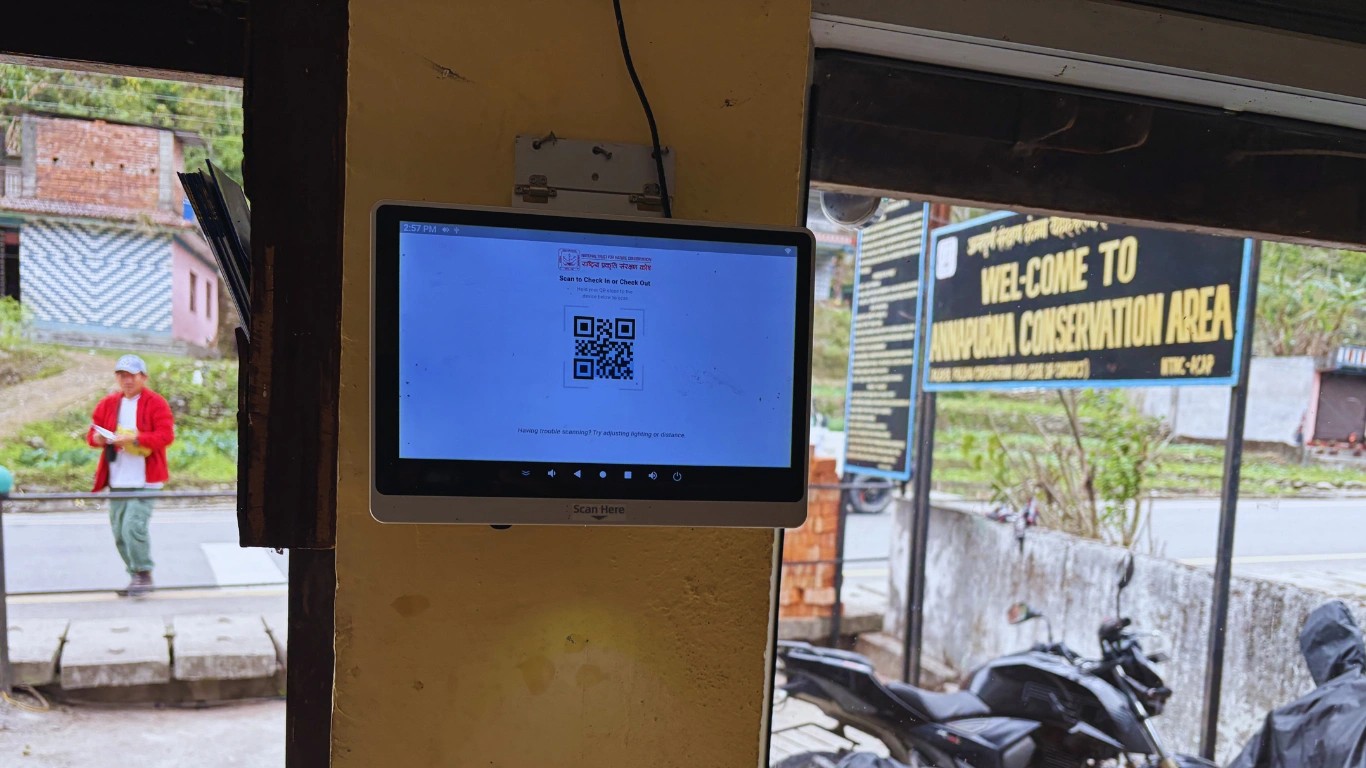
This is your first encounter with the permit system, located just 15 minutes after starting the drive from your departure point.
What happens: Staff scans permits and verifies basic information
Questions asked: Standard verification only
Waiting time: 5-10 minutes
Staff behavior: Professional and efficient
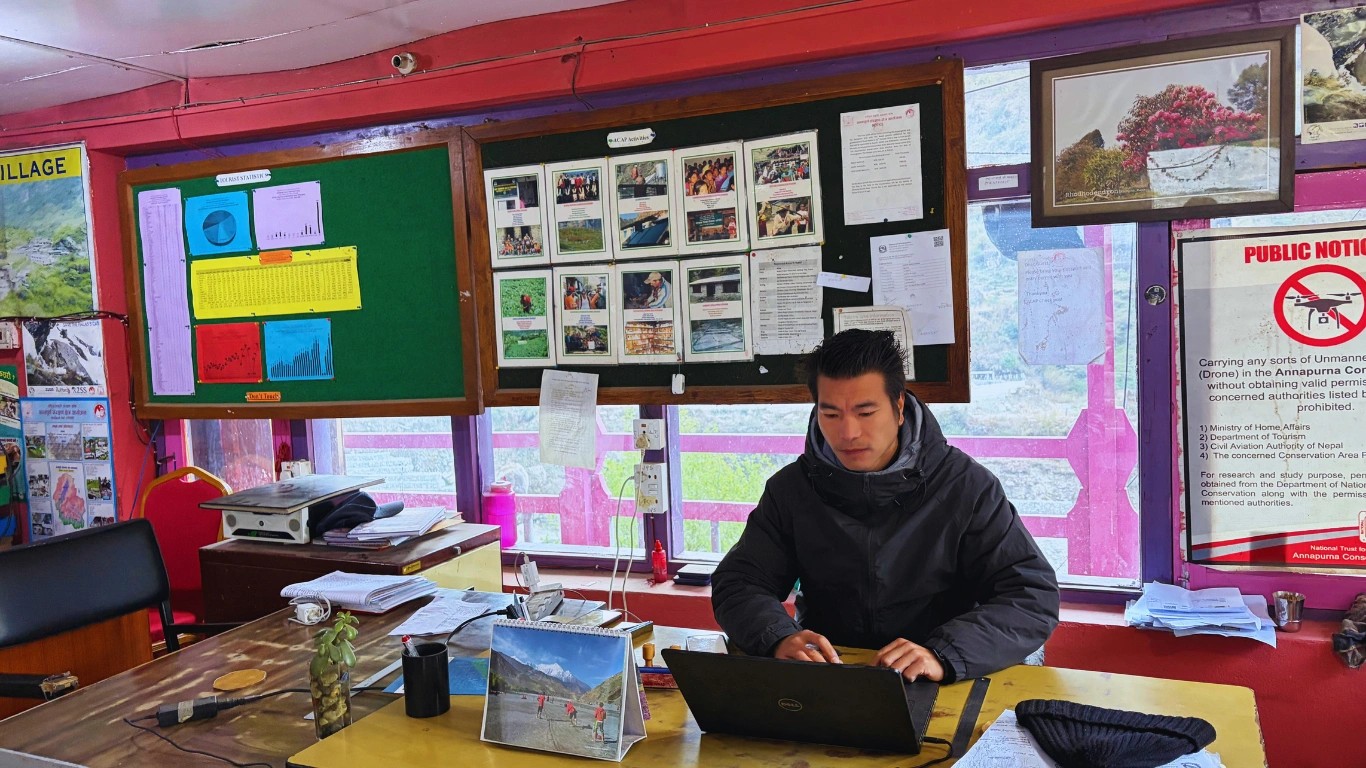
Located in the Manang District, this checkpoint marks your entry into the upper Annapurna region.
What happens: QR code scan and permit signing
Questions asked: Basic verification, sometimes asking about final destination
Waiting time: 5-15 minutes depending on crowd
Staff behavior: Friendly and welcoming
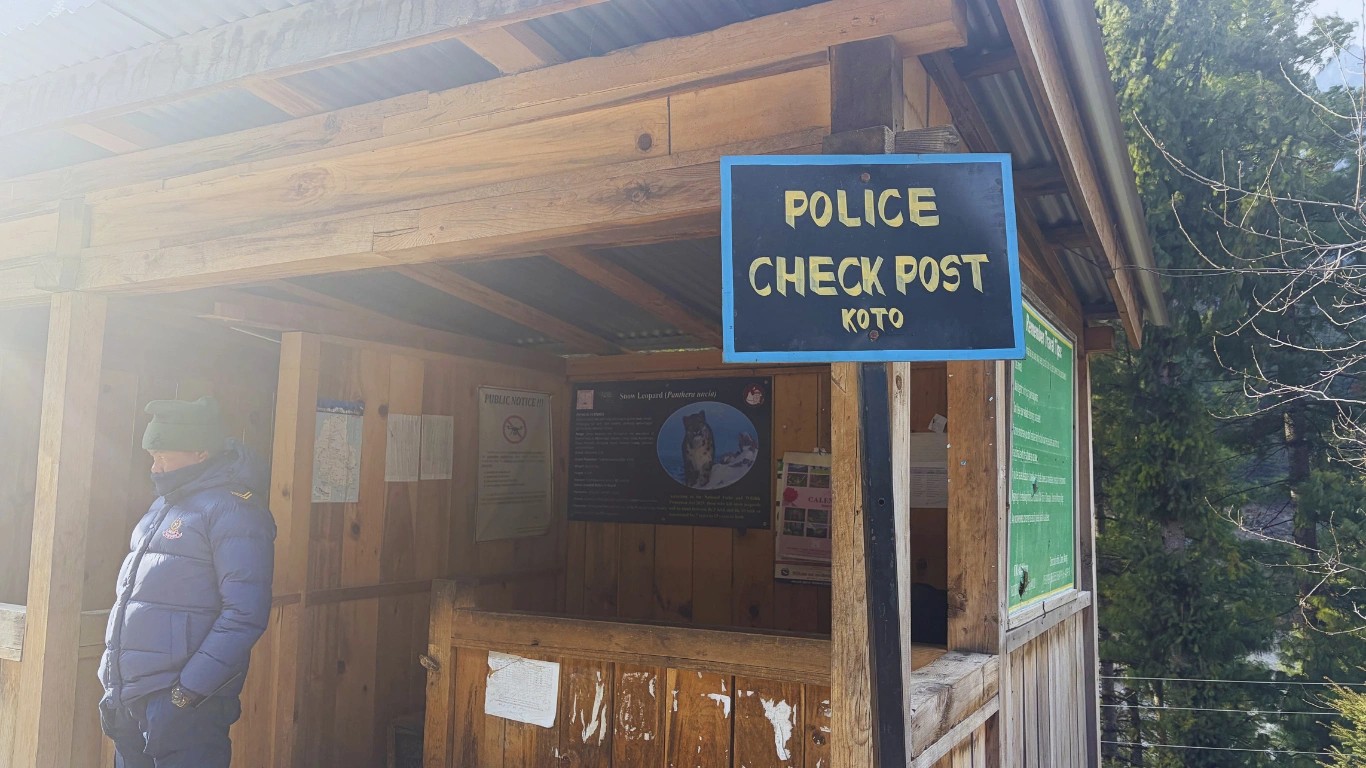
Koto uses the manual register system alongside digital verification. This checkpoint is particularly thorough.
What happens: Manual register entry, QR scan, permit signing
Questions asked:
The age and departure date questions help authorities track trekker flow and identify anyone who might be overdue.
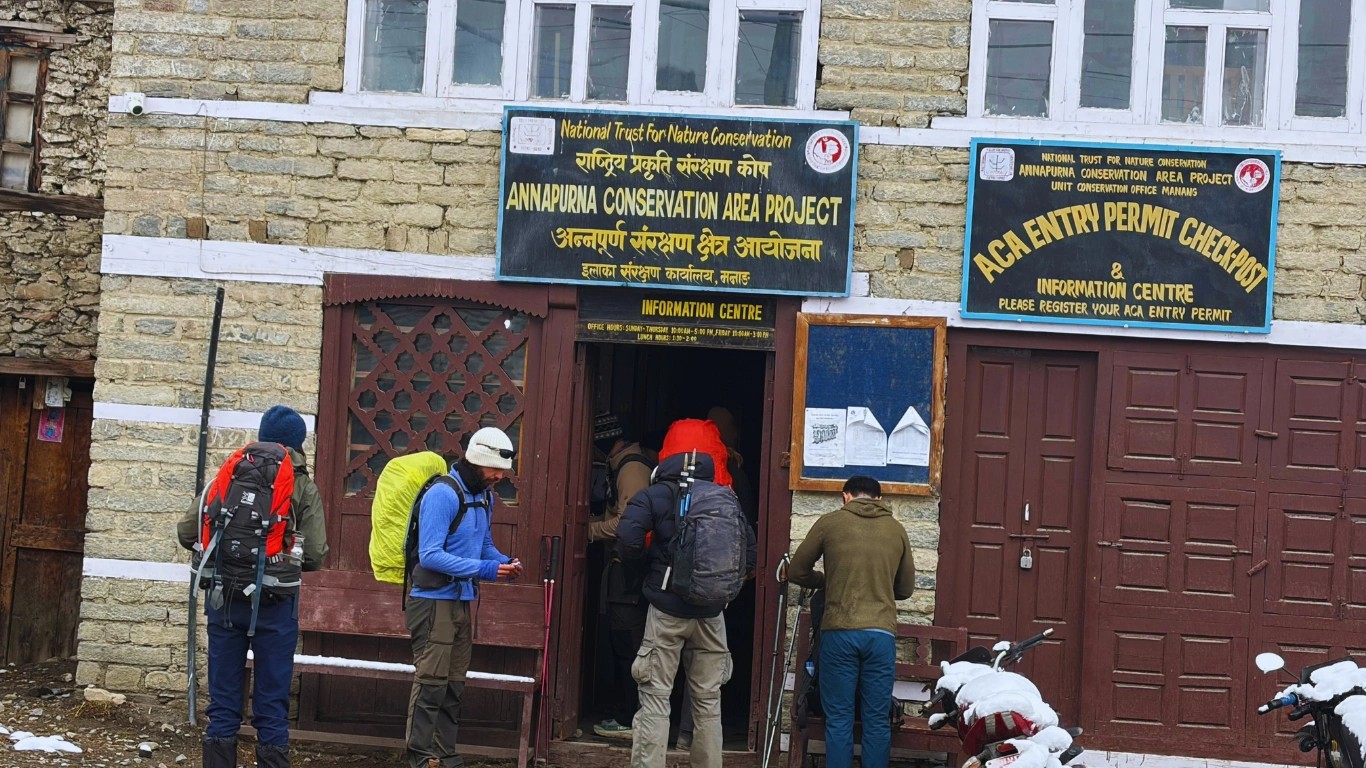
We tell all our trekkers that Manang is the checkpoint that truly matters. This is where the safety system becomes real.
What happens:
Questions asked:
Waiting time: This is typically the longest wait—15-30 minutes during busy periods
Why it matters:
The Manang checkpoint specifically tracks trekkers crossing Thorong La Pass. They maintain accurate counts of who heads up and who comes down. If weather conditions become dangerous, checkpoint staff can stop trekkers from proceeding.
We've witnessed staff giving weather warnings to trekkers and advising them to wait an extra day for safer conditions. This isn't common, but when it happens, it can save lives.
Tips for trekkers:
We’ve seen trekkers saved by waiting an extra day based on staff advice—it’s rare but can be life-saving.
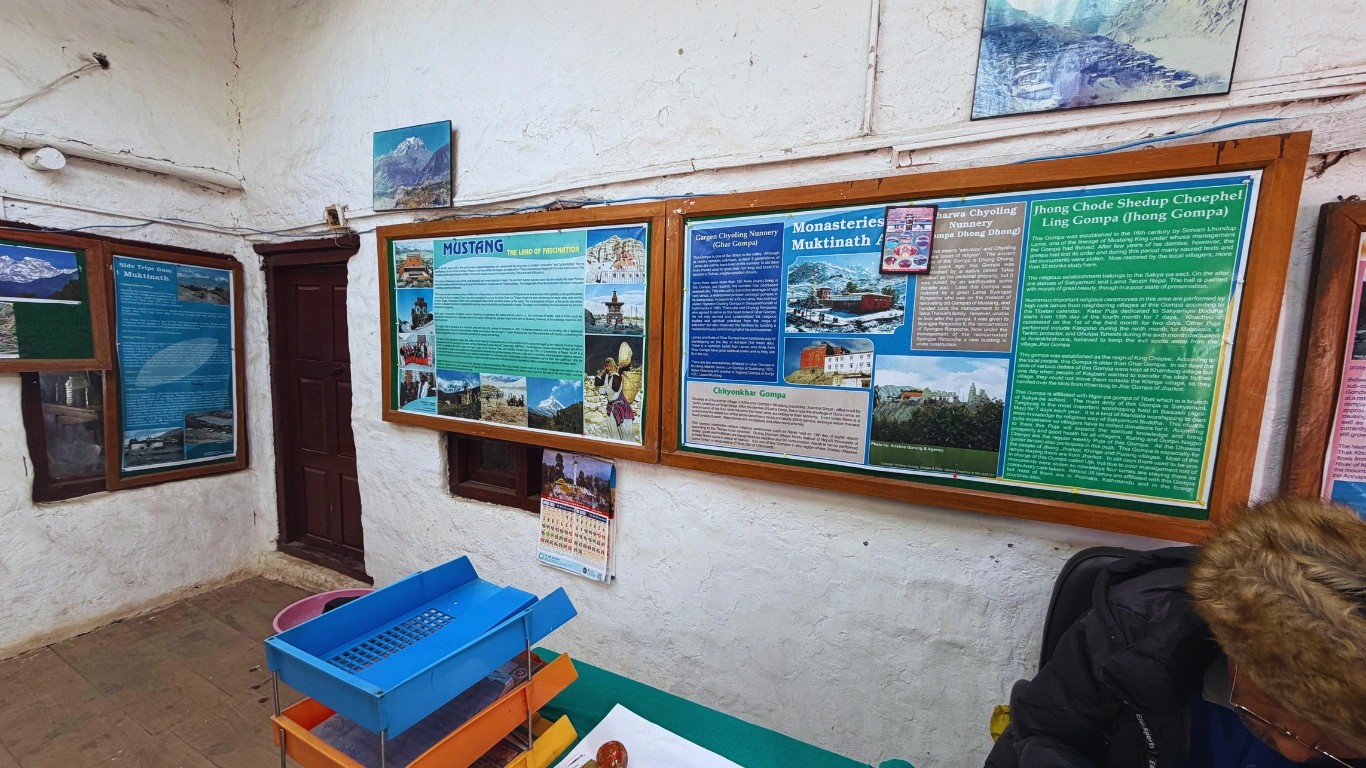
This is our hidden insight for trekkers—many people don't expect a checkpoint in Muktinath because they've just completed the challenging pass crossing.
What happens: Permit verification and check-in to the Mustang side
Questions asked: Standard verification
Waiting time: 5-10 minutes
Staff behavior: Congratulatory and supportive
We always remind our trekkers about this checkpoint so they're not caught off guard after the exhausting descent from Thorong La.
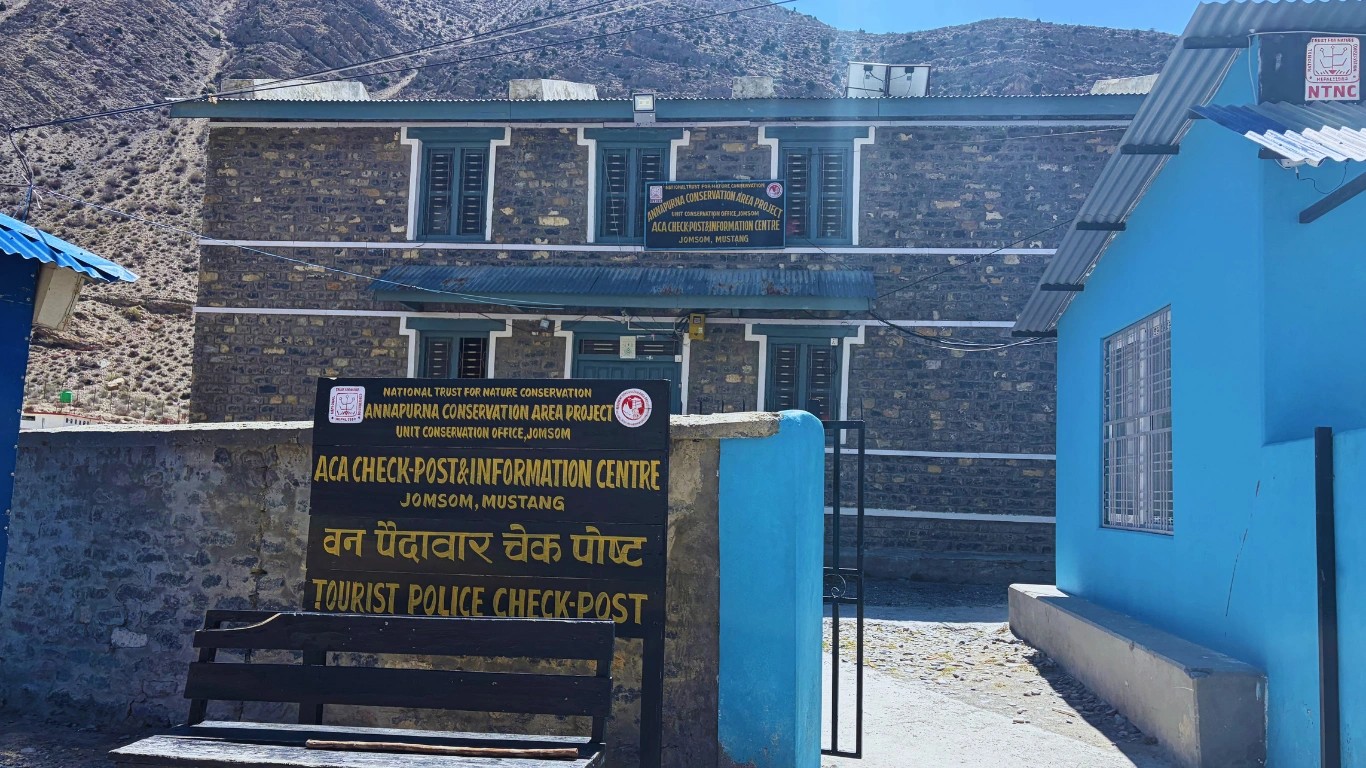
What happens: This serves as a checkout point if you're ending your trek here and flying out
Questions asked:
Waiting time: 5-10 minutes
Staff behavior: Routine and efficient
The questions about guides and porters help authorities ensure proper employment practices and safety standards.
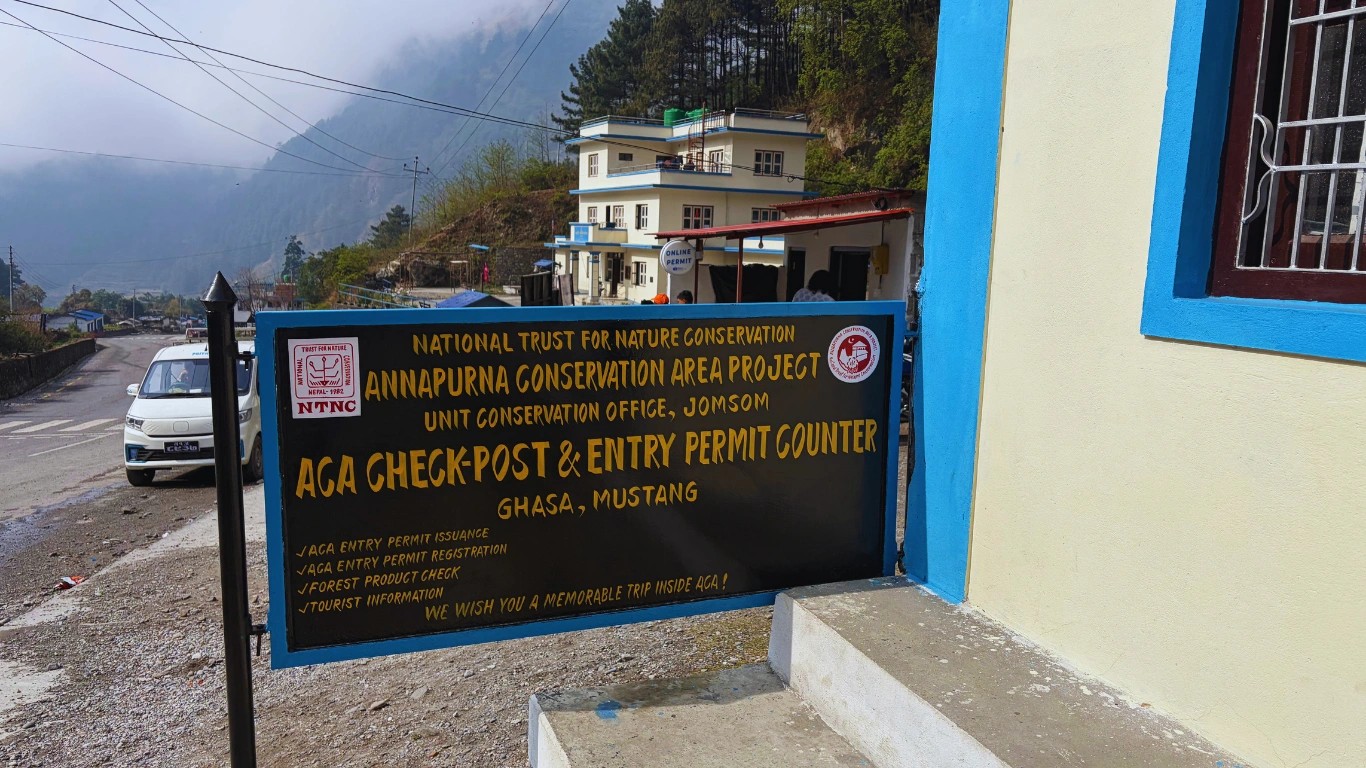
Here's a rare insider detail from our guiding experience: Ghasa checkpoint is inconsistent. Sometimes staff thoroughly check permits, and sometimes they wave trekkers through with minimal verification.
We've never been able to determine a pattern—it seems to depend on staffing, time of day, and how busy the trail is. We always advise our trekkers to have permits ready regardless.
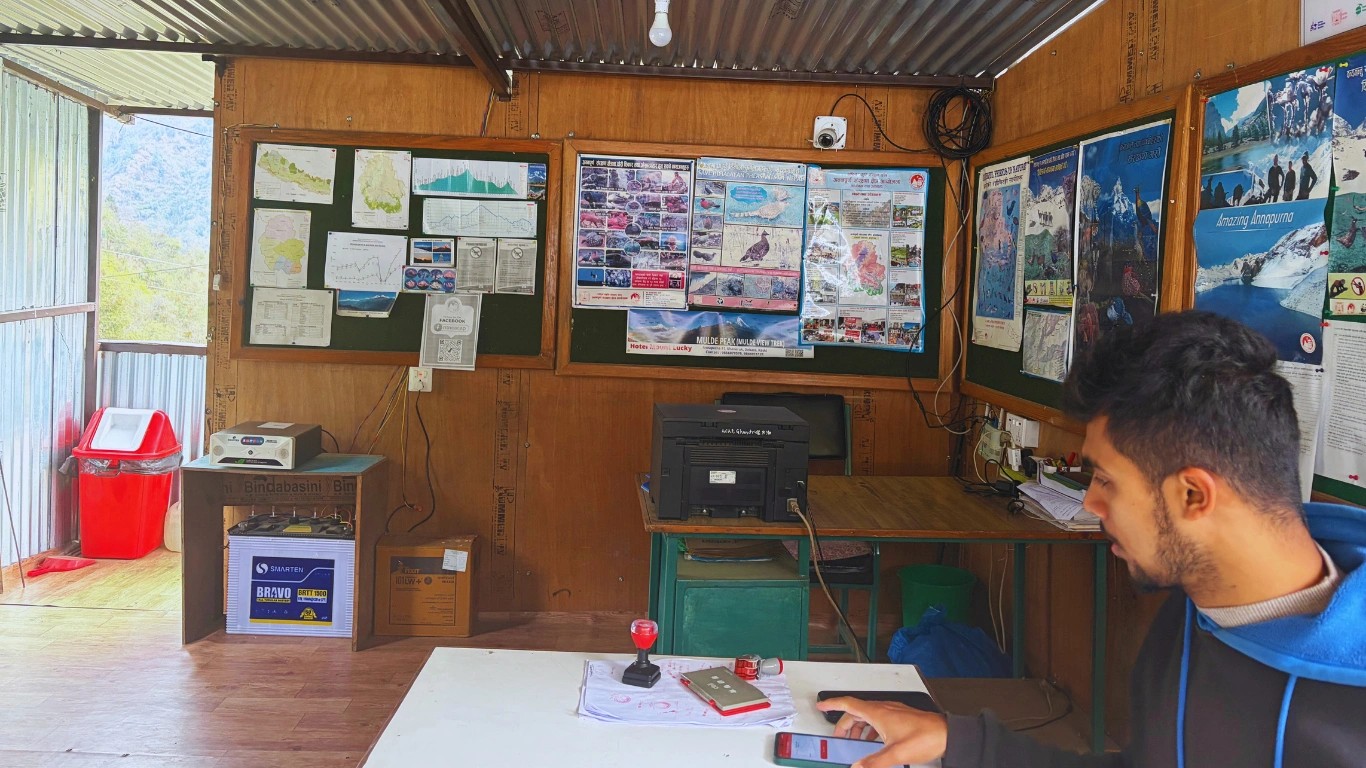
Only relevant if you're taking the longer route toward Ghorepani via Shikha rather than the direct path.
What happens: Standard permit verification
Questions asked: Route confirmation
Waiting time: 5-10 minutes
Staff behavior: Friendly and helpful with directions
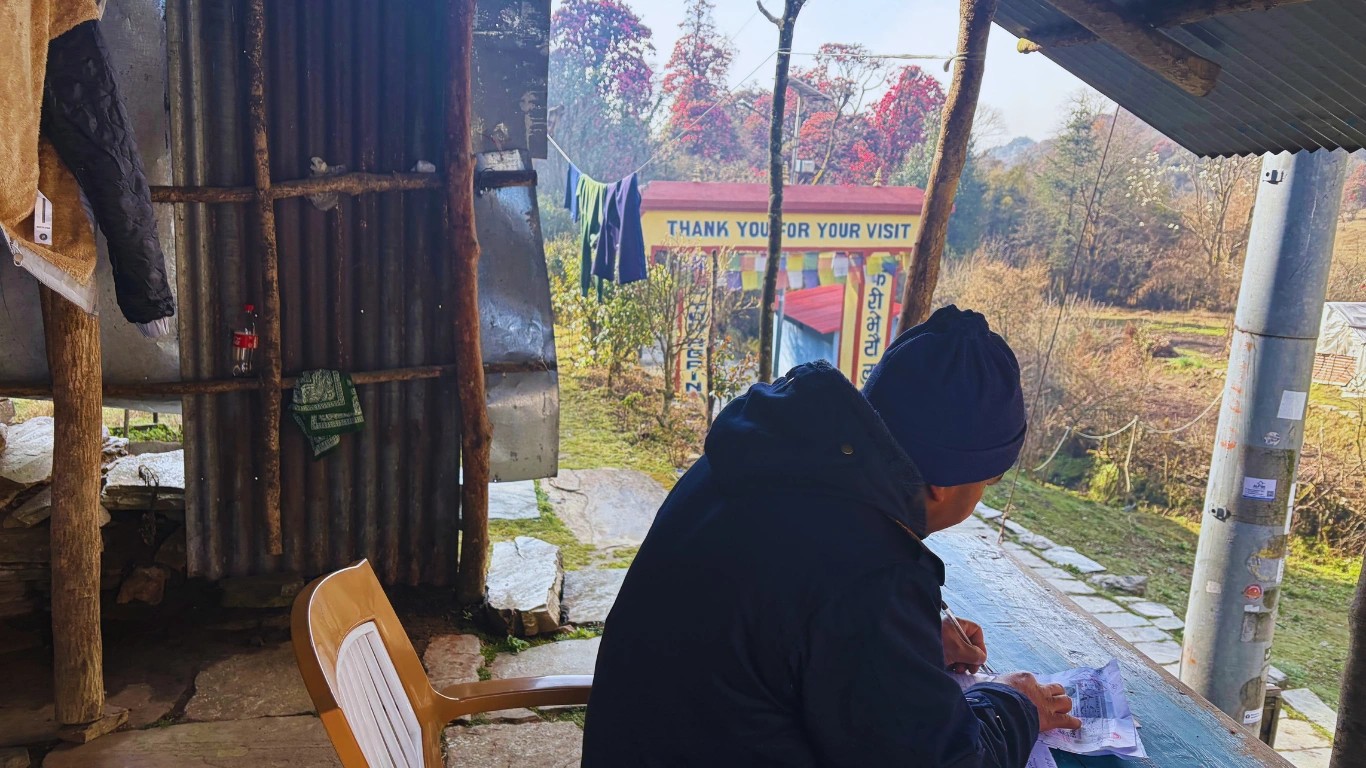
This checkpoint uses the manual register system and serves as an important checkout point.
What happens: Manual registration, permit signing, checkout processing
Questions asked:
Waiting time: 10-15 minutes
Staff behavior: Thorough but friendly
The hotel questions help authorities verify that you're following your registered route and that lodges are properly recording guest information.
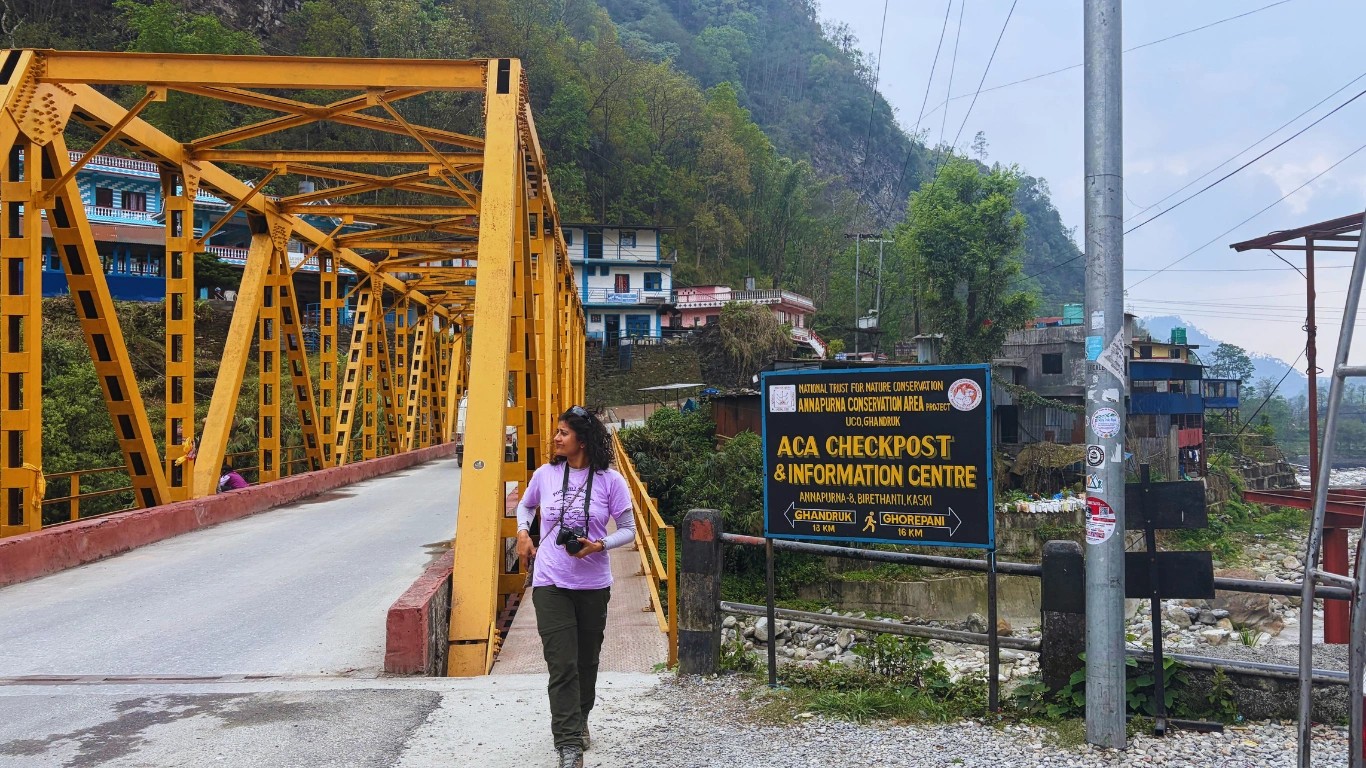
This is your final checkout point for the Annapurna Circuit.
What happens: Final permit verification and official exit registration
Questions asked: Standard checkout procedure
Waiting time: 5-10 minutes
Staff behavior: Congratulatory—they know you've completed the circuit!
Your entire journey is now recorded in the system from entry at Besisahar to exit at Birethanti.
Manang checkpoint deserves special attention because it serves a vital function beyond standard permit verification. It is the safety control point for the entire Thorong La Pass crossing.
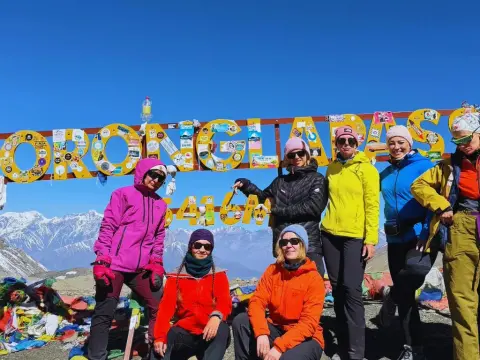
Manang specifically tracks trekkers crossing Thorong La Pass at 5,416 m. Staff maintains accurate counts of who heads up and who comes down. If weather conditions become dangerous, checkpoint staff can stop trekkers from proceeding.
We have witnessed staff giving weather warnings to trekkers and advising them to wait an extra day for safer conditions. This is not common, but when it happens, it can save lives.
Operator tips for Manang:
In September 2025, unexpected heavy snowfall completely blocked Thorong La Pass. Trekkers who had already checked in at Manang and were at Thorong Phedi or High Camp had to turn back. The pass was impassable for several days.
Because of the checkpoint records, authorities knew exactly who was in the danger zone. Nobody was unaccounted for.
For trekkers who needed to return quickly, the transport costs from Manang were significant:
| Transport Type | Cost |
|---|---|
| Private Jeep | NPR 90,000 |
| Normal Shared Jeep | NPR 45,000 |
| Shared Transport (waiting for full vehicle) | NPR 5,000 |
Weather closures like this are relatively rare. Most crossings happen without incident. But the incident illustrates why proper permit tracking exists and why having a professional guide who knows current conditions adds genuine value during emergencies.
After guiding hundreds of trekkers, we have seen every permit mistake possible. Here are the most common — and how to avoid them.
Many trekkers stuff their permit deep inside their main backpack. This means at every checkpoint they are unpacking gear in the cold or rain while others wait.
Fix: Keep your permit in a waterproof pouch in your daypack's top pocket or jacket pocket. You will access it 10+ times during the trek.
Lost permits mean purchasing a replacement at full price — effectively doubling your permit costs. Permits most commonly get lost when changing jacket pockets, at tea houses (left on tables), or when reorganizing bags.
Fix: Designate ONE specific place for your permit and always return it there immediately after checkpoints.
When QR scanners fail, you need your passport. Having it at the bottom of your bag creates delays and frustration.
Fix: Keep passport in the same accessible pocket as your permit.
The most expensive mistake. Trekkers who reach Besisahar or Birethanti without an ACAP permit pay double the standard fee at the checkpoint.
Fix: Always obtain your permit before reaching the trail — Kathmandu, Pokhara, or online.
Nepal has regulations requiring foreign trekkers to hire licensed guides. In practice, this rule is not strictly enforced on the Annapurna Circuit as of 2026. Independent trekkers pass through every checkpoint without being turned away for lacking a guide.
However, having an experienced guide adds genuine value:
The choice is yours. Going without a guide will not cause permit problems in 2026 — but guides genuinely add safety and depth to the experience.
When you trek the Annapurna Circuit with Majestic Trails Nepal, we handle every permit detail before you arrive in Nepal:
This means you focus on the trek experience. We handle the paperwork, the language, the local knowledge, and the safety protocols. After 10+ years guiding the Annapurna Circuit, our team knows every checkpoint officer by name and every bend in the trail.
→ View our Annapurna Circuit Trek packages
Understanding Annapurna Circuit permits in 2026 does not need to be complicated. Here is what you need to remember:
The permit system exists to protect this incredible landscape and keep you safe. Embrace it as part of your Annapurna experience.
When you choose Majestic Trails Nepal for your Annapurna Circuit trek, we handle every detail from permit arrangements to checkpoint navigation. Our experienced guides know every checkpoint officer by name and every bend in the trail. We have been guiding this route for 10+ years.
→ View our Annapurna Circuit Trek packages
→ Contact our trek planning team — we respond within 2-4 hours with firsthand information from the trail
No, the TIMS card is no longer required for the Annapurna Circuit. Only the ACAP (Annapurna Conservation Area Permit) is needed. Many blogs still list TIMS as mandatory but this information is outdated as of 2026.
The Annapurna Circuit permit costs NPR 3,000 for foreign nationals and NPR 1,000 for SAARC nationals (tax included). Children under 10 are free. If you arrive at a checkpoint without a permit, you pay double the fee.
Yes, the ACAP permit can be paid online via Visa or Mastercard at epermit.ntnc.org.np. A 2.9% payment gateway charge applies. After successful payment you receive your permit by email — no office visit required.
At Manang checkpoint, staff conduct thorough permit verification, ask about your acclimatization status and next destination, and track every trekker crossing Thorong La Pass. If weather conditions become dangerous, staff can advise or stop trekkers from proceeding. Manang is the most important checkpoint on the entire Annapurna Circuit.
The final exit checkpoint of the Annapurna Circuit is Muktinath or Birethati located at the bridge crossing. Your permit receives its final scan here, officially recording your safe completion of the trek.
Trekkers who arrive at a checkpoint without an ACAP permit pay double the standard fee — NPR 6,000 for foreign nationals instead of NPR 3,000. Always obtain your permit in Kathmandu, Pokhara, or online before reaching the trail to avoid this penalty.
No, drones are strictly prohibited in the Annapurna Conservation Area unless prior approval has been granted by the concerned authorities. Most casual trekkers cannot obtain this approval, so drones should not be brought on the trek.
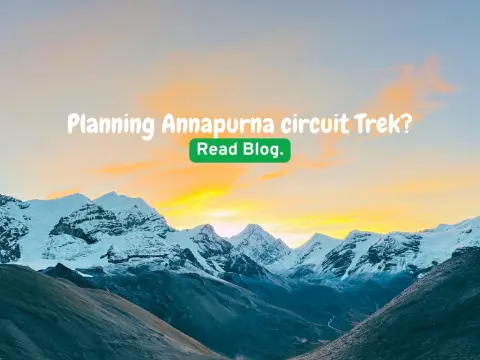
The Annapurna Circuit Trek is one of the world’s most legendary long-distance treks — a journey that circles the Annapurna massif through Nepal’s most...
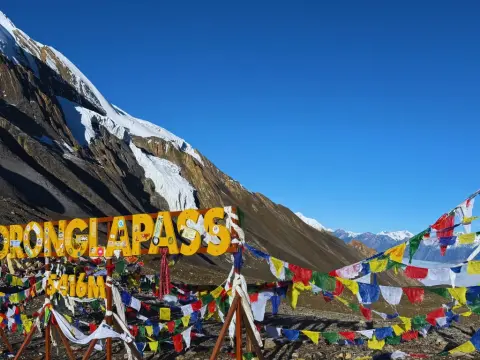
Thorang la Pass is one of the highest and most iconic trekking passes in Nepal, located at 5,416 m (17,769 ft). The pass connects Manang and Mustang a...
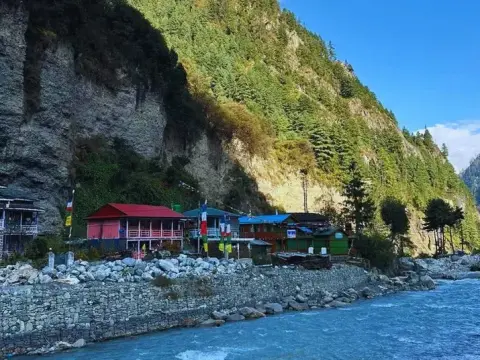
Let us guide you through the must-visit villages on the Annapurna Circuit Trek, where breathtaking Himalayan landscapes meet centuries-old traditions...
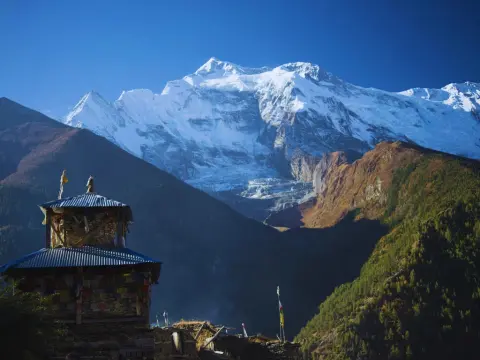
If you've ever scrolled through trekking forums or chatted with someone who's walked through Nepal's mountains, you've probably heard the phrase apple...

The Annapurna Circuit stands among the world's most celebrated trekking routes, drawing thousands of adventurers each year to experience its dramatic...
Choosing the right Annapurna Circuit trek agency is genuinely one of the most consequential decisions you will make in planning this journey. Not beca...
