
Group Departure Trekking in Nepal – Join Pre-Scheduled Adventures
3 Jul 2025
Group Departure Trekking in Nepal offers the perfect solution for adventurers who want to explore the Himalayas without the hassle of planning every d...



The ACT Nepal Trek stands as one of the most iconic high-altitude adventures on Earth, drawing thousands of trekkers annually to Nepal's magnificent Annapurna region. For those unfamiliar with trekking terminology, ACT is the widely-used abbreviation for the Annapurna Circuit Trek – a legendary route that circumnavigates the entire Annapurna massif through diverse landscapes, ancient villages, and high mountain passes.
This extraordinary journey reaches its pinnacle at Thorong La Pass (5,416 meters), the highest point of the trek and one of the most rewarding mountain crossings accessible to trekkers without technical climbing skills. Spanning 12 to 18 days depending on your chosen itinerary and acclimatization schedule, the Annapurna Circuit Trek consistently ranks among the world's classic treks alongside routes like the Everest Base Camp Trek and Peru's Inca Trail.
Whether you're a seasoned mountain enthusiast or an ambitious first-timer seeking the ultimate Himalayan experience, this comprehensive guide covers everything you need to know about planning, preparing for, and completing the ACT Nepal Trek successfully.
The ACT Nepal Trek, formally known as the Annapurna Circuit Trek, is a legendary trekking route located within the Annapurna Conservation Area Project (ACAP) in north-central Nepal. This protected region spans over 7,629 square kilometers, making it one of the largest conservation areas in Nepal and home to diverse ecosystems, endangered wildlife, and rich cultural heritage.
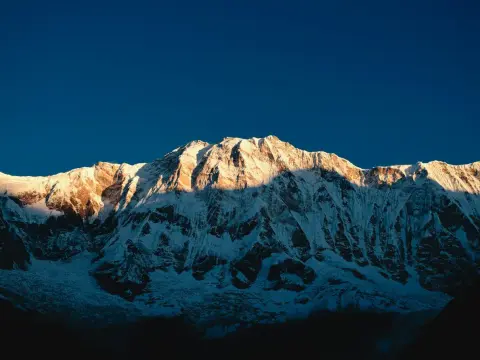
Trekkers commonly refer to this route as "ACT" for convenience, and you'll encounter this abbreviation frequently in travel forums, guidebooks, and expedition planning resources. The trek encircles the Annapurna Massif, which includes several peaks exceeding 7,000 meters, with Annapurna I standing at 8,091 meters as the world's tenth-highest mountain.
The Annapurna Circuit Trek gained global fame for several compelling reasons:
The route has evolved significantly since the 1970s when it required over three weeks to complete. Today, road development has shortened some sections, though the core experience and spectacular mountain views remain unchanged.
Understanding the route structure helps you plan effectively and set realistic expectations for your Annapurna Circuit Trek adventure.
Most trekkers begin their ACT Nepal Trek from one of two locations:
| Location | Altitude | Trek Day |
|---|---|---|
| Jagat | 1300m | Day 1 |
| Chame | 2,710m | Day 4-5 |
| Manang | 3,540m | Day 7-8 |
| Thorong Phedi | 4,450m | Day 10 |
| Thorong La Pass | 5,416m | Day 11 |
| Muktinath | 3,800m | Day 11 |
| Jomsom | 2,720m | Day 12-13 |
The complete ACT Nepal Trek covers approximately 160 to 230 kilometers depending on your starting point and optional extensions. Trekkers beginning from Besisahar and completing the full circuit to Nayapul cover the maximum distance, while those using jeep transfers for lower sections trek shorter distances.
Expect to walk 5 to 7 hours daily on average, with the Thorong La Pass crossing day potentially extending to 10 hours. Rest days in Manang reduce overall daily averages but are essential for proper acclimatization.
The Annapurna Circuit Trek rates as moderate to challenging, with difficulty concentrated in several factors:
The Annapurna Circuit Trek suits trekkers who:
Previous high-altitude experience helps but isn't mandatory. Many determined first-timers successfully complete the ACT Nepal Trek with adequate preparation.
Timing significantly impacts your Annapurna Circuit Trek experience. Understanding seasonal variations helps you choose dates aligned with your priorities.
Spring ranks as the second-most popular season for the ACT Nepal Trek. Key characteristics include:
Late April may bring occasional pre-monsoon showers, but conditions generally remain favorable.
Autumn represents the prime trekking season for the Annapurna Circuit Trek, offering:
October and early November see the highest trekker numbers, so book accommodations and flights in advance.
Winter presents a challenging but rewarding ACT Nepal Trek experience:
Only experienced trekkers with proper cold-weather gear should attempt winter crossings.
The monsoon season is generally not recommended for the Annapurna Circuit Trek due to:
However, the rain-shadow area around Manang and Upper Mustang sees less precipitation, making partial routes viable for adventurous trekkers.
Understanding expenses helps you budget realistically for your Annapurna Circuit Trek. Costs vary based on travel style, season, and personal choices.
Costs increase at higher elevations where supplies must be transported by mule or porter.
Complete ACT Nepal Trek packages typically range from $900 to $1,800 depending on:
Budget-conscious trekkers managing their own logistics spend approximately $40-60 daily, while organized packages provide convenience and safety assurance.
Obtaining proper permits is mandatory and straightforward for the Annapurna Circuit Trek.
This permit grants access to the Annapurna Conservation Area and funds local conservation efforts. Requirements include:
Licensed trekking agencies handle permit acquisition as part of their services, eliminating bureaucratic hassles.
The Thorong La Pass crossing represents the defining moment of the Annapurna Circuit Trek. At 5,416 meters, this dramatic mountain pass separates the Manang District from Mustang District and marks the transition between two distinct Himalayan worlds.
This high pass serves as the physical and emotional climax of the ACT Nepal Trek. Standing at the summit, surrounded by snow-capped peaks and fluttering prayer flags, trekkers experience the profound reward of their multi-day journey.
Proper acclimatization before attempting Thorong La Pass is non-negotiable. Recommended protocols include:
Most trekkers depart Thorong Phedi or High Camp between 4:00-5:00 AM to ensure sufficient daylight for the 8-10 hour crossing. The early start also reduces exposure to afternoon weather deterioration common at high altitude.
Conditions at Thorong La Pass can change rapidly. Potential hazards include:
Experienced guides monitor weather patterns and make crossing decisions prioritizing safety.
Many trekkers debate between these two premier Annapurna region routes. This comparison clarifies key differences:
| Factor | ACT Nepal Trek | Annapurna Base Camp Trek |
|---|---|---|
| Duration | 12-18 days | 7-12 days |
| Difficulty | Moderate-Challenging | Moderate |
| Maximum Altitude | 5,416m (Thorong La) | 4,130m (ABC) |
| Total Distance | 160-230 km | 70-110 km |
| Landscape Variety | Extremely diverse | Primarily mountain and forest |
| Cultural Exposure | Multiple ethnic regions | Gurung villages primarily |
| Best For | Experienced trekkers, longer timeframes | Beginners, limited time |
The Annapurna Circuit Trek offers greater diversity and challenge, while Annapurna Base Camp Trek provides accessible mountain immersion for those with time constraints.
The ACT Nepal Trek follows well-established teahouse routes, meaning you sleep and eat in locally-owned lodges rather than camping. Basic rooms feature:
Dal Bhat (lentil soup with rice, vegetables, and pickles) remains the staple trekker meal, offering unlimited refills and excellent energy value. Western options including pasta, pizza, pancakes, and fried rice are available throughout the route.
Food costs and quality vary by altitude – expect simpler menus and higher prices above 4,000 meters.
WiFi availability has expanded significantly along the Annapurna Circuit Trek, though connections are often slow and sometimes unreliable. Charging facilities exist at most teahouses, sometimes for additional fees at higher elevations.
With proper preparation and precautions, the Annapurna Circuit Trek maintains a strong safety record.
Trekking with experienced local guides significantly reduces risk. Guides monitor weather, assess individual trekker condition, and make informed decisions about daily progress. They also carry communication devices for emergency coordination.
Begin preparation 8-12 weeks before departure:
Understand that the Annapurna Circuit Trek involves:
How long is ACT Nepal Trek?
The Annapurna Circuit Trek typically takes 12-18 days depending on starting point, pace, and optional extensions. Most trekkers complete standard itineraries in 14-16 days.
How difficult is ACT Nepal Trek?
The trek rates as moderate to challenging, primarily due to high altitude rather than technical difficulty. Good fitness and proper acclimatization make it achievable for most healthy adults.
Can beginners do ACT?
Yes, motivated beginners with adequate fitness can complete the Annapurna Circuit Trek. Prior trekking experience helps but isn't mandatory.
What is the highest altitude?
Thorong La Pass reaches 5,416 meters (17,769 feet), the highest point of the ACT Nepal Trek and one of the highest trekking passes worldwide.
Do I need a guide?
While not legally required, hiring an experienced guide significantly enhances safety, navigation, and cultural understanding throughout the trek.
How much does ACT Nepal Trek cost?
Budget $900-$1,800 for organized packages, or $40-60 daily for independent trekking, depending on service level and personal spending habits.
Is it better than Everest Base Camp?
Both offer exceptional experiences with different characteristics. The ACT Nepal Trek provides greater landscape diversity, while Everest Base Camp offers iconic mountain proximity. Choice depends on personal priorities and available time.
Completing the Annapurna Circuit Trek with Majestic Trails Nepal connects you with knowledgeable local guides who understand the region intimately. Their experienced team prioritizes trekker safety while maintaining flexible itineraries that adapt to individual pace and interests.
Small group sizes ensure personalized attention, and their safety-first approach includes proper acclimatization scheduling, weather monitoring, and emergency preparedness. Local expertise transforms the trek from a physical journey into meaningful cultural immersion.
Contact Majestic Trails Nepal to plan your ACT Nepal Trek adventure in the Himalayas.
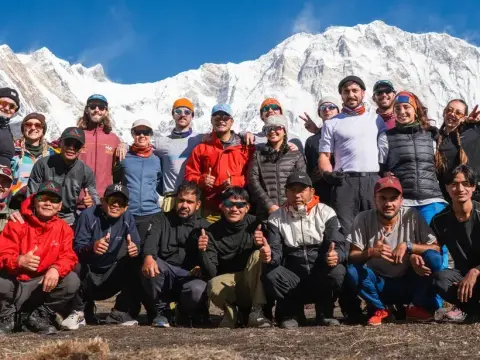
Group Departure Trekking in Nepal offers the perfect solution for adventurers who want to explore the Himalayas without the hassle of planning every d...

Let's cut straight to it. Autumn, specifically September through November, is the best time to trek in Nepal. Spring runs a very close second, coverin...

Short on time but big on ambition? Nepal delivers extraordinary mountain experiences in as little as three days, and this guide breaks down exactly wh...
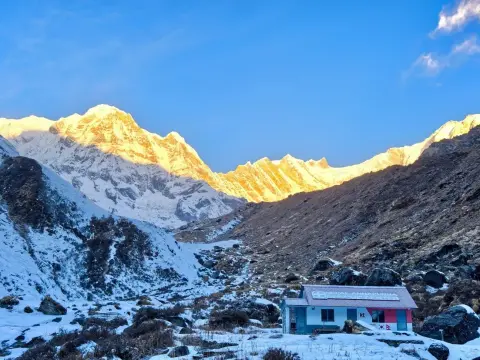
The Annapurna Base Camp trek stands among the world's most iconic Himalayan adventures. Every year, thousands of trekkers from across the globe journe...
The Annapurna Circuit Trek is one of the world’s most legendary long-distance treks — a journey that circles the Annapurna massif through Nepal’s most...

People visiting Kathmandu almost always ask the same two questions about Swayambhunath: how high is it, and where exactly is it? Seems simple. But the...

The morning mist parts slowly, revealing a hillside ablaze with crimson rhododendrons. Somewhere in the branches above, a Himalayan Monal's iridescent...
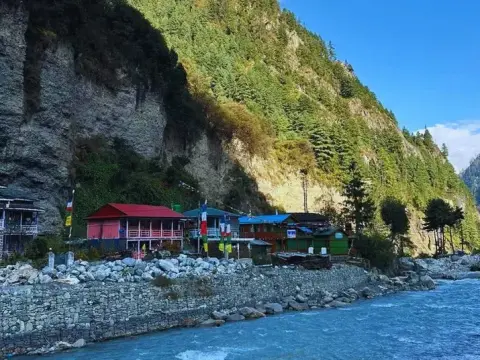
Let us guide you through the must-visit villages on the Annapurna Circuit Trek, where breathtaking Himalayan landscapes meet centuries-old traditions...

If you've ever wondered why trekking in Nepal captivates adventurers from every corner of the globe, the answer lies in its extraordinary combination...

Nepal is a land where nature paints its most spectacular masterpieces. From the towering peaks of the Himalayas to serene alpine lakes, dense jungles...
The term "killer mountain" carries a somber weight in mountaineering circles. It refers to peaks with exceptionally high fatality rates relative to su...
