
The 10 Best Treks in Nepal for 2026
10 Jun 2025
What makes for the best treks in Nepal can vary from person to person. While Everest Base Camp Trek (EBC) at 5545 m is ideal for a trekker wanting the...

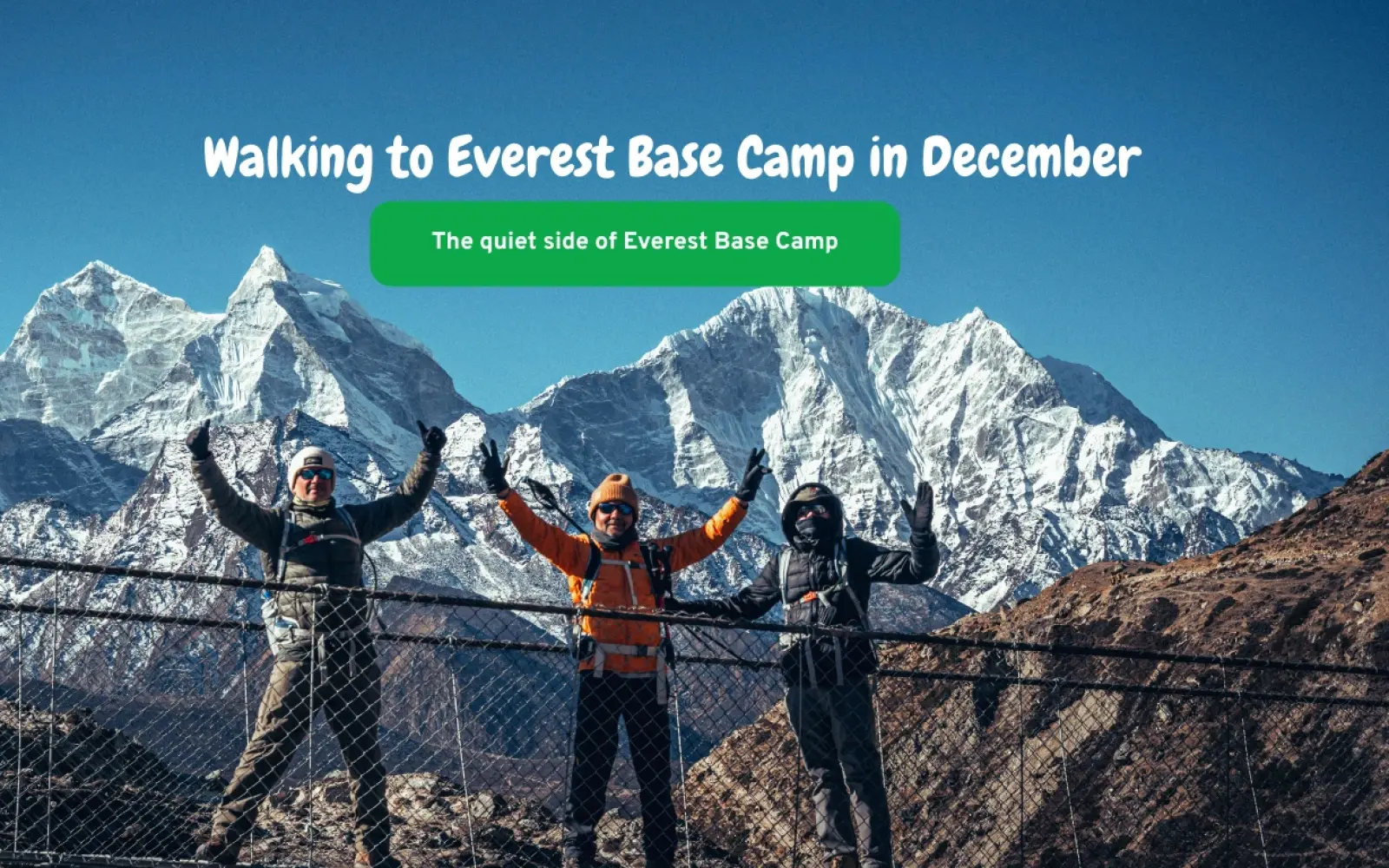

Nepal — the final destination for every mountaineer. A place where almost everyone dreams of going at least once in their lifetime. To see some of the world’s biggest mountains and experience landscapes that feel unreal. I’m not a professional mountaineer, but mountains have always been my escape — a place where I discover something new about myself.
This journey was completed with Majestic Trails Nepal, and I chose to trek without a porter, not to prove anything, but simply to experience the mountains more honestly — to feel every step, every breath, every struggle. Ever since I was introduced to trekking, Nepal stayed in my mind. Not just for the hype of seeing massive peaks, but to feel their presence — to see what changes inside you when you walk 130+ kilometers at high altitude during the Everest Base Camp trek in December.
Sometimes it feels strange how walking so much and pushing your body can feel so fascinating. But I hoped I’d find some answers out there.
And that’s how I reached Everest Base Camp.
Despite Nepal being so close to India, this was my first visit to the country. Everest Base Camp had been on my bucket list for years, but I never imagined things would align so perfectly.
One random day while scrolling through Instagram, I came across an Everest Base Camp post that instantly caught my attention. Out of curiosity, I searched more about trekking in Nepal — and that’s when I found Majestic Trails Nepal.
I reached out to them just to ask a few questions, but the way they explained everything — the route, the preparation, and what to realistically expect on the trail — made the decision easy. There was no pressure, just honest guidance from people who clearly knew the mountains.
That casual Instagram scroll turned into a real conversation, and that conversation turned into my journey to Everest Base Camp. Sometimes, the best adventures really do start unexpectedly.
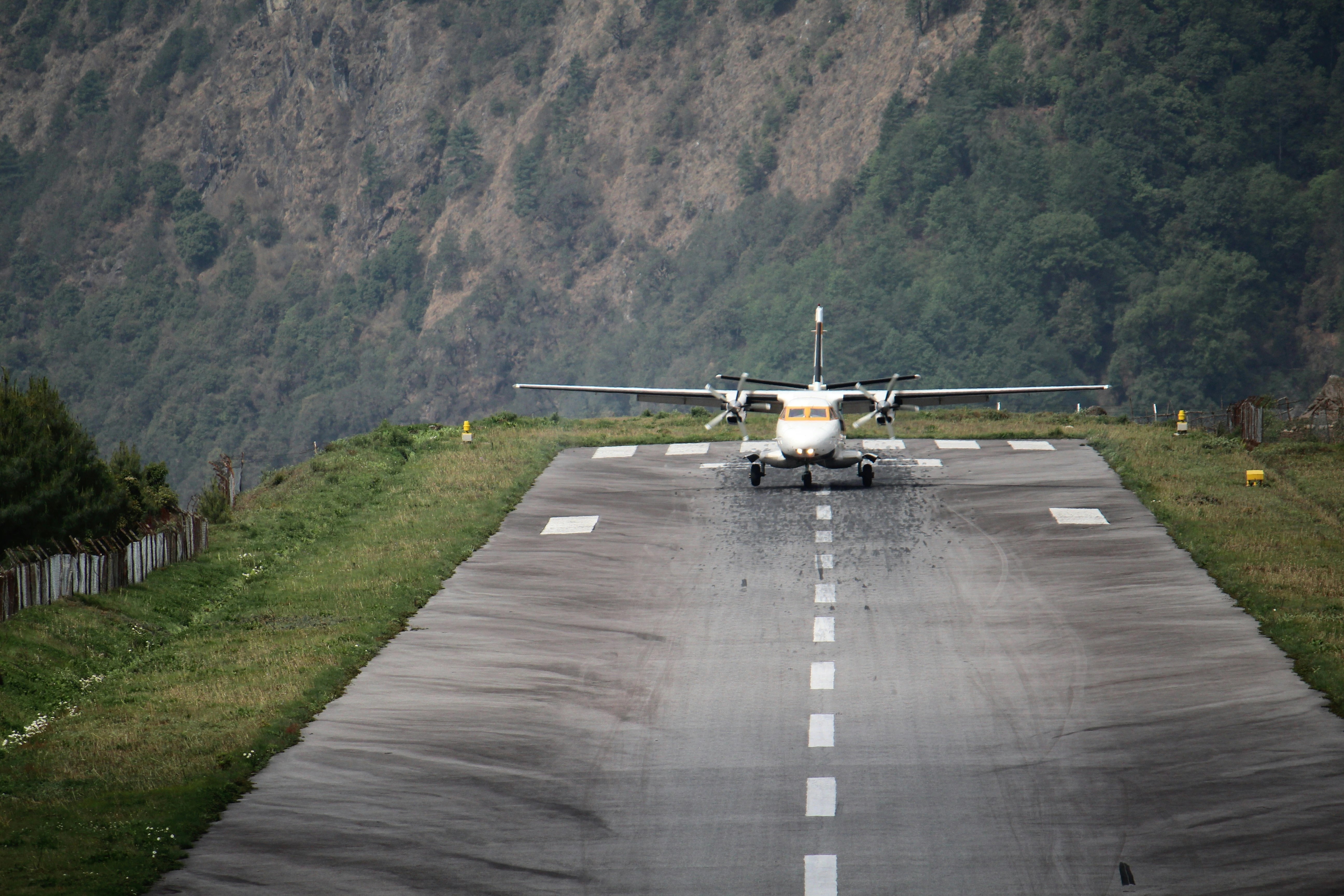
Our trek started around 140 km from Kathmandu, in Lukla. And reaching Lukla itself was going to be an experience.
Lukla airport is considered one of the most dangerous in the world because of its altitude and short runway. After refueling, as soon as the plane took off, turbulence started. Unlike commercial flights that cruise at 30,000–35,000 feet, this plane stayed much lower — around 10,000–12,000 feet — gliding between mountains.
Suddenly, a small runway appeared between cliffs — barely 500 meters long. No automatic landing system. Everything depended on the pilot’s skill. We tightened our seatbelts, and within moments, we were on the ground.
This was Lukla — at around 2,800 meters. The gateway to the Greater Himalayas.
From Lukla, our Everest Base Camp trek officially began. Today’s walk was easy — about 8 km with a slight descent of 200 meters to Phakding.
But this trail felt different from any trek I had done before. Instead of isolation, it felt alive — prayer wheels spinning, mani stones carved with mantras, suspension bridges, children going to school, locals moving supplies. It felt like nature itself was welcoming us into the Himalayas.
This was going to be my longest trek ever — 12 days, covering nearly 130–140 km, reaching an altitude of over 5,300 meters. I was excited but also aware that this would push me far beyond my comfort zone.
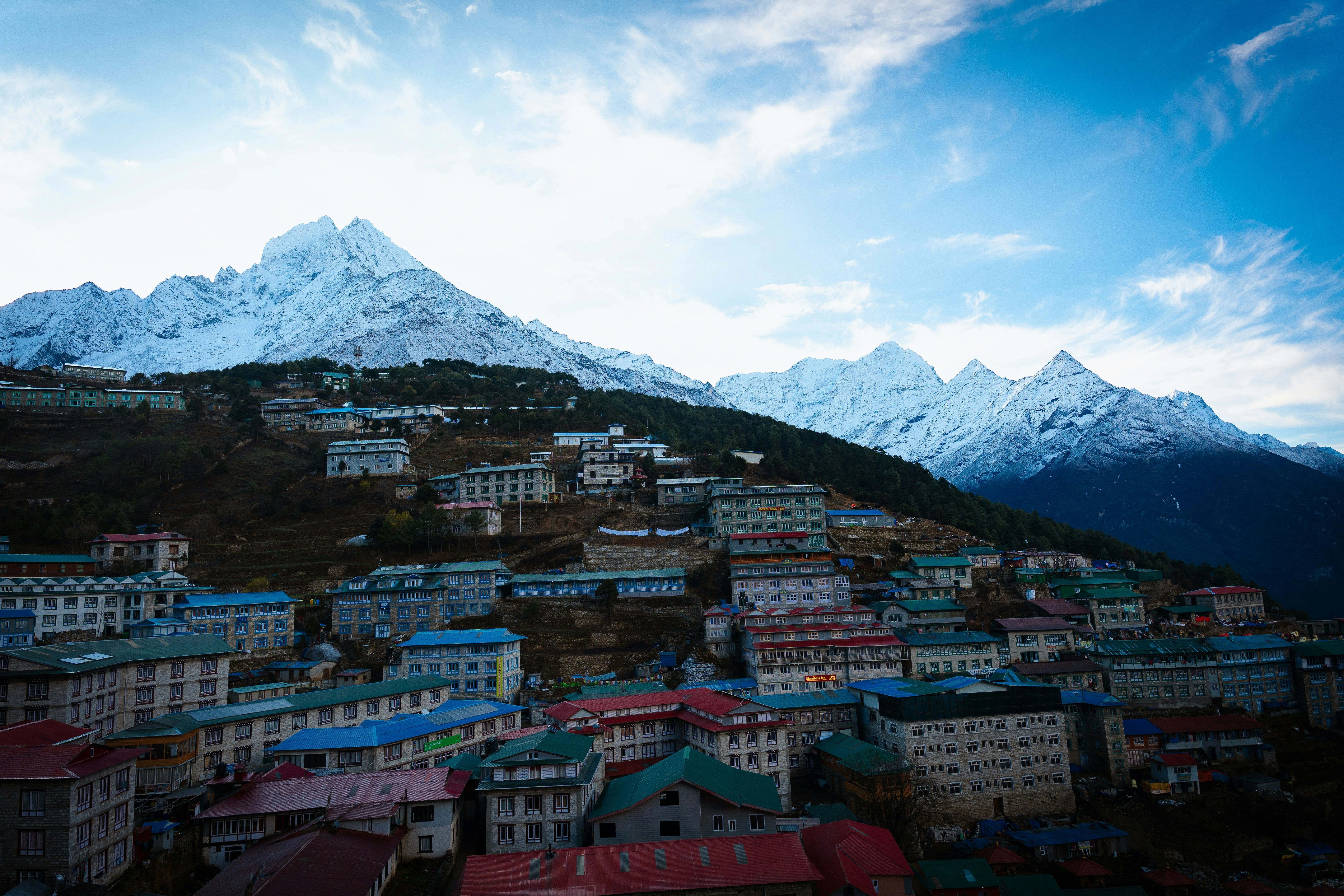
Day two was all about gaining altitude. We were heading to Namche Bazaar at 3,400 meters — the most important town in the Khumbu region.
The trail was unbelievably beautiful. I felt like stopping every ten steps to record videos. The best part? We were trekking in the off-season, so there were hardly any crowds. Even though EBC is one of the most popular treks in the world, the last week of December felt peaceful and quiet. We could hear village sounds, prayer wheels, and the Dudhkoshi River flowing below.
We crossed nine suspension bridges on this trek, including the iconic Hillary Bridge. While crossing it, I felt nervous — yaks moving ahead of me, yaks behind me, and a deep gorge below. But once crossed, the real climb began.
The last 3 km to Namche were steep. After crossing 3,000 meters, the altitude hit hard. My bag suddenly felt heavy. My body started tiring quickly. And just when I thought I couldn’t go any further — Namche appeared.
A beautiful town carved into the mountainside. I couldn’t believe a place like this existed at such an altitude without road connectivity.
We had covered 11.3 km that day, and as soon as I reached Namche, all fatigue disappeared. Tomorrow was acclimatization day — and I was excited.
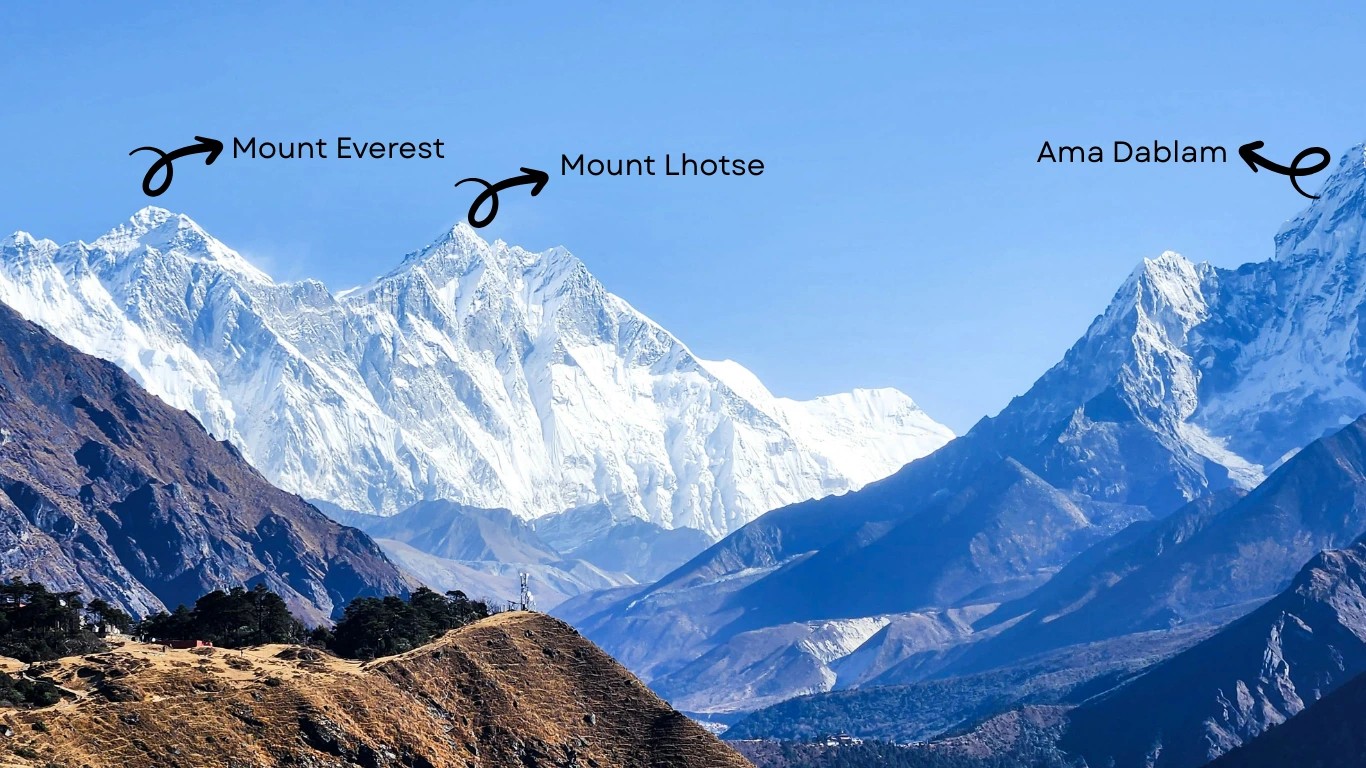
Namche felt like a dream village — snow-capped peaks, green valleys, cafés, bakeries, and warmth everywhere. But today was acclimatization day, which meant trekking higher and returning lower so the body could adjust.
I had no idea this short walk would give me my first view of Mount Everest.
Apart from Everest, I was equally excited to see Ama Dablam — a mountain I hope to climb someday. Standing there, I realized something strange but beautiful:
Not every love story needs people.
You can fall in love with mountains.
You can fall in love with your purpose.
You can fall in love with finding yourself.
Everest, known as Sagarmatha in Nepal and Chomolungma in Tibet, was first measured in 1852 by Radhanath Sikdar using trigonometry from over 100 km away — a process that took nearly four years. It was named after Sir George Everest, who never actually saw the mountain. The first successful summit happened in 1953.
And here I was — walking toward its base.
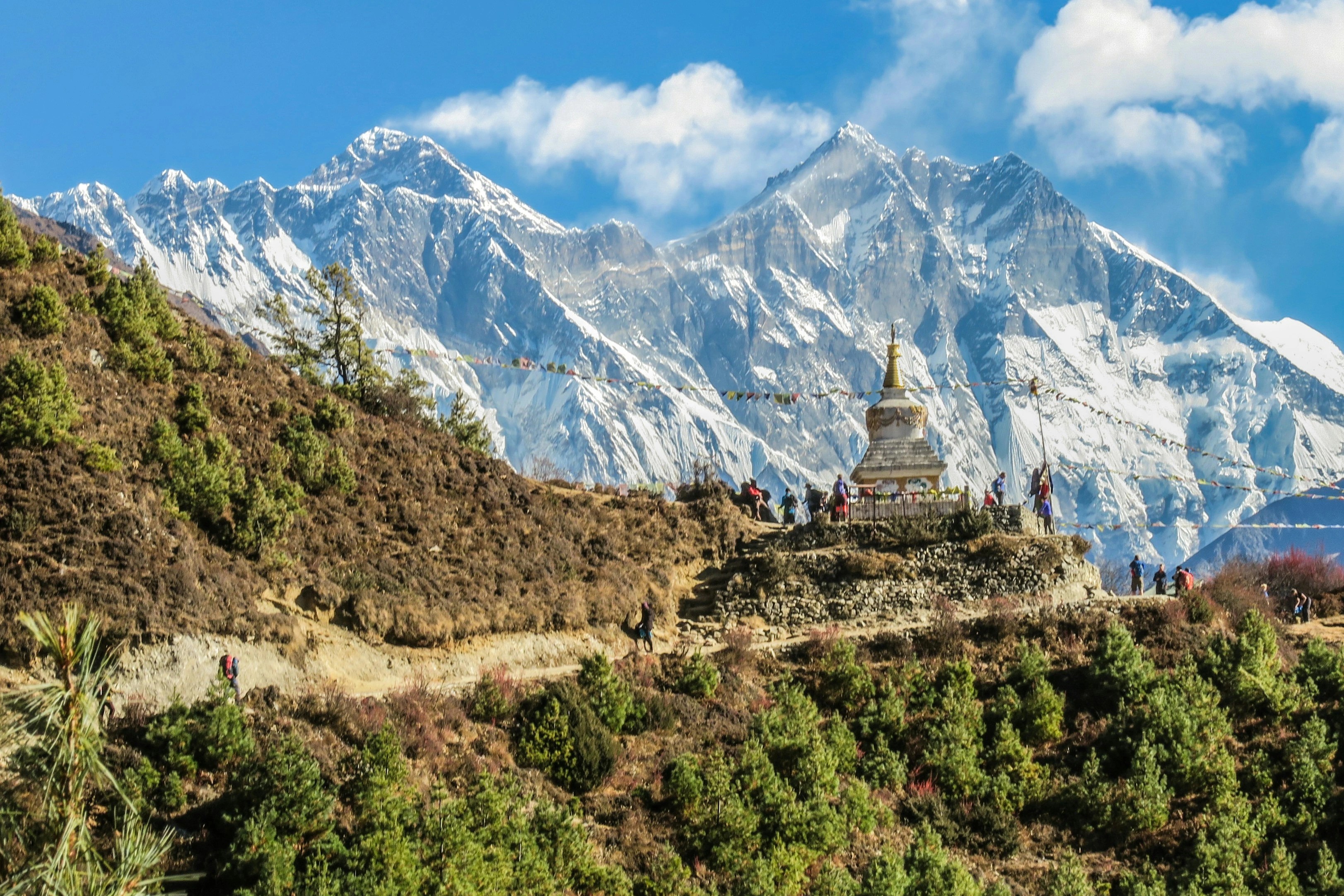
Leaving Namche, we walked on what turned out to be the most beautiful trail of the entire trek. Ama Dablam kept appearing between trees. Prayer flags fluttered at turns. Stupas came into view suddenly. Every frame looked like a postcard.
Somewhere on this trail, I felt complete clarity — leaving my job and choosing this life was right. A backpack, a camera, and an open world to explore — this is what I wanted.
That night in Deboche, the cold intensified. Till now, I had trekked in a fleece, but here I needed a down jacket. This was the first time I truly understood the other side of winter trekking.
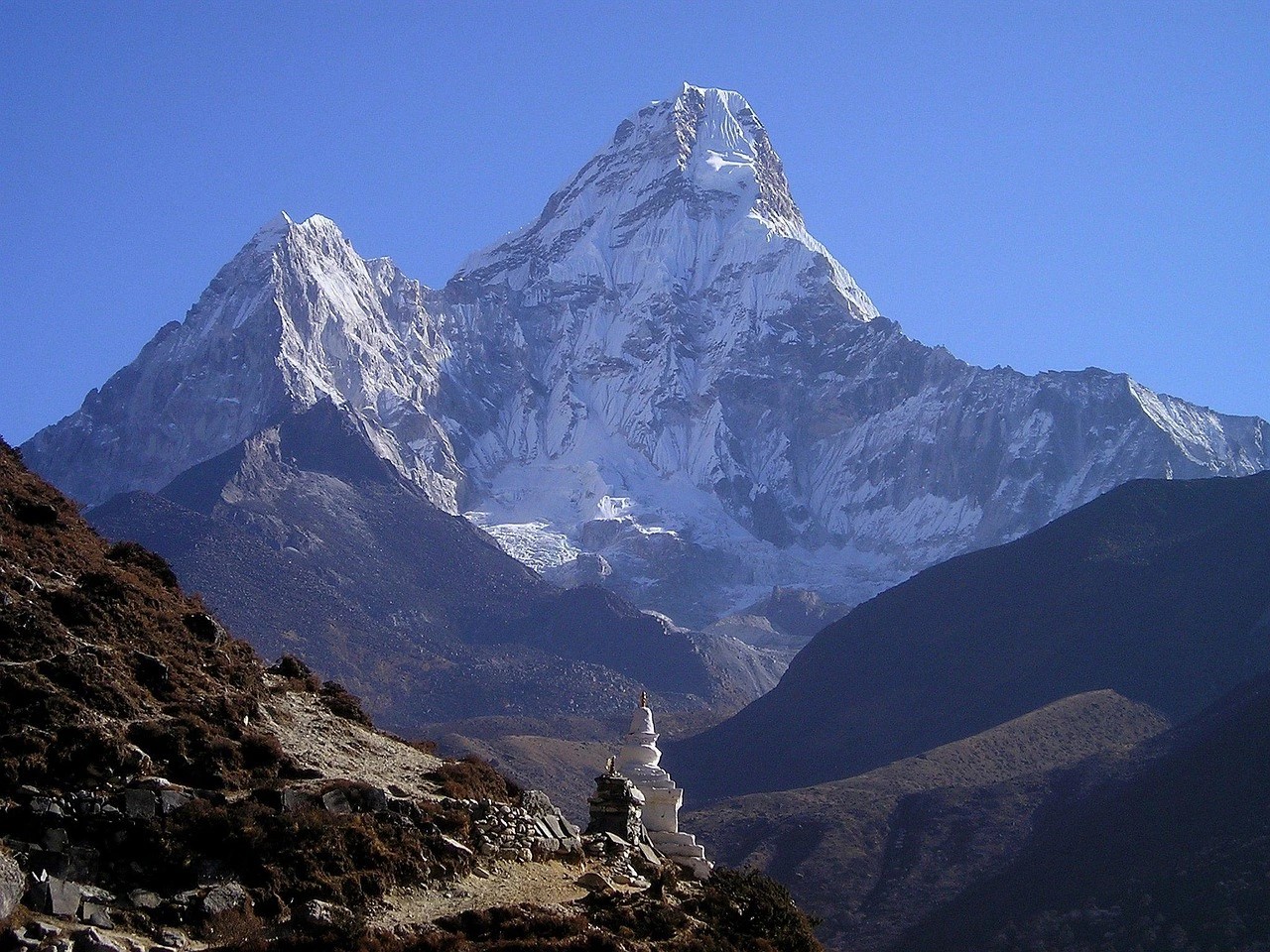
As we gained altitude, greenery slowly disappeared. The tree line ended. The landscape became raw and barren. Oxygen levels dropped, and mild headaches started.
By the time we reached Dingboche at 4,400 meters, oxygen levels were around 60%. We felt light-headedness, fatigue, and breathlessness. So we stayed an extra day for acclimatization before moving higher.
Sleep became difficult. The cold was unbearable. I woke up every two hours. It had been six days since we had slept properly. Physical exhaustion was now joined by mental fatigue.
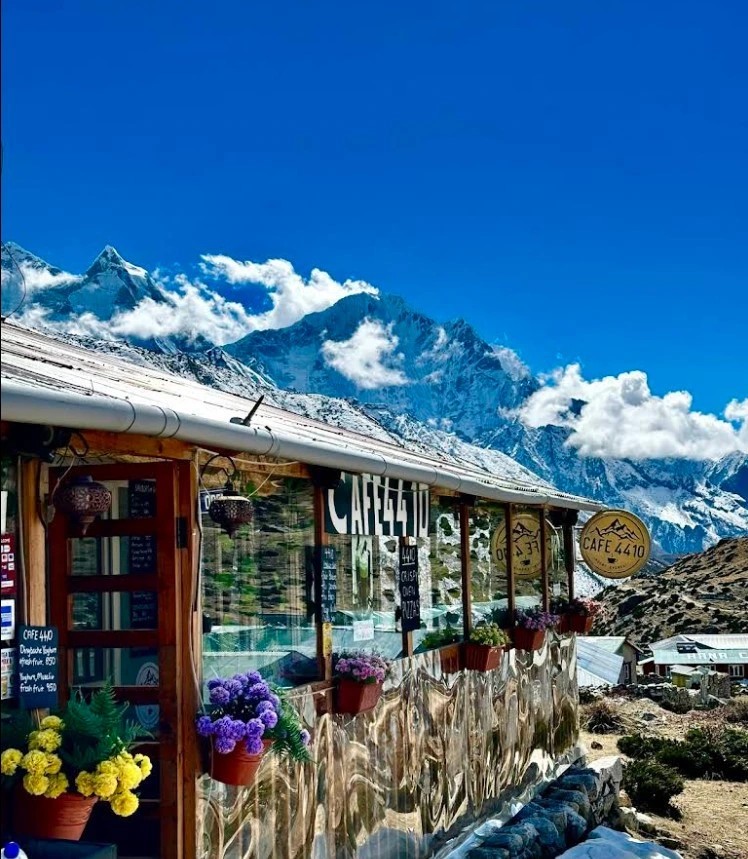
During acclimatization, Guide told us about a café nearby — free Wi-Fi, charging, and warmth. We assumed it would be just another homestay café.
But when we entered, it felt like stepping into Delhi from the Himalayas. Warm lighting. Coffee. Comfort. My brain couldn’t process how something like this existed at 4,400 meters.
Inside, I met Major Priya Jhingan — the first woman officer in the Indian Army. Trekking with young adventurers, full of energy and grace. Listening to her stories and watching her walk strongly at this altitude was deeply inspiring.
That day, I messaged home:
“I fell in love on this trek — with my legs, my lungs, and myself.”
Initially, carrying my own backpack was about ego and testing physical strength. But somewhere along the trail, I realized life is exactly like that backpack.
If I can pack only useful things in my rucksack, why not in my mind?
Regrets, old memories, past thoughts — they don’t help. They only add weight. There’s no porter for that backpack. You carry it yourself. And the heavier it gets, the harder it becomes to climb.
Maybe self-discovery is simply learning what to leave behind.
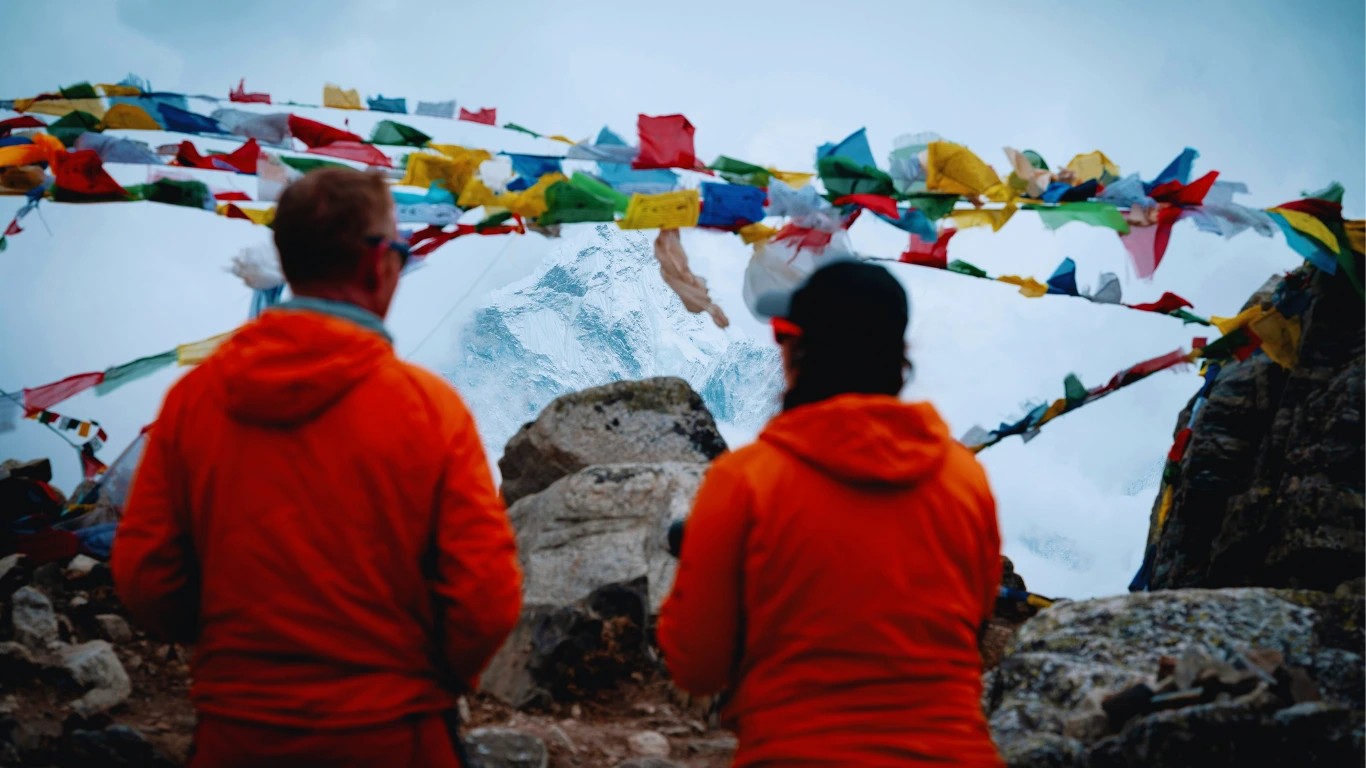
At Thukla Pass, we saw memorials of climbers who lost their lives doing what they loved most. It felt heavy but sacred.
That evening in Lobuche, I witnessed the most beautiful sunset of my life — alpine glow lighting up the peaks behind me. But soon after sunset, temperatures dropped brutally. It was the coldest night of my life.
At 5,000 meters, the cold goes straight to your bones.
Morning brought magical colors — pink skies and glowing peaks. But soon, strong winds followed. Breathing became difficult after every 10–20 steps.
Then I saw something unreal — the Khumbu Glacier. A massive frozen river of ancient ice flows between towering 7,000–8,000-meter peaks. This was the first time I saw a glacier so close.
We trekked alongside it and reached Gorakshep — just two hours away from Everest Base Camp.
But then the weather turned bad.
Snowstorms rolled in. Winds intensified. Temperatures threatened to drop to -40°C. Our guide, Sam Dai, advised against going forward. If someone removed gloves, frostbite was possible within minutes.
We had to turn back.
It hurt — EBC was only two hours away. But staying longer at such an altitude and cold could be dangerous. That night, I kept thinking I wouldn’t leave without going to Everest Base Camp — even if it took a few more days.
The next morning, everything had changed.
The landscape was white. Snow-covered. Silent. Magical.
We started early. Snow was falling lightly. Visibility was low. But slowly, clouds cleared. The sun came out. Snowflakes sparkled. Mountains glowed.
It felt like nature had waited one extra day — just to show herself in her most beautiful form.
Soon, we left the trail and walked across the glacier toward that rock — Everest Base Camp.
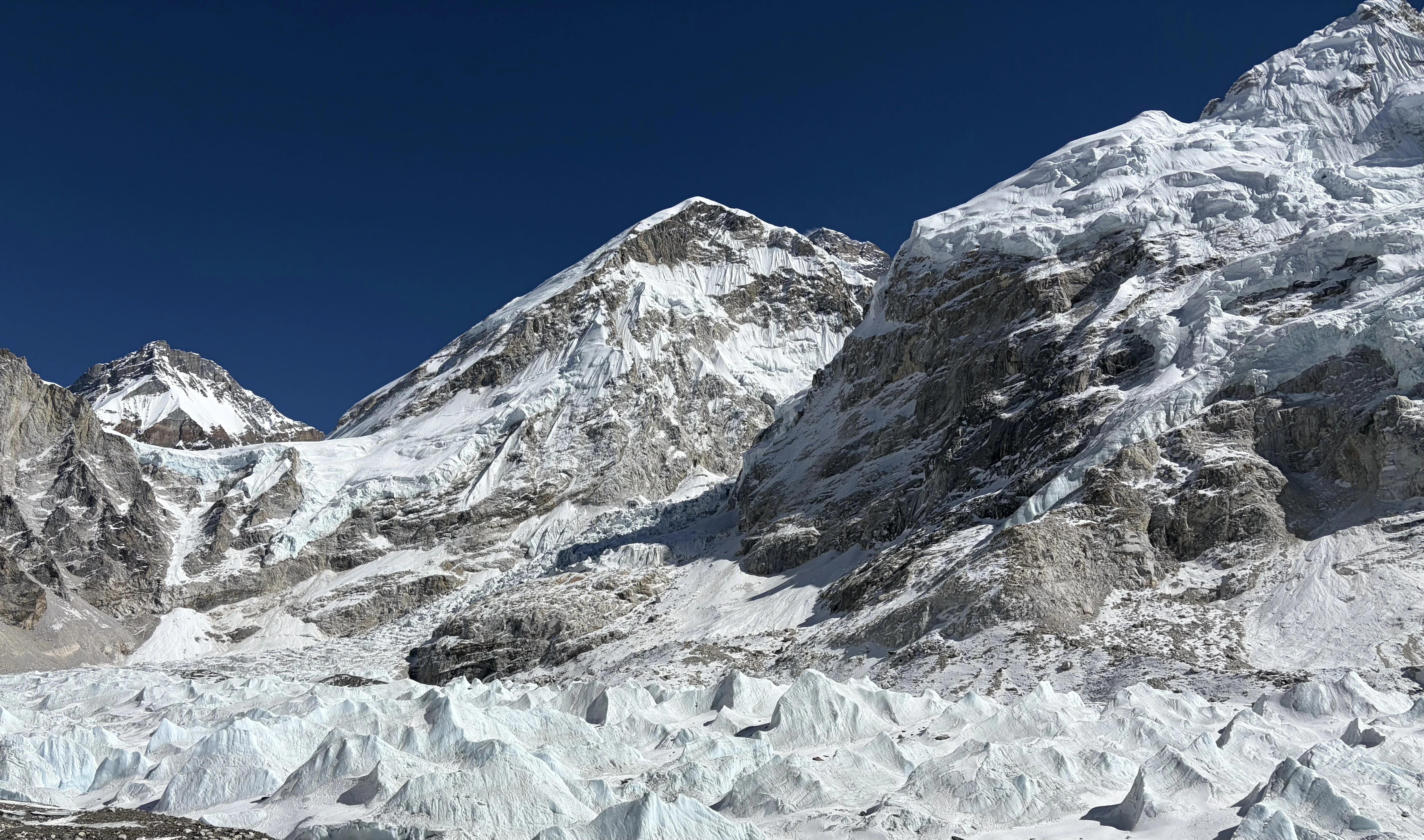
What I saw there was beyond imagination.
This wasn’t snow — it was thousands of years of frozen glacier ice. Towering ice structures. The Khumbu Icefall. A landscape so massive that the mind struggles to understand its scale.
Standing there, I wasn’t loud. I wasn’t emotional. I was just silent — grateful.
This trek wasn’t about summiting.
It wasn’t about achievement.
It wasn’t even about Everest.
It was about discomfort.
Silence.
Breath.
Steps.
Clarity.
Somewhere between Lukla and Everest Base Camp, guided by the expertise and care of Majestic Trails Nepal, I stopped searching for meaning — and started living it.
And maybe that’s what the mountains really do.
They don’t give you answers.
They give you yourself.
With the right guide, the right support, and the right team, even the toughest trails become a journey of self-discovery — something Majestic Trails Nepal makes possible for every adventurer.
Trek Completed With: Majestic Trails Nepal
Route: Everest Base Camp Trek
Season: Winter
Max Altitude: 5,364 m
Written by: Trekker with Majestic Trails Nepal
What makes for the best treks in Nepal can vary from person to person. While Everest Base Camp Trek (EBC) at 5545 m is ideal for a trekker wanting the...

The Langtang Valley Trek is one of Nepal’s most rewarding trekking adventures—less crowded than Everest or Annapurna, yet rich in culture, biodiversit...

Short on time but big on ambition? Nepal delivers extraordinary mountain experiences in as little as three days, and this guide breaks down exactly wh...
The Annapurna Base Camp trek stands among the world's most iconic Himalayan adventures. Every year, thousands of trekkers from across the globe journe...
Nepal, cradled by the majestic Himalayas, calls out to adventurers with its unrivaled trekking opportunities. While the Everest Base Camp (EBC) trek a...
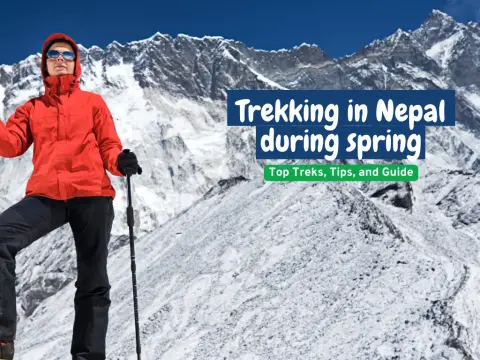
Introduction: Why Spring is Nepal's Golden Season for TrekkersSpring in Nepal is a season of renewal, a time when the Himalayas awaken from their wint...
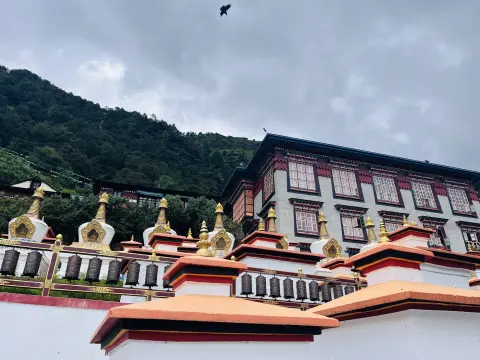
Situated in the peaceful Solu-Khumbu region of Nepal, near the village of Junbesi, Thupten Chholing Monastery is a living testament to Tibetan Buddhis...
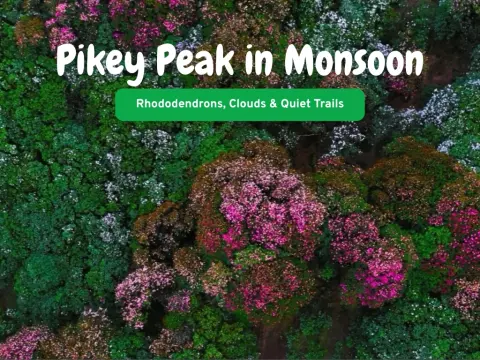
Solukhumbu is synonymous with Mount Everest, but beyond the famous peak lie quieter, magical destinations that often get overlooked. One such gem is P...
