
Group Departure Trekking in Nepal – Join Pre-Scheduled Adventures
3 Jul 2025
Group Departure Trekking in Nepal offers the perfect solution for adventurers who want to explore the Himalayas without the hassle of planning every d...

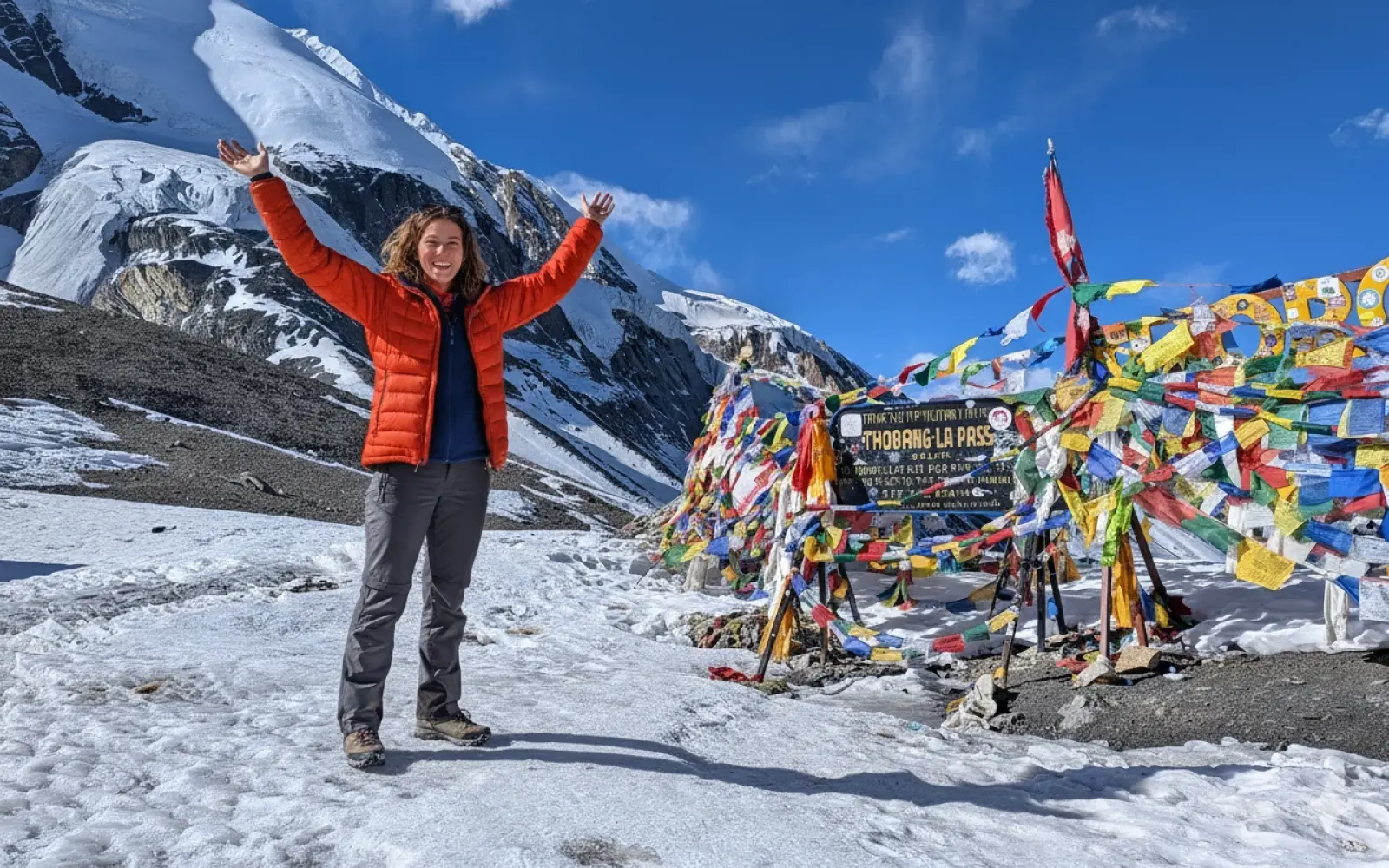

December transforms Nepal's trekking trails into a spectacular winter wonderland. While many travelers assume trekking season ends after November, Nepal trekking in December offers unique rewards for adventurous souls willing to embrace the cold.
The month brings crisp, clear skies that reveal stunning Himalayan panoramas often obscured during other seasons. You'll encounter fewer crowds on popular trails, creating a more intimate mountain experience. Snow-dusted peaks, frozen waterfalls, and peaceful mountain villages add magical touches to your journey.
However, December trekking comes with distinct challenges. Temperatures drop significantly, especially at higher elevations. Some teahouses close for winter, and trails become more demanding with snow and ice. Proper preparation and realistic expectations are essential for a safe, enjoyable trek.
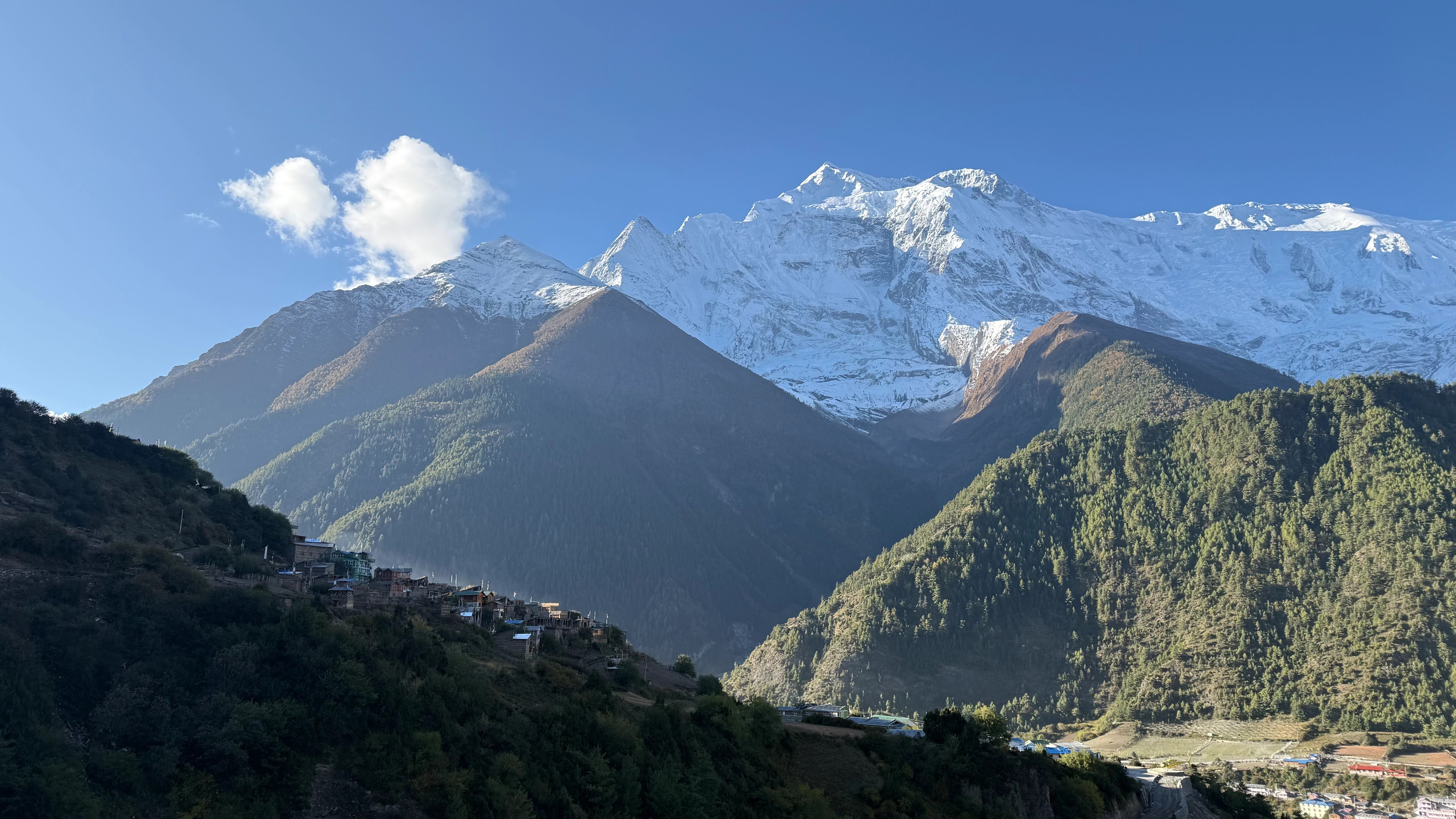
Understanding December's weather patterns helps you prepare appropriately for winter trekking Nepal adventures.
Not all December trekking trails Nepal offer the same experience. Some routes remain highly accessible, while others become extremely challenging or temporarily close.
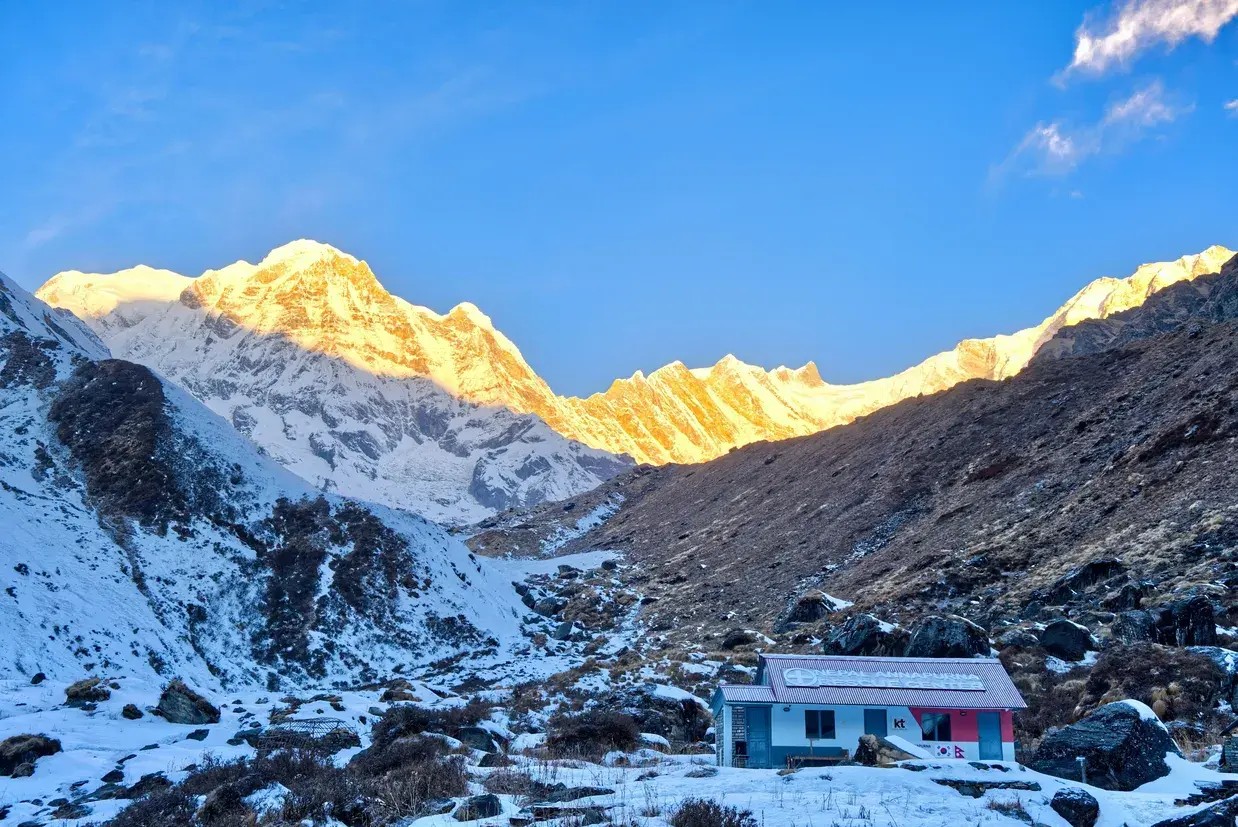
The Annapurna Base Camp December trek ranks among the most rewarding winter adventures in Nepal.
This iconic route takes you through rhododendron forests, traditional Gurung villages, and eventually to the base of Annapurna I (8,091m). December brings pristine snow to higher elevations while lower sections remain comfortably accessible.
The trek typically takes 7-10 days. Lower sections (Nayapul to Chhomrong) remain relatively warm and snow-free. Upper sections from Deurali to ABC feature beautiful snow coverage, creating stunning photography opportunities.
Temperatures at Annapurna Base Camp (4,130m) drop to -15°C or lower at night. Quality cold-weather gear becomes essential above Machhapuchhre Base Camp.
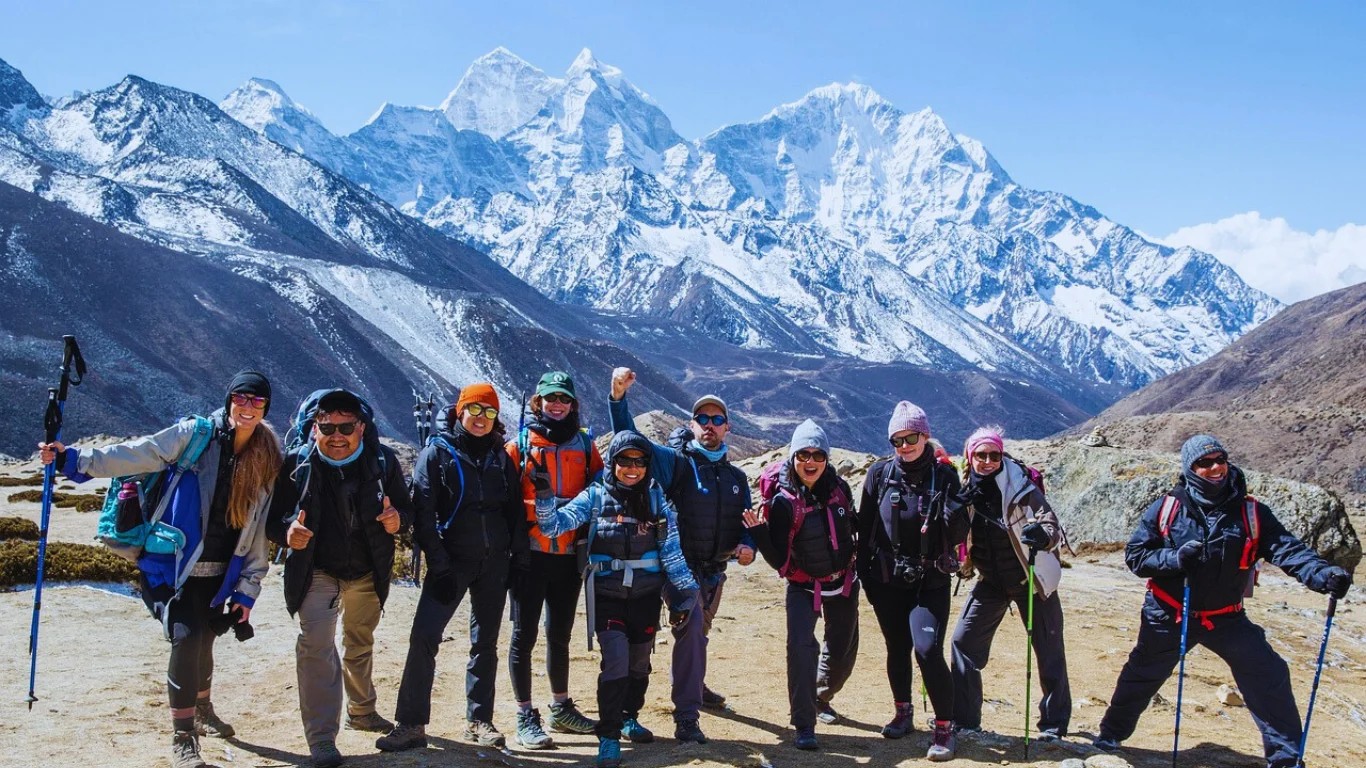
Everest Base Camp December trekking attracts experienced winter trekkers seeking the ultimate Himalayan challenge.
This legendary route follows the footsteps of mountaineers heading toward the world's highest peak. December conditions make this trek significantly more demanding than autumn attempts.
The trek demands 12-14 days minimum. Most teahouses in major villages (Namche, Tengboche, Dingboche) remain open, but facilities at higher elevations become limited.
This trek suits experienced trekkers comfortable with challenging winter conditions. First-time Himalayan trekkers should consider lower-altitude alternatives or wait for spring.
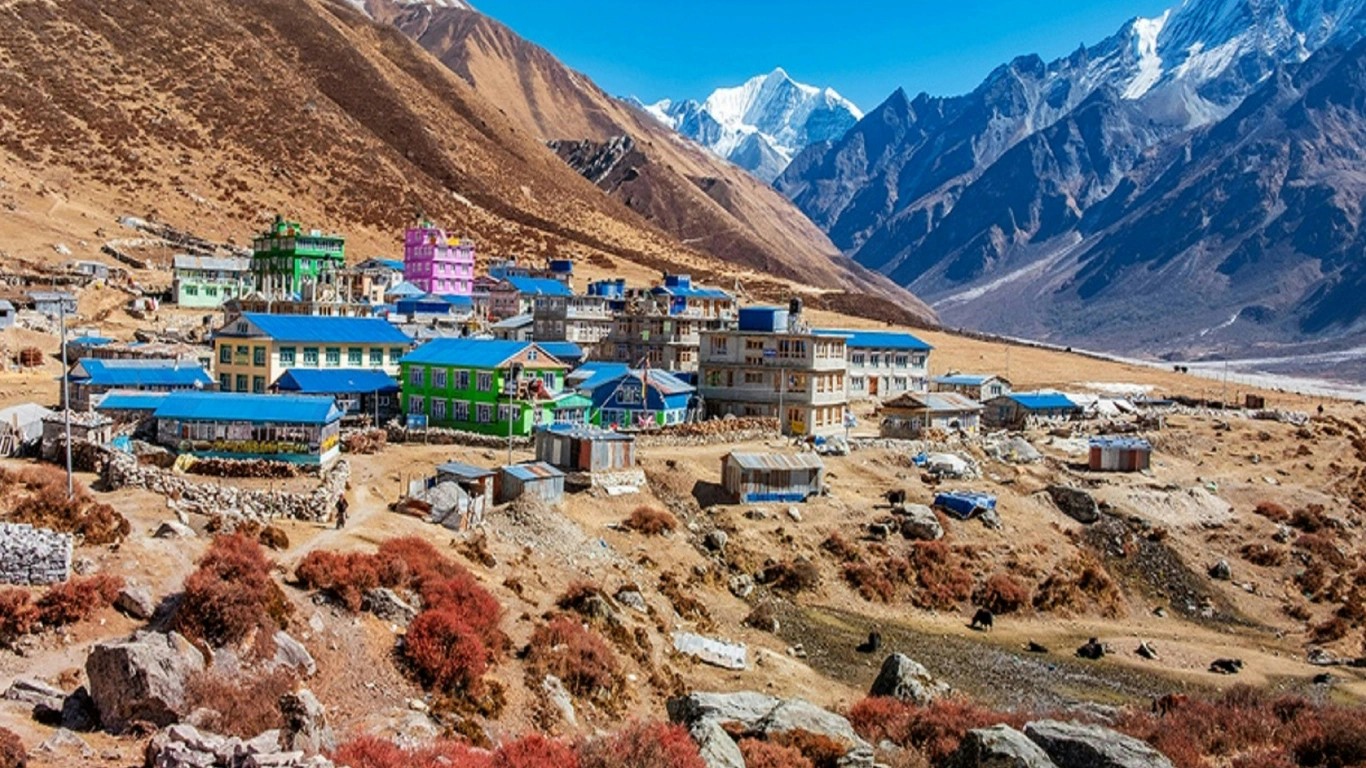
The Langtang Valley Trek offers an excellent December trekking option with lower elevations and stunning scenery.
Located north of Kathmandu, this trek provides quick access to beautiful mountain landscapes without extreme altitude challenges. December snow transforms the valley into a peaceful winter retreat.
The valley experienced devastating effects from the 2015 earthquake, but infrastructure has rebuilt substantially. Teahouses now offer comfortable accommodations with improved facilities.
December temperatures remain manageable compared to higher-altitude treks. Daytime hiking feels comfortable with proper layering, while evenings require warm sleeping bags and heated common rooms.
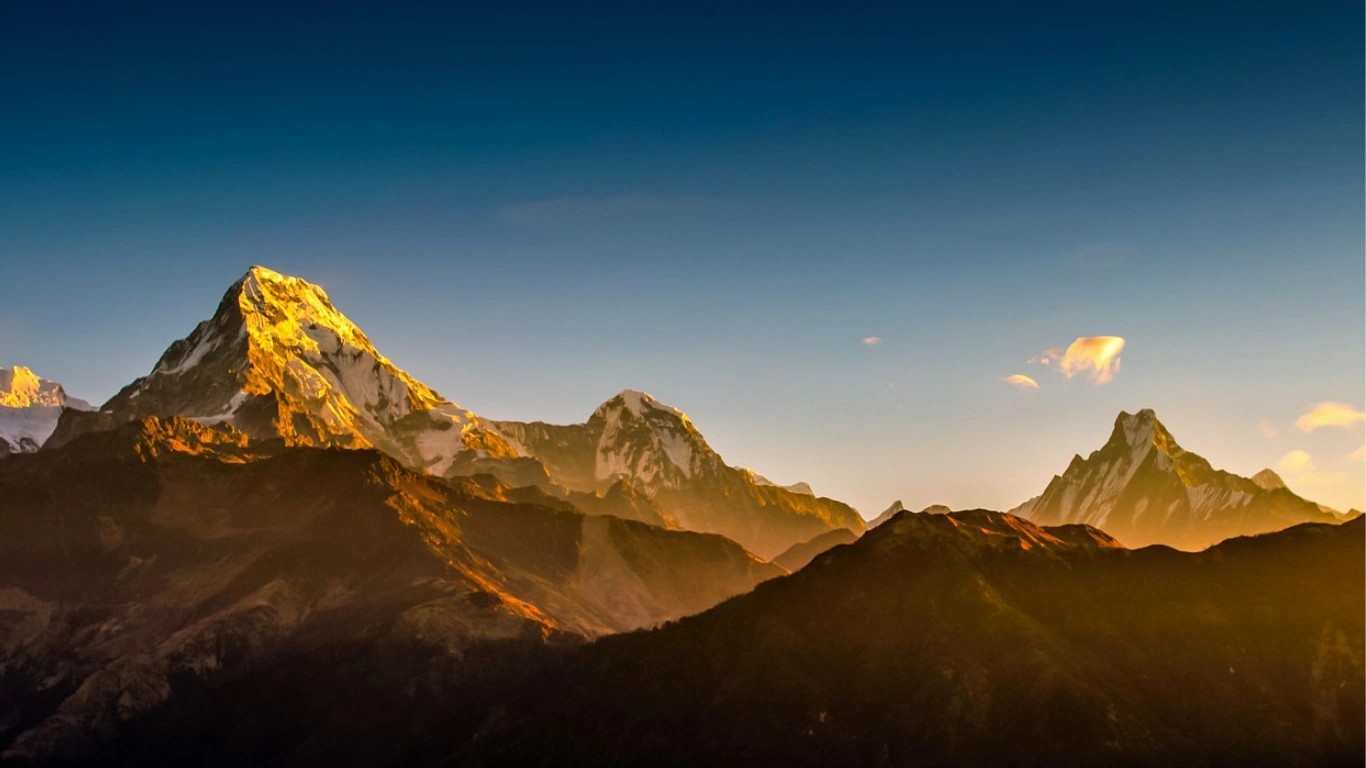
The Ghorepani Poon Hill trek provides the perfect December introduction to Nepal trekking.
This shorter route (4-5 days) reaches maximum elevations around 3,210 meters at Poon Hill viewpoint. December conditions remain mild, making this accessible for trekkers with limited high-altitude experience.
The famous Poon Hill sunrise becomes even more magnificent in December. Clear winter skies reveal unobstructed panoramas of dozens of snow-capped peaks glowing in dawn light.
This trek works well for families, older trekkers, or anyone wanting gorgeous Himalayan scenery without extreme challenges.
Understanding potential difficulties helps you prepare appropriately for Nepal winter trekking adventures.
December brings the year's coldest temperatures to Nepal's mountains. At higher elevations, nighttime temperatures regularly drop below -20°C.
Cold-related risks include:
Proper cold-weather gear becomes non-negotiable rather than optional. Quality insulated jackets, warm sleeping bags rated to -15°C or colder, and layering systems make the difference between enjoyable and miserable experiences.
December brings the year's shortest days, with approximately 10 hours between sunrise and sunset.
This limits hiking time and requires earlier starts. Many trekkers begin walking by 7:00 AM to reach destinations before afternoon temperatures drop and winds increase.
Photography enthusiasts face challenges capturing golden hour light while making adequate daily progress.
Some teahouses in remote or high-altitude locations close during December's slow season.
Popular trails maintain good teahouse coverage, but options decrease at higher elevations. This particularly affects Everest Base Camp routes above Dingboche and some Annapurna Circuit sections.
Common closures occur at:
Guided trekking options can help navigate these limitations, as local guides know which facilities remain operational.
Snow and ice create additional technical challenges on December trails.
Morning ice patches make descents treacherous. Afternoon snow softens into slippery, energy-sapping conditions. Higher passes may become temporarily impassable after heavy snowfall.
Quality trekking boots with good ankle support become essential. Microspikes or crampons add safety on icy sections. Trekking poles help maintain balance on slippery terrain.
Cold temperatures compound altitude sickness risks. Your body works harder in cold conditions while simultaneously adjusting to reduced oxygen.
Proper acclimatization becomes even more critical during winter treks. Standard acclimatization schedules shouldn't be rushed, even if cold weather tempts faster progress.
Proper preparation transforms cold weather trekking Nepal from survival challenge to rewarding adventure.
Invest in quality layering rather than single heavy garments.
Essential clothing layers:
Avoid cotton clothing, which retains moisture and loses insulating properties when wet. Synthetic and wool materials maintain warmth even in damp conditions.
Bring extra warm layers beyond what you think necessary. Evening temperatures at teahouses often feel colder than daytime trekking.
Teahouse blankets provide insufficient warmth during December.
Bring a sleeping bag rated to at least -10°C, preferably -15°C for higher-altitude treks. Down bags offer excellent warmth-to-weight ratios but lose insulation if wet. Synthetic bags maintain warmth when damp but weigh more.
Sleeping bag liners add 5-10°C of additional warmth and keep your bag clean.
December trails demand robust, insulated trekking boots.
Break in boots thoroughly before your trek. Blisters become more problematic in cold weather when circulation decreases.
Bring warm wool or synthetic hiking socks. Pack extra pairs, as wet socks become serious comfort and safety issues.
Cold weather suppresses thirst sensation, but proper hydration remains critical.
Drink regularly even without feeling thirsty. Dehydration compounds altitude sickness and reduces cold tolerance. Insulated water bottles or hydration systems with insulated tubes prevent freezing.
Your body burns significantly more calories maintaining warmth during winter treks. Increased food intake prevents energy depletion and cold sensitivity.
December weather remains generally stable, but conditions change quickly in mountains.
Check weather forecasts before departing and during your trek. Local teahouse owners and guides provide valuable insights about developing weather patterns.
Be flexible with itineraries. If heavy snow threatens high passes, wait an extra day rather than pushing through dangerous conditions.
Comprehensive travel insurance becomes essential for December trekking.
Ensure coverage includes:
Share your itinerary with family or friends. Carry emergency contact information and basic first aid supplies.
Consider guided trekking options if you're unfamiliar with winter mountain conditions. Experienced guides navigate weather challenges, find operational teahouses, and provide safety expertise.
December trekking demands better physical fitness than other seasons.
Cold temperatures and potential snow increase energy requirements. Build cardiovascular endurance and leg strength before attempting winter treks.
Start training at least 2-3 months before your trek. Consistent preparation prevents exhaustion and reduces injury risks.
Despite challenges, best treks in Nepal December offer unique rewards unavailable during peak seasons.
Nepal trekking in December offers a remarkable adventure for those willing to embrace winter's challenges and rewards. The combination of crystal-clear skies, snow-draped landscapes, and peaceful trails creates experiences unavailable during busier seasons.
Success depends on honest assessment of your abilities and proper preparation. Choose routes matching your experience level—Ghorepani Poon Hill or Langtang Valley for beginners, Annapurna Base Camp for intermediate trekkers, and Everest Base Camp for experienced winter adventurers.
Invest in quality cold-weather gear, maintain flexible itineraries, and prioritize safety over summit goals. The mountains will always be there, but your wellbeing depends on smart decisions.
December transforms Nepal's trekking trails into a winter paradise. With the right preparation, mindset, and equipment, you'll discover why winter trekking creates some of the most memorable Himalayan experiences possible.
The quieter trails, spectacular visibility, and unique beauty make December an exceptional time to explore Nepal's mountains. Start planning your winter trekking Nepal adventure today.
Yes, December trekking in Nepal is safe with proper preparation and realistic route selection.
Lower-altitude treks like Ghorepani Poon Hill and Langtang Valley remain very safe and accessible. Higher routes like Everest Base Camp become more challenging but manageable for experienced trekkers with appropriate gear.
Key safety considerations include quality cold-weather equipment, comprehensive travel insurance with evacuation coverage, flexible itineraries allowing weather adjustments, and awareness of frostbite and hypothermia symptoms.
Guided trekking options add safety through local expertise and weather navigation skills.
The best treks in Nepal December include Annapurna Base Camp, Langtang Valley, Ghorepani Poon Hill, and for experienced trekkers, Everest Base Camp.
Annapurna region routes generally offer better December conditions than other areas due to moderate elevations and excellent teahouse infrastructure. Lower-altitude treks work better for first-time winter trekkers or those concerned about extreme cold.
Avoid high-pass routes like Thorong La on the Annapurna Circuit, as December snow makes these extremely challenging or impassable.
Yes, December trekking requires specialized winter equipment beyond standard trekking gear.
Essential winter additions include a sleeping bag rated to -15°C, insulated waterproof boots, down or synthetic insulated jacket, quality layering system with merino wool or synthetic base layers, warm hat, gloves, and neck protection, and possibly microspikes or light crampons for icy sections.
You can rent some equipment in Kathmandu or Pokhara, but critical items like boots and base layers should fit properly and be tested before your trek.
Most teahouses on popular routes remain open during December, but availability decreases at higher elevations and remote locations.
Main villages on Annapurna Base Camp, Langtang Valley, and lower Everest Base Camp routes maintain operational teahouses throughout winter. However, highest-elevation stops may close or offer limited services.
Ghorepani Poon Hill teahouses remain fully operational as this lower-altitude trek attracts consistent December traffic.
Research current conditions before trekking or work with guides who know which facilities operate during winter months.
December temperatures at high altitudes regularly drop to extreme levels.
At 4,000 meters (Annapurna Base Camp elevation), nighttime temperatures typically range from -10°C to -20°C. At 5,000+ meters (Everest Base Camp region), temperatures can plummet to -25°C or colder.
Daytime temperatures feel milder, especially in direct sunshine, ranging from -5°C to 5°C depending on elevation and weather. However, wind chill significantly reduces perceived temperatures.
Proper cold-weather gear rated for these extreme temperatures becomes essential rather than optional.
Yes, beginners can successfully complete appropriate December treks with proper preparation.
Routes like Ghorepani Poon Hill offer excellent beginner-friendly December options with moderate altitude, minimal snow, and good infrastructure. Langtang Valley also works well for beginners comfortable with cold weather and basic winter gear.
Beginners should avoid high-altitude routes like Everest Base Camp during December, as these demand experience with winter mountain conditions and extreme cold management.
Start with shorter, lower-altitude treks to build experience before attempting more challenging December routes.
Group Departure Trekking in Nepal offers the perfect solution for adventurers who want to explore the Himalayas without the hassle of planning every d...

Let's cut straight to it. Autumn, specifically September through November, is the best time to trek in Nepal. Spring runs a very close second, coverin...

The Langtang Valley Trek is one of Nepal’s most rewarding trekking adventures—less crowded than Everest or Annapurna, yet rich in culture, biodiversit...

Short on time but big on ambition? Nepal delivers extraordinary mountain experiences in as little as three days, and this guide breaks down exactly wh...
Introduction: Why Spring is Nepal's Golden Season for TrekkersSpring in Nepal is a season of renewal, a time when the Himalayas awaken from their wint...
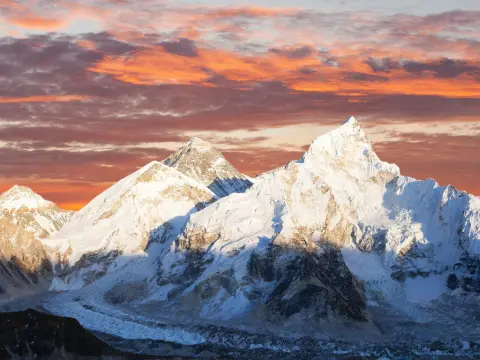
Nepal is a country defined by mountains. Stretching across the country’s northern edge, the Himalayas pack Earth’s highest peaks into one nation. Eigh...

Nepal's tourism destinations offer an unforgettable journey through a landlocked country nestled in the embrace of the world’s most majestic mountain...
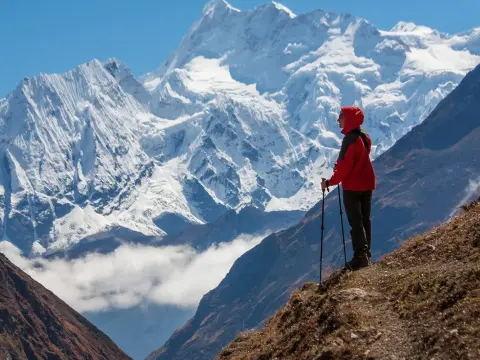
Introduction: Why Nepal is Perfect for Budget TrekkingNepal has long been celebrated as one of the world's premier trekking destinations, but what man...
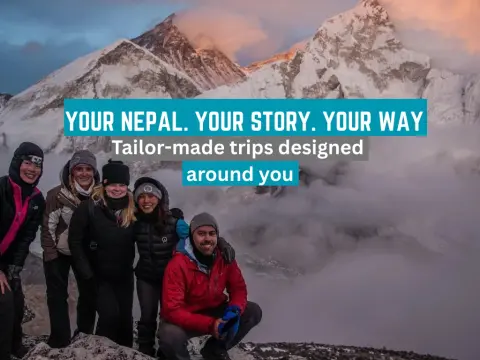
Introduction"Tailor-made Nepal trips put you in control: Discuss routes, adjust plans, and experience the Himalayas your way with expert local guides"...
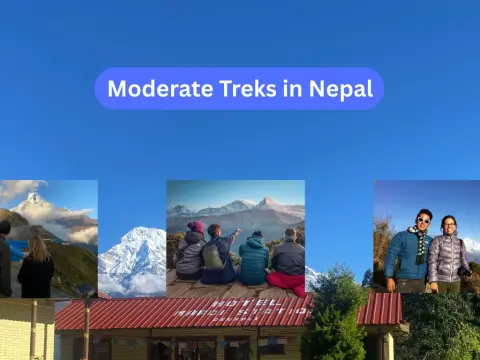
Moderate treks in Nepal offer the perfect balance between challenging adventure and accessible exploration, making them ideal for trekkers who want br...
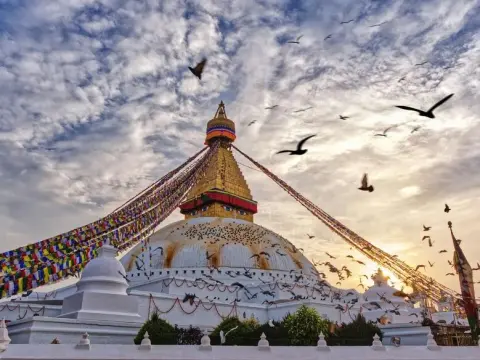
Nepal is far more than a trekking destination nestled among the world's highest peaks. This ancient Himalayan kingdom pulses with profound spiritual e...
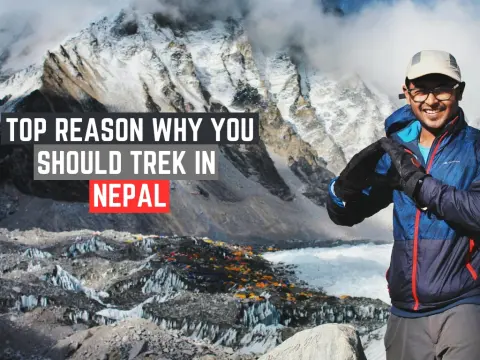
If you've ever wondered why trekking in Nepal captivates adventurers from every corner of the globe, the answer lies in its extraordinary combination...
