
Best Time to Trek in Nepal
17 Jan 2026
Let's cut straight to it. Autumn, specifically September through November, is the best time to trek in Nepal. Spring runs a very close second, coverin...

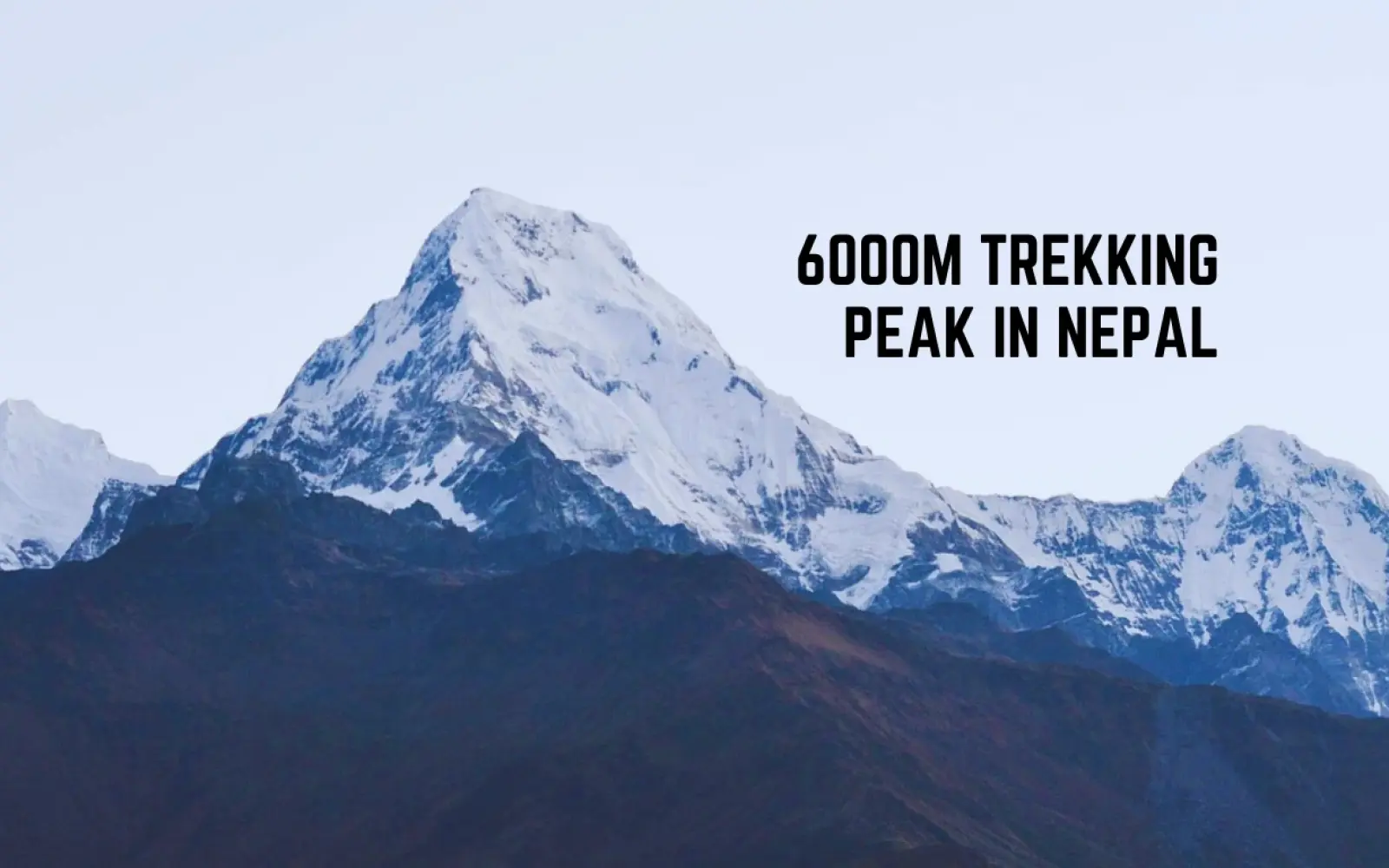

Standing atop a 6000-meter summit in the Himalayas, with prayer flags snapping in the wind and the world's highest peaks surrounding you—this is the dream that draws thousands of climbers to Nepal each year. The 6000m trekking peaks Nepal category represents the perfect gateway between high-altitude trekking and technical mountaineering, offering achievable yet genuinely challenging summit experiences.
Nepal is home to over 100 peaks classified as "trekking peaks" by the Nepal Mountaineering Association (NMA), and the 6000-meter category remains the most popular choice for climbers worldwide. These peaks require no previous mountaineering experience for many routes, yet they deliver the authentic thrill of high-altitude climbing with glaciers, fixed ropes, and genuine summit achievements.
Whether you're a trekker looking to level up your Himalayan experience or an aspiring mountaineer preparing for bigger challenges, the 6000m trekking peaks Nepal offers something transformative. In this comprehensive guide, we'll explore everything you need to know—from the best 6000m trekking peaks Nepal has to offer, to detailed pricing, route maps, and essential beginner tips.
The Complete list of 6000m Peaks of Nepal:
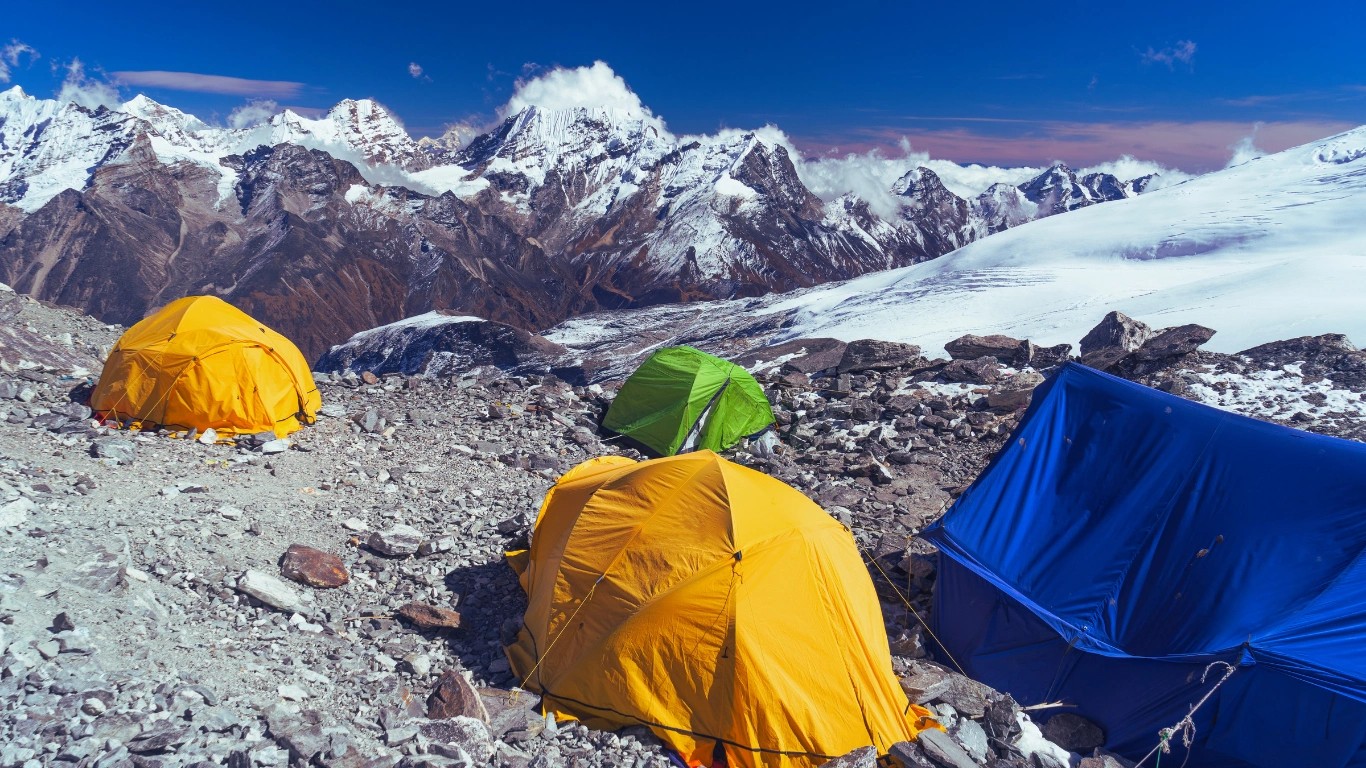
Region: Khumbu (Everest Region)
Difficulty: PD (Peu Difficile/Slightly Difficult)
Climbing Days: 4-5 days from base camp
Best Season: April-May, September-November
Beginner-Friendly: ★★★★★
Mera Peak stands as the crown jewel among 6000m trekking peaks Nepal boasts. As the highest trekking peak in Nepal, it offers a non-technical route to a genuine 6000m+ summit. The climb follows moderate snow slopes with no technical rock climbing or steep ice sections on the standard route.
Most expeditions follow the Hinku Valley approach, trekking through beautiful rhododendron forests before reaching Mera Base Camp at 5,300m. The summit push typically involves one high camp at 5,800m.
Contact us at Majestic Trails Nepal for pricing and personalized guidance on Mera Peak expeditions.
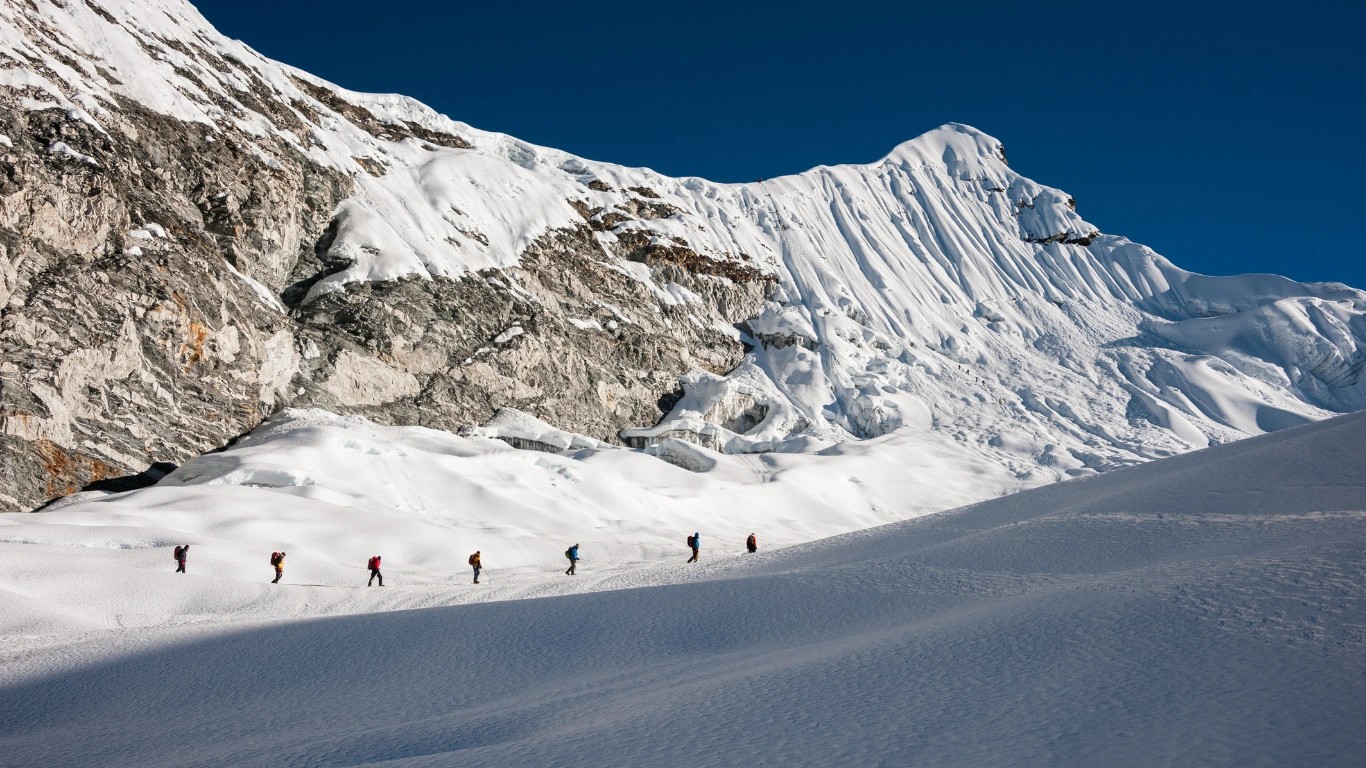
Region: Khumbu (Everest Region)
Difficulty: PD+
Climbing Days: 2-3 days from base camp
Best Season: April-May, October-November
Beginner-Friendly: ★★★★☆
Island Peak (locally known as Imja Tse) is perhaps the most climbed among all 6000m trekking peaks Nepal has to offer. Its proximity to Everest Base Camp makes it perfect for trekkers who want to add a summit to their EBC adventure.
Unlike Mera Peak, Island Peak features a short but exposed headwall requiring fixed ropes and basic crampon/ice axe skills. This makes it slightly more technical but still manageable for fit beginners with proper training.
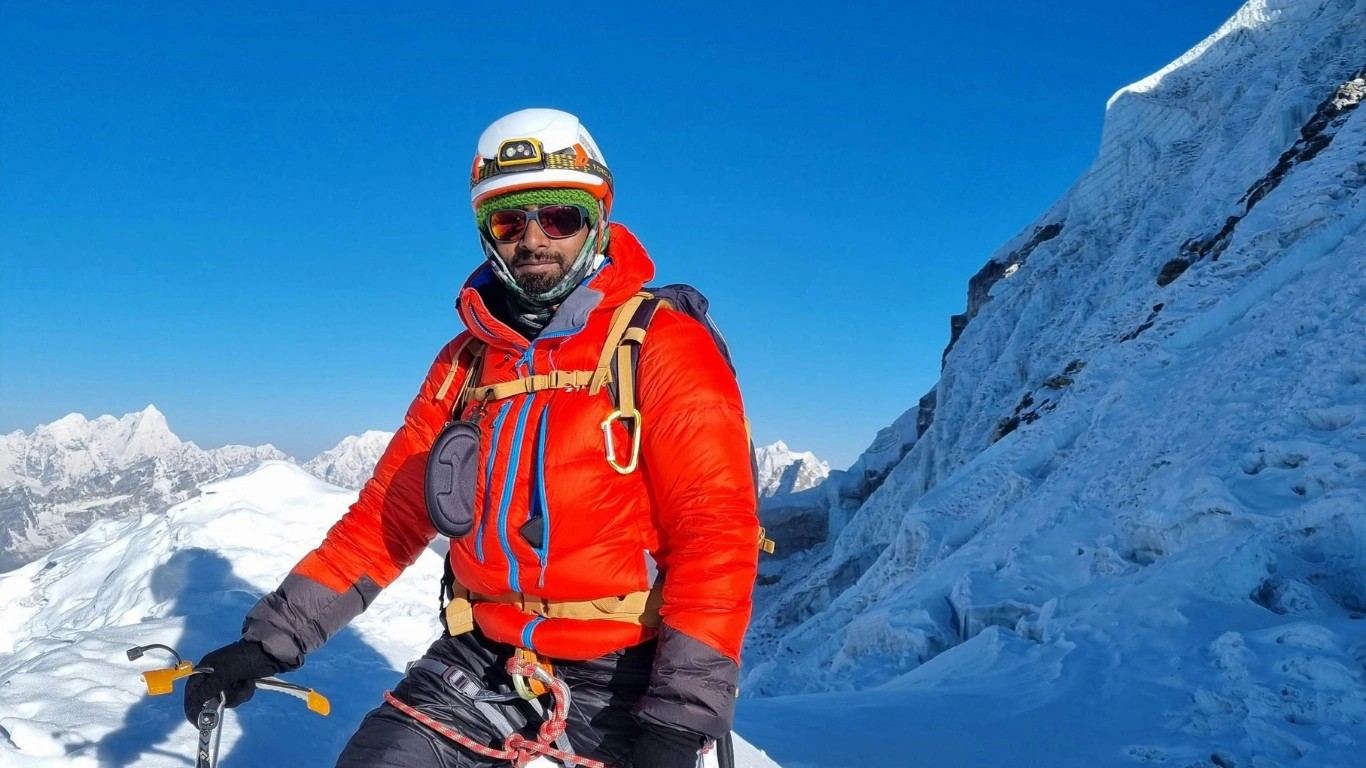
Region: Khumbu (Everest Region)
Difficulty: PD+
Climbing Days: 2 days from base camp
Best Season: April-May, October-November
Beginner-Friendly: ★★★☆☆
Lobuche East offers more technical climbing than Mera or Island Peak, making it ideal for those wanting to develop mountaineering skills.
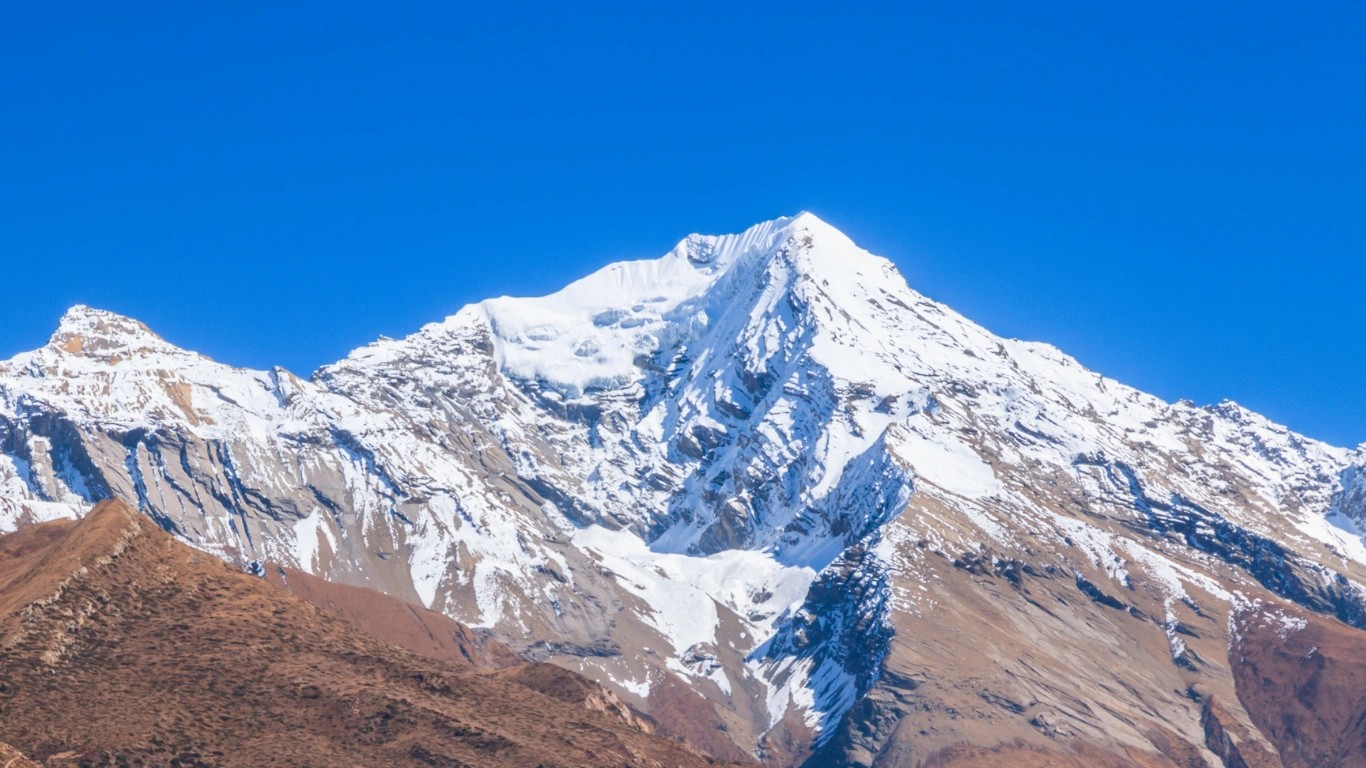
Region: Annapurna Circuit
Difficulty: PD
Climbing Days: 2-3 days from base camp
Best Season: April-May, October-November
Beginner-Friendly: ★★★★☆
For those seeking 6000m trekking peaks Nepal outside the Everest region, Pisang Peak offers an excellent alternative. Located along the Annapurna Circuit, it combines cultural immersion with high-altitude climbing.
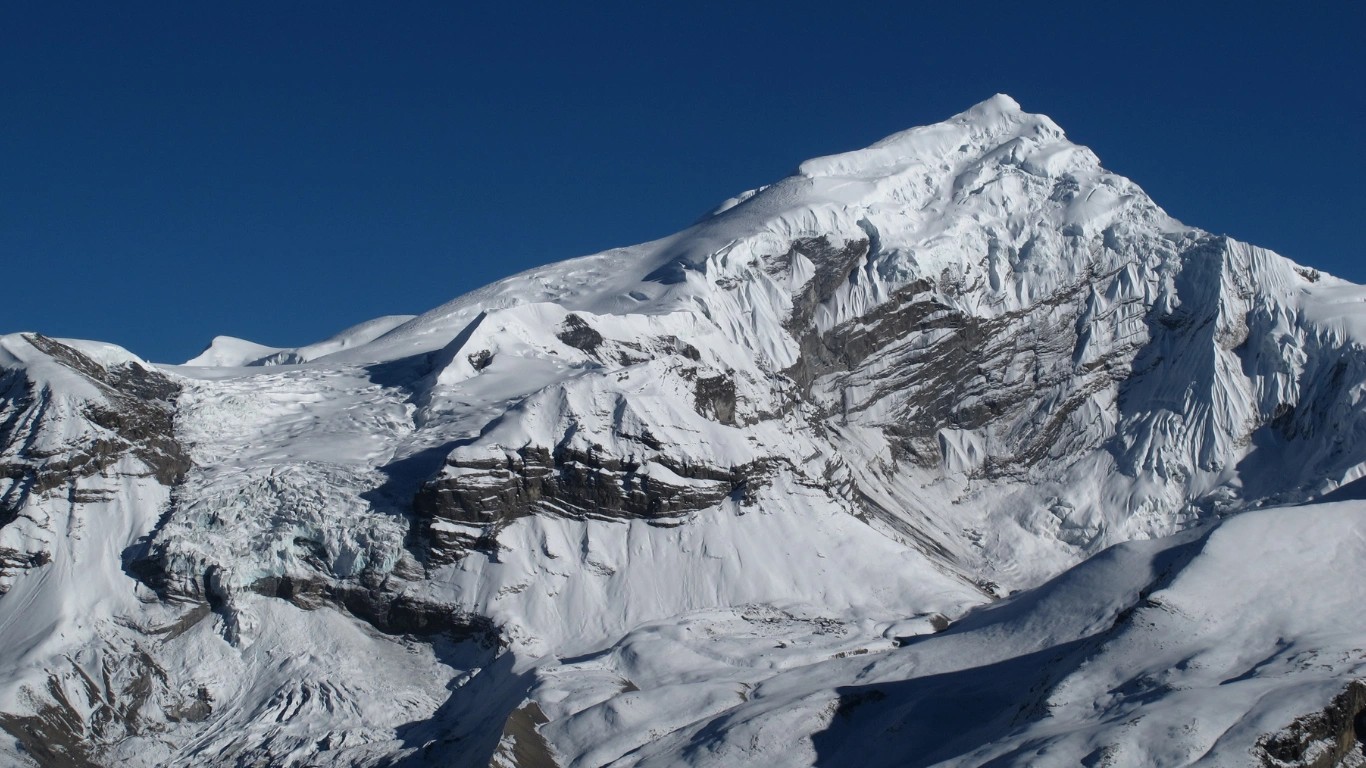
Region: Annapurna
Difficulty: PD+
Climbing Days: 3-4 days from base camp
Best Season: April-May, October-November
Beginner-Friendly: ★★★☆☆
Another excellent Annapurna region option, Chulu West provides a more substantial climbing challenge while remaining accessible to prepared beginners.
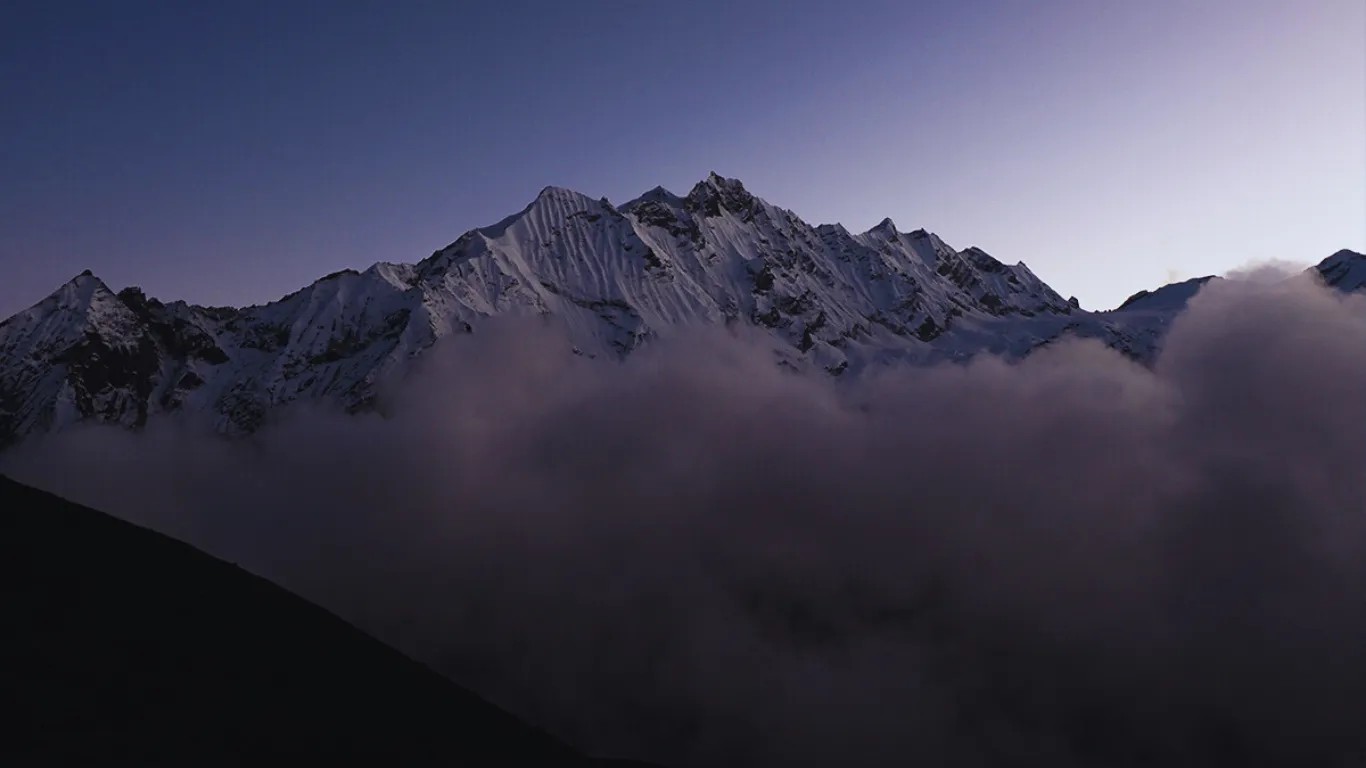
Region: Langtang
Difficulty: F (Facile/Easy)
Climbing Days: 1-2 days from base camp
Best Season: March-May, September-November
Beginner-Friendly: ★★★★★
While technically just under 6000m, Yala Peak deserves mention as the perfect introduction to 6000m mountains for beginners. It's essentially a high-altitude trek to a summit, requiring minimal technical skills.
When planning your expedition to any of the 6000m peaks in Nepal offers, understanding the geography is crucial. Here's a regional breakdown:
Understanding the 6000m trekking peaks Nepal permit structure helps you budget effectively. Prices vary significantly based on peak classification, expedition style, and season.
| Peak | NMA Classification | Permit Cost (Spring) | Permit Cost (Autumn) |
|---|---|---|---|
| Mera Peak | Group A | $350 | $175 |
| Island Peak | Group B | $350 | $175 |
| Lobuche East | Group B | $350 | $175 |
| Pisang Peak | Group B | $350 | $175 |
| Chulu West | Group A | $350 | $250 |
The complete 6000m trekking peaks Nepal price includes much more than permits. Here's a typical breakdown:
Budget Expedition (Basic Support):
Standard Expedition (Full Support):
Premium Expedition (Luxury Support):
Standard Package Inclusions:
Typically Not Included:
If you're new to high-altitude climbing, choosing the right peak is crucial. Here's our ranking of 6000m mountains for beginners:
Before attempting any 6000m trekking peaks Nepal challenges, ensure you have:
✅ Physical Fitness: Cardiovascular endurance for 6-8 hours of daily hiking
✅ High-Altitude Experience: Previous treks above 4000m strongly recommended
✅ Basic Training: Crampon and ice axe familiarity (many operators provide pre-climb training)
✅ Mental Preparation: Understanding of altitude risks and expedition challenges
✅ Proper Gear: Quality boots, clothing, and personal equipment
The question of the easiest 6000m peak Nepal offers comes down to what "easy" means to you:
With no crevasse crossings on the standard route and gentle snow slopes, Mera Peak demands fitness and acclimatization rather than technical prowess.
Combining with the well-established EBC trek means excellent teahouse infrastructure and proven acclimatization schedules.
As a Group B peak with lower permit costs and less paperwork, Pisang Peak offers the smoothest administrative process.
Our Recommendation: For most beginners seeking the easiest 6000m peak Nepal provides, Mera Peak takes the crown. The longer approach provides excellent acclimatization, the climb itself is straightforward, and the summit views are unparalleled.
| Factor | Mera Peak | Island Peak |
|---|---|---|
| Altitude | 6,476m | 6,189m |
| Technical Difficulty | Easier | More Technical |
| Duration | 18-21 days | 16-18 days |
| Cost | Higher | Moderate |
| Crowds | Moderate | Higher |
| Views | Exceptional | Excellent |
| EBC Combination | No | Yes |
| Beginner Suitability | Excellent | Good |
Best for: Mera Peak wins for pure beginners and those wanting the highest summit. Island Peak wins for those already doing EBC trek.
| Factor | Mera Peak | Lobuche East |
|---|---|---|
| Altitude | 6,476m | 6,119m |
| Technical Difficulty | Easier | More Technical |
| Duration | 18-21 days | 14-16 days |
| Training Value | Good | Excellent |
| Summit Success Rate | Higher | Lower |
Best for: Mera Peak wins for summit success and beginners. Lobuche East wins for developing technical skills.
| Factor | Mera Peak | Pisang Peak |
|---|---|---|
| Altitude | 6,476m | 6,091m |
| Region | Khumbu | Annapurna |
| Cost | Higher | Lower |
| Cultural Experience | Moderate | Excellent |
| Crowds | Moderate | Lower |
Best for: Mera Peak wins for altitude achievement. Pisang Peak wins for budget and cultural immersion.
If you're already dreaming beyond 6000m, you might wonder about the easiest 7000m peak Nepal offers. For most climbers, Baruntse (7,129m) represents the logical next step.
Why Baruntse?
Prerequisites:
Other 7000m options include Himlung Himal and Putha Hiunchuli, though these require more experience.
3-6 Months Before:
1-3 Months Before:
Climbing Gear:
Clothing:
Other Essentials:
Successful summits of 6000m trekking peaks Nepal require proper acclimatization:
Advantages:
Disadvantages:
Advantages:
Disadvantages:
Our Recommendation: October-November offers the best combination of weather, visibility, and value for most 6000m trekking peaks Nepal expeditions.
Selecting a reputable expedition company is crucial for safety and success. Consider:
The 6000m trekking peaks Nepal category represents one of adventure travel's most rewarding challenges. Whether you choose the accessible slopes of Mera Peak, the classic combination of Island Peak with Everest Base Camp, or the cultural richness of Pisang Peak on the Annapurna Circuit, you're embarking on a transformative journey.
These peaks offer genuine mountaineering achievement without requiring years of technical training. With proper preparation, a reputable operator, and respect for the mountains, standing on a 6000-meter summit is an achievable dream for fit, motivated adventurers.
Consider these next steps:
The Himalayas are calling. Your 6000-meter summit story begins now.
Planning your 6000m peak expedition? Contact us for personalized recommendations, current pricing, and expert guidance on choosing the perfect peak for your abilities and goals.
Nepal has more than 300 peaks above 6,000 meters, but only a smaller number are officially open for trekking and climbing.
For first-time climbers, Mera Peak is widely considered the most suitable 6000m trekking peak in Nepal.
Majestic Trails Nepal is becoming a popular choice for 6000m peak expeditions in Nepal because of its experienced local guides, personalized service, and focus on safety during high-altitude climbs.
You can book a 6000m trekking peak expedition in Nepal online through local operators like Majestic Trails Nepal by visiting the website and contacting the team directly for trip details, availability, and booking assistance.
You can book an all-inclusive trekking package for Island Peak by choosing a trusted Nepal-based trekking operator, checking their official website, and selecting a full expedition package that includes permits, guide, accommodation, meals, and climbing support.
To choose a certified trekking guide service for a 6000m peak in Nepal, check whether the company employs licensed guides approved by the Nepal Mountaineering Association or the government tourism authority.

Let's cut straight to it. Autumn, specifically September through November, is the best time to trek in Nepal. Spring runs a very close second, coverin...
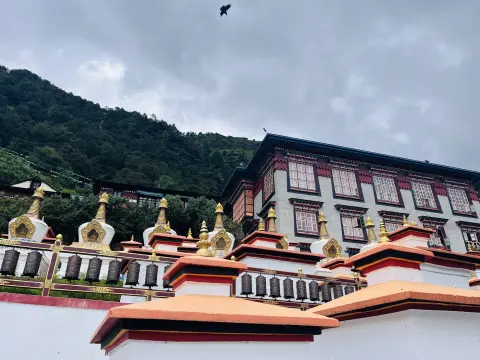
Situated in the peaceful Solu-Khumbu region of Nepal, near the village of Junbesi, Thupten Chholing Monastery is a living testament to Tibetan Buddhis...
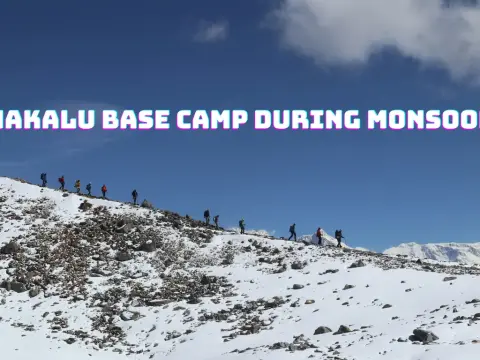
Makalu Base Camp Trek in the monsoon offers one of Nepal’s most remote and raw trekking experiences. Located inside Makalu Barun National Park, named...
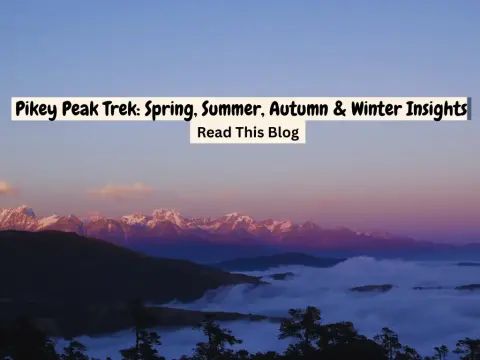
Choosing the best time to trek Pikey Peak Trek is one of the first decisions you'll make when planning this beautiful Himalayan adventure. Located in...
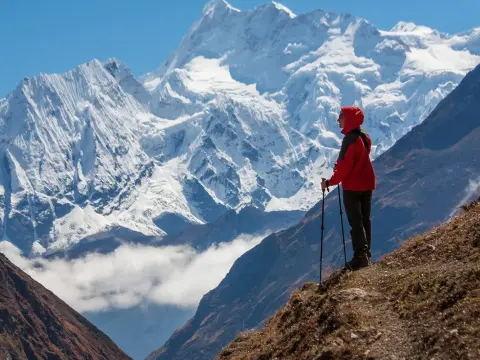
Introduction: Why Nepal is Perfect for Budget TrekkingNepal has long been celebrated as one of the world's premier trekking destinations, but what man...
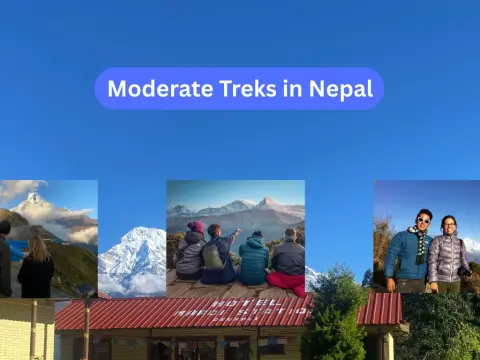
Moderate treks in Nepal offer the perfect balance between challenging adventure and accessible exploration, making them ideal for trekkers who want br...
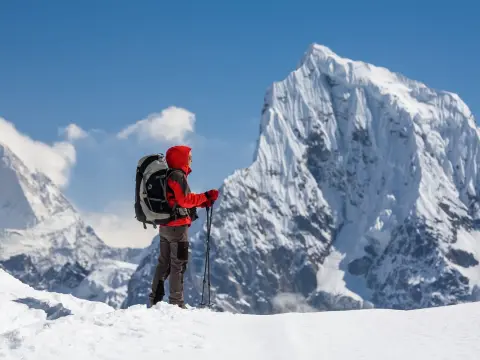
What Is the "3 Peaks Trek Nepal"?If you've been searching for the 3 Peaks Trek Nepal, you're likely looking for one of the most challenging and reward...
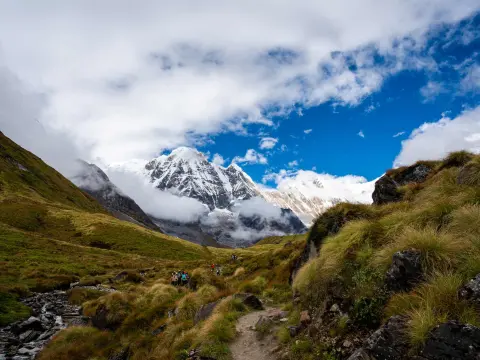
The Annapurna Base Camp trek is a moderate trek, suitable for fit beginners, with no technical climbing required. Its main challenge is not the altitu...
Introduction: Understanding Makalu Base Camp Trek DifficultyThe Makalu Base Camp trek difficulty requires honest evaluation before committing to this...
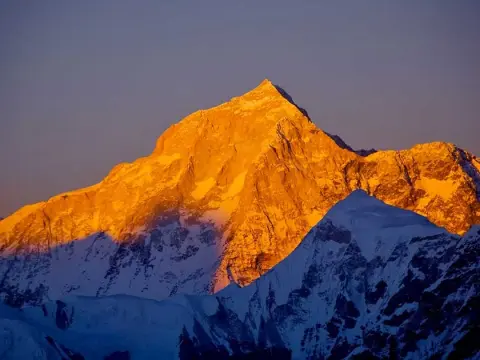
Standing at 4,870 meters beneath the world's fifth-highest peak, I watched the sunrise paint Makalu's pyramidal summit in shades of gold and crimson....
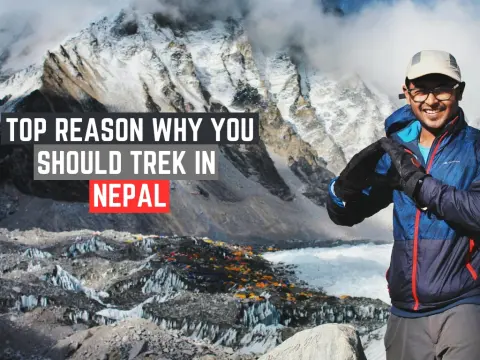
If you've ever wondered why trekking in Nepal captivates adventurers from every corner of the globe, the answer lies in its extraordinary combination...
