
Gyalpo Losar: Tibetan New Year and Spiritual Renewal
30 May 2025
Gyalpo Losar, the Tibetan New Year, is a festival of immense cultural, religious, and social importance for the Tibetan people, including the Sherpa c...

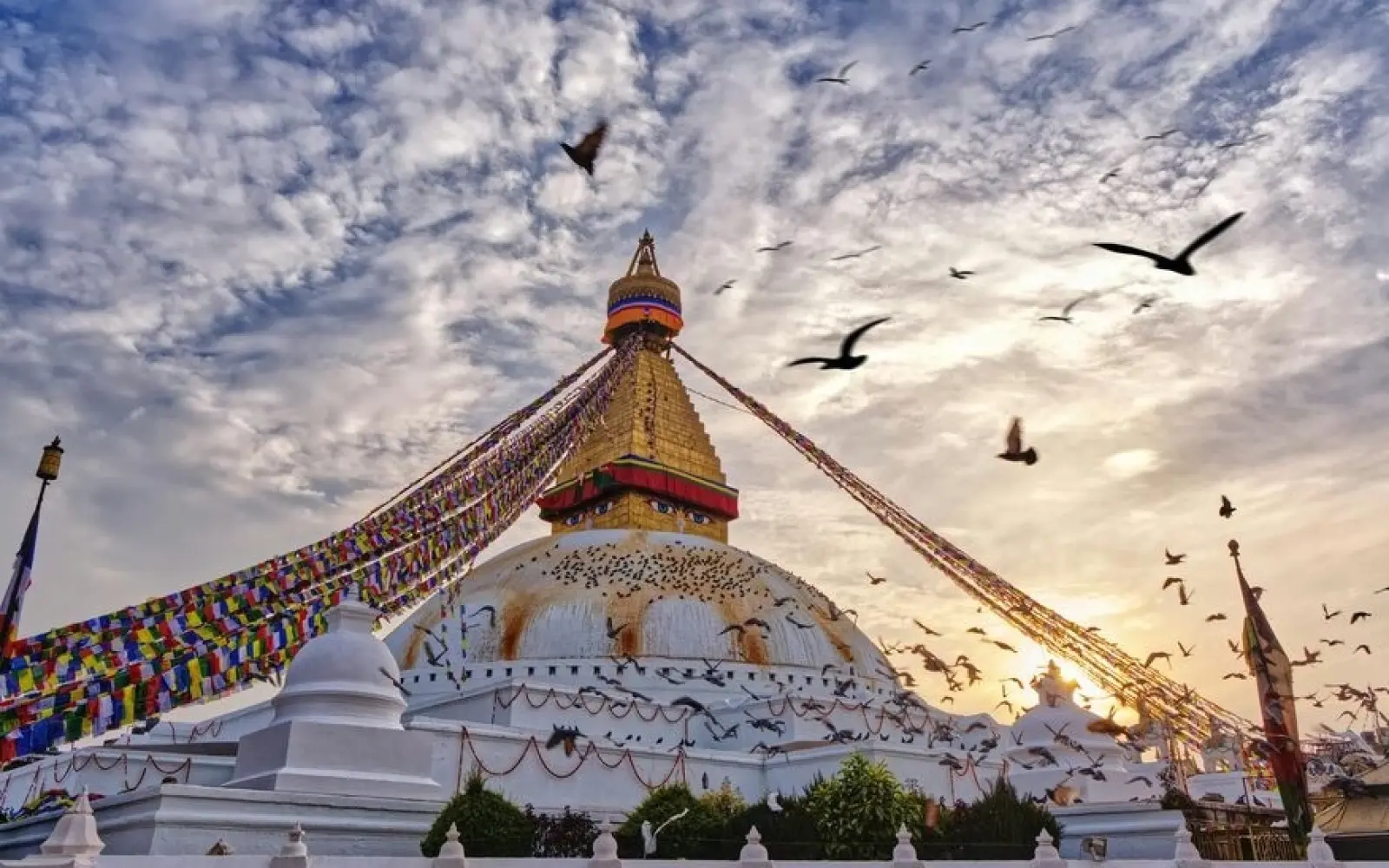

Nepal is far more than a trekking destination nestled among the world's highest peaks. This ancient Himalayan kingdom pulses with profound spiritual energy that has drawn seekers, pilgrims, and devotees for thousands of years.
As the birthplace of Lord Buddha and home to countless Hindu deities, Nepal stands as one of Earth's most sacred landscapes. Here, centuries-old temples emerge from misty valleys, Buddhist monasteries cling to mountain cliffs, and the sound of prayer bells mingles with chanting monks at dawn.
The spiritual traditions of Nepal weave together Hinduism, Buddhism, and indigenous beliefs into a tapestry of faith found nowhere else on Earth. From the cremation ghats along the Bagmati River to remote mountain shrines accessible only by foot, every corner of this country holds sacred significance.
At Majestic Trails Nepal, we have guided thousands of spiritual seekers through these holy places. We understand that visiting Nepal's pilgrimage sites isn't simply tourism—it's a transformative journey that touches the soul.
Whether you seek enlightenment, inner peace, or simply wish to witness living spiritual traditions, exploring the top 10 spiritual places in Nepal will leave you forever changed. Check out Our Perfect: 10 days spiritual Tour in Nepal.
Here is the list of 10 religious places in Nepal:
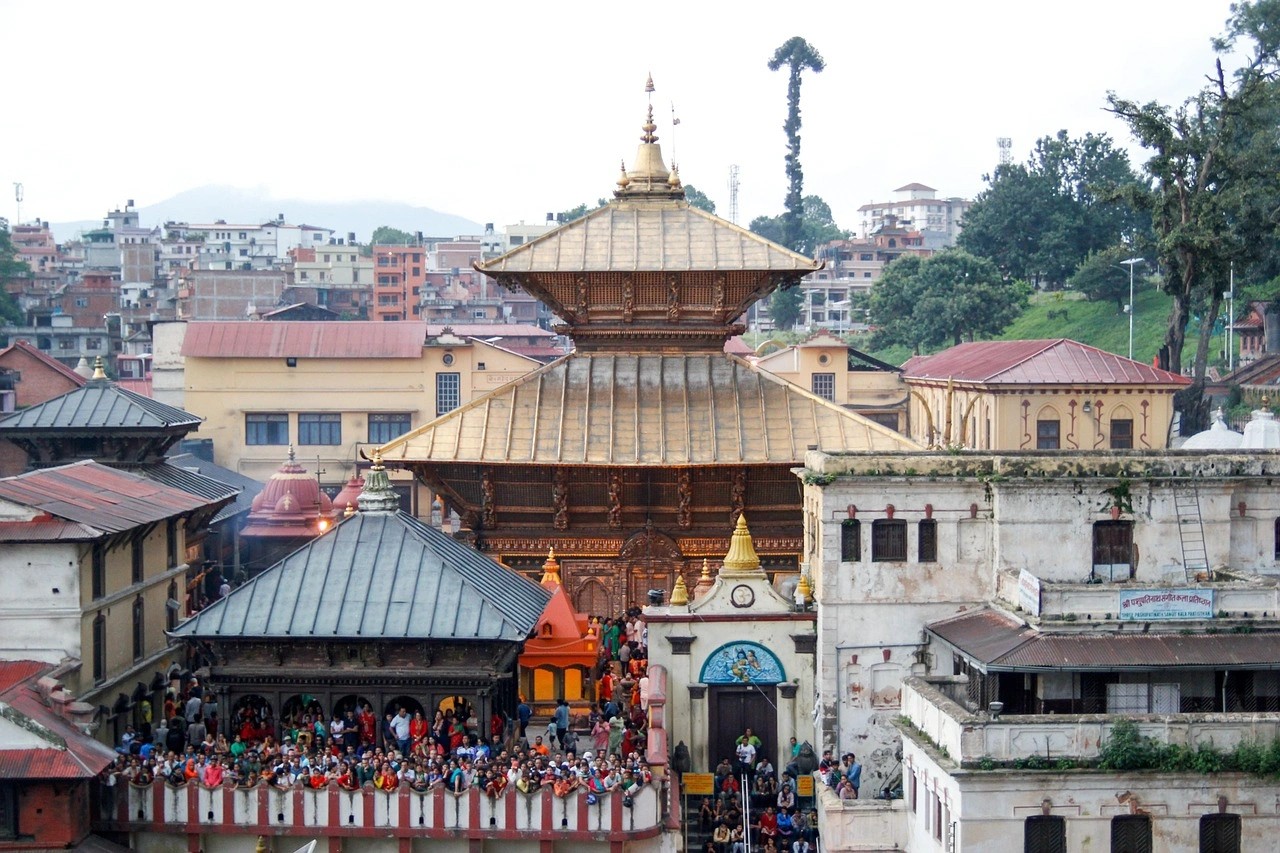
Location: Kathmandu Valley, on the banks of the Bagmati River
Pashupatinath Temple stands as Nepal's most sacred Hindu shrine and one of the most important Shiva temples in the world. This UNESCO World Heritage Site has served as the spiritual heart of Nepal for over 1,500 years.
The main temple, with its distinctive golden pagoda roof and silver doors, houses the sacred Shiva lingam worshipped by millions annually. The temple complex sprawls across 264 hectares, containing hundreds of smaller shrines, ashrams, and the famous cremation ghats where Hindu funeral rites take place in open view.
Spiritual Significance:
Devotees believe that dying at Pashupatinath and having their ashes scattered in the Bagmati River releases them from the cycle of rebirth. The temple attracts thousands of sadhus (holy men) who have renounced worldly possessions in pursuit of spiritual liberation.
Visitor Tips:
Important Information:
| Detail | Information |
|---|---|
| Entry Fee | NPR 1,000 for foreigners |
| Opening Hours | 4:00 AM – 9:00 PM daily |
| Best Time | February/March (Maha Shivaratri festival) |
Nearby Attractions:
Explore the Guhyeshwari Temple dedicated to Goddess Sati, or walk across the river to observe the ashrams housing elderly devotees awaiting their final journey.
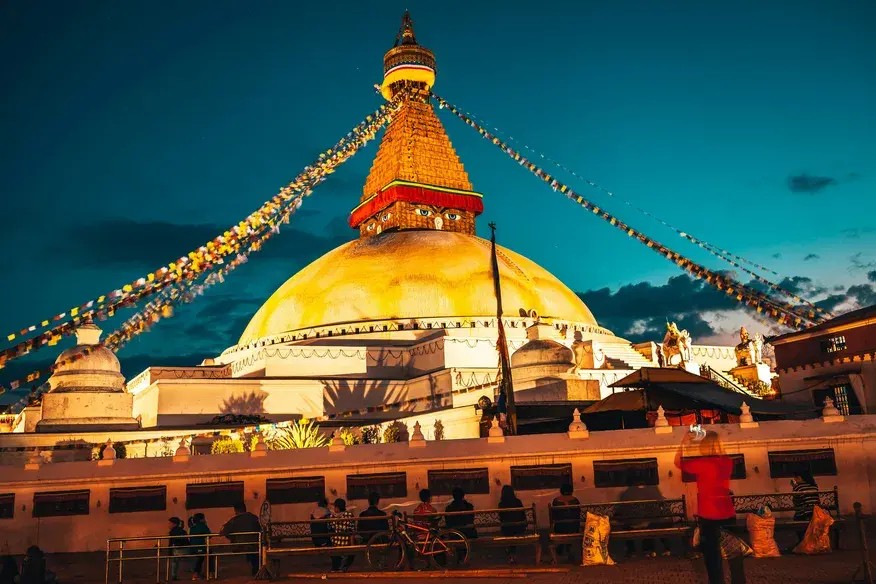
Location: Kathmandu Valley, 11 km from city center
Rising like a massive white dome against the Himalayan sky, Boudhanath Stupa is the largest spherical stupa in Nepal and one of the holiest Tibetan Buddhist sites outside Tibet.
The stupa's design represents the Buddhist cosmos. Its all-seeing eyes of Buddha gaze out in four directions, while the thirteen golden tiers symbolize the path to enlightenment. Prayer flags flutter from the spire, carrying mantras on the wind to spread blessings across the world.
Following the 1959 Tibetan exodus, Boudhanath became the center of Tibetan culture in Nepal. Today, over 50 monasteries surround the stupa, making this neighborhood a living museum of Buddhist practice.
Spiritual Significance:
The stupa is believed to contain relics of Kassapa Buddha, the third Buddha of the current age. Buddhists circumambulate the stupa clockwise, spinning prayer wheels and chanting "Om Mani Padme Hum" to accumulate merit.
Visitor Tips:
Important Information:
Nearby Experiences:
The surrounding streets offer authentic Tibetan handicrafts, singing bowls, and religious artifacts. Many travelers who experience Nepal's sacred journey in 10 days spend multiple mornings at Boudhanath absorbing its peaceful atmosphere.
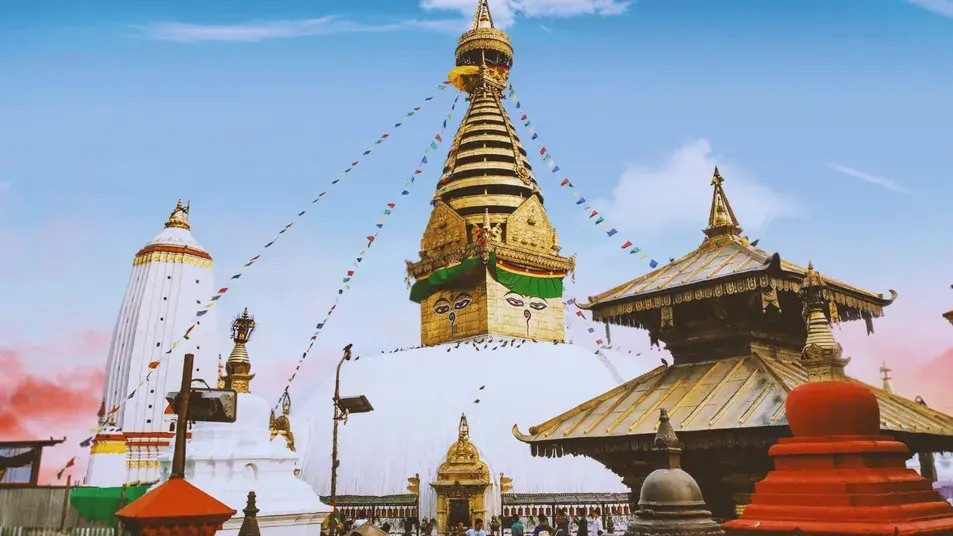
Location: Hilltop west of Kathmandu city
Perched atop a hill overlooking the Kathmandu Valley, Swayambhunath is one of the oldest religious sites in Nepal. Legend says the lotus flower that created the Kathmandu Valley originally bloomed here, making this spot sacred before the valley was even inhabited.
The main stupa mirrors Boudhanath's design but in a more intimate setting. Surrounding the central shrine, you'll find Hindu temples, Buddhist monasteries, and shrines to deities from both traditions—reflecting Nepal's unique religious harmony.
The hundreds of monkeys inhabiting the temple complex have earned Swayambhunath its famous nickname. These macaques are considered sacred and protected, though visitors should guard their belongings.
Spiritual Significance:
"Swayambhu" means "self-arisen," referring to the belief that the stupa appeared spontaneously rather than being built by human hands. Both Hindus and Buddhists worship here, with each tradition honoring its own deities among the temple complex.
Visitor Tips:
Important Information:
| Detail | Information |
|---|---|
| Entry Fee | NPR 200 for foreigners |
| Opening Hours | 24 hours |
| Best Views | Sunrise over the Kathmandu Valley |
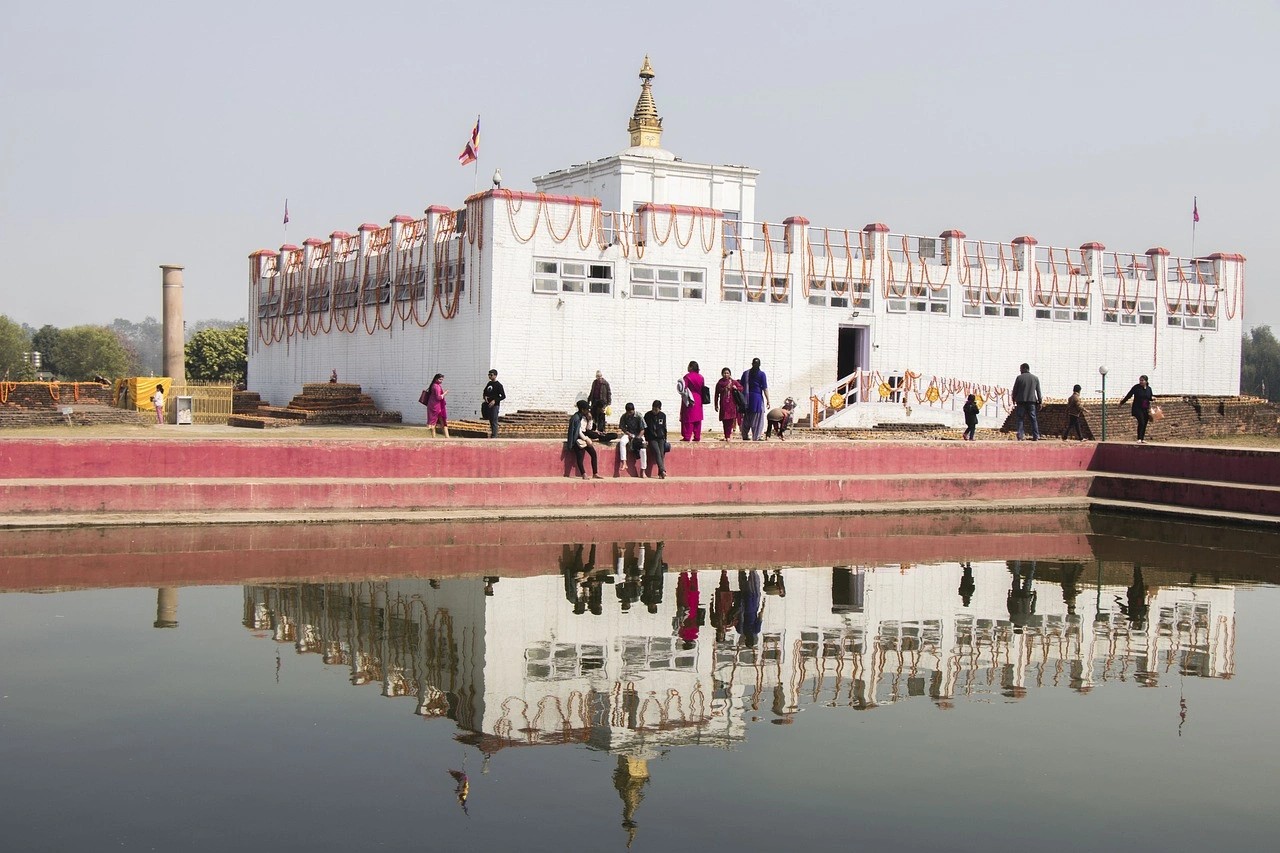
Location: Terai Plains, Rupandehi District
Lumbini holds unparalleled significance in Buddhist history as the exact spot where Prince Siddhartha Gautama was born in 623 BCE. This UNESCO World Heritage Site attracts Buddhist pilgrims from every corner of the globe.
Queen Maya Devi gave birth while grasping a tree branch in the garden here. Today, the Maya Devi Temple marks this precise location, with archaeological excavations revealing the exact nativity site beneath a protective covering.
The greater Lumbini complex spans three square kilometers, divided into distinct zones. The Sacred Garden contains the ancient ruins and Maya Devi Temple. Beyond this, monasteries built by Buddhist nations from around the world create an international village of Buddhist architecture and practice.
Spiritual Significance:
Lumbini is one of four pilgrimage sites Buddha himself recommended to his followers, along with Bodh Gaya (enlightenment), Sarnath (first teaching), and Kushinagar (death). For Buddhists, visiting Lumbini is considered one of life's most meritorious acts.
Visitor Tips:
Important Information:
Nearby Experiences:
Visit Tilaurakot, believed to be the ancient Kapilavastu where Prince Siddhartha spent his first 29 years in royal luxury before renouncing worldly life.
Those who wish to discover the ultimate spiritual tour in Nepal always include Lumbini as a centerpiece of their journey.
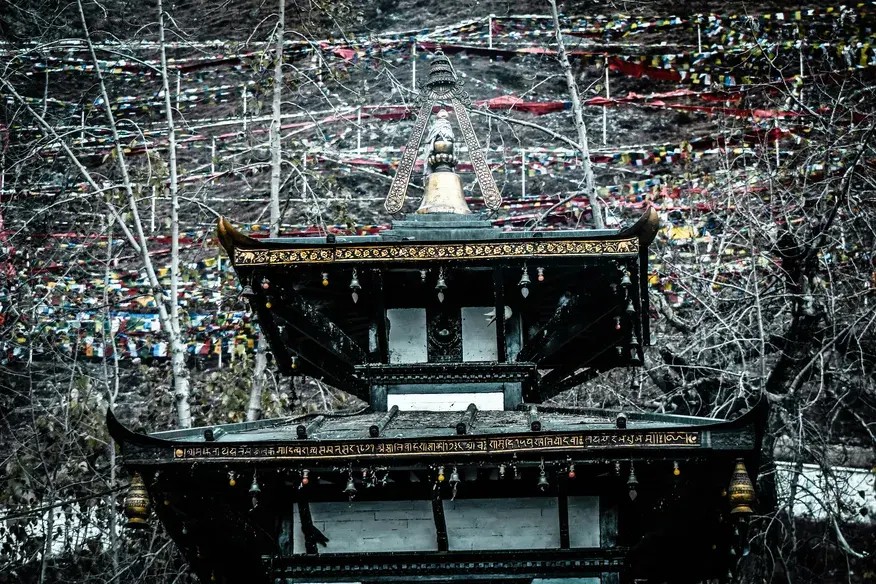
Location: Mustang District, 3,710 meters elevation
High in the trans-Himalayan region of Mustang, Muktinath Temple represents one of Nepal's most extraordinary pilgrimage sites. Sacred to both Hindus and Buddhists, this temple sits at the foot of the Thorong La pass along the famous Annapurna Circuit.
The name "Muktinath" means "Lord of Liberation." Hindus worship Vishnu here, calling the site Mukti Kshetra (Place of Liberation). Buddhists revere it as Chumig Gyatsa (Hundred Waters) and consider it a manifestation of the goddess Dakini.
The temple's unique feature is the natural phenomenon beneath the nearby Jwala Mai temple—an eternal flame fed by natural gas emerging from rock, burning alongside a sacred spring. This combination of earth, water, fire, and air in one location makes Muktinath exceptionally sacred.
Spiritual Significance:
One of the 108 Divya Desams (sacred Vishnu temples) mentioned in ancient texts, Muktinath is believed to grant moksha (liberation from rebirth) to devotees who bathe in its 108 water spouts and visit the sacred flame.
Visitor Tips:
Important Information:
| Detail | Information |
|---|---|
| Elevation | 3,710 meters (12,172 feet) |
| Best Season | September to November, March to May |
| Access | Jeep from Jomsom (1 hour) or trek from Thorong La |
Location: Northern Kathmandu Valley, at the base of Shivapuri Hill
The reclining stone statue of Lord Vishnu at Budhanilkantha is the largest stone carving in Nepal and one of the most impressive religious sculptures in South Asia.
The five-meter statue depicts Vishnu resting on the coils of the cosmic serpent Ananta in the primordial ocean. The deity's serene face reflects the peaceful contemplation of the universe during the cosmic night between creation cycles.
Carved from a single block of black basalt in the 5th or 6th century, the statue's origins remain somewhat mysterious. The stone type doesn't occur naturally in the Kathmandu Valley, suggesting ancient craftsmen transported it from a considerable distance.
Spiritual Significance:
A curious tradition forbids the King of Nepal from viewing this statue, stemming from an ancient curse. The tradition continued through Nepal's monarchy, and even today, carries cultural weight.
Devotees believe that prayers offered here for family welfare are particularly powerful. The temple sees peak crowds during Haribondhini Ekadashi when Vishnu is believed to awaken from cosmic sleep.
Visitor Tips:
Important Information:
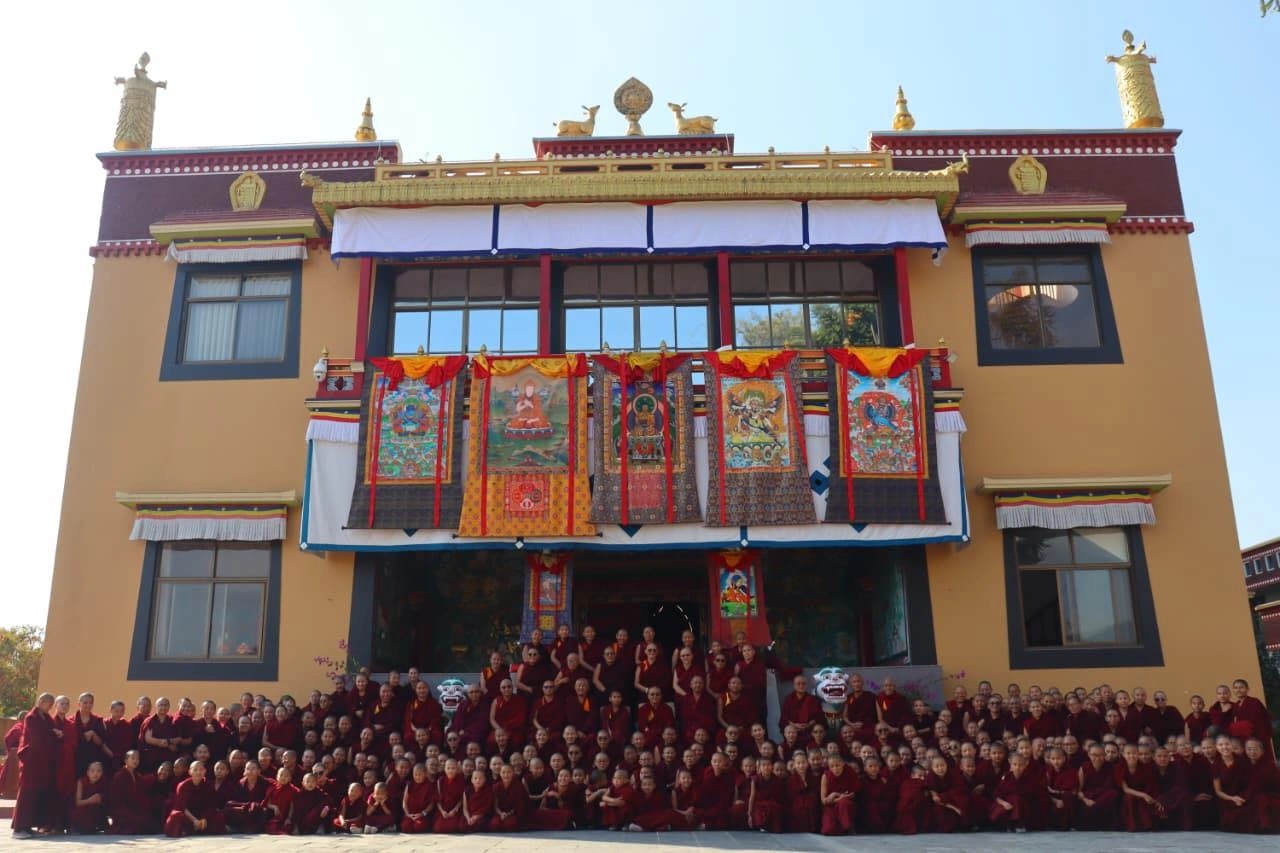
Location: Hilltop north of Boudhanath
While Boudhanath offers atmosphere and Lumbini provides historical significance, Kopan Monastery offers something different—active engagement with Buddhist practice under qualified teachers.
Founded in 1969 by Lama Thubten Yeshe and Lama Zopa Rinpoche, Kopan has become one of the world's most accessible centers for authentic Tibetan Buddhist education. The monastery offers everything from daylong introductions to month-long meditation retreats.
The hilltop location provides stunning views of the Kathmandu Valley while maintaining the peaceful atmosphere essential for contemplative practice. Over 360 monks and nuns study here, and their chanting fills the air during morning and evening ceremonies.
Spiritual Significance:
Kopan belongs to the Gelug school of Tibetan Buddhism, the same tradition as the Dalai Lama. The monastery's mission focuses on making Buddhist teachings accessible to Westerners while maintaining traditional authenticity.
Visitor Tips:
Course Options:
For those seeking structured spiritual practice, Kopan offers the perfect addition when you plan your 10-day spiritual adventure through Nepal.
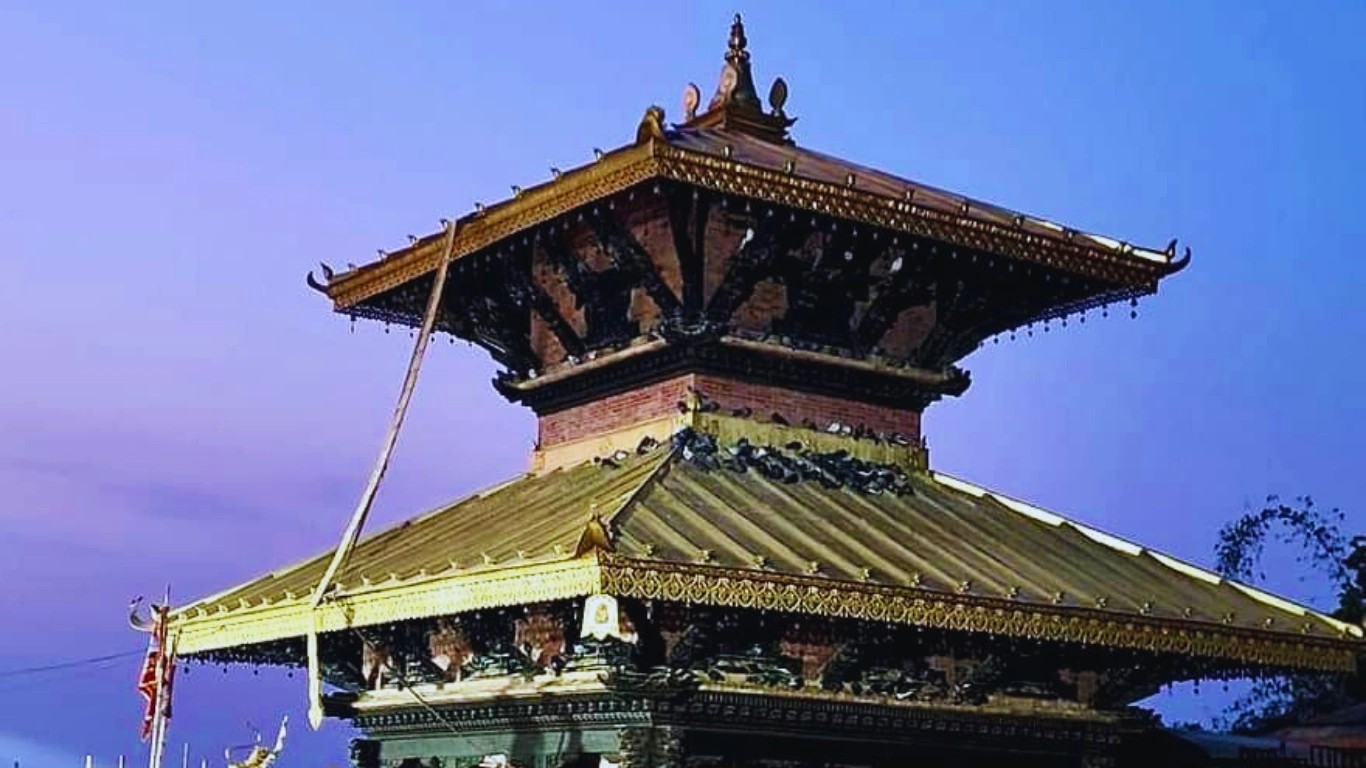
Location: Gorkha District, accessible by cable car from Kurintar
Perched atop a ridge in the Gorkha hills, Manakamana Temple is dedicated to the goddess Bhagwati, believed to grant the wishes of sincere devotees. The temple's name comes from "mana" (heart) and "kamana" (wish).
According to legend, the queen of Gorkha had achieved siddhi (spiritual power) and after her death, a farmer's plow struck a stone that bled—revealing her divine presence. A temple was built on the spot in the 17th century.
The cable car ride to Manakamana is itself spectacular, offering ten minutes of aerial views across terraced hillsides and deep river valleys. Before the cable car's construction in 1998, pilgrims climbed four hours on foot.
Spiritual Significance:
Devotees believe Manakamana Devi grants wishes for family welfare, marriage, children, and prosperity. The temple sees particular crowds of newlyweds seeking blessings and couples hoping for children.
Animal sacrifice remains practiced here, especially during the Dashain festival—visitors should be prepared for this traditional aspect.
Visitor Tips:
Important Information:
| Detail | Information |
|---|---|
| Cable Car Fee | NPR 510 each way (foreigner rate) |
| Operating Hours | 9:00 AM – 5:00 PM (varies seasonally) |
| Location | 106 km from Kathmandu (3–4 hour drive) |
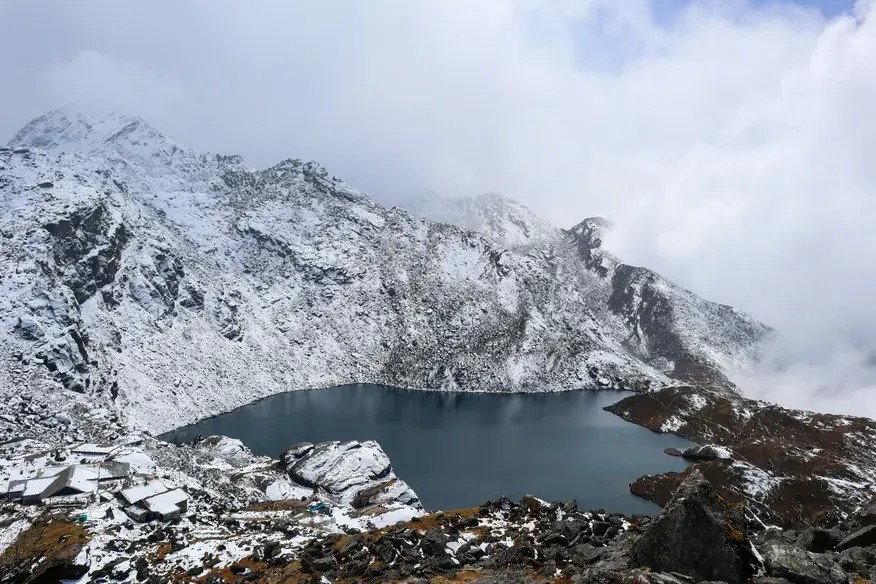
Location: Langtang National Park, 4,380 meters elevation
Gosaikunda is one of Nepal's most challenging and rewarding pilgrimage destinations—a sacred lake nestled among peaks in the Langtang region, requiring a multi-day trek to reach.
According to Hindu mythology, Lord Shiva created this lake by striking the mountain with his trident, releasing water to cool his throat after swallowing poison during the churning of the cosmic ocean. A rock formation in the lake center is believed to represent Shiva's resting place.
The lake is one of 108 sacred lakes in the area, surrounded by pristine alpine wilderness. During the full moon of August (Janai Purnima), thousands of pilgrims trek to Gosaikunda, creating an extraordinary gathering at high altitude.
Spiritual Significance:
Bathing in Gosaikunda during Janai Purnima is believed to purify all sins. Hindu men change their sacred thread on this day, and pilgrims believe Shiva himself descends to bathe in the lake at midnight.
Trekking Information:
Visitor Tips:
Location: Kavrepalanchok District, 40 km from Kathmandu
Namo Buddha ranks among the most sacred Buddhist pilgrimage sites in Nepal, commemorating one of Buddha's previous lives as Prince Mahasattva.
The story tells of a young prince who discovered a starving tigress too weak to feed her cubs. In an act of supreme compassion, the prince offered his own body so the tiger family could survive. This act of selfless giving epitomizes the bodhisattva ideal—sacrificing oneself for others' welfare.
The hilltop stupa marks the spot where this event occurred, while the modern Thrangu Tashi Yangtse Monastery provides a stunning backdrop. The monastery, consecrated in 1978 by the 16th Karmapa, houses approximately 250 monks.
Spiritual Significance:
Namo Buddha is one of three main stupas in the Kathmandu Valley associated with previous Buddha lives (along with Swayambhunath and Boudhanath). The site teaches the paramita of generosity in its most profound form.
Visitor Tips:
Important Information:
Timing your Nepal spiritual tour correctly enhances every aspect of the pilgrimage experience.
This is Nepal's premier season. Clear skies reveal spectacular mountain views, temperatures remain comfortable, and the post-monsoon landscape glows with fresh greenery. Major festivals including Dashain and Tihar bring temples to life with celebrations.
Ideal for: All spiritual sites, especially high-altitude destinations like Muktinath and Gosaikunda
Warmer temperatures and blooming rhododendrons create beautiful conditions. Holi and Maha Shivaratri festivals occur during this period, making Pashupatinath particularly vibrant.
Ideal for: Kathmandu Valley temples, Lumbini, trekking routes
Cold temperatures in mountain areas but pleasant in the Terai and Kathmandu Valley. Fewer tourists mean more intimate temple experiences. Morning fog can add mystical atmosphere to sacred sites.
Ideal for: Lumbini, Kathmandu Valley sites, avoiding crowds
Heavy rainfall makes travel challenging, but Janai Purnima pilgrimage to Gosaikunda occurs during this season. Some travelers appreciate the lush landscape and reduced tourist numbers.
Ideal for: Experienced travelers, festival-specific visits
Nepal's spiritual sites are active places of worship. Respectful dress and behavior ensure positive experiences for everyone.
Clothing Guidelines:
Must-Pack Items:
Spiritual Practice Items:
The most significant Nepal pilgrimage sites include Pashupatinath Temple (Hinduism's most sacred Shiva shrine), Lumbini (Buddha's birthplace), Boudhanath Stupa (Tibetan Buddhism's spiritual heart), and Muktinath Temple (sacred to both Hindus and Buddhists). Each represents a cornerstone of Nepal's diverse spiritual heritage and attracts pilgrims from around the world.
Absolutely. Nepal offers numerous opportunities for structured spiritual practice. Kopan Monastery near Boudhanath provides authentic Tibetan Buddhist meditation courses ranging from one day to several months. Various ashrams around Kathmandu offer yoga and Hindu spiritual practices. The peaceful environment of Nepal's sacred sites naturally supports contemplative practice.
While independent visits are possible at major sites like Pashupatinath and Boudhanath, a knowledgeable guide dramatically enhances understanding. Local guides explain religious significance, navigate cultural protocols, and share stories not found in guidebooks. For remote pilgrimage sites like Muktinath or Gosaikunda, guides are highly recommended for safety and logistical reasons.
A comprehensive spiritual tour in Nepal typically requires 10–14 days to visit major sites without rushing. This allows time for both Kathmandu Valley temples and distant destinations like Lumbini and Muktinath. Shorter trips of 5–7 days can cover the Kathmandu Valley's sacred sites in Nepal meaningfully. Extended visits of 3–4 weeks allow for deeper practice through meditation courses or pilgrimage treks.
Most monasteries in Nepal welcome visitors of all backgrounds. Buddhist sites like Boudhanath, Swayambhunath, and Kopan Monastery are fully accessible. However, some Hindu temples restrict inner sanctum access to Hindus only—notably the main temple at Pashupatinath. Visitors can still observe rituals, explore temple grounds, and experience the spiritual atmosphere at these sites.
Several festivals transform Nepal's temples into extraordinary celebrations:
Nepal's spiritual landscape offers transformative experiences found nowhere else on Earth. From the cremation fires of Pashupatinath to the peaceful circumambulations at Boudhanath, from Buddha's birthplace at Lumbini to the high-altitude sanctity of Muktinath—these top 10 spiritual places in Nepal represent humanity's eternal quest for meaning and transcendence.
At Majestic Trails Nepal, we don't simply show you temples. We introduce you to living traditions, connect you with local practitioners, and create space for genuine spiritual exploration.
Our team of licensed, experienced guides has spent years developing relationships at Nepal's sacred sites. We understand the protocols, know the hidden gems, and can facilitate experiences unavailable to ordinary tourists.
Whether you're a devoted practitioner seeking deeper connection or a curious traveler drawn to Nepal's spiritual magnetism, we craft journeys that honor both the sacred traditions and your personal intentions.
Contact Majestic Trails Nepal today to design your personalized pilgrimage in Nepal. Let the Himalayas and their ancient wisdom guide you home to yourself.

Gyalpo Losar, the Tibetan New Year, is a festival of immense cultural, religious, and social importance for the Tibetan people, including the Sherpa c...
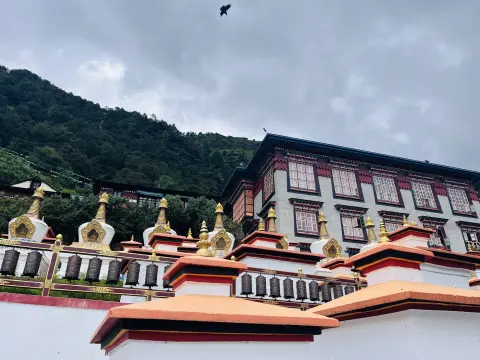
Situated in the peaceful Solu-Khumbu region of Nepal, near the village of Junbesi, Thupten Chholing Monastery is a living testament to Tibetan Buddhis...
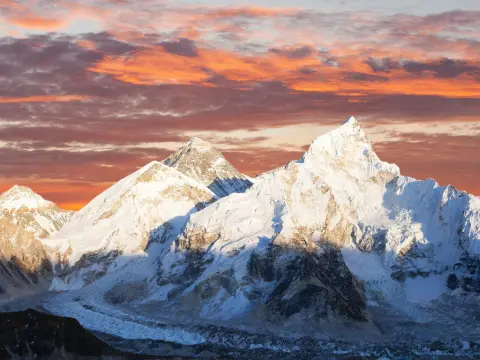
Nepal is a country defined by mountains. Stretching across the country’s northern edge, the Himalayas pack Earth’s highest peaks into one nation. Eigh...
Nepal's tourism destinations offer an unforgettable journey through a landlocked country nestled in the embrace of the world’s most majestic mountain...
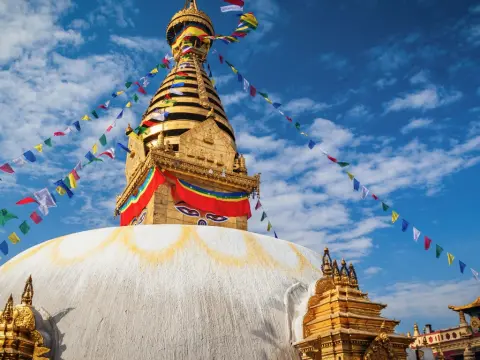
People visiting Kathmandu almost always ask the same two questions about Swayambhunath: how high is it, and where exactly is it? Seems simple. But the...

Introduction"Tailor-made Nepal trips put you in control: Discuss routes, adjust plans, and experience the Himalayas your way with expert local guides"...
Nepal isn't a destination you rush through. From the ancient temples of Kathmandu to the soaring peaks of the Himalayas, every corner of this remarkab...
