
Gyalpo Losar: Tibetan New Year and Spiritual Renewal
30 May 2025
Gyalpo Losar, the Tibetan New Year, is a festival of immense cultural, religious, and social importance for the Tibetan people, including the Sherpa c...

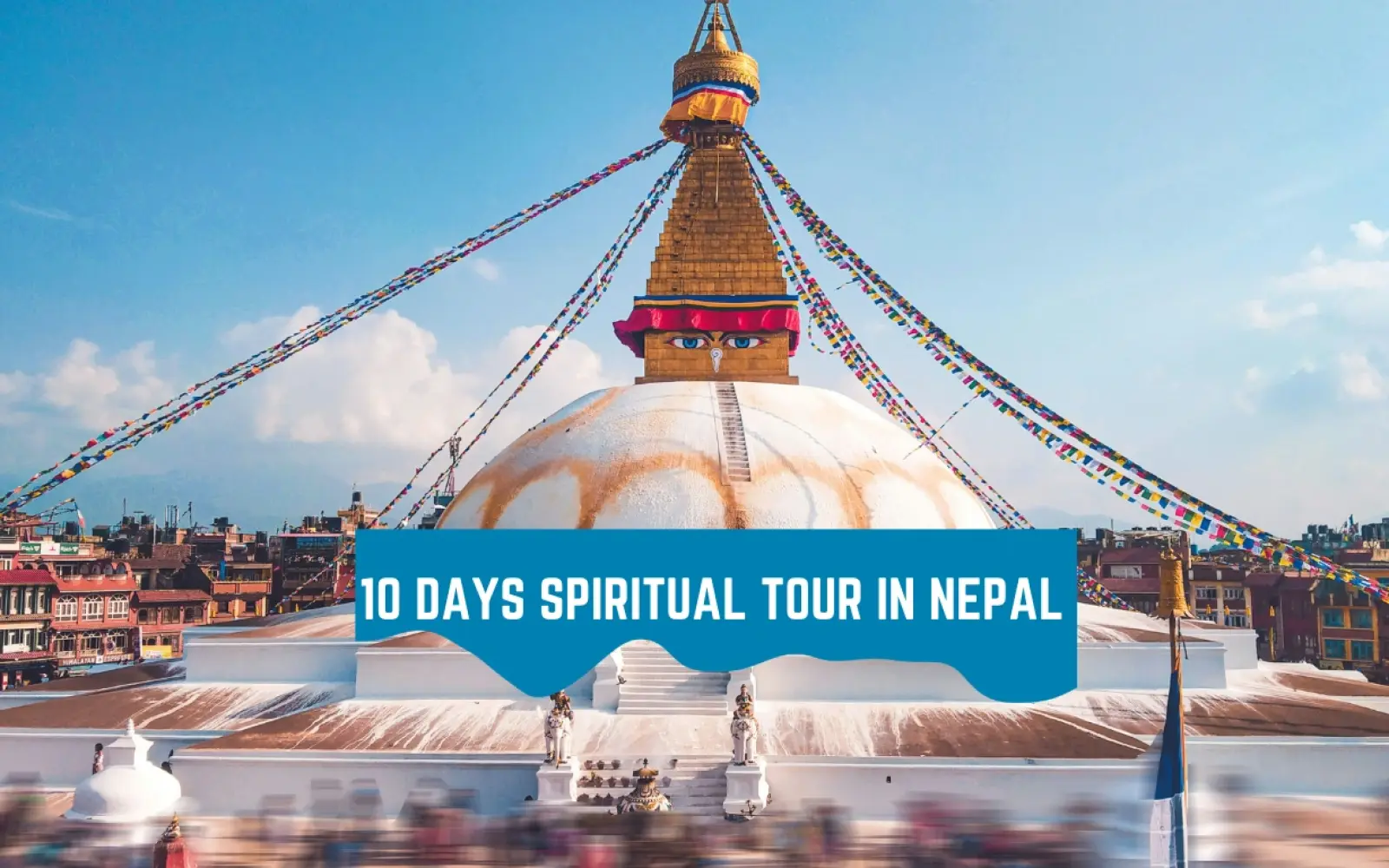

Nepal has always been more than a destination. It is a sanctuary where the physical and spiritual worlds intertwine beneath snow-capped peaks and within ancient temple walls. For seekers, devotees, and curious souls alike, a 10 days spiritual tour in Nepal offers an immersive passage through sacred geography that has drawn pilgrims for millennia.
At Majestic Trails Nepal, we have walked these paths alongside travelers from every corner of the world. We have witnessed the tears of recognition at Boudhanath's great stupa, the profound silence of meditators at Namobuddha, and the overwhelming peace that settles over visitors standing where the Buddha himself once stood in Lumbini. This guide shares what we know intimately — the spiritual depth, historical significance, and transformative potential of Nepal's most sacred circuit.
Perhaps nowhere else on Earth do Hinduism and Buddhism coexist with such profound integration. In Nepal, this is not mere tolerance — it is genuine symbiosis cultivated over thousands of years.
The same family may light butter lamps at a Buddhist stupa in the morning and offer flowers at a Hindu temple by evening. Deities are shared, festivals celebrated together, and sacred spaces often honor both traditions simultaneously. The Kumari, Nepal's living goddess, is worshipped by Hindus and Buddhists alike. At Swayambhunath, Hindu shrines nestle beside Buddhist stupas without contradiction.
This harmony emerged naturally from Nepal's position as a bridge between the Indian subcontinent and the Tibetan plateau. Hindu pilgrims traveling north and Buddhist practitioners journeying south met in these valleys, and rather than conflict, they found common ground in shared values of compassion, devotion, and liberation.
For travelers exploring this 10-day spiritual journey in Nepal, this means encountering a living laboratory of interfaith coexistence — experiencing how multiple paths can lead toward the same mountain peak of awakening.
Nepalis have always understood their land as sacred geography. Mountains are not merely geological formations but dwelling places of deities. Rivers carry the purifying essence of the divine. Caves hold the meditation energy of countless practitioners who sought enlightenment within their depths.
The Kathmandu Valley alone contains seven UNESCO World Heritage Sites, most with profound religious significance. Lumbini, where Siddhartha Gautama was born, ranks among the most important pilgrimage sites for the world's 500 million Buddhists. Pashupatinath remains one of Hinduism's holiest temples, drawing devotees from across South Asia.
This concentration of sacred sites within a relatively small geographic area makes Nepal uniquely suited for contemplative travel. Unlike pilgrimages that require weeks of travel between destinations, Nepal's sacred circuit allows deep exploration within accessible distances.
Before detailing each day's journey, it helps to understand the overall arc of this sacred itinerary.
The route follows a geographic and contemplative progression. It begins in Kathmandu, the ancient heart of Nepali civilization, where Hindu and Buddhist traditions intermingle most visibly. From there, the journey extends to the elevated perspectives of Nagarkot and the monastic serenity of Namobuddha.
The path then flows west to Pokhara, where the serene lake reflects sacred Himalayan peaks and reflective practice takes on a more introspective quality. Finally, the pilgrimage reaches its culmination in Lumbini, returning to the very source where Buddhism began.
This progression mirrors traditional pilgrimage patterns — beginning with the familiar and accessible, deepening through contemplation, and arriving at the most sacred source before returning changed to ordinary life.
In pilgrimage traditions worldwide, the moment of arrival holds special meaning. You are not merely reaching a destination but crossing a threshold between ordinary life and sacred time.
Kathmandu's Tribhuvan International Airport sits in a valley that human beings have considered sacred for at least 2,500 years. As your aircraft descends through clouds and the first glimpses of terraced hills appear, you are entering one of the world's most spiritually concentrated regions.
The Kathmandu Valley was once a vast lake, according to both geological evidence and religious mythology. Buddhist texts describe how the bodhisattva Manjushri drained this lake with a single sword stroke, creating habitable land where dharma could flourish. Hindu scriptures speak of the valley as Nepala Mandala — a sacred geometric space protected by deities at each cardinal direction.
Upon landing, our team at Majestic Trails Nepal meets travelers at the airport. This is not merely logistical convenience but an intentional beginning to the journey. We believe that contemplative travel should begin the moment you step onto Nepali soil, not after you have struggled through unfamiliar bureaucracy and transportation.
The transfer to your hotel follows routes past the first sacred sites — perhaps a glimpse of the Pashupatinath temple complex or the distant white dome of Boudhanath. These brief sightings plant seeds of anticipation for the days ahead.
The first evening is purposefully unstructured. Jet lag and travel fatigue require rest, but this time also serves a deeper purpose. In the comfort of your accommodation, with the sounds of Kathmandu settling into evening, there is space for personal reflection.
What brought you to Nepal? What do you hope to discover, release, or understand? What questions do you carry?
Our guides often share a traditional Nepali blessing during this first meeting — not as religious instruction but as a gesture of welcome that acknowledges the sacred nature of the journey beginning.
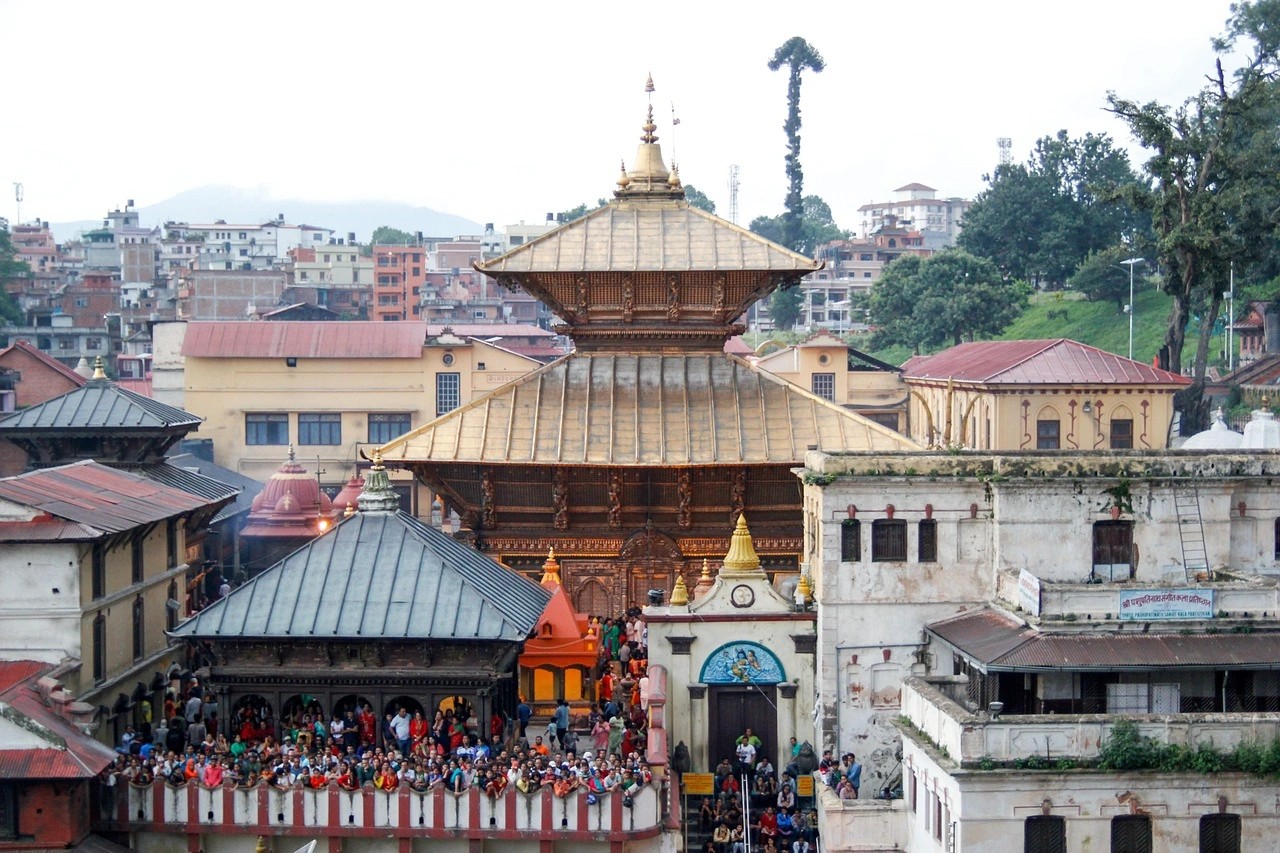
Dawn comes early in Nepal, and there is profound reason to rise with the sun. Pashupatinath Temple, dedicated to Lord Shiva in his aspect as protector of animals, is most spiritually potent in morning hours.
This temple complex dates back at least to 400 CE, though devotion to Shiva at this location likely extends much further into prehistory. The main temple, with its distinctive golden roof and silver doors, stands on the western bank of the sacred Bagmati River. Only Hindus may enter the innermost sanctum, but the surrounding complex offers profound experiences for all visitors.
Perhaps no aspect of Nepali spirituality confronts visitors more directly than the cremation platforms along the Bagmati. Here, death is not hidden but integrated into the public landscape. Families bring deceased loved ones for cremation, their bodies wrapped in white cloth and adorned with marigolds.
Watching these ceremonies requires sensitivity and respect. We encourage travelers not to photograph grieving families but rather to observe quietly, contemplating the universal reality that all lives end. In Hindu understanding, cremation at Pashupatinath offers auspicious passage for the soul, liberating it from the cycle of rebirth or ensuring favorable conditions for its next incarnation.
Pashupatinath draws Hindu holy men (sadhus) from across South Asia. Some have renounced all worldly possessions and identity, living as wandering ascetics dedicated entirely to liberation. Others maintain small shelters within the temple complex, offering blessings to pilgrims.
Their presence reminds us that the path toward awakening can be walked in radically different ways. While most visitors will return to families, careers, and ordinary responsibilities, the sadhus embody complete dedication to transcendence. This contrast enriches our understanding of the spectrum of commitment possible.
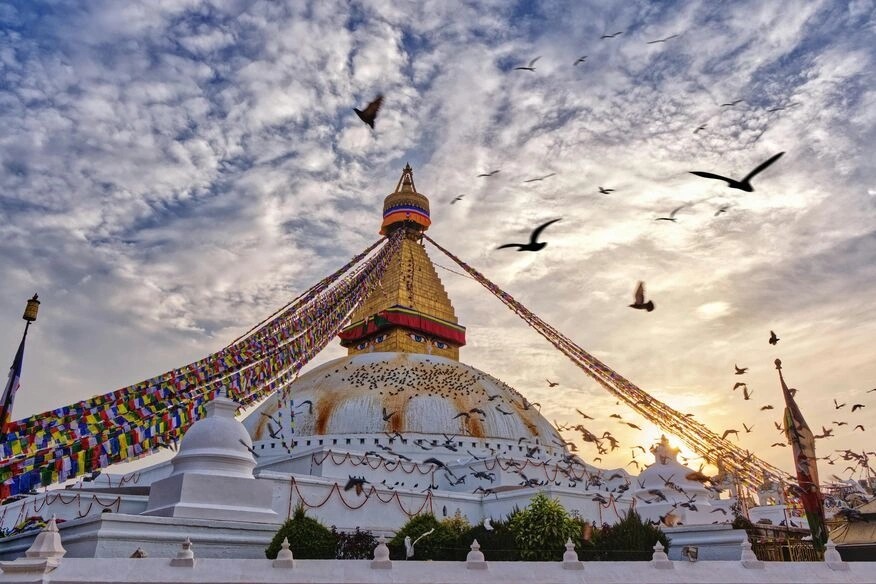
The journey continues to Boudhanath, one of the largest stupas in the world and the center of Tibetan Buddhism in Nepal. After the Chinese occupation of Tibet in 1959, thousands of Tibetan refugees settled around this ancient monument, creating a living Tibetan Buddhist community.
The stupa's structure itself teaches dharma. The white dome represents the earth element, the square harmika above symbolizes the element of air, and the thirteen golden rings ascending toward the pinnacle represent the thirteen stages of enlightenment. The all-seeing eyes of the Buddha gaze in four directions, representing his omniscient awareness.
At Boudhanath, walking becomes meditation. Pilgrims and visitors join the eternal clockwise circuit around the stupa, spinning prayer wheels embedded in the surrounding wall. Each revolution of a prayer wheel sends mantras into the universe, generating merit for all beings.
Our guides walk with you, explaining the significance of the mantras, the meaning of the prayer flags overhead, and the history of this remarkable place. But we also encourage periods of silent walking, allowing the practice to move from intellectual understanding to embodied experience.
Several monasteries surround Boudhanath, some welcoming visitors to observe daily practices. The rhythmic chanting of monks, the deep resonance of Tibetan horns, and the precise choreography of ritual create an atmosphere unlike anything in ordinary life.
Crossing the Bagmati River, the journey reaches Patan — known historically as Lalitpur, the "City of Beauty." This ancient city predates Kathmandu and contains remarkable concentrations of temples, monasteries, and sacred art.
The royal square of Patan demonstrates how political and religious power intertwined in traditional Nepal. The Royal Palace housed kings who considered themselves earthly representatives of Vishnu. Surrounding temples honored multiple deities, ensuring divine protection from all directions.
The Krishna Mandir, built in the 17th century, ranks among Nepal's finest stone temples. Its shikhara (tower) style reflects North Indian architectural influence, while its carved reliefs depicting scenes from the Mahabharata exemplify Nepali artistic achievement.
This 12th-century Buddhist monastery remains actively used, with a rotating priest tending the shrine in twelve-year cycles. The gilded facade gives the temple its common name, but its significance lies in the unbroken tradition of practice maintained within its walls for over 800 years.
The "Temple of a Thousand Buddhas" covers every surface with terracotta tiles, each bearing the Buddha's image. This distinctive structure reflects the Nepali synthesis of Indian Buddhist architecture with local artistic traditions.
Day two is intensive, moving between Hindu and Buddhist sacred spaces. This immersion itself teaches something essential about Nepal — these traditions are not competitors but complementary paths toward understanding ultimate reality.
The Hindu temple tour Nepal aspect of the journey reveals devotional practices of extraordinary intensity. The Buddhist pilgrimage in Nepal dimensions open doors to contemplative practices and philosophical inquiry. Together, they offer a more complete picture than either alone could provide.
Namobuddha (Takmo Lüjin in Tibetan) ranks among Nepal's most sacred Buddhist pilgrimage sites. The story associated with this place speaks to compassion so radical it challenges our ordinary understanding of what practice might require.
According to Buddhist tradition, a previous incarnation of the being who would become Shakyamuni Buddha encountered a starving tigress in these hills. The tigress, too weak to hunt, was preparing to eat her own cubs out of desperate hunger. The bodhisattva, moved by compassion, offered his own body to save both tigress and cubs.
This story of ultimate self-sacrifice is commemorated at the hilltop stupa marking where the tigress fed. The name "Namobuddha" means "Homage to the Buddha," recognizing this act as embodiment of enlightened compassion.
Thrangu Tashi Yangtse Monastery, one of Nepal's major Tibetan Buddhist monasteries, overlooks the pilgrimage site. Morning prayers begin early, and joining the monks for this practice — even as observers — immerses visitors in living tradition.
The monastery welcomes respectful visitors. Sitting quietly in the prayer hall, surrounded by young monks chanting centuries-old liturgies, offers direct experience of how Buddhist tradition transmits itself across generations.
Our guides arrange conversations with English-speaking monks willing to discuss their practice and monastery life. These conversations are never forced or performative — they occur when circumstances and personalities align naturally. When they happen, they offer invaluable insight into motivations, experiences, and perspectives rarely accessible to tourists.
Young men and boys join monasteries for various reasons. Some come from families with generations of monastic tradition. Others are sent by rural families who cannot afford to educate them otherwise. Still others experience genuine calling toward religious life. Understanding these diverse pathways enriches appreciation for the complexity of living tradition.
Walking from the monastery to the hilltop stupa follows ancient pilgrimage paths. Prayer flags flutter above, and smaller stupas along the way invite pause for prostration or contemplation.
The main stupa, surrounded by smaller monuments and offering platforms, marks the literal ground where compassion beyond ordinary understanding manifested. Standing here, one cannot help but consider: What would I sacrifice for others? What attachments limit my own capacity for compassion?
These are not comfortable questions. Genuine pilgrimage disturbs as much as it comforts.
The return to Kathmandu provides transition time. Processing the morning's experiences requires rest and integration. The evening is free for personal reflection, journaling, or quiet exploration of the neighborhood surrounding your hotel.
This Nepal spiritual retreat itinerary intentionally alternates between intense sacred encounter and space for personal processing. Lasting change cannot be rushed or scheduled.
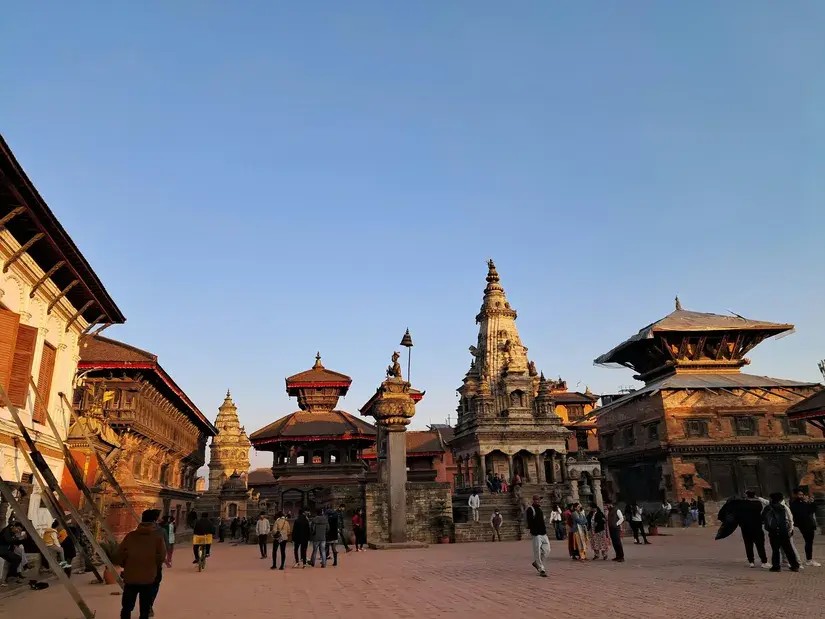
Bhaktapur, the third of the Kathmandu Valley's ancient royal cities, maintains an atmosphere closest to historical Nepal. With fewer vehicles and more pedestrian zones, walking through Bhaktapur feels like traveling through living history.
Rising five stories above Taumadhi Square, Nyatapola Temple is Nepal's tallest traditional temple. Built in 1702, it honors Siddhi Lakshmi, a tantric goddess so powerful that her image remains hidden from public view within the sanctuary.
The temple's ascending stone guardians — wrestlers, elephants, lions, griffins, and goddesses — each possess ten times the strength of the figure below them. This iconographic program teaches that power multiplies as one ascends toward the divine.
This eastern square honors Dattatreya, a deity worshipped by both Hindus and Buddhists. The temple demonstrates Nepal's religious synthesis — originally built to honor Dattatreya, it later incorporated Buddhist elements and contains a small shrine used by both traditions.
Surrounding courtyards house communities of woodcarvers whose families have practiced this sacred art for generations. Their work adorns temples throughout the valley, each carved figure serving both aesthetic and devotional purposes.
While less obviously religious than temples, the pottery tradition of Bhaktapur carries its own sacred dimensions. Potters create vessels for temple offerings, ritual containers, and objects used in religious ceremonies. Their work connects the material and metaphysical worlds, transforming clay from the earth into objects serving the divine.
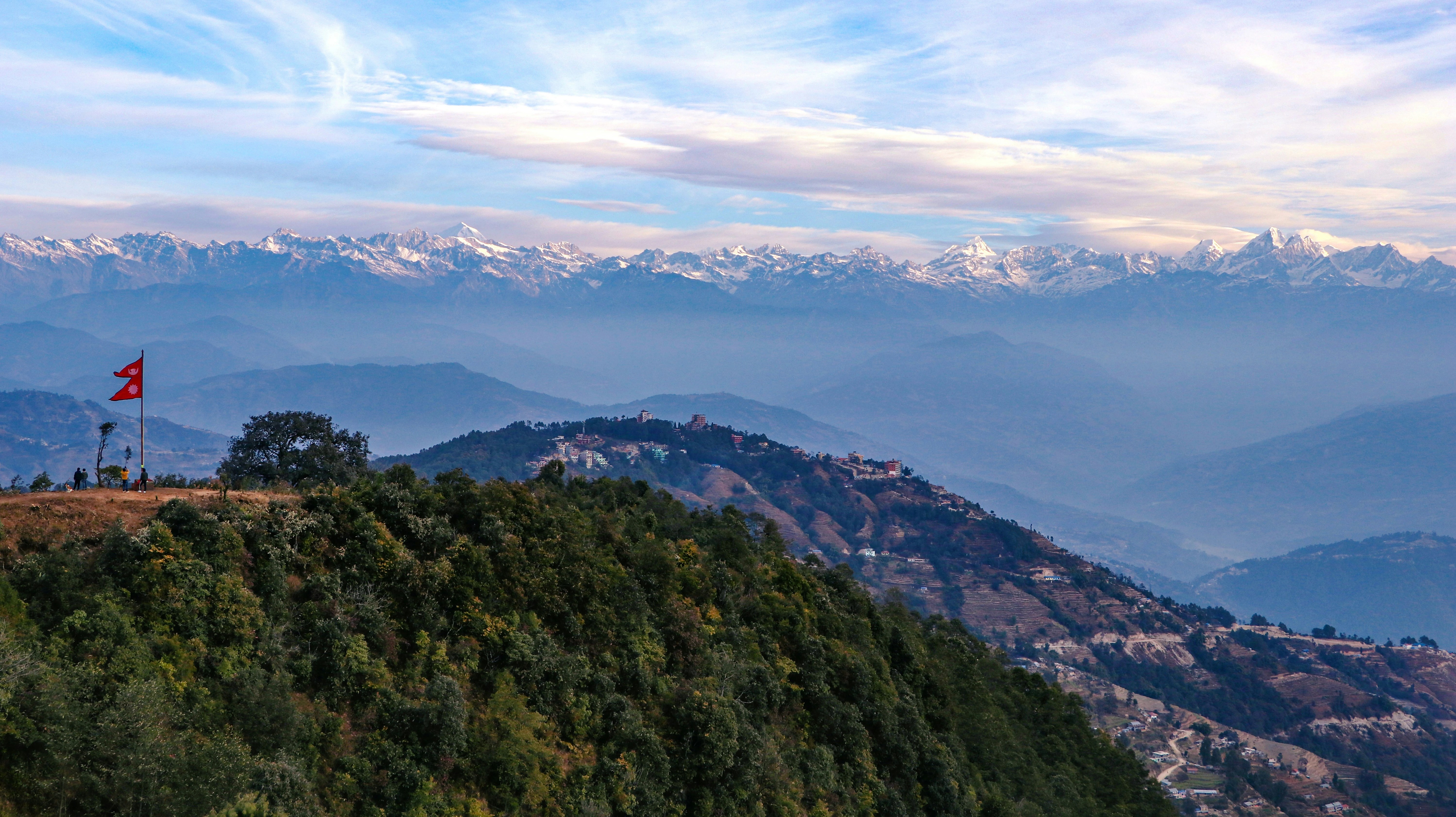
Leaving Bhaktapur, the road climbs through terraced hillsides toward Nagarkot, perched at 2,195 meters on the valley's eastern rim. This ascent mirrors the inner arc of pilgrimage — rising from the crowded complexity of valley life toward clearer, higher perspectives.
Nagarkot offers extraordinary Himalayan panoramas, weather permitting. From this viewpoint, the entire eastern Himalayan range stretches across the horizon — from Langtang in the west through Ganesh Himal, Dorje Lakpa, and potentially even Everest in the far eastern distance.
We arrange formal meditation instruction at Nagarkot, providing introduction to techniques practiced in Nepal for centuries. Whether you have never meditated or maintain established practice, these sessions in mountain surroundings offer unique potency.
Our meditation teachers are not imported from commercial training programs but practitioners formed within genuine Nepali Buddhist lineages. They teach techniques appropriate for beginners while offering depth for experienced practitioners.
The mountain environment itself supports contemplative practice. At this altitude, with vast space visible in all directions, the mind naturally settles. The concerns that seemed urgent in Kathmandu's crowded streets begin to release their grip.
Himalayan sunsets from Nagarkot rank among the world's great natural spectacles. As light shifts across the peaks, snow turns from white to gold to pink to purple. This natural display requires no religious framework to inspire awe, yet it illuminates why Nepali cultures have always understood these mountains as divine dwelling places.
The evening in Nagarkot is deliberately quiet. Simple accommodation, traditional food, and early rest prepare for the profound experience of the following day.
Traditional pilgrimage never considered travel time as mere transit to be minimized or eliminated. The journey itself — its challenges, discomforts, and unexpected encounters — formed essential elements of the experience.
Modern pilgrims have options previous generations could not imagine. The journey from Kathmandu to Pokhara can be accomplished by air in 25 minutes or by road in approximately six to seven hours. Both options carry their own significance.
Flying from Kathmandu to Pokhara offers extraordinary aerial views of the Himalayan range. Weather permitting, passengers witness peaks including Langtang, Ganesh Himal, Manaslu, and the Annapurna massif from above. This perspective, impossible for all previous human generations, inspires its own form of wonder.
The flight also preserves energy for deeper engagement upon arrival. For travelers with limited time or physical constraints, this practical consideration serves the larger purpose of the pilgrimage.
Driving to Pokhara follows one of Nepal's major highway routes, descending from the Kathmandu Valley, winding through hills, and eventually reaching the lake district of Kaski. This journey reveals Nepal's geographic diversity — from terraced rice paddies to dense forests to rushing rivers.
Stops along the way might include riverside villages, local teahouses, or temples that highway development has inadvertently preserved. These unplanned encounters often provide unexpected dimensions to the journey.
Our guides at Majestic Trails Nepal have traveled this route countless times. We know where to pause for optimal views, which restaurants serve the best dal bhat (traditional Nepali meal), and how to navigate the journey comfortably.
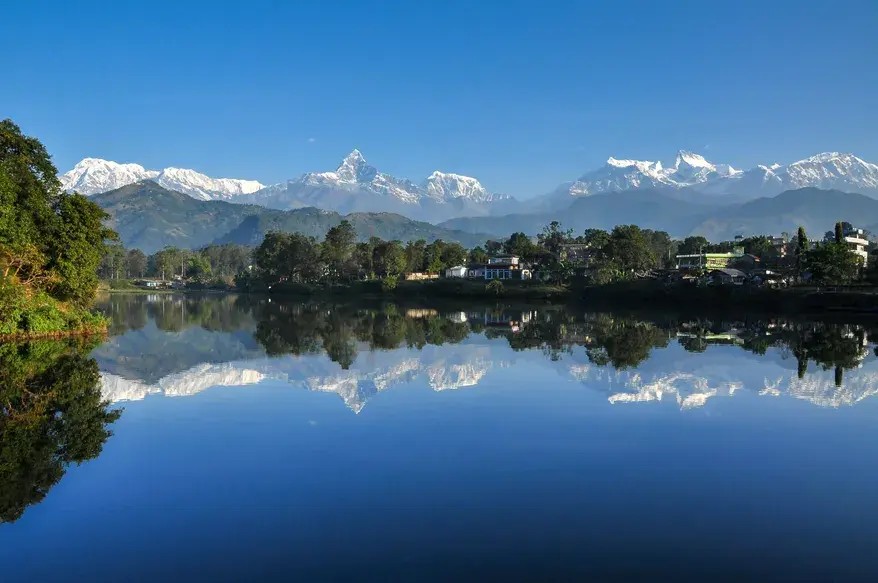
Pokhara's setting inspires immediate wonder. Phewa Lake reflects the Annapurna range, creating mirror images of peaks sacred in both Hindu and Buddhist traditions. The Machhapuchhre (Fishtail) peak dominates the view — a mountain so sacred that climbing it remains forbidden.
The afternoon allows gentle exploration of the lakeside area. This is not the intense temple circuit of Kathmandu but a softer introduction to Pokhara's contemplative landscape.
Pokhara's significance differs from Kathmandu's ancient temple culture. This region offers connection with natural sacred spaces, opportunities for deeper meditation practice, and preparation for the final leg of the pilgrimage to Lumbini.
The yoga and meditation retreat Nepal dimensions of the journey deepen in Pokhara's peaceful environment.
The day begins before dawn with a journey to Sarangkot viewpoint above Pokhara. As the sun rises over the Himalayas, illuminating peaks from Dhaulagiri through the entire Annapurna range to Manaslu, witnesses experience why these mountains have always inspired reverence.
Morning meditation at Sarangkot, guided by our experienced teachers, draws upon the energy of this extraordinary landscape. The practice connects internal awareness with the vast external spaciousness visible in all directions.
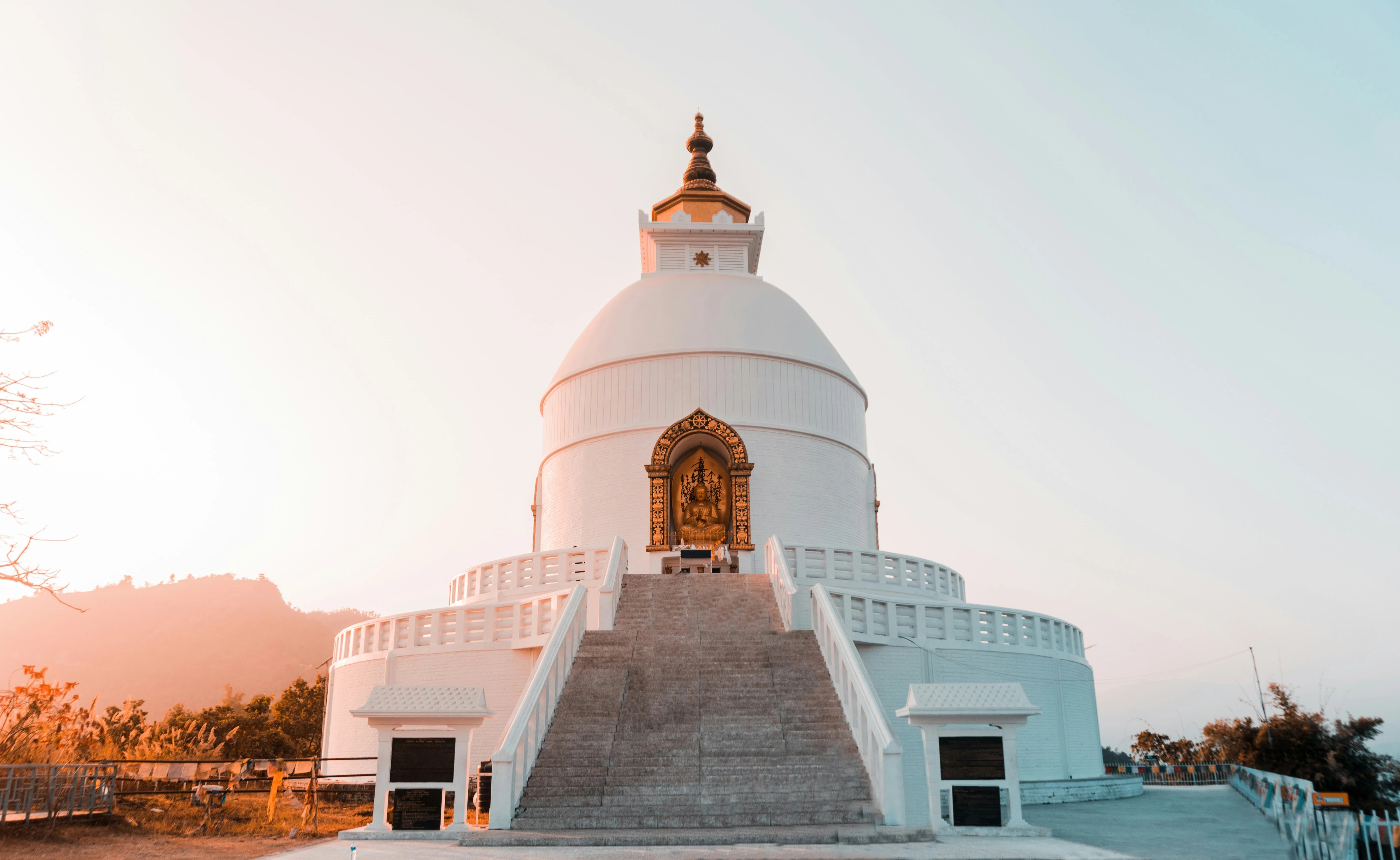
The Japanese-built World Peace Pagoda overlooks Phewa Lake from the southern hills. One of eighty peace pagodas constructed worldwide by the Nipponzan-Myōhōji Buddhist order, this white stupa enshrines relics of the Buddha and promotes world peace through prayer.
The journey to the pagoda can be accomplished by road, by boat across Phewa Lake combined with hiking, or by hiking alone from the lakeside. Each approach offers different experiences — convenience, adventure, or pilgrimage exertion.
At the pagoda itself, circumambulation practice continues. The view encompasses lake, city, and mountains, reminding practitioners that peace must extend in all directions to be genuine.
Beyond tourist-frequented Phewa Lake, Pokhara's valley contains additional sacred waters. Begnas and Rupa lakes maintain more traditional atmospheres, with fishing communities and small temples along their shores.
Visiting these quieter waters provides contrast to Pokhara's developed lakeside. Here, the relationship between local communities and sacred landscape remains more visible, less mediated by tourism infrastructure.
Pokhara hosts numerous facilities offering extended contemplative experiences. Our itinerary includes sessions at established centers with qualified teachers, providing practical instruction that travelers can carry home.
The teachings offered are not commercialized wellness products but authentic techniques from Nepal's living traditions. Students learn practices they can maintain independently, making the benefits of the journey sustainable beyond their time in Nepal.
As the Pokhara day concludes, anticipation builds for the journey's culminating destination. Lumbini — the birthplace of Siddhartha Gautama, the historical Buddha — awaits.
Our guides share historical and contextual preparation for what lies ahead. Understanding Lumbini's significance before arrival deepens the eventual experience.
Approximately 2,600 years ago, Queen Mayadevi paused in a garden while traveling to her parents' home for childbirth. There, grasping the branch of a sal tree, she gave birth to Siddhartha Gautama — the prince who would become the Buddha, the Awakened One.
This event, foundational to Buddhism, occurred at Lumbini in what is now Nepal's Rupandehi District. For the world's 500 million Buddhists, Lumbini holds significance comparable to Bethlehem for Christians or Mecca for Muslims.
The Lumbini pilgrimage experience represents the journey's apex — arriving at the source from which all Buddhist teaching flows.
The journey from Pokhara to Lumbini requires approximately five to six hours by road, descending from the hills to the Terai plains. Alternatively, flights connect Pokhara to Bhairahawa airport, from which Lumbini is approximately 30 minutes by car.
The road journey reveals yet another dimension of Nepal's geography — the flat, fertile Terai region that borders India. This landscape, so different from mountains and valleys, hosted the Buddha's birth and early years.
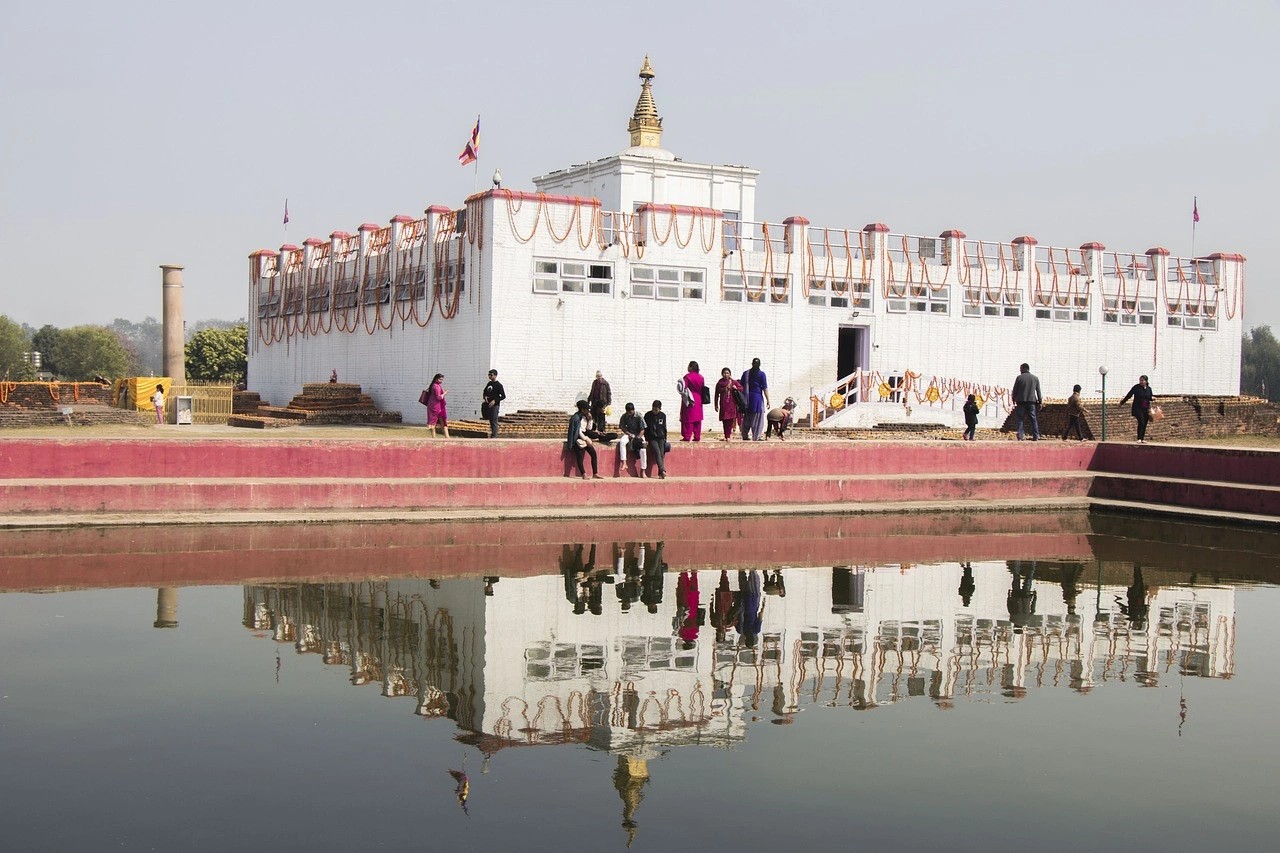
Entering Lumbini's Sacred Garden, pilgrims pass through modern facilities into ancient sacred space. The Mayadevi Temple, marking the exact birth spot, sits within gardens containing the ancient Ashoka Pillar (erected by Emperor Ashoka in 249 BCE), the sacred pool where Mayadevi bathed before giving birth, and the remains of ancient monasteries.
The contemporary temple structure protects archaeological remains beneath. Inside, visitors view the exact marker stone indicating the Buddha's birth location. The atmosphere is hushed, reverent, charged with centuries of accumulated devotion.
Standing at this spot, one stands where the being who would teach the path to liberation first entered human form. Whether one follows Buddhist practice or not, the historical and contemplative significance is undeniable.
Emperor Ashoka's pillar inscription represents the oldest known reference to the Buddha's birth location. Ashoka, having converted to Buddhism after witnessing war's horrors, marked sacred sites throughout his empire. This pillar's survival confirms Lumbini's identification and connects contemporary visitors to ancient pilgrimage tradition.
Accommodation near Lumbini allows early morning and evening visits when crowds thin and contemplative atmosphere deepens. The gardens and monastic zone are most powerful during quiet hours.
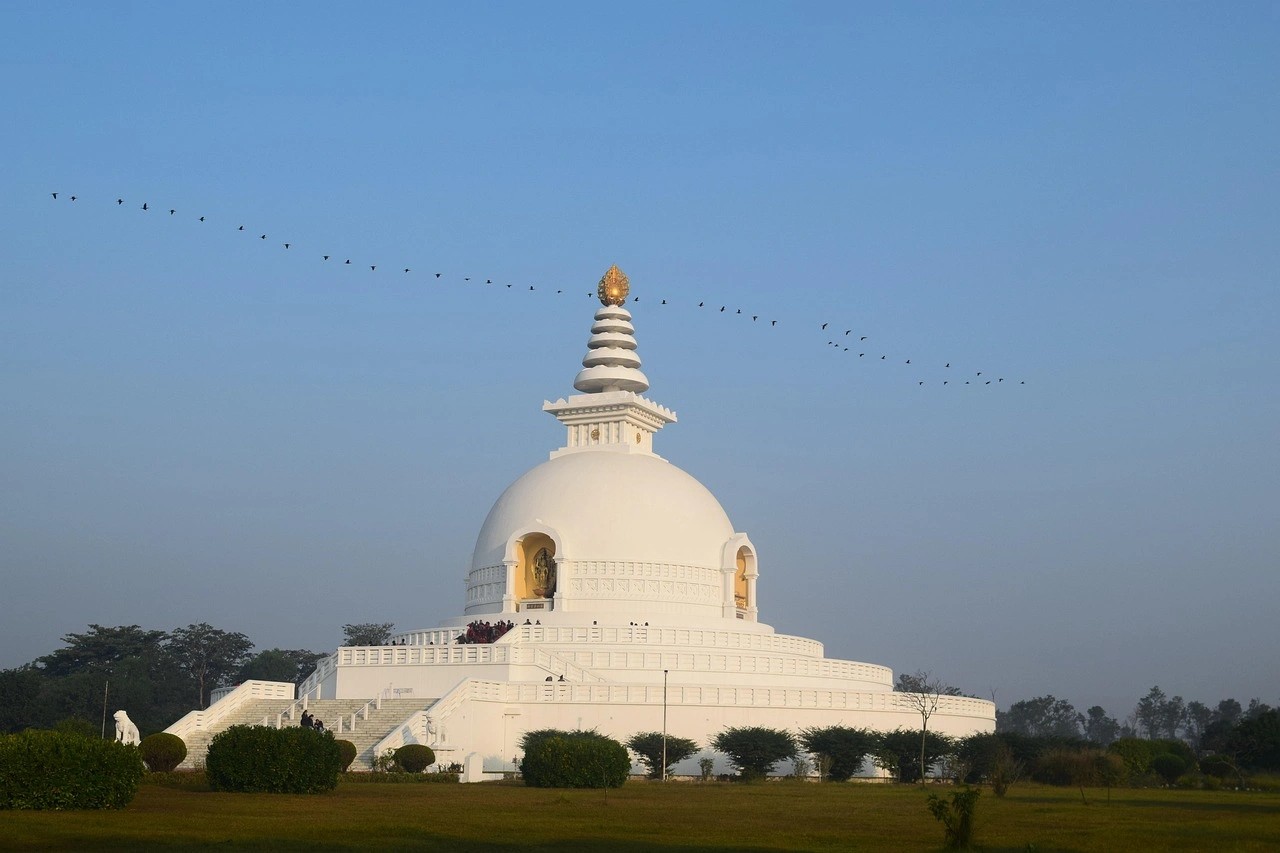
Lumbini's master plan, designed by Japanese architect Kenzo Tange, established zones for monasteries representing Buddhism's different national expressions. Countries with significant Buddhist populations were invited to build monasteries reflecting their architectural and practice traditions.
The result is a unique opportunity to experience global Buddhist diversity within walking distance. Theravada temples from Thailand, Myanmar, and Sri Lanka stand near Mahayana monasteries from China, Korea, and Japan. Tibetan Buddhist institutions represent the Vajrayana tradition. Each structure expresses Buddhism as filtered through distinct cultural lenses.
Theravada Buddhism, the "Teaching of the Elders," predominates in Southeast Asia and Sri Lanka. This tradition emphasizes monasticism, the historical Buddha's teachings as preserved in the Pali Canon, and individual liberation through meditation and ethical conduct.
The Theravada monasteries in Lumbini reflect architectural styles from their home countries. The Thai monastery features the distinctive multi-tiered roofs of Southeast Asian Buddhist architecture. The Myanmar (Burmese) temple displays golden spires. The Sri Lankan monastery echoes ancient Sinhalese design.
Visiting these structures reveals how Buddhism adapted to different cultures while maintaining core teachings. The same commitment to liberation through wisdom and compassion expresses itself through remarkably diverse forms.
Mahayana Buddhism, the "Great Vehicle," developed later, emphasizing the bodhisattva ideal — practitioners who postpone their own final liberation to assist all beings toward enlightenment. This tradition predominates in East Asia.
The Chinese monastery in Lumbini represents traditional Chinese Buddhist architecture, with red walls, upturned eaves, and intricate paintings. The Korean monastery offers yet another aesthetic expression. Japanese structures contribute additional perspectives.
These monasteries often welcome visitors for short meditation sessions or temple tours. Our guides identify which institutions are most receptive on any given day and facilitate respectful visits.
Vajrayana Buddhism, the "Diamond Vehicle," developed in India and flourished in Tibet. This tradition emphasizes ritual, visualization, mantra, and guru devotion as accelerated paths to enlightenment.
Tibetan monasteries in Lumbini bring Himalayan Buddhist architecture to the plains. Their structures feature the prayer wheels, colorful paintings, and distinctive aesthetic familiar from Boudhanath and Namobuddha.
At the Monastic Zone's center burns the Eternal Peace Flame, lit from flames representing the world's major religions. This symbolic center reinforces Lumbini's identity not merely as a Buddhist pilgrimage site but as a location dedicated to universal peace.
The day concludes with return to the Sacred Garden during evening hours. With day-trip crowds departed, the atmosphere deepens. Many pilgrims experience their most meaningful moments during these quieter visits, when contemplation is undisturbed.
The guided pilgrimage experience across Nepal reaches its culmination here, at the source from which Buddhist teaching emanated to benefit countless lives across millennia.
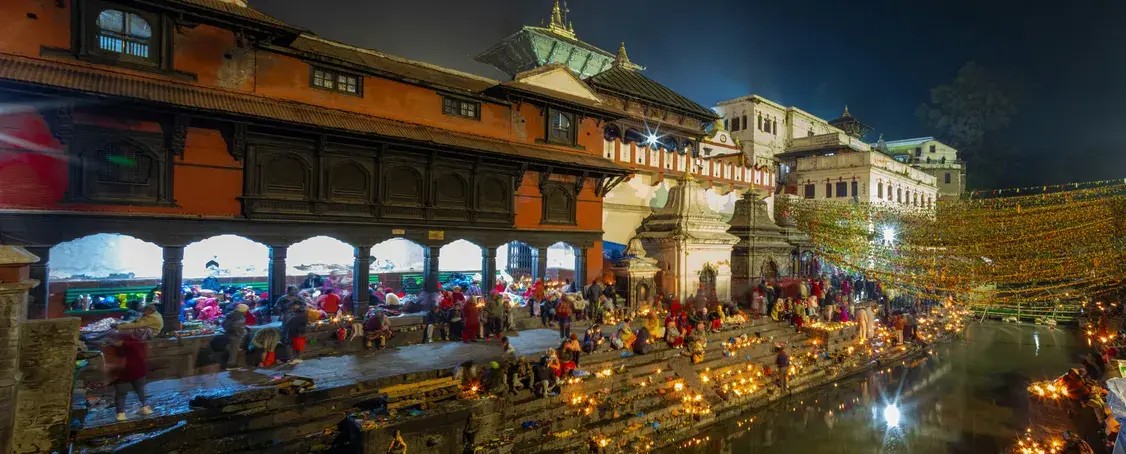
Before departure, early morning offers final opportunity for meditation or circumambulation in the Sacred Garden. Many pilgrims experience these last hours as most precious, knowing departure approaches.
Our guides facilitate whatever practice or time travelers need. Some wish to sit in extended meditation. Others prefer walking quietly among the sacred trees. Still others use the time for journaling or photography. All approaches honor the pilgrimage's conclusion.
The return journey — by road or combining road and flight — reverses the geographic progression. Rising from the Terai plains, ascending through hills, and finally entering the Kathmandu Valley, travelers retrace steps while carrying changed inner landscapes.
This travel day serves integration purposes. The intensity of Lumbini requires processing time. Conversations with guides, reflection on experiences, and simple rest support this integration.
Returning to Kathmandu after the pilgrimage circuit feels different from the initial arrival. The same streets, the same traffic, the same temple spires visible above rooftops — yet the traveler perceiving them has shifted.
This shift marks pilgrimage's success. Sacred travel changes not primarily external knowledge but internal orientation. The complete program aims at this reorientation.
On the final full evening, we host a simple gathering celebrating the journey's completion. This is not elaborate ceremony but genuine acknowledgment of shared experience.
Guides and travelers often develop meaningful connections during ten days of intensive shared experience. This evening honors those connections while marking the transition back toward ordinary life.
Pilgrimage traditions recognize departure as significant. Leaving sacred geography, returning to ordinary life, pilgrims carry changed consciousness into familiar environments.
The question becomes: How will this experience influence daily life? What practices, perspectives, or intentions will survive the return to routines, responsibilities, and relationships waiting at home?
Our team handles airport transfers with the same care applied throughout the journey. Departure logistics need not create stress that undermines the peaceful state cultivated over ten days.
Final conversations with guides offer opportunity for questions, recommendations for continued practice, or simply expression of gratitude for shared experience.
Physical pilgrimage ends with departure, but inner work continues indefinitely. This immersive Nepal meditation tour plants seeds requiring ongoing cultivation.
Meditation practices learned during the journey can be maintained at home. Understanding gained about Buddhist and Hindu traditions can deepen through continued study. Connections with guides and fellow travelers can be maintained across distances.
We encourage travelers to maintain contact with Majestic Trails Nepal. Sharing how experiences have influenced life after return enriches our understanding and helps future travelers.
Nepal's sacred sites remain accessible year-round, but certain seasons offer optimal conditions:
October–November (Autumn): The most popular season for Nepal travel offers clear skies, comfortable temperatures, and major festivals including Dashain and Tihar. Mountain views are best during these months. However, crowds at major sites are largest.
February–April (Spring): Rhododendrons bloom in highland areas, temperatures warm gradually, and fewer tourists visit than in autumn. Holi and other festivals add cultural dimensions. Occasional rain may occur toward April.
December–January (Winter): Cool temperatures in Kathmandu and Pokhara, though the Terai (including Lumbini) remains comfortable. Fewer tourists mean more peaceful temple visits. Morning fog occasionally limits mountain views.
June–September (Monsoon): Rain falls regularly, sometimes heavily, but sacred sites remain accessible. Far fewer tourists visit, creating intimate atmospheres at major pilgrimage sites. The landscape is lushest and most green during monsoon.
Timing travel to coincide with major festivals adds extraordinary dimensions:
Buddha Jayanti (April–May): Celebrating the Buddha's birth, enlightenment, and death, this full-moon festival sees Lumbini and Buddhist sites throughout Nepal filled with pilgrims, rituals, and special ceremonies.
Dashain (September–October): Nepal's largest Hindu festival extends over fifteen days, culminating in family gatherings, animal sacrifices at temples, and nationwide celebration. Temples are especially active during this period.
Tihar (October–November): The festival of lights honors various beings over five days — crows, dogs, cows, oxen, and siblings. Houses are illuminated, and the atmosphere throughout Nepal becomes celebratory.
Maha Shivaratri (February–March): The great night of Shiva brings hundreds of thousands of pilgrims to Pashupatinath for all-night rituals, fires, and devotional practices.
Respectful behavior at sacred sites honors both the traditions and fellow devotees:
Dress modestly: Cover shoulders and knees at all religious sites. Remove hats inside temples and monasteries.
Remove shoes: Leave footwear outside temple sanctuaries. Socks are acceptable on cold stone floors.
Walk clockwise: Circumambulate Buddhist stupas and shrines in a clockwise direction. This applies to walking around temples and spinning prayer wheels.
Ask before photographing: Some sacred spaces prohibit photography entirely. Others permit it except during ceremonies. Monks and sadhus may or may not welcome photos — ask first.
Avoid pointing: Do not point at religious images with fingers. If indicating direction is necessary, use an open hand.
Receive blessings appropriately: If offered tika (the red mark applied to foreheads) or other blessings, receive them graciously. These gestures honor you as a visitor.
While not a trekking journey, this Nepal spiritual journey involves considerable walking on uneven surfaces, stairs at temple complexes, and occasional modest altitude. Basic fitness preparation helps maximize enjoyment:
Entering sacred spaces with prepared minds enhances experience:
Study beforehand: Basic understanding of Hindu and Buddhist concepts enriches site visits. Read about karma, dharma, the Buddha's life, and the pantheon of Hindu deities.
Establish practice: If possible, begin daily meditation practice before departure, even briefly. Arriving with established practice accelerates deeper experience.
Clarify intentions: Reflect on what you hope to gain, learn, or understand. While remaining open to unexpected insights, clear intention focuses the journey.
Release expectations: Nepal confounds expectations. Contemplative travel rarely unfolds as imagined. Prepare to be surprised, challenged, and changed in unexpected ways.
Individuals actively exploring traditions find Nepal exceptionally nourishing. Whether committed to specific paths or exploring openly, the concentration of sacred sites and living traditions offers unparalleled opportunity.
Those maintaining yoga or meditation practices discover contextual depth in Nepal. Understanding where these traditions originated, meeting practitioners formed within lineages, and practicing in sacred environments enriches routine into meaningful experience.
Academic interest in Hinduism, Buddhism, or comparative religion comes alive through direct encounter. Sites studied in texts become tangible. Practices read about become observable. Questions multiply even as some answers emerge.
Major life changes — retirement, grief, career shifts, relationship endings — often catalyze existential inquiry. The structured journey through sacred geography provides a container for inner processing that everyday life rarely allows.
Travelers exhausted by superficial tourism discover substance in pilgrimage. Rather than collecting photographs and souvenirs, this journey offers potential inner change that continues long after return.
Groups seeking to understand traditions beyond their own find Nepal exceptionally educational. The living harmony of Hinduism and Buddhism demonstrates interfaith coexistence, while site visits provide direct encounter with unfamiliar practices.
Not at all. While the journey visits Buddhist and Hindu sacred sites, it does not require adherence to either tradition. We welcome travelers from all religious backgrounds and those with no religious affiliation. The journey is designed to educate and inspire, respecting whatever orientation participants bring.
This itinerary requires moderate fitness — the ability to walk two to three hours daily with breaks, climb temple stairs, and navigate uneven surfaces. It does not involve high-altitude trekking or strenuous physical challenges. Travelers with mobility limitations should discuss specific needs with us before booking.
Yes. Many travelers wish to spend additional days in Lumbini for deeper meditation practice, extend time in Pokhara for yoga retreat, or add trekking to their Nepal experience. We customize itineraries to accommodate such requests.
We use comfortable mid-range hotels and guesthouses, selected for cleanliness, location, and atmosphere conducive to reflective travel. Luxury options are available upon request. At Namobuddha, simple monastery guesthouse accommodation is an option for those wishing deeper immersion.
Nepal offers excellent vegetarian cuisine, influenced by both Hindu tradition and Buddhist practice. Vegetarian options are available at every meal. Vegan accommodations require advance notice but are achievable.
Nepal welcomes solo female travelers, and our guides prioritize safety and comfort for all participants. Many of our travelers are women exploring independently or in female-only groups. We take appropriate precautions while avoiding unnecessary restrictions.
Participation in rituals is always optional. Observers are welcome at ceremonies without requirement to participate actively. Those wishing deeper engagement — receiving blessings, participating in rituals — may do so as appropriate and desired.
Nepal's mountain views depend on weather conditions, particularly during monsoon season. While we schedule viewpoint visits during optimal times, clear views cannot be guaranteed. The contemplative dimensions of the journey remain powerful regardless of weather.
We strongly recommend comprehensive travel insurance covering medical evacuation. While this journey does not involve high-risk activities, Nepal's infrastructure requires evacuation capability in case of serious medical emergency.
For optimal accommodation selection and guide availability, booking two to three months in advance is recommended. During peak season (October–November), earlier booking is advisable. Last-minute arrangements are sometimes possible but limit options.
At Majestic Trails Nepal, we have witnessed hundreds of travelers arrive seeking something they cannot quite name and depart changed in ways they did not anticipate.
The Nepal spiritual journey works on multiple levels simultaneously. Intellectually, it educates about traditions shaping billions of lives worldwide. Emotionally, it opens hearts through beauty, devotion, and encounter with human suffering and aspiration. Existentially, it connects travelers with energies accumulated at sacred sites over millennia.
We do not promise enlightenment or easy answers. Genuine pilgrimage disturbs as much as it comforts, questions as much as it answers, dismantles as much as it builds.
What we do promise is authentic encounter with Nepal's sacred heritage, facilitated by guides who know this land intimately and care deeply about sharing it responsibly. Check our Our - 10 days spiritiual Tour in Nepal
The mountains have watched civilizations rise and fall. The temples have sheltered seekers for centuries. The teachings have passed from teacher to student across millennia. And now, for a brief ten days, you have opportunity to join this ancient stream.
The journey awaits.
Majestic Trails Nepal was founded by licensed Nepali guides committed to sharing their homeland's richness with travelers worldwide. Our team combines professional expertise with genuine personal practice, offering guidance that transcends tourist service to become genuine accompaniment on the path. Contact us.

Gyalpo Losar, the Tibetan New Year, is a festival of immense cultural, religious, and social importance for the Tibetan people, including the Sherpa c...

Let's cut straight to it. Autumn, specifically September through November, is the best time to trek in Nepal. Spring runs a very close second, coverin...
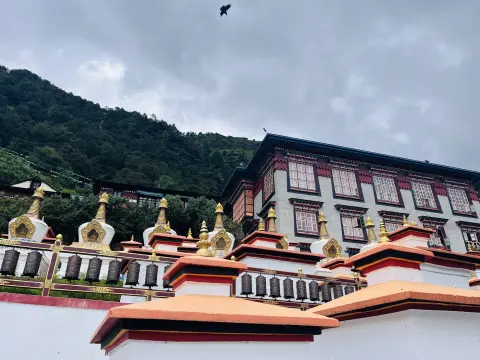
Situated in the peaceful Solu-Khumbu region of Nepal, near the village of Junbesi, Thupten Chholing Monastery is a living testament to Tibetan Buddhis...
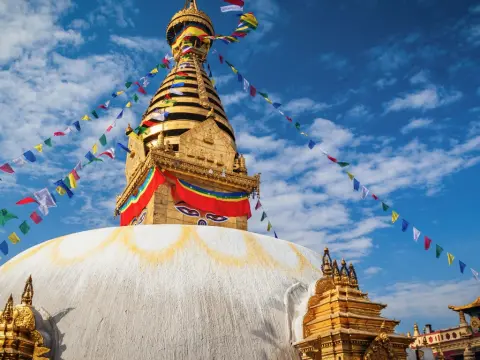
People visiting Kathmandu almost always ask the same two questions about Swayambhunath: how high is it, and where exactly is it? Seems simple. But the...
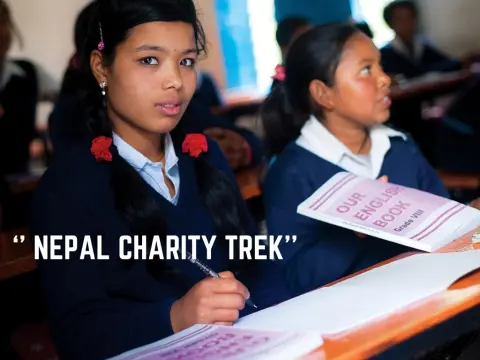
Launching in 2026, Majestic Trails Nepal introduces a Nepal charity trek that redefines what meaningful travel should look like.We've spent years guid...
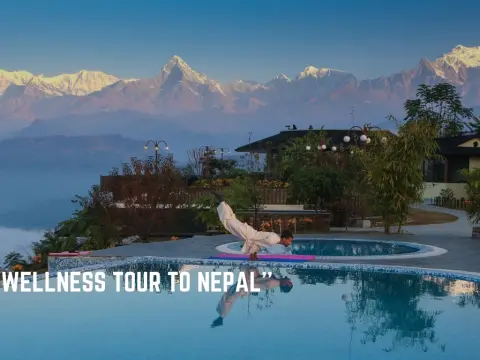
There's a moment that happens somewhere between your first mountain sunrise and your final meditation session. It's the moment you realize you've been...

Introduction"Tailor-made Nepal trips put you in control: Discuss routes, adjust plans, and experience the Himalayas your way with expert local guides"...
