
Best Time to Trek in Nepal
17 Jan 2026
Let's cut straight to it. Autumn, specifically September through November, is the best time to trek in Nepal. Spring runs a very close second, coverin...

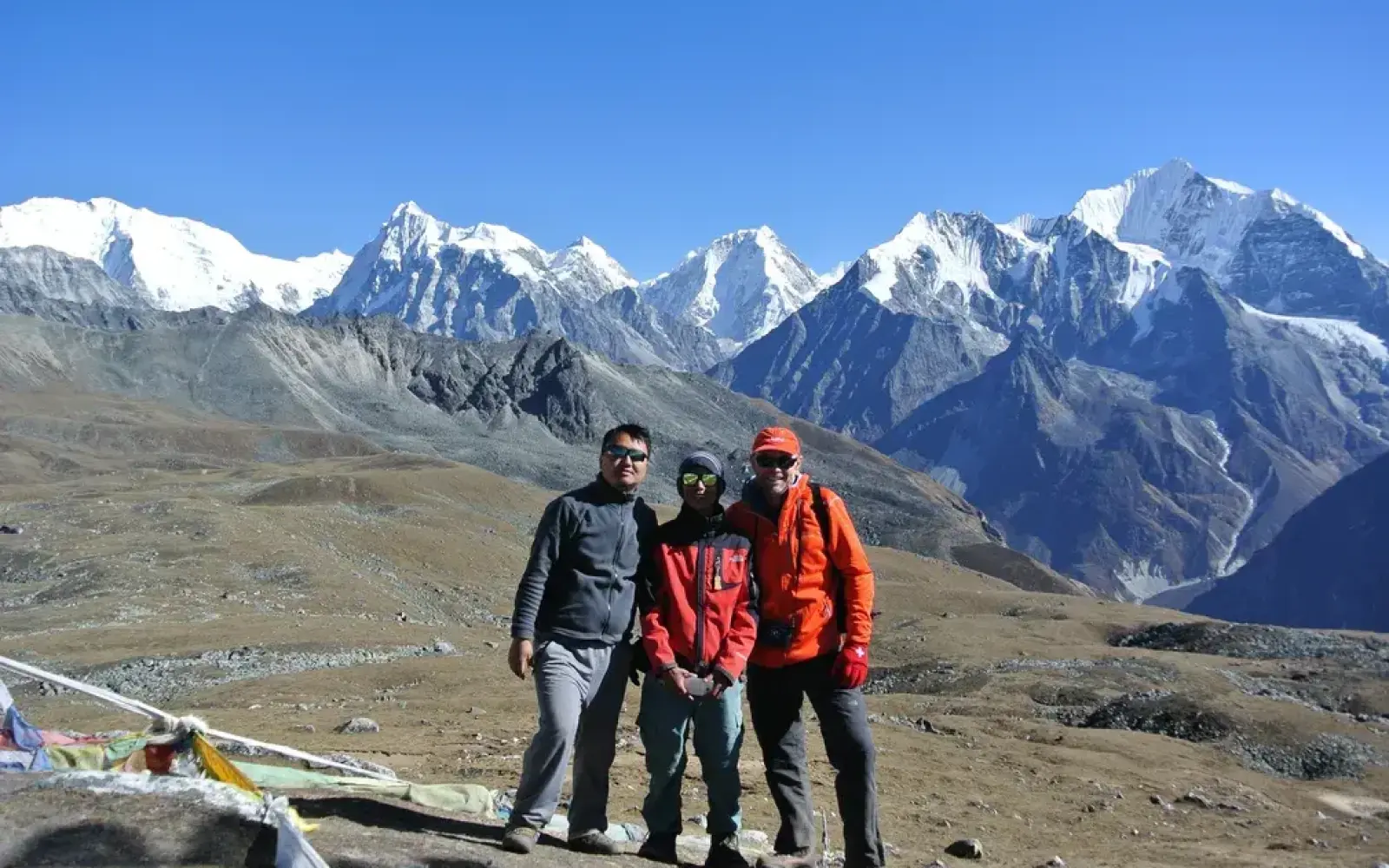

When travelers ask us about the reasons to choose Langtang Valley Trek, our team at Majestic Trails Nepal always shares the same honest perspective: this trek offers the complete Himalayan experience without the overwhelming crowds, extreme difficulty, or massive time commitment of more famous routes.
We've guided hundreds of trekkers through Langtang's ancient forests, traditional Tamang villages, and spectacular high-altitude valleys. What strikes us most is how consistently this trek exceeds expectations—whether someone is completing their first Himalayan adventure or their tenth.
Langtang combines dramatic mountain scenery, authentic cultural encounters, diverse ecosystems, and accessible logistics into a single journey. The valley's recovery and rebuilding after the 2015 earthquake has created an even stronger sense of community, making your visit meaningful beyond the spectacular landscapes.
This comprehensive guide explores exactly why Langtang deserves serious consideration for your Nepal trekking adventure.
Top Reasons at a Glance:
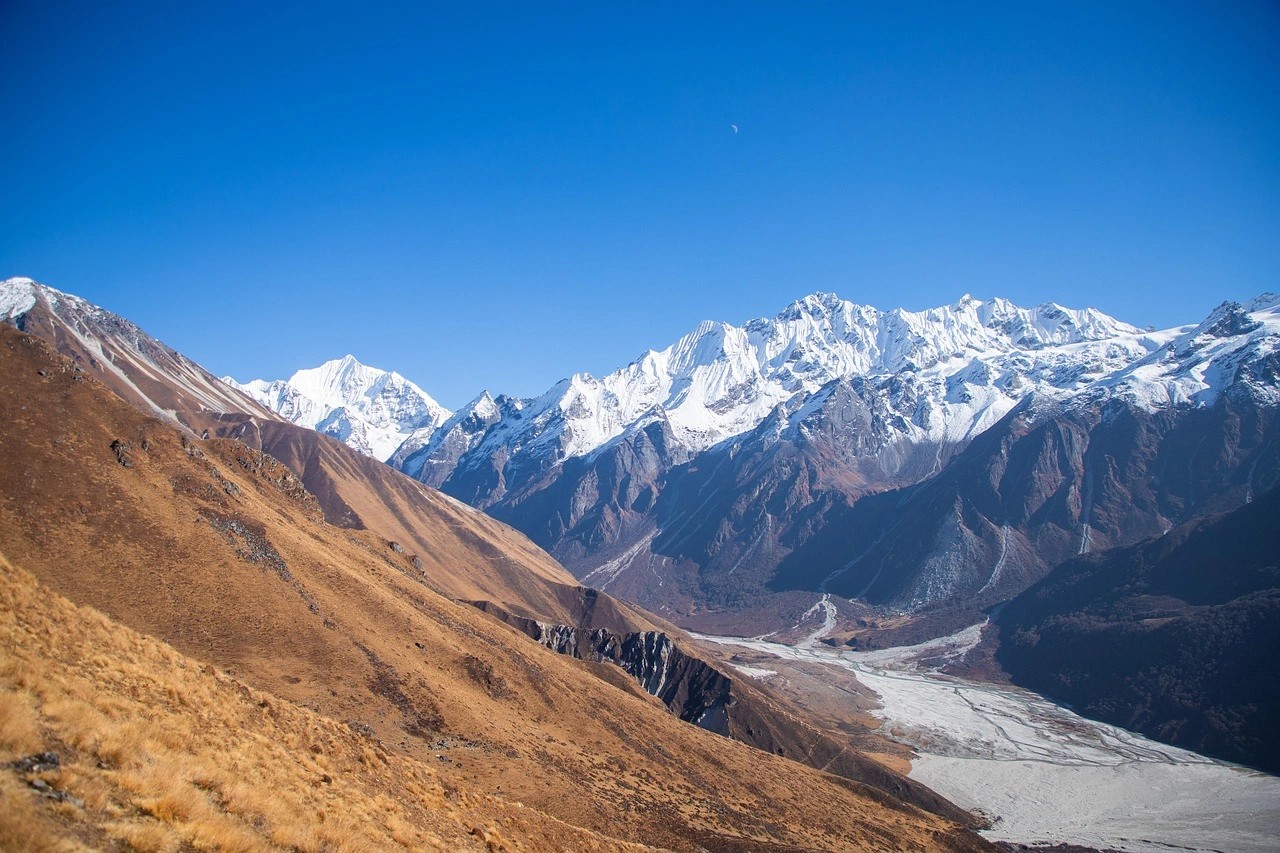
The Langtang Valley Trek highlights include some of Nepal's most dramatic mountain scenery. You'll trek beneath towering peaks including:
From Kyanjin Gompa at 3,870 meters, you're surrounded by a 360-degree amphitheater of glaciated peaks. The optional sunrise hike to Kyanjin Ri (4,773m) or Tserko Ri (4,984m) provides panoramic vistas comparable to any viewpoint in Nepal.
Unlike the Everest Base Camp or Annapurna Circuit trails where you might encounter hundreds of trekkers daily during peak season, Langtang maintains a peaceful atmosphere. Even during October and November—the busiest months—trails feel spacious and uncrowded.
Insider Perspective: "I've guided both EBC and Langtang for over a decade. In Langtang, my groups actually get to know other trekkers because there are fewer people. At Kyanjin Gompa, everyone gathers in the same few teahouses, creating a genuine community feeling that's been lost on busier routes." — Mingma Sherpa, Senior Guide, Majestic Trails Nepal
This balance between accessibility and tranquility ranks among the strongest advantages of Langtang trek over more commercialized alternatives.
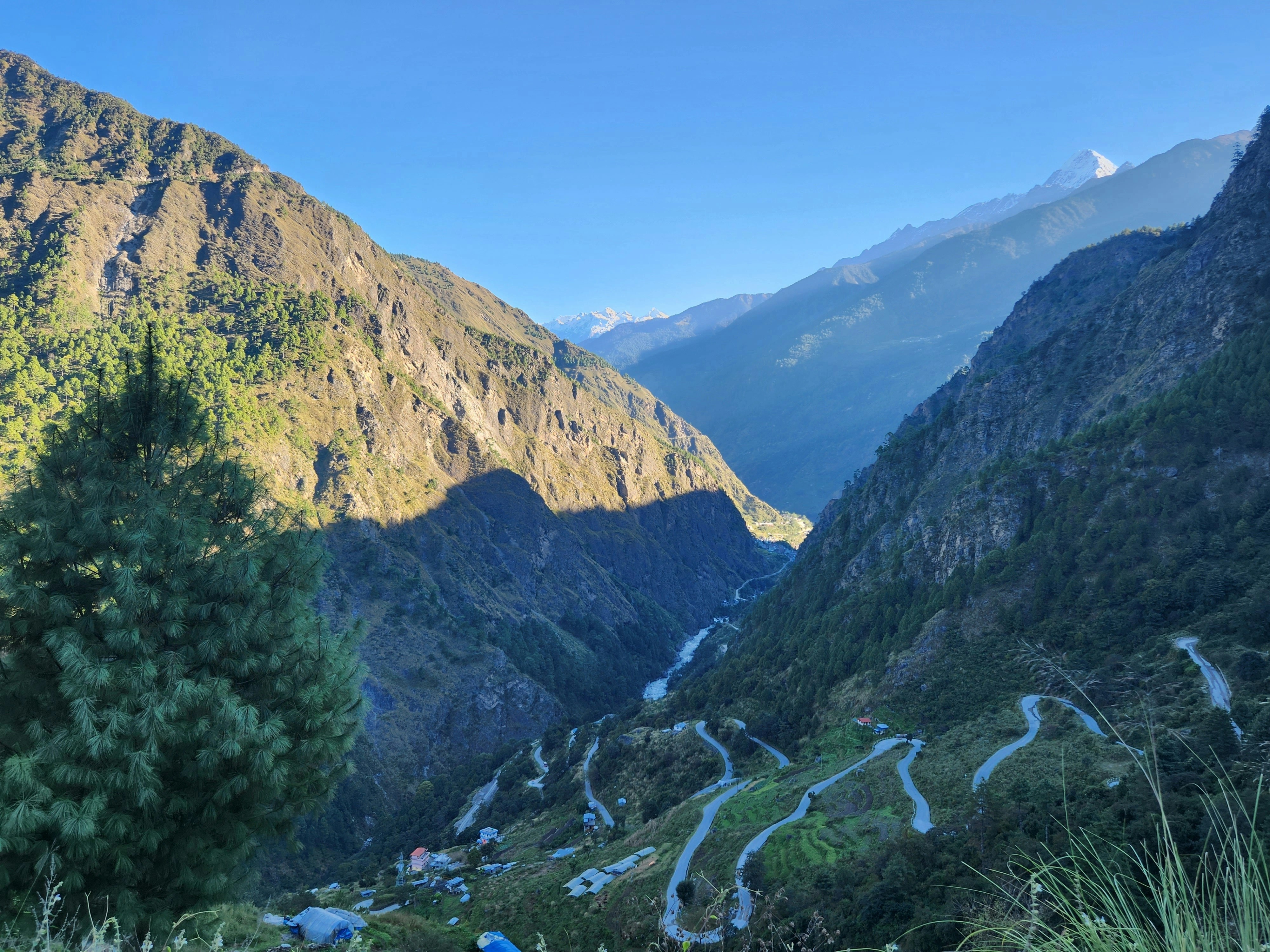
One practical reason why trek Langtang Valley is its proximity to Nepal's capital. The journey breaks down simply:
| Route | Distance | Travel Time | Transport |
|---|---|---|---|
| Kathmandu to Syabrubesi | ~120 km | 7-8 hours | Private jeep or local bus |
| Return journey | Same | 6-7 hours | Same options |
Compare this to:
Flight-Free Reliability: No weather delays, cancellations, or expensive helicopter backups. Road conditions are generally reliable year-round.
Budget Savings: The jeep/bus costs fraction of Lukla flights, making Langtang significantly more affordable from day one.
Flexibility: Easy to adjust departure or return dates without rebooking flights or losing deposits.
Scenic Journey: The drive itself offers incredible views of terraced farmlands, Trishuli River gorges, and mountain landscapes.
For travelers with limited vacation time, starting your trek the day after arriving in Kathmandu is entirely feasible. This efficiency is a major component of the Langtang Valley experience that working professionals particularly appreciate.
Explore our detailed Langtang Valley Trek itinerary to see how we maximize your time in the mountains.
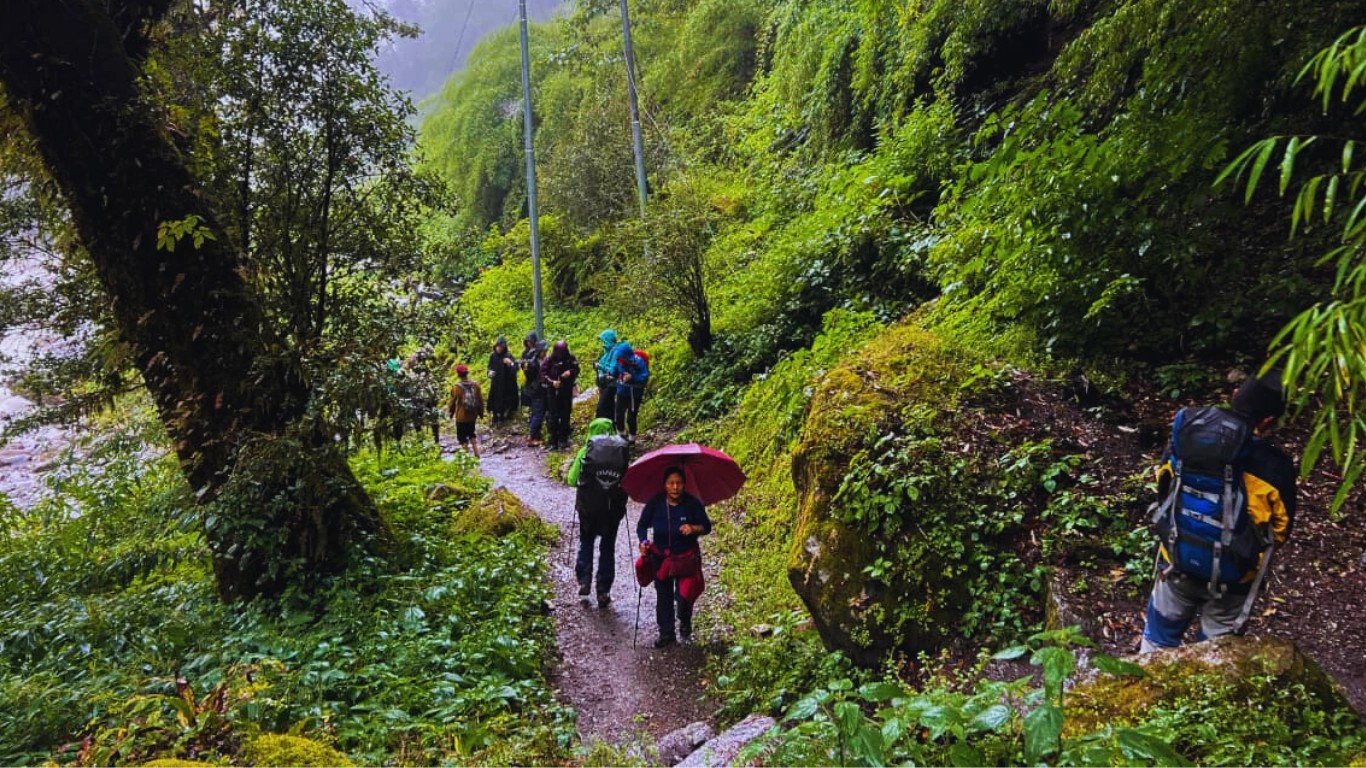
The Langtang Valley Trek occupies the ideal middle ground—challenging enough to feel accomplished, accessible enough for prepared beginners.
Difficulty Profile:
The beauty of Langtang lies in its flexibility:
This adaptability means groups with varying fitness levels can trek together, each person choosing their comfort level for optional high-altitude excursions.
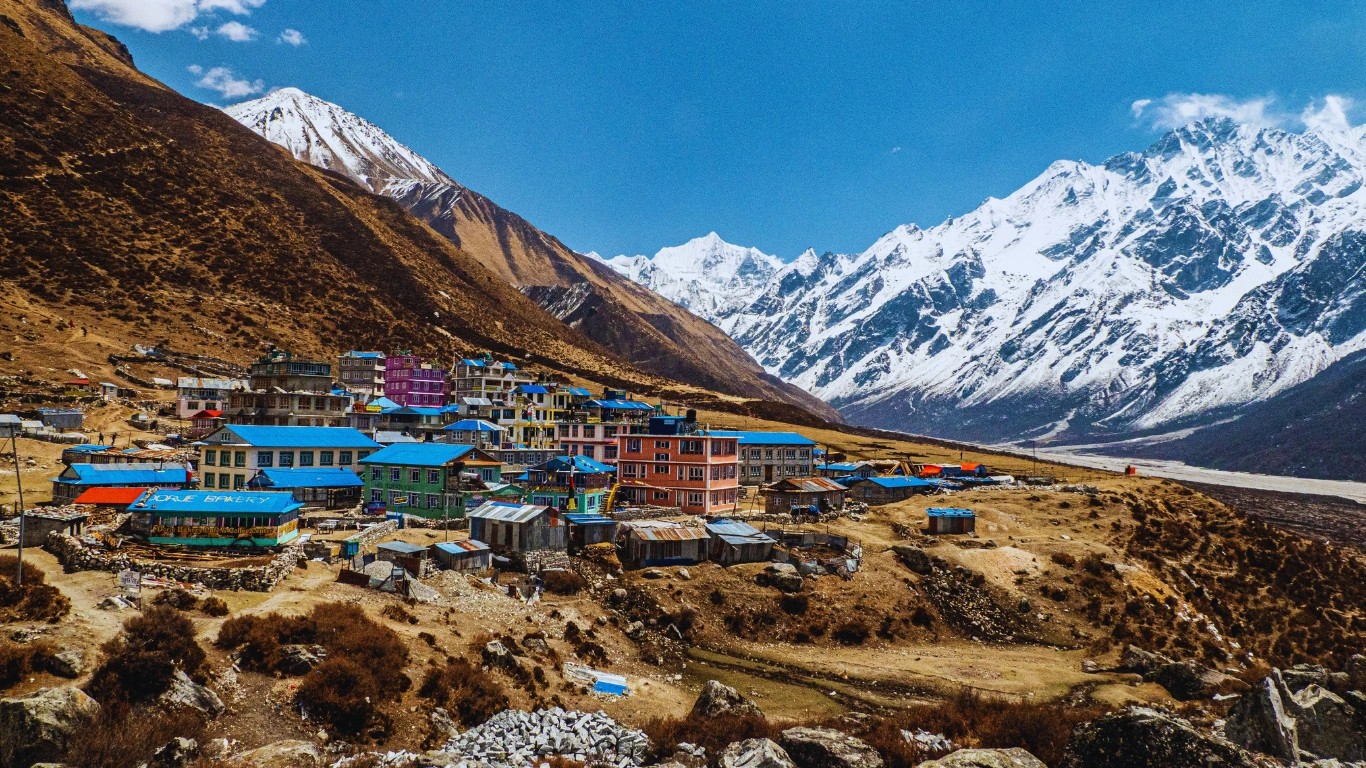
The Langtang Valley Trek highlights extend far beyond landscapes. The Tamang people—indigenous to this region—maintain traditions dating back centuries while welcoming trekkers with genuine hospitality.
Cultural Encounters Include:
Many Tamang villagers speak basic English, and your guide serves as cultural interpreter, explaining:
One meaningful benefit of trekking Langtang is your direct contribution to communities still rebuilding. The 2015 earthquake devastated the valley, particularly Langtang village. Your trek supports:
Guide's Reflection: "When trekkers ask about the best souvenirs, I always suggest buying yak cheese at Kyanjin Gompa or prayer flags directly from local artisans. The money goes straight to families, and you take home something authentic." — Pasang Tamang, Cultural Guide, Majestic Trails Nepal
Unlike more commercialized trekking regions, Langtang maintains authentic village rhythms. You're not visiting a tourist zone—you're guests in working communities.
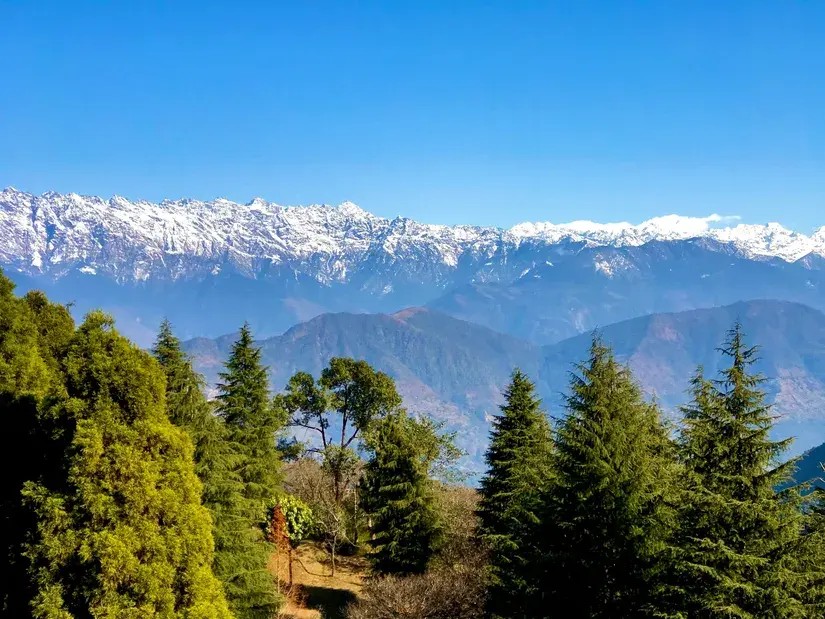
Established in 1976, Langtang National Park protects 1,710 square kilometers of diverse ecosystems ranging from subtropical forests to alpine meadows and glaciated peaks.
This protected status means stricter environmental regulations, better trail maintenance, and wildlife preservation—all enhancing your trekking experience.
Lower Elevations (1,500m - 2,500m):
Middle Elevations (2,500m - 3,500m):
High Altitudes (3,500m+):
While sightings require patience and luck, the park hosts:
Bird Species: Over 250 recorded species including:
Photography Tip: "Early morning walks near Kyanjin Gompa offer the best wildlife photography opportunities. The resident herd of Himalayan tahr often grazes near the gompa around sunrise, and the light is perfect for mountain shots." — Pemba Lama, Photography Guide, Majestic Trails Nepal
The national park designation also means your permit fees directly fund conservation efforts, making your trek environmentally meaningful.
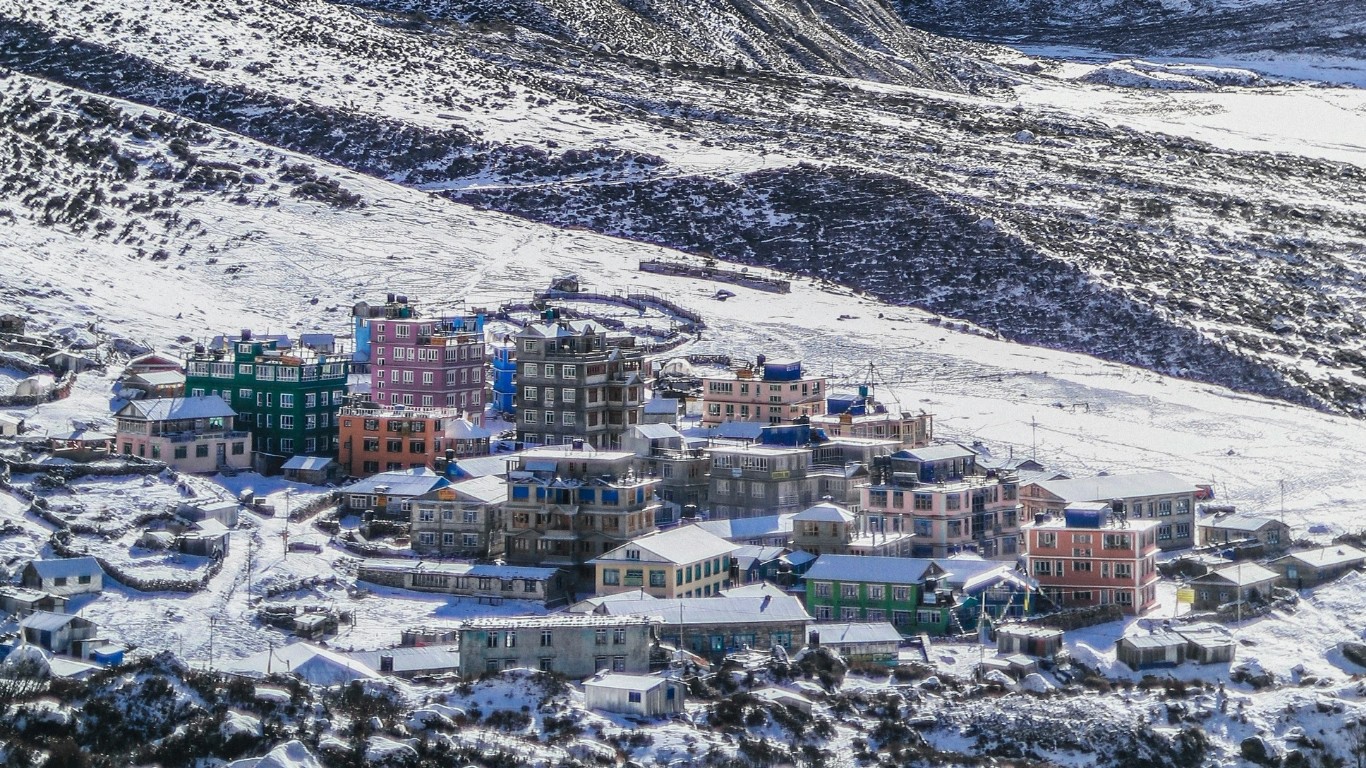
Kyanjin Gompa serves as the trek's main destination, but it's far more than a turnaround point. This small settlement at 3,870 meters combines spiritual significance, community gathering space, and adventure base camp.
The gompa (Buddhist monastery) dates back several centuries and serves as the spiritual heart of the valley. Features include:
Cultural Etiquette: Always walk clockwise around Buddhist monuments, ask permission before photographing monks, and dress respectfully when entering prayer halls.
Adjacent to the settlement, the cheese factory produces traditional yak cheese using methods taught by Swiss aid workers decades ago. You can:
This represents a successful sustainable development project that provides income without compromising traditional lifestyles.
Using Kyanjin Gompa as a base, several optional excursions expand your Langtang Valley experience:
Kyanjin Ri (4,773m):
Tserko Ri (4,984m):
Langshisha Kharka:
Yala Peak (5,500m):
Most itineraries include at least one full rest day at Kyanjin Gompa. This crucial acclimatization period allows your body to adapt while you explore the area, visit the monastery, sample local food, and enjoy the mountain atmosphere.
The settlement's teahouses offer comfortable accommodation (by trekking standards), making it an enjoyable place to spend extra time rather than merely a checkpoint to reach.
Spring transforms Langtang into one of Nepal's most colorful trekking destinations.
Rhododendron Forests:
Nepal's national flower blooms prolifically throughout the middle elevation forests. You'll walk through tunnels of blossoms in shades of:
Peak bloom timing: Late March through April at 2,500-3,000m elevation.
Other Spring Highlights:
Spring Considerations:
Most trekkers consider autumn the prime season for the Langtang Valley Trek.
Weather Advantages:
Visual Spectacle:
Cultural Bonus:
Autumn Considerations:
Winter (December - February):
Monsoon (June - August):
For current seasonal conditions and recommendations, consult our complete Langtang trekking guide which we update regularly.
One underappreciated reason to choose Langtang Valley Trek is the established safety infrastructure:
Health Posts:
Communication:
In genuine emergencies, helicopter rescue is possible from:
Response time: Typically 2-4 hours from emergency call to evacuation during good weather.
Cost: $3,000-$5,000 depending on location; covered by comprehensive trekking insurance (which we always require).
Unlike more remote routes, Langtang features:
Our Majestic Trails Nepal guides undergo:
Safety Philosophy: "We tell every group: reaching the destination is optional, returning safely is mandatory. I've turned groups around due to weather or trekker health issues many times. The mountains will always be there for another attempt." — Dawa Sherpa, Lead Safety Officer, Majestic Trails Nepal
This comprehensive safety network allows you to trek with confidence, knowing support systems exist if needed.
The benefits of trekking Langtang include significant budget advantages over other major routes:
| Trek | Average Total Cost (USD) | Main Factors |
|---|---|---|
| Langtang Valley | $600-$900 | Road access, shorter duration, lower permit fees |
| Everest Base Camp | $1,200-$1,800 | Lukla flights, longer trek, higher lodge costs |
| Annapurna Circuit | $800-$1,400 | Longer duration, varied permit zones |
| Manaslu Circuit | $1,000-$1,500 | Restricted area permit, longer trek |
Estimates include permits, guide/porter, accommodation, meals, and transportation for standard group treks
No Flight Costs: Ground transportation to Syabrubesi costs $25-40 per person each way, versus $350+ for Lukla flights.
Lower Permit Fees:
Compare to restricted area permits costing $100+ for some regions.
Shorter Duration: Fewer trekking days means lower total costs for:
Competitive Teahouse Prices: The Langtang valley maintains reasonable pricing due to moderate tourist numbers—prices haven't inflated to Everest-region levels.
Lower costs don't mean compromised experiences:
Check our transparent Langtang Valley Trek cost breakdown to see exactly where your money goes.
Photographers cite Langtang as one of Nepal's most rewarding trekking destinations for camera work.
Landscape Photography:
Cultural Photography:
Wildlife Photography:
Astro-Photography:
Best Spots Include:
Photography Tips from Our Guides:
"The golden hour lighting at Kyanjin Gompa is extraordinary. Get up for sunrise at Kyanjin Ri, then spend the next hour photographing the gompa and surrounding area as sunlight reaches the valley floor. The quality of light during this 90-minute window surpasses any other time of day." — Tashi Lama, Guide and Photographer, Majestic Trails Nepal
The visual diversity—from subtropical forests to glaciated peaks in a single week—provides portfolio-building opportunities for photographers at all levels.
The Langtang Valley experience can be customized to match your schedule and interests:
Short Version (7 days total):
Standard Version (9-10 days):
Extended Version (12-14 days):
Many mountaineers use Langtang as preparation for higher objectives:
Unlike some restricted areas with seasonal closures, Langtang remains open throughout the year. You can trek during shoulder seasons when other regions face difficulties, expanding your scheduling flexibility.
The national park regulations, combined with community awareness strengthened after earthquake recovery, create stronger environmental stewardship than some more commercialized regions:
Your trek supports these environmental efforts through permit fees and lodge choices.
After guiding hundreds of groups through Nepal's classic trekking routes, our team at Majestic Trails Nepal consistently recommends Langtang for specific reasons that go beyond marketing claims.
Langtang Valley Trek is worth doing because it combines spectacular Himalayan scenery, authentic cultural experiences, diverse ecosystems, and moderate difficulty into an accessible package. You'll experience genuine mountain trekking without the crowds of more famous routes, at a fraction of the cost, while supporting communities rebuilding after the 2015 earthquake. The trek offers exceptional value measured in both budget and experience quality.
Yes, Langtang is excellent for first-time trekkers with basic fitness and proper preparation. The moderate difficulty, gradual altitude gain, well-spaced teahouses, and established safety infrastructure make it ideal for Himalayan beginners. We recommend 2-3 months of hiking preparation, traveling with an experienced guide, and allowing extra days for acclimatization. Success rates for prepared first-timers are very high.
Langtang differs in several key ways: it's less crowded (maintaining peaceful trail atmosphere), more accessible from Kathmandu (no flights required), more affordable (lower permits and no flight costs), shorter in duration (7-10 days vs. 12-21 days), and reaches lower maximum altitude (reducing altitude sickness risk). The cultural experience feels more authentic with less commercialization. Mountain views are equally spectacular but in a more intimate valley setting.
We recommend 9-10 days total (including Kathmandu travel) for the optimal Langtang Valley Trek experience. This allows 7-8 days of actual trekking with one acclimatization day at Kyanjin Gompa and buffer time for weather delays. Shorter 7-day versions are possible but feel rushed. Extended 12-14 day itineraries can include Gosaikunda Lake or additional side trips. The flexibility to adjust based on your schedule is one of Langtang's advantages.
Yes, Langtang can be trekked year-round with appropriate preparation. Winter (December-February) requires proper cold-weather gear but offers excellent visibility and solitude—some teahouses close, limiting options. Monsoon (June-August) features rain, leeches, and cloud-obscured views but lowest prices and greenest landscapes. Spring (March-May) and autumn (September-November) remain optimal for weather, visibility, and teahouse availability.
Trekking Langtang directly supports earthquake recovery through teahouse stays, guide employment, porter jobs, and purchases of local products. The 2015 earthquake devastated the valley, and tourism provides crucial income for rebuilding. Your permit fees fund national park conservation and community development. Choosing local guides and staying in family-run lodges maximizes positive economic impact on villages still recovering.
While not legally required, we strongly recommend hiring a local guide for Langtang. Guides provide safety expertise (especially altitude sickness monitoring), cultural interpretation, navigation assistance, support for local employment, and enhanced overall experience. The modest cost is worthwhile for the value provided, and solo trekkers particularly benefit from the companionship and local knowledge guides offer.
The compelling reasons to choose Langtang Valley Trek extend far beyond this guide's scope. Every trek brings unique moments—sunrise illuminating Langtang Lirung's glaciated face, sharing butter tea with monastery monks, photographing rhododendron forests in full bloom, or simply sitting quietly at Kyanjin Gompa watching yaks graze against Himalayan backdrops.
What consistently strikes our guide team is how trekkers arrive with modest expectations and leave profoundly moved by their Langtang experience. The combination of natural beauty, cultural authenticity, achievable challenge, and meaningful travel creates something special that statistics and descriptions can't fully capture.
Visit our comprehensive Langtang Valley Trek page for complete itineraries, current pricing, departure dates, and detailed planning information. Our locally-based team responds within 24 hours to answer your specific questions and help design your perfect Himalayan trekking adventure.
Whether you're planning your first mountain trek or your tenth, whether you have one week or three, whether you're traveling solo or with a group—Langtang Valley offers something extraordinary.
Majestic Trails Nepal — Your Local Himalayan Experts
Let's plan your Langtang adventure together.

Let's cut straight to it. Autumn, specifically September through November, is the best time to trek in Nepal. Spring runs a very close second, coverin...

The Langtang Valley Trek is one of Nepal’s most rewarding trekking adventures—less crowded than Everest or Annapurna, yet rich in culture, biodiversit...

Short on time but big on ambition? Nepal delivers extraordinary mountain experiences in as little as three days, and this guide breaks down exactly wh...
Introduction: Why Spring is Nepal's Golden Season for TrekkersSpring in Nepal is a season of renewal, a time when the Himalayas awaken from their wint...
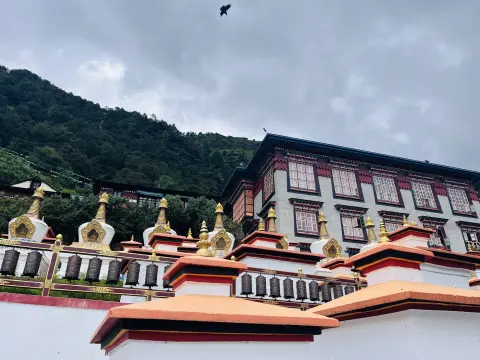
Situated in the peaceful Solu-Khumbu region of Nepal, near the village of Junbesi, Thupten Chholing Monastery is a living testament to Tibetan Buddhis...
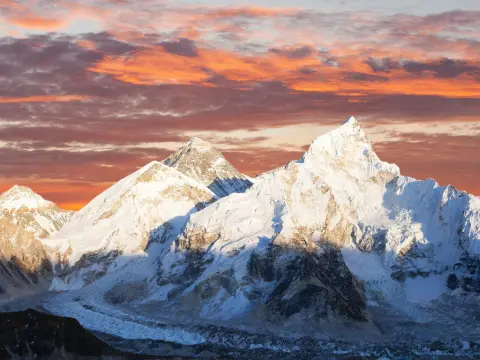
Nepal is a country defined by mountains. Stretching across the country’s northern edge, the Himalayas pack Earth’s highest peaks into one nation. Eigh...
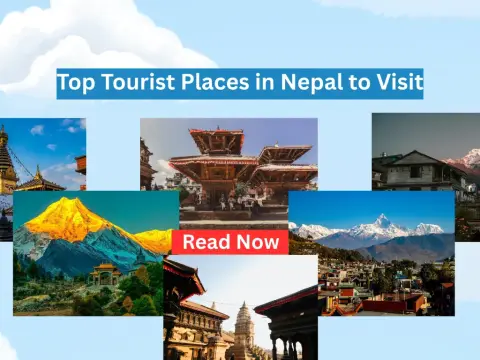
Nepal's tourism destinations offer an unforgettable journey through a landlocked country nestled in the embrace of the world’s most majestic mountain...
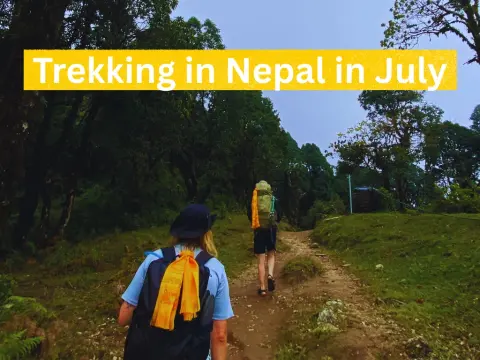
Trekking in Nepal in July offers a completely different yet deeply rewarding adventure for travelers seeking lush landscapes, peaceful trails, and aut...
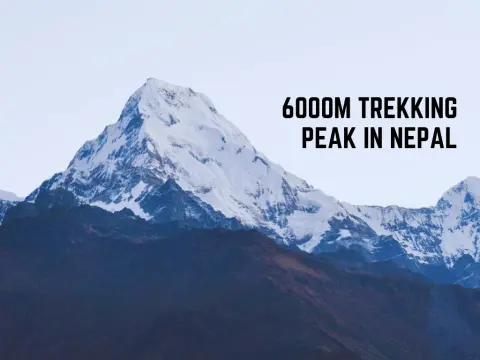
Why 6000m Trekking Peaks Nepal Should Be Your Next AdventureStanding atop a 6000-meter summit in the Himalayas, with prayer flags snapping in the wind...
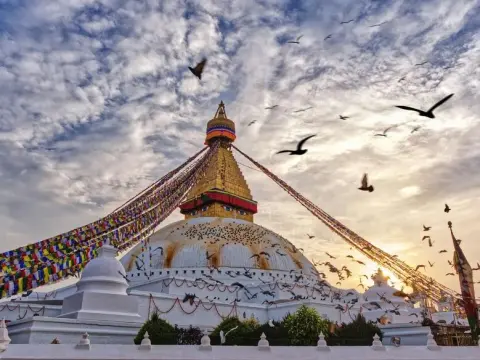
Nepal is far more than a trekking destination nestled among the world's highest peaks. This ancient Himalayan kingdom pulses with profound spiritual e...
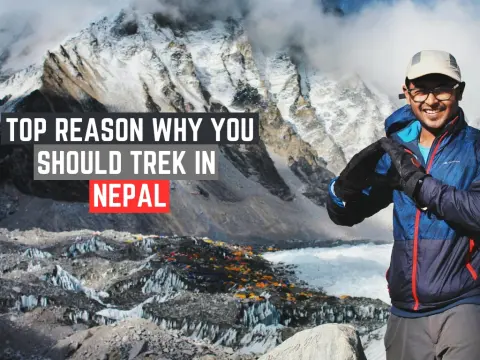
If you've ever wondered why trekking in Nepal captivates adventurers from every corner of the globe, the answer lies in its extraordinary combination...
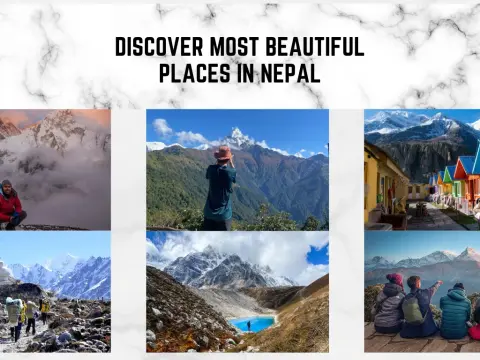
Nepal is a land where nature paints its most spectacular masterpieces. From the towering peaks of the Himalayas to serene alpine lakes, dense jungles...
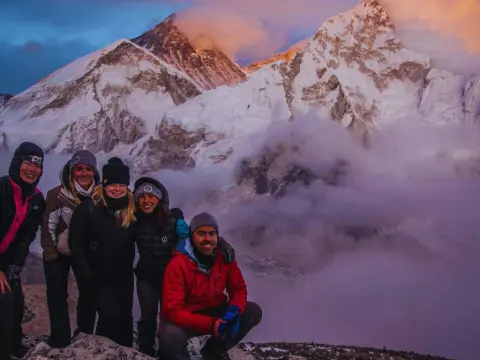
If you're curious about trekking in Nepal, you've landed in the right place. Nepal is home to the world's most breathtaking mountain trails, ancient c...
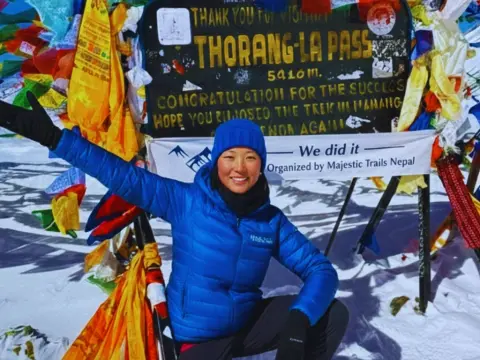
The ACT Nepal Trek stands as one of the most iconic high-altitude adventures on Earth, drawing thousands of trekkers annually to Nepal's magnificent A...
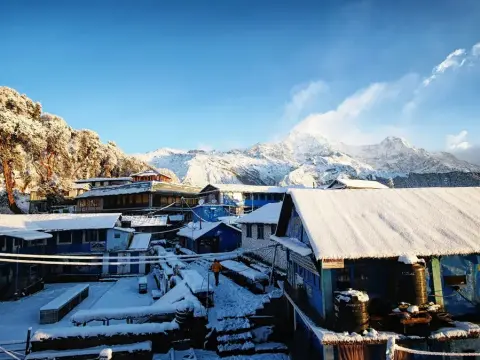
Winter in Nepal gets misunderstood a lot. Most travelers from Europe or North America picture deep snowdrifts, frozen trails, and dangerous conditions...
