
Best Time to Trek in Nepal
17 Jan 2026
Let's cut straight to it. Autumn, specifically September through November, is the best time to trek in Nepal. Spring runs a very close second, coverin...

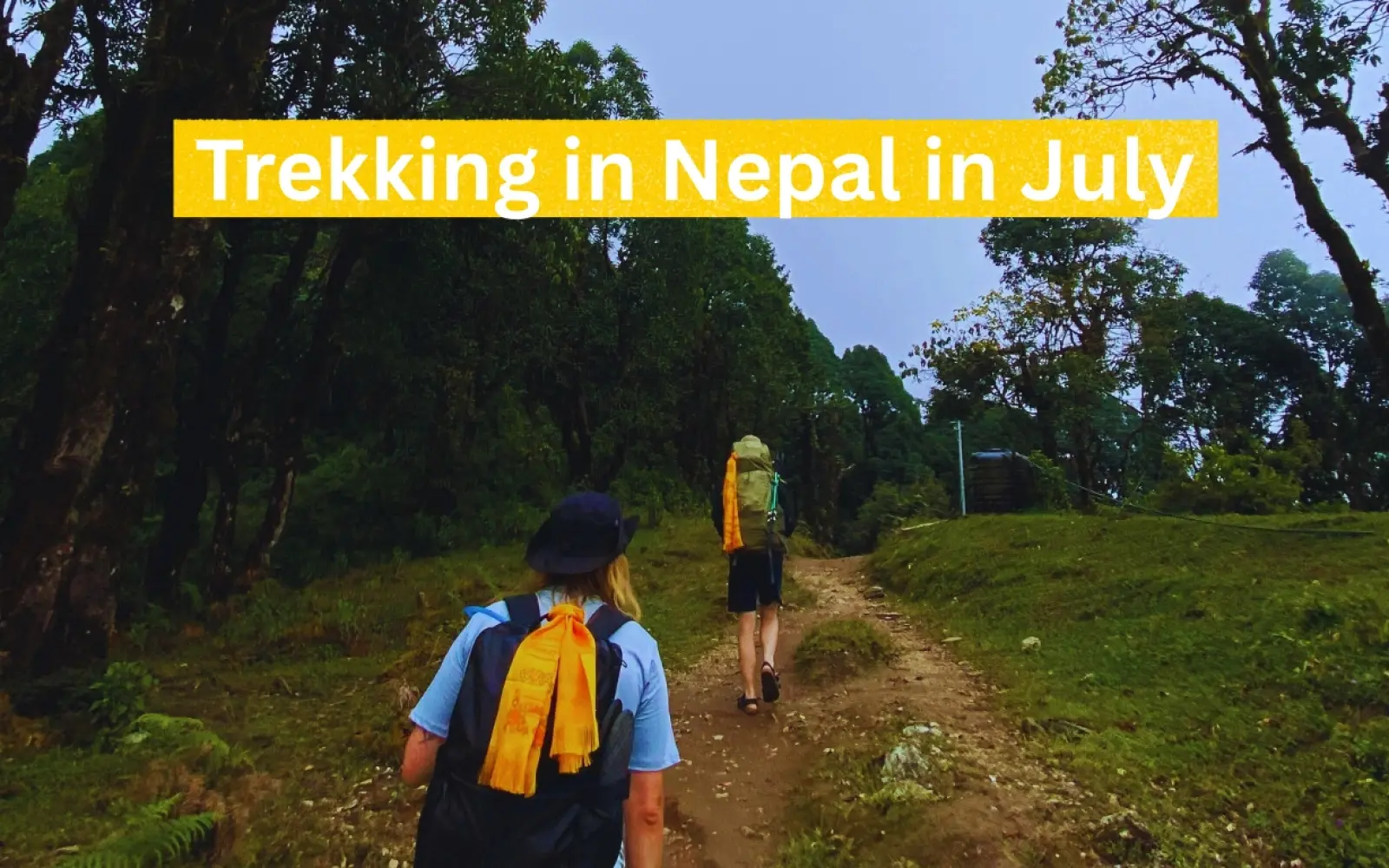

Trekking in Nepal in July offers a completely different yet deeply rewarding adventure for travelers seeking lush landscapes, peaceful trails, and authentic Himalayan culture. While Nepal is widely known for its clear skies during spring and autumn, July — the heart of the monsoon season — reveals a greener, quieter, and more soulful side of the mountains that many trekkers never experience.
Instead of dusty trails and crowded viewpoints, July trekking in Nepal brings misty forests, cascading waterfalls, blooming rhododendron valleys, and terraced hills glowing in vibrant shades of green. Popular trekking regions like Annapurna, Langtang, and Everest experience fewer visitors, making this an ideal time for trekkers who value solitude, flexible lodging, and meaningful local connections.
This guide to trekking in Nepal in July is designed for adventurous travellers who want to explore Nepal beyond peak season. From selecting the best monsoon-friendly trekking routes and understanding weather conditions to packing essentials and safety tips, you’ll find everything needed to plan a successful July trek in Nepal — including expert insights from Majestic Trails Nepal.
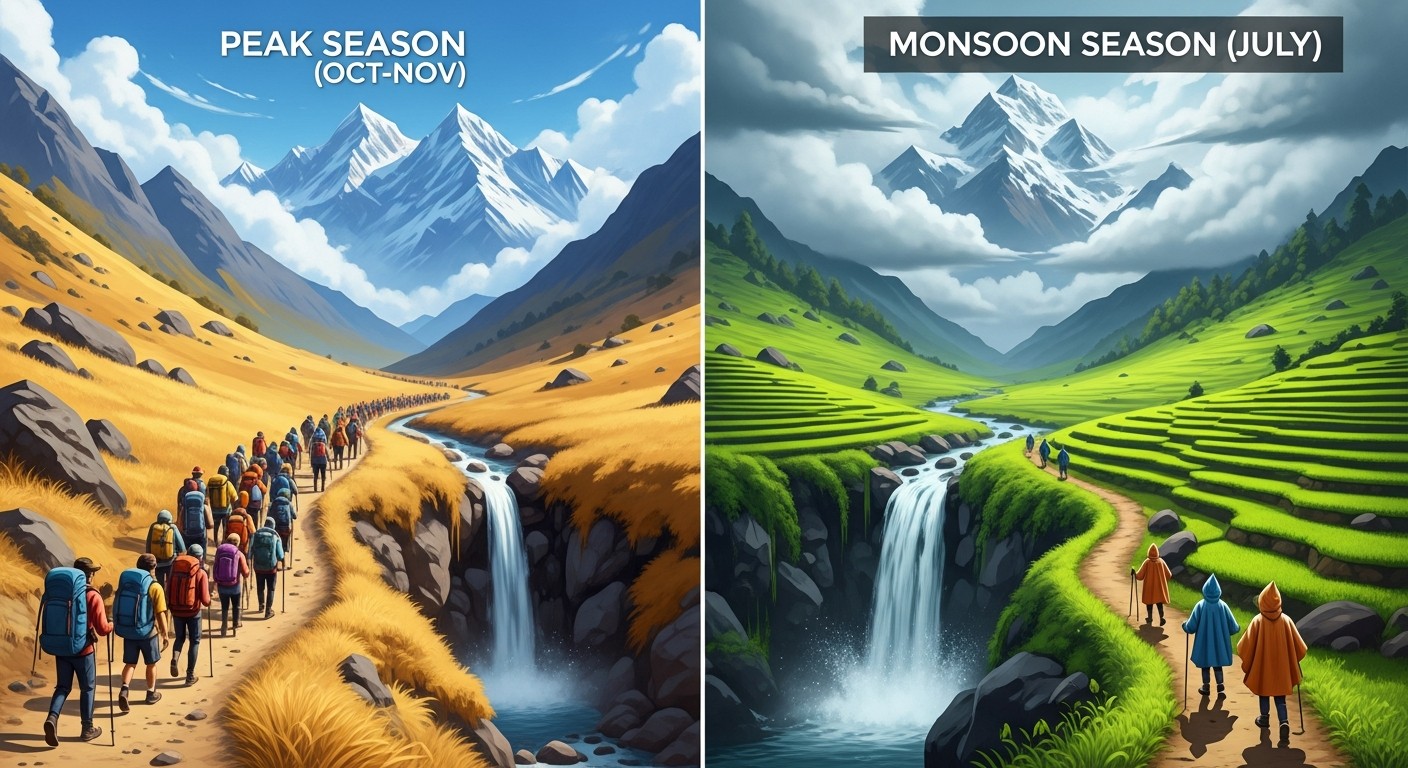
Trekking in Nepal in July offers a unique experience compared to peak seasons. The monsoon, from mid-June to September, turns the country into a vibrant, green paradise with quieter trails and fewer crowds. Waterfalls roar, forests bloom, and terraced fields shine, while fresh, rain-washed air and dramatic cloud skies create ever-changing views. This is also the low season for tourism, offering more intimate interactions with local communities and a rare, authentic Himalayan adventure.
Trekking in Nepal in July is often seen as risky, but many concerns are myths. With proper preparation and strategic planning, the July trek can be an extraordinary experience. Choosing the right routes, understanding weather patterns, and packing appropriately make the monsoon season manageable. Trails are quieter, providing a more personal connection with the mountains and local communities. At the same time, the rain-fed landscapes create lush scenery and vibrant vistas rarely seen during peak seasons, making July a unique opportunity for adventurous travellers.
Planning a trek in July requires understanding Nepal’s monsoon patterns, the opportunities it offers, and the challenges it presents. Trekking in Nepal in July is a different experience from dry-season trekking, demanding preparation and awareness.
With careful preparation, trekking in Nepal in July can be a safe, rewarding, and unforgettable adventure, offering a rare perspective of the Himalayas that few travellers experience.
Successful monsoon trekking in Nepal hinges on meticulous preparation and the right gear. Your equipment needs to combat the elements effectively, ensuring comfort and safety throughout your journey. This is where foresight and investment in quality gear pay dividends, transforming potential discomfort into a manageable adventure.
Waterproof and quick-drying gear is non-negotiable. Invest in a high-quality waterproof and breathable jacket (Gore-Tex or similar) and waterproof trousers. Layering is key: a moisture-wicking base layer, an insulating mid-layer (fleece or down), and your waterproof outer shell. A waterproof backpack cover is essential to protect your belongings. Consider a dry bag for electronics and valuables. Trekking poles are invaluable for stability on slippery terrain, especially on muddy trekking routes.
Your feet are your most crucial tools, and keeping them dry and comfortable is paramount. Opt for sturdy, waterproof trekking boots that offer good ankle support. Break them in thoroughly before your trek. Gaiters are highly recommended to prevent water, mud, and leeches from entering your boots. Pack several pairs of wool or synthetic socks – cotton socks hold moisture and can lead to blisters. Consider bringing waterproof sandals or camp shoes for evenings. Ensuring your footwear is up to the task is critical for enjoying the challenging terrain.
Leeches are a common nuisance during the monsoon season. Wearing long trousers tucked into your boots and applying Insect Repellent containing DEET or Picaridin can help. Some trekkers find that sprinkling salt or using a lit cigarette (with caution and respect for fire risk) can make leeches detach. Regularly checking your socks and clothing for leeches is advisable. Mosquitoes and other biting insects can also be present, so a good quality Insect Repellent is a good addition to your packing list. Keeping these pests at bay ensures a more comfortable journey.
Beyond clothing and footwear, several other items are crucial for trekking in Nepal during July:
Choosing the right trekking region is the single most important decision for a successful July trek. The key is to seek out areas that are less affected by the monsoon's heavy rainfall, offering a higher chance of clear skies and more accessible trails.
The most reliable destinations during the monsoon are the rain-shadow regions of Nepal. These areas lie on the leeward side of the Himalayas, receiving significantly less rainfall due to the rain-blocking effect of the towering mountain ranges.
While high mountain passes might be obscured, lower altitude treks can be spectacular in July, especially those with well-maintained trails and excellent teahouse networks. These treks offer a chance to experience the full effect of the monsoon's rejuvenation.
Trekking to base camps like Everest Base Camp or Annapurna Base Camp in July is possible but comes with significantly increased risks and challenges. While the immediate vicinity of the Everest region might see less rainfall than the Annapurnas, heavy cloud cover is almost guaranteed, significantly reducing the iconic mountain views. The trails can be muddy, and the risk of landslides is higher. The Everest Base Camp Trek is still undertaken by some, drawn by the allure of fewer crowds. However, visibility is a major issue, and the dramatic mountain scenery that defines the Everest region may be largely hidden. If you choose a high-altitude trek, extreme preparedness, flexibility, and a knowledgeable guide are essential. More challenging high-altitude goals like Everest and Mera Peak would be exceptionally difficult and ill-advised during the peak monsoon.
A flexible itinerary is crucial for monsoon trekking in Nepal. Be prepared for delays due to weather or trail conditions. Build in buffer days to allow for adjustments. If a particular pass is closed or a section of the trail is unsafe, you'll need time to reroute or wait for conditions to improve. Communicating regularly with your guide about the day's conditions and the feasibility of continuing is paramount. Having buffer days can turn a potential disaster into a minor inconvenience, allowing you to adapt gracefully to the monsoon's unpredictability.
Navigating Nepal in July requires a heightened awareness of safety protocols, efficient logistics, and leveraging local knowledge. The monsoon presents unique challenges that demand a more cautious and informed approach to trekking.
The risk of landslides is a significant concern during the monsoon. Be vigilant for signs of instability, such as falling rocks, unusual sounds, or fresh cracks in the earth. Avoid trekking directly after heavy rainfall, especially in areas prone to landslides or floods. Your guide will be invaluable in identifying safe routes and potential hazards. Never attempt to cross swollen rivers without local guidance. According to the Government of Nepal, all foreign trekkers must hire a licensed guide for trekking in national parks, conservation areas, and restricted regions [Nepal Tourism Board, 2023], a regulation that significantly enhances safety during such conditions. This mandate ensures that experienced professionals are leading treks, mitigating risks effectively.
While Altitude Sickness is a risk year-round, the high humidity of the monsoon can exacerbate symptoms. The body's ability to regulate temperature is challenged in humid conditions, and dehydration can occur more easily. Symptoms like headaches, nausea, and fatigue can be mistaken for the initial signs of altitude sickness, or their onset can be accelerated. Acclimatise gradually, stay well-hydrated, and listen to your body. Ascend slowly, and if symptoms worsen, descend immediately. Proper acclimatisation, especially in humid environments, is non-negotiable for safe trekking in Nepal.
Regardless of the season, you’ll need permits for trekking in Nepal. This typically includes an ACAP (Annapurna Conservation Area Permit) if trekking in the Annapurna Region. For restricted areas like Upper Mustang, separate permits are required. Ensure all your documents are up-to-date and readily accessible. Planning and obtaining these trekking permits well in advance is crucial.
The teahouse experience in July can be quite different from the peak seasons. With fewer trekkers, you'll often find more personal attention from the lodge owners. The common rooms might be cosier, with fires lit against the dampness. However, some smaller teahouses in very remote areas might close during the monsoon, so having a guide who knows the operational status of lodges is beneficial. This personal touch enhances the overall journey and allows for deeper connections with the local Nepali lifestyle.
Hiring a local guide or porter is not just recommended but often mandatory during the monsoon. Their intimate knowledge of the terrain, weather patterns, and safety protocols is invaluable. They can help you navigate muddy trails, identify safe routes, and communicate with locals. A good guide will be experienced in managing monsoon conditions and can adapt the itinerary as needed. For treks in areas like the Annapurna Circuit Trek or Jomsom Muktinath Trek, their expertise is indispensable.
Beyond the practicalities, July trekking offers a profound sensory and cultural experience that distinguishes it from any other time of year. It’s an opportunity to witness Nepal in its most vibrant and untamed state.
The monsoon transforms Nepal into an emerald paradise. Lush green hillsides, vibrant wildflowers, and trees laden with blossoms create a breathtaking spectacle. The dramatic skies, with their swirling clouds and sudden bursts of sunlight, provide a dynamic backdrop to the already stunning scenery. Expect powerful rainbows arching over the valleys after a downpour. The lush green landscapes are a stark contrast to the arid beauty of the rain shadow areas, offering diverse visual experiences across different regions. The Annapurna massif and the surrounding valleys are particularly stunning when draped in vibrant green.
The soundscape of Nepal in July is unique. The gentle patter of rain, the roar of swollen rivers and waterfalls, the chirping of birds in the damp forests, and the distant rumble of thunder create a symphony that can be incredibly meditative. This auditory experience can deepen your connection to the natural world. The Kali Gandaki river, for instance, roars with an intensity that underscores the power of nature.
July can be a time of vibrant local festivals, offering a unique opportunity for cultural immersion. Depending on the exact dates, you might witness celebrations that are less frequented by tourists. The Gai Jatra festival, a procession honouring the deceased, and Janai Purnima, a sacred thread ceremony, often fall during the monsoon season. In Upper Mustang, the Yartung Festival might coincide with your visit, offering a glimpse into unique Tibetan-Buddhist traditions with horse racing and cultural performances. The quieter trails also allow for more meaningful interactions with the local communities, gaining insight into their daily lives and traditions as they tend to their fields. This immersion into the Nepali lifestyle is a significant draw for those seeking authentic experiences.
Photographing in the monsoon requires adaptability. Protect your gear from moisture with waterproof bags and lens covers. Embrace the dramatic skies for moody landscapes. Look for reflections in puddles and use the vibrant greens as a contrast to deeper hues. The mist and fog can add an ethereal quality to your shots. Be patient; breaks in the clouds often offer fleeting, spectacular photographic moments. Consider capturing the power of waterfalls and the intense green of the lush landscapes.
This is a summary checklist. Refer to detailed guides for comprehensive lists.
Clothing & Footwear:
Gear & Accessories:
Health & Safety:
Trekking in Nepal in July is not for the faint of heart, but for adventurous travellers seeking an extraordinary experience, it offers unparalleled rewards. While the monsoon brings challenges such as rain, mud, and occasionally obscured views, these are far outweighed by the benefits: vibrant green landscapes, quieter trails, and a deeper connection with Nepal’s natural and cultural tapestry.
By taking a strategic approach — choosing rain-shadow regions like Upper Mustang, preparing with the right waterproof gear, prioritising safety, and building flexibility into your itinerary — you can turn potential obstacles into memorable experiences. The lush scenery, dramatic skies, and serene sounds of the monsoon create a Himalayan adventure unlike any other.
Whether you’re exploring the Annapurna Region, trekking to Everest Base Camp, or venturing into Nepal’s unique rain-shadow areas, July offers distinct opportunities for intrepid travellers ready to embrace the season. Trekking in Nepal is always rewarding, but the monsoon season reveals a side of the Himalayas few ever experience.
Ready to plan your July adventure? Let Majestic Trails Nepal guide you safely through the monsoon with expert planning, experienced local guides, and customised itineraries designed to make your Himalayan journey unforgettable. Book your monsoon trek with us today!

Let's cut straight to it. Autumn, specifically September through November, is the best time to trek in Nepal. Spring runs a very close second, coverin...

The Langtang Valley Trek is one of Nepal’s most rewarding trekking adventures—less crowded than Everest or Annapurna, yet rich in culture, biodiversit...
The Annapurna Base Camp trek stands among the world's most iconic Himalayan adventures. Every year, thousands of trekkers from across the globe journe...
Introduction: Why Spring is Nepal's Golden Season for TrekkersSpring in Nepal is a season of renewal, a time when the Himalayas awaken from their wint...
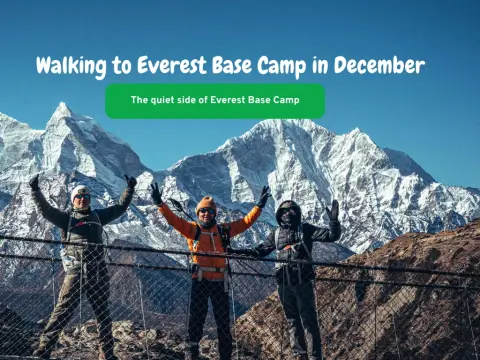
IntroductionNepal — the final destination for every mountaineer. A place where almost everyone dreams of going at least once in their lifetime. To see...
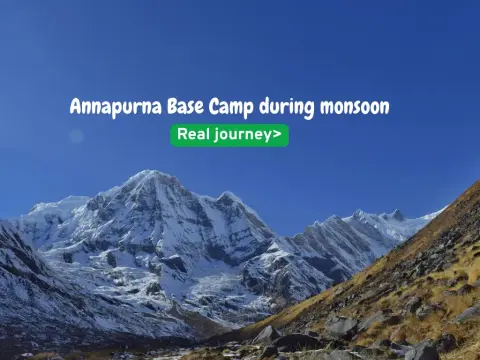
Trekking to Annapurna Base Camp Trek is one of Nepal’s most iconic mountain journeys. For mountaineers, the climb begins here, but for trekkers, Annap...
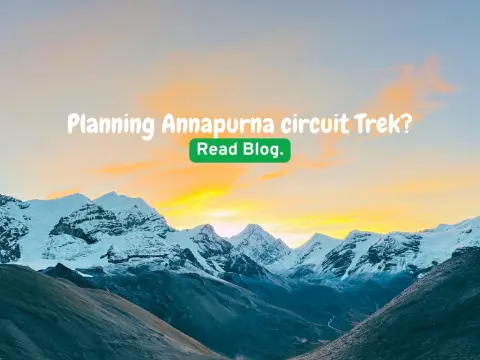
The Annapurna Circuit Trek is one of the world’s most legendary long-distance treks — a journey that circles the Annapurna massif through Nepal’s most...
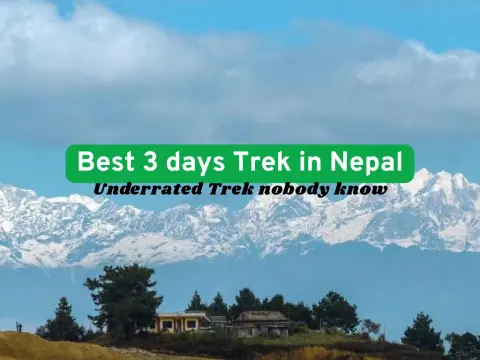
Nepal is one of the few countries in the world where you can leave city life behind and stand beneath Himalayan giants within just a few days. If you...
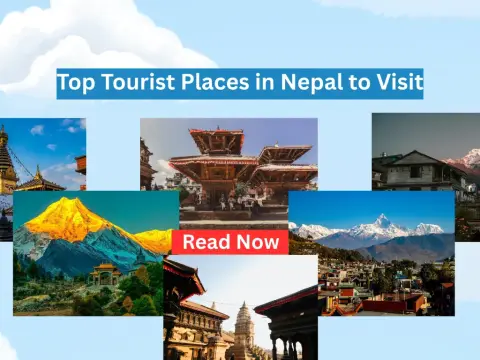
Nepal's tourism destinations offer an unforgettable journey through a landlocked country nestled in the embrace of the world’s most majestic mountain...
