
The 10 Best Treks in Nepal for 2026
10 Jun 2025
What makes for the best treks in Nepal can vary from person to person. While Everest Base Camp Trek (EBC) at 5545 m is ideal for a trekker wanting the...


The Langtang Valley Trek is one of Nepal’s most rewarding trekking adventures—less crowded than Everest or Annapurna, yet rich in culture, biodiversity, and jaw-dropping mountain views. But to get the most out of this Himalayan experience, it’s essential to choose the best time for the Langtang Valley Trek.
At Majestic Trails Nepal, we’ve guided hundreds of trekkers through Langtang in every season imaginable—from spring blossoms to snowy winters—and we’re here to offer real, experience-based advice on when to go and what to expect. In this detailed guide, we break down each season, with weather data, trail conditions, and personal tips from our seasoned guides.
Langtang’s terrain ranges from 1,400m in Syabrubesi to over 4,984m at Tserko Ri. This altitude variation means weather changes rapidly, affecting visibility, trail safety, and comfort. Choosing the right season can:
Let’s walk you through each season with our expert guide's insights and first-hand experiences.
If you’re wondering what is the best time to trek Langtang Valley is, many experienced Nepali guides agree that spring is the top choice. During this season, rhododendrons light up the forests in vibrant pink, red, and white. The weather remains consistently clear, and the trails come alive with nature and smiling trekkers.

“Spring in Langtang feels like a living postcard,” says Tenzing Tamang, a senior guide at Majestic Trails Nepal. “Every guest I take in April falls in love with the colors and views. It’s not just trekking—it’s soul healing.”
During this time, you’ll witness alpine meadows turning green, rivers flowing strongly with melted snow, and the majestic Langtang Lirung shining against deep blue skies. Tea houses are well-stocked and lively, and trail conditions are ideal for all fitness levels.
Autumn is another Best time to trek the Langtang Valley Trek, especially for those seeking dramatic mountain photography. After the monsoon, the air is crisp and dust-free, offering unparalleled visibility of the Himalayas. This season is also a popular time for longer treks like the Everest High Pass Trek, which shares similar weather conditions.

“Autumn treks are pure joy for both guides and trekkers,” says Karma Lama, one of our Langtang experts. “I recommend October if you’re coming for the clearest mountain shots.”
The skies remain blue from morning till late afternoon, and sunsets over the Himalayas are absolutely mesmerizing. Additionally, the autumn season aligns with major Nepali festivals like Dashain and Tihar, adding a cultural layer to your trek if you pass through local villages.
Winter is not the first choice for most trekkers, but it remains a viable and rewarding season for those seeking solitude, snow-covered landscapes, and off-the-beaten-path experiences. Compared to Everest or Manaslu, the Langtang Valley experiences milder winter conditions, making it a safer option for cold-weather hiking. With fewer crowds and serene trails, winter trekking in Langtang offers a unique, peaceful adventure.

“We’ve guided small groups even in January,” says Lakpa Sherpa, one of our senior winter guides. “With good gear and a good attitude, winter in Langtang can be magical.”
Expect frozen waterfalls, icy rivers, and complete silence under the stars. The downside? Some teahouses may be closed at Kyanjin Gompa, and water pipes can freeze. But if you're well-equipped and trekking with experienced local guides, winter gives you a version of Langtang most people never see.
The monsoon season brings heavy rainfall to the Langtang region, especially during July and August. Landslides, slippery trails, and leeches make this the least recommended time to trek Langtang Valley. However, for offbeat adventurers and botanists, this time reveals the lushest side of Langtang, with wildflowers and greenery everywhere.

“Unless you’re used to trekking in wet weather, I don’t advise Langtang during monsoon,” warns Dawa Bhote, one of our local porters. “But if you’re looking for complete isolation and don’t mind getting wet, it can be done.”
If you must trek during this time, stick to early mornings when rain is least likely, and be prepared for delays and leech encounters in the lower forests.
| Month | Rating | |
| January | ❄️ Cold but clear, off-season experience | |
| February | ❄️ Better than Jan, some teahouses reopen | |
| March | 🌸 Rhododendrons start blooming, mild weather | |
| April | ✅ Ideal – best mix of flowers and views | |
| May | ✅ Warm and scenic, can be slightly hazy near the end | |
| June | 🌧️ Start of monsoon, warm but wet | |
| July | 🌧️ Peak monsoon – not recommended | |
| August | 🌧️ Wettest, but greenery everywhere | |
| September | ✅ Clear skies return, great visibility | |
| October | 🍁 Perfect conditions, popular time | |
| November | 🍁 Dry, crisp, excellent for solo and group treks | |
| December | ❄️ Quiet and cold – prepare for snow |
The truth is, there’s no single best time to trek Langtang Valley Trek—it depends on what you value most:
At Majestic Trails Nepal, we guide groups in every season—our local expertise, flexible itineraries, and commitment to safety mean you can enjoy Langtang on your terms.
The best months for the Langtang Valley Trek are April and October. These months offer stable weather, clear mountain views, and comfortable temperatures ideal for trekking.
Yes, trekking in winter (December to February) is possible but requires proper cold-weather gear. Some tea houses may be closed, so trekking with an experienced guide is recommended for safety and support.
Trekking during the monsoon season (June to August) is generally not recommended due to heavy rain, slippery trails, and landslide risks. However, if you are an experienced trekker prepared for wet conditions, it can be done.
Spring and autumn attract more trekkers, but Langtang is still less crowded compared to the Everest and Annapurna regions, offering a relatively peaceful trekking experience even in peak seasons.
Rhododendrons typically bloom between mid-March and early May, especially along the lower forested parts of the trail, adding vibrant colors to the landscape.
Yes, the Langtang Valley Trek is accessible throughout the year, but weather and trail conditions vary greatly between seasons. Spring and autumn are the safest and most scenic periods to visit.
Let us help you choose the best time to trek the Langtang Valley Trek based on your preferences and fitness level.
👉 Contact Majestic Trails Nepal today for a customized trekking itinerary with experienced local guides.
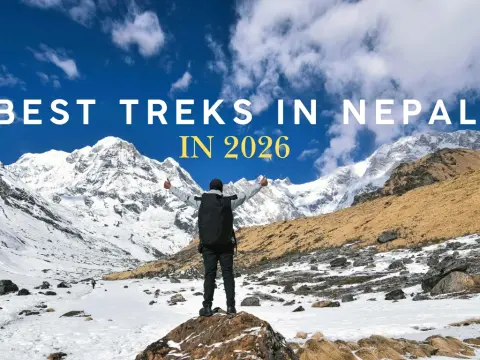
What makes for the best treks in Nepal can vary from person to person. While Everest Base Camp Trek (EBC) at 5545 m is ideal for a trekker wanting the...
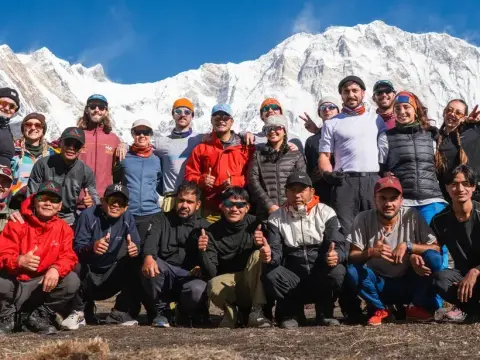
Group Departure Trekking in Nepal offers the perfect solution for adventurers who want to explore the Himalayas without the hassle of planning every d...

Let's cut straight to it. Autumn, specifically September through November, is the best time to trek in Nepal. Spring runs a very close second, coverin...
