
Annapurna Circuit Trek Nepal – Complete Guide, Itinerary, Cost & Best Time
23 Jan 2026
The Annapurna Circuit Trek is one of the world’s most legendary long-distance treks — a journey that circles the Annapurna massif through Nepal’s most...

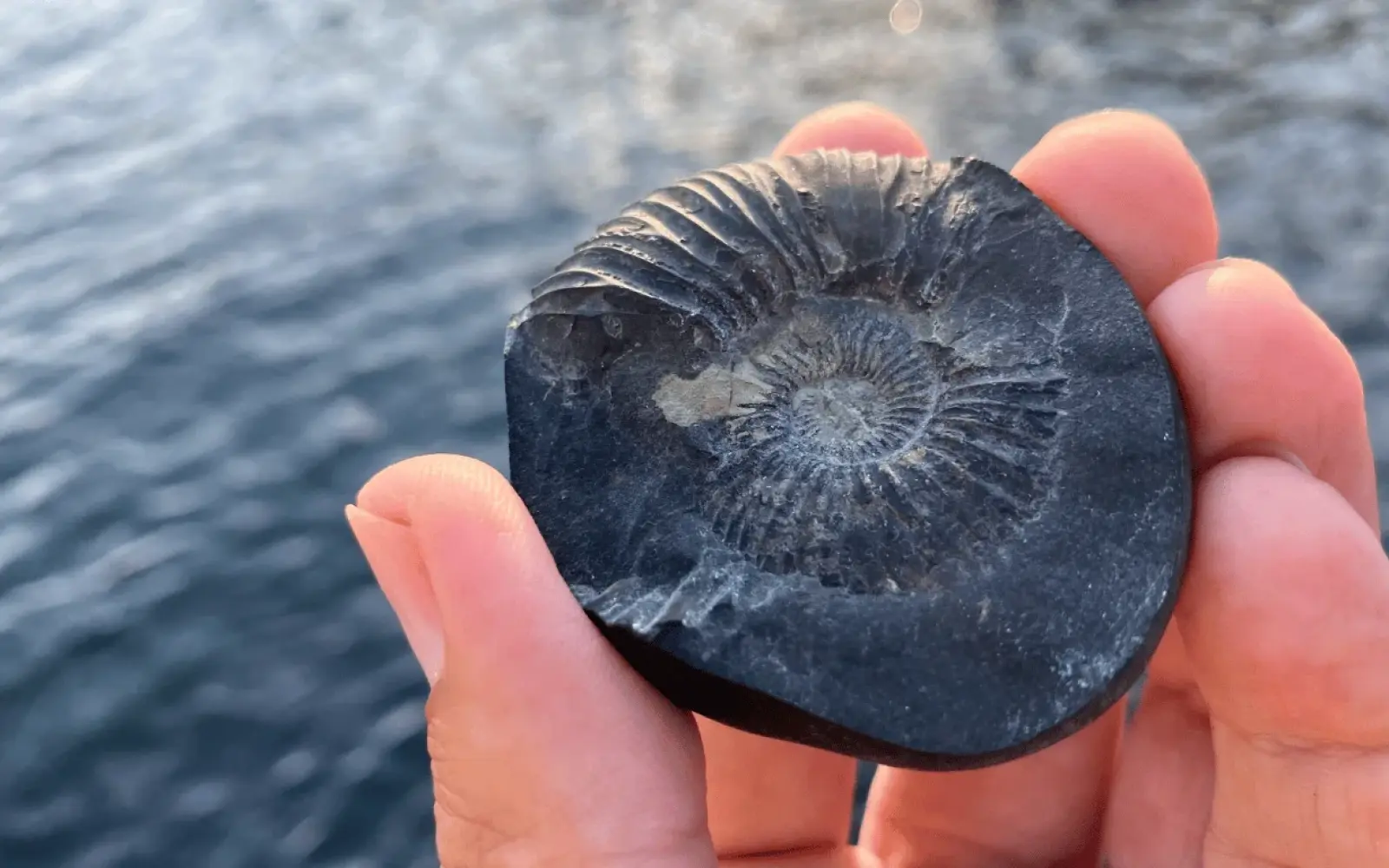

A Shaligram (also spelled Saligram or Shaligrama shila) is a black fossil ammonite, a sea creature that lived about 140–166 million years ago in the Tethys Sea, found only in Nepal's Kali Gandaki River valley around Mustang, Kagbeni, and Damodar Kunda. Hindus worship it as a living form of Lord Vishnu that needs no consecration, and Buddhists honour it at Muktinath (3,800 m / 12,467 ft). Its spiral "chakra" marks decide which form of Vishnu it represents.
At Majestic Trails Nepal, we walk through Shaligram country on every Annapurna Circuit Trek. After crossing Thorong La, our guests see Shaligrams on sale at Muktinath and then follow the Kali Gandaki down through Kagbeni and Jomsom.
Here are the key facts about Shaligram stones, with the sources listed at the end of this article:
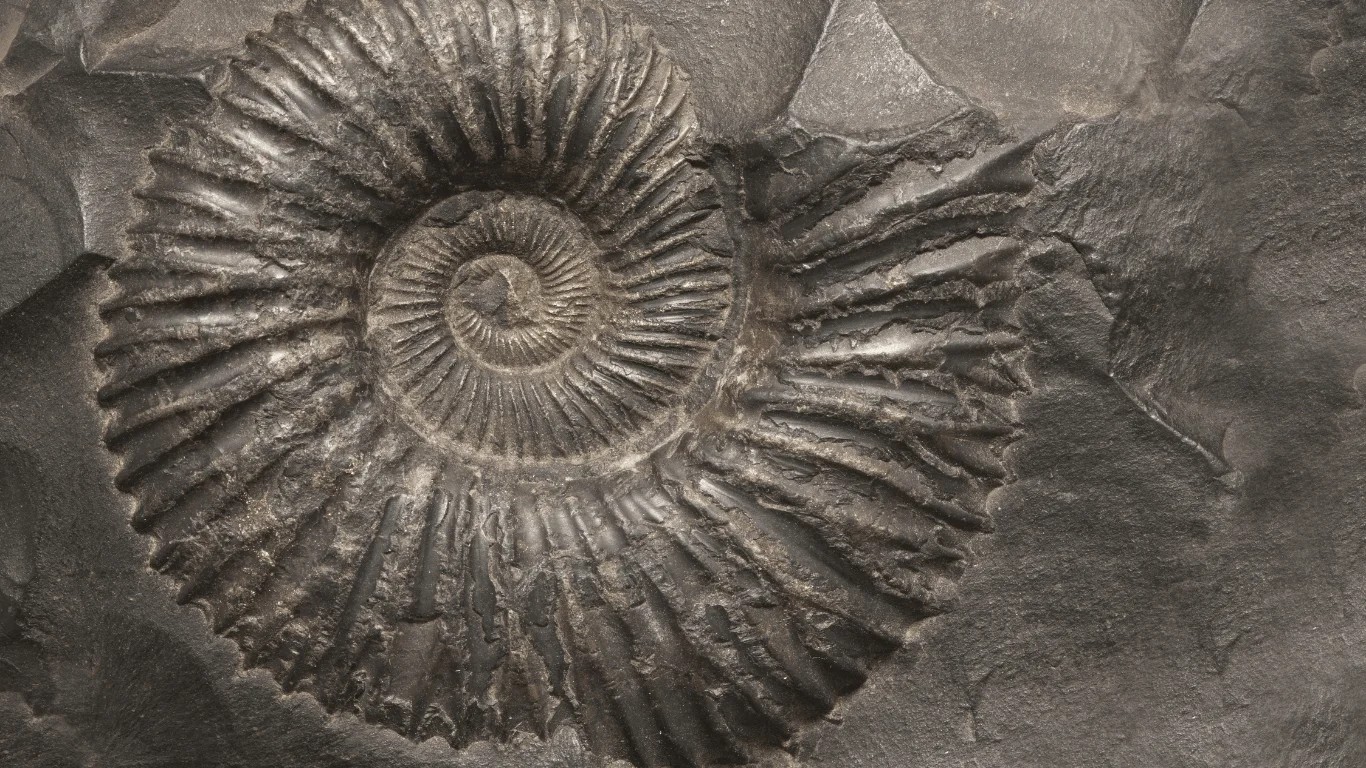
In English, a Shaligram is an ammonite fossil: the hardened shell of a coiled sea animal related to today's squid and octopus. The spiral you see on a Shaligram is the animal's shell, and the black colour comes from the shale it was buried in.
The story of how a sea fossil ended up in the Himalaya takes four steps:
The late Nepali geographer Harka Gurung described the river's pebbles as "dark lacustrine shale, black slate, grey and green sandstones". Shaligram ammonites usually belong to four genera: Blanfordiceras, Haplophylloceras, Aulacosphinctes, and Aulacosphinctoides. A 2024 study of the same Spiti Shale in India found 15 ammonite genera and 30 taxa, one of them named Nepalites.
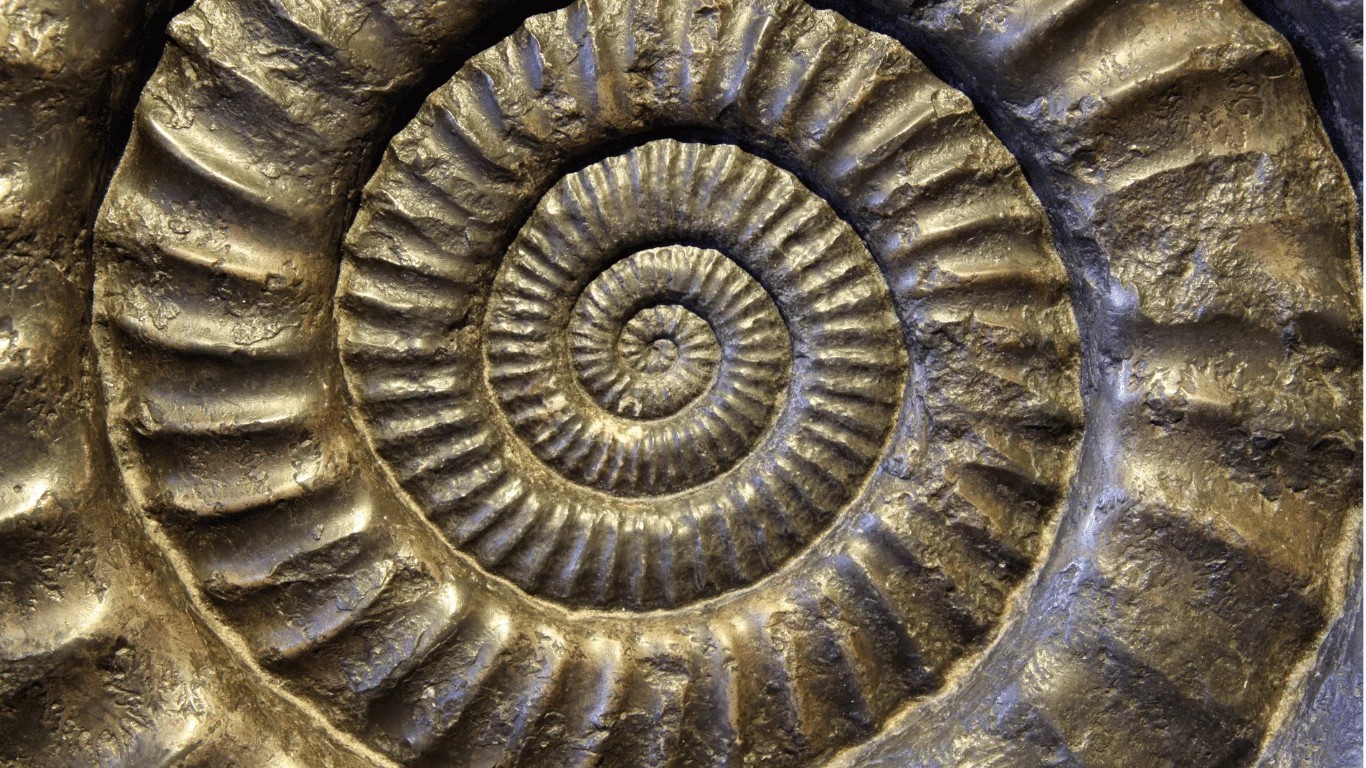
The Shaligram is Lord Vishnu. Hindus treat it as Vishnu himself in stone form, not as a statue that stands in for him. That is why, unlike a temple idol, a Shaligram needs no prana pratishtha (the ritual that invites the god into an image). Devotees believe it is awake and holy from the moment it is found.
The same stone is sacred beyond Hinduism:
An anthropologist writing in The Conversation says Hindus, Buddhists, and Bon followers have honoured Shaligrams for "more than 2,000 years".
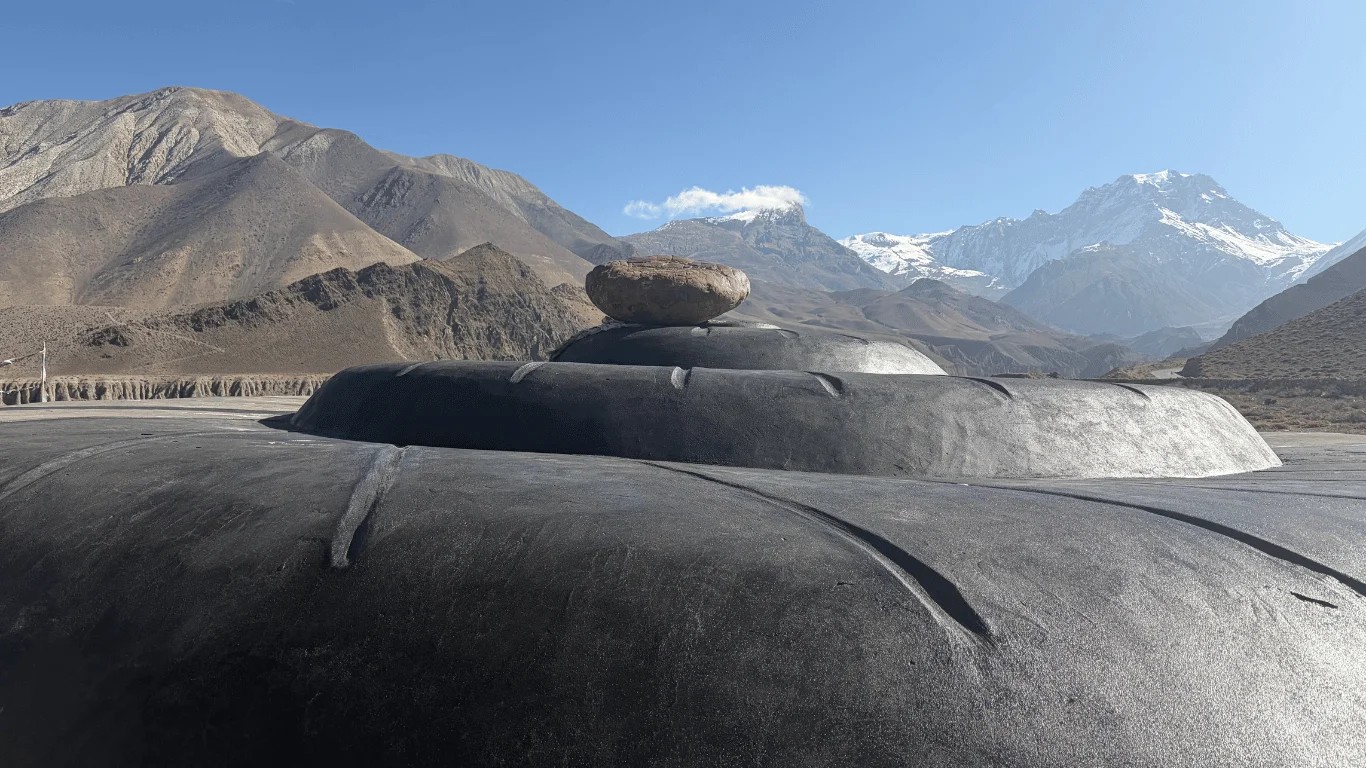
Yes. Shaligrams come from one region only: the Kali Gandaki River valley of Mustang in northern Nepal. Downstream, the Kali Gandaki joins other rivers to form the Gandaki, which flows into India as the Gandak, so some sources also mention India.
These are the places on the Kali Gandaki most linked to Shaligrams, from north to south:
| Place | Altitude | What happens there | Can trekkers go? |
|---|---|---|---|
| Damodar Kunda | High glacial lake, Upper Mustang | Fossil beds that release Shaligrams; a sacred lake for Hindus | Upper Mustang restricted-area permit needed |
| Muktinath | 3,800 m / 12,467 ft | Pilgrims bathe new Shaligrams under the 108 water spouts; stones are sold near the temple | Yes, on the Annapurna Circuit |
| Kagbeni | About 2,800 m / 9,190 ft | One of the few places pilgrims still reliably find Shaligrams in the river | Yes, on the Annapurna Circuit |
| Jomsom | 2,800 m / 9,186 ft | Riverbed of the Kali Gandaki; home of the new 22-ft Shaligram sculpture | Yes, on the Annapurna Circuit |
| Setibeni (Setiveni) | Low hills, where Parbat, Syangja, and Gulmi meet | A giant Shaligram Shila rock, now often underwater | By road |
Pilgrims traditionally visit from April to June and from late August to November, avoiding the July monsoon and the December snow.
In Hindu legend, Vishnu became the Shaligram because of a curse from Tulasi, a devoted wife he tricked. The story has two main versions, and the husband's name differs between them.
| Version 1 | Version 2 | |
|---|---|---|
| Scriptures | Padma, Varaha, and Brahmavaivarta Puranas | Shiva Purana (Rudra Samhita, Yuddha Khanda, ch. 41) and Devi Bhagavata Purana (Book 9) |
| Tulasi's husband | Jalandhara, a demon (Tulasi is also called Vrinda) | Shankhachuda |
| What Vishnu did | Took the husband's form so Shiva could defeat him | Took the husband's form so he could be defeated |
| Tulasi's curse | Vishnu becomes a stone | "Due to my curse you will become a rock" |
| What Tulasi became | The Kali Gandaki river (and the tulsi plant) | The Gandaki river and the tulsi plant |
The Shiva Purana adds that Vishnu became a mountain on the river's banks. Tiny creatures with sharp teeth then carve rings into its rocks, and these pieces are the Shaligrams. The Skanda Purana names this creature the vajra-kita ("diamond worm"). Geology gives a simpler answer: the spirals are the ammonite's shell.
This legend explains why a Shaligram is always worshipped with tulsi leaves: the stone and the plant are Vishnu and Tulasi, together forever.
A Shaligram's type depends on three things: its "doors" (openings in the stone), its chakras (spiral rings), and any special marks. The Devi Bhagavata Purana (Book 9, chapter 24) names 19 types, each a different form of Vishnu.
| Type | Markings and shape | Believed result |
|---|---|---|
| Lakshmi Narayana | One door, four chakras, garland mark, rain-cloud colour | — |
| Lakshmi Janardana | One door, four chakras, rain-cloud colour, no garland | — |
| Raghunatha | Two doors, four chakras, cow-hoof mark | — |
| Vamana | Very small, two chakras, rain-cloud colour | — |
| Shridhara | Very small, two chakras, garland mark | Prosperity at home |
| Damodara | Big and round, two round chakras | — |
| Rana Rama | Medium, two chakras, bow and arrow-case marks | — |
| Rajarajeshwara | Medium, seven chakras, umbrella mark | Royal fortune |
| Ananta | Big, 14 chakras, rain-cloud colour | All four goals of life |
| Madhusudana | Medium, ring-shaped, two chakras, cow-hoof mark | — |
| Sudarshana | One chakra | — |
| Gadadhara | Hidden chakras | — |
| Hayagriva | Two chakras, horse-face shape | — |
| Narasimha | Very wide, open mouth, two chakras | Detachment from worldly life (vairagya) |
| Lakshmi Narasimha | Open mouth, two chakras, oval garland mark | Blessings for householders |
| Vasudeva | Two chakras near the face, even and beautiful | All kinds of rewards |
| Pradyumna | Fine chakras, many small holes, rain-cloud colour | Happiness at home |
| Sankarshana | Two chakras joined at the face, broad back | Happiness at home |
| Aniruddha | Yellow, round, very beautiful | Happiness at home |
Other traditions use more popular names, such as Krishna (Laddu Gopal) for a round, smooth Shaligram. Many families ask a priest to read the stone's marks before choosing one for home worship.
Some modern lists name 24 types of Shaligram instead of 19, matching the 24 forms of Vishnu (Keshava, Narayana, Madhava, and others). The idea is the same: the number and position of the chakras and openings decide which form of Vishnu the stone is.
Not every Shaligram is thought to bring good luck. The same Purana chapter lists the stones it considers lucky and unlucky, and this is where the idea of the "bad effects of Shaligram" comes from.
| Considered auspicious | Considered inauspicious |
|---|---|
| Stones found in the river | Stones found on dry land (yellowish, called Pingala) |
| Round stones (great prosperity) | Cart-shaped stones (misery) |
| Umbrella-shaped stones (kingdom and power) | Spear-tipped stones (death) |
| Smooth stones with clear, unbroken chakras | Stones with distorted faces (poverty) |
| Black or rain-cloud blue stones | Stones with broken chakras (disease) or split chakras (death) |
These are religious beliefs from the scriptures, not proven effects. Wikipedia adds that worship stays valid "as long as the chakra inside it has not been broken or cracked".
Yes. Many Hindu families keep a small Shaligram in their home shrine, while larger stones are kept in temples. Worship is simple compared with a temple idol, because the stone needs no consecration and no costly offerings.
The scriptures give a few clear rules for home worship:
At Muktinath, pilgrims take their new stones to the 108 water spouts and bathe them there before carrying them home.
Keep a Shaligram in your home shrine, ideally in the northeast corner of the house. These are the common household customs:
There is no single answer, because scriptures and family traditions differ. Some texts set strict rules, while many families today let everyone in the household take part in worship.
Here is what the older rules say, as summarised on Wikipedia:
In practice, rules depend on your family, your priest, and your tradition. If you are bringing a Shaligram home, ask the priest or elder who guides your family's worship.
A Shaligram is used mainly for daily worship of Vishnu at home or in a temple. Its other uses are ritual, not practical.
The benefits people mention, such as peace, health, and prosperity, are matters of faith. To geologists, the same stones are Jurassic ammonite fossils.
Setibeni (also Setiveni) is home to a huge black Shaligram rock that is now often underwater. Local media call it the world's largest Shaligram rock. It stands where the Seti Khola meets the Kali Gandaki, at the meeting point of Parbat, Syangja, and Gulmi districts.
The rock is disappearing for a clear reason:
"It's hard to convince visitors that this is the same great Shaligram," ward chair Man Bahadur Basyal told The Kathmandu Post. Thousands of pilgrims from Nepal and India still come for festivals such as Harishayani Ekadashi and Baisakh Sankranti, and for weddings.
The viral "31-tonne, 175-million-year-old Shaligram found after Nepal's floods" is not a natural Shaligram, and it was not found after a flood. It is a man-made sculpture in Jomsom.
| Viral claim | The facts |
|---|---|
| A giant Shaligram appeared after the 2026 floods | It is a sculpture carved from riverbed boulders, unveiled on 28 May 2026, before the monsoon |
| Found at Muktinath | It stands on the bank of the Kali Gandaki in Jomsom |
| A natural fossil | Commissioned by Jomsom-Gharapjhong Rural Municipality and carved by the Nepal Academy of Fine Arts |
| — | About 22 ft (6.7 m) tall; unveiled by the Shankaracharya of Sringeri Sharada Peetham |
Our team has visited the new Jomsom sculpture, and it is worth a stop on the way down from Muktinath. Just remember that it is a work of art inspired by the Shaligram, not a fossil. Fact-checkers at The Quint and Alt News have debunked the viral claim.
Fewer Shaligrams appear in the Kali Gandaki each year, though most pilgrims still find at least a few. Four pressures are behind the decline:
This is one more reason to take only what you need and to respect local rules.
At Muktinath, Shaligram prices start at about NPR 2,000 (around USD 15) and go much higher for large, rare, or well-marked stones. Small, plain stones sold online in Nepal can cost a few hundred rupees, while rare stones with clear chakras or golden lines can reach NPR 20,000 or more. Our guides see them on sale every season on the Annapurna Circuit Trek.
Before you buy, keep these points in mind:
For foreign trekkers, check your home country's customs rules on fossils before you fly. Rules can change, so ask your guide about the current limits before you buy.
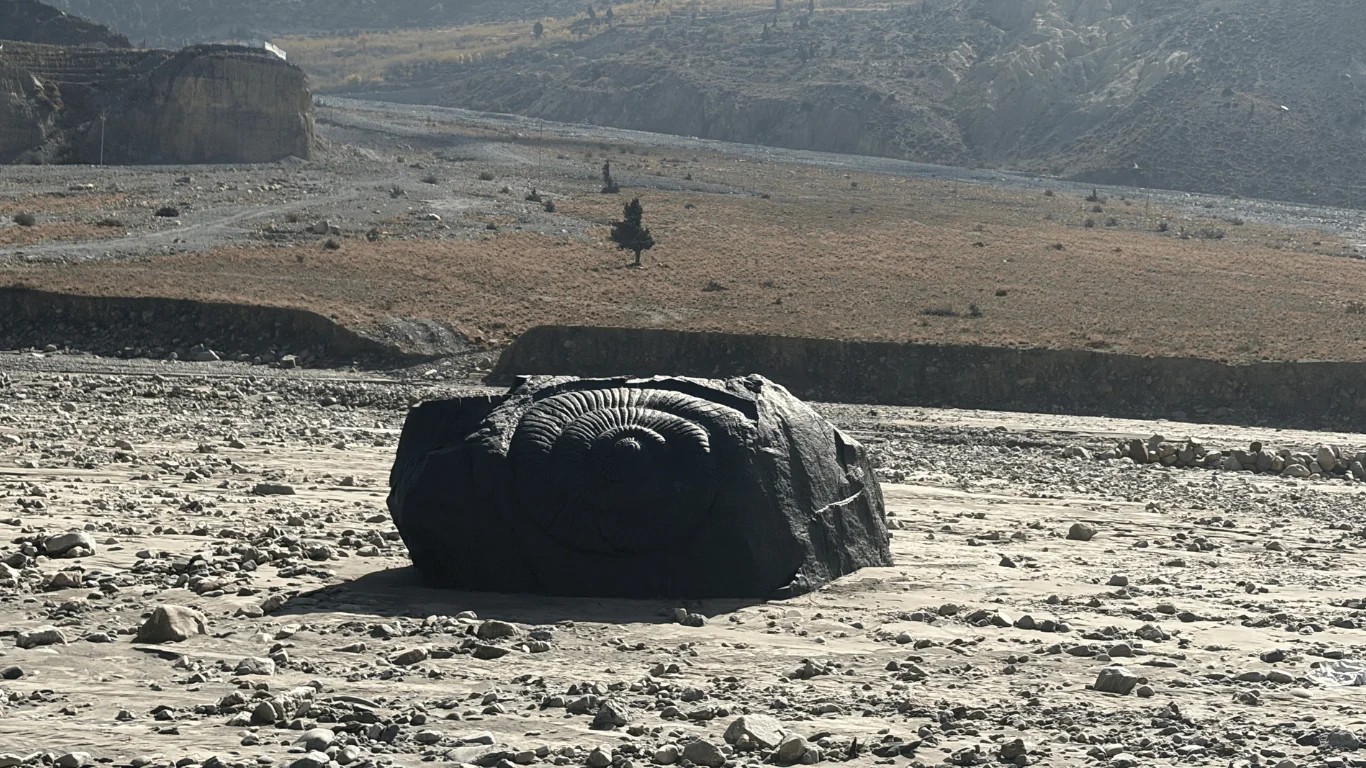
A real Shaligram is a natural fossil, smoothed by the Kali Gandaki, so it never looks carved or polished by a machine. Use these checks before you buy:
The easiest way for a trekker to see Shaligrams in their homeland is the Annapurna Circuit Trek. The route crosses Thorong La (5,416 m / 17,769 ft) and drops straight into the Shaligram valley.
This is how the Shaligram part of the trek unfolds with Majestic Trails Nepal:
The best times are spring (March to May) and autumn (late September to November), which also match the traditional pilgrim seasons. To reach Damodar Kunda, the fossil lake further north, you need the Upper Mustang Trek area permit and extra days; ask us for a custom plan.
A Shaligram is two things at once. To a geologist, it is an ammonite that lived in the Tethys Sea 140–166 million years ago and was lifted into the Himalaya. To a Hindu family, it is Lord Vishnu himself, worshipped every day with tulsi and water. Both stories lead to the same place: the Kali Gandaki valley of Mustang, the only place on Earth where Shaligrams are found.
That valley is changing. Melting glaciers, riverbed mining, and silt behind the Kali Gandaki 'A' dam mean fewer Shaligrams each year, and the giant Setibeni rock now spends much of the monsoon underwater. If you want to see Shaligrams where they come from, the best time is now, and the best way is to take only two or three and leave the river as you found it.
Majestic Trails Nepal walks this route on every Annapurna Circuit Trek. Our guests cross Thorong La (5,416 m / 17,769 ft), see the 108 water spouts at Muktinath, and follow the Kali Gandaki down through Kagbeni and Jomsom with a licensed local guide. To plan your trek, message us on WhatsApp at +977 9700937981 or email info@majestictrailsnepal.com
Yes. Shaligrams come only from the Kali Gandaki River valley in Mustang, Nepal. The river later flows into India as the Gandak.
The Saligram is Lord Vishnu. Hindus see the stone as Vishnu himself, so it needs no consecration ritual.
It is an ammonite fossil, the shell of an extinct sea animal related to squid, about 140–166 million years old.
Yes. Small Shaligrams are kept in home shrines and worshipped daily with tulsi leaves and water.
Traditions differ. The Padma Purana says women should not touch it, but many families today follow their own priest's guidance.
In a clean home shrine, ideally in the northeast corner, on a cloth, wooden stand, or copper plate, never on the floor or near a bathroom.
The scriptures quoted here set no fixed number. Many families keep one, and others keep several. Ask your family priest if you are unsure.
A real Shaligram is a heavy natural fossil with slightly uneven spirals. Colour that rubs off on a damp cloth, glue lines, or sharp carved grooves mean it is fake.
The shell of an ammonite, turned to stone. Golden lines inside or on the surface are often pyrite, a mineral that formed as the fossil hardened.
A Shaligram is Vishnu, and Krishna is a form of Vishnu. Many families worship a round, smooth Shaligram as Krishna or Laddu Gopal.
Some stones, called Shiva-linga Shaligrams, are worshipped as Harihara, Vishnu and Shiva together. Customs differ between Vaishnava, Shaiva, and Smarta families, so follow your own tradition.
Some lists name 24 types, matching the 24 forms of Vishnu such as Keshava, Narayana, and Madhava. The Devi Bhagavata Purana lists 19.
Devotees believe a Shaligram brings peace, protection, and spiritual merit to a home, and some say it speeds up karma. These are matters of faith, which is why many families treat it with great care.
At Muktinath, prices start at about NPR 2,000 and rise sharply for large or rare stones.
Two or three is generally accepted. Large amounts have been seized at checkpoints in Mustang.
It is a giant Shaligram rock where the Seti Khola meets the Kali Gandaki. Silt behind a hydropower dam keeps it under water for much of the monsoon.
No. The viral image shows a 22-ft sculpture in Jomsom, unveiled on 28 May 2026.
Yes. The Annapurna Circuit Trek with Majestic Trails Nepal passes Muktinath, Kagbeni, and Jomsom, the heart of Shaligram country.

Written by
Founder & Trekking Guide
Bibek Dhamala is the CEO of Majestic Trails Nepal, a locally operated trekking company based in Tarakeshwar, Kathmandu. With a background in trekking and mountain guiding, he understands the challenges of Himalayan adventures and the importance of responsible tourism, experienced local guides, and personalized service. Through Majestic Trails Nepal, Bibek aims to help trekkers explore Nepal’s Himalayas safely and authentically, from Everest Base Camp and the Annapurna region to the remote trails of Manaslu. He is passionate about supporting local communities, creating meaningful trekking experiences, and sharing the natural and cultural beauty of Nepal with travelers from around the world.

The Annapurna Circuit Trek is one of the world’s most legendary long-distance treks — a journey that circles the Annapurna massif through Nepal’s most...

Choosing the right Annapurna Circuit trek agency is genuinely one of the most consequential decisions you will make in planning this journey. Not beca...
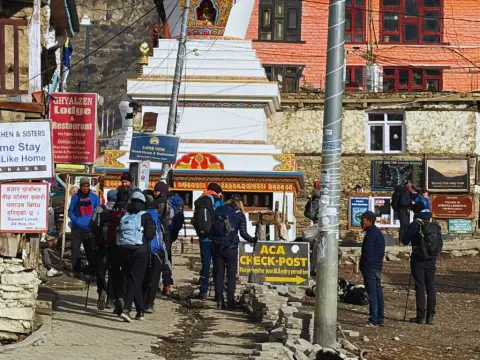
The Annapurna Circuit requires only one permit in 2026: the Annapurna Conservation Area Permit (ACAP). It costs NPR 3,000 for foreign nationals and NP...
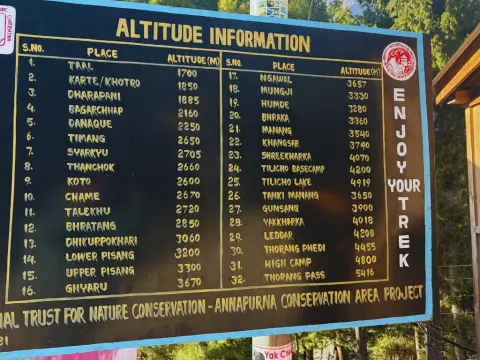
The Annapurna Circuit Trek altitude is both the greatest challenge and the most rewarding aspect of this legendary Himalayan journey. As a trekking co...
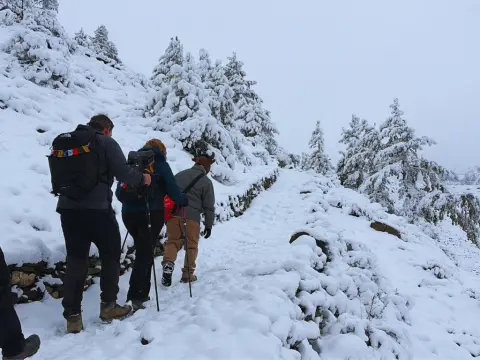
At Majestic Trails Nepal, we've guided hundreds of trekkers across the Annapurna Circuit. One question we hear constantly: "How difficult is the Annap...
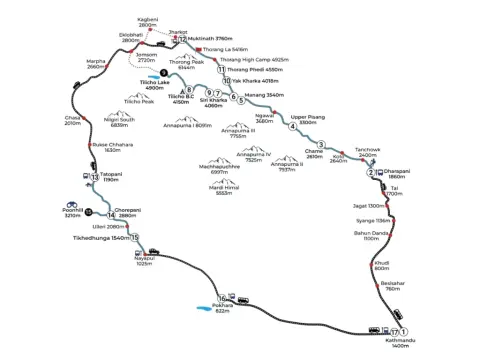
If you're planning the Annapurna Circuit Trek, the first thing you need is a reliable map — not just a blurry screenshot from Google, but a real, deta...
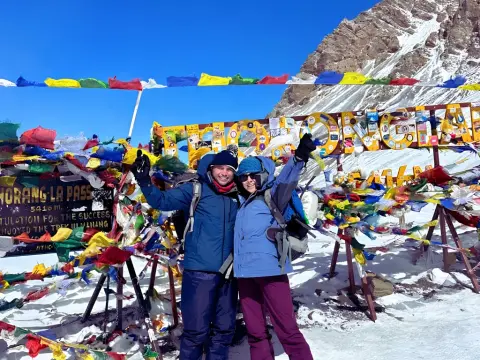
The biggest Annapurna Circuit mistake is taking the trek lightly. Many people hear about the new road and think it is an easy walk, but the route stil...

Yes, November is one of the best months to trek the Annapurna Circuit, with dry, stable weather, the clearest mountain views of the year, and fewer tr...
