[{"name":"Langtang Valley Trek \u2014 10 Days","duration":"10","image_url":"https:\/\/www.majestictrailsnepal.com\/storage\/trip-galleries\/1\/thumb_e7907ed736676d12e6ab17328008e746.webp","offer_price":null,"url":"https:\/\/www.majestictrailsnepal.com\/trips\/langtang-valley-trek"},{"name":"Everest Base Camp Trek","duration":"14","image_url":"https:\/\/www.majestictrailsnepal.com\/storage\/trip-galleries\/2\/thumb_4b769c9c4b5b007a61f4ce3b76ff440d.webp","offer_price":null,"url":"https:\/\/www.majestictrailsnepal.com\/trips\/everest-base-camp-trek"},{"name":"Everest Panorama Trek","duration":"9","image_url":"https:\/\/www.majestictrailsnepal.com\/storage\/trip-galleries\/3\/thumb_e6ee74caea3e2900c23ca370b06bab80.webp","offer_price":null,"url":"https:\/\/www.majestictrailsnepal.com\/trips\/everest-panorama-trek"},{"name":"Annapurna Base Camp Trek","duration":"14","image_url":"https:\/\/www.majestictrailsnepal.com\/storage\/trip-galleries\/4\/thumb_3f8d40f9472f701d7c46a827925201bc.webp","offer_price":null,"url":"https:\/\/www.majestictrailsnepal.com\/trips\/annapurna-base-camp-trek"},{"name":"Annapurna Base Camp Express Trek","duration":"9","image_url":"https:\/\/www.majestictrailsnepal.com\/storage\/trip-galleries\/5\/thumb_bac80de2bd257d651fa75d9c8025da1a.webp","offer_price":null,"url":"https:\/\/www.majestictrailsnepal.com\/trips\/annapurna-base-camp-express-trek"},{"name":"Annapurna Circuit Trek","duration":"15","image_url":"https:\/\/www.majestictrailsnepal.com\/storage\/trip-galleries\/6\/thumb_b73bdec74acacaa0d72a2a2a513f3d4a.webp","offer_price":null,"url":"https:\/\/www.majestictrailsnepal.com\/trips\/annapurna-circuit-trek"},{"name":"Ghorepani Poon Hill Trek","duration":"8","image_url":"https:\/\/www.majestictrailsnepal.com\/storage\/trip-galleries\/7\/thumb_aeda9e6388ab2692138cc9c9efa81a7f.webp","offer_price":null,"url":"https:\/\/www.majestictrailsnepal.com\/trips\/ghorepani-poon-hill-trek"},{"name":"Mardi Himal Trek \u2014 9 Days","duration":"9","image_url":"https:\/\/www.majestictrailsnepal.com\/storage\/trip-galleries\/8\/thumb_185a6bdd0bdb1ab5b4f218a2ec37ebf9.webp","offer_price":null,"url":"https:\/\/www.majestictrailsnepal.com\/trips\/mardi-himal-trek"},{"name":"Manaslu Circuit Trek","duration":"15","image_url":"https:\/\/www.majestictrailsnepal.com\/storage\/trip-galleries\/9\/thumb_7726908390ad6b249f2f6a7856f9dc17.webp","offer_price":null,"url":"https:\/\/www.majestictrailsnepal.com\/trips\/manaslu-circuit-trek"},{"name":"Upper Mustang Trek","duration":"16","image_url":"https:\/\/www.majestictrailsnepal.com\/storage\/trip-galleries\/10\/thumb_6a9b52ecd1d8cda92d594e5351431d6e.webp","offer_price":null,"url":"https:\/\/www.majestictrailsnepal.com\/trips\/upper-mustang-trek"},{"name":"Pokhara City Tour","duration":"1","image_url":"https:\/\/www.majestictrailsnepal.com\/storage\/trip-galleries\/11\/thumb_cf762ba4c20363bd1c0f239db35fcc84.webp","offer_price":null,"url":"https:\/\/www.majestictrailsnepal.com\/trips\/pokhara-city-tour"},{"name":"Paragliding in Pokhara","duration":"1","image_url":"https:\/\/www.majestictrailsnepal.com\/storage\/trip-galleries\/12\/thumb_b896201edf88bbe0f570e876c3c337a3.webp","offer_price":70,"url":"https:\/\/www.majestictrailsnepal.com\/trips\/paragliding-in-pokhara"},{"name":"Kathmandu City Tour","duration":"2","image_url":"https:\/\/www.majestictrailsnepal.com\/storage\/trip-galleries\/13\/thumb_846ad05bd3ce7bebb3843c24c08db6f9.webp","offer_price":null,"url":"https:\/\/www.majestictrailsnepal.com\/trips\/kathmandu-city-tour"},{"name":"Lumbini Buddhist Pilgrimage Tour","duration":"4","image_url":"https:\/\/www.majestictrailsnepal.com\/storage\/trip-galleries\/14\/a2998dca0ce22f28a61c3862dd47f6a3.webp","offer_price":null,"url":"https:\/\/www.majestictrailsnepal.com\/trips\/lumbini-buddhist-pilgrimage-tour"},{"name":"5 days langtang valley trek","duration":"5","image_url":"https:\/\/www.majestictrailsnepal.com\/storage\/trip-galleries\/15\/thumb_7a6c65c139b8085d220ac01913cb1448.webp","offer_price":510,"url":"https:\/\/www.majestictrailsnepal.com\/trips\/5-days-langtang-valley-trek"},{"name":"Leisure Port Nepal Price: Rafting and Camping Adventure","duration":"7","image_url":"https:\/\/www.majestictrailsnepal.com\/storage\/trip-galleries\/17\/thumb_02cb8c3f0697c7c5c4f73d744b47d87f.webp","offer_price":550,"url":"https:\/\/www.majestictrailsnepal.com\/trips\/leisure-port-nepal-price-rafting-and-camping-adventure"},{"name":"10 days spiritual tour in Nepal","duration":"10","image_url":"https:\/\/www.majestictrailsnepal.com\/storage\/trip-galleries\/18\/thumb_b4e7eba000673d1bce6b56abb422fe3b.webp","offer_price":1200,"url":"https:\/\/www.majestictrailsnepal.com\/trips\/10-days-spiritual-tour-in-nepal"},{"name":"Annapurna Circuit Short Trek","duration":"10","image_url":"https:\/\/www.majestictrailsnepal.com\/storage\/trip-galleries\/19\/thumb_769ee8cbe02a510d8db76419c97a2dc9.webp","offer_price":null,"url":"https:\/\/www.majestictrailsnepal.com\/trips\/annapurna-circuit-short-trek"},{"name":"Best Short Manaslu Circuit Trek","duration":"11","image_url":"https:\/\/www.majestictrailsnepal.com\/storage\/trip-galleries\/20\/thumb_ac1b4977a3fce9d11ee68240cad675b6.webp","offer_price":null,"url":"https:\/\/www.majestictrailsnepal.com\/trips\/best-short-manaslu-circuit-trek"},{"name":"Langtang Gosaikunda Trek","duration":"13","image_url":"https:\/\/www.majestictrailsnepal.com\/storage\/trip-galleries\/22\/thumb_577a6402f2ca4b3f12bfd80b96b33a23.webp","offer_price":940,"url":"https:\/\/www.majestictrailsnepal.com\/trips\/langtang-gosaikunda-trek"},{"name":"3 Passes Trek Nepal","duration":"22","image_url":"https:\/\/www.majestictrailsnepal.com\/storage\/trip-galleries\/24\/thumb_8020edea67aefce87e9012dc89a60087.webp","offer_price":null,"url":"https:\/\/www.majestictrailsnepal.com\/trips\/3-passes-trek-nepal"},{"name":"Tsum Valley Trek","duration":"13","image_url":"https:\/\/www.majestictrailsnepal.com\/storage\/trip-galleries\/25\/thumb_194c03e3c3463dff07a3f621a81ef9ea.webp","offer_price":null,"url":"https:\/\/www.majestictrailsnepal.com\/trips\/tsum-valley-trek"},{"name":"Gokyo and Renjo La Pass Trek","duration":"14","image_url":"https:\/\/www.majestictrailsnepal.com\/storage\/trip-galleries\/26\/thumb_7b865f0f0d0d4c6807b625b6e391b56d.webp","offer_price":1490,"url":"https:\/\/www.majestictrailsnepal.com\/trips\/gokyo-and-renjo-la-pass-trek"},{"name":"Honeymoon Tour in Nepal","duration":"9","image_url":"https:\/\/www.majestictrailsnepal.com\/storage\/trip-galleries\/27\/thumb_dabf449c090bb16efd5823c653eb61b3.webp","offer_price":null,"url":"https:\/\/www.majestictrailsnepal.com\/trips\/honeymoon-tour-in-nepal"},{"name":"Pikey Peak Trek","duration":"10","image_url":"https:\/\/www.majestictrailsnepal.com\/storage\/trip-galleries\/28\/thumb_5425e57ce3ea84d31a7b24b83b1af94f.webp","offer_price":1090,"url":"https:\/\/www.majestictrailsnepal.com\/trips\/pikey-peak-trek"},{"name":"Makalu Base Camp Trek","duration":"17","image_url":"https:\/\/www.majestictrailsnepal.com\/storage\/trip-galleries\/29\/thumb_d68c8ec6492540c922045d825a38cd50.webp","offer_price":null,"url":"https:\/\/www.majestictrailsnepal.com\/trips\/makalu-base-camp-trek"},{"name":"Nepal Winter Tour","duration":"8","image_url":"https:\/\/www.majestictrailsnepal.com\/storage\/trip-galleries\/30\/thumb_c8491c0c4b1fb19d8e93630866895799.webp","offer_price":null,"url":"https:\/\/www.majestictrailsnepal.com\/trips\/nepal-winter-tour"},{"name":"Maratika Tour in Nepal","duration":"6","image_url":"https:\/\/www.majestictrailsnepal.com\/storage\/trip-galleries\/31\/thumb_97948560c5a12a486f9ac2b76567cafd.webp","offer_price":null,"url":"https:\/\/www.majestictrailsnepal.com\/trips\/maratika-tour-in-nepal"},{"name":"Nepal Lake Trek","duration":"14","image_url":"https:\/\/www.majestictrailsnepal.com\/storage\/trip-galleries\/32\/thumb_d9b260fe13127816f5b3c25447caf70c.webp","offer_price":null,"url":"https:\/\/www.majestictrailsnepal.com\/trips\/nepal-lake-trek"},{"name":"Taste of Nepal Tour Package","duration":"9","image_url":"https:\/\/www.majestictrailsnepal.com\/storage\/trip-galleries\/33\/thumb_f4b55ab5760a8e057b4c3e208e25ab36.webp","offer_price":null,"url":"https:\/\/www.majestictrailsnepal.com\/trips\/taste-of-nepal-tour-package"},{"name":"Poon Hill Yoga Trek in Nepal","duration":"9","image_url":"https:\/\/www.majestictrailsnepal.com\/storage\/trip-galleries\/34\/thumb_904b238e690107c5c9b1092296880cc9.webp","offer_price":null,"url":"https:\/\/www.majestictrailsnepal.com\/trips\/poon-hill-yoga-trek-in-nepal"},{"name":"Nar Phu Nepal Trek","duration":"10","image_url":"https:\/\/www.majestictrailsnepal.com\/storage\/trip-galleries\/35\/thumb_f959e3e22c260629add0ba61a4038812.webp","offer_price":null,"url":"https:\/\/www.majestictrailsnepal.com\/trips\/nar-phu-nepal-trek"},{"name":"Annapurna Base Camp Helicopter Tour","duration":"1","image_url":"https:\/\/www.majestictrailsnepal.com\/storage\/trip-galleries\/36\/thumb_e81861e8772a9d7fac92ab4a7d43e3bf.webp","offer_price":null,"url":"https:\/\/www.majestictrailsnepal.com\/trips\/annapurna-base-camp-helicopter-tour"},{"name":"Annapurna Circuit with Nar Phu Valley Trek","duration":"16","image_url":"https:\/\/www.majestictrailsnepal.com\/storage\/trip-galleries\/38\/thumb_b70692cbd1c1dd772587c940be2d0bc9.webp","offer_price":null,"url":"https:\/\/www.majestictrailsnepal.com\/trips\/annapurna-circuit-with-nar-phu-valley-trek"},{"name":"Khopra Danda Trek","duration":"12","image_url":"https:\/\/www.majestictrailsnepal.com\/storage\/trip-galleries\/39\/thumb_6d5e38b2513af5a1ef359046decaffbf.webp","offer_price":null,"url":"https:\/\/www.majestictrailsnepal.com\/trips\/khopra-danda-trek"},{"name":"Manaslu Circuit with Tsum Valley Trek","duration":"20","image_url":"https:\/\/www.majestictrailsnepal.com\/storage\/trip-galleries\/40\/thumb_758926c6846b52ea9e258b1f06930d2c.webp","offer_price":null,"url":"https:\/\/www.majestictrailsnepal.com\/trips\/manaslu-circuit-with-tsum-valley-trek"},{"name":"Everest Base Camp with Island Peak Trek","duration":"19","image_url":"https:\/\/www.majestictrailsnepal.com\/storage\/trip-galleries\/41\/thumb_7c16b49e43f646d555dd9ed752d9e0a7.webp","offer_price":null,"url":"https:\/\/www.majestictrailsnepal.com\/trips\/everest-base-camp-with-island-peak"}]
Annapurna Circuit Trek Mistakes: 32 Things Our Guides See Every Season (2026)
The biggest Annapurna Circuit mistake is taking the trek lightly. Many people hear about the new road and think it is an easy walk, but the route still crosses Thorong La Pass at 5,416m (17,769 ft), which is higher than Everest Base Camp.
The other mistakes that cause the most trouble are skipping the acclimatisation day in Manang (3,540m / 11,614 ft), doing big side trips such as Ice Lake or Tilicho Lake right before the pass, starting Thorong La too late in the morning, and not checking trail conditions after monsoon floods.
This guide was written by Bibek Dhamala, founder of Majestic Trails Nepal, who started on the trails as a porter at 18 and in 2026 rescued a 68-year-old trekker with altitude sickness on Thorong La in the strongest wind he has ever seen. It was fact-checked by Sujan Adhikari, the Majestic Trails Nepal guide who specialises in the Annapurna region.
Key Takeaways
If you only remember five things from this guide, remember these.
Respect the altitude. Thorong La (5,416m / 17,769 ft) is the highest point of the trek, and most problems start above Manang.
Rest properly in Manang. Take a full acclimatisation day there and keep the side hike short and easy.
Space out the big side trips. Ice Lake and Tilicho Lake are beautiful, but doing them the day before the pass leaves you tired for the hardest day.
Start the pass early. Leave Thorong Phedi or High Camp before dawn, because the wind on the pass usually gets stronger as the day goes on.
Check conditions before you book. The September 2026 floods cut off Upper Manang for about three weeks, which is why Majestic Trails Nepal does a free video call with every trekker before booking.
What Are the Most Common Mistakes on the Annapurna Circuit Trek?
The five most common Annapurna Circuit mistakes are underestimating the trek, rushing the altitude above Manang, overdoing side trips, crossing Thorong La too late, and not checking current trail conditions. The table below shows where each one usually happens and how to avoid it.
Mistake
Where it usually happens
How to avoid it
Thinking the Annapurna Circuit is easy
Before the trek, at the planning stage
Train for 6 to 8 hard days in a row and plan for a 5,416m (17,769 ft) pass
Skipping the Manang rest day
Manang, 3,540m (11,614 ft)
Sleep two nights in Manang and keep the side hike light
Doing Ice Lake or Tilicho right before the pass
Manang and Tilicho Base Camp
Add an extra day so the big side trip is not followed straight by the pass
Starting Thorong La too late
Thorong Phedi, 4,450m (14,600 ft) or High Camp, 4,880m (16,010 ft)
Leave before dawn so you cross before the wind picks up
Not checking trail and road conditions
Before booking, especially after the monsoon
Ask a local operator for a current update; Majestic Trails Nepal does this on a free video call
The full list of 32 mistakes follows, grouped by the stage of the trek where they happen.
Annapurna Circuit Mistakes to Avoid Before You Go
Many Annapurna Circuit problems start at home, weeks before the first step. These six mistakes are about planning, money, permits and current conditions.
Mistake 1: Thinking the Annapurna Circuit Is an Easy Trek
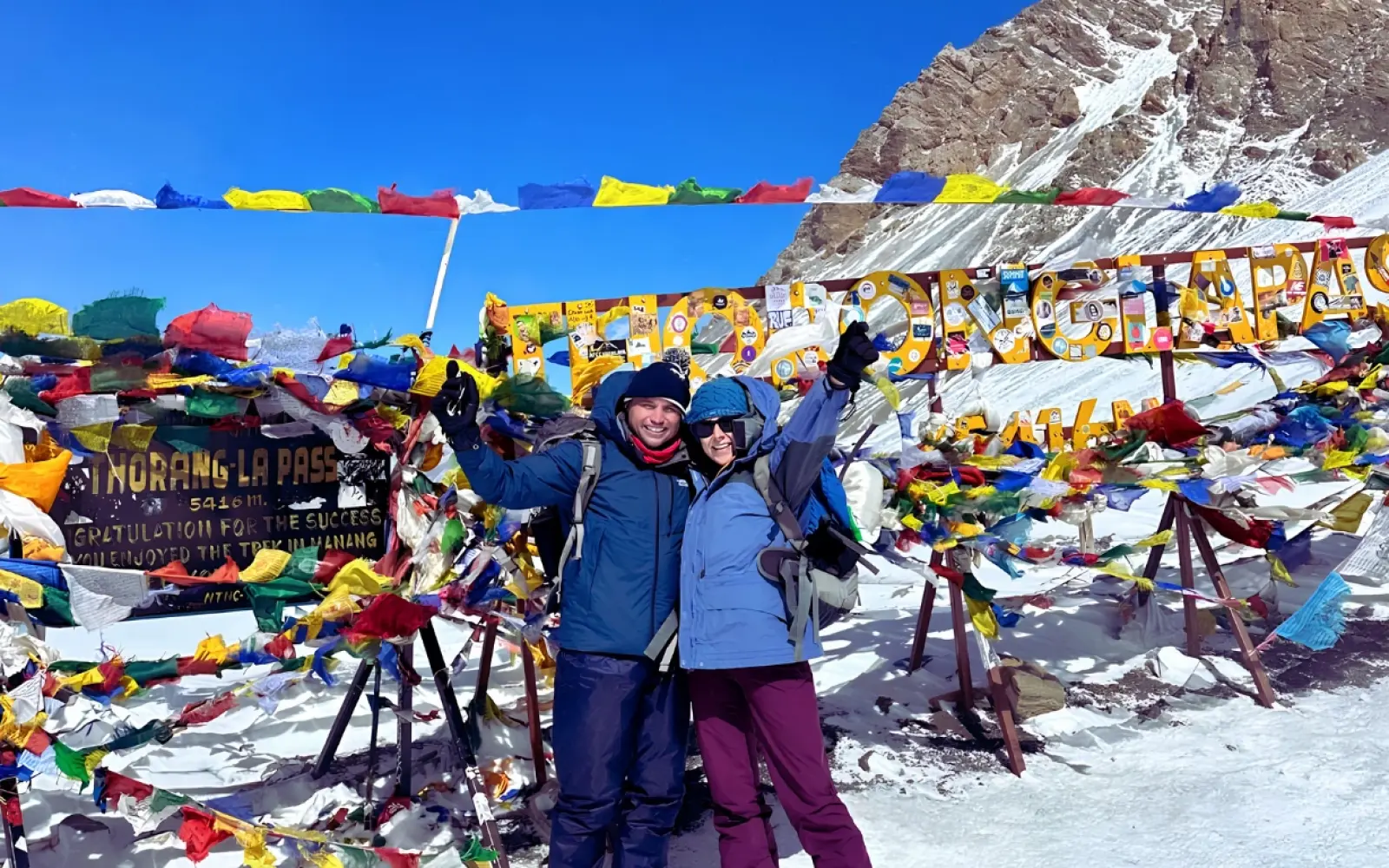
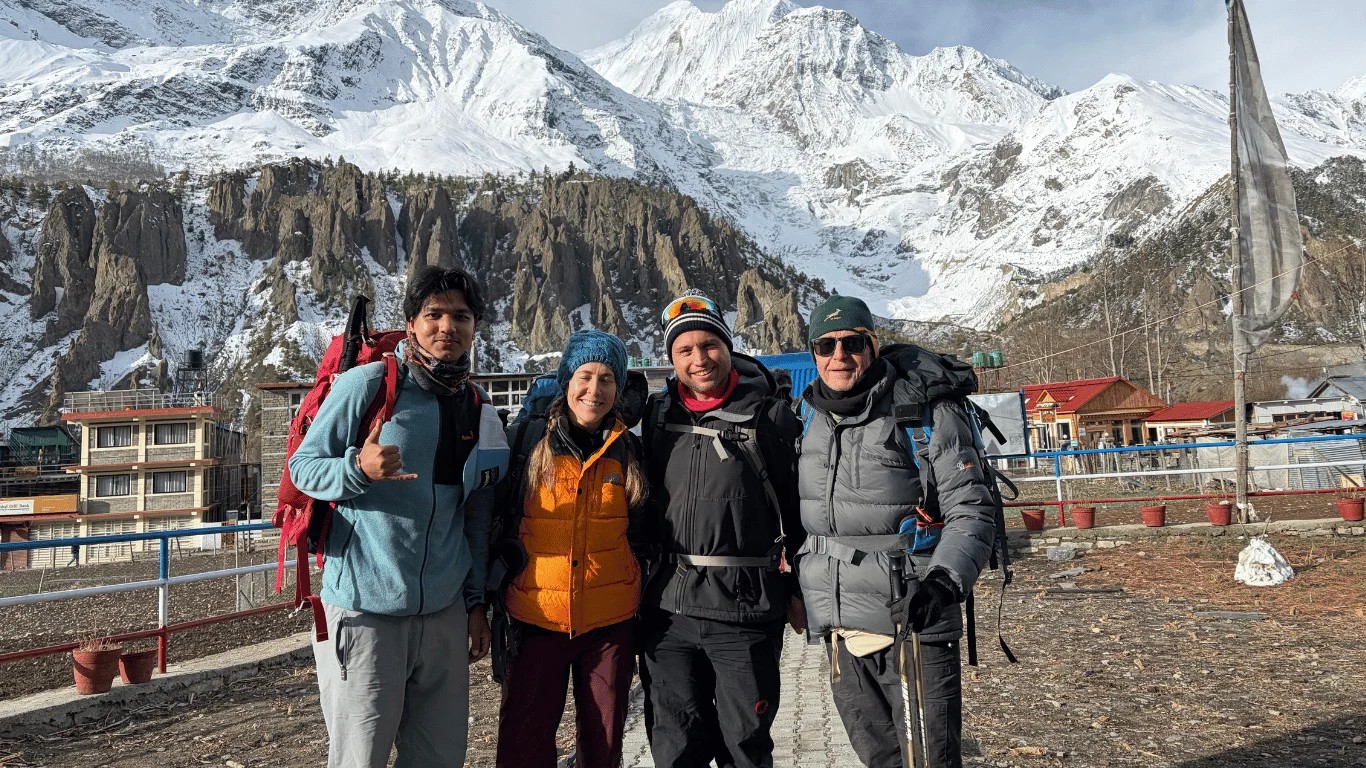
Majestic Trails Nepal trekkers celebrating at the top of Thorong La Pass (5,416m) on the Annapurna Circuit Trek.
The most common mistake Majestic Trails Nepal guides see is treating the Annapurna Circuit as an easy trek because a road now runs through much of the valley. The road changes the lower days, but it does not change the altitude: you still sleep above 4,400m (14,400 ft) and cross a 5,416m (17,769 ft) pass.
Trekkers who come prepared for long, steep days usually enjoy the circuit. Trekkers who expect a gentle valley walk are often the ones who struggle on the Upper Pisang to Manang day and on the pass itself. For a full breakdown of fitness and terrain, read the Majestic Trails Nepal guide to Annapurna Circuit trek difficulty.
Mistake 2: Underestimating the Drive From Kathmandu to Besisahar, Jagat or Chame
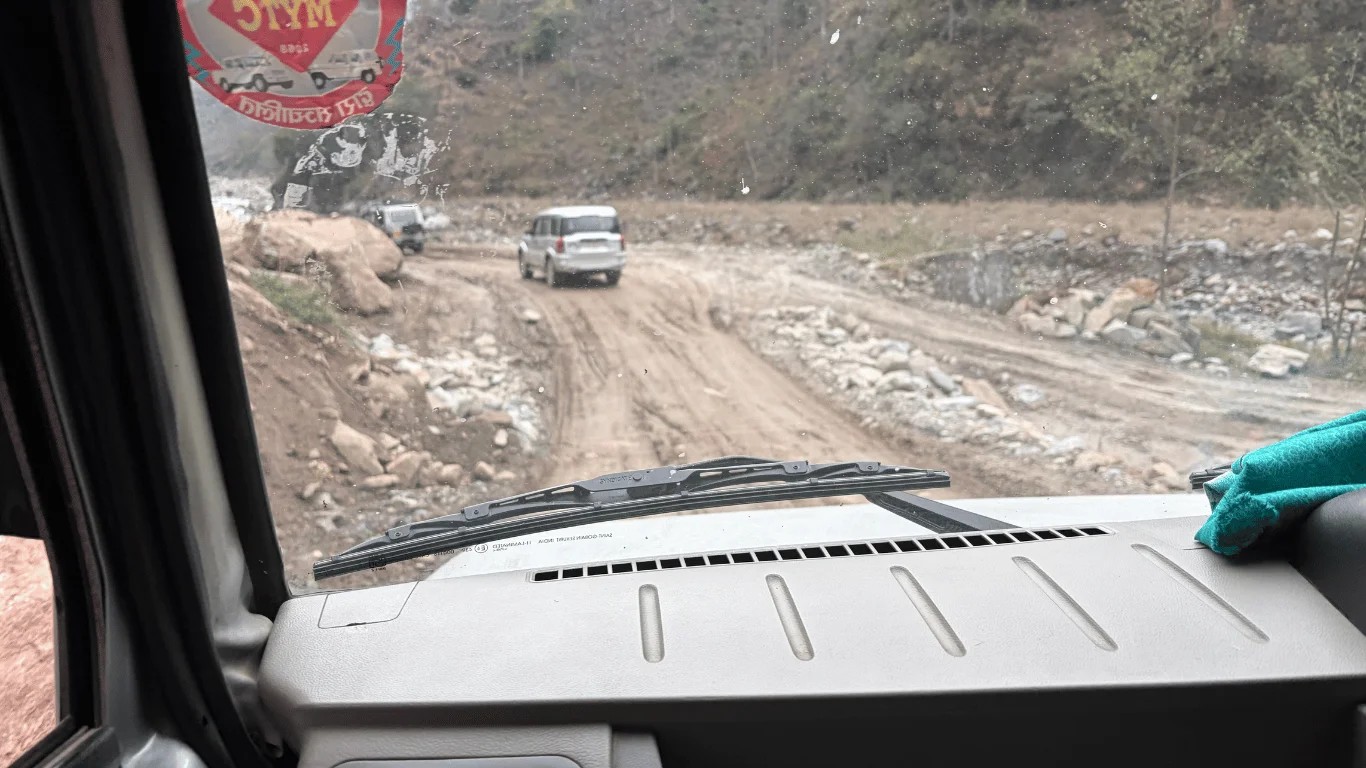
Rough and winding mountain roads between Besisahar and Chame on the Annapurna Circuit Trek, photographed from inside a jeep.
The drive to the start of the trek is part of the challenge, not a rest day. The bus or jeep from Kathmandu to Besisahar takes most of a day, and the road beyond Besisahar is narrow, rough and sometimes blocked by landslides. The Besisahar to Chame stretch alone is about 61.5 km of mountain road.
Plan this day as a travel day with no other goals. Sit on the side away from the drop if heights bother you, carry snacks and water, and accept that delays are normal on Nepal's mountain roads.
Mistake 3: Not Checking Current Trail and Road Conditions
The Annapurna Circuit changes every monsoon, so last year's blog or video may not match the trail this season. Floods and landslides can wash out paths, bury road sections, and close bridges with almost no warning.
A recent example shows why this matters. In late September 2026, floods and landslides in the Ghatte Khola dumped debris into the Marsyangdi River near Chame. The motorable bridge at Chame was submerged, Upper Manang was cut off for about three weeks, and hundreds of trekkers were stranded or had to turn back. A temporary 35-metre timber deck opened over the bridge on 13 October 2026, and only light vehicles such as jeeps and motorcycles can cross for now.
It has happened before. In July 2021, a flood swept away the suspension bridge at Chame, which was the main walking link to Upper Manang. That bridge has since been rebuilt, but the lesson stays the same: always ask about current conditions before you book.
This is exactly why Majestic Trails Nepal does a free video call with every trekker before booking. On the call, a Majestic Trails Nepal guide explains the latest trail, road, and weather situation, so you know what to expect before you pay anything.
Mistake 4: Not Knowing the Guide Rules for the Annapurna Region in 2026
Independent trekkers walking along the Annapurna Circuit trail in October 2026 without a guide.
Since 1 April 2023, Nepal Tourism Board rules require foreign trekkers in national parks and conservation areas, including the Annapurna Conservation Area, to trek with a licensed guide. Some trekkers still report walking the circuit alone, which creates confusion about what is allowed.
Do not plan your trip around rumours or old forum posts. Check the current rules with the Nepal Tourism Board or a licensed local operator before you travel. The main permit is the Annapurna Conservation Area Permit (ACAP), which costs NPR 3,000 for foreign trekkers. A TIMS card is not currently required.
In practice, the rule is not currently enforced on the Annapurna Circuit. You can still trek it without a guide, and Majestic Trails Nepal guides meet many independent trekkers on the trail every season. This gap between the written rule and what happens on the trail is why so many trekkers are confused about what is allowed.
Mistake 5: Not Carrying Enough Cash, Even Though Chame and Manang Now Have ATMs
Chame and Manang now have ATMs, which makes the circuit easier than it was a few years ago. The mistake is relying on them completely. Mountain ATMs can run out of cash, go offline when the network fails, reject foreign cards, or charge high fees, and card or digital payments often fail in teahouses.
Carry enough Nepali rupees in cash for the whole trek, and treat the ATMs in Chame and Manang as a backup. Bring small notes as well, because teahouses higher up often cannot change large bills. Majestic Trails Nepal packages include lodges and meals, so you only need cash for extras such as snacks, hot showers, charging and Wi-Fi.
Mistake 6: Travel Insurance That Doesn't Cover Thorong La (5,416m)
Many standard travel insurance policies stop covering trekking above 3,000m or 4,000m, which means you may not be covered on the most important part of the trek. On the Annapurna Circuit, you need a policy that covers trekking up to at least 5,500m (18,045 ft) and helicopter evacuation.
Helicopter rescues are common in the Manang and Thorong La area, and they are expensive. Read the altitude limit in your policy before you buy it, and carry the emergency phone number and policy number with you on the trek.
Annapurna Circuit Route Mistakes
The route you choose each day changes how much you enjoy the Annapurna Circuit and how well you acclimatise. These five mistakes are about trails, timing and navigation. For distances and elevations for every stage, see the Annapurna Circuit trek map and route guide.
Mistake 7: Walking the Jeep Road Instead of the NATT Trekking Trails
A Majestic Trails Nepal guide leading trekkers along the New Annapurna Trekking Trails (NATT), following scenic footpaths away from the busy jeep road.
Walking on the jeep road is one of the biggest regrets trekkers share about the modern Annapurna Circuit. The road is dusty, busy with jeeps and trucks in places, and passes hydropower and construction work that most people did not travel to Nepal to see.
The New Annapurna Trekking Trails (NATT) are footpaths, marked in red and white, that avoid much of the road and pass through villages, forests and viewpoints instead. They are often a little longer or steeper, but they are almost always the better walk. Every Majestic Trails Nepal guide follows the NATT footpaths wherever they are open and safe.
Mistake 8: Skipping the Upper Pisang and Ghyaru Route
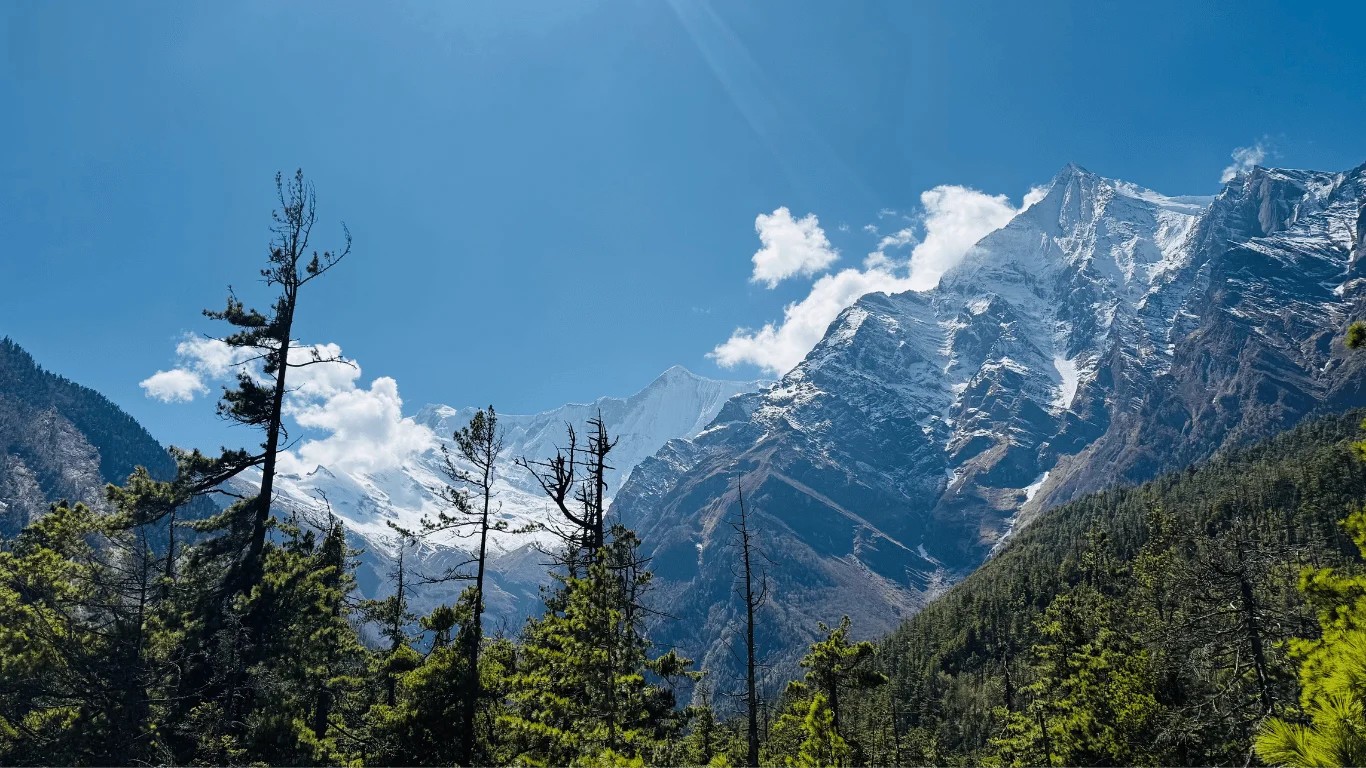
Stunning views of Annapurna II and Annapurna IV along the upper trail from Upper Pisang to Ghyaru on the Annapurna Circuit Trek.
Between Pisang and Manang there are two routes, and many trekkers take the lower one without knowing what they are missing. The upper route through Upper Pisang (3,310m / 10,860 ft), Ghyaru (3,670m / 12,040 ft) and Ngawal has some of the best Annapurna II and Gangapurna views on the whole circuit.
The upper route also helps your acclimatisation, because you climb higher during the day and then sleep lower. The trade-off is a very steep zigzag climb up to Ghyaru, so take it slowly, drink water and rest often.
Mistake 9: Underestimating the Upper Pisang to Manang Day
The walk from Upper Pisang to Manang via Ghyaru and Ngawal is one of the longest days on the circuit, and it can be close to 20 km. Trekkers who start late or set off too fast often arrive in Manang exhausted, which is a poor start to the most important rest stop of the trek.
Start early, walk at a steady pace, and plan snack and water stops in Ngawal and Braga. Arriving in Manang tired but not drained makes your acclimatisation day far more useful.
There are two ways to reach Manang from Pisang, and choosing the wrong one for your fitness is a common mistake. The upper route through Ghyaru and Ngawal is harder, with a steep climb and a long day, but it has the best mountain views. The lower route from Lower Pisang through Humde is easier and shorter, but less beautiful. If you are tired or struggling with the altitude, the lower route is a sensible choice, and your Majestic Trails Nepal guide will help you decide on the day.
Mistake 10: Following Google Maps Instead of the Main Trail
Map apps are useful on the Annapurna Circuit, but they do not always show the safest or most current path. Some trekkers have followed an app onto a higher or older trail, especially in snow between Yak Kharka and Thorong Phedi, and found themselves on steep, slippery ground.
Use an offline map app as a backup, not as your only guide. Stay on the main, well-used trail, follow the red and white markers, and ask teahouse owners or other guides when you are unsure. With Majestic Trails Nepal, your guide knows which trails are open that week.
Mistake 11: Starting Late and Missing the Mountain Views
On most days of the Annapurna Circuit, the mountains are clearest early in the morning, and clouds often build from late morning. Trekkers who start at 9am or later often miss the best views and walk the steepest sections in the midday sun.
An early start, around 7am on normal days, gives you clearer views, quieter trails and an earlier arrival at the next teahouse. Early arrivals also get better room choices in busy seasons.
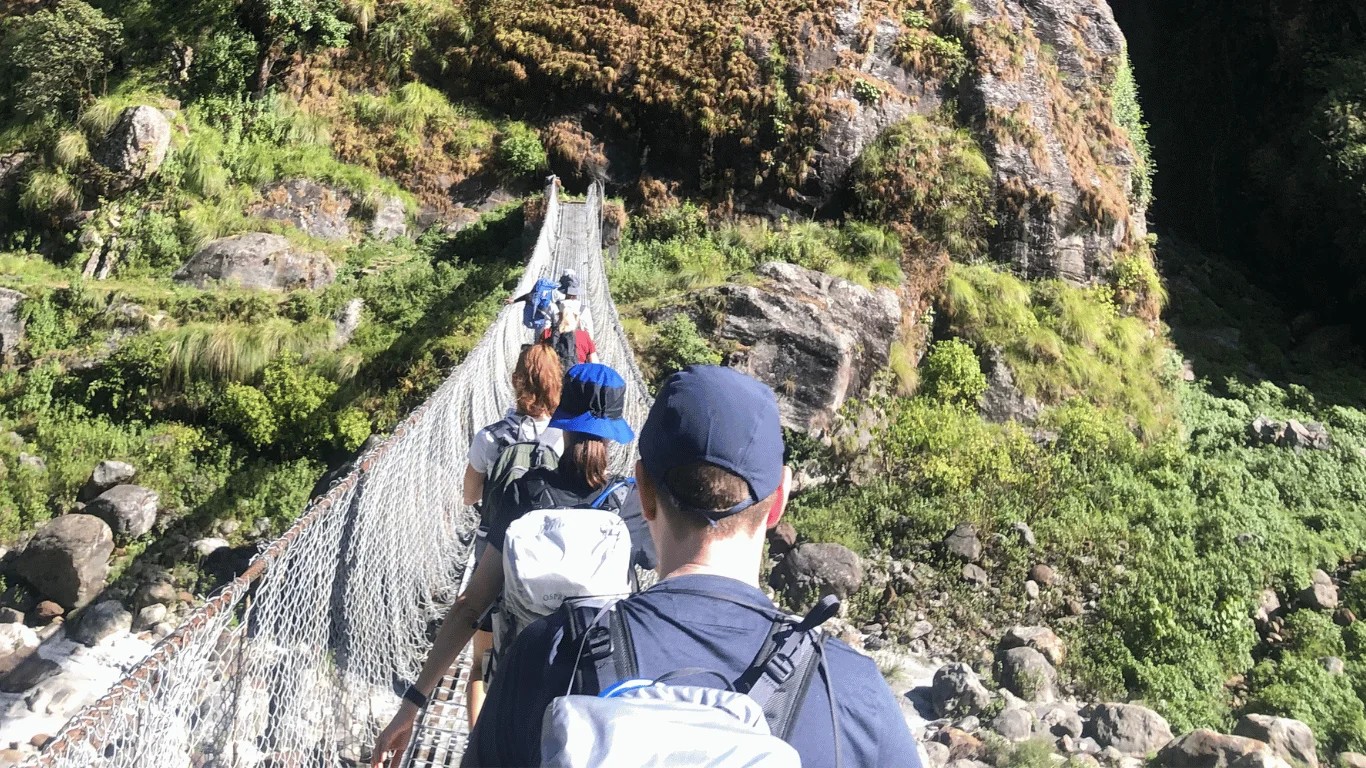
The trail also crosses many long suspension bridges. They are safe and well built, but if you are nervous about heights, look ahead rather than down, walk at a steady pace and give way to mule trains before you step on.
Altitude Sickness Mistakes on the Annapurna Circuit
Altitude is the biggest risk on the Annapurna Circuit, and most altitude problems come from a handful of avoidable mistakes above Manang. These seven are the ones Majestic Trails Nepal guides watch for most closely.
Mistake 12: Skipping the Acclimatisation Day in Manang (3,540m)
Majestic Trails Nepal trekking group in Manang before an acclimatisation hike to Gangapurna Viewpoint on the Annapurna Circuit.
Skipping the rest day in Manang is one of the most dangerous Annapurna Circuit mistakes. Manang sits at 3,540m (11,614 ft), and from here the trail climbs to about 4,450m (14,600 ft) at Thorong Phedi in two days, so your body needs time to adjust first.
Sleep two nights in Manang. On the rest day, do a short hike to a higher point and come back down to sleep, following the "climb high, sleep low" rule. Majestic Trails Nepal guides take trekkers up to the Gangapurna viewpoint above Manang. It is a short climb with big views of Gangapurna and its glacier lake, and it helps acclimatisation without draining your energy before the pass.
Mistake 13: Doing Ice Lake or Tilicho Lake Right Before Thorong La
Ice Lake (about 4,600m / 15,090 ft) and Tilicho Lake (about 4,919m / 16,138 ft) are two of the most beautiful side trips in Nepal. The mistake is doing a big side trip and then heading straight for the pass with no recovery time.
Ice Lake is a long, steep climb of roughly 1,000m from Braga or Manang. Trekkers who use it as their "rest day" hike often feel it the next day, on the climb to Yak Kharka. Tilicho is even more demanding, especially if you carry your own heavy pack up to Tilicho Base Camp, and parts of the trail cross landslide slopes that can be damaged after the monsoon.
If you want Ice Lake or Tilicho, add an extra day to your itinerary so a lighter day sits between the side trip and the pass. Majestic Trails Nepal does not use Ice Lake as its standard acclimatisation hike, because it is too much for most trekkers before the pass. If a very fit trekker asks for it, the guide decides on the day whether Ice Lake is safe for them. Tilicho Lake can be added to a Majestic Trails Nepal Annapurna Circuit itinerary, but it must be requested while booking so the extra days are built in from the start.
Mistake 14: Ascending Too Quickly Above Manang
Ascending too quickly is the main cause of altitude sickness on Annapurna trails. Above 3,000m (9,843 ft), a common guideline is to raise your sleeping altitude by no more than 300m to 500m (about 1,000 to 1,600 ft) a day, with a rest day every 3 to 4 days.
The usual itinerary from Manang to Yak Kharka (4,018m / 13,182 ft) or Letdar, then to Thorong Phedi, follows this pattern. Trying to skip a stop to save a day puts you at much higher risk on the pass.
Mistake 15: Ignoring Early Altitude Symptoms at Yak Kharka and Thorong Phedi
Mild headaches, nausea, loss of appetite, dizziness and very poor sleep are early signs of acute mountain sickness. The mistake is hiding these symptoms or pushing on because the group is moving forward.
Tell your guide as soon as you feel unwell. If symptoms get worse, the only reliable treatment is to stop climbing or go down. Majestic Trails Nepal guides check every trekker's oxygen level and how they feel each evening, so problems are caught early.
Mistake 16: Not Eating and Drinking Enough at Altitude
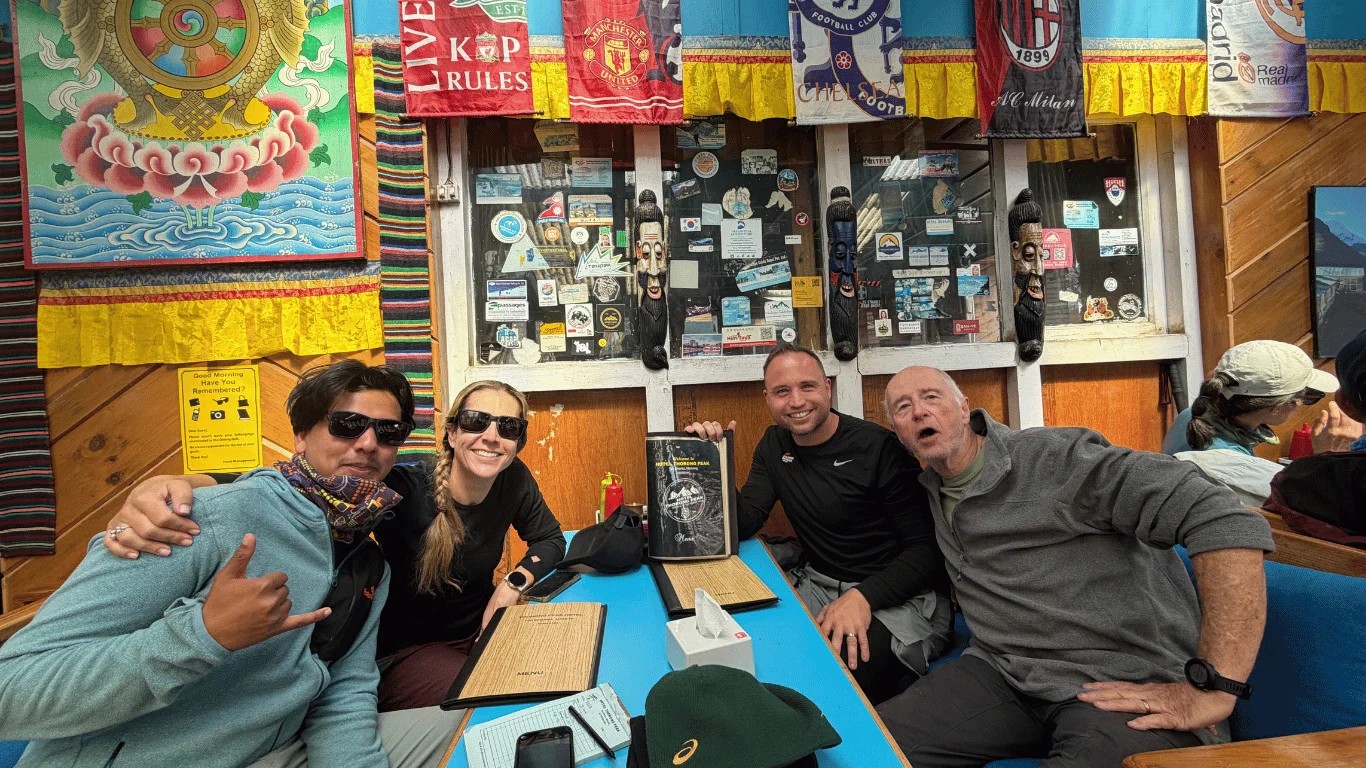
A Majestic Trails Nepal guide helping a guest choose warm, nourishing meals in a mountain teahouse dining hall during the Annapurna Circuit Trek.
Many trekkers lose their appetite above 4,000m, and some drink less because they do not want to get up at night. Both make altitude symptoms and tiredness worse.
Aim to drink around 3 to 4 litres a day, including tea, soup and garlic soup, and keep eating even when you are not hungry. Simple, warm meals such as dal bhat, noodle soup and porridge are easy to digest.
Mistake 17: Not Asking Your Doctor About Diamox
Some trekkers only learn about acetazolamide (Diamox) once they already feel unwell high on the trail. Diamox can help with acclimatisation for some people, but it is a prescription medicine with side effects and is not right for everyone.
Speak to your doctor or a travel clinic before you travel, especially if this is your first time above 4,000m. Majestic Trails Nepal guides are trained in first aid but do not prescribe medicine.
Mistake 18: Carrying a Heavy Backpack Above 4,000m
A heavy pack makes every step at altitude harder, and it is one of the most common complaints from independent trekkers on the circuit. Sore shoulders from day 4 onwards and slow, breathless climbs to Tilicho or Thorong Phedi are typical results.
Keep your day pack to around 5 to 7 kg, with water, layers, snacks and essentials. A porter carries the rest, which lets you save energy for the pass and supports a local family's income. Majestic Trails Nepal porters carry 20 to 25 kg each, with one porter for every two trekkers.
Annapurna Circuit Altitude by Stop
This table shows the main stops on the Annapurna Circuit with their approximate height and how much oxygen is available compared with sea level.
Stop
Altitude (m)
Altitude (ft)
Approx. oxygen compared with sea level
Besisahar
760
2,493
91%
Chame
2,670
8,760
72%
Upper Pisang
3,310
10,860
66%
Manang
3,540
11,614
64%
Yak Kharka
4,018
13,182
60%
Thorong Phedi
4,450
14,600
57%
Thorong High Camp
4,880
16,010
54%
Thorong La Pass
5,416
17,769
51%
Muktinath
3,800
12,467
62%
Oxygen percentages are rounded estimates based on air pressure at each height. Altitudes vary slightly between maps and signboards. For more detail on every stop, read the Annapurna Circuit trek altitude guide.
Thorong La Pass Mistakes
Thorong La Pass (5,416m / 17,769 ft) is the hardest and highest day of the Annapurna Circuit. These six mistakes are the ones that turn a tough day into a dangerous one.
Mistake 19: Choosing Thorong Phedi or High Camp Without Checking Conditions
There are two places to sleep before the pass: Thorong Phedi at 4,450m (14,600 ft) and Thorong High Camp at about 4,880m (16,010 ft). Many trekkers decide months in advance from a blog, without knowing how they will feel or what the weather will be on the day.
High Camp makes pass day about an hour shorter, but sleeping 430m higher is harder for anyone who is struggling with the altitude. Majestic Trails Nepal guides make this decision at Thorong Phedi, based on how each trekker is doing and the latest weather. The full process is explained later in this guide.
Mistake 20: Starting the Thorong La Crossing Too Late
The wind on Thorong La usually gets stronger from late morning, and weather on the pass can change quickly in the afternoon. Trekkers who leave late spend the most exposed part of the day in the worst conditions.
Majestic Trails Nepal groups leave Thorong Phedi at about 4am, or High Camp at about 5am to 5:30am, aiming to reach the top by 9am to 10am. Pack your bag and fill your bottles the night before so you can leave on time. For the full crossing plan, read the Majestic Trails Nepal Thorong La Pass guide.
Mistake 21: Underestimating the Cold, Wind and Snow at 5,416m
Early mornings on Thorong La are often well below freezing, even in the main trekking seasons, and the wind makes it feel much colder. Fresh snow can fall at any time of year.
The Annapurna region's worst trekking disaster shows how serious this can be. In October 2014, a sudden snowstorm linked to Cyclone Hudhud hit the Thorong La area, and at least 43 people died across the Annapurna region. More recently, in late September 2026, heavy snow forced more than 150 trekkers to turn back from the pass to Manang.
Wear warm layers, a down jacket, insulated gloves, a warm hat and a buff, and keep hand warmers and a headtorch where you can reach them.
Mistake 22: No Microspikes After Fresh Snow
After fresh snow, the trail to Thorong La and the descent to Muktinath can become icy and slippery. Trekkers without traction often slip, slow down or lose time on the most exposed part of the day.
Carry lightweight microspikes in autumn, winter and early spring. Majestic Trails Nepal provides microspikes for its trekkers. Trekking poles also help a lot on the steep descent.
Mistake 23: Forgetting the 1,600m Descent to Muktinath
Many trekkers focus so much on reaching the top of Thorong La that they forget the second half of the day. From the pass, the trail drops about 1,600m (5,250 ft) to Muktinath (3,800m / 12,467 ft), and the full day usually takes 8 to 11 hours from High Camp, or 10 to 14 hours from Thorong Phedi.
Save energy and snacks for the descent, use trekking poles to protect your knees, and take short breaks. Many trips go wrong on the way down, when people are tired and less careful.
Mistake 24: Pushing On When the Weather Turns on the Pass
The hardest decision on Thorong La is turning back when the weather turns. Some trekkers keep going because they have planned this day for months, even when wind, snow and poor visibility make it unsafe.
The mountain will still be there next season. Majestic Trails Nepal guides will turn a group around or wait a day when the conditions are not right, and they are trained to support a trekker who struggles on the pass, as Bibek did in 2026 when he rescued a 68-year-old trekker on Thorong La.
Food, Water and Health Mistakes on the Annapurna Circuit
A stomach bug or a chest infection can end an Annapurna Circuit trek just as easily as altitude can. These four mistakes are simple to avoid with a little planning.
Mistake 25: Drinking Untreated Water
Tap and stream water on the Annapurna Circuit can look clean but still carry bacteria that cause stomach illness. Drinking it untreated is one of the most common reasons trekkers lose a day or more.
Use purification tablets, a filter bottle or a UV purifier, or buy boiled or filtered water from teahouses and refill stations. Avoiding plastic bottles also helps keep the Annapurna Conservation Area clean.
Mistake 26: Upsetting Your Stomach in the First Days
Dal bhat is the fuel of the Annapurna Circuit, and most teahouses offer free refills. Some trekkers eat far more than usual on the first days, or switch suddenly to rich, oily or unfamiliar food, and end up with an upset stomach just as the walking gets harder.
Eat well, but listen to your body in the first few days. Choose freshly cooked hot food, be careful with raw salads and meat higher up, and wash or sanitise your hands before every meal.
Mistake 27: No Plan for a Cough or Chest Infection
The cold, dry air above 4,000m often causes a dry cough, sometimes called the "Khumbu cough" in the Everest region, and some trekkers pick up a chest infection after the pass. Many people have no plan for this until they are already unwell.
Wear a buff over your mouth and nose on cold mornings, drink warm drinks and carry throat lozenges. Ask your doctor before the trip whether you should carry any medicine for chest infections. If you have breathlessness at rest, a wet cough or chest pain at altitude, tell your guide straight away, because these can be signs of a serious altitude illness.
Mistake 28: Getting Cold After Hot Showers at Altitude
A hot shower sounds perfect after a long day, but high on the circuit the hot water may only last a minute; the bathroom is often freezing, and drying long hair in cold air chills you quickly.
Above Manang, many trekkers skip showers and use wet wipes instead. If you do shower, do it as soon as you arrive while the day is still warm, and put on dry, warm layers straight after.
Teahouse, Packing and Culture Mistakes
The last four mistakes are about where you sleep, what you carry and how you behave in the villages along the way. They are small things, but they shape the whole experience.
Mistake 29: Not Booking Lodges in Peak Season
In October, November, March and April, popular stops such as Manang, Thorong Phedi and High Camp can fill up. Independent trekkers who arrive late sometimes end up sleeping in a dining room or walking on to the next village when they are already tired.
Majestic Trails Nepal pre-books every lodge on the Annapurna Circuit for its trekkers, so you always know where you will sleep that night. If you trek independently, start early and call ahead in peak season.
Mistake 30: Overpacking and Wrong Layering
Overpacking makes every climb harder, while packing the wrong layers leaves you too hot in the lower valleys and too cold on the pass. The Annapurna Circuit goes from subtropical forest at around 800m to a glacial pass at 5,416m, so you need a layering system, not a pile of heavy clothes.
The table below shows what to bring and what to leave behind.
Bring
Leave behind
Base layers that dry quickly
Cotton T-shirts and jeans
A fleece or light insulated mid-layer
Several heavy jumpers
A warm down jacket for Thorong La
A bulky winter coat for the lower valleys
A waterproof shell jacket and trousers
An umbrella as your only rain protection
Broken-in trekking boots
Brand-new boots worn for the first time
Insulated gloves, a warm hat and a buff
Too many spare shoes
A sleeping bag rated for about -10°C (14°F)
Hard-shell suitcases (porters carry duffel bags)
Microspikes and trekking poles
Large electronics you will not use
A headtorch, power bank and water purification
Extra books and heavy toiletries
Majestic Trails Nepal checks every trekker's gear at the pre-trek meeting in Kathmandu, so anything missing can be bought or rented before you leave.
Mistake 31: Not Respecting Local Customs and Monasteries
The upper Annapurna Circuit is home to Gurung, Manangi and Thakali communities, with Buddhist monasteries, prayer walls and prayer wheels along the trail. Some trekkers unknowingly cause offence by walking the wrong way around religious sites or dressing very revealingly in villages.
Walk clockwise around stupas, mani walls and prayer wheels, and spin prayer wheels clockwise. Dress modestly in villages, take off your shoes and hat in monasteries, and always ask before photographing people.
Mistake 32: Forgetting the Annapurna Circuit Is a Mental Challenge
The Annapurna Circuit is as much a mental challenge as a physical one. Cold mornings, poor sleep, long climbs and nerves before the pass can lower anyone's morale, especially in the days around Manang and Thorong Phedi.
Take it one day at a time, celebrate small wins and talk to your guide and group when you feel low. A good guide does more than show the way: Majestic Trails Nepal guides set the pace, share stories, and keep the group positive when the trail gets hard.
How Difficult Is the Annapurna Circuit Trek?
The Annapurna Circuit is a moderate to challenging trek. It needs no technical climbing skills, but it does need good fitness, 5 to 7 hours of walking on most days, and careful acclimatisation for the climb to Thorong La at 5,416m (17,769 ft).
Most fit beginners can complete it with proper preparation, a sensible itinerary and a licensed guide. The hardest parts are the Upper Pisang to Manang day, the climb from Manang to Thorong Phedi, and the long pass day to Muktinath. For training tips, day-by-day difficulty and fitness advice, read the full Majestic Trails Nepal guide to Annapurna Circuit trek difficulty.
How Risky Is the Annapurna Circuit Trek?
The Annapurna Circuit is a safe trek for most well-prepared people, but it carries real risks from altitude, weather and natural hazards. There is no official, regularly published death rate for the Annapurna Circuit, so be careful with exact figures you see online.
The main risks are altitude sickness above Manang, sudden snow and wind on Thorong La, and landslides, floods and road damage, especially during and just after the monsoon. The 2014 snowstorm and the September 2026 floods both show that conditions can change fast.
These risks can be managed. A sensible itinerary with a rest day in Manang, an early start on the pass, a licensed guide who checks your health every day, good insurance and an up-to-date trail report make the Annapurna Circuit far safer.
How Our Guides Decide: Thorong Phedi or High Camp
Majestic Trails Nepal guides do not decide where to sleep before the pass until they reach Thorong Phedi. The decision is made on the day, for each group, using a simple process.
Check every trekker's health. At Thorong Phedi, the guide checks each trekker's oxygen level, pulse, appetite, headache and sleep from the night before.
Check the weather and the trail. The guide talks to teahouse owners and other guides about wind, snow and the state of the trail to the pass.
Decide where to sleep. If everyone is strong and the weather is stable, the group may climb another 430m to High Camp for a shorter pass day. If anyone is struggling with the altitude, or the weather looks unsettled, the group stays at Thorong Phedi.
Set the start time. The guide sets the morning departure so the group reaches the top before the wind picks up.
Agree a turnaround plan. Before leaving, the guide agrees a clear plan with the group: if someone becomes unwell or the weather turns, they go back down.
This flexible approach is one reason Majestic Trails Nepal guides prefer to decide on the ground, not months ahead from an office.
The Day on Thorong La Our Founder Will Never Forget
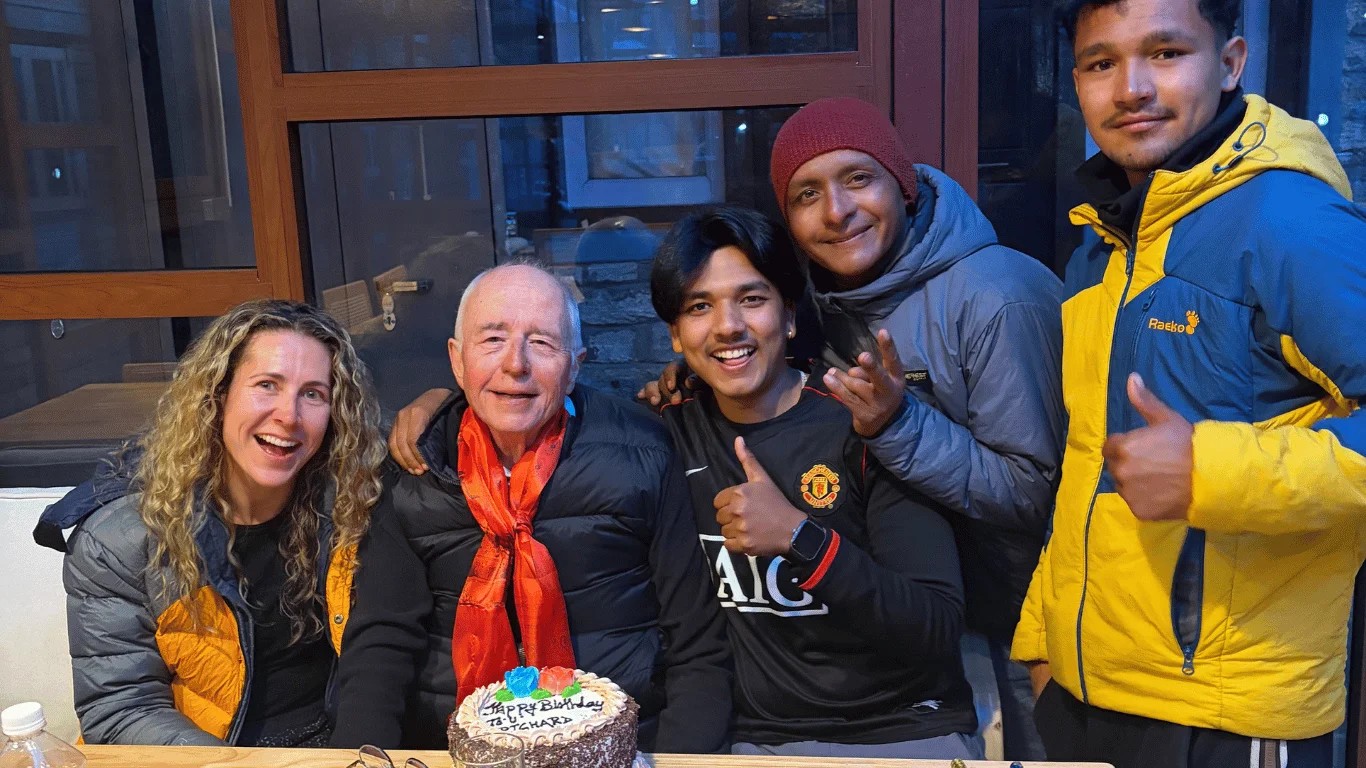
Celebrating a trekker’s 68th birthday with Majestic Trails Nepal two days after crossing Thorong La Pass in March 2026.
Bibek Dhamala, the founder of Majestic Trails Nepal, has crossed Thorong La many times, but one day in March 2026 stands out. He was guiding a 68-year-old trekker who rode a horse up to the pass to save energy.
Riding meant the trekker gained height quickly without the slow, steady walking that helps the body adjust, and he developed altitude sickness at the top. On the way down, the wind became the strongest Bibek has ever seen on any trail. Bibek stayed beside him and kept him moving down to lower altitude until he was safe.
Two days later, the same trekker was celebrating his birthday, and Majestic Trails Nepal still has the photos from that day. The lesson for every trekker is simple: a horse can save your legs, but it cannot acclimatise you.
That day is a big part of why Majestic Trails Nepal exists. Bibek started on these trails as a porter at 18, and the Annapurna Circuit is still his favourite trek because it goes from green forest to snow to high desert in a few days. He built the company so every trekker has a guide who knows when to push on, when to wait and when to turn back.
How Majestic Trails Nepal Helps You Avoid Every Annapurna Circuit Mistake
Majestic Trails Nepal plans every Annapurna Circuit trek around the mistakes in this guide. The table shows what that looks like in practice.
Common mistake
What Majestic Trails Nepal does
Not checking current trail conditions
A free video call before booking with the latest trail, road and weather update
Running out of cash
Lodges and meals included, plus clear advice on how much cash to carry for extras
Walking the jeep road
Every guide follows the NATT footpaths wherever they are open and safe
Skipping the Manang rest day
A rest day in Manang with a light hike to the Gangapurna viewpoint
Ignoring altitude symptoms
Licensed, first-aid-trained guides check oxygen levels and health every evening
Phedi or High Camp chosen months ahead
The guide decides at Thorong Phedi, based on each trekker and the weather
Starting the pass too late
A 4am start from Thorong Phedi, or 5am to 5:30am from High Camp
Carrying a heavy pack
Fairly paid porters carrying 20 to 25 kg each, one porter for every two trekkers; microspikes provided and gear checked at the pre-trek meeting
No lodge in peak season
Every lodge pre-booked
Annapurna Circuit Trek Mistakes: FAQs
These are short answers to the questions trekkers ask most often about Annapurna Circuit mistakes.
What is the most common mistake on the Annapurna Circuit trek?
The most common mistake is underestimating the trek because of the road. The circuit still crosses Thorong La at 5,416m (17,769 ft), and most problems come from rushing the altitude above Manang.
How difficult is the Annapurna Circuit trek?
The Annapurna Circuit is moderate to challenging. It needs good fitness and careful acclimatisation but no technical climbing, and most fit beginners can finish it with a sensible itinerary and a licensed guide.
How risky is the Annapurna Circuit trek?
The Annapurna Circuit is safe for most well-prepared trekkers, but altitude, sudden snow on Thorong La and monsoon floods and landslides are real risks. A rest day in Manang, an early pass start, good insurance and a current trail update reduce them a lot.
Is the Annapurna Circuit harder than Everest Base Camp?
The Annapurna Circuit reaches a higher point, Thorong La at 5,416m (17,769 ft), than Everest Base Camp at 5,364m (17,598 ft), and its pass day is longer. Everest Base Camp has more nights at high altitude, so many trekkers find the two similar overall but hard in different ways.
Is ABC tougher than EBC?
No, Annapurna Base Camp is usually easier than Everest Base Camp. ABC tops out at 4,130m (13,550 ft), while EBC reaches 5,364m (17,598 ft), although ABC has many steep stone steps.
How many acclimatisation days do you need for the Annapurna Circuit?
Most itineraries include at least one full acclimatisation day in Manang (3,540m / 11,614 ft). Add more days if you plan big side trips such as Ice Lake or Tilicho Lake.
Should you sleep at Thorong Phedi or High Camp?
It depends on how you feel and the weather. High Camp (4,880m / 16,010 ft) shortens pass day, while Thorong Phedi (4,450m / 14,600 ft) is easier to sleep at; Majestic Trails Nepal guides decide at Phedi.
What time should you start crossing Thorong La?
Majestic Trails Nepal groups leave Thorong Phedi at about 4am, or High Camp at about 5am to 5:30am. The aim is to reach the top by 9am to 10am, before the wind gets stronger.
Is the road on the Annapurna Circuit really that bad?
The road is dusty and busy in places, but you do not have to walk on it most of the time. The NATT footpaths avoid much of the road and are usually the better walk.
Can you do Ice Lake and Tilicho Lake on the same trek?
Yes, but only with extra days. Doing both, or either one right before Thorong La, without recovery time is a common cause of exhaustion and altitude problems.
Are there ATMs on the Annapurna Circuit?
Yes, there are ATMs in Chame and Manang. They can run out of cash or go offline, so carry enough Nepali rupees for the whole trek and use the ATMs only as a backup.
Is the Annapurna Circuit open after the September 2026 floods?
Access to Upper Manang reopened on 13 October 2026, when a temporary timber deck opened at the Chame bridge for light vehicles. Conditions can change, so check the latest situation before booking; Majestic Trails Nepal gives a free update on a video call.
Final Thoughts: Respect the Mountain, and It Will Let You Pass
The Annapurna Circuit is one of the most rewarding treks in the world, and almost every serious problem on it comes from a mistake that could have been avoided. Take it seriously, rest in Manang, space out your side trips, start the pass early and check conditions before you book.
Ready to plan it? See the full Annapurna Circuit Trek itinerary, or the Annapurna Circuit Short Trek if you have fewer days. For a current trail update, book a free video call with Majestic Trails Nepal on WhatsApp at +977 9700937981 or email info@majestictrailsnepal.com.
Written by
Bibek Dhamala
Founder & Trekking Guide
Bibek Dhamala is the CEO of Majestic Trails Nepal, a locally operated trekking company based in Thamel, Kathmandu. With a background in trekking and mountain guiding, he understands the challenges of Himalayan adventures and the importance of responsible tourism, experienced local guides, and personalized service. Through Majestic Trails Nepal, Bibek aims to help trekkers explore Nepal’s Himalayas safely and authentically, from Everest Base Camp and the Annapurna region to the remote trails of Manaslu. He is passionate about supporting local communities, creating meaningful trekking experiences, and sharing the natural and cultural beauty of Nepal with travelers from around the world.
Related Travel Blogs
Join our Newsletter
Sign up to stay updated with latest offers, recent events and more news.