
Everest View Trek Nepal – The Best Short Everest Trek
19 Feb 2026
Standing face-to-face with Mount Everest doesn't require weeks of grueling trekking or extreme altitude exposure. The Everest View Trek Nepal offers o...

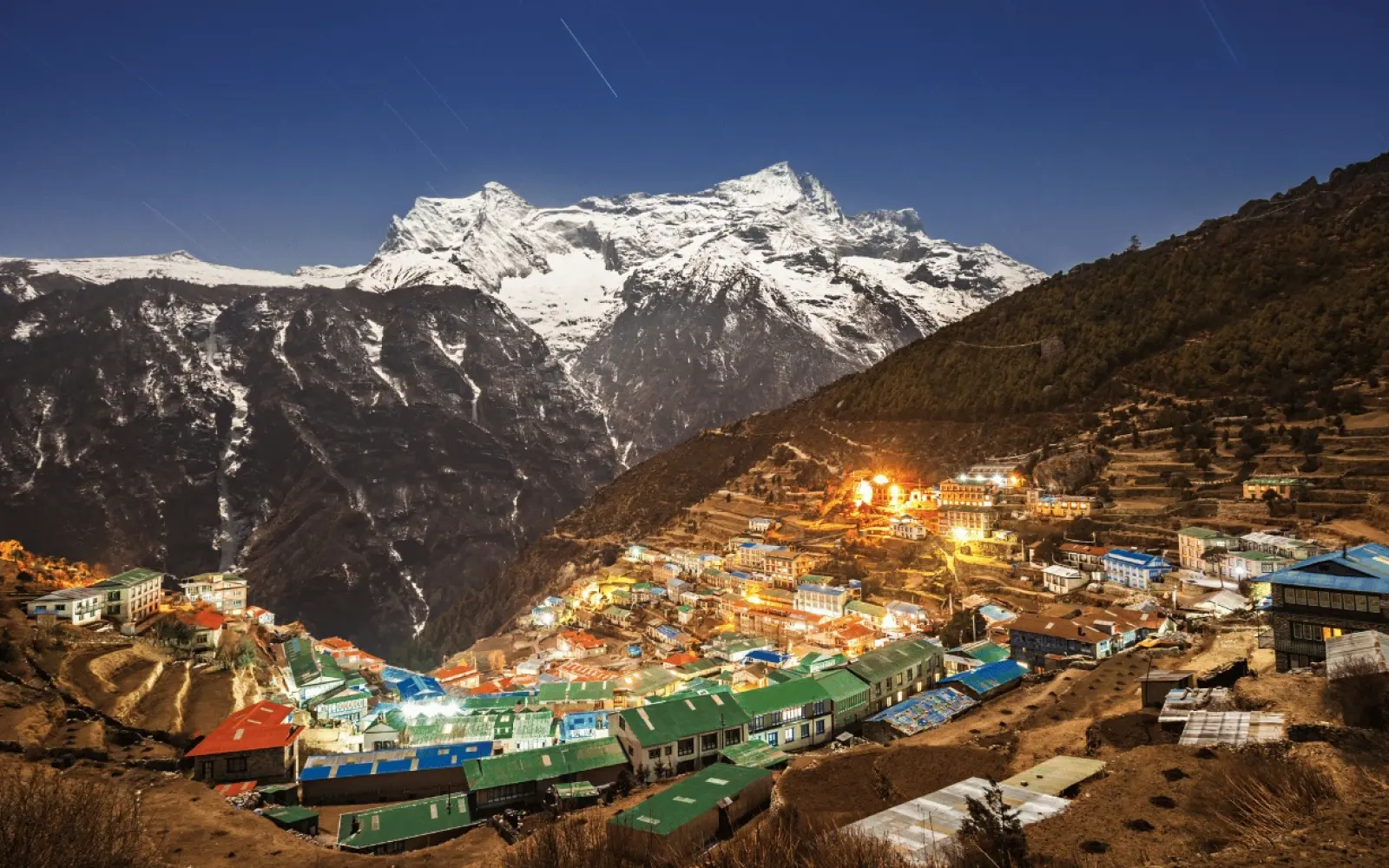

Namche Bazaar (3,440m) is the largest Sherpa town in Nepal and the gateway to the entire Everest region. Sitting in a natural amphitheatre carved out of a steep hillside in the Solukhumbu District, it's where every Everest Base Camp trekker spends their first proper acclimatization day, where the Khumbu's famous Saturday market has drawn traders for centuries, and where — surprisingly to first-timers — you can eat a genuine bakery croissant, drink at the highest Irish pub in the world, use an ATM, and buy real gear from an original North Face store, all at over 3,400 metres.
Namche is not just a stop on the way to Everest. It's the anchor of the whole Khumbu region, and how you spend your time here shapes the rest of your trek.
Key Takeaways
| Detail | Information |
|---|---|
| Altitude | 3,440 m (11,286 ft) |
| District | Solukhumbu, Koshi Province |
| Municipality | Khumbu Pasanglhamu Rural Municipality |
| Region | Khumbu / Everest region |
| Population | ~1,600 (permanent residents, mainly Sherpa) |
| Location within park | Sagarmatha National Park (UNESCO) |
| Permits required | Sagarmatha NP permit + Khumbu Rural Municipality fee |
| Recommended stay | 2 nights (1 full acclimatization day) |
| Direct flight from Kathmandu? | No plane; helicopter only — plane flies to Lukla, then 2-day trek |
Namche Bazaar is famous for one thing above all: it is the gateway to Mount Everest, and the largest Sherpa town in Nepal. Every trek to Everest Base Camp, Gokyo Lakes, the Three Passes, or Everest itself passes through — and stays a night in — Namche.
Beyond that, Namche is known for:
The town's setting is memorable — houses tiered up a steep bowl of hillside, with Kongde Ri (6,187m) on one side and Thamserku (6,608m) on the other, and a view straight up the Dudh Kosi valley toward Everest itself.
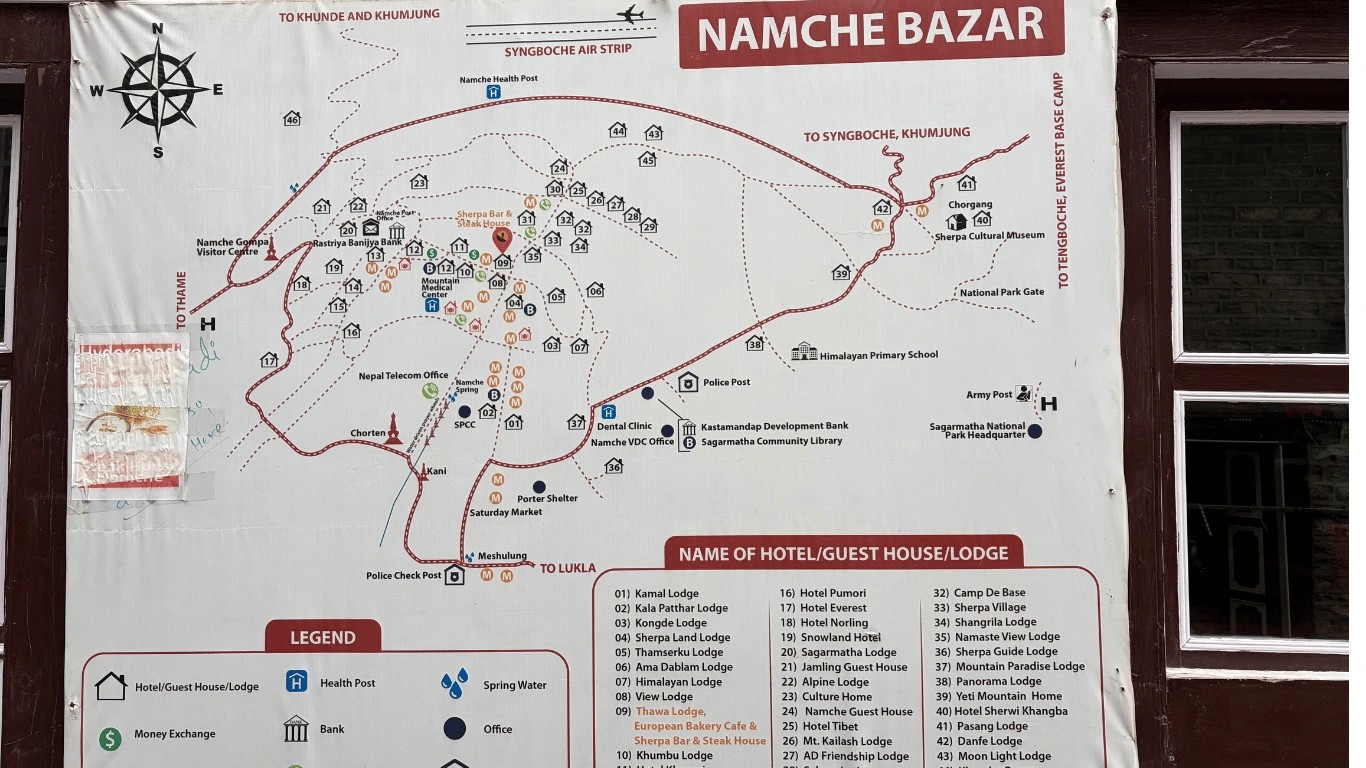
Namche Bazaar sits at 3,440 metres (11,286 feet) in the Solukhumbu District of Koshi Province, in northeastern Nepal. Administratively, it's part of Khumbu Pasanglhamu Rural Municipality, which also administers the local trekking permit that replaced TIMS in this region.
The town lies within Sagarmatha National Park, a UNESCO World Heritage Site covering the entire upper Khumbu — including Mount Everest itself.
For context on its position along the Everest Base Camp trail:
| Stage | Altitude |
|---|---|
| Lukla (airstrip) | 2,860 m |
| Phakding | 2,610 m |
| Namche Bazaar | 3,440 m |
| Tengboche | 3,860 m |
| Dingboche | 4,410 m |
| Lobuche | 4,940 m |
| Gorak Shep | 5,164 m |
| Everest Base Camp | 5,364 m |
The final climb into Namche — a steep 600-metre ascent over the last 3 km, past the Hillary Suspension Bridge — is genuinely the hardest single climb in the first half of the EBC trek, and one of the reasons a proper acclimatization day at the top is not optional.
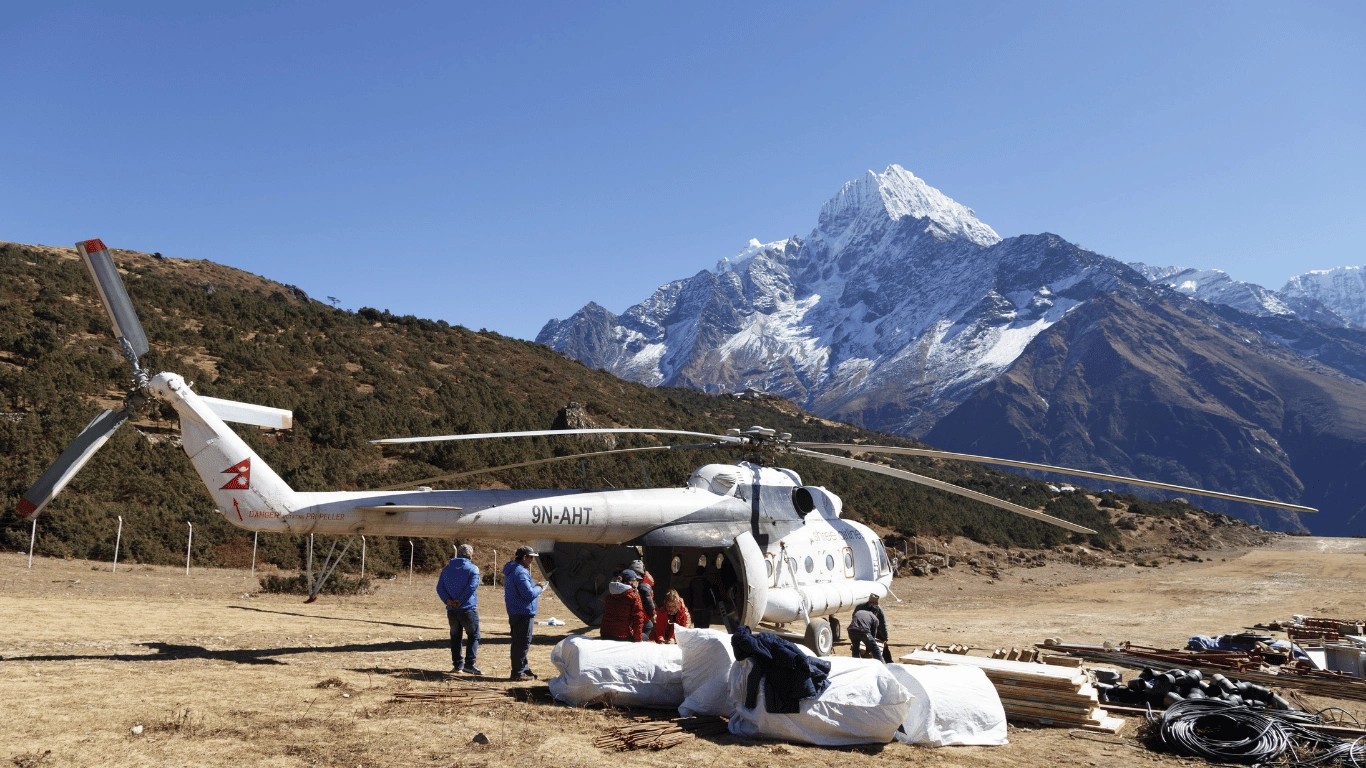
No plane flies directly from Kathmandu to Namche Bazaar — Namche has no airport of its own. The only way to arrive in Namche by air is by helicopter, which is expensive and typically used as a shortcut rather than a standard route. Everyone else takes the standard sequence:
Kathmandu → Lukla by plane → Namche by 2 days of walking.
Here's the full sequence:
Helicopter is the only way to fly directly to Namche, and it's a genuine option — not cheap, but real. Shared helicopter services run around USD 1,150 per person; a private charter is significantly more. Most trekkers use it for the return journey — to avoid an uncertain Lukla flight or to shorten the trek — but you can also take a helicopter directly to Namche if you want to skip Lukla and the Phakding day entirely. Worth knowing for older trekkers, anyone with a tight international connection, or trekkers with mobility limits.
Namche Bazaar sits inside Sagarmatha National Park, so the permits are the same two required for the full Everest Base Camp trek. There is no separate "Namche only" permit, and — importantly — TIMS is no longer required in the Khumbu region, so don't let anyone tell you otherwise.
The two permits you need:
Where to get them:
Practical tips:
If your goal is Namche and back (not the full Everest Base Camp), a standard itinerary looks like:
Total: 5 days, allowing a proper acclimatization stop and buffer for the return flight.
If your goal is Everest Base Camp (which is why most people come as far as Namche), Namche is one stop of many, and the full round-trip trek is usually 12-14 days.
Namche matters for one simple reason: at 3,440m, it's the altitude where a trekker's body first meaningfully has to adapt. The standard climb-high-sleep-low rule kicks in seriously from here, and the acclimatization day you take at Namche largely decides how well you cope with everything above.
The trekkers our guides see struggling above 4,500m are, almost without exception, the ones who rushed Namche.
Yes — but only partially, and only from certain spots.
From the town of Namche itself, you can see a partial view of Everest's summit peeking above the ridgeline, most clearly from higher points around the town's upper edge — but it's not the classic panoramic view most people imagine.
For a proper view of Everest from the Namche area, you climb to one of these three spots:
The honest thing to know: the best Everest view from anywhere on the trek is arguably from Kala Patthar (5,545m), several days further up. Namche's views are a preview — genuine, spectacular, but not the summit shot.
The point of the Namche rest day is not to rest — it's to climb high and sleep low, the single most effective acclimatization technique. Three main options, ranked by difficulty:
| Hike | Altitude gain | Time | Difficulty |
|---|---|---|---|
| Everest View Hotel | ~440m | 3-4 hrs round trip | Moderate |
| Syangboche + Khumjung | ~340m | 4-5 hrs round trip | Moderate |
| Khunde Village loop | ~400m | 5-6 hrs round trip | Moderate to hard |
Our honest recommendation: the Everest View Hotel walk is the standard choice — reasonable effort, iconic panorama (weather permitting), classic Namche acclimatization hike. If you have the energy and the weather is clear, add on Khumjung or Khunde on the way back down for cultural interest.
What you should not do: sit in a bakery all day. Feeling fine at 3,440m does not mean your body is ready for 4,500m — the physiological adaptation you're trying to trigger happens through gentle exertion at height, not rest.
This is where we honestly separate from every other Namche guide out there, because the following are things we personally recommend and take our own trekkers to — and most other guides won't.
Most guides never take clients to the Sherpa Culture Museum, and that's a mistake. It's small, personal, and gives you a genuine understanding of Sherpa history, mountaineering heritage, and daily life in the Khumbu — the cultural context for the entire region you're walking through. Twenty minutes, meaningful, and completely missed by most trekkers because their guide didn't mention it.
Walk 30 minutes uphill from Namche after dark — it's one of the best experiences in town. The tiered lights of Namche's lodges below you, and the outline of the mountains behind, on a clear night, is a view most trekkers don't even know exists. It costs nothing, it's safe, and almost no one does it.
Namche is home to the highest Irish pub in the world. We recommend visiting it on your way back down rather than on the way up — the acclimatization science is genuinely simple: alcohol at altitude on the way up hurts your adaptation; on the way back down, after Base Camp, you've earned it and your body handles it fine.
If you've been missing real food after days on the trail, the Food Rest restaurant makes the best pizza in Namche. Not a joke — genuinely worth going.
Beyond the Irish pub, Yeti Bar is worth a visit, and the Liquid Bar runs scheduled film and video nights — check the board outside the hotel to see what's showing.
Namche has real spa and massage services — a genuinely welcome option after two hard days of walking, and before a rest day that isn't really a rest.
Namche's Saturday Market is genuinely old — a weekly gathering where traders from across the Khumbu and lower valleys bring goods to sell. It runs primarily Friday afternoon into Saturday morning.
Honest expectations: it's not a tourist market. It's a working local market — you'll see rice, salt, vegetables, secondhand clothing, kitchenware, and everyday supplies changing hands, not curated souvenirs. That's exactly why it's worth seeing.
If your itinerary allows a Saturday in Namche, it's a genuine glimpse of how the Khumbu economy actually functions.
Namche is the last properly equipped town on the Everest trail. Everything gets simpler, scarcer, and more expensive above here.
Gear shops — including the real brands
Money
Food and drink
Health
Other
Practical rule: anything you might need for the pass or Base Camp — batteries, snacks, sunscreen, medication, warm layers — buy it in Namche. Above here, choice narrows and prices climb steeply.
Namche is where altitude first becomes real, and it's also where you have the resources to check yourself properly before going higher. Take advantage of both.
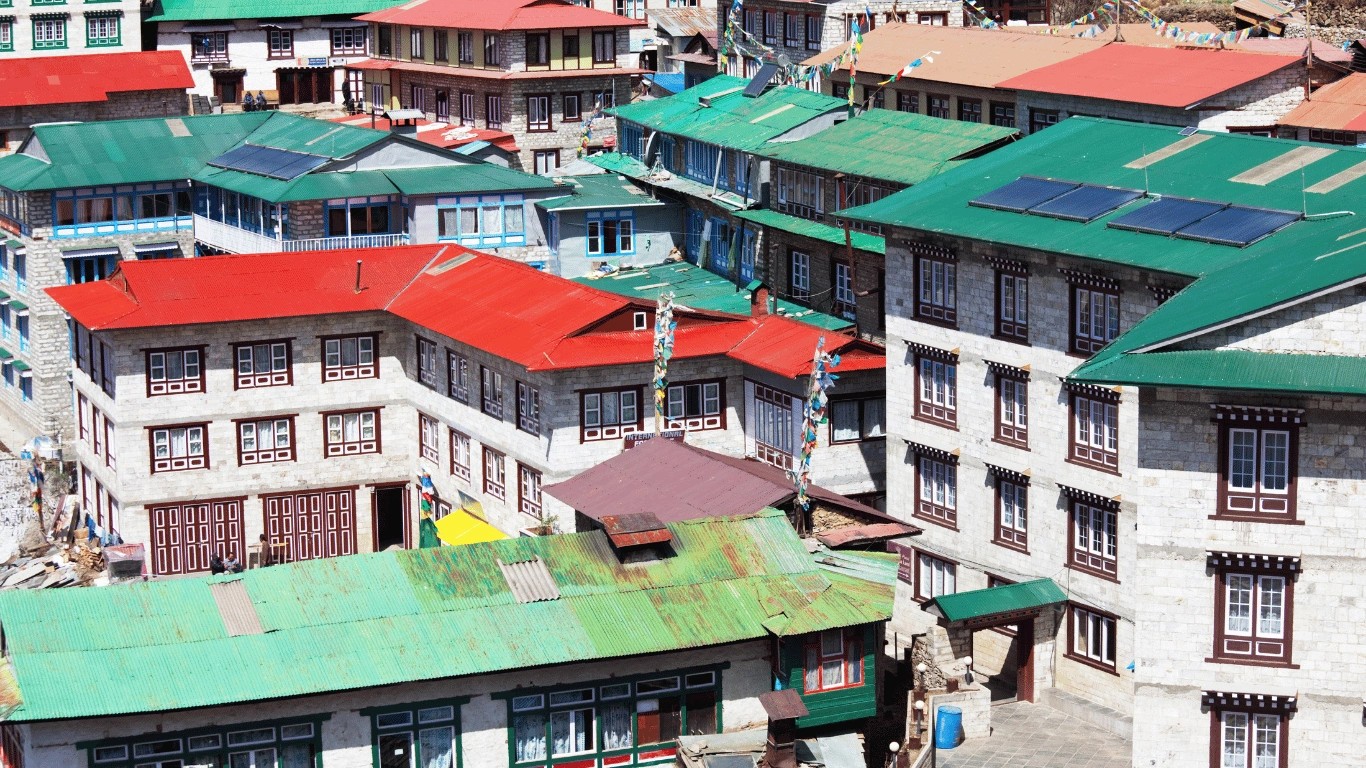
Namche has over 50 lodges and teahouses, with a genuinely wide range from basic to genuinely luxurious — including some of the best-equipped lodges on the entire EBC trail.
Book ahead in peak season (October, April). Namche fills up, and so do the better lodges.
Namche's weather changes sharply with season, and the same seasonal patterns as the wider Everest trek apply.
| Season | Day | Night | Verdict |
|---|---|---|---|
| Autumn (Oct-Nov) | 5-15°C | -5 to 0°C | Best — stable, clear |
| Spring (Mar-May) | 5-15°C | -5 to 2°C | Excellent — some haze |
| Winter (Dec-Feb) | 0-8°C | -15 to -8°C | Cold; fewer trekkers, clear views |
| Monsoon (Jun-Aug) | 10-18°C | 5-10°C | Cloudy, wet, flight cancellations common |
Whatever the season, the sun is fierce at 3,440m, nights are cold, and afternoon clouds can build in fast — sunglasses, sunscreen, and layers are non-negotiable.
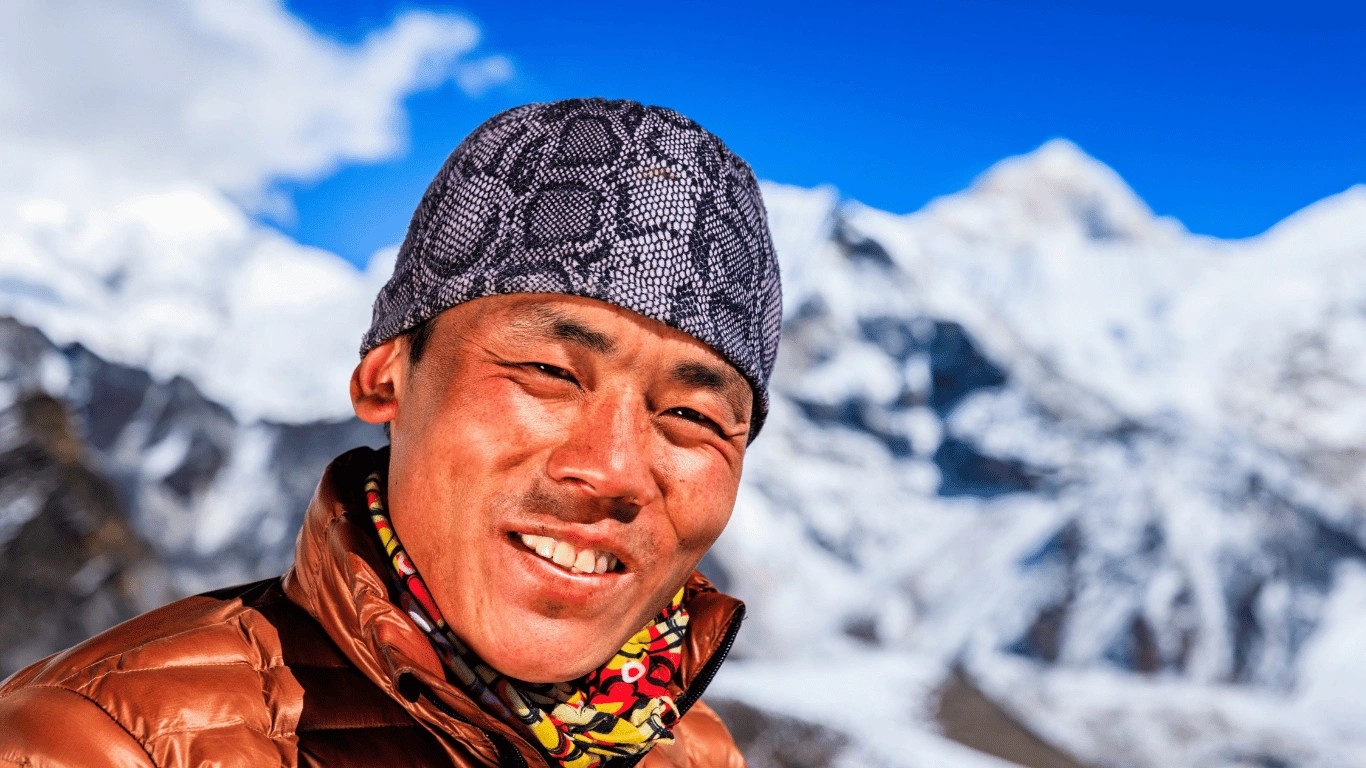
Namche is the largest Sherpa town in Nepal, and the effective cultural capital of the Sherpa community. The town has around 1,600 permanent residents, though during trekking season this swells with the trekkers, guides, and porters passing through.
Things worth knowing:
Namche Bazaar is famous as the gateway to Mount Everest and the largest Sherpa town in Nepal. It's the key acclimatization stop on the Everest Base Camp trek, home to the traditional Saturday market, and known for its surprising comforts — real branded gear stores, the world's highest Irish pub, ATMs, a hospital, spa services, and bakeries — set at 3,440 metres.
Partially, from certain spots in and above town. For a proper view of Everest, hike to the Everest View Hotel (3,880m) or Syangboche (3,780m) — both accessible in a half-day from Namche.
A standard Namche-only trek from Kathmandu takes about 5 days, including a proper acclimatization day. If your goal is Everest Base Camp, Namche is one stop in a 12-14 day round-trip trek.
Most trekkers fly by plane from Kathmandu to Lukla (25-35 minutes, roughly USD 240 one-way in 2026), then walk two days — Lukla to Phakding on day one, Phakding to Namche on day two. Helicopter directly to Namche is the only way to arrive by air, at significantly higher cost.
You need the same two permits as the Everest Base Camp trek: the Sagarmatha National Park Entry Permit and the Khumbu Pasang Lhamu Rural Municipality Entry Fee. Both are obtained on the trail — either at Lukla on arrival day or at the Monjo checkpoint — not in Kathmandu, and are paid in Nepali rupees only. TIMS is no longer required. Originals, not photocopies, are checked at Monjo, Namche, and above.
Namche Bazaar is in Solukhumbu District, Koshi Province, within Khumbu Pasanglhamu Rural Municipality.
Around 1,600 permanent residents, mainly Sherpa. During trekking seasons this swells significantly with trekkers, guides, and porters passing through.
No plane flies to Namche — the town has no airport. The only direct-flight option is helicopter, at around USD 1,150 per person shared (private charter more). Most trekkers instead fly by plane to Lukla and walk two days to Namche.
Namche sits at 3,440 metres (11,286 feet).
Approximately USD 240 one-way in 2026, though prices vary and are best confirmed with your operator close to departure. Helicopter alternatives run significantly higher.
Yes, multiple ATMs — generally working reliably and accepting international Visa and Mastercard. Most shops in town also accept international cards, so cash isn't the only option here.
Yes, Namche has a hospital — a genuine medical facility and a real reassurance for trekkers before going to higher altitudes.
Yes — Namche is home to the highest Irish pub in the world. We recommend visiting it on your way back down after your trek, not on the way up, since alcohol at altitude affects acclimatization.
Namche is the town that decides how the rest of your Everest trek goes. Trekkers who take it seriously — the two nights, the acclimatization hike, the water intake, the honest self-assessment — are the ones standing at Base Camp two weeks later. Trekkers who rush through, who skip the climb-high walk, who spend the rest day in a bakery, are the ones we see turning back at Lobuche.
It's also, quietly, one of the most surprising places on the entire trek. Between the Sherpa Culture Museum most guides skip, the night walk up above town, the highest Irish pub in the world, the original North Face store, the pizza, and the setting itself — a Sherpa town spilling down a hillside beneath 6,000m peaks — Namche has more depth than most trekkers give it credit for.
Give it the days it deserves. And on the way back down, buy yourself the drink you skipped on the way up.
→ See our Everest Base Camp Trek (14 days) — with a proper Namche acclimatization day built in
→ Am I Too Old to Trek in Nepal? — how a 70-year-old handled the Namche acclimatization
Standing face-to-face with Mount Everest doesn't require weeks of grueling trekking or extreme altitude exposure. The Everest View Trek Nepal offers o...
Understanding the Everest Base Camp trek Nepal cost helps you plan your dream Himalayan adventure without budget surprises.The total EBC trek cost Nep...
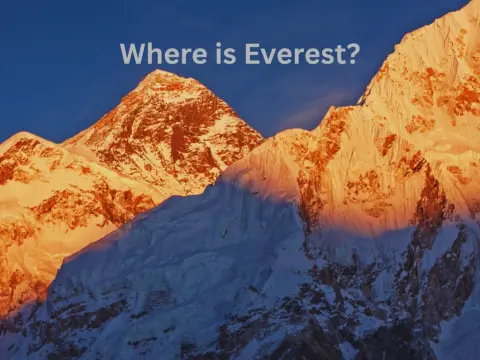
Mount Everest belongs to both Nepal and China, as the international boundary line runs directly across its summit point. The southern slope of the mou...
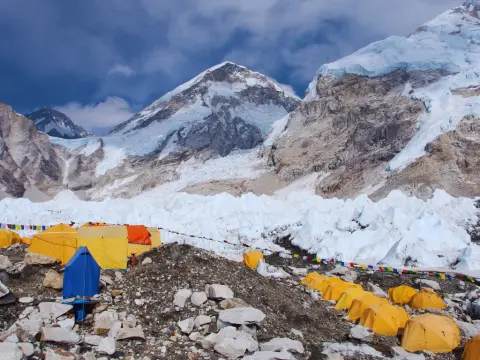
Everest Base Camp in Nepal sits at 5,364 meters above sea level, which converts to 17,598 feet. That is the number you will find on official trekking...
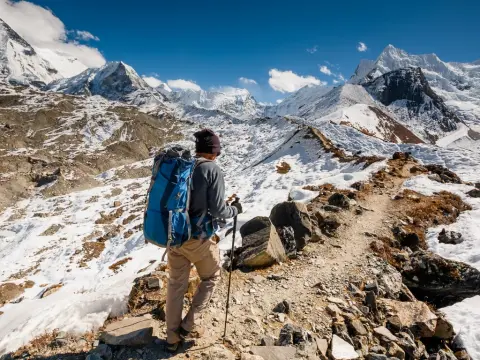
Yes, a beginner can complete the Everest Base Camp Trek. Despite what many people assume, reaching Everest Base Camp is not a mountaineering expeditio...
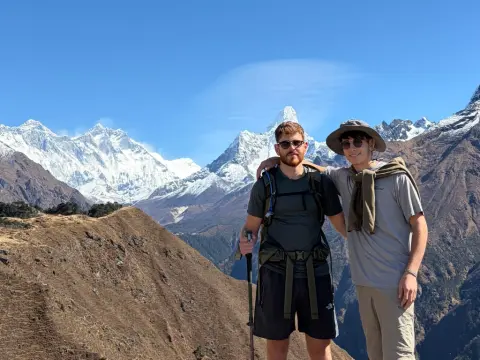
The best time for the Everest Base Camp trek is autumn, from late September through November, and spring, from March through May. If you want the two...
