
Trekking Permit Price in Nepal 2026 – Updated Fees by Region
12 Feb 2026
IntroductionPlanning a trek in Nepal requires more than just physical preparation—you also need the right permits. Trekking permits are official docum...

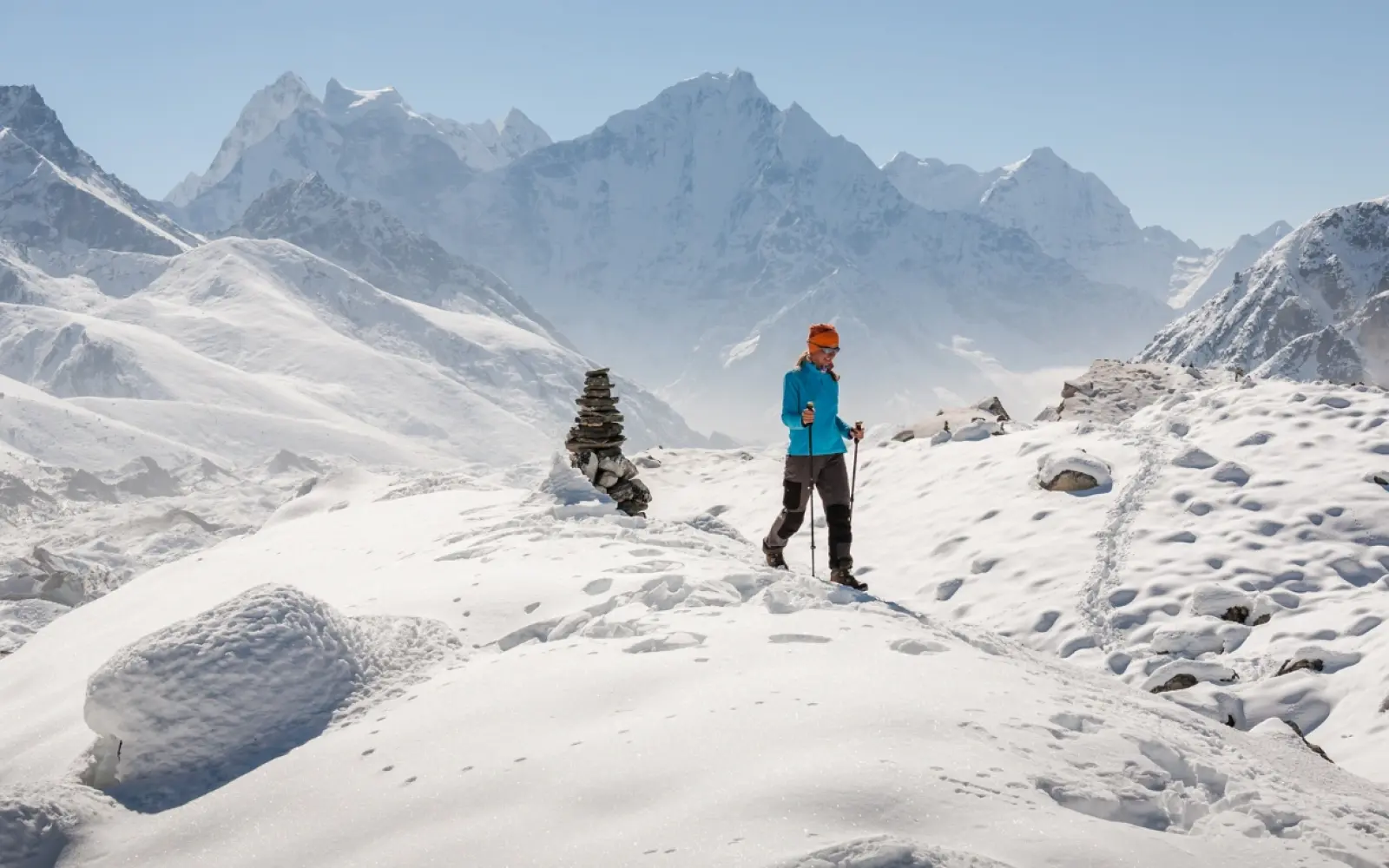

Kenneth Wittmer was seventy years old, travelling alone from the United States, when he walked to Everest Base Camp.
He was not carried. He was not rushed. He walked every step of it, the same trail as everybody else, and he stood at 5,364 metres beneath the highest mountain on earth and filmed a message about it.
He made it because months before he ever landed in Kathmandu, he had done the one thing that actually decides whether an older trekker gets there.
He had trained.
Nepal sets no age limit for trekking. Nobody will ask how old you are, and no permit records it. Trekkers in their seventies and eighties reach Everest Base Camp; trekkers in their thirties turn back from it. Age is not what decides the outcome. Preparation is — and, as this guide explains, the part of the trek people prepare for is rarely the part that hurts them.
Key Takeaways
| Question | Honest answer |
|---|---|
| Legal age limit? | None |
| Realistic upper age? | No fixed number — health and preparation decide |
| Hardest part for older trekkers | The descent, not the ascent |
| Most important factor | Training beforehand |
| Best first trek over 60 | Ghorepani Poon Hill or Mardi Himal |
| Can a 70-year-old reach EBC? | Yes — Kenneth Wittmer, 70, USA |
| Insurance | Essential; must cover helicopter rescue |
No — Nepal imposes no age limit on trekkers. The permit system does not record your age, no authority screens for it, and nobody at a checkpoint will turn back a seventy-year-old for being seventy. Older trekkers reach Everest Base Camp and Annapurna Base Camp every season.
What actually determines whether you get there is a much shorter list:
Age is a number. The trail cannot read it. What the trail reads is how well you move, how well you prepared, and whether you are willing to walk at the pace your body needs now rather than the pace you had twenty years ago.
Kenneth was seventy, and he made it because he came properly trained. That is the honest answer, and we would rather give you that than a comfortable one.
Majestic Trails Nepal will not tell you that anyone of any age can walk to Everest Base Camp. That is the kind of thing trekking companies say to sell trips, and it gets people into trouble at 5,000 metres. What we will tell you is this: lack of preparation, not age, is what turns people back.
Kenneth arrived in Kathmandu already conditioned. He had done the work at home — the walking, the hills, the stairs, the strength — over months, not weeks. By the time he reached the trail he was not asking his body to do something it had never done. He was asking it to do more of something it already knew.
So the real question is not "Am I too old?" It is "Am I willing to prepare properly?"
Here is the thing nobody tells older trekkers, and it is the most useful thing in this article.
Ask Kenneth what his hardest day was, and he will not say the altitude. He will not say Base Camp. He will say Pangboche to Monjo — the day he walked down.
Everyone prepares for the climb. Everyone worries about thin air and uphill and height. Almost nobody prepares for the descent — and the descent is what breaks older bodies.
Why the way down is harder than the way up:
Pangboche down to Monjo is a long, relentless descent — shedding serious altitude across a big day, on rocky trail, at the point when your legs are at their most worn. For a fit seventy-year-old who had handled the altitude without drama, that was the day that hurt.
Train for the way down, not just the way up.
Most training advice for Nepal tells you to do cardio and climb stairs. That prepares you for the ascent. Here is what prepares you for the part that actually hurts.
Train downhill, deliberately:
On the trail:
We would rather you spend two months training your quads and buying decent poles than arrive with perfect cardio and destroyed knees by Namche.
Guiding an older trekker is not about doing less. It is about pacing correctly, watching more closely, and being honest earlier.
Kenneth described the details better than we could:
"They showed me how and where to stand when yak and donkey traffic congested the trail. They ensured I was protected from any unruly animals... Our guide always made sure I knew the next day's itinerary and how to dress."
That is the standard. In practice it means:
Here is a small piece of practical wisdom that will save some readers a great deal of suffering, and it comes from watching Kenneth make an intelligent decision.
Kala Patthar (5,545 m) is the highest point of the Everest Base Camp trek — a steep, cold, lung-burning climb, usually done as a separate push for the classic panorama of Everest.
He did not go to the top.
He climbed partway — to about the middle — and stopped there. From that point the view is very nearly the same: Everest, Nuptse, Pumori, the whole sweep of the Khumbu below. He got the photograph and the moment. He simply did not pay the last, most expensive part of the price for it.
That was not giving up. That was good mountain judgment, and it is exactly the kind of decision that gets older trekkers home in good shape.
The lesson generalises. On any of these treks, the final few hundred metres of an optional climb cost far more than they give. Go halfway, take the photograph, enjoy the walk down. Nobody is checking.
Yes. Kenneth Wittmer did it at seventy — trained, well-paced, fully acclimatized, and sensible enough to know what to skip at the top.
He is not superhuman. He is a man who prepared properly and walked sensibly. That is available to far more seventy-year-olds than the trekking industry admits — and unavailable to anyone, at any age, who does not prepare.
Everest Base Camp is not the only option, and for many older trekkers it is not the right first one. Here is our honest ranking, from gentlest to hardest.
| Trek | Max altitude | Days | Suits |
|---|---|---|---|
| Ghorepani Poon Hill | 3,210 m | 8 | The best first trek over 60 — low altitude, teahouses, huge views |
| Mardi Himal | ~4,200 m | 9 | Quiet, beautiful, moderate; a great step up |
| Everest Panorama | ~3,880 m | 9 | Everest views without the altitude of Base Camp |
| Annapurna Base Camp | 4,130 m | 14 | Achievable, but the stone stairs are hard on knees |
| Everest Base Camp | 5,545 m | 14 | Absolutely possible with training — as Kenneth proved |
| Annapurna Circuit | 5,416 m | 15 | Long, with a serious high pass — for the well-prepared |
An honest note on ABC: it looks easier than EBC because it is lower — but its 10,000+ stone steps are brutal on older knees, especially coming down. If your knees are your weak point, the Everest trail (dirt and rock, fewer stairs) may treat you better than the Annapurna stairs will.
Most trekking companies will never write this section, because they want your booking. We would rather have your trust.
There are people we advise not to trek at altitude. If any of these apply to you, speak to your doctor first, then talk to us honestly — we will give you a straight answer, even if it costs us the trip.
Genuine reasons to reconsider, or to choose a lower trek:
And two honest cautions that have nothing to do with illness:
None of this means "you are too old." It means the mountain is indifferent to how badly you want it, and a good guide's job is to say so before you have paid for a flight.
Travel insurance covering high-altitude trekking and helicopter evacuation is not optional. For older trekkers it is the single most important document you will carry.
Your policy must cover:
Watch for age exclusions. Some insurers cap high-altitude cover at 65 or 70, or load the premium heavily. Call and ask them directly: "Am I covered for trekking at 5,545 metres, including helicopter evacuation, at my age?" Get the answer in writing.
And see your doctor before you book, not after. A conversation about your heart, blood pressure, medication, and knees is worth more than any advice on this page.
Kenneth is not the only end of the range.
Thirteen to seventy. Fifty-seven years apart, on two of the hardest trails in Nepal.
That range is not luck. It is pacing — reading the person in front of you, walking at the speed their body actually needs, and telling them the truth about what they can and cannot do that day. Do that, and a remarkable variety of people can stand in remarkable places.
No. Nepal imposes no age limit and no permit restriction. Trekkers in their seventies and eighties have reached Everest Base Camp. Health, preparation, and pacing decide the outcome — not the number.
The descent, not the climb. Long downhill days punish the knees and quads, and they arrive at the end when your legs are already tired. Kenneth's hardest day on the whole Everest trek was the long walk down from Pangboche to Monjo.
Almost certainly not. Trekkers in their sixties complete Everest Base Camp every season. What you should adjust is not your ambition but your preparation — particularly downhill training and trekking poles, which protect the joints that take the most punishment.
Ghorepani Poon Hill is the best first trek for most older trekkers — low altitude, comfortable teahouses, and outstanding mountain views. Mardi Himal and the Everest Panorama trek are excellent next steps. Everest Base Camp is achievable with proper training.
You need to be prepared, which is not the same as being athletic. Months of regular walking, hill work, and — critically — downhill and quad training will do more for you than raw fitness.
Not necessarily — age is a weak predictor of altitude sickness. Ascending too fast is a strong one. Older trekkers who acclimatize slowly often fare better than younger trekkers who push hard.
A policy that explicitly covers trekking to your maximum altitude (5,545 m for EBC) and includes helicopter evacuation. Check carefully for age exclusions — some insurers cap high-altitude cover at 65 or 70.
Yes — before you book, not after. Discuss your heart, blood pressure, lungs, medication, and joints. If your doctor has concerns, tell us and we will help you choose a trek that fits, or say honestly if we think you should not go.
The question is not "Am I too old to trek in Nepal?" Almost nobody is.
The question is: "Am I willing to prepare properly, walk at my own pace, and listen when my body — or my guide — tells me something?"
That is what got Kenneth Wittmer to Everest Base Camp at seventy: months of training, a pace set to him, and the sense to know what to skip at the top.
If you are wondering whether you can do this, tell us honestly what shape you are in and we will tell you honestly what is realistic — including if we think you should choose a gentler trek, or not go at all.
Majestic Trails Nepal would rather lose a booking than get someone into trouble at 5,000 metres. And if we tell you that you can do it, you will know we meant it.
→ See our Everest Base Camp Trek (14 days) — the trek Kenneth completed at 70
→ Consider Ghorepani Poon Hill (8 days) — the best gentle introduction to the Himalaya
→ Talk to us honestly about your fitness — we will give you a straight answer
IntroductionPlanning a trek in Nepal requires more than just physical preparation—you also need the right permits. Trekking permits are official docum...
If you've ever wondered why trekking in Nepal captivates adventurers from every corner of the globe, the answer lies in its extraordinary combination...

Nepal is a land where nature paints its most spectacular masterpieces. From the towering peaks of the Himalayas to serene alpine lakes, dense jungles...
The most popular treks in Nepal include Everest Base Camp, Annapurna Base Camp, Langtang Valley, Mardi Himal, and Ghorepani Poon Hill. These treks ran...
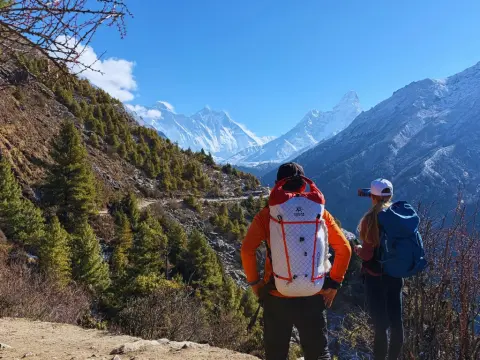
Stand at the edge of the Khumbu Valley on a clear October morning, and the world stops making sense in the best possible way. The silence is absolute....
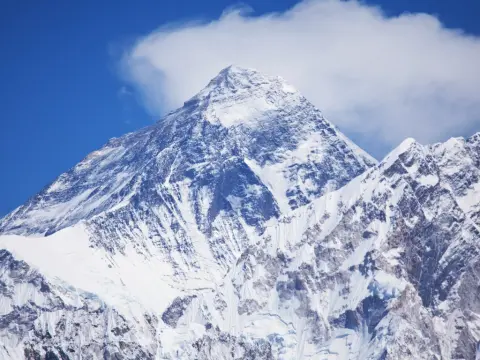
Mount Everest is the highest mountain on Earth at 8,848.86 meters (29,031.7 feet) above sea level, sitting on the border between Nepal and the Tibet A...
