
The 10 Best Treks in Nepal for 2026
10 Jun 2025
What makes for the best treks in Nepal can vary from person to person. While Everest Base Camp Trek (EBC) at 5545 m is ideal for a trekker wanting the...

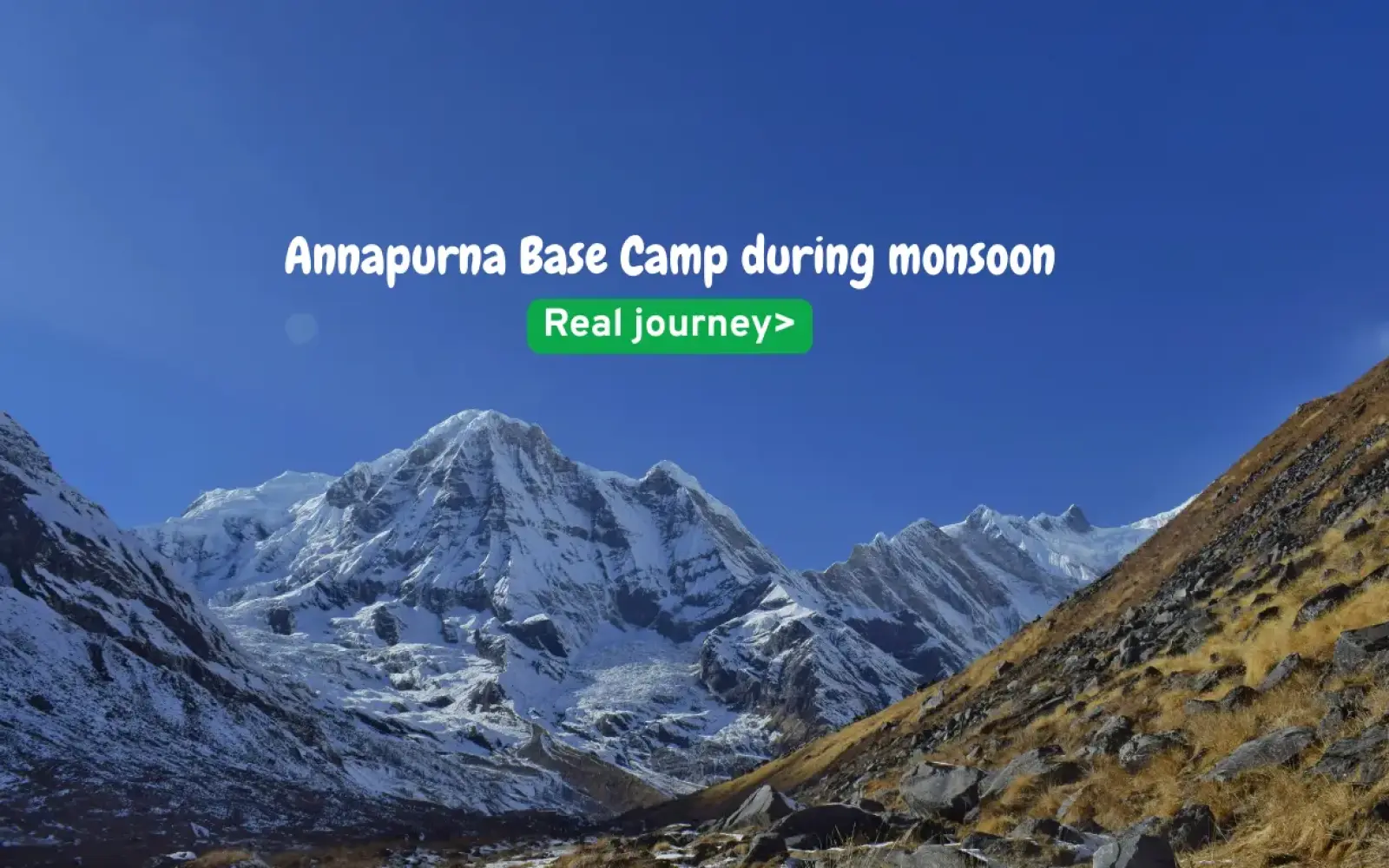

Trekking to Annapurna Base Camp Trek is one of Nepal’s most iconic mountain journeys. For mountaineers, the climb begins here, but for trekkers, Annapurna Base Camp (ABC) marks the ultimate destination — a sacred bowl of ice, stone, and towering Himalayan walls where dawn sunlight touches Annapurna I and slowly melts the frozen silence of night into flowing streams that feed the Modi River below.
Trekking to Annapurna Base Camp during monsoon transforms this classic route into something entirely different. Rain clouds drift through forests, waterfalls spill across trails, rivers swell with power, and landscapes glow in deep shades of green. The journey becomes quieter, wilder, and far more immersive. While conditions are tougher than peak seasons, the emotional reward is unmatched — every clear mountain view feels earned, and every step feels meaningful.
At Majestic Trails Nepal, we believe the mountains reveal their deepest character when conditions are not perfect. Monsoon trekking strips away crowds and convenience, replacing them with solitude, rhythm, and raw Himalayan energy — and Annapurna Base Camp is one of the finest places to experience that.
Trekking to ABC during the monsoon is physically demanding but spiritually fulfilling. The rain transforms dry hills into living green walls of moss, bamboo, and rhododendron forest. Trails feel softer underfoot, rivers roar louder, and waterfalls appear where none exist in dry months. While clouds may block mountain views at times, when they lift, Annapurna South, Hiunchuli, Machhapuchhre, and Annapurna I appear suddenly and dramatically, making those moments unforgettable.
The route is quieter, teahouses are less crowded, and villages feel more connected to everyday mountain life. Monsoon trekking also brings fewer dust-filled trails and fresher air, creating a softer walking experience despite wetter conditions. This season is not for comfort-seeking trekkers, but for those who want depth, authenticity, and connection with the mountains beyond postcard perfection.
During the monsoon season, trails become muddy and slippery, particularly on stone staircases and forest sections. Leeches are common in lower elevations, and afternoon rain showers are almost guaranteed. Landslides and river crossings may occasionally delay progress, requiring patience and flexibility. However, the route remains operational, teahouses stay open, and experienced guides manage safety and pacing effectively.
Higher up, above Bamboo and Himalaya, the landscape shifts into alpine terrain where rain becomes lighter, and temperatures drop significantly. Morning hours usually offer clearer skies, making early starts essential. With proper gear, steady pacing, and realistic expectations, trekking to Annapurna Base Camp during monsoon remains not only possible, but deeply rewarding.
This is a short Annapurna Base Camp trek itinerary, designed to reduce walking days while still reaching the heart of the Annapurna Sanctuary. For the monsoon season, we highly recommend this route as it minimizes exposure to lower trail sections, allows better acclimatization timing, and offers a safer, more efficient journey in changing weather conditions.
You will begin your journey with a scenic drive from Kathmandu to Pokhara, following rivers and rolling hills through central Nepal.
The road journey takes most of the day due to winding highways and occasional traffic delays, but the landscapes gradually soften as you move closer to the Annapurna region. By evening, you will reach Pokhara, Nepal’s lake city, where you can rest, prepare your gear, and enjoy views of the surrounding hills before starting the trek.
From Pokhara, you will drive toward the trailhead using local jeeps that navigate mountain roads and river crossings. The drive passes through villages and terraced hills before reaching Jhinu, known for its natural hot springs.
This day allows you to save walking time and begin trekking from a higher elevation, which is especially helpful during monsoon when trails below can be heavily affected by rain. You will stay overnight in Jhinu, preparing for your first full trekking day.
From Jhinu, you will begin trekking uphill toward Chhomrong, one of the largest villages on the route. The trail climbs steadily through stone staircases, forests, and small settlements. After reaching Chhomrong, you will descend briefly to cross the Chhomrong Khola before climbing again toward Sinuwa.
This section is physically demanding due to repeated ascents and descents, but offers beautiful valley views when clouds lift. By afternoon, you will reach Upper Sinuwa, where you will stay overnight.
Leaving Sinuwa, you will enter dense bamboo and rhododendron forests as the trail gradually climbs alongside the Modi Khola. The path passes through Bamboo and Dovan, where the air becomes cooler and the vegetation denser.
Waterfalls appear frequently along the trail during monsoon, crossing the path and feeding into the river below. After steady walking, you will reach Himalaya, a small settlement surrounded by forested slopes, where you will stay overnight.
From Himalaya, you will continue trekking through narrow valleys and rocky terrain toward Deurali. The trail gradually becomes steeper and more rugged as the forest thins and alpine vegetation begins to dominate.
Along the way, you will pass Hinku Cave, a natural shelter once used by shepherds and trekkers. The weather can feel colder and more unpredictable here, and early starts are important. You will reach Deurali by afternoon and rest in preparation for the higher sections ahead.
Leaving Deurali, you will follow the trail into the glacial basin beneath Machhapuchhre. The landscape opens dramatically, with steep Himalayan walls rising on both sides.
The trail crosses avalanche-prone zones and rocky moraines, requiring careful footing, especially during monsoon. After steady climbing, you will reach Machhapuchhre Base Camp, where you will stay overnight surrounded by massive peaks and glacier-fed streams.
You will start early from Machhapuchhre Base Camp and continue toward Annapurna Base Camp, walking across a wide glacial plateau surrounded by Annapurna I, Annapurna South, Hiunchuli, and Gangapurna.
As you approach, the mountain walls rise higher and closer, creating a powerful amphitheater of snow and rock. After spending time at Annapurna Base Camp, soaking in the atmosphere and surrounding peaks, you will descend back through Machhapuchhre Base Camp and continue downhill toward Bamboo for overnight rest.
From Bamboo, you will retrace your steps through forest trails, crossing rivers and passing through Sinuwa and Chhomrong.
The descent is long but steady, with occasional uphill sections along stone staircases. By afternoon, you will reach Jhinu, where you can relax and soak in the natural hot springs beside the river — a perfect recovery after the high-altitude sections of the trek.
You will drive from Jhinu back to Pokhara using local jeeps, following mountain roads and river valleys. Upon reaching Pokhara,
You can enjoy a well-earned rest, lakeside walks, and a comfortable night in the city after completing your Annapurna Base Camp journey during monsoon.
You will return to Kathmandu by road, retracing the scenic route through hills and river valleys. This marks the end of your Annapurna Base Camp during monsoon adventure, carrying memories of rain-soaked forests, cloud-wrapped valleys, and powerful Himalayan landscapes.
Packing correctly is essential for trekking to Annapurna Base Camp during monsoon, as rain, humidity, and temperature variation significantly affect comfort and safety.
Early monsoon (June) and late monsoon (September) offer relatively better trail conditions and clearer skies compared to peak monsoon months. Morning hours are generally clearer than afternoons, making early starts essential for mountain views.
While heavy rain can affect trail sections at lower elevations, higher regions often experience lighter precipitation, especially around Machhapuchhre Base Camp and Annapurna Base Camp.
Trekking to Annapurna Base Camp Trek during monsoon is not about perfect weather or uninterrupted views. It is about immersion — walking through rain-fed forests, hearing rivers surge beside the trail, watching clouds lift from massive peaks, and feeling deeply connected to the rhythm of the mountains. The journey demands patience, preparation, and flexibility, but in return, it offers solitude, raw beauty, and a far more personal Himalayan experience.
At Majestic Trails Nepal, we believe the mountains speak differently in every season — and monsoon reveals a side of Annapurna that few trekkers ever witness.
A: Yes, Annapurna Base Camp is open during the monsoon season. The trail remains operational, teahouses stay open, and trekking is possible with proper preparation, weather awareness, and experienced local guidance.
A: Trekking Annapurna Base Camp during monsoon is generally safe when done with caution. Slippery trails, leeches, and occasional landslides require flexible planning, early starts, and the support of an experienced guide.
A: During monsoon, lower elevations experience frequent rain and humidity, while higher areas like Machhapuchhre Base Camp and Annapurna Base Camp often see lighter precipitation and colder temperatures, especially in the mornings.
A: Yes, mountain views are possible during monsoon, especially in the early morning. Clouds often lift suddenly, revealing Annapurna I, Machhapuchhre, and Annapurna South in dramatic and unforgettable moments.
A: Leeches are common in lower forest sections during monsoon, especially between Jhinu and Bamboo. They are harmless but uncomfortable, and can be managed with leech socks, salt, or insect repellent.
A: Early June and late September are considered the best times within the monsoon season. These periods offer relatively stable weather, fewer crowds, and better chances of clear mountain views.
A: Annapurna Base Camp during monsoon is more challenging than peak seasons due to muddy trails and wet conditions, but it remains a moderate trek for fit trekkers with realistic expectations and proper gear.
A: No, Annapurna Base Camp is much quieter during monsoon. Fewer trekkers mean more peaceful trails, easier accommodation availability, and a more immersive experience in mountain villages.

What makes for the best treks in Nepal can vary from person to person. While Everest Base Camp Trek (EBC) at 5545 m is ideal for a trekker wanting the...

Let's cut straight to it. Autumn, specifically September through November, is the best time to trek in Nepal. Spring runs a very close second, coverin...

The Langtang Valley Trek is one of Nepal’s most rewarding trekking adventures—less crowded than Everest or Annapurna, yet rich in culture, biodiversit...

Short on time but big on ambition? Nepal delivers extraordinary mountain experiences in as little as three days, and this guide breaks down exactly wh...
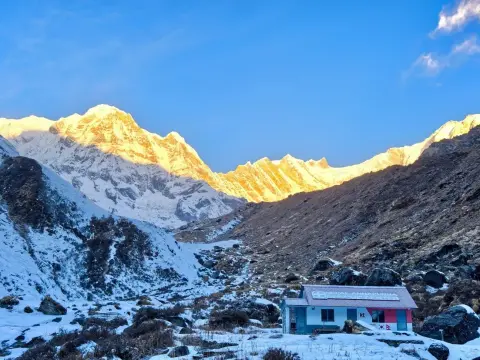
The Annapurna Base Camp trek stands among the world's most iconic Himalayan adventures. Every year, thousands of trekkers from across the globe journe...
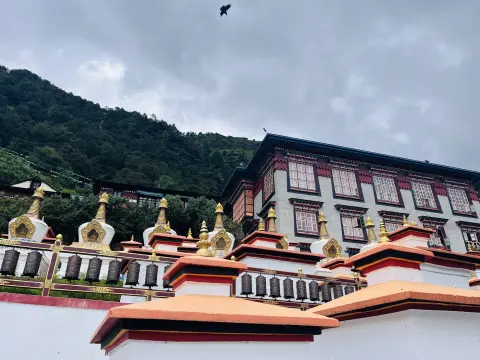
Situated in the peaceful Solu-Khumbu region of Nepal, near the village of Junbesi, Thupten Chholing Monastery is a living testament to Tibetan Buddhis...
