
Everest Base Camp Trek Nepal Cost – Complete Breakdown
22 Feb 2026
Understanding the Everest Base Camp trek Nepal cost helps you plan your dream Himalayan adventure without budget surprises.The total EBC trek cost Nep...

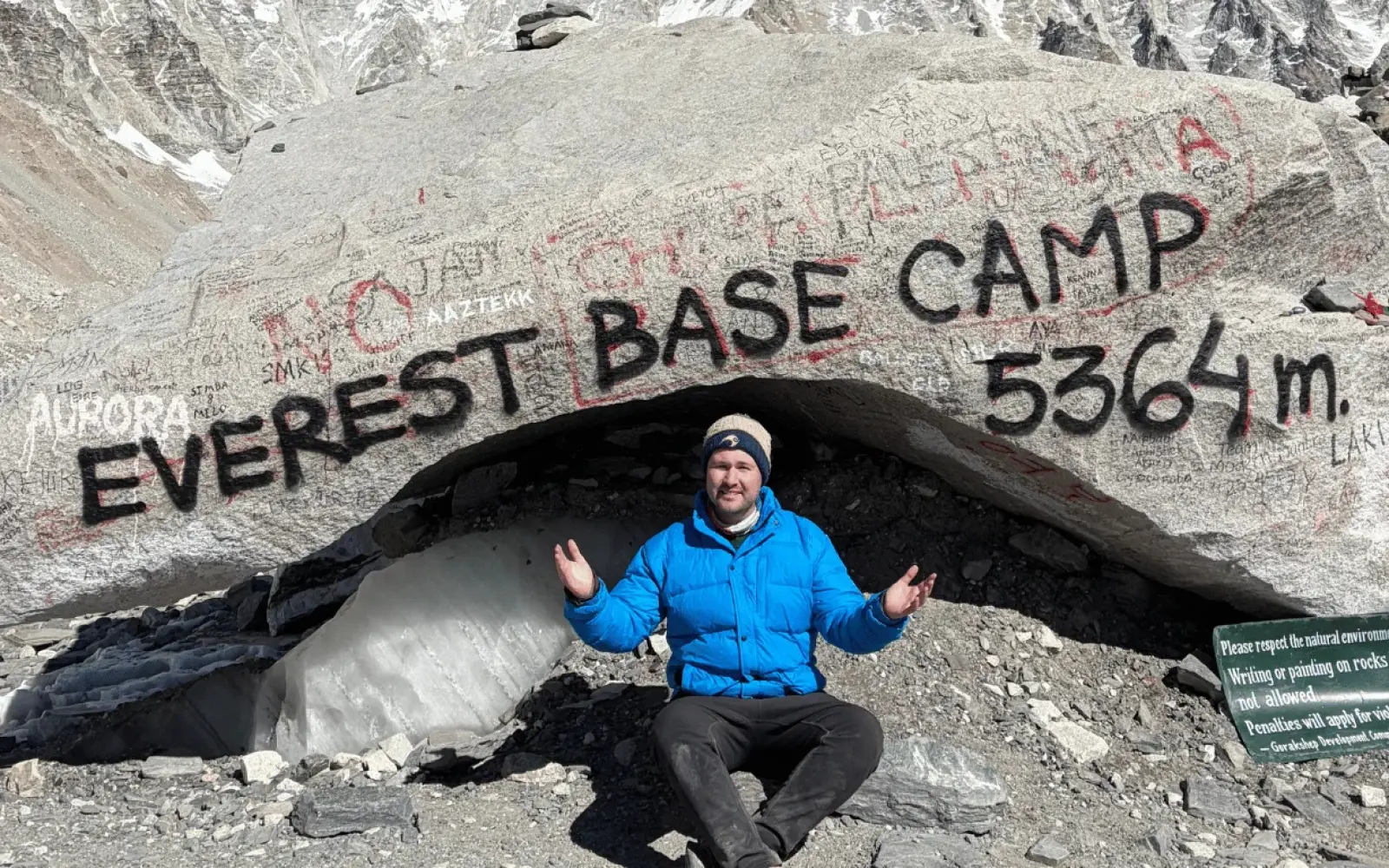

Majestic Trails Nepal runs a responsible and ethical Everest Base Camp trek in 11 ways: licensed Khumbu-born guides, porter loads of 20–25 kg at most, a room for every porter, care for sick porters, no plastic water bottles, a Carry Me Back bag on every trek, helicopters only in real emergencies, family-run Sherpa lodges, groups of 15 or fewer, and safety before the summit. Majestic Trails Nepal also supports a village school in Dhading and gives every guest a trek completion certificate made from recycled waste.
Majestic Trails Nepal's founder, Bibek Dhamala, started as a trekking porter. He knows what a fair trek feels like from the porter's side of the load, and that shapes every practice below.
The table below sums up what we do and why it matters on the Everest Base Camp trek.
| # | What we do | Why it matters |
|---|---|---|
| 1 | Licensed guides born in Lukla and Solukhumbu | Money stays in the Khumbu, and your guide knows the trail and the weather |
| 2 | Porters carry 20–25 kg at most, and guides book their rooms | No legal load limit is enforced in Nepal, and porter rooms fill fast at Lobuche |
| 3 | Medicine, money, and a replacement porter when a porter falls ill | A sick porter is never left to cope alone |
| 4 | Reusable bottles and purification tablets, no plastic bottles | The Khumbu banned plastic bottles in 2020 |
| 5 | Our guides always carry a Carry Me Back bag | Recyclables leave the mountains instead of piling up |
| 6 | Helicopters only in real emergencies | Nepal has a fake helicopter rescue racket |
| 7 | Family-run Sherpa lodges | Your money goes to local families |
| 8 | Groups of 15 at most, with 1 lead guide and 3 assistant guides | Every trekker gets attention on the trail |
| 9 | Evening oxygen checks, turning back in heavy snow, crampons | Safety comes before reaching Base Camp |
| 10 | Support for a village school in Dhading | Trekking income reaches communities beyond the trail |
| 11 | An SPCC trek completion certificate made from recycled waste, included in the package | Your souvenir pays for waste work in the Khumbu |
About 40,000 people trek to Everest Base Camp every year, and how each company runs its treks decides who carries the cost. The biggest problems are well documented:
Trekking brings Nepal an estimated US$300 million a year. A responsible company makes sure that money helps the people and the mountains that earn it.
Many people mix up the two. The queues on fixed ropes, the rubbish at high camps, and the deaths in the "death zone" belong to climbing the mountain itself, at 8,849 m (29,032 ft). The trek to Everest Base Camp, at 5,364 m (17,598 ft), follows an old village trail with Sherpa lodges, shops, schools, and monasteries along the way.
The trek still has a cost, but it is a different one: how much porters carry, how much plastic comes up the trail, and who earns the money. For most guides and porters, the spring and autumn seasons bring in most of the year's income, because few trekkers come in the monsoon or deep winter. Trekking the right way keeps that money in Nepali hands.
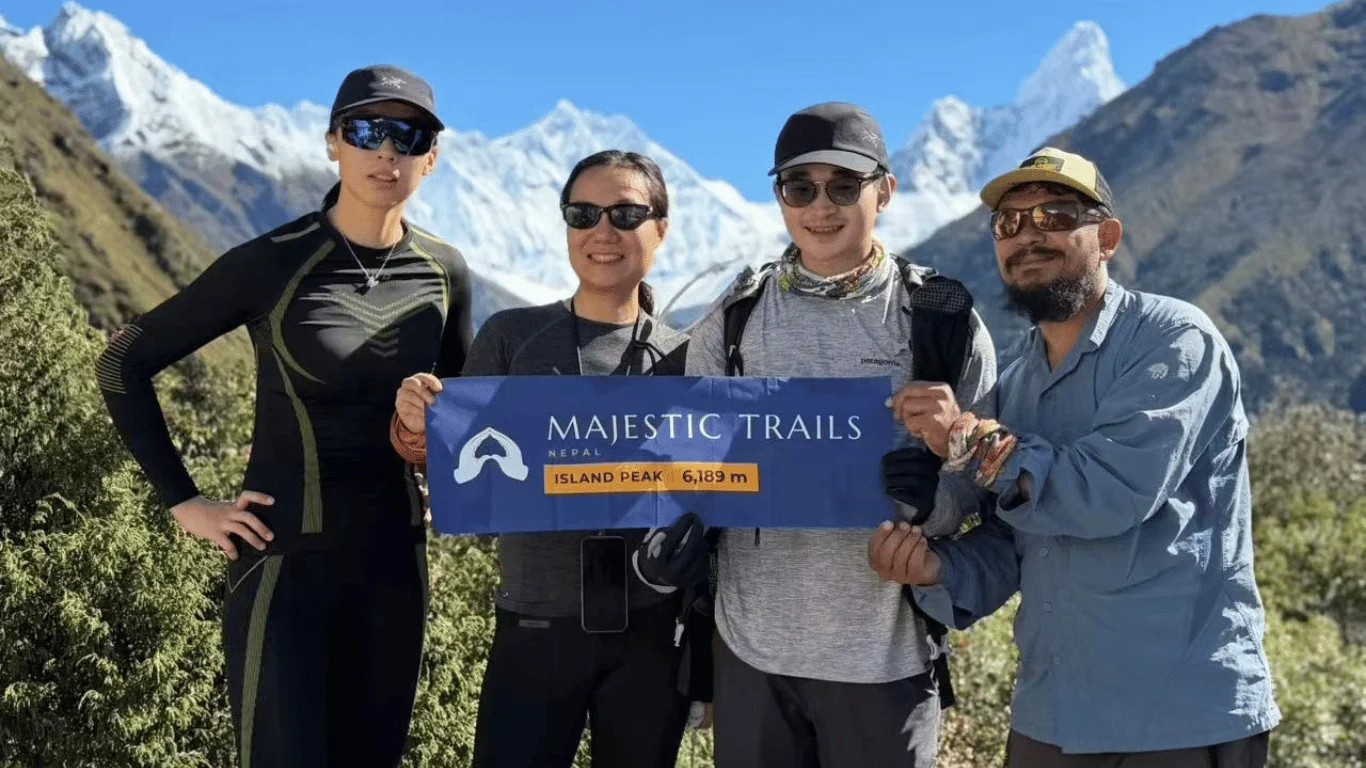
Majestic Trails Nepal's Everest region specialists, Duk Kumar and Manoj, grew up in the Khumbu, and every guide holds a Government of Nepal trekking guide licence. Every one of them also holds a first aid certificate, and we publish their licence numbers on our team page.
| Guide | From | Licence No. | Experience |
|---|---|---|---|
| Duk Kumar Basnet | Lukla | 5899 | 15+ years guiding in the Khumbu |
| Manoj Basnet | Solukhumbu | 22896 | 1 year as a porter, 2 as an assistant guide, now a licensed guide |
| Bibek Dhamala (founder) | Todke, Ganesh Himal | 19911 | Porter from 2020, now licensed guide and founder |
A guide who grew up below these peaks knows which teahouses stay warm, which sections ice over first, and how the weather turns above Dingboche. Hiring local guides also keeps your trekking money in Khumbu households instead of sending it elsewhere. And because Manoj and Bibek both started as porters, they know exactly what the people carrying the loads need.
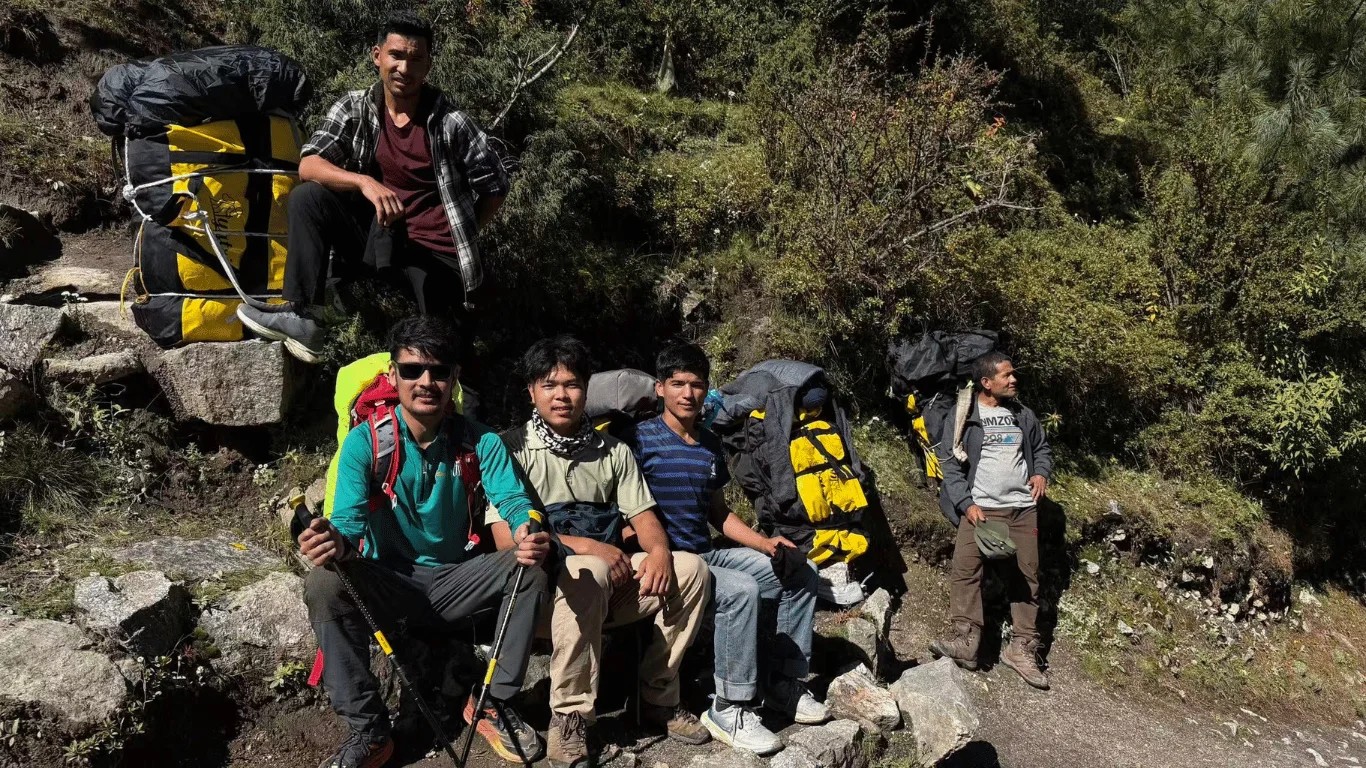
On Majestic Trails Nepal treks, one porter carries 20–25 kg at most, never more. That limit matches what KEEP recommends, while some porters in Nepal carry 40–60 kg because no legal limit is enforced.
There is no enforced legal limit in Nepal, so the answer depends on the company. These are the main guidelines:
| Guideline | Maximum load per porter |
|---|---|
| International Porter Protection Group (IPPG), Nepal | 30 kg, lower at high altitude or in bad conditions |
| KEEP (Kathmandu Environmental Education Project) | 20–25 kg including the porter's own gear, lighter above 5,000 m |
| Majestic Trails Nepal | 20–25 kg, never more |
When one porter carries for two trekkers, that means about 10–12 kg per trekker. Pack light, and your porter's day gets easier too.
At busy stops like Lobuche, porter rooms fill up fast in peak season. Majestic Trails Nepal guides book a room for every porter at the same stop as our guests, so the whole team rests in the same place. The first aid kit our guides carry is for porters as well as guests.
When a porter falls ill or gets hurt, Majestic Trails Nepal looks after them the same way it looks after guests. Our guides give medicine from the same first aid kit they carry for guests; we give the porter money to cover their needs, and we arrange a replacement porter partway through the trek, so nobody is pushed to keep carrying while sick.
This matters because porters are often less protected than trekkers. Many come from lower villages and are not adapted to high altitude, yet they climb with the heaviest loads. The International Porter Protection Group's guidelines say sick porters should get the same standard of care as trekkers, and that is the idea behind how we treat our team.
Majestic Trails Nepal asks every guest not to buy bottled water on the trek. Instead, bring two reusable bottles from home, and our guides carry water purification tablets so you can safely refill from teahouse taps.
Partly. Since 1 January 2020, the Khumbu Pasang Lhamu Rural Municipality, the local government for the Everest region, has banned plastic bags thinner than 30 microns and plastic drinking bottles. In practice, nobody checks, and in November 2026 our guides still saw plastic bottled water on sale all the way up to Gorak Shep (5,164 m / 16,942 ft). Plastic snack wrappers are also common on the trail. So the ban only works if trekkers choose not to buy plastic, and Majestic Trails Nepal strongly encourages every guest to skip bottled water and carry their wrappers out.
These are the three easiest options, and none of them creates plastic waste:
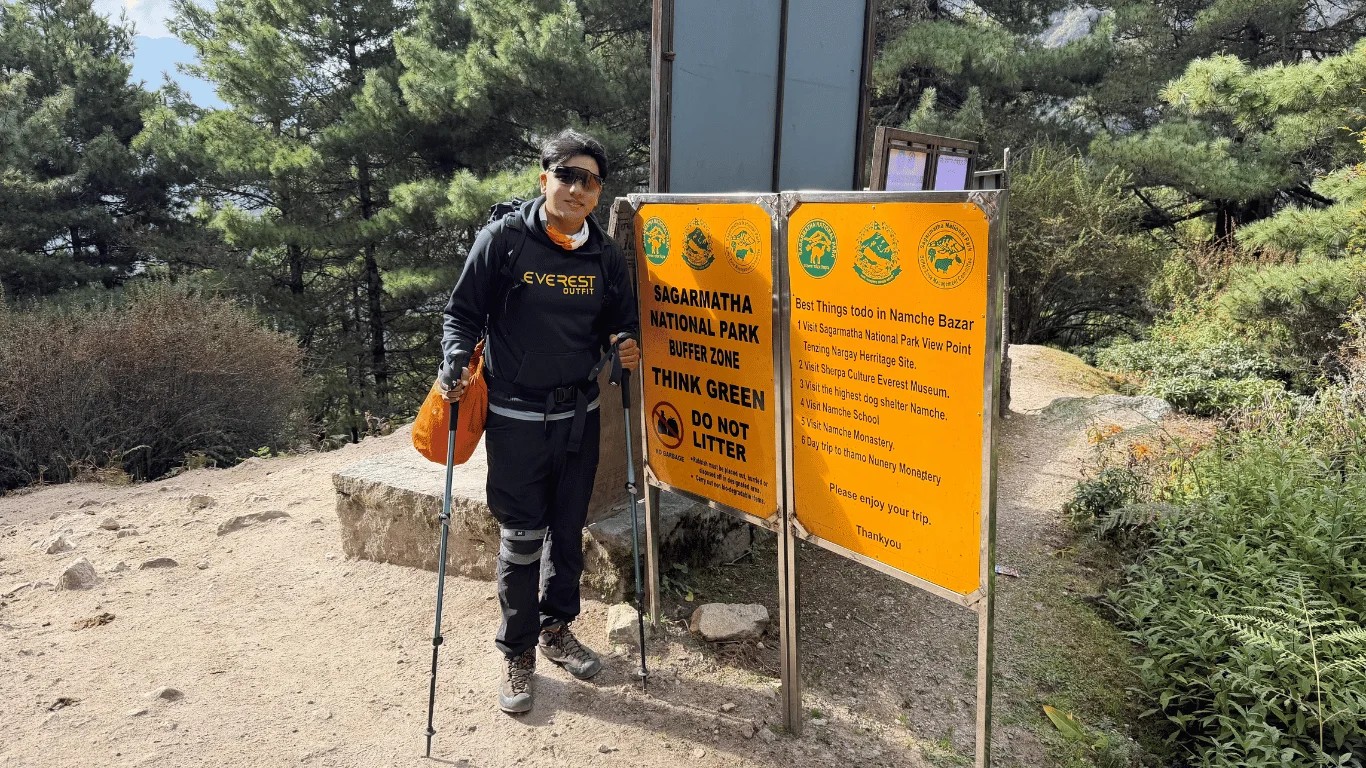
On every Everest trek, Majestic Trails Nepal guides carry a Carry Me Back bag of recyclable waste down from the mountains. We also strongly encourage our guests to carry one. It is not compulsory, and the bag weighs only 1 kg.
Carry Me Back is run by the Sagarmatha Pollution Control Committee (SPCC), the local organisation that has managed waste in the Everest region since 1991. The steps are simple:
The programme works. In spring 2023 alone, SPCC collected 18,080 plastic bottles at its Namche Bazaar facility and sent them out of the mountains for recycling.
Majestic Trails Nepal never suggests a helicopter unless it is a real medical emergency. When a guest shows altitude symptoms, our first step is the same one doctors recommend: rest, then go down. If a guest simply wants to fly out and is not ill, that is their choice, but they pay for the flight themselves. We do not put it through their insurance as a rescue.
Nepal has a long-running fake helicopter rescue racket, and trekkers should know about it:
How to protect yourself: choose a company that explains its rescue policy before you book, and never agree to a helicopter you do not believe you need.
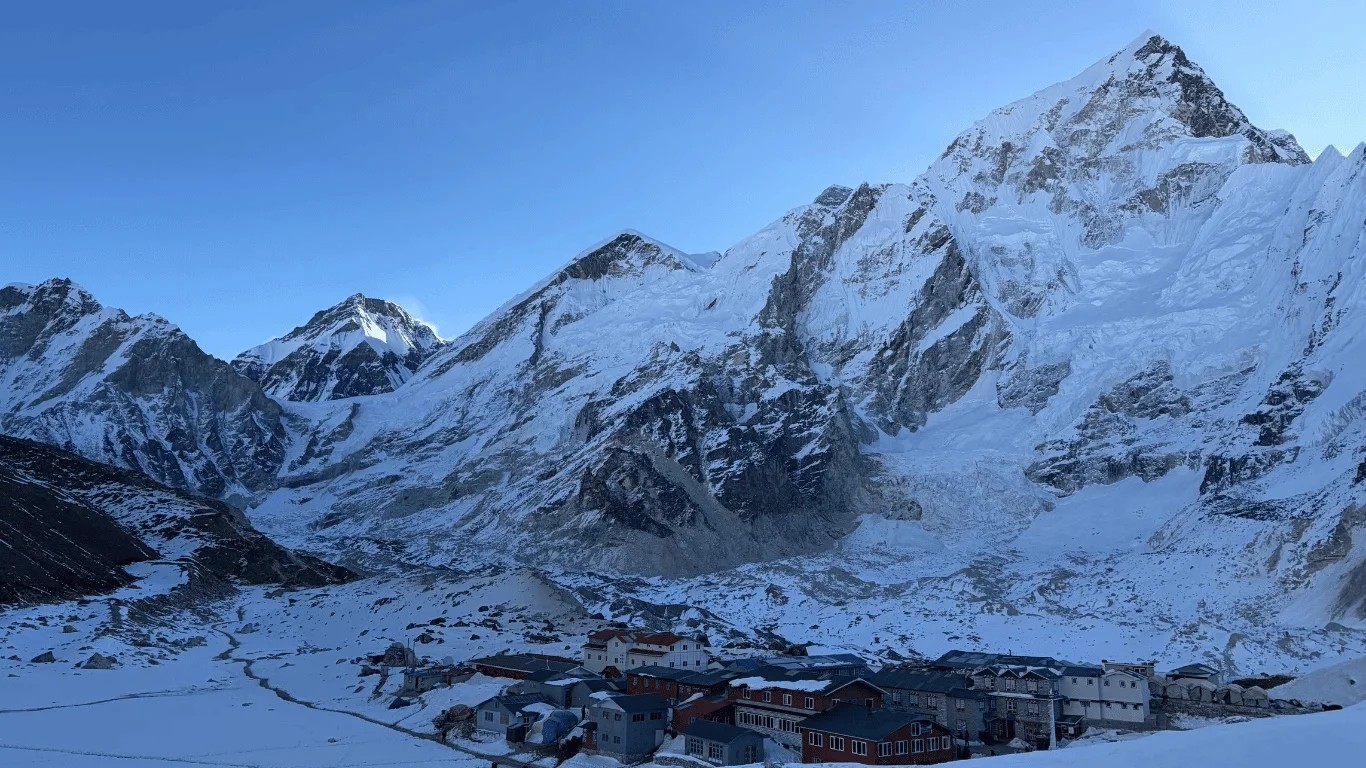
On the Everest Base Camp trek, Majestic Trails Nepal always books family-run Sherpa lodges. The money you spend on your room, your dal bhat, and your hot drinks goes straight to the families who live in the Khumbu all year.
Staying with local families is also a big part of the experience. You eat in the family's dining room, warm up by their stove in the evening, and see how life works in villages like Namche Bazaar, Tengboche, and Dingboche.
Majestic Trails Nepal's Everest Base Camp groups have 15 trekkers at most, led by 1 lead guide and 3 assistant guides. That works out to about one guide for every four trekkers in a full group.
Small groups matter on this trail. They put less pressure on teahouses in peak season, and enough guides means the group can split safely. If one trekker needs a slower pace or has to go down, an assistant guide can stay with them while the rest of the group carries on.
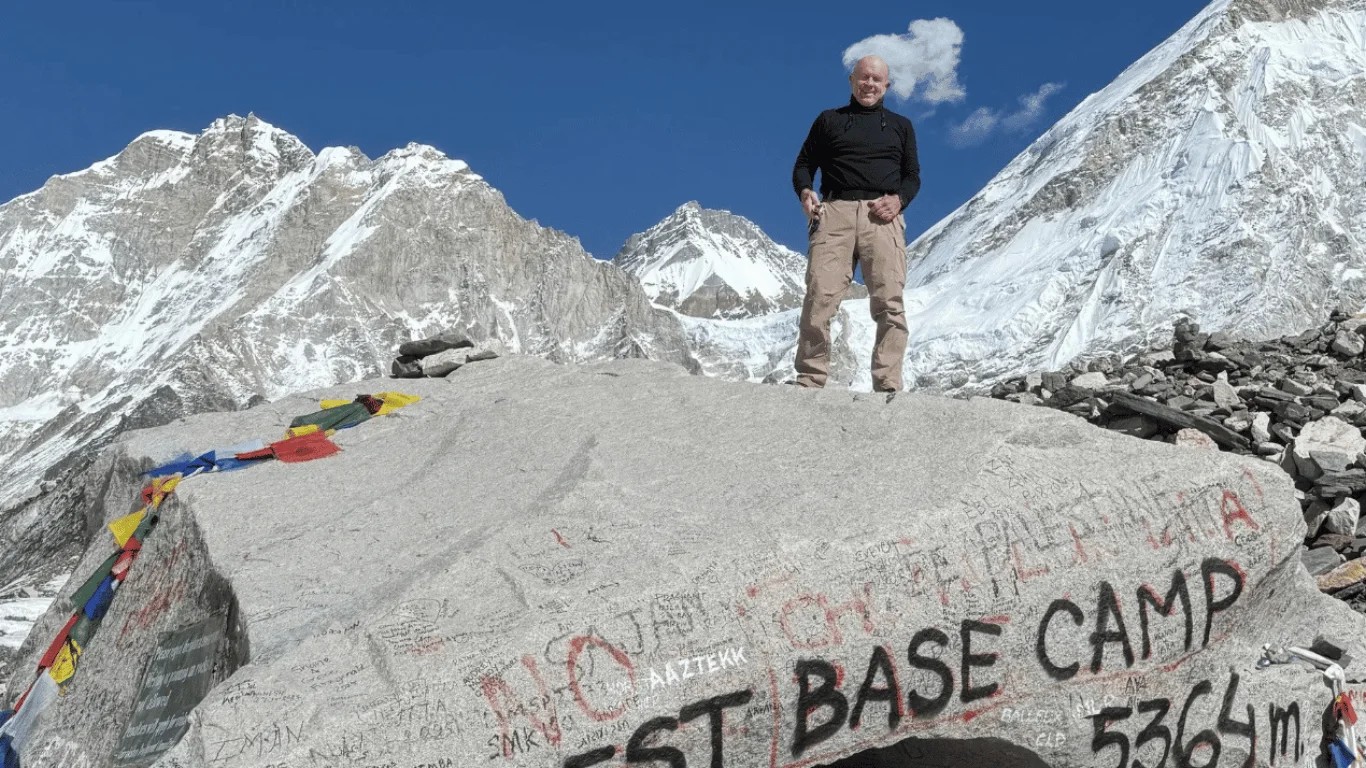
Reaching Everest Base Camp (5,364 m / 17,598 ft) is the goal, but getting everyone home safely comes first. Founder Bibek Dhamala learned this on the Everest Base Camp trail, guiding a 70-year-old trekker: a guide's first job is to look after people, and the summit comes second.
On every trek, Majestic Trails Nepal guides follow the same safety routine:
Majestic Trails Nepal supports a village school in Dhading District, west of Kathmandu, where our Annapurna guide Sujan Adhikari grew up. Trekking income should reach communities beyond the busy trails too.
This is also the right way to help if you want to give something to children in Nepal. Instead of handing out sweets, pens, or money on the trail, which can encourage begging, give to a school through an organisation or company you trust.
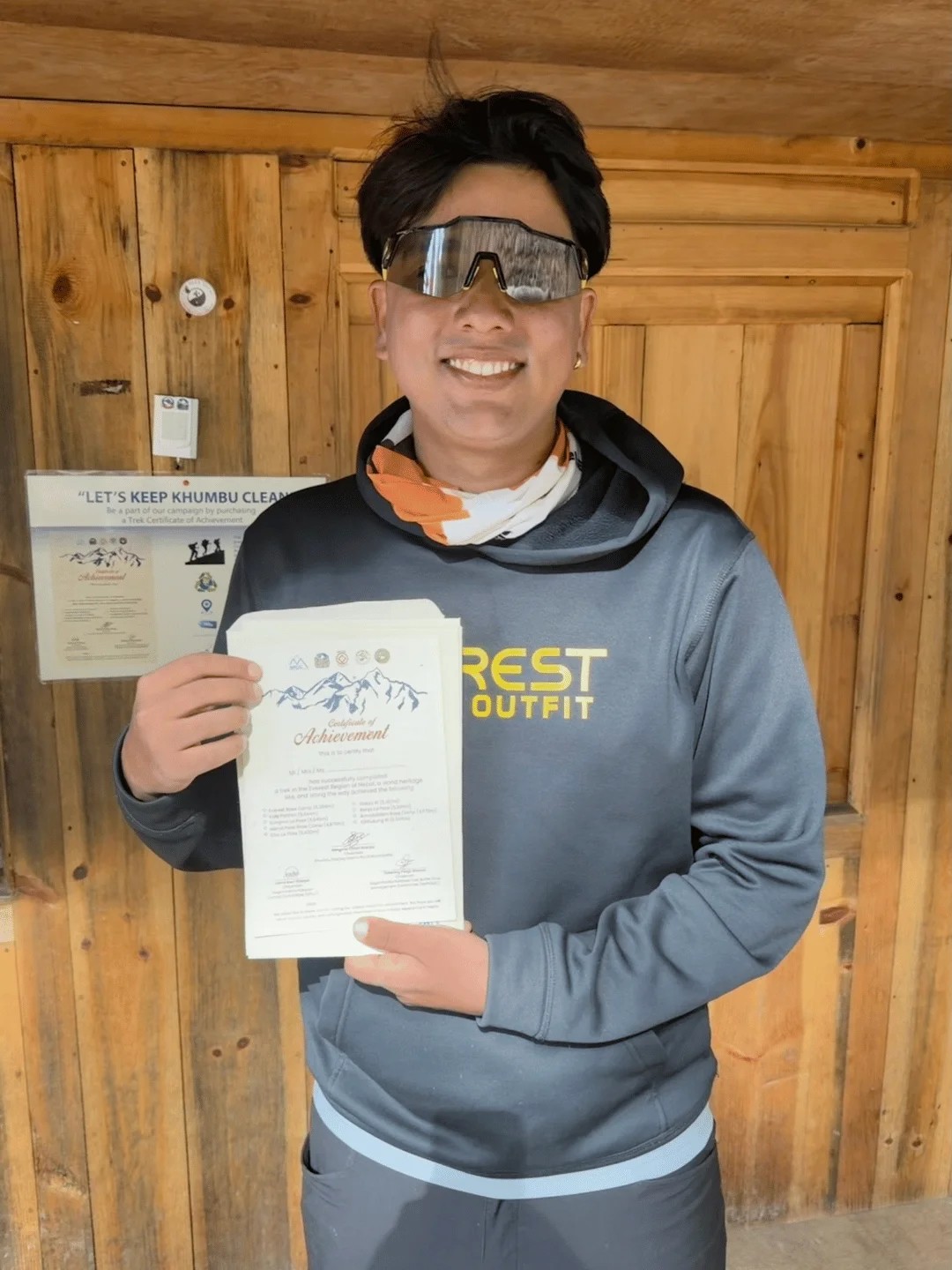
In Namche Bazaar, at 3,440 m (11,286 ft), the Sagarmatha Pollution Control Committee (SPCC) sells trek completion certificates made from waste collected in the Everest region. Each one costs Rs 500, and the money goes to SPCC, the local organisation that manages rubbish in the Khumbu.
Majestic Trails Nepal buys a certificate for every guest on the Everest Base Camp trek. It is included in the package, so you do not pay extra. You take home proof that you finished the trek, and the money helps keep the trail clean.
This is different from the Carry Me Back certificate in section 5. Carry Me Back thanks you for carrying 1 kg of recyclables down to Lukla, while this certificate marks the trek you completed.
You can make a real difference on your own trek. This is our checklist for guests:
An ethical trekking company gives clear, specific answers to five questions. Ask any company you are considering, and compare their answers with ours:
| Question to ask | What a good answer sounds like | Majestic Trails Nepal's answer |
|---|---|---|
| Are your guides licensed? Can I see their licence numbers? | Names and licence numbers, shared openly | Yes, our guides' licence numbers are on our team page |
| How much does one porter carry? | A clear limit, around 20–25 kg | 20–25 kg, never more |
| Where do porters sleep, and who looks after them if they get sick? | Rooms booked, medicine, and a replacement porter | Our guides book porter rooms and share their first aid kit |
| When do you call a helicopter? | Only in a real medical emergency, after descending | Emergencies only |
| How big are your groups, and how many guides come along? | Small groups with assistant guides | 15 trekkers at most, with 4 guides |
Be careful with any company that cannot answer these questions, or that sells a guide and porter much more cheaply than everyone else. Somebody usually pays for the low price, and it is often the porter.
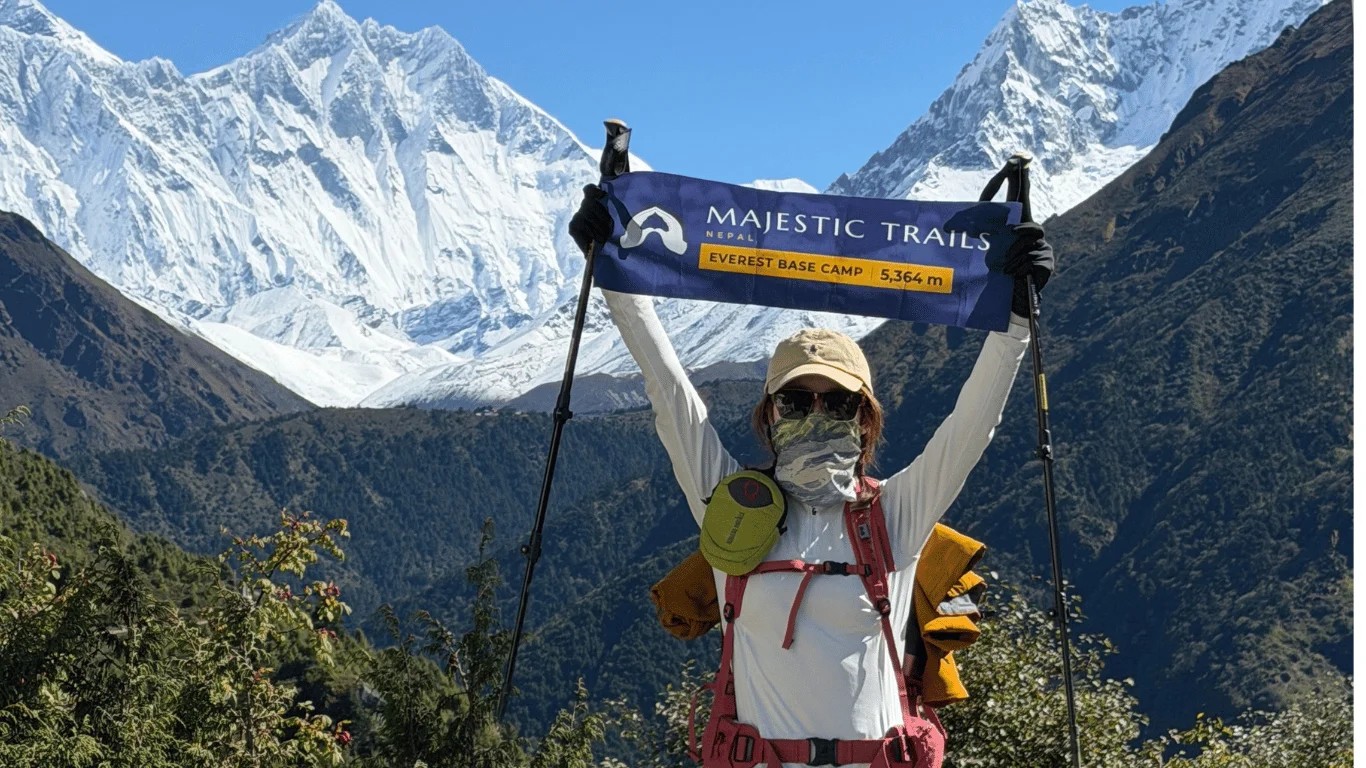
Our Everest Base Camp Trek runs on all 11 of these practices, from Lukla to Base Camp and back. You get a licensed Khumbu guide, a fairly loaded porter, family-run lodges, and a trek that leaves the mountains a little cleaner than you found them.
Tell us your dates and group size, and we will plan your trek with you. Chat with us on WhatsApp (+977 970-0937981) or email info@majestictrailsnepal.com.
Yes. The trek is not the same as climbing Everest. It follows a village trail with lodges and shops, and trekking pays the wages of thousands of guides, porters, and lodge owners in the Khumbu. It stays ethical when porters carry fair loads, rubbish leaves the mountains, and the money goes to local people.
Yes, as long as the porter is treated fairly. Portering is an important source of income in Nepal's mountains. Choose a company that limits loads to about 20–25 kg, provides a room, and looks after porters who get sick.
No legal limit is enforced in Nepal. KEEP recommends 20–25 kg per porter, including the porter's own gear, and the International Porter Protection Group sets a maximum of 30 kg. At Majestic Trails Nepal, one porter carries 20–25 kg at most.
Both are fine. Carrying even 10 kg above 4,000 m (13,123 ft) is hard work, and hiring a porter gives a local person paid work. If you hire one, pack light so the porter's load stays within 20–25 kg.
Partly. Since 1 January 2020, the Khumbu Pasang Lhamu Rural Municipality has banned plastic bags thinner than 30 microns and plastic drinking bottles in the Everest region, but the ban is not checked, and plastic bottled water is still sold up to Gorak Shep. Bring reusable bottles and purification tablets instead, and carry your snack wrappers out.
No. Refill your own bottles from teahouse taps and treat the water with purification tablets, or buy boiled water from your lodge. Majestic Trails Nepal guides carry purification tablets for the group.
Carry Me Back is a recycling programme run by the Sagarmatha Pollution Control Committee. Trekkers carry a 1 kg bag of recyclables from Pangboche or Namche down to Lukla, and receive a certificate for helping.
Yes. Majestic Trails Nepal gives every guest a trek completion certificate from the Sagarmatha Pollution Control Committee in Namche Bazaar. It is made from recycled waste, costs Rs 500, and is included in the package.
Once you put rubbish in a lodge bin, you cannot control where it goes, and some of it is burned. The best way is to make less of it: eat teahouse meals instead of packaged snacks, refill your own bottles, and carry wrappers, batteries, and old medicines down to Namche, Lukla, or home.
Ask for its guides' licence numbers, its porter load limit, its helicopter rescue policy, and its group size. A responsible company answers clearly and with numbers.
Majestic Trails Nepal's Everest Base Camp groups have 15 trekkers at most, with 1 lead guide and 3 assistant guides.

Written by
Content Writer
Rabina writes the trekking guides at Majestic Trails Nepal, based in Kathmandu. She has walked the Mardi Himal and Langtang Gosaikunda treks herself and has been writing about trekking in Nepal for more than two years. Each guide is researched with our licensed trekking guides, teahouse owners on the trail and trusted official sources online, such as the Nepal Tourism Board and Nepal’s national park offices.
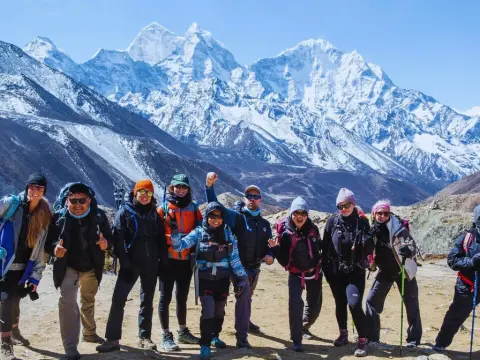
Understanding the Everest Base Camp trek Nepal cost helps you plan your dream Himalayan adventure without budget surprises.The total EBC trek cost Nep...

Mount Everest sits on the border between Nepal and the Tibet Autonomous Region of China, deep within the eastern Himalayas of South Asia. It is the hi...
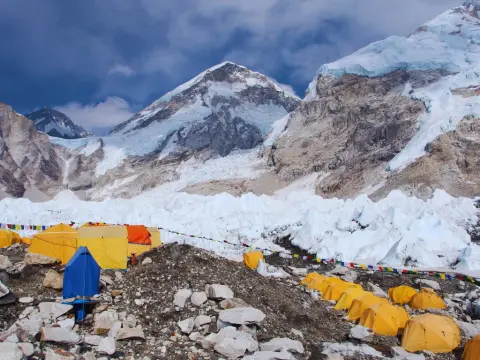
Everest Base Camp in Nepal sits at 5,364 meters above sea level, which converts to 17,598 feet. That is the number you will find on official trekking...
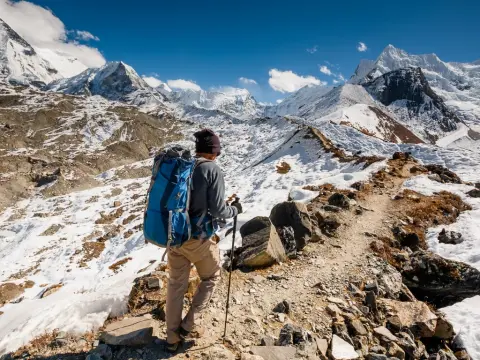
Yes, a beginner can complete the Everest Base Camp Trek. Despite what many people assume, reaching Everest Base Camp is not a mountaineering expeditio...
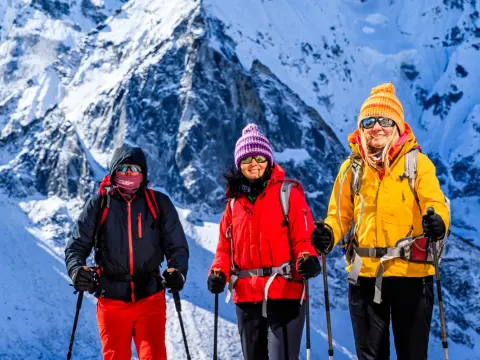
For the Everest Base Camp trek in 2026, you need two permits: the Sagarmatha National Park Entry Permit and the Khumbu Pasang Lhamu Rural Municipality...
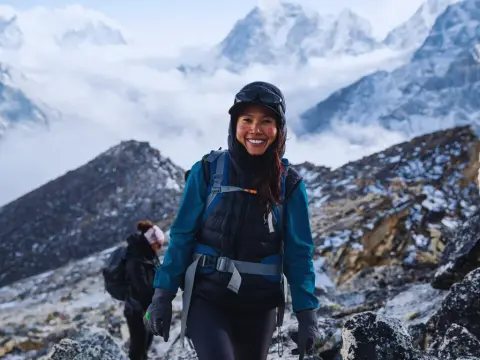
Accommodation on the Everest Base Camp (EBC) trek ranges from basic teahouses to luxury lodges. Rooms generally cost $3 to $100 per night, with amenit...
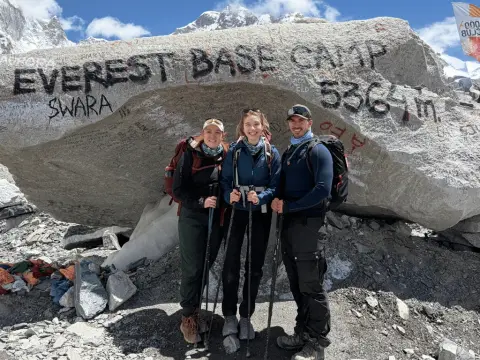
The Everest Base Camp trek is moderate to strenuous, about 7 out of 10 on our guides' scale. You need no climbing skills, but you walk about 130 km ov...
