
Gyalpo Losar: Tibetan New Year and Spiritual Renewal
30 May 2025
Gyalpo Losar, the Tibetan New Year, is a festival of immense cultural, religious, and social importance for the Tibetan people, including the Sherpa c...

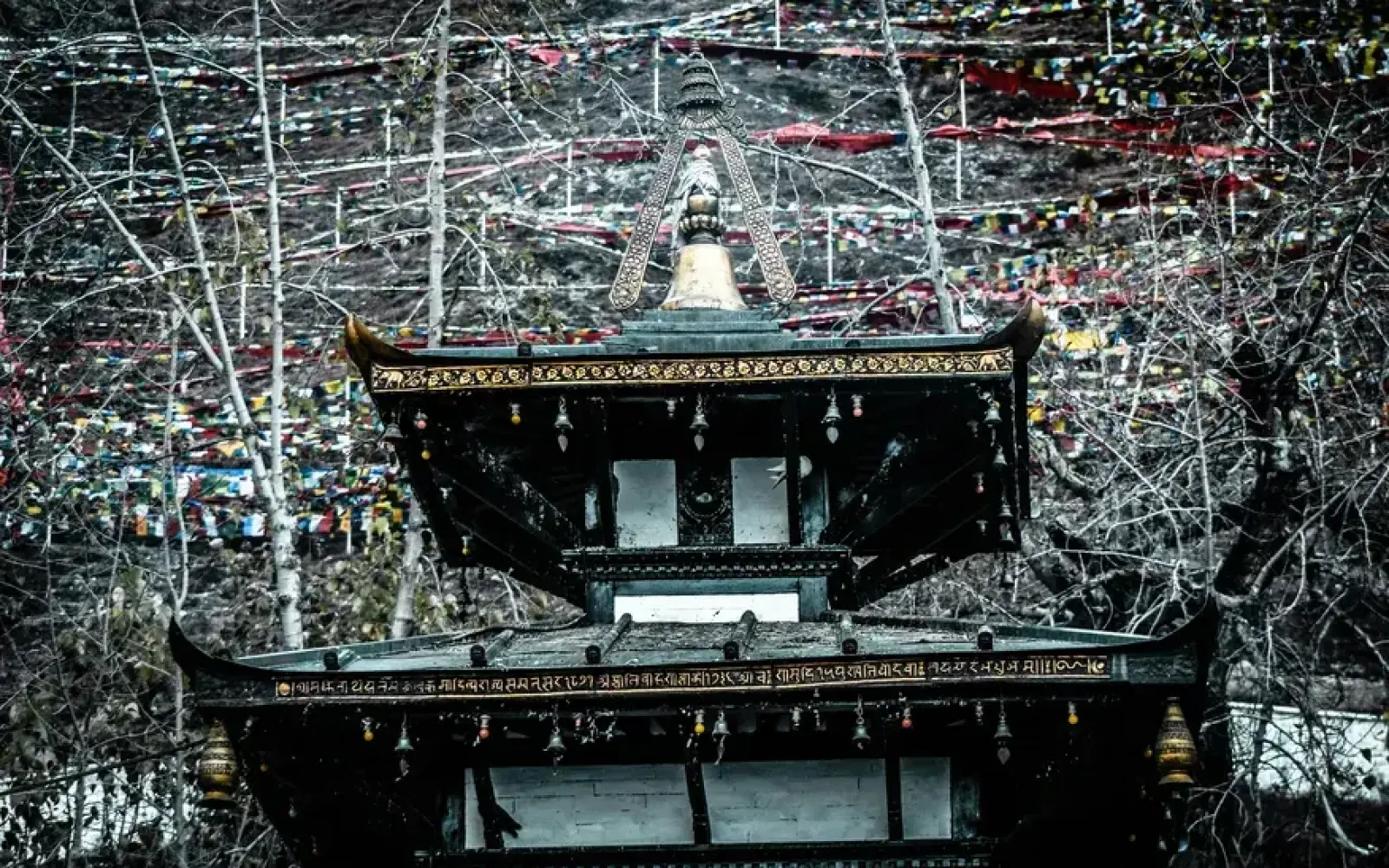

Muktinath holds a rare distinction in the spiritual landscape of South Asia. It stands as one of the few sacred sites revered equally by both Hindus and Buddhists, drawing thousands of pilgrims and curious travelers each year to the remote highlands of Nepal's Mustang district.
Perched at 3,710 meters above sea level, this ancient temple complex offers more than spiritual fulfillment. The journey itself takes you through dramatic Himalayan landscapes, traditional mountain villages, and the rain-shadow region of the Annapurna range.
Whether you seek darshan at the sacred temple, wish to bathe under the 108 holy water spouts, or simply want to experience the unique culture of Upper Mustang, a Nepal Muktinath tour delivers an unforgettable experience.
This guide covers everything you need to plan your visit—from transport options and costs to itineraries and practical tips based on our years of organizing pilgrimage tours across Nepal.
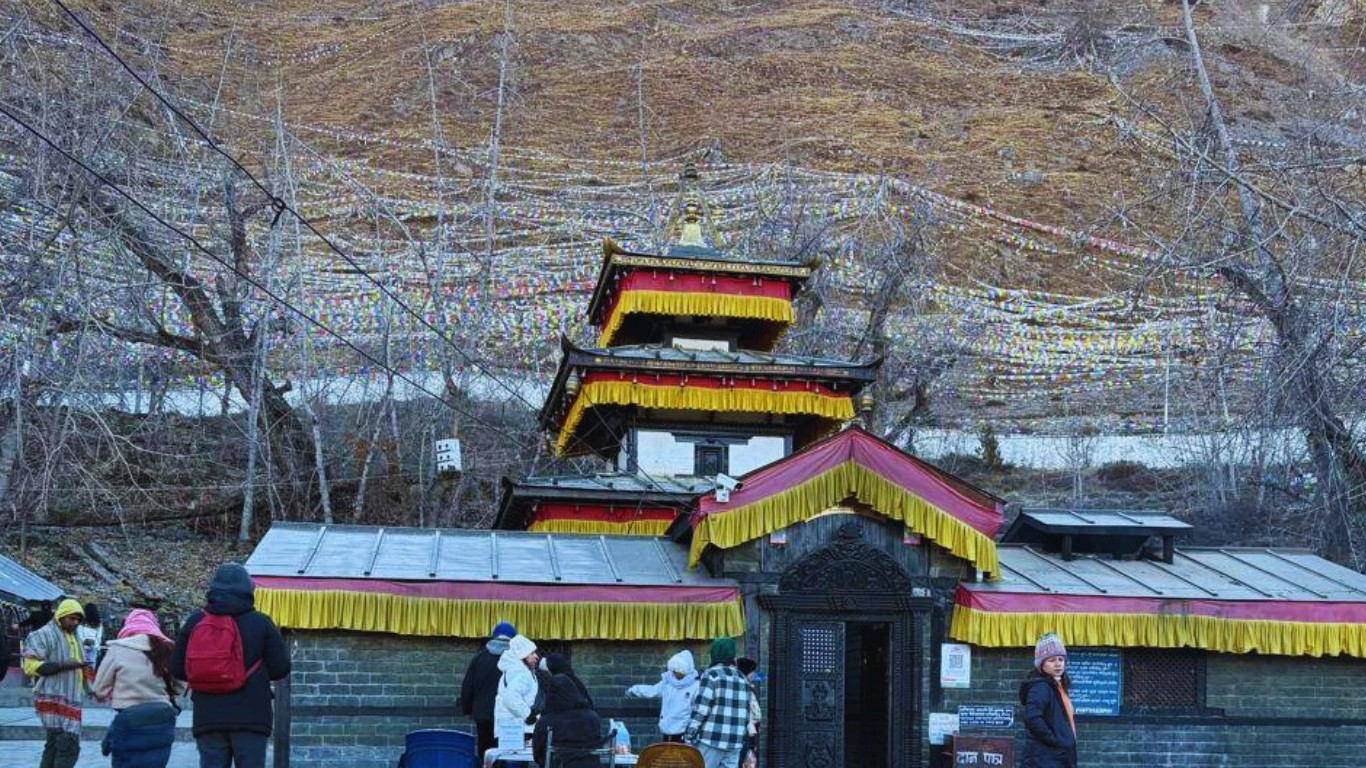
Muktinath Temple sits in the Muktinath Valley of Mustang district, part of Nepal's Gandaki Province. The nearest settlement is Ranipauwa, a small village where most accommodations and basic facilities are located.
The temple lies within the Annapurna Conservation Area, surrounded by the Thorong La pass to the east and the dramatic landscapes of the trans-Himalayan region to the north.
Key geographical facts:
The location falls in the rain-shadow zone of the Himalayas, which means it receives far less rainfall than other parts of Nepal. This creates a semi-arid landscape reminiscent of Tibet, with barren brown hills, deep gorges, and clear mountain views.
Muktinath's fame stems from its deep spiritual significance across two major religions.
Muktinath is one of the 108 Divya Desams—sacred shrines dedicated to Lord Vishnu as mentioned in ancient Tamil texts. The name itself translates to "Lord of Liberation" (Mukti = liberation, Nath = lord).
Devotees believe that bathing under the 108 water spouts surrounding the temple washes away sins and helps attain moksha (spiritual liberation). The temple also features an eternal flame, fueled by natural gas seeping through the earth—a phenomenon considered miraculous.
Buddhists know this site as Chumig Gyatsa, meaning "Hundred Waters." The location holds significance as a place where Guru Rinpoche (Padmasambhava) meditated during his journey to Tibet.
The temple complex includes a small Buddhist monastery, and local Buddhist communities actively participate in maintaining the sacred site.
What makes Muktinath particularly remarkable is the presence of all five elements—earth, water, fire, air, and sky—naturally occurring within the temple compound. The eternal flame burning alongside water is considered especially auspicious, representing the unity of opposing forces.
Several routes lead to Muktinath, each offering different experiences based on your time, budget, and physical comfort.
This is the most popular option for pilgrims who prefer minimal road travel.
Route: Kathmandu → Pokhara (flight or drive) → Jomsom (flight) → Muktinath (jeep)
Important note: Jomsom flights operate only in early morning due to afternoon winds. Delays and cancellations during monsoon and winter are common.
For those who prefer scenic overland travel.
Route: Kathmandu → Pokhara → Beni → Jomsom → Muktinath
The road from Beni to Jomsom follows the Kali Gandaki gorge and offers spectacular views, though the journey can be dusty and bumpy.
Budget-conscious travelers often take a direct jeep from Pokhara to Muktinath. Local jeeps depart from Bagar bus park in Pokhara early morning and reach Muktinath by late afternoon.
This option costs less but involves 10–12 hours of continuous travel on mountain roads.
From Ranipauwa village, the temple is accessible via a short uphill walk of approximately 20 minutes. Ponies and palanquins are available for elderly pilgrims or those with mobility concerns.
For a detailed breakdown of transport options, read our guide on [Muktinath from Kathmandu].
We offer flexible itineraries based on your available time and travel preferences.
Day 1: Kathmandu/Pokhara to Jomsom (flight), Jomsom to Muktinath (jeep), temple visit, overnight at Ranipauwa
Day 2: Morning darshan, explore Muktinath Valley, visit Jwala Mai temple, return to Jomsom
Day 3: Jomsom to Pokhara (flight), connect to Kathmandu
Day 1: Kathmandu to Pokhara (flight or drive), overnight in Pokhara
Day 2: Pokhara to Jomsom (flight), Jomsom to Muktinath (jeep), evening at temple, overnight at Ranipauwa
Day 3: Morning temple visit, explore local villages, return to Jomsom, overnight in Jomsom
Day 4: Jomsom to Pokhara (flight), Pokhara to Kathmandu
Day 1: Kathmandu to Pokhara (drive), overnight in Pokhara
Day 2: Pokhara to Jomsom (jeep via Beni), overnight in Jomsom
Day 3: Jomsom to Muktinath, temple visit, overnight at Ranipauwa
Day 4: Morning darshan, return to Tatopani (natural hot springs), overnight
Day 5: Tatopani to Pokhara, evening flight or drive to Kathmandu
Understanding costs helps you plan an appropriate budget. Here is a general breakdown for a standard 4-day tour:
| Expense Category | Budget Range (USD) | Notes |
|---|---|---|
| Kathmandu-Pokhara flight | $100–120 | One way per person |
| Pokhara-Jomsom flight | $130–150 | One way per person |
| Jomsom-Muktinath jeep | $15–25 | Shared jeep per person |
| Accommodation | $20–50/night | Basic to mid-range lodges |
| Meals | $15–25/day | Lodge dining |
| ACAP Permit | $30 | Mandatory for all visitors |
| Pony/Palanquin | $10–20 | Optional, for temple approach |
| Total estimate | $350–550 | 4-day tour per person |
Permit requirements:
For a detailed cost analysis, Contact us for Muktinath Tour Cost guide.
Muktinath remains accessible year-round, but certain seasons offer better conditions.
Spring brings stable weather, clear mountain views, and comfortable temperatures. Rhododendrons bloom along lower sections of the route. This period sees the highest number of visitors.
Post-monsoon months offer excellent visibility and pleasant weather. This is considered the best overall season for Himalayan travel.
Cold temperatures (dropping below freezing at night) but fewer crowds. Flights may face occasional disruptions. Suitable for those prepared for cold conditions.
The rain-shadow location means Muktinath receives less rainfall than other parts of Nepal. However, road conditions deteriorate, and flights face frequent cancellations.
For month-by-month details, read our guide on [Best Time to Visit Muktinath].
Ranipauwa village serves as the base for Muktinath visitors and offers adequate facilities.
Hot water and heating may be limited or charged extra during winter months.
Most lodges serve Nepali dal bhat, Indian cuisine, and basic continental options. Vegetarian food is widely available given the pilgrimage nature of the destination.
For broader regional information, explore our [Mustang Travel Guide].
Yes, the Muktinath tour is well-suited for elderly pilgrims and travelers with moderate fitness levels.
We regularly organize Muktinath tours for senior pilgrims and family groups. Our team ensures appropriate pacing and assistance throughout the journey.
A minimum of 3 days is required if using flights. However, we recommend 4 days for a comfortable experience with buffer time for weather-related delays. Those traveling entirely by road should plan for 5 days.
Private cars cannot travel beyond Pokhara due to road conditions. From Pokhara, you must use a jeep or 4WD vehicle. The route from Beni to Jomsom requires high-clearance vehicles suitable for rough mountain roads.
For Nepali citizens, no passport is needed. Foreign nationals require a valid passport and must obtain an ACAP permit. Indian nationals can travel with a valid government-issued photo ID, though passport is recommended.
Muktinath Temple sits at 3,710 meters (12,172 feet) above sea level. This altitude can cause mild symptoms like headache or breathlessness in some individuals. Staying hydrated and avoiding strenuous activity on the first day helps with acclimatization.
No, TIMS is not required for the standard Muktinath tour route. You only need the ACAP (Annapurna Conservation Area Permit), which can be obtained in Kathmandu or Pokhara.
A successful Muktinath pilgrimage requires thoughtful planning around weather, permits, and logistics. The remote location means that local knowledge and proper arrangements significantly impact your experience.
At Majestic Trails Nepal, we have organized countless Muktinath tours for pilgrims from across India, Nepal, and around the world. Our team handles all permits, transportation bookings, and accommodations, allowing you to focus entirely on your spiritual journey.
Whether you are planning a family pilgrimage, a solo visit, or a group tour, we tailor itineraries to match your schedule and requirements.
Contact our team to discuss your Nepal Muktinath tour dates and receive a customized quotation based on your group size and preferences.

Gyalpo Losar, the Tibetan New Year, is a festival of immense cultural, religious, and social importance for the Tibetan people, including the Sherpa c...
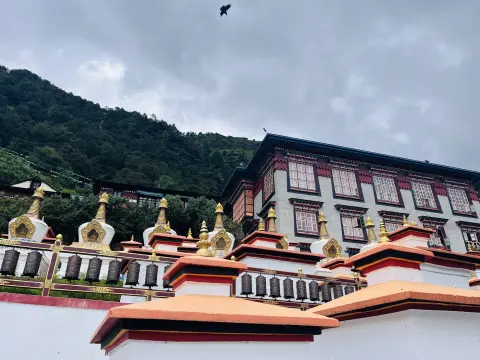
Situated in the peaceful Solu-Khumbu region of Nepal, near the village of Junbesi, Thupten Chholing Monastery is a living testament to Tibetan Buddhis...
Nepal has always been more than a destination. It is a sanctuary where the physical and spiritual worlds intertwine beneath snow-capped peaks and with...
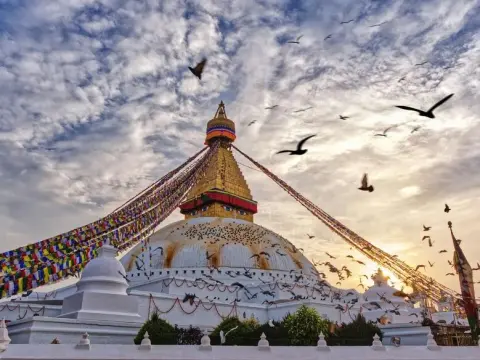
Nepal is far more than a trekking destination nestled among the world's highest peaks. This ancient Himalayan kingdom pulses with profound spiritual e...
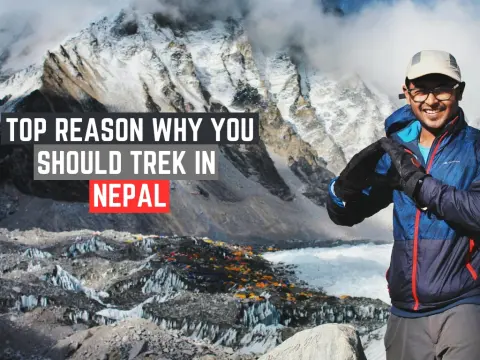
If you've ever wondered why trekking in Nepal captivates adventurers from every corner of the globe, the answer lies in its extraordinary combination...
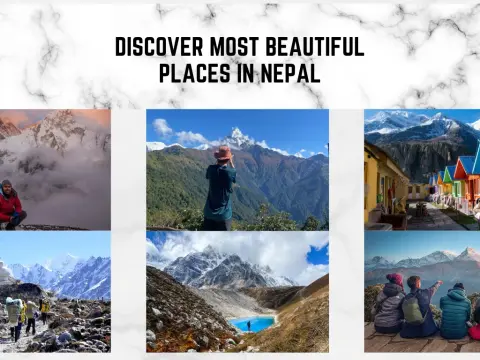
Nepal is a land where nature paints its most spectacular masterpieces. From the towering peaks of the Himalayas to serene alpine lakes, dense jungles...
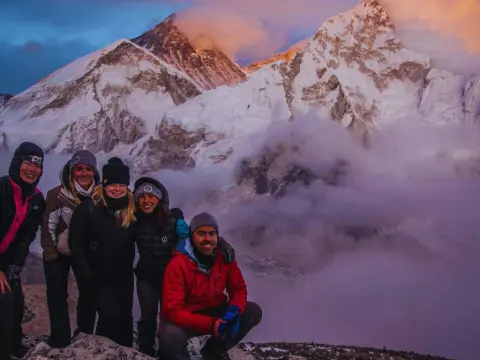
If you're curious about trekking in Nepal, you've landed in the right place. Nepal is home to the world's most breathtaking mountain trails, ancient c...
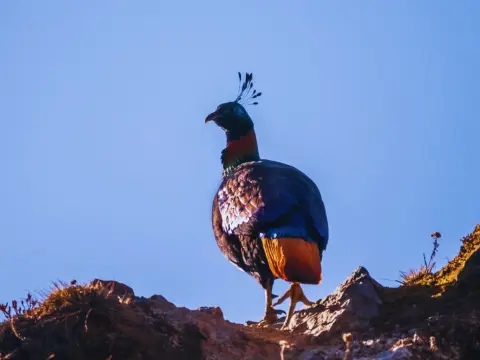
The Danfe, scientifically known as the Himalayan Monal (Lophophorus impejanus), is the national bird of Nepal, celebrated for its stunning iridescent...
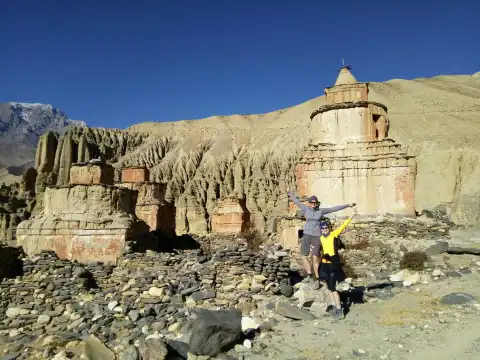
Mustang trekking in Nepal is an extraordinary journey into one of the world's last remaining Tibetan Buddhist kingdoms. Located in the remote northwes...
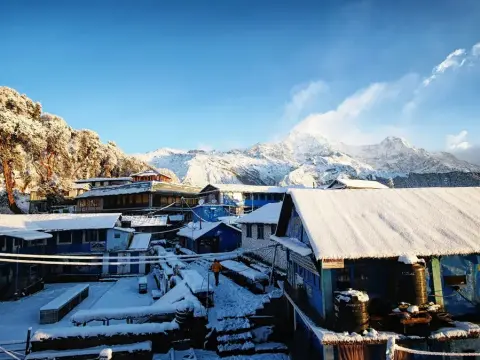
Winter in Nepal gets misunderstood a lot. Most travelers from Europe or North America picture deep snowdrifts, frozen trails, and dangerous conditions...
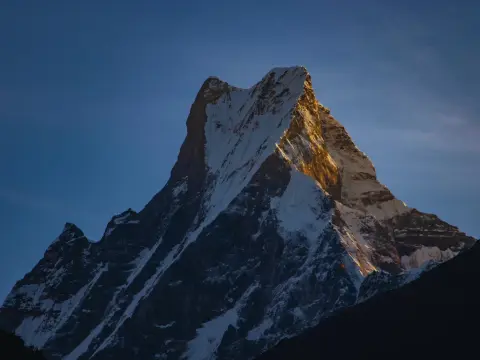
Macchapuchre stands as one of the most iconic and mysterious peaks in the entire Himalayan range. Also commonly spelled Machhapuchhre, this magnificen...
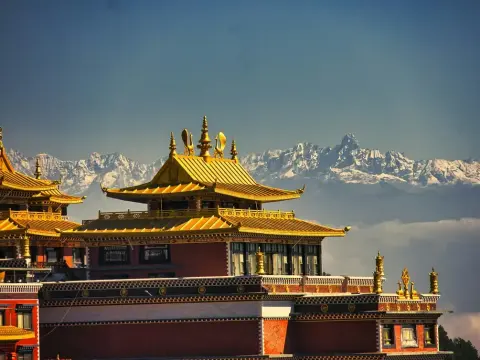
Namo Buddha stands as one of the most revered Buddhist pilgrimage sites in Nepal, drawing devotees and travelers from across the world to its serene h...
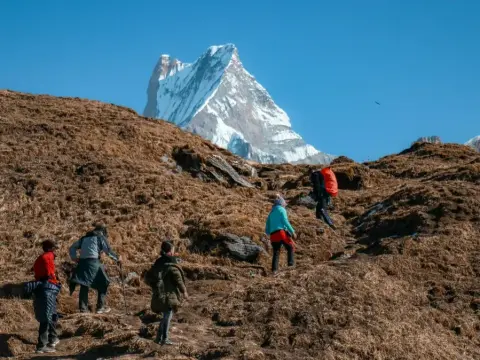
The Best Nepal treks from Kathmandu represent some of the most spectacular mountain journeys on Earth, all accessible from Nepal's vibrant capital cit...
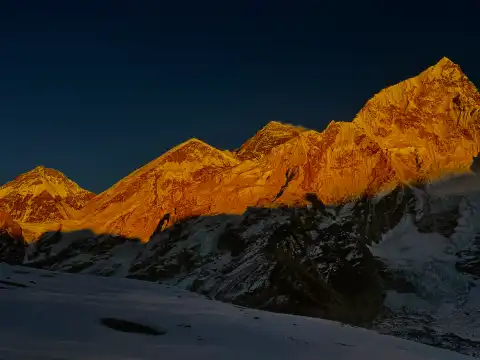
Kalapathar stands at 5,545 meters (18,192 feet) as the highest accessible viewpoint on the Everest Base Camp trek and arguably the most spectacular pa...
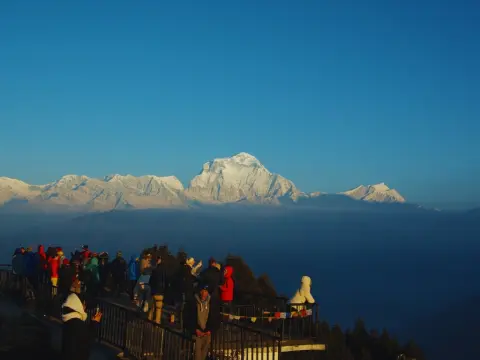
Poon Hill stands as Nepal's most accessible high-altitude viewpoint, rising to 3,210 meters (10,531 feet) above sea level in the Annapurna region of w...
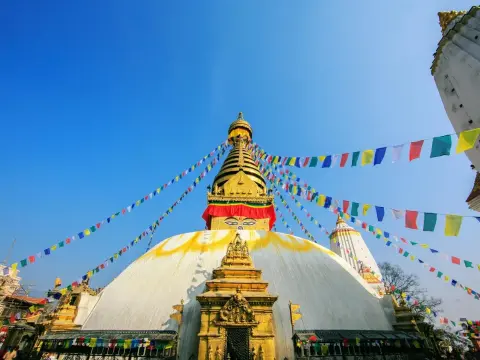
June marks the beginning of Nepal's monsoon season, bringing lush green landscapes, fewer crowds, and unique travel opportunities. While many traveler...
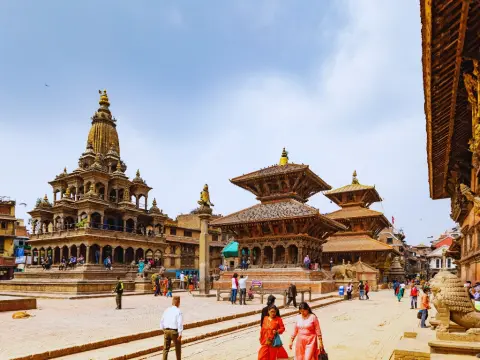
December transforms Nepal into a winter wonderland of crystal-clear skies, snow-dusted peaks, and peaceful trails. For travelers seeking the best plac...
