
Group Departure Trekking in Nepal – Join Pre-Scheduled Adventures
3 Jul 2025
Group Departure Trekking in Nepal offers the perfect solution for adventurers who want to explore the Himalayas without the hassle of planning every d...

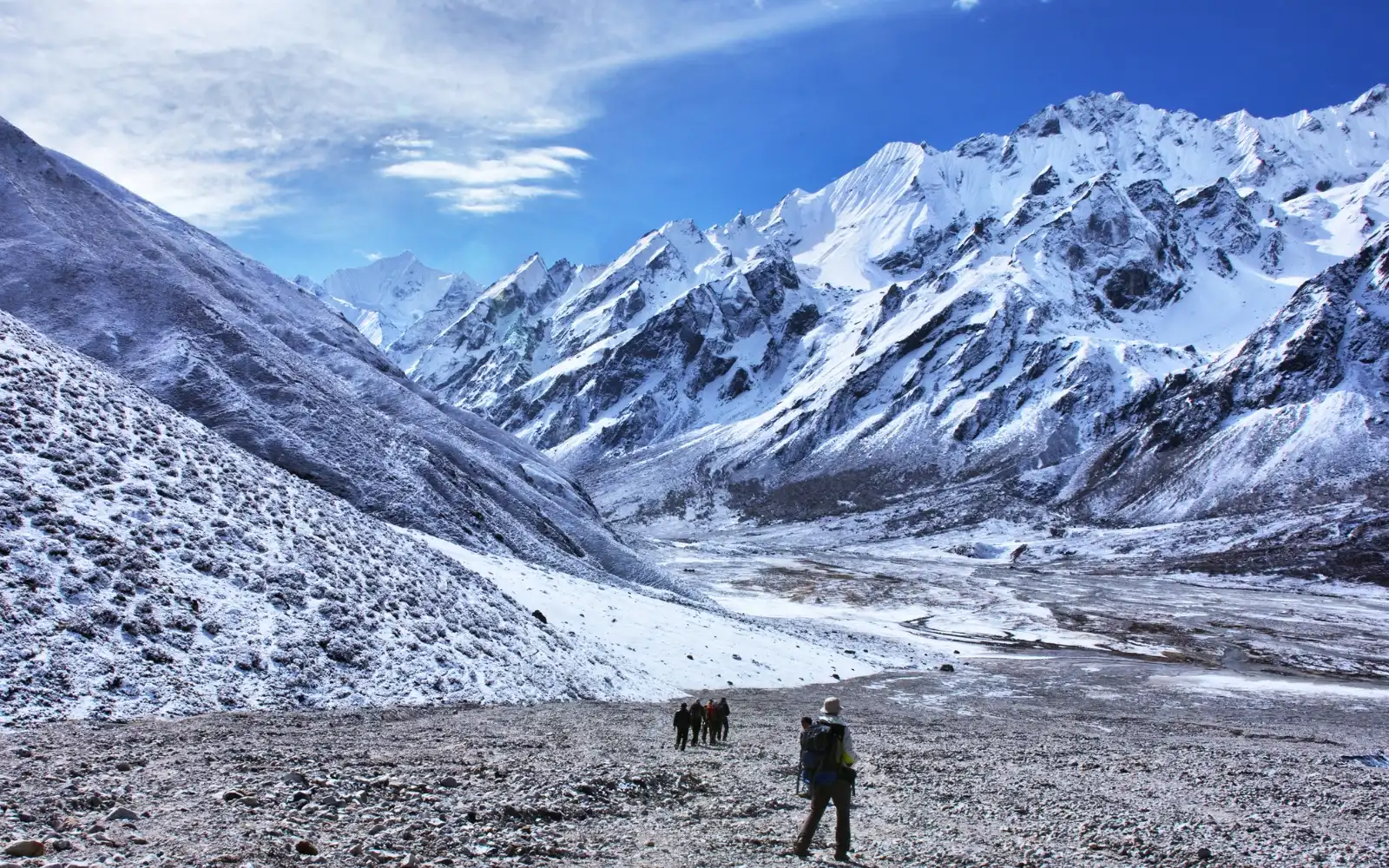

If you're researching Langtang Valley Trek difficulty before planning your Himalayan adventure, you've come to the right place. At Majestic Trails Nepal, our guides have collectively walked the Langtang trails hundreds of times, witnessing firsthand how trekkers of all backgrounds navigate this stunning route.
The Langtang Valley Trek takes you through ancient rhododendron forests, traditional Tamang villages, and high-altitude landscapes to reach Kyanjin Gompa at approximately 3,870 meters. Along the way, you'll encounter varied terrain—from gentle forest paths to rocky moraines and moderate ascents that test your endurance.
We've guided complete beginners who successfully completed this trek, and we've also supported experienced mountaineers using it as acclimatization training. This comprehensive guide shares our honest assessment, insider tips, and practical preparation advice so you can confidently determine whether Langtang is right for you.
Overall Difficulty Rating: Moderate
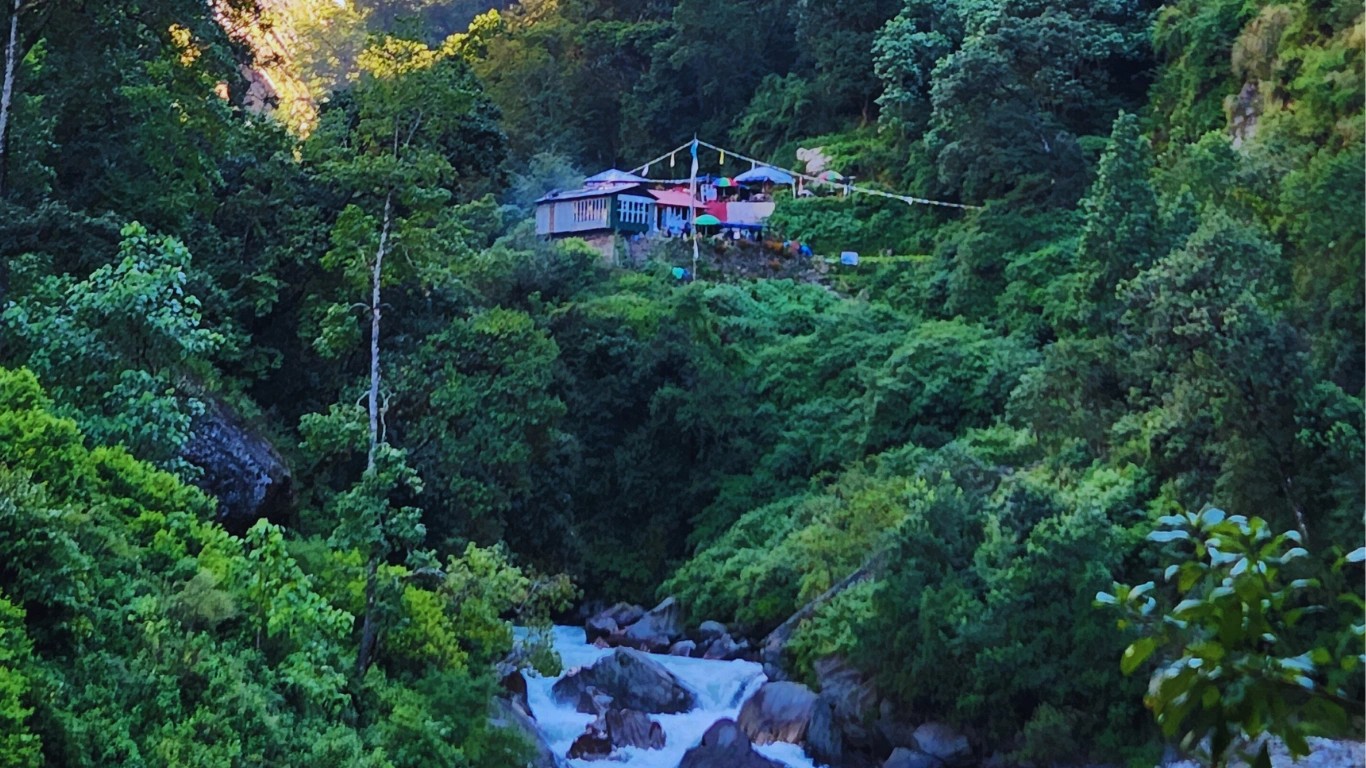
The Langtang Valley Trek sits comfortably in the moderate difficulty category among Nepal's popular trekking routes. It's neither the easiest walk in the Himalayas nor an extreme high-altitude expedition.
What makes this trek accessible is its relatively gradual altitude gain and well-established trail system. Unlike some treks that demand technical climbing skills or extreme endurance, Langtang rewards consistent effort and proper pacing.
However, moderate doesn't mean effortless. You'll face genuine physical challenges, including long walking days, altitude effects above 3,000 meters, and variable weather conditions. The trail also passes through areas affected by the 2015 earthquake, where reconstruction has created new path alignments in certain sections.
Our guides at Majestic Trails Nepal emphasize that success on this trek depends less on athletic prowess and more on preparation, pacing, and mental resilience. We've seen fit marathon runners struggle with altitude while steady walkers with modest fitness levels completed the trek comfortably.
For a comprehensive overview of the route, permits, and logistics, explore our complete Langtang Valley Trek guide.
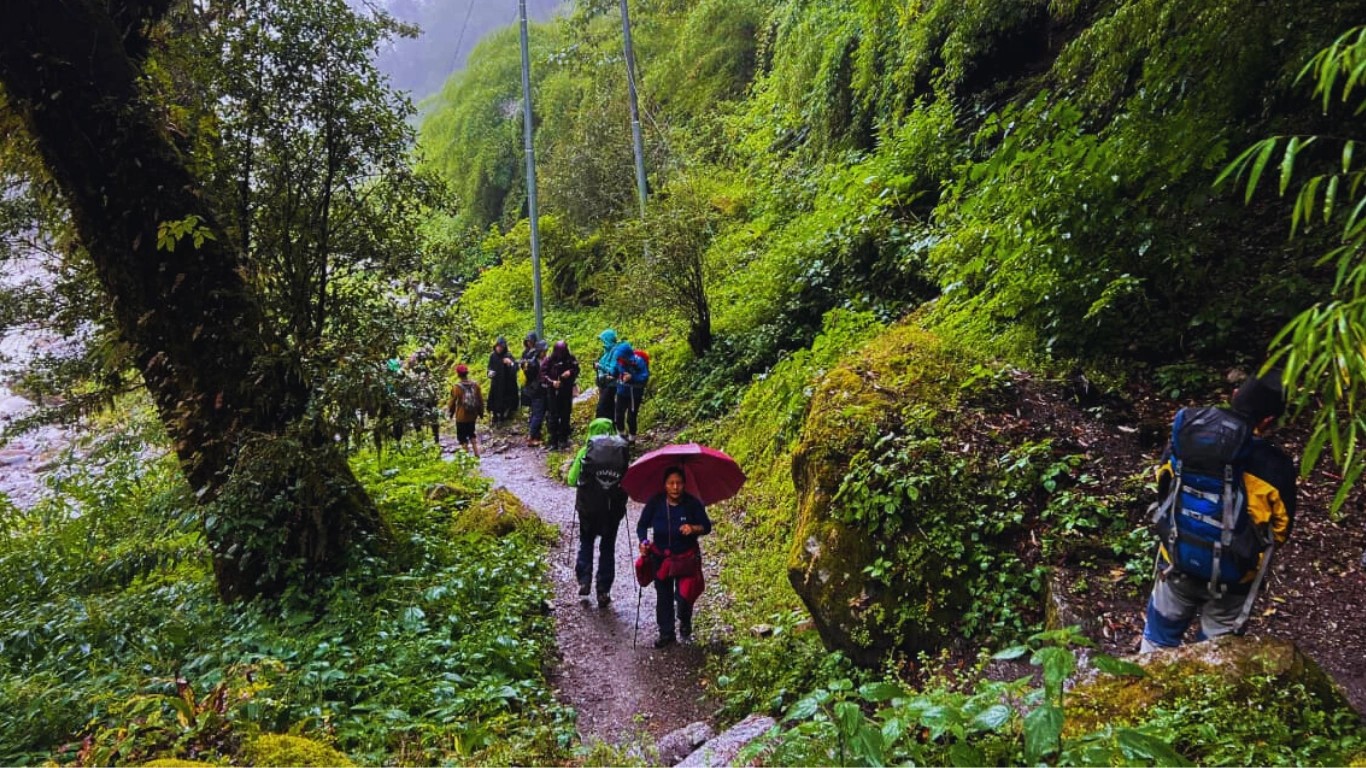
Understanding the daily distances helps you gauge whether the Langtang Valley Trek challenge matches your capabilities.
| Aspect | Details |
|---|---|
| Total Trekking Distance | Approximately 60–70 km round trip |
| Standard Duration | 7–8 days (trek only) |
| With Acclimatization Days | 9–10 days recommended |
| Kathmandu Round Trip | 9–12 days total |
Day 1: Kathmandu to Syabrubesi
Day 2: Syabrubesi to Lama Hotel
Day 3: Lama Hotel to Langtang Village
Day 4: Langtang Village to Kyanjin Gompa
Day 5: Acclimatization or Kyanjin Ri Excursion
Return Days: Kyanjin Gompa to Syabrubesi
The daily mileage averages 10–15 kilometers, which most moderately fit individuals can manage. Our experienced guides always adjust pacing based on group energy levels and weather conditions.
Check our detailed Langtang Valley Trek itinerary for day-by-day planning.
The trail character changes significantly as you ascend, presenting different challenges at each stage.
This section winds through dense subtropical and temperate forests. The path is generally well-maintained with:
The main challenge here is the continuous uphill gradient rather than technical difficulty. After heavy rain, trails can become slippery, so trekking poles prove invaluable.
The forest gradually thins as you gain altitude. Key terrain features include:
This section demands more attention to footing. Our guides note that afternoon clouds often roll in, reducing visibility and making trail navigation trickier for independent trekkers.
The landscape opens into classic high-altitude scenery with:
Trail Condition Advisory: Since the 2015 earthquake, some traditional paths have been rerouted. While reconstruction is largely complete, certain sections differ from older guidebooks. Traveling with a knowledgeable local guide ensures you follow current safe routes.
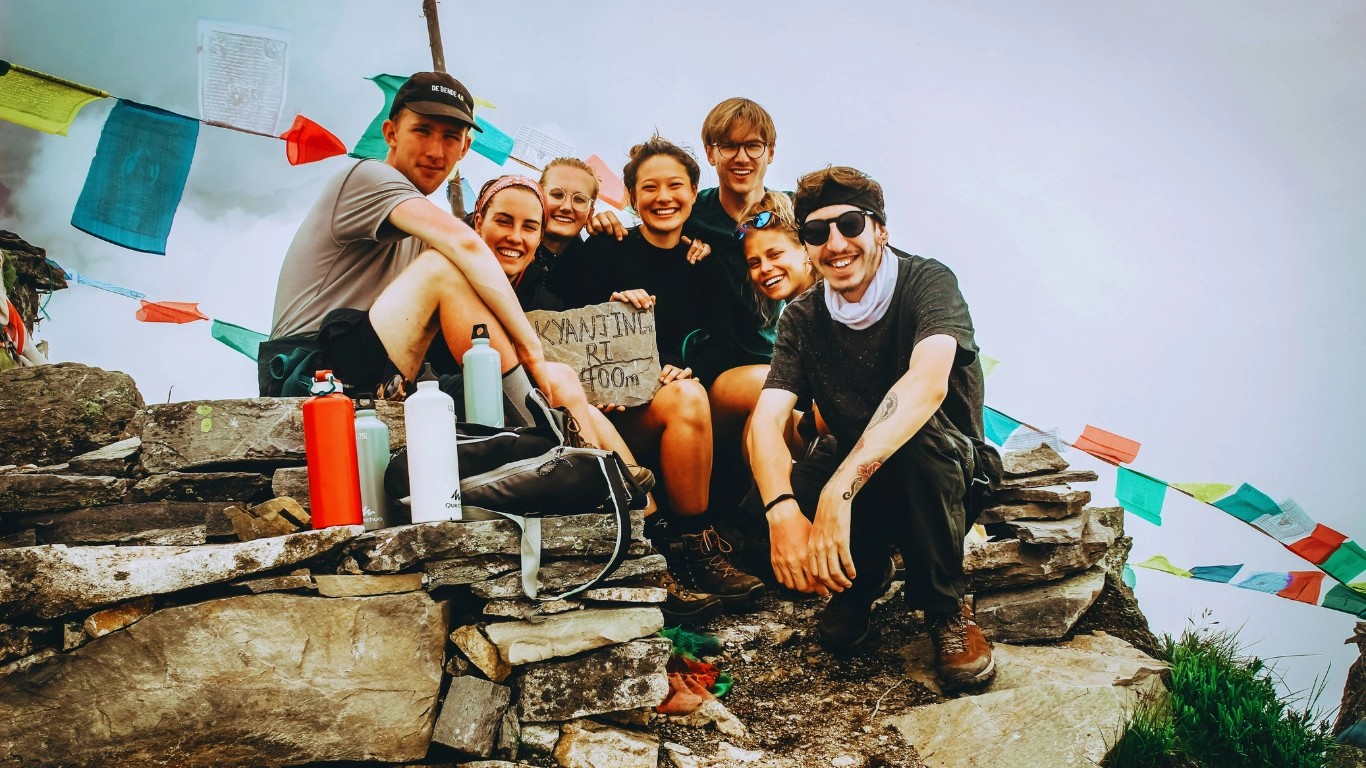
Altitude presents the most significant challenge for most trekkers, regardless of fitness level. Understanding how your body responds to reduced oxygen is crucial.
| Location | Elevation | Oxygen Level |
|---|---|---|
| Syabrubesi | 1,550m | ~83% |
| Lama Hotel | 2,380m | ~76% |
| Langtang Village | 3,430m | ~66% |
| Kyanjin Gompa | 3,870m | ~63% |
| Kyanjin Ri (optional) | 4,773m | ~56% |
Above 2,500 meters, most trekkers experience mild symptoms:
These symptoms typically indicate normal acclimatization. However, worsening symptoms require attention.
Our Majestic Trails Nepal guides follow proven acclimatization protocols:
Insider Tip from Our Guides: "Many trekkers rush from Lama Hotel to Langtang Village, gaining over 1,000 meters in one day. We recommend either staying an extra night at Riverside Lodge (around 2,800m) or walking very slowly with frequent breaks. This single adjustment prevents most altitude problems we see." — Pemba Sherpa, Senior Guide, Majestic Trails Nepal
For trekkers concerned about altitude challenges in Langtang, we customize itineraries with additional acclimatization days. View our Langtang Valley Trek packages for flexible options.
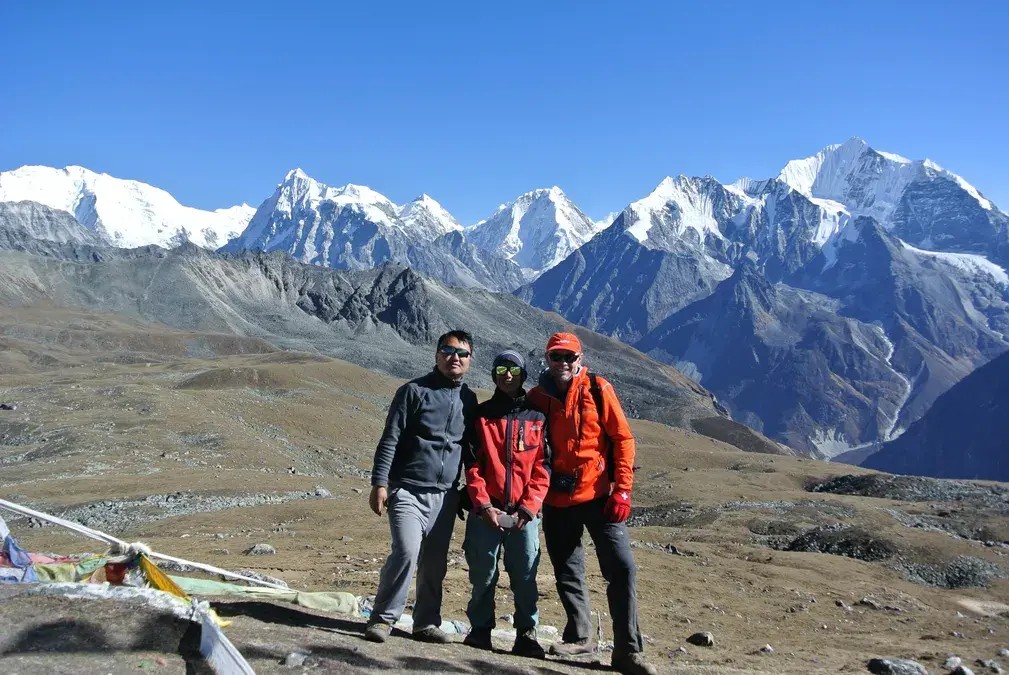
One of the most common questions we receive is whether the Langtang trek for beginners is realistic. The honest answer: yes, with proper preparation.
Beginners (Minimal Trekking Experience)
If you can comfortably walk 10 kilometers on flat terrain and climb 5–10 flights of stairs without exhaustion, you possess baseline fitness for Langtang.
Recommended preparation (8–12 weeks before trek):
Intermediate Trekkers (Some Hiking Experience)
If you regularly hike on weekends or have completed multi-day treks elsewhere, Langtang will feel manageable.
Focus your preparation on:
Advanced Trekkers (Experienced in Himalayas)
For experienced trekkers, Langtang Valley serves as excellent acclimatization for higher objectives or a comfortable scenic trek.
You might consider extending your itinerary to include:
| Fitness Aspect | Importance | How to Develop |
|---|---|---|
| Cardiovascular Endurance | High | Running, cycling, swimming |
| Leg Strength | High | Squats, lunges, stair climbing |
| Core Stability | Medium | Planks, hiking with backpack |
| Flexibility | Medium | Stretching, yoga |
| Mental Stamina | High | Long solo walks, meditation |
Reality Check: You don't need to be an athlete. We've successfully guided trekkers in their 60s and 70s who maintained consistent walking routines. Conversely, we've seen young gym enthusiasts struggle because altitude affects everyone regardless of muscle mass.
Physical fitness addresses only half the difficulty equation. The mental aspects of the Langtang Valley trek challenge deserve equal attention.
Monotony of Long Walking Days
Walking 5–7 hours daily for consecutive days tests patience. The excitement of Day 1 fades, and some trekkers experience frustration or boredom by Day 4.
Solution: Break days into segments. Celebrate reaching each teahouse. Engage with local culture and fellow trekkers.
Discomfort Tolerance
Teahouse accommodation is basic. Expect:
Solution: Embrace simplicity as part of the experience. Bring comfort items: favorite snacks, earplugs, quality sleeping bag.
Altitude Anxiety
Some trekkers experience anxiety about altitude sickness, which ironically can worsen symptoms by increasing heart rate and disrupting breathing.
Solution: Trust your guide's experience. Follow acclimatization protocols. Remember that mild symptoms are normal and manageable.
Weather Frustrations
Clouds may obscure mountain views. Rain might extend for days. Snow can complicate high sections.
Solution: Build buffer days into your itinerary. Appreciate moments of clarity rather than expecting constant perfect conditions.
Our guides recommend these practices before your trek:
Weather dramatically affects trail conditions, visibility, and overall trek difficulty. Choosing the right season significantly influences your trekking experience in Langtang Valley.
Peak Season: Autumn (September–November)
Autumn offers the best balance of weather and visibility. Clear skies reveal spectacular mountain panoramas. Trails are dry and well-maintained.
Peak Season: Spring (March–May)
Spring brings rhododendron blooms and pleasant temperatures. Late May may see pre-monsoon clouds affecting afternoon views.
Monsoon Season (June–August)
We generally advise against monsoon trekking in Langtang unless you have extensive wet-weather experience. Trails become treacherous, and landslide risks increase.
Winter Season (December–February)
Winter trekking is possible but demands quality cold-weather equipment. Some teahouses close, limiting accommodation options.
Regardless of season, always pack:
For current seasonal conditions and recommendations, contact our team when you plan your Langtang adventure.
Understanding how Langtang compares to other Himalayan treks helps contextualize its difficulty level.
| Trek | Duration | Maximum Altitude | Physical Demand |
|---|---|---|---|
| Langtang Valley | 7–10 days | 3,870m (Kyanjin Gompa) / 4,773m (Kyanjin Ri) | Moderate |
| Everest Base Camp | 12–14 days | 5,364m | Hard |
| Annapurna Circuit | 15–21 days | 5,416m (Thorong La) | Hard |
| Annapurna Base Camp | 10–12 days | 4,130m | Moderate |
| Ghorepani Poon Hill | 4–5 days | 3,210m | Easy–Moderate |
| Manaslu Circuit | 14–18 days | 5,106m | Hard |
EBC reaches significantly higher elevation (5,364m vs. 3,870m), creating greater altitude challenges. EBC also requires more days and involves longer consecutive high-altitude nights. However, both trails are non-technical.
Verdict: Langtang is noticeably easier than EBC due to lower altitude and shorter duration.
The Annapurna Circuit is considerably longer and involves crossing Thorong La Pass at 5,416m—one of the highest trekking passes worldwide. The physical endurance required exceeds Langtang significantly.
Verdict: Langtang is substantially easier than the Annapurna Circuit.
These treks share similar difficulty profiles. ABC reaches slightly higher (4,130m) but follows a comparable duration. The main difference lies in terrain character and crowd levels.
Verdict: Roughly equivalent difficulty; Langtang often feels less crowded.
The Poon Hill trek stays at lower elevations throughout and requires fewer days. It's the easier option for absolute beginners.
Verdict: Poon Hill is easier; consider it if Langtang seems too challenging.
Langtang Valley represents an ideal "second trek" for those who've completed shorter Himalayan walks and want to progress without jumping to extreme challenges. It's also perfect as a first major trek for moderately fit individuals willing to prepare seriously.
After guiding thousands of trekkers through Langtang Valley, our team has identified key factors that separate comfortable treks from struggling ones.
The Nepali Pace: Walk slower than you think necessary. Our guides use the phrase "bistaarai, bistaarai" (slowly, slowly). If you can't maintain conversation while walking, you're moving too fast.
Start Early: Begin each day's trek early morning when energy is high and weather is clear. Afternoon clouds and fatigue combine to make later hours harder.
Rest Step Technique: At altitude, pause briefly after each step, allowing your supporting leg to fully straighten. This micro-rest reduces muscle fatigue dramatically.
Essential items our guides insist upon:
While Langtang is technically possible independently, having a guide offers significant advantages:
Porters reduce your pack weight, allowing you to focus energy on walking rather than carrying. Most trekkers find this single factor dramatically improves their experience.
What you eat and drink directly impacts performance:
Insider Tip: "Many trekkers skip breakfast to start early, then struggle by midday. We always ensure our groups eat well before departing, even if it means slightly later starts. The energy difference is remarkable." — Lakpa Tamang, Guide Team Leader, Majestic Trails Nepal
Learn more about Langtang Valley Trek costs including guide and porter services.
The Langtang Valley Trek welcomes diverse trekkers, though certain considerations apply to specific groups.
Minimum Age: We recommend 12+ years for the full trek. Younger children may find consecutive walking days challenging, and altitude affects children differently than adults.
Maximum Age: There's no upper limit if health permits. We've guided trekkers in their 70s who prepared appropriately. A medical checkup before any high-altitude trek is advisable for those over 60.
First-Time Trekkers: Welcome, with proper preparation. Start training 2–3 months in advance.
Experienced Hikers: You'll find Langtang manageable with minimal adjustment.
Mountaineers: Consider extending to Tserko Ri or using Langtang as acclimatization for technical objectives.
Solo Trekking: Permitted on the Langtang route (unlike some restricted areas). However, we recommend at least a guide for safety, navigation, and cultural enrichment.
Small Groups (2–6): Ideal size for teahouse availability and personalized attention.
Large Groups (7+): Require advance teahouse booking; may need to split for meals and accommodation.
Certain conditions require medical clearance or trek modification:
Always disclose health conditions to your trekking company so we can appropriately plan your itinerary and brief guides on any special considerations.
Responsible trekking includes acknowledging risks and preparing for emergencies.
Acute Mountain Sickness (AMS)
The most common serious issue. Symptoms include:
Response: Immediate descent is the only reliable treatment. Descend minimum 500 meters; continue descending if symptoms persist.
Weather-Related Emergencies
Sudden storms, snow, or temperature drops can occur, especially in shoulder seasons.
Response: Seek shelter immediately. Don't attempt to push through severe weather. Carry emergency warmth layers always.
Trail Injuries
Ankle sprains, falls, and cuts are common on rocky terrain.
Response: Basic first aid. Evaluate ability to continue. Consider evacuation if mobility is significantly impaired.
Gastrointestinal Illness
Water contamination and food handling issues cause stomach problems for some trekkers.
Response: Stay hydrated. Rest if needed. Use water purification consistently.
Our Majestic Trails Nepal guides carry:
We maintain relationships with local health posts and can coordinate helicopter evacuation when necessary (ensuring trekkers have appropriate insurance).
We strongly require comprehensive travel insurance covering:
Verify your policy before departure and carry documentation on the trek.
Yes, beginners can safely complete the Langtang Valley Trek with proper preparation. The key requirements are baseline cardiovascular fitness, 2–3 months of walking training, and realistic expectations. Traveling with an experienced local guide significantly improves safety and success rates for first-time trekkers.
Langtang is considerably easier than the Annapurna Circuit, which involves crossing a 5,416m pass and requires 2–3 weeks. Compared to Annapurna Base Camp (ABC), difficulty is roughly equivalent, though Langtang reaches slightly lower maximum altitude and typically sees fewer crowds.
Most trekkers need 7–10 days for the standard Langtang Valley Trek, including the drive from Kathmandu. We recommend 9–10 days if possible, allowing an acclimatization day at Kyanjin Gompa and buffer time for weather delays.
While not legally required, we strongly recommend hiring a local guide. Guides provide safety expertise, altitude sickness monitoring, cultural insights, and navigation assistance. The cost is modest compared to the value provided, and your tourism supports local communities directly.
Moderate fitness is sufficient. You should be able to walk 10–15 kilometers comfortably and climb multiple flights of stairs without exhaustion. Specific preparation should include regular walking with elevation gain and back-to-back hiking days to simulate trek conditions.
If you develop AMS symptoms, the proven treatment is immediate descent. Our guides monitor trekkers continuously and make descent decisions quickly when needed. Mild symptoms often resolve with rest and hydration at current elevation. Severe symptoms require emergency evacuation, which is why we require comprehensive insurance.
Reconstruction is largely complete, and the trail is safe for trekking. Some path alignments have changed from older guidebook descriptions. Traveling with a local guide ensures you follow current safe routes and avoid any remaining hazard areas.
The Langtang Valley Trek offers accessible high-altitude adventure for trekkers willing to invest in proper preparation. Its moderate difficulty makes it achievable for committed beginners while providing genuine Himalayan immersion that satisfies experienced trekkers.
At Majestic Trails Nepal, we've watched thousands of trekkers stand at Kyanjin Gompa, gazing at Langtang Lirung's glaciated face, understanding why they pushed through challenging moments to reach this extraordinary place.
Whether you're assessing how difficult is Langtang Valley Trek for your fitness level, comparing options among Nepal's classic routes, or ready to book your departure date, our team brings decades of local experience to your planning process.
Ready for the next step?
Visit our comprehensive Langtang Valley Trek page for complete itineraries, current pricing, departure dates, and booking information. Our Nepal-based team responds within 24 hours to answer your specific questions and help design your perfect Himalayan trekking experience.
Majestic Trails Nepal — Your Local Himalayan Experts
Group Departure Trekking in Nepal offers the perfect solution for adventurers who want to explore the Himalayas without the hassle of planning every d...

Let's cut straight to it. Autumn, specifically September through November, is the best time to trek in Nepal. Spring runs a very close second, coverin...

The Langtang Valley Trek is one of Nepal’s most rewarding trekking adventures—less crowded than Everest or Annapurna, yet rich in culture, biodiversit...
Introduction: Why Spring is Nepal's Golden Season for TrekkersSpring in Nepal is a season of renewal, a time when the Himalayas awaken from their wint...
If you've ever wondered why trekking in Nepal captivates adventurers from every corner of the globe, the answer lies in its extraordinary combination...
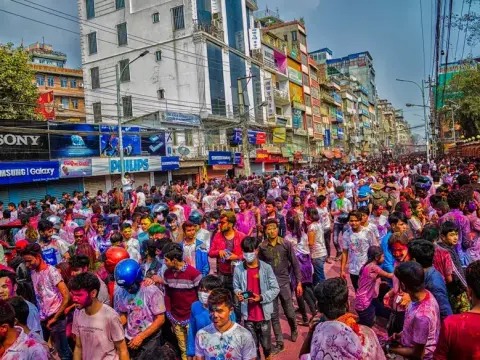
Nepal transforms into a kaleidoscope of colors every spring when Holi Festival Nepal celebrations sweep across the nation. Known locally as "Fagu Purn...

Nepal is a land where nature paints its most spectacular masterpieces. From the towering peaks of the Himalayas to serene alpine lakes, dense jungles...

The most popular treks in Nepal include Everest Base Camp, Annapurna Base Camp, Langtang Valley, Mardi Himal, and Ghorepani Poon Hill. These treks ran...
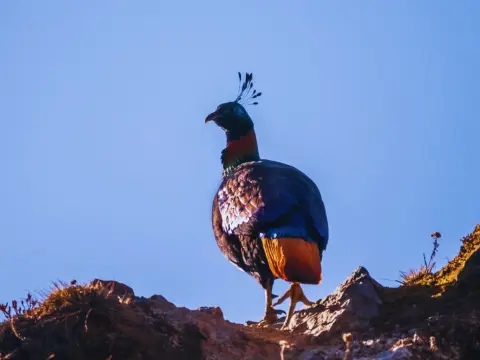
The Danfe, scientifically known as the Himalayan Monal (Lophophorus impejanus), is the national bird of Nepal, celebrated for its stunning iridescent...
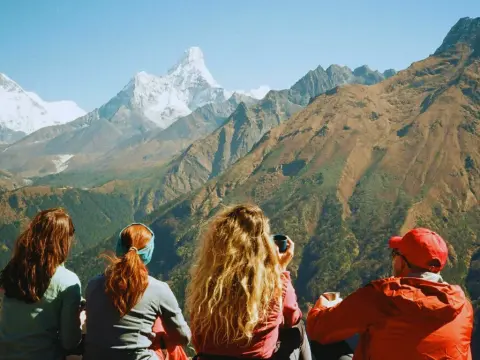
Standing face-to-face with Mount Everest doesn't require weeks of grueling trekking or extreme altitude exposure. The Everest View Trek Nepal offers o...
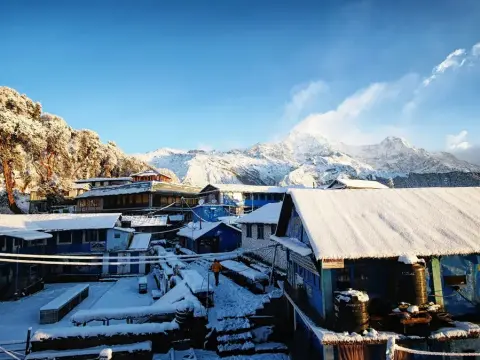
Winter in Nepal gets misunderstood a lot. Most travelers from Europe or North America picture deep snowdrifts, frozen trails, and dangerous conditions...
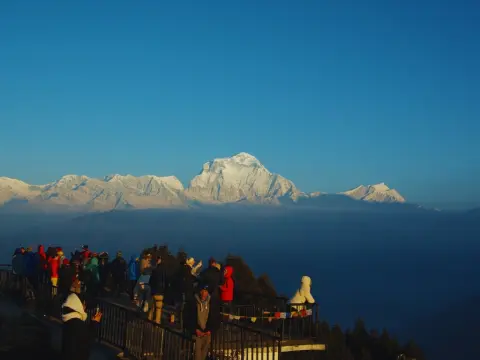
Poon Hill stands as Nepal's most accessible high-altitude viewpoint, rising to 3,210 meters (10,531 feet) above sea level in the Annapurna region of w...
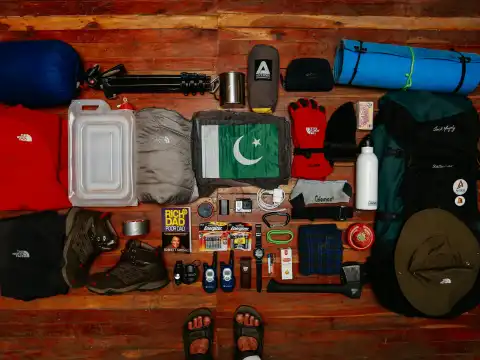
Getting your packing list for Langtang Valley Trek right can mean the difference between a comfortable journey and a miserable one. After outfitting t...
