
Thupten Chholing Monastery, Solu-Khumbu: History, Culture & Festivals
15 Jan 2026
Situated in the peaceful Solu-Khumbu region of Nepal, near the village of Junbesi, Thupten Chholing Monastery is a living testament to Tibetan Buddhis...

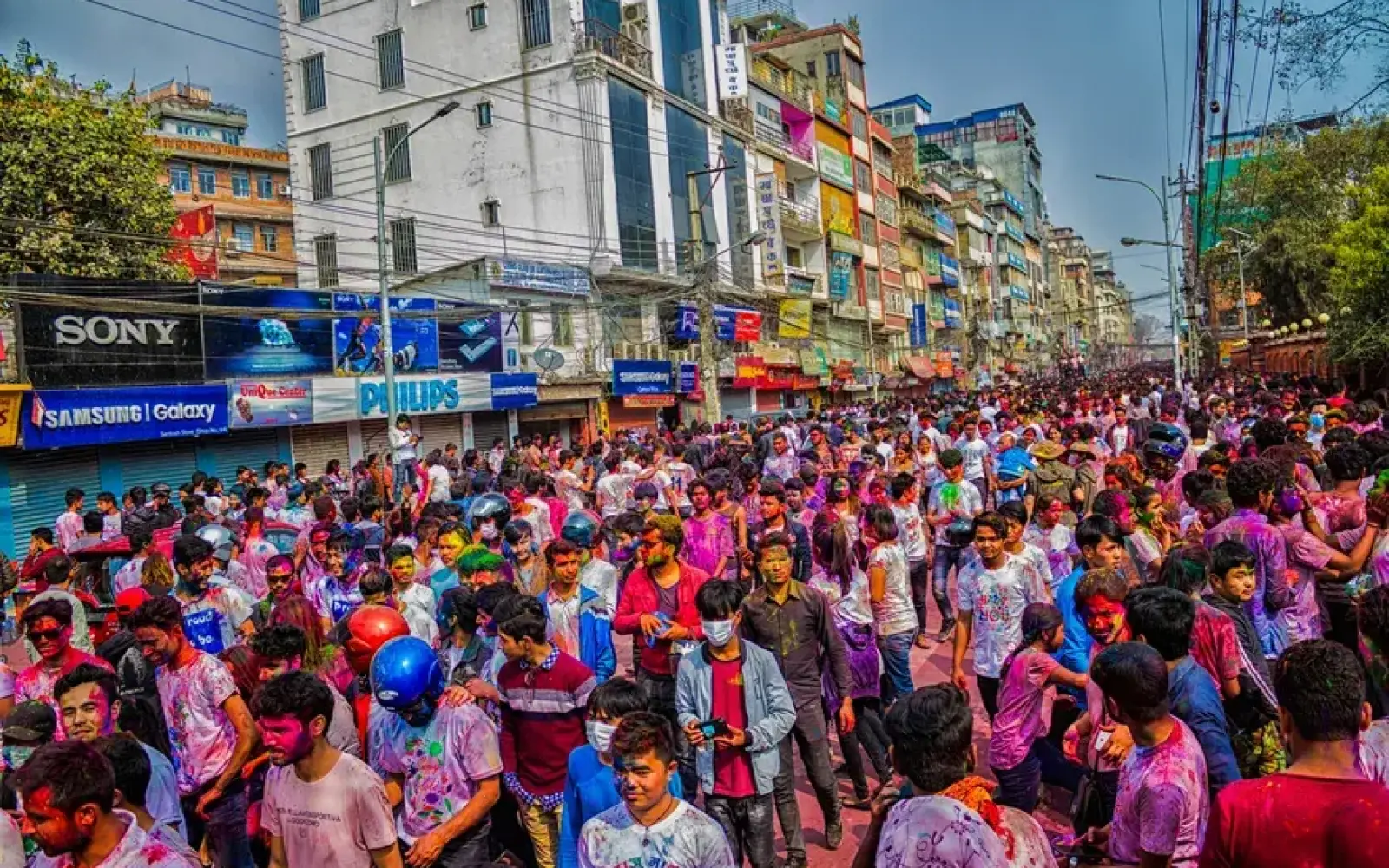

Nepal transforms into a kaleidoscope of colors every spring when Holi Festival Nepal celebrations sweep across the nation. Known locally as "Fagu Purnima," this ancient Hindu festival marks the victory of good over evil and welcomes the vibrant arrival of spring.
From the narrow streets of Kathmandu to the expansive plains of the Terai region, millions of Nepalis gather to throw colored powders, share sweets, and celebrate together. If you've ever wondered what makes Holi Nepal celebrations so special, you're about to discover everything this remarkable festival has to offer.
Whether you're planning a trip to Nepal or simply curious about this colorful tradition, this complete guide covers the history, rituals, regional variations, and practical tips you need to fully understand and appreciate the Holi colors festival Nepal experience.
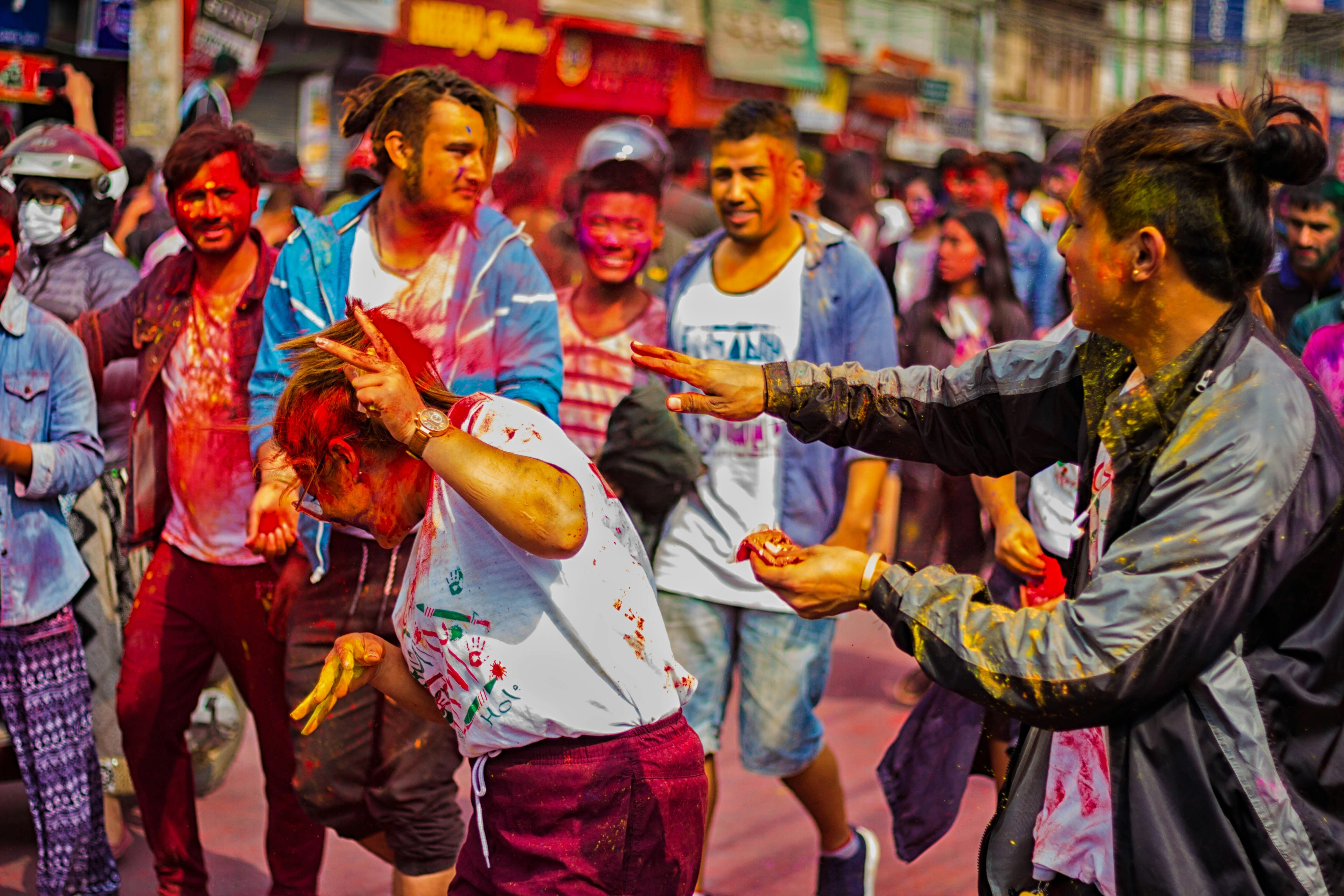
The origins of Holi trace back thousands of years to ancient Hindu mythology. Understanding these roots helps you appreciate why this festival holds such deep meaning for Nepali communities.
The most popular origin story centers on the demon king Hiranyakashipu and his devoted son Prahlad:
This story explains why bonfires are lit the night before Holi, symbolizing the burning of Holika and the destruction of negativity.
Another beloved legend involves Lord Krishna and his consort Radha:
For Nepalis, Holi represents much more than mythology:
The Hindu festival Nepal tradition of Holi has been celebrated for centuries, making it one of the most anticipated events on the Nepali calendar.
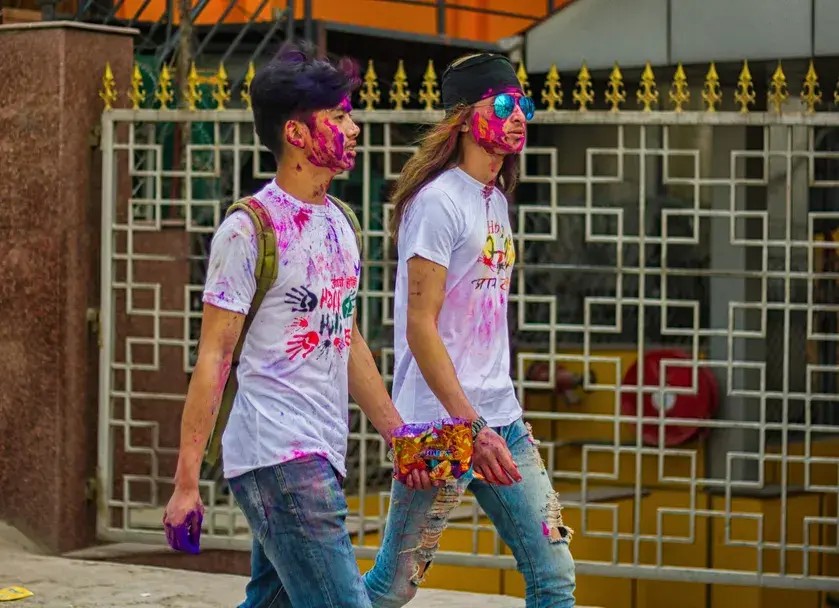
Nepal Holi traditions vary significantly depending on where you find yourself during the festival. Each region brings its unique flavor to the celebrations.
The capital city hosts some of the most energetic Holi celebrations in the country.
Key features of Kathmandu Holi include:
The streets come alive with drumbeats, laughter, and clouds of colored powder. You'll find people of all ages participating, from children with water guns to elders blessing youngsters with gentle color applications.
Local neighborhoods organize their own celebrations, often setting up sound systems and creating impromptu dance parties that last well into the afternoon.
The southern Terai plains celebrate Holi with distinctive traditions influenced by their proximity to India.
Terai Holi celebrations feature:
The celebrations here tend to be more traditional and family-centered. Villages gather around massive bonfires, singing devotional songs and celebrating late into the night.
The scenic lakeside city and surrounding hills offer a unique Holi spring festival Nepal experience.
What makes hill region celebrations special:
Pokhara has become increasingly popular with international visitors who want to experience Holi in a slightly less chaotic environment than Kathmandu while still enjoying authentic celebrations.
No Nepali festival is complete without special foods. Holi brings particular delicacies to every household.
Traditional Holi foods include:
Families prepare these treats days in advance, and sharing food with neighbors and visitors is an essential part of the celebration.
Planning your visit requires understanding exactly when Holi Festival Nepal 2026 will be celebrated. Unlike Western holidays, Holi follows the lunar calendar, and dates differ between regions.
Hilly Regions (Kathmandu, Pokhara, and surrounding areas):
Terai Region:
The one-day difference between hill and Terai celebrations has historical and astronomical origins:
If you want to experience Holi in multiple regions, the different dates actually work in your favor. You could potentially celebrate in Kathmandu on March 2 and travel to the Terai for celebrations on March 3, experiencing both regional traditions.
Important planning considerations:
Understanding the broader timing helps you plan visits in future years as well.
Holi falls on Phalguna Purnima – the full moon day of the Phalguna month in the Hindu calendar. This typically corresponds to late February or March in the Gregorian calendar.
Seasonal context:
Most years, Holi falls between late February and mid-March. The exact date shifts annually based on lunar calculations.
Tips for planning future visits:
The cultural events Nepal calendar lists Holi as a major public holiday, meaning government offices and many businesses close for celebrations.
Whether you're a tourist or first-time participant, these practical tips ensure a safe, enjoyable Holi experience.
Protecting yourself during celebrations:
What to wear and bring:
Cultural etiquette for visitors:
Capturing the festival beautifully:
Holi celebrates the triumph of good over evil, based on the legend of Prahlad and Holika. It also marks the arrival of spring and represents a time for forgiveness, renewal, and community bonding. For Nepalis, it's an opportunity to strengthen relationships and celebrate together regardless of social differences.
Absolutely! Tourists are warmly welcomed to join Holi celebrations throughout Nepal. Locals often invite visitors to participate, share food, and apply colors. Popular tourist areas like Thamel in Kathmandu and Lakeside in Pokhara organize special events catering to international visitors while maintaining authentic traditions.
There are no official age restrictions. However, Nepali culture emphasizes respect for elders. Younger people typically ask permission before applying colors to older individuals. Children participate enthusiastically, often leading the celebrations. Pregnant women and those with health conditions may choose to observe rather than actively participate.
Kathmandu offers the largest and most diverse celebrations, particularly in Basantapur Durbar Square and Thamel. Pokhara provides a more relaxed atmosphere with beautiful scenery. Chitwan and Terai cities offer traditional celebrations with distinctive regional customs. Each location provides unique experiences worth exploring.
Key Holi foods include Sel Roti (ring-shaped rice bread), Gujiya (sweet dumplings), Anarsa (rice cookies), and Thandai (spiced milk drink). Families prepare these sweets days in advance and share them with visitors. Accepting food offerings during Holi is considered good manners and a sign of participation in the celebration.
Yes, but with precautions. Roads may be busier, and some transportation services operate on limited schedules. Expect playful color throwing in public spaces – even if you're just passing through. Secure your belongings, travel during daylight hours, and embrace the festive spirit. Most visitors find Holi to be a highlight of their Nepal experience.
The Holi Festival Nepal experience offers visitors a window into one of the world's most joyful celebrations. From the ancient mythology that gives the festival meaning to the modern celebrations that bring communities together, Holi represents the best of Nepali culture – warmth, inclusion, and unrestrained joy.
Whether you find yourself covered in colors in Kathmandu's bustling squares, watching traditional bonfires in the Terai, or celebrating with new friends along Pokhara's lakeside, Holi in Nepal creates memories that last a lifetime.
Mark your calendar for March 2026, prepare your white clothes, and get ready to experience one of the most colorful cultural events Nepal has to offer. The Nepali festival guide would be incomplete without emphasizing that Holi is best experienced firsthand – no description can truly capture the energy, color, and warmth that defines this remarkable celebration.
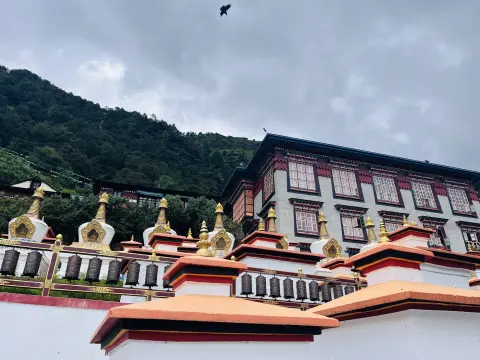
Situated in the peaceful Solu-Khumbu region of Nepal, near the village of Junbesi, Thupten Chholing Monastery is a living testament to Tibetan Buddhis...
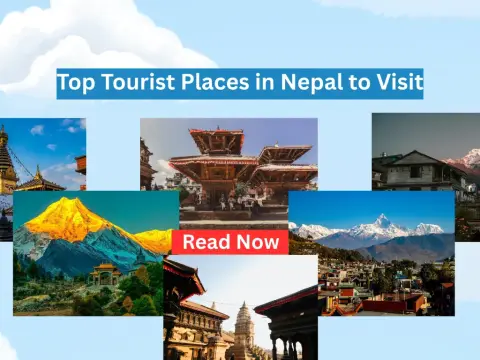
Nepal's tourism destinations offer an unforgettable journey through a landlocked country nestled in the embrace of the world’s most majestic mountain...
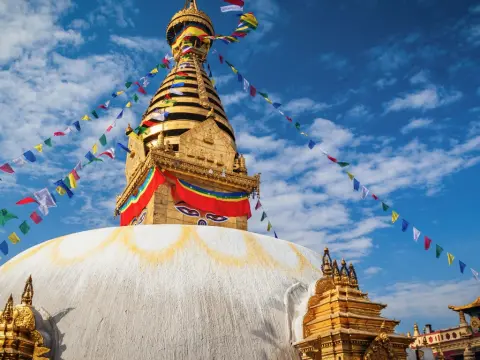
People visiting Kathmandu almost always ask the same two questions about Swayambhunath: how high is it, and where exactly is it? Seems simple. But the...
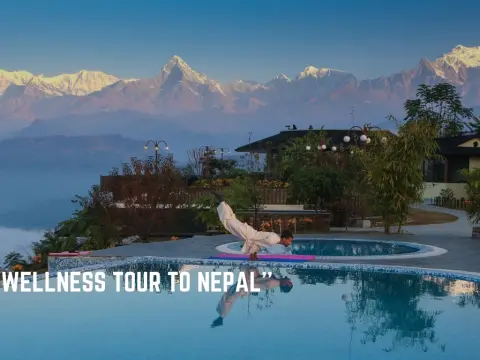
There's a moment that happens somewhere between your first mountain sunrise and your final meditation session. It's the moment you realize you've been...

Introduction"Tailor-made Nepal trips put you in control: Discuss routes, adjust plans, and experience the Himalayas your way with expert local guides"...
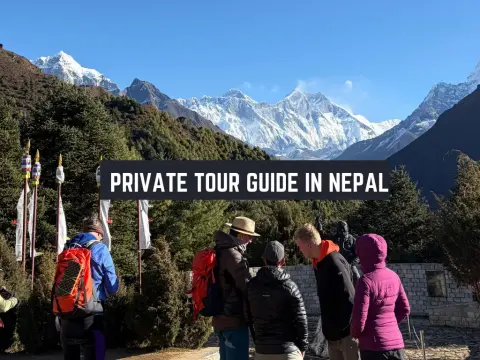
Nepal isn't a destination you rush through. From the ancient temples of Kathmandu to the soaring peaks of the Himalayas, every corner of this remarkab...
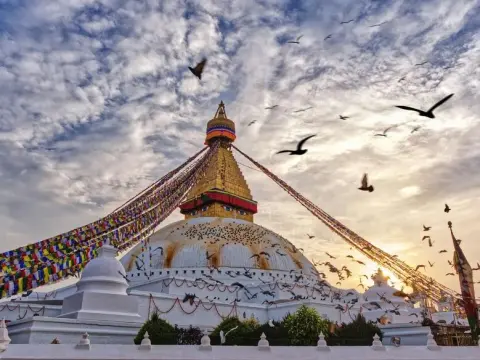
Nepal is far more than a trekking destination nestled among the world's highest peaks. This ancient Himalayan kingdom pulses with profound spiritual e...

If you've ever wondered why trekking in Nepal captivates adventurers from every corner of the globe, the answer lies in its extraordinary combination...
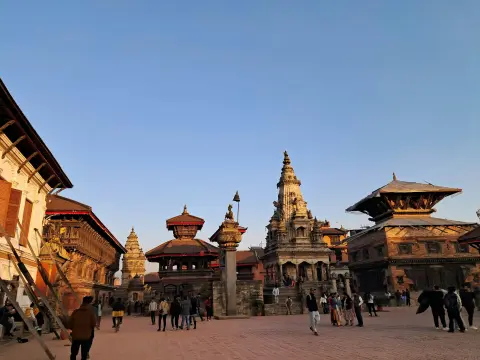
Nepal is a land where ancient temples rise against snow-capped peaks, where the aroma of spices fills narrow alleyways, and where every corner reveals...
