
Best Time to Trek in Nepal
17 Jan 2026
Let's cut straight to it. Autumn, specifically September through November, is the best time to trek in Nepal. Spring runs a very close second, coverin...

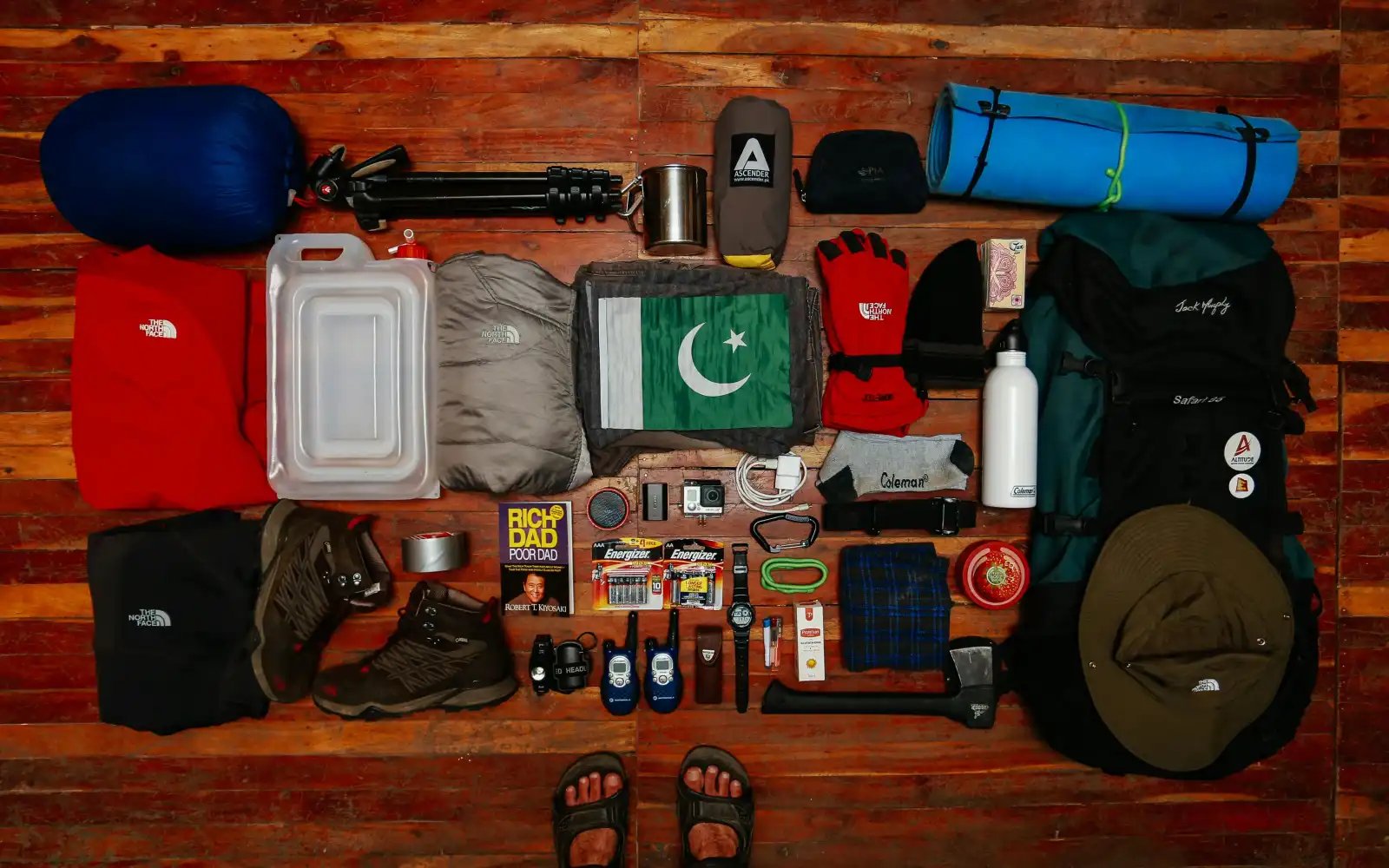

Getting your packing list for Langtang Valley Trek right can mean the difference between a comfortable journey and a miserable one. After outfitting thousands of trekkers over the past fifteen years, we've learned exactly what works in this valley—and what ends up as dead weight in your pack.
Langtang Valley reaches 3,870 meters at Kyanjin Gompa, with optional climbs to Kyanjin Ri (4,773m) and Tserko Ri (4,984m). This altitude range demands proper layering systems and quality gear. Temperatures swing from pleasant 15°C afternoons to bitter -15°C nights depending on your season.
This guide reflects real trail conditions, actual teahouse facilities, and practical experience from guiding international trekkers through this region. Every recommendation comes from tested, proven performance on Langtang trails—not generic mountain advice copied from elsewhere.
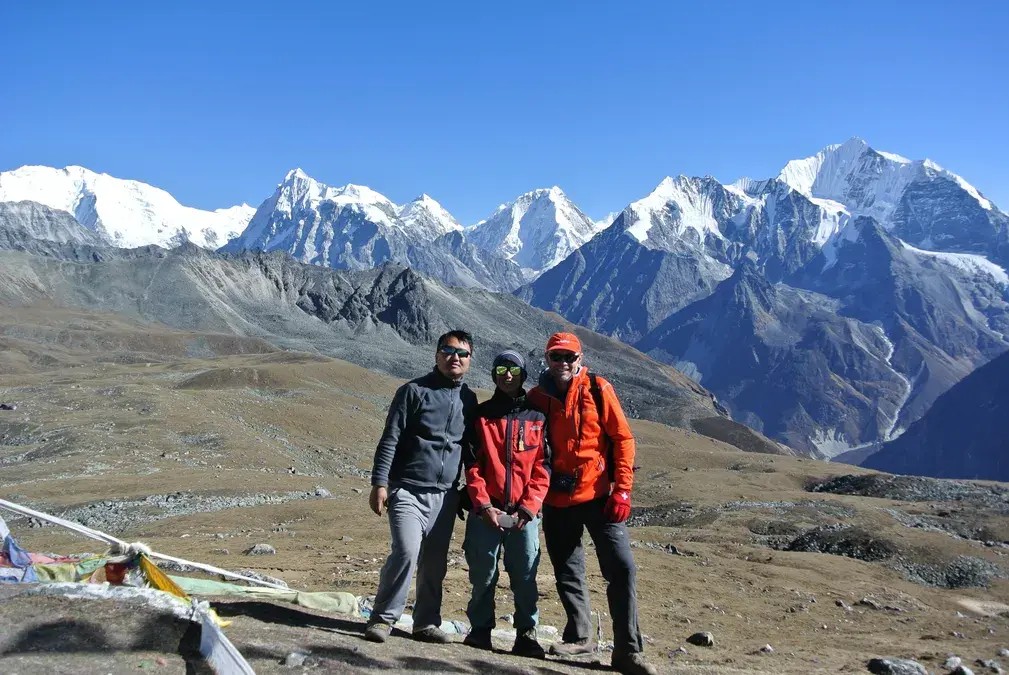
Here are the absolute essentials you cannot trek Langtang Valley without:
For the complete route breakdown, review our detailed Langtang Valley Trek itinerary to understand daily elevation gains and plan your gear accordingly.
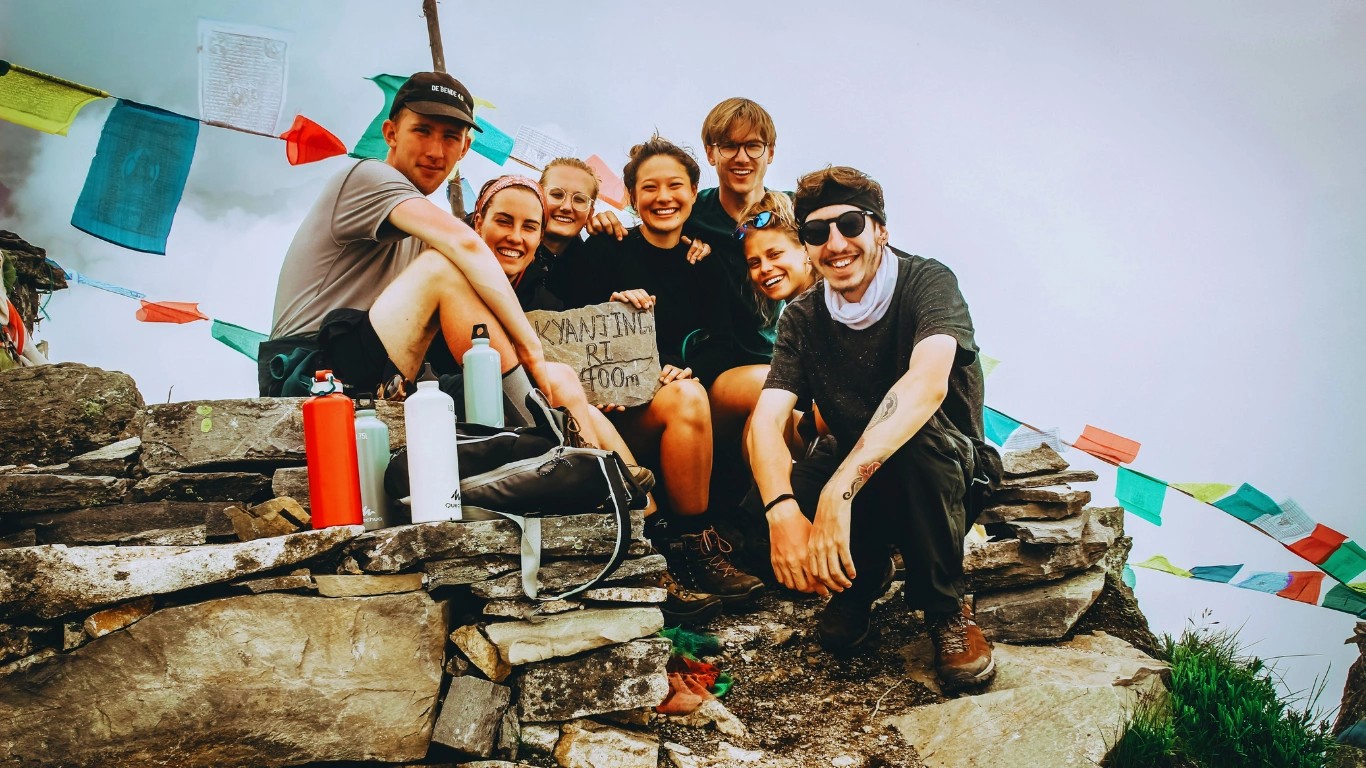
Effective layering is the foundation of comfortable Himalayan trekking. The three-layer system allows you to regulate body temperature as conditions change throughout each day.
Base layers sit against your skin and manage sweat. This layer is critical—cotton is completely unsuitable for trekking.
What to Pack:
Material Recommendation: Merino wool offers superior odor resistance and temperature regulation. Synthetic materials dry faster but develop odor more quickly. For a 7-10 day trek, merino reduces the number of items needed.
Mid layers trap body heat. You'll adjust this layer frequently as you move between sunny exposed sections and shaded forest trails.
What to Pack:
Expert Tip: A quality down jacket is your single most important insulation piece. At Kyanjin Gompa, you'll wear it from sunset until well after sunrise. Don't compromise on this item.
Outer layers protect against wind and rain. Even in dry season, weather can change rapidly at altitude.
What to Pack:
Seasonal Note: Spring and autumn trekkers can manage with lighter rain gear. Winter trekkers should prioritize windproof outer layers over waterproofing.
Daily trekking wear needs to balance comfort, durability, and quick-drying properties.
Recommended:
Material Guidance: Nylon-blend trekking pants outperform cotton in every way—lighter, faster drying, more durable. Avoid jeans entirely.
Fit Advice: Avoid overly tight pants that restrict movement on steep sections. Articulated knees improve comfort on long ascents and descents.
Your down jacket deserves special attention. This single item impacts your comfort more than almost any other.
Down Advantages: Superior warmth-to-weight ratio, compresses smaller, longer lifespan with proper care.
Synthetic Advantages: Maintains insulation when wet, dries faster, lower cost, easier maintenance.
Our Recommendation: For Langtang's relatively dry conditions, down performs excellently. Choose synthetic only if you expect heavy rain or have down allergies.
Select a down jacket rated for at least -10°C. For winter trekking (December-February), consider -15°C or warmer ratings.
Fill power of 650+ provides adequate warmth. Higher fill powers (800+) offer better warmth-to-weight but increase cost significantly.
Rain gear requirements vary dramatically by season. Understanding Langtang's weather patterns helps you pack appropriately.
Rain is uncommon but possible. A lightweight packable rain jacket and pants provide adequate protection. Prioritize breathability over heavy-duty waterproofing.
Afternoon showers become more likely. Quality waterproof-breathable gear becomes more important. Pack a rain cover for your backpack.
Heavy rainfall is daily reality. Bring serious rain gear and accept that staying completely dry is impossible. Gaiters help protect boots from mud and leeches.
All seasons benefit from a lightweight poncho that can cover both you and your backpack during unexpected downpours.
Footwear failures cause more trek abandonments than any other equipment issue. Invest appropriately here.
Essential Characteristics:
Critical Advice: Break in new boots for at least 2-3 weeks before your trek. Blisters from new boots can derail your entire trip.
Weight Consideration: Camp sandals add 200-400g to your pack. Their comfort value typically justifies this weight.
Your pack choice depends on whether you hire a porter or carry everything yourself.
Porter service is affordable and supports local employment. Our Langtang Valley Trek cost breakdown includes current porter rates.
Target Weight: Keep your carried load under 8-10kg for comfortable daily trekking. Total pack weight with all gear should not exceed 12-15kg.
Heavier packs increase fatigue, slow your pace, and significantly raise injury risk at altitude.
This question generates significant confusion among trekkers. Here's the straightforward answer.
Langtang Valley teahouses provide blankets and basic bedding. However, quality varies dramatically. At higher elevations like Kyanjin Gompa, blankets may be thin, heavy, and questionably clean.
Yes, bring a sleeping bag. A proper sleeping bag ensures consistent, comfortable sleep regardless of teahouse conditions.
Temperature Rating:
Sleeping bag liner: A silk or fleece liner adds 5-10°C warmth to teahouse blankets. Lightweight compromise for those avoiding full sleeping bag weight.
Rental in Kathmandu: Quality sleeping bags available for $1-2 per day. Inspect before renting—check zippers, insulation loft, and cleanliness.
Trekking poles are highly recommended for Langtang Valley Trek, especially for the descent.
Rental Option: Basic trekking poles available in Kathmandu for $1 per day. Quality is acceptable for moderate use.
Small accessories make outsized differences in comfort. Don't overlook these items.
Altitude Warning: UV radiation increases dramatically at elevation. Quality sunglasses are mandatory, not optional. Snow blindness is painful and preventable.
Pack light and practical. Teahouses have limited facilities, and everything you carry adds weight.
Medical facilities on the Langtang trail are extremely limited. Carry supplies for common issues.
Important: Consult your doctor about Diamox before your trip. Some people experience side effects. Start taking it 24-48 hours before reaching altitude if prescribed.
Balance technology needs against weight and charging limitations.
Most teahouses offer charging services for 200-400 NPR per device. Availability can be limited during peak hours. Solar panels on some teahouses may not keep up with demand.
Recommendation: Bring a quality power bank that can charge your phone 3-4 times. Charge it fully whenever electricity is available.
Cold temperatures drain batteries faster. Keep power banks and cameras inside your jacket during cold conditions. Consider batteries over rechargeable devices for critical items like headlamps.
Proper documentation is legally required and practically essential.
For permit procedures and current costs, review our complete Langtang Valley Trek guide.
Teahouses provide meals, but trail snacks maintain energy between stops.
Stock up in Kathmandu before your trek. Snack availability on the trail is limited and expensive. Teahouse meals are substantial, so don't over-pack—1-2 snacks per trekking day is usually sufficient.
These items aren't essential but significantly improve comfort:
Avoid common over-packing mistakes that add weight without value:
Adjust your packing list based on your trekking season.
For seasonal weather details, see our guide on plan your Langtang Valley Trek timing.
Kathmandu's Thamel district offers extensive rental options. This can significantly reduce luggage weight for international flights.
Good rentals: Sleeping bags, down jackets, duffel bags, trekking poles
Buy instead: Boots (fit is too critical), base layers (hygiene), underwear, socks
For a comprehensive overview of all costs including gear, check our explore our Langtang Valley Trek package options.
Use this scannable checklist for final packing verification:
Crampons are not required for standard Langtang Valley Trek during peak seasons (October-November, March-April). The main trail to Kyanjin Gompa remains snow-free. Winter trekkers (December-February) may encounter snow patches but microspikes are usually sufficient. Full crampons are only needed for technical side trips or extreme winter conditions.
Yes, Kathmandu's Thamel district has numerous rental shops offering sleeping bags, down jackets, trekking poles, and other gear. Quality varies significantly, so inspect items carefully before renting. Expect to pay $1-3 per day for major items. Book high-demand items like quality sleeping bags early during peak season.
At Kyanjin Gompa (3,870m), daytime temperatures range from 5-15°C during peak season. Nighttime temperatures drop to -5°C to -10°C in autumn and spring. Winter nights can reach -15°C to -20°C. Higher viewpoints like Tserko Ri experience temperatures 5-10°C colder than the main valley.
Keep your carried daypack weight under 8-10kg for comfortable trekking. If self-carrying everything, stay under 12-15kg total. Heavier packs increase altitude sickness risk, cause faster fatigue, and raise injury probability. Consider hiring a porter for loads exceeding 12kg—it's affordable and supports local employment.
Technically optional but strongly recommended. Teahouses provide blankets, but quality varies significantly. Higher-elevation teahouses often have thin, heavy blankets of questionable cleanliness. A proper sleeping bag ensures consistent, hygienic sleep regardless of teahouse conditions. Rental is available in Kathmandu for $1-2 per day if you prefer not to carry your own.
With a porter: 25-35L daypack plus 60-80L duffel bag. Without a porter: 40-55L trekking backpack with internal frame and hip belt. Avoid packs larger than 60L for self-carrying—the extra space encourages over-packing.
Most teahouses offer charging services for 200-400 NPR per device. Availability varies by teahouse and may be limited during peak hours. Solar charging may be unreliable in cloudy conditions. Bring a 10,000-20,000mAh power bank as backup and charge it whenever electricity is available.
The perfect packing list balances preparedness with weight management. Every gram matters when you're climbing to 4,000+ meters.
Lay out everything you think you need, then remove 20%. Most trekkers over-pack for their first Himalayan adventure. Teahouses provide food, water, and shelter—you need far less than you imagine.
When uncertain about an item, ask yourself: "Will I use this every day, or just might I use it once?" If the answer is once, leave it behind.
Ready to finalize your planning? Our detailed Langtang Valley Trek itinerary covers daily distances, elevation profiles, and accommodation details to help you pack with precision for each section of this remarkable journey.

Let's cut straight to it. Autumn, specifically September through November, is the best time to trek in Nepal. Spring runs a very close second, coverin...

The Langtang Valley Trek is one of Nepal’s most rewarding trekking adventures—less crowded than Everest or Annapurna, yet rich in culture, biodiversit...

Short on time but big on ambition? Nepal delivers extraordinary mountain experiences in as little as three days, and this guide breaks down exactly wh...
The Annapurna Base Camp trek stands among the world's most iconic Himalayan adventures. Every year, thousands of trekkers from across the globe journe...
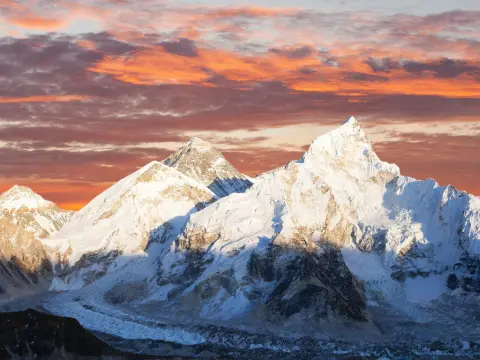
Nepal is a country defined by mountains. Stretching across the country’s northern edge, the Himalayas pack Earth’s highest peaks into one nation. Eigh...

Nepal's tourism destinations offer an unforgettable journey through a landlocked country nestled in the embrace of the world’s most majestic mountain...
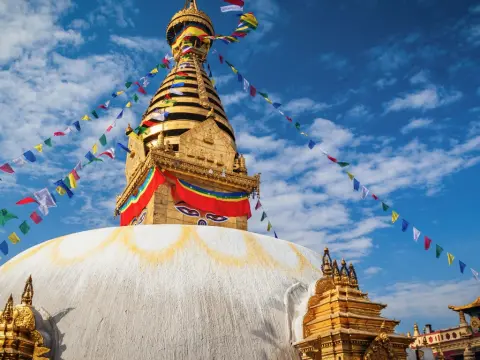
People visiting Kathmandu almost always ask the same two questions about Swayambhunath: how high is it, and where exactly is it? Seems simple. But the...
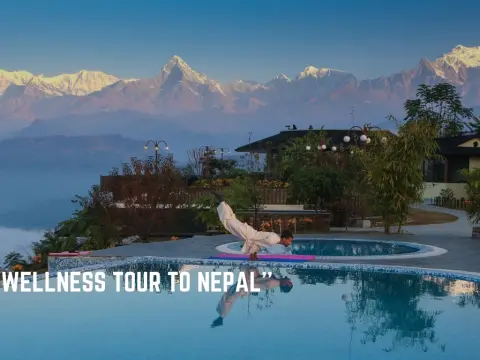
There's a moment that happens somewhere between your first mountain sunrise and your final meditation session. It's the moment you realize you've been...
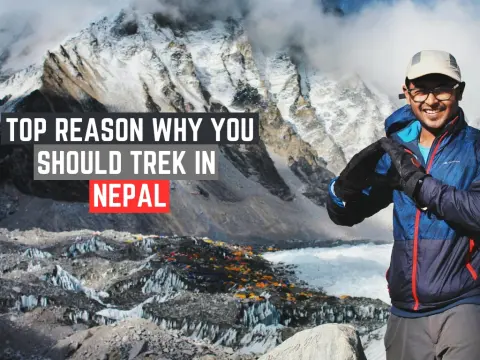
If you've ever wondered why trekking in Nepal captivates adventurers from every corner of the globe, the answer lies in its extraordinary combination...

Nepal is a land where nature paints its most spectacular masterpieces. From the towering peaks of the Himalayas to serene alpine lakes, dense jungles...
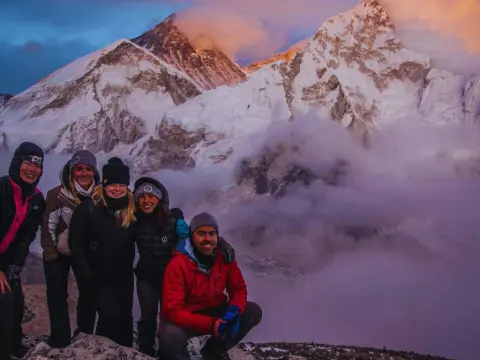
If you're curious about trekking in Nepal, you've landed in the right place. Nepal is home to the world's most breathtaking mountain trails, ancient c...
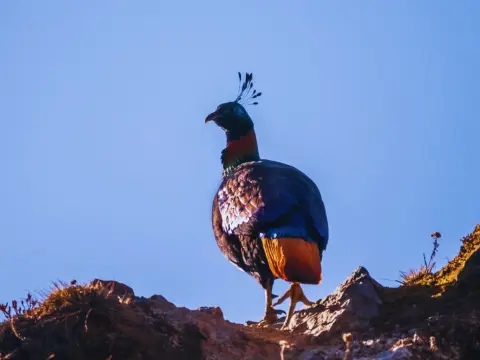
The Danfe, scientifically known as the Himalayan Monal (Lophophorus impejanus), is the national bird of Nepal, celebrated for its stunning iridescent...
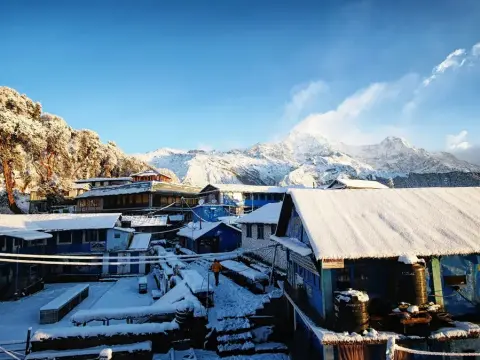
Winter in Nepal gets misunderstood a lot. Most travelers from Europe or North America picture deep snowdrifts, frozen trails, and dangerous conditions...
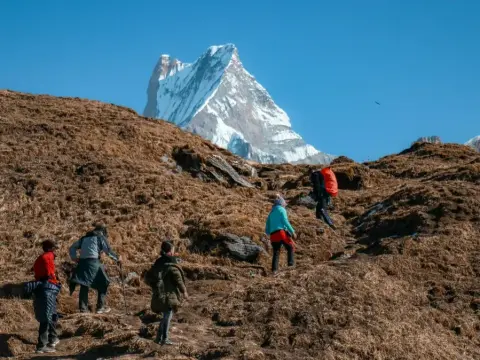
The Best Nepal treks from Kathmandu represent some of the most spectacular mountain journeys on Earth, all accessible from Nepal's vibrant capital cit...
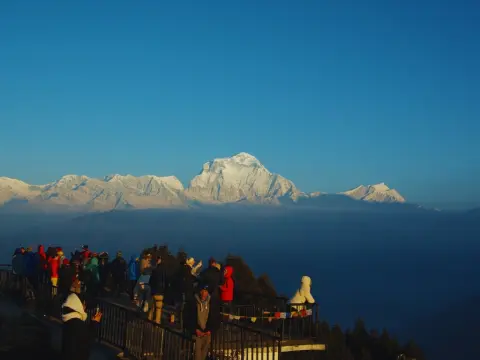
Poon Hill stands as Nepal's most accessible high-altitude viewpoint, rising to 3,210 meters (10,531 feet) above sea level in the Annapurna region of w...
