
Annapurna Base Camp Difficulty: Honest Trek Guide
12 Feb 2026
The Annapurna Base Camp trek is a moderate trek, suitable for fit beginners, with no technical climbing required. Its main challenge is not the altitu...

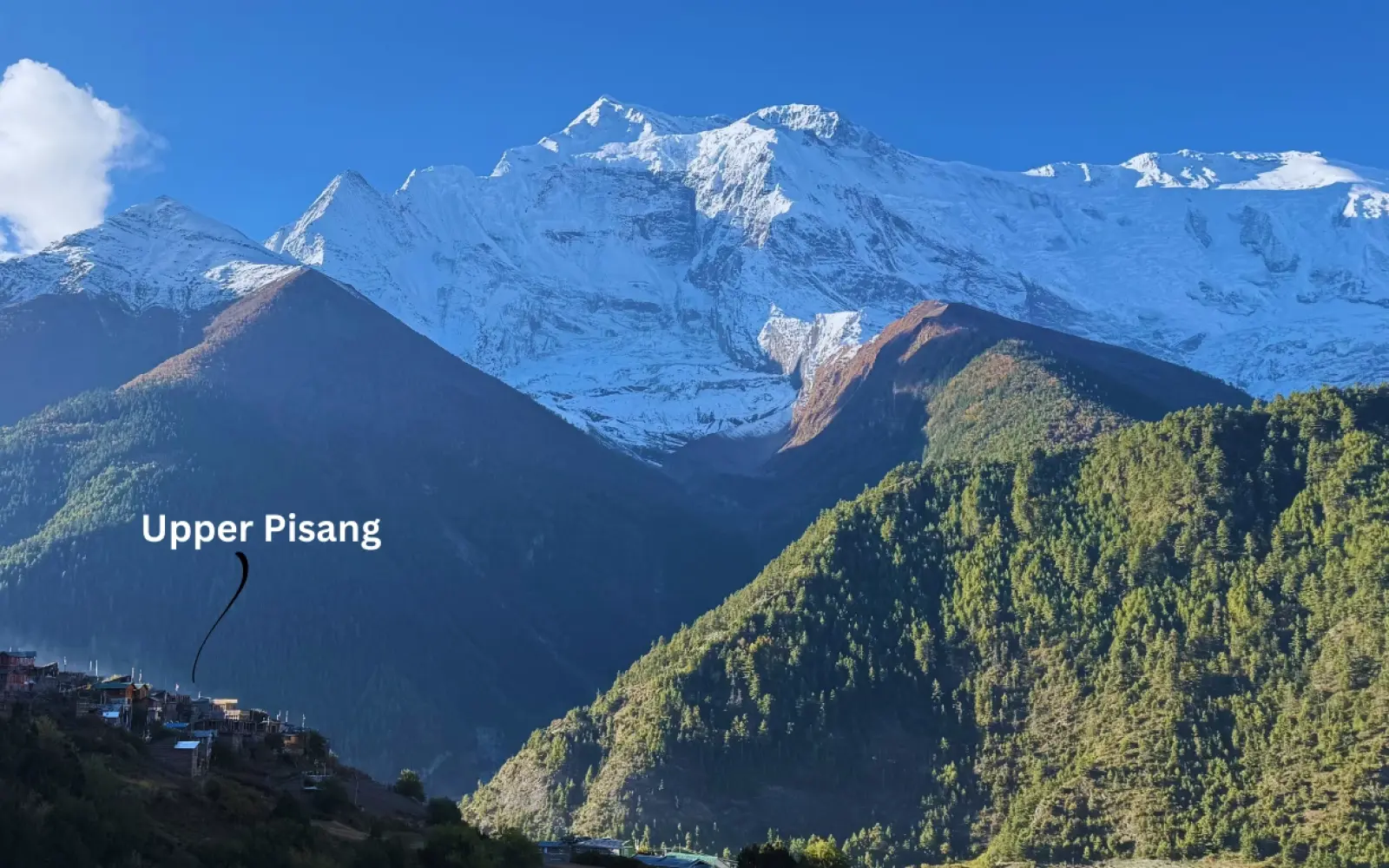

The Annapurna region has 9 established trekking routes, from a 3-day Poon Hill hike to the 22-day full Annapurna Circuit — but the best-known three (Circuit, Base Camp, Poon Hill) are also the most crowded, and three of the region's finest treks (Nar Phu Valley, Khopra Danda, and Mohare Danda) are barely on the tourist map. This guide covers all 9, honestly, so you can pick the trek that actually fits you — not just the one that sells best.
Key Takeaways
| Detail | Information |
|---|---|
| Location | North-central Nepal, Gandaki Province |
| Gateway city | Pokhara |
| Established treks | 9 |
| Shortest | Ghorepani Poon Hill (3-5 days) |
| Longest | Annapurna Circuit (up to 22 days with extensions) |
| Highest point | Thorong La Pass (5,416m, Circuit) |
| Main permits | ACAP (or Restricted Area Permit for Nar Phu) |
| Trek | Days | Max Altitude | Difficulty |
|---|---|---|---|
| Annapurna Circuit | 15–22 | 5,416 m | Challenging |
| Annapurna Base Camp | 10–14 | 4,130 m | Challenging |
| Annapurna Circuit + Tilicho | 16-17 | 5416 m | Challenging |
| Ghorepani Poon Hill | 3–5 | 3,210 m | Moderate |
| Mardi Himal | 5–9 | 4,500 m | Moderate |
| Annapurna Circuit Short Trek | 10 | 5,416 m | Challenging |
| Nar Phu Valley | 10–14 (or 18 combined) | 5,320 m | Challenging |
| Khopra Danda | 7–11 | 3,660 m | Moderate |
| Mohare Danda | 5–8 | 3,300 m | Moderate |
The Annapurna region is in north-central Nepal, in Gandaki Province, centered on the Annapurna massif — a series of towering peaks that includes Annapurna I (8,091m), the world's 10th highest mountain. The region is bounded by the Kali Gandaki gorge to the west (the world's deepest gorge, between Annapurna and Dhaulagiri) and the Marshyangdi valley to the east.
Trekking access is almost always from Pokhara, Nepal's second-largest city, which sits on the region's southern edge. From Pokhara, trailheads are anywhere from 30 minutes to 6 hours away by road, depending on which trek you choose.
The whole trekking area is protected as the Annapurna Conservation Area (ACAP), the largest conservation area in Nepal at 7,629 square kilometres.
The Annapurna region isn't one trek — it's an entire trekking network with routes at every length, difficulty, and level of solitude. Below are all 9, in the order most trekkers know them (from most famous to genuinely hidden), with our honest take on each.
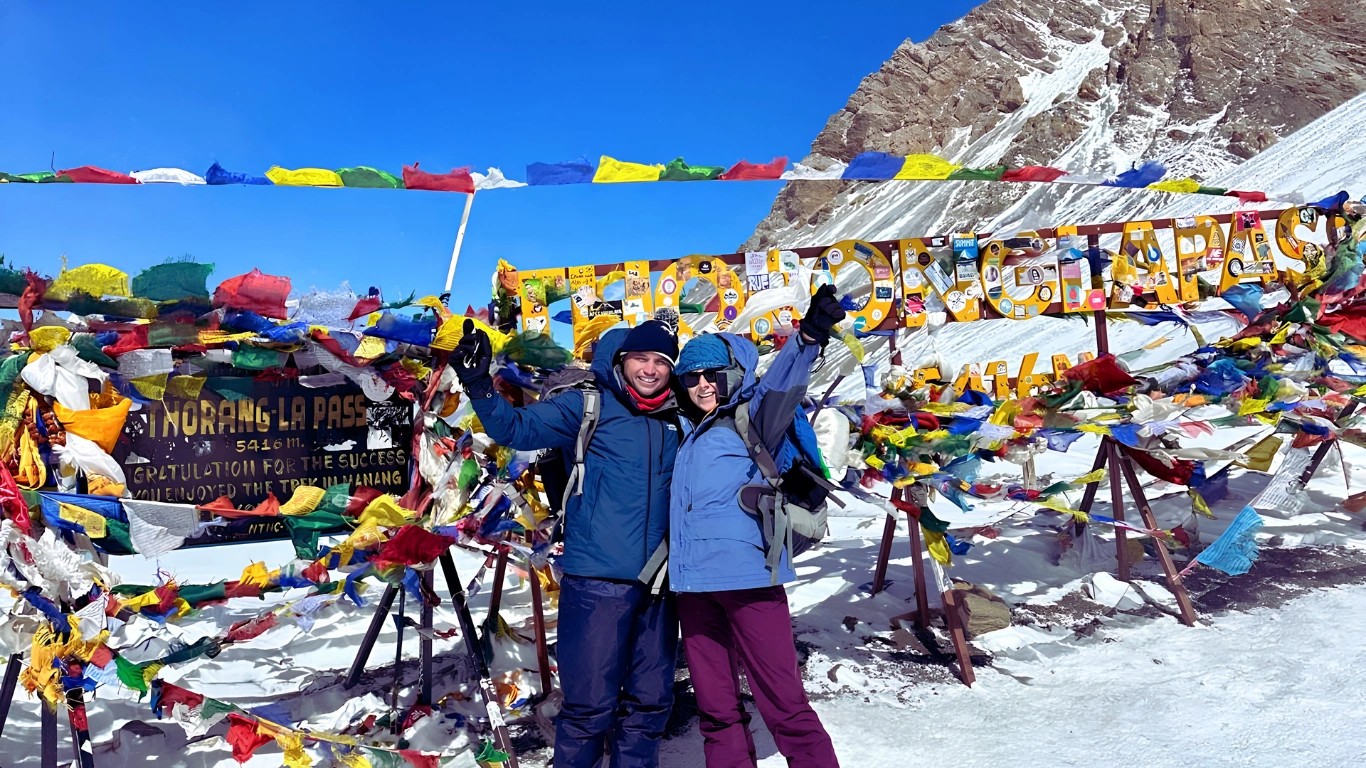
Days: 15-22 · Max altitude: 5,416m (Thorong La Pass) · Difficulty: Challenging
The classic. The Annapurna Circuit is one of the great long-distance treks in the world — a loop of roughly 190-230km circling the entire Annapurna massif, crossing the Thorong La Pass at 5,416m, descending into the arid, Tibetan-influenced Mustang region, and finishing at the sacred temple of Muktinath.
What you actually walk through: subtropical forests, terraced farms, Tibetan Buddhist villages, alpine tundra, and the high, dry country beyond the Himalaya's rain shadow. The cultural transition alone is worth the trek.
Honest take: the Circuit has gotten more accessible over the past decade — road extensions have shortened the classic full route, and most trekkers now start higher up at Jagat, Dharapani, or Chame rather than the original starting point at Besisahar. It's still the region's flagship trek, and Thorong La is genuinely one of the great high-altitude walks.
→ See our Annapurna Circuit Trek
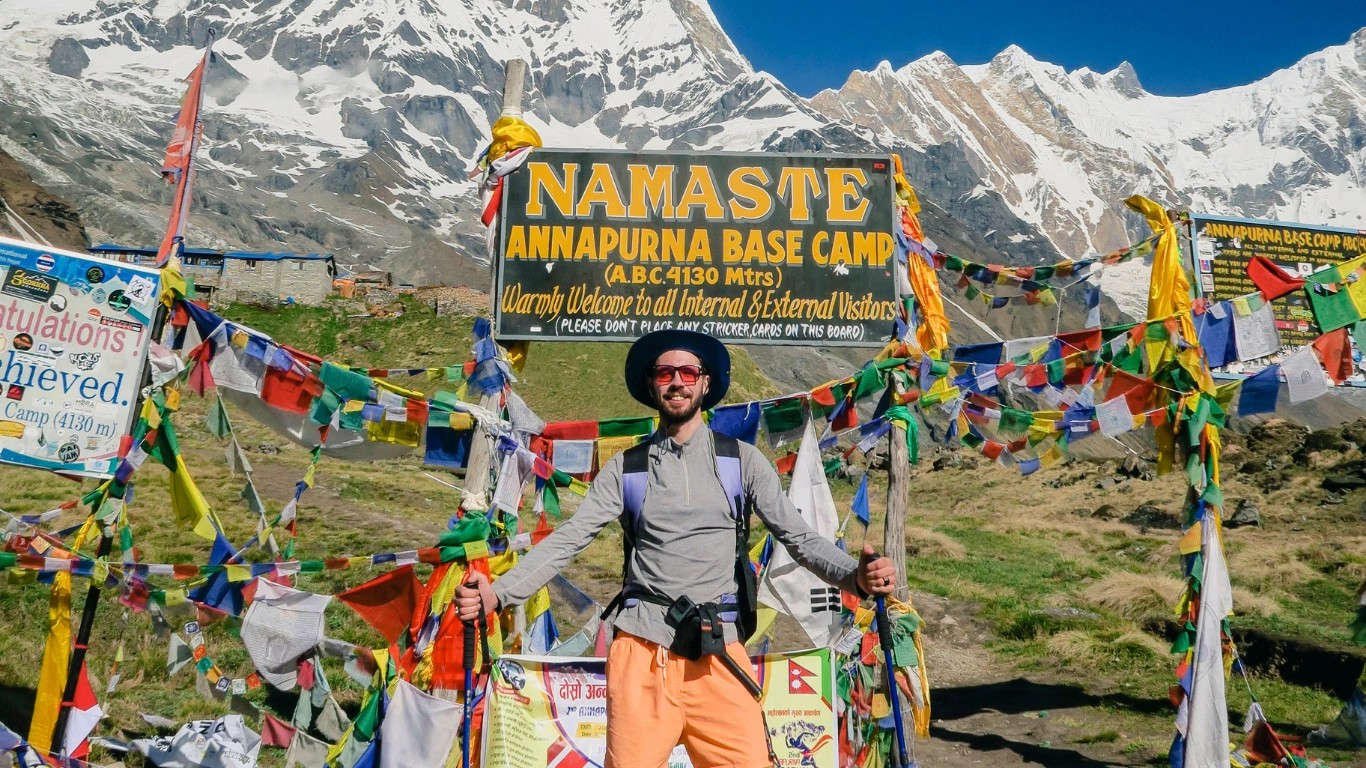
Days: 10-14 · Max altitude: 4,130m (ABC) · Difficulty: Challenging
The other iconic Annapurna trek — a walk directly into the amphitheatre of peaks called the Annapurna Sanctuary, ending at Annapurna Base Camp (4,130m). You're literally surrounded by 7,000m+ peaks: Annapurna South, Annapurna I, Machapuchhre (Fishtail), Hiunchuli.
What makes it special: the "sanctuary" isn't just marketing — it's a genuine glacial basin ringed by mountains on nearly all sides. Standing at Base Camp at dawn, with the sun hitting Annapurna I directly above you, is one of the most complete Himalayan experiences you can have without climbing anything.
Honest take: ABC is more physically demanding day-to-day than Poon Hill or Mardi Himal, with genuine altitude to manage. It's also busier than we'd like, particularly October-November.
→ See our Annapurna Base Camp Trek
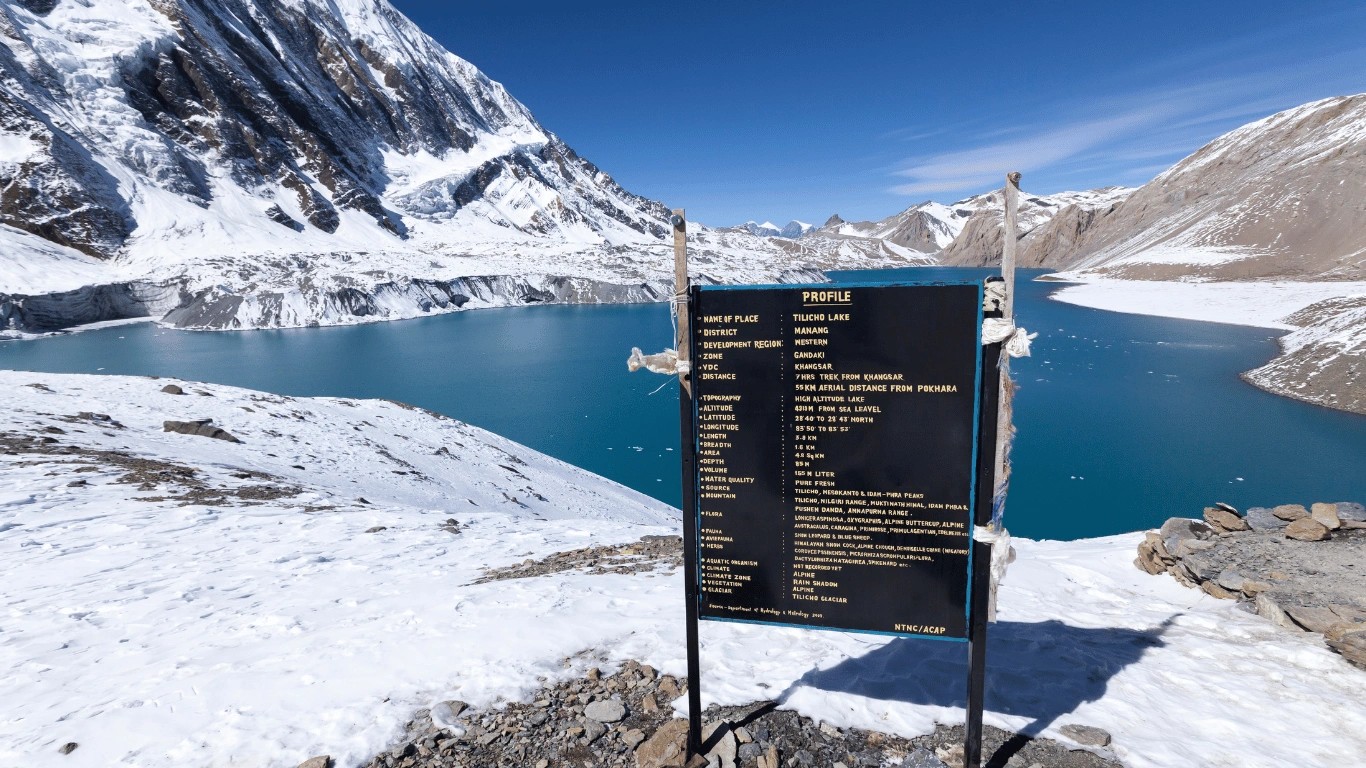
Days: 16-17 · Max altitude: 5,416m (Thorong La) / 4,919m (Tilicho Lake) · Difficulty: Challenging · Crowds: Medium
The Annapurna Circuit with a side trip to Tilicho Lake (4,919m) — one of the world's highest large lakes — is what many trekkers now consider the complete Annapurna experience. You get everything the classic Circuit offers, plus a 3-4 day detour to a genuinely spectacular high-altitude glacial lake reflecting Tilicho Peak, Khangsar Kang, and the surrounding Himalaya.
How the detour works:
The Tilicho variant diverges from the main Circuit route at Manang, heading south-west to Khangsar, then Shree Kharka, then up to Tilicho Base Camp (4,110m). From Base Camp, an early-morning ascent takes you to Tilicho Lake itself at 4,919m, then back down. You then rejoin the main Circuit and continue on to cross Thorong La (5,416m).
What makes Tilicho Lake worth the extra days:
Two honest cautions:
Honest take: if you have 16-17 days and are physically prepared for altitude, this is arguably the best trek in the Annapurna region — genuinely combining everything the region offers: cultural villages, high passes, remote side-valleys, sacred sites, and the world's highest large lake. It's the trek most likely to leave you feeling you saw the whole of Annapurna, not just the Circuit.
For those without the time, the standard 15-day Circuit (Section 3) is still one of the world's great treks. But if you can spare the extra days, Tilicho makes it complete.
→ See our Annapurna Circuit Trek (Tilicho add-on available on request)
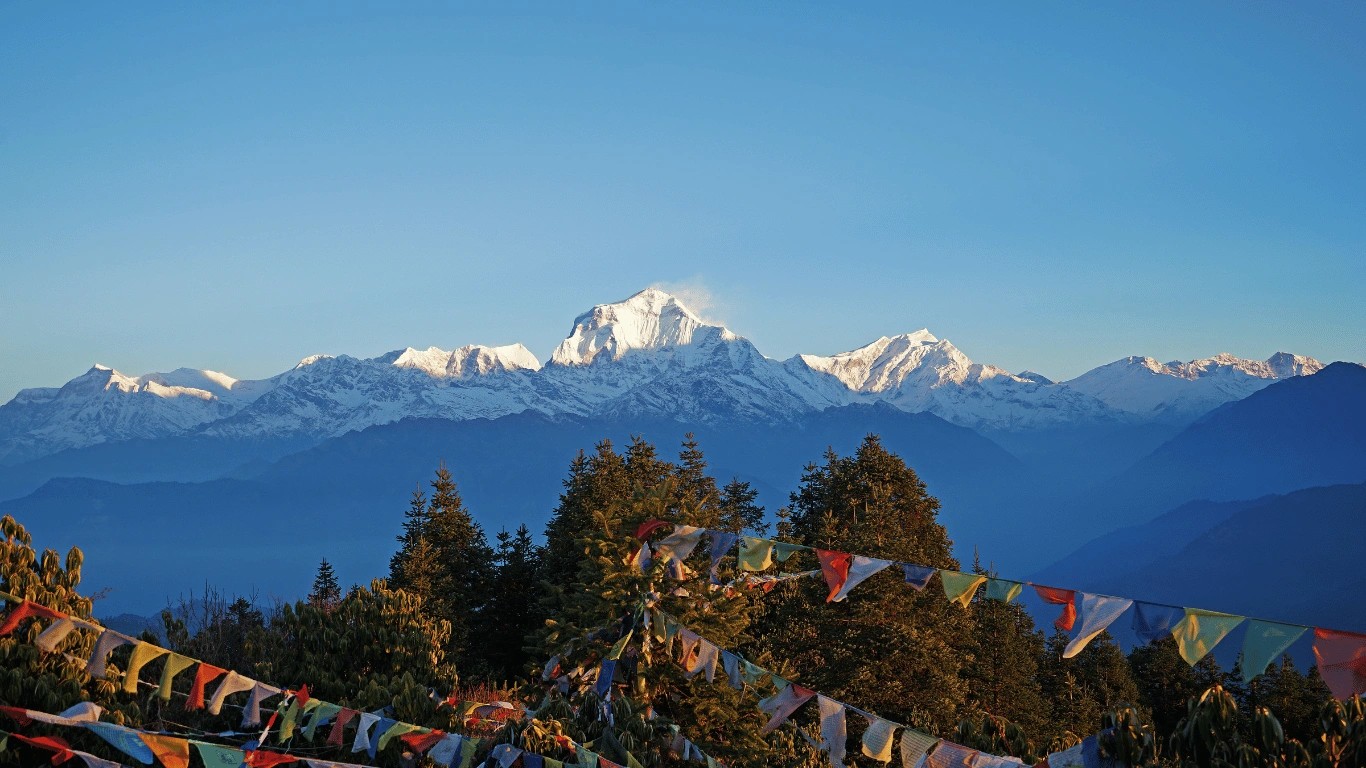
Days: 3-5 · Max altitude: 3,210m (Poon Hill) · Difficulty: Moderate
The short, famous, accessible Annapurna trek — a loop from Nayapul or Ulleri to Ghorepani, with a sunrise climb to Poon Hill (3,210m) on day 3 or 4. From Poon Hill, on a clear morning, you get one of the most photographed panoramas in Nepal: Annapurna South, Dhaulagiri, Fishtail, and dozens of other peaks catching the first light.
Honest take: Poon Hill is genuinely spectacular and works well as a first Nepal trek — 3-5 days, no serious altitude, real Himalayan views. But it's also the most crowded trek in the Annapurna region. If solitude matters to you, look at Khopra Danda or Mohare Danda instead — same views, a fraction of the trekkers.
→ See our Ghorepani Poon Hill Trek
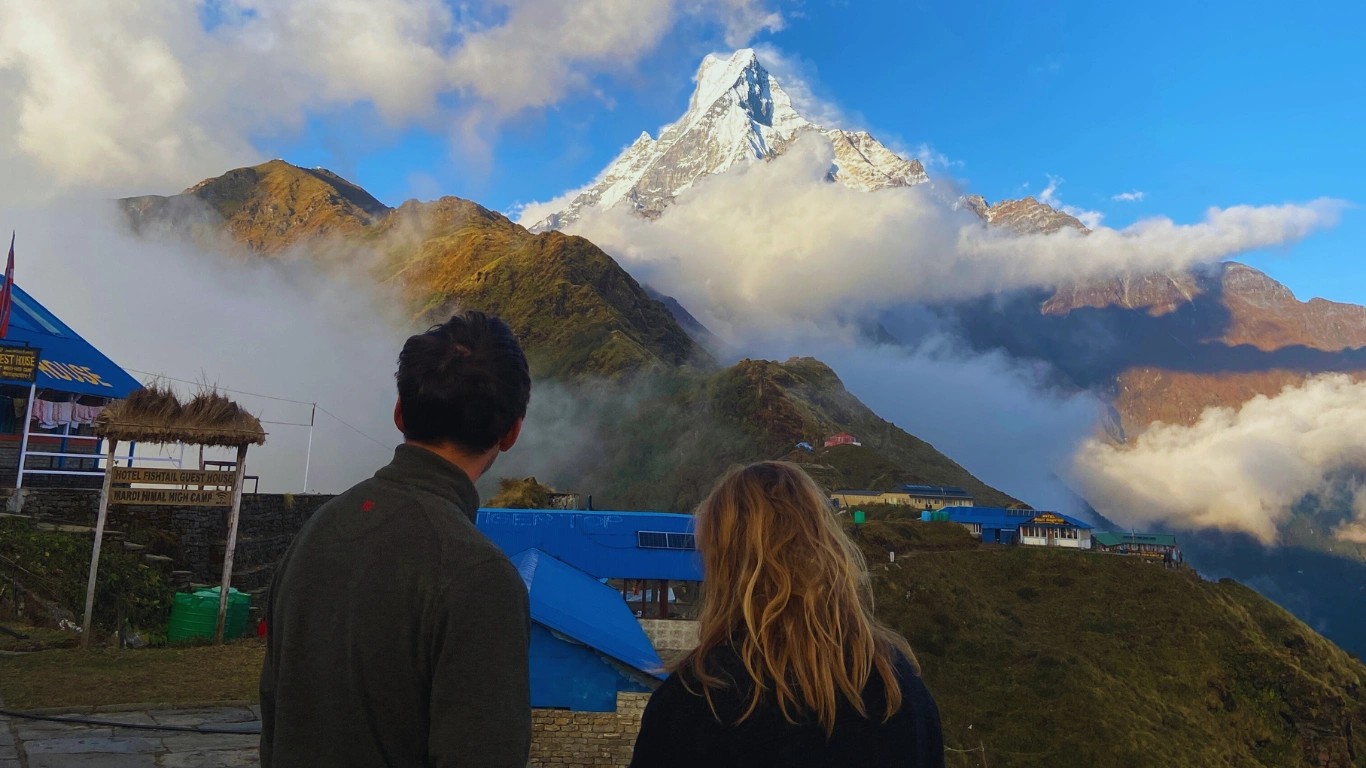
Days: 5-9 · Max altitude: 4,500m (Upper Viewpoint) · Difficulty: Moderate
The Annapurna region's rising star — a moderate-length, teahouse-based trek that takes you to the Mardi Himal Upper Viewpoint (4,500m), with intimate close-up views of Machapuchhre (Fishtail) that few other treks can match.
What makes it different: Mardi Himal is quieter than Poon Hill or ABC, sits on a distinct ridge with fewer visitors, and has enough altitude to feel real without being overwhelming. It's the trek we increasingly recommend for people who want a real Himalayan experience but don't have two weeks.
Days: 10 · Max altitude: 5,416m (Thorong La) · Difficulty: Challenging
The Circuit, compressed. Our shorter version of the full Annapurna Circuit uses the road extensions to Jagat or Chame to start higher up, still crosses Thorong La (5,416m), and finishes at Muktinath — all in 10 days instead of the classic 15-22.
Honest take: this is a good option if you have limited time but want the Circuit experience with real altitude and the pass crossing. You lose some of the lower-altitude cultural villages of the traditional start, but you keep the high-altitude core.
→ See our Annapurna Circuit Short Trek
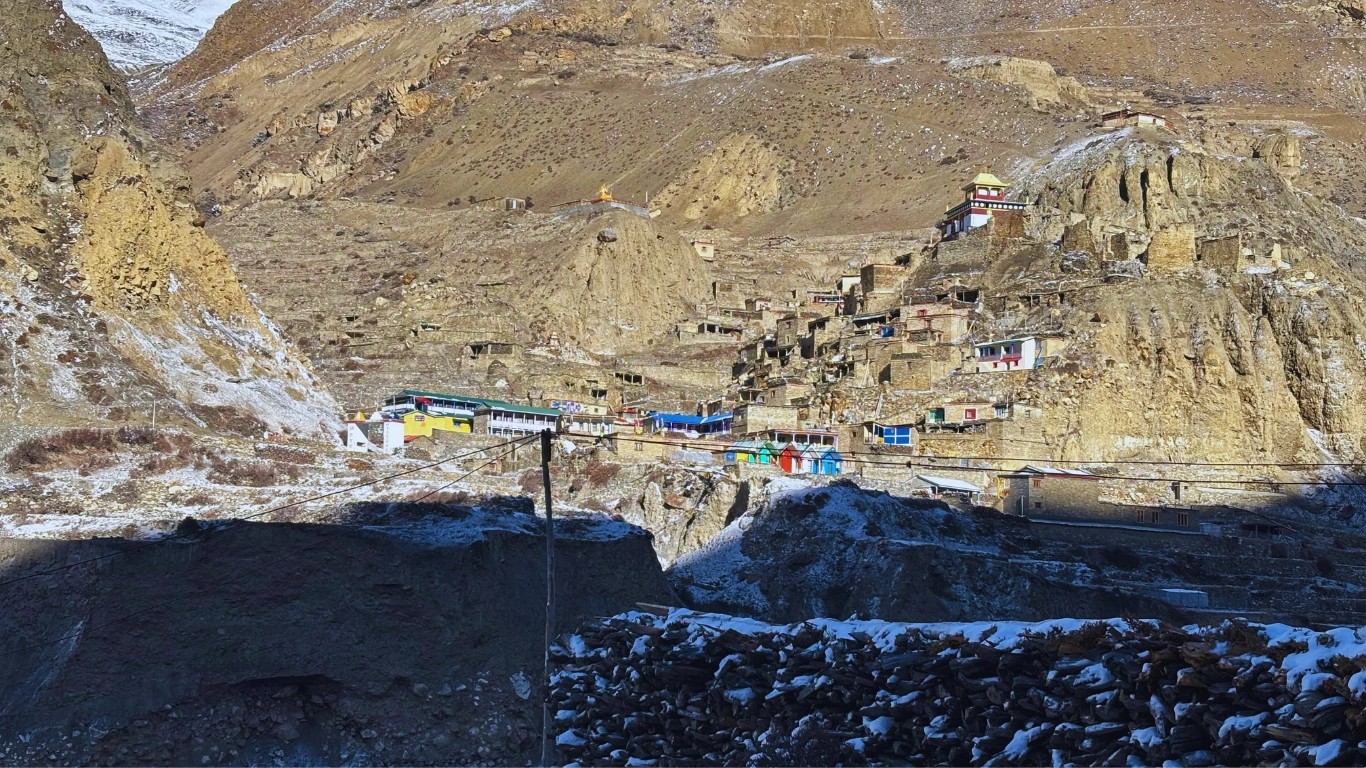
Days: 10-14 (or 18 combined with Circuit) · Max altitude: 5,320m (Kang La Pass) · Difficulty: Challenging · Crowds: Very Low
This is one of the Annapurna region's genuinely untouched treks. Nar Phu Valley sits in a hidden, restricted area on the northern side of the Annapurna massif — a narrow valley of Tibetan-culture villages, ancient monasteries, and dramatic high-altitude landscapes that most trekkers never see. Because it's a restricted area, permits require a licensed guide and are checked at real checkpoints, which naturally limits crowds.
What makes it exceptional:
Combining Nar Phu with the Annapurna Circuit: we strongly recommend this for anyone considering Nar Phu. The valley connects naturally into the Annapurna Circuit — you can add Nar Phu as a detour off the Circuit, entering from Koto (just past Chame) and rejoining the Circuit at Ngawal or Manang. This turns a 15-day Circuit into an 18-day trek with the region's most extraordinary side-valley experience folded in. We think it's the best way to trek the Annapurna region if you have the time.
Doing Nar Phu alone is possible but honestly less recommended — the combination with the Circuit gives you both the untouched valley AND the classic pass crossing, for only a few extra days.
Important honest note: Nar Phu is a restricted area — a licensed guide is mandatory, permits are strictly checked, and you cannot enter as an independent trekker. See our full guide to whether about Nar Phu Valley trek Difficulty for the honest picture of how strict difficult is nar phu valley trek.
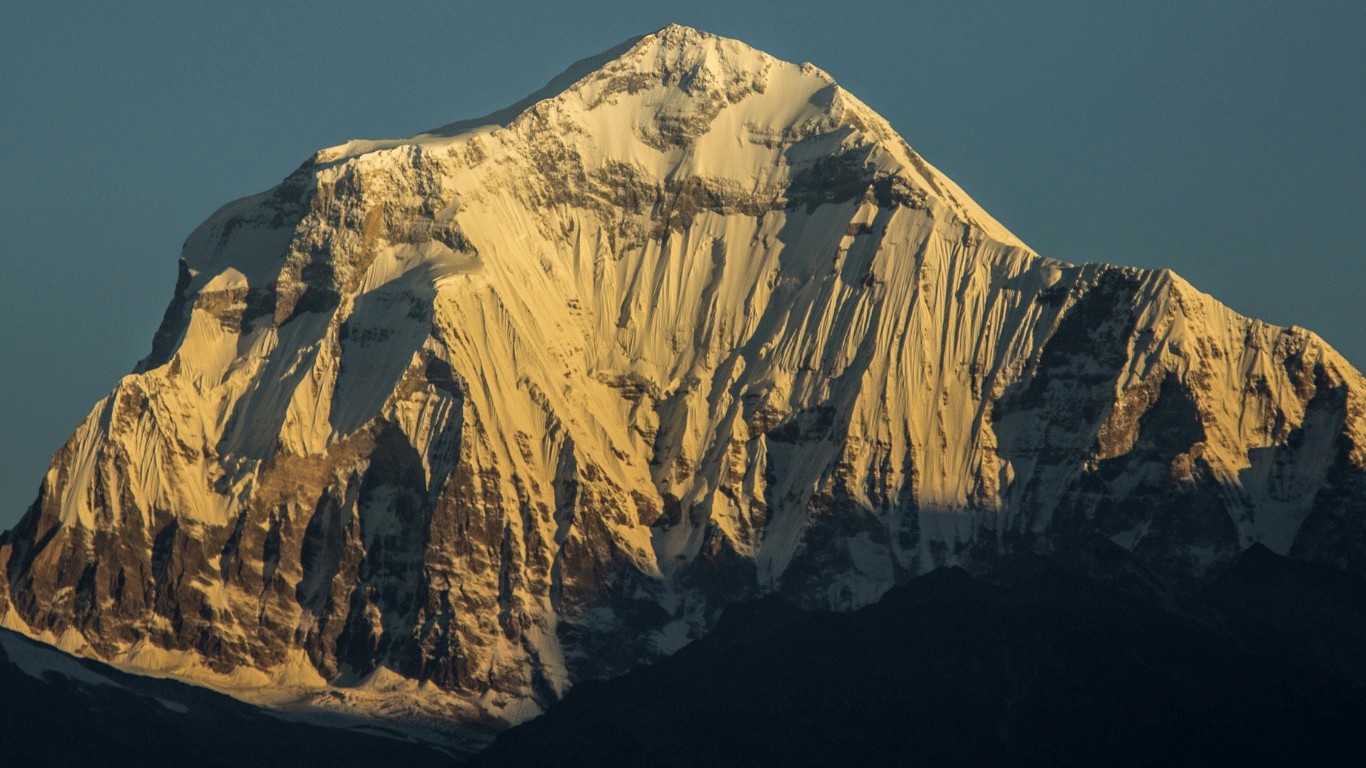
Days: 7-11 · Max altitude: 3,660m (Khopra Ridge), or 4,660m with Khayer Lake side trip · Difficulty: Moderate · Crowds: Low
Khopra Danda is one of the Annapurna region's best-kept secrets — a community-lodge trek that takes you higher than Poon Hill, with the same panoramic views of Annapurna, Dhaulagiri, and Fishtail, but with a fraction of the trekkers.
What makes it different:
Honest take: Khopra is slightly more challenging than Poon Hill (longer days, steeper sections), but not dramatically so. If you want the Poon Hill panorama without the crowds, and you're willing to walk a bit further and higher, this is a better trek — genuinely.
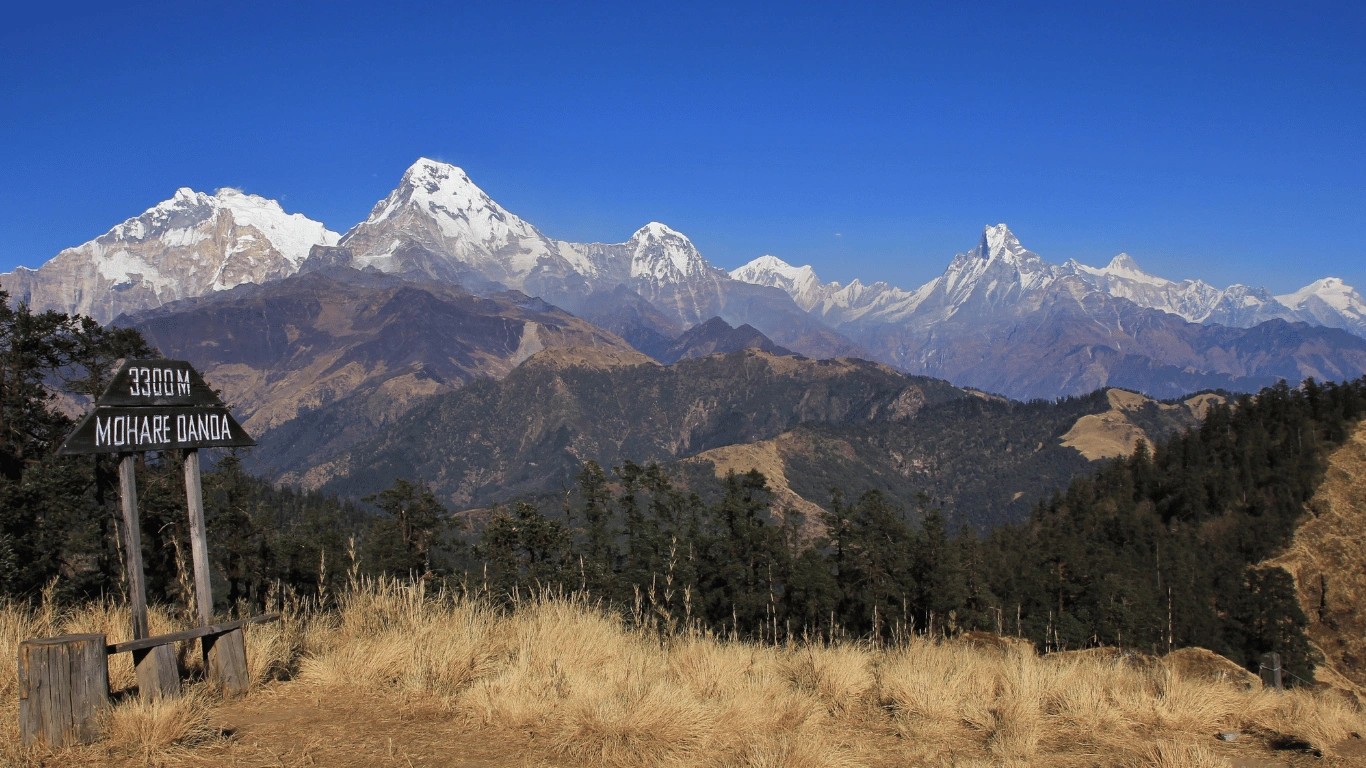
Days: 5-8 · Max altitude: 3,300m (Mohare Danda) · Difficulty: Moderate · Crowds: Very Low
If Khopra Danda is quiet, Mohare Danda is silent. This is the Annapurna region's genuine hidden gem — a community-homestay trek that almost no international guides recommend and almost no trekkers have heard of. It sits at 3,300m on a ridge along the Kali Gandaki, with panoramic views of the Annapurna and Dhaulagiri massifs, and it stays in community lodges and family homestays throughout.
What makes Mohare Danda special:
Honest take: Mohare Danda opened as a community-tourism initiative around 2010, and it has stayed genuinely off-the-beaten-path. It's not for someone chasing the classic Everest-Circuit-ABC bucket list — it's for someone who wants to actually experience Nepal village life, meet Magar families, and support ethical tourism where the money genuinely stays in the community. It's one of the treks we most quietly recommend for the right person.
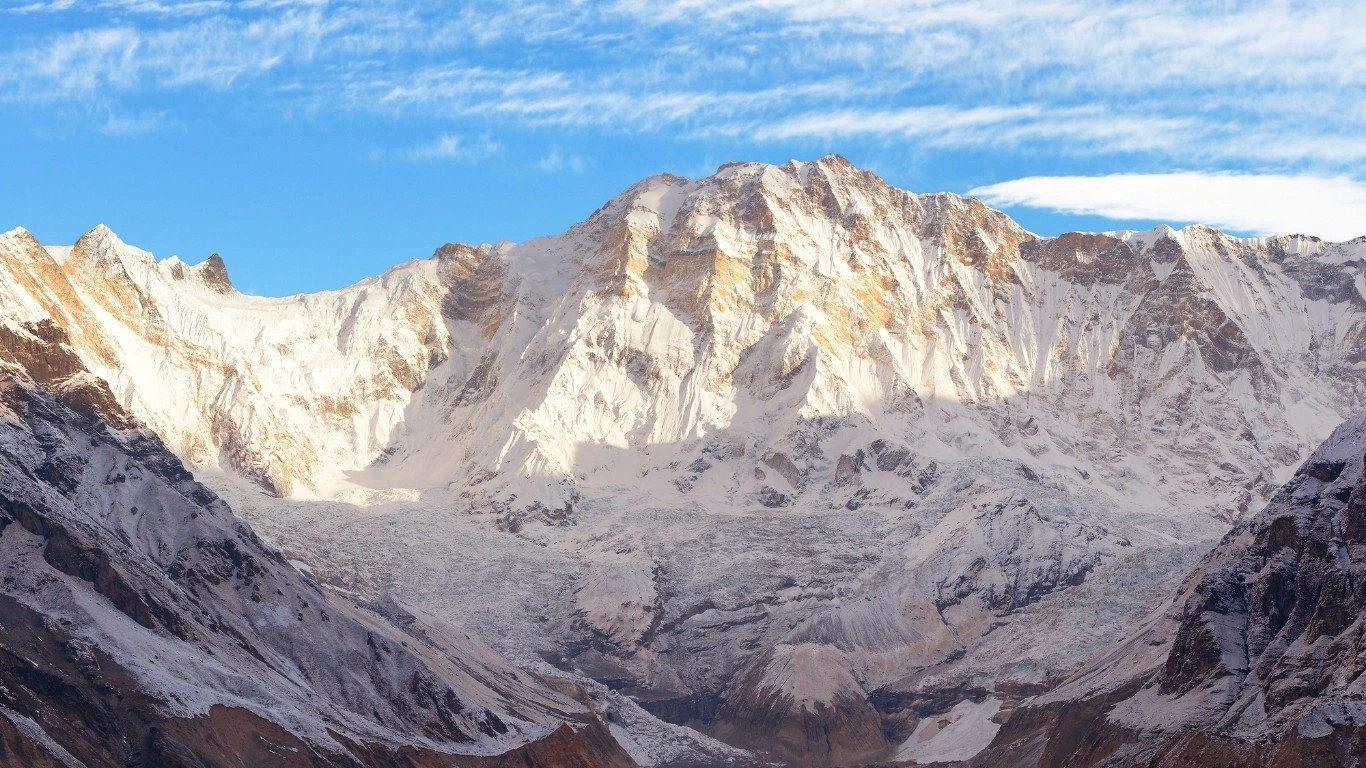
Annapurna I, the mountain (8,091m), is genuinely deadly to climb. Its fatality rate — around 32% historically — is the highest of any of the 14 world 8,000m peaks, higher even than K2. This is why it's called a "killer mountain" in mountaineering circles.
But the Annapurna trekking region is completely safe for trekkers. The distinction is critical:
Thousands of trekkers safely complete Annapurna region treks every year. The routes are well-established, well-serviced by teahouses, and involve standard trekking rather than climbing. When people say "Annapurna is a killer mountain," they mean the summit itself. They do not mean the trekking region.
Yes — the Annapurna region has some of the best beginner trekking in the world.
For a genuine first-time trekker, we'd recommend:
Trek to avoid as a first-time trekker: the full Annapurna Circuit crossing Thorong La (5,416m) is a real high-altitude challenge, and Nar Phu Valley requires you to be comfortable at altitude and in remote terrain. Both are better as a second Nepal trek, not a first.
Yes. Pokhara sits on the southern edge of the Annapurna region and functions as its gateway city. Almost every Annapurna trek begins and ends with a drive out of Pokhara to the trailhead. On a clear day, you can see the Annapurna range and Machapuchhre (Fishtail) directly from Pokhara's Lakeside — one of the most stunning urban mountain views anywhere in the world.
Pokhara itself is worth a day or two either before or after your trek — Phewa Lake, the World Peace Pagoda, and a genuinely relaxed atmosphere after Kathmandu's chaos.
The Annapurna region is home to several ethnic communities, and which you meet depends on which trek you choose:
Many of the villages you'll walk through, especially on Circuit and Nar Phu, have long-standing connections to Gurkha regiments of the British and Indian armies.
The Annapurna region follows the same broad seasonal pattern as most of Nepal:
For details on which month suits which trek, see our best time to trek the Annapurna Circuit guide.
For most Annapurna treks — Circuit, ABC, Poon Hill, Mardi Himal, Khopra Danda, Mohare Danda, Circuit + Tilicho, and Circuit Short Trek — only ACAP is required. TIMS is NOT required for the Annapurna region.
For Nar Phu Valley specifically, you additionally need:
An honest note on checkpoints: in ACAP conservation area treks (Poon Hill, ABC, Circuit, Mardi Himal, Khopra, Mohare), checkpoints check your ACAP permit but do not check whether you have a guide. In Nar Phu, checkpoints check both permits AND require a licensed guide.
Here's the honest decision framework we use with trekkers:
| Your Situation | Best Trek |
|---|---|
| First time in Nepal, short trip, big views | Ghorepani Poon Hill |
| First time in Nepal, avoid crowds | Mohare Danda or Khopra Danda |
| Fit beginner, 5–9 days, quieter | Mardi Himal |
| Have 16-17 days, want the complete Annapurna experience | Annapurna Circuit + Tilicho Lake |
| Want the iconic amphitheatre experience | Annapurna Base Camp |
| Have 2 weeks, want the classic long trek | Annapurna Circuit |
| Have 10 days, want the Circuit compressed | Annapurna Circuit Short Trek |
| Want somewhere almost nobody goes | Nar Phu Valley |
| Want ethical, community-supporting tourism | Mohare Danda or Khopra Danda |
| Fittest, most experienced, want the deepest cultural experience | Nar Phu Valley + Annapurna Circuit |
The Annapurna region is in north-central Nepal, in Gandaki Province, centered on the Annapurna massif. It's accessed from Pokhara, Nepal's second-largest city, which sits on the region's southern edge.
Annapurna I, the summit (8,091m), is the world's deadliest 8,000m peak to climb, with a fatality rate around 32%. But this applies only to climbing the summit itself. The Annapurna trekking region is safe, well-established, and completed by thousands of trekkers every year.
Yes. Ghorepani Poon Hill, Mohare Danda, and Mardi Himal are all excellent beginner treks. The full Circuit and Nar Phu Valley are best as second Nepal treks, not first.
Yes. Pokhara is the gateway city on the southern edge of the region. Every Annapurna trek begins and ends with travel out of Pokhara.
Mohare Danda is the quietest, followed by Nar Phu Valley and Khopra Danda. All three are genuinely off the mainstream tourist trail.
Yes — and we strongly recommend it. Nar Phu connects naturally into the Circuit, entering from Koto and rejoining at Ngawal or Manang. The combined trek runs about 18 days and gives you both the untouched valley and the classic Thorong La pass crossing.
For general conservation area treks (Poon Hill, ABC, Circuit, Mardi Himal, Khopra, Mohare), checkpoints check your permit but don't check for a guide. For Nar Phu Valley, a licensed guide is mandatory and strictly checked. We recommend a guide for all treks regardless of enforcement.
Ghorepani Poon Hill at 3-5 days is the shortest trek at annapurna region.
The full traditional Annapurna Circuit at 15-22 days, or the combined Circuit + Nar Phu Valley at around 18 days.
The Annapurna region isn't one trek. It's eight — each suited to a different traveler, a different level of experience, and a different reason for coming to Nepal.
Circuit for the classic. ABC for the amphitheatre. Poon Hill for a first taste. Mardi Himal for a quieter middle ground. Nar Phu for something genuinely untouched. Khopra and Mohare Danda for the trekker who cares about where their money actually goes.
The trek we'd genuinely recommend depends entirely on you — which is a conversation, not a package sale.
→ See all our Annapurna region treks
→ Talk to us about which trek fits you
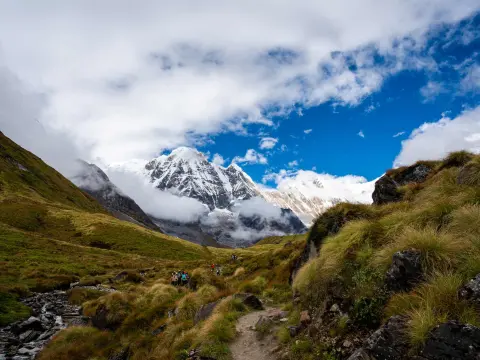
The Annapurna Base Camp trek is a moderate trek, suitable for fit beginners, with no technical climbing required. Its main challenge is not the altitu...
The alarm rings at 4:30 AM. You stumble out of your sleeping bag in Machhapuchhre Base Camp, cursing the cold—until you step outside.The first rays of...
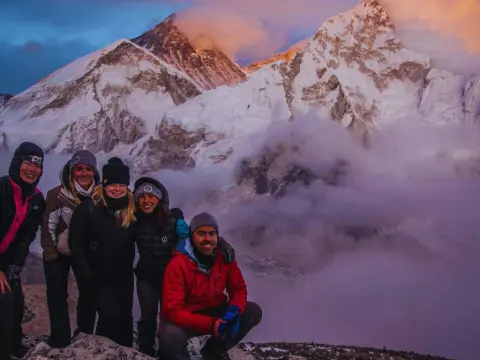
If you're curious about trekking in Nepal, you've landed in the right place. Nepal is home to the world's most breathtaking mountain trails, ancient c...
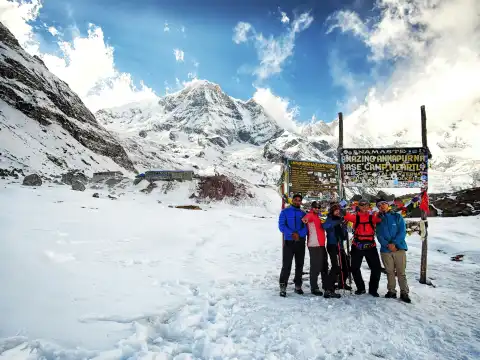
The Annapurna Base Camp trek stands as one of Nepal's most celebrated mountain journeys. Known simply as the ABC trek Nepal, this route draws thousand...
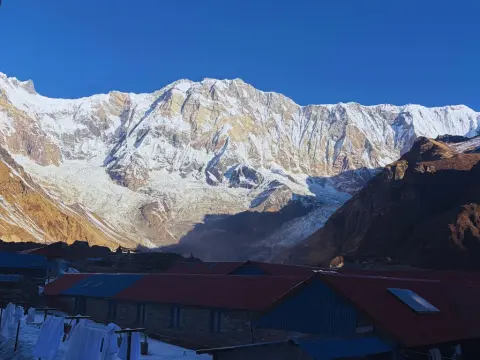
When trekkers ask us at Majestic Trails Nepal about the Annapurna Base Camp trek, one question comes up more than any other: "What's the accommodation...
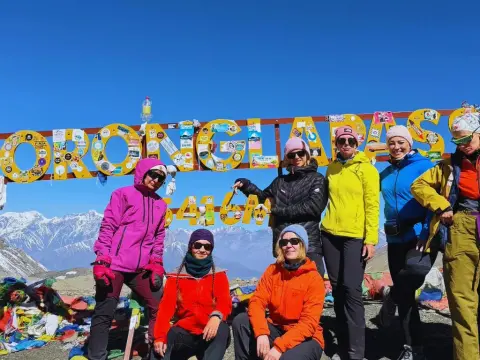
Choosing the right Annapurna Circuit trek agency is genuinely one of the most consequential decisions you will make in planning this journey. Not beca...
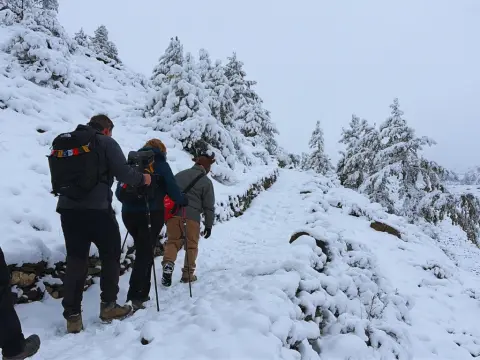
At Majestic Trails Nepal, we've guided hundreds of trekkers across the Annapurna Circuit. One question we hear constantly: "How difficult is the Annap...
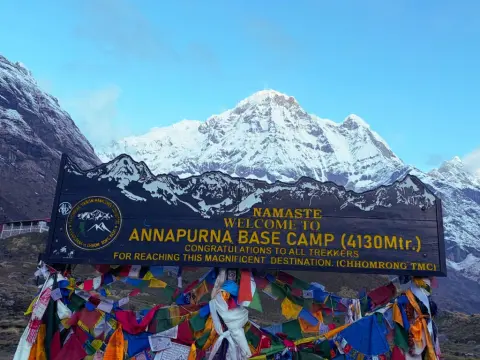
I remember the first time I stood at Annapurna Base Camp. I was 18 years old, still new to guiding, and I genuinely did not expect to cry. But when yo...
