
Nar Phu Trek Nepal – Explore the Remote Himalayan Valley
23 Feb 2026
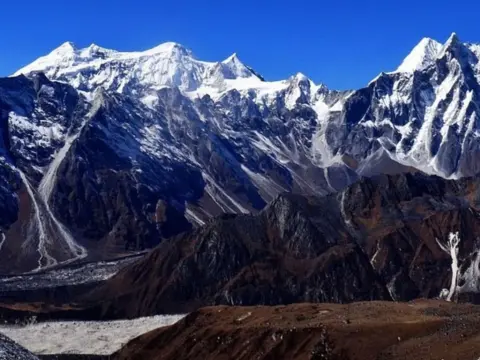
The Nar Phu trek Nepal takes you into one of the Himalayas' last truly hidden valleys. Tucked away in the Annapurna region near the Tibetan border, th...

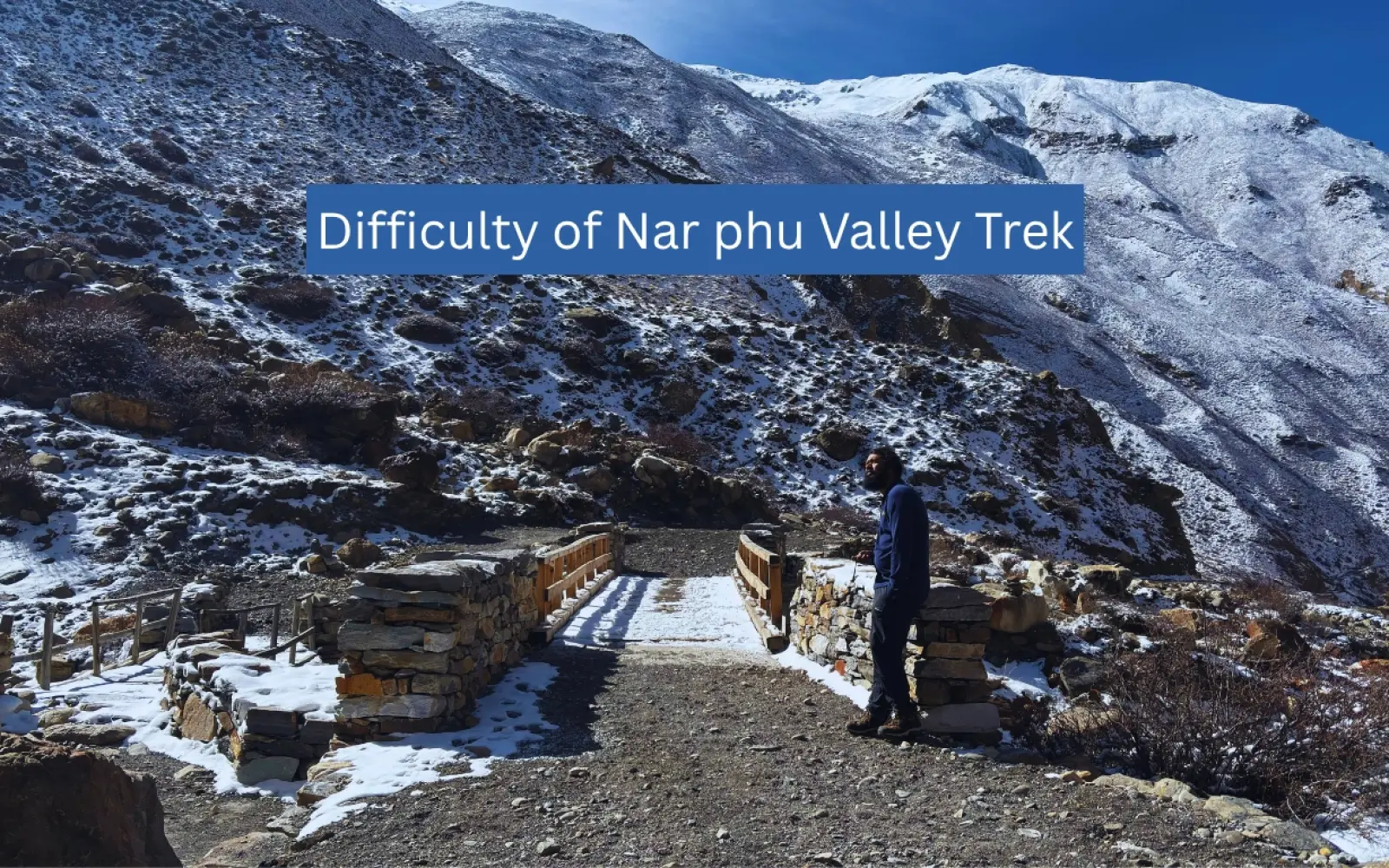

The Nar Phu Valley Trek difficulty is best described as moderate to challenging, but that label alone does not explain the trek properly. Nar Phu is not hard because of technical climbing. It is difficult because the trail quickly becomes remote, climbs above 4,000 meters, uses very basic teahouses, and finishes with the demanding crossing of Kang La Pass at around 5,306 m to 5,320 m.
The Nar Phu Valley trek is rated moderate to challenging (4 out of 5). While it doesn't require technical climbing, it demands excellent stamina, high-altitude acclimatization, and comfort with rugged, narrow trails.
For fit trekkers, Nar Phu Valley is achievable. For unprepared trekkers, it can feel much harder than expected. The combination of altitude, remoteness, long walking days, and limited facilities creates a very different experience from standard trekking routes in Nepal.
| Difficulty Factor | Realistic Rating |
|---|---|
| Physical fitness required | High moderate |
| Altitude risk | High |
| Trail roughness | Moderate to hard |
| Technical climbing | Low |
| Comfort level | Basic |
| Remoteness | High |
| Mental challenge | High moderate |
| Overall difficulty | Moderate to challenging |
Nar Phu is harder than a standard lower Annapurna trek and significantly more remote than the classic Annapurna Circuit Trek. However, it is still less technical than expedition-style mountaineering routes.
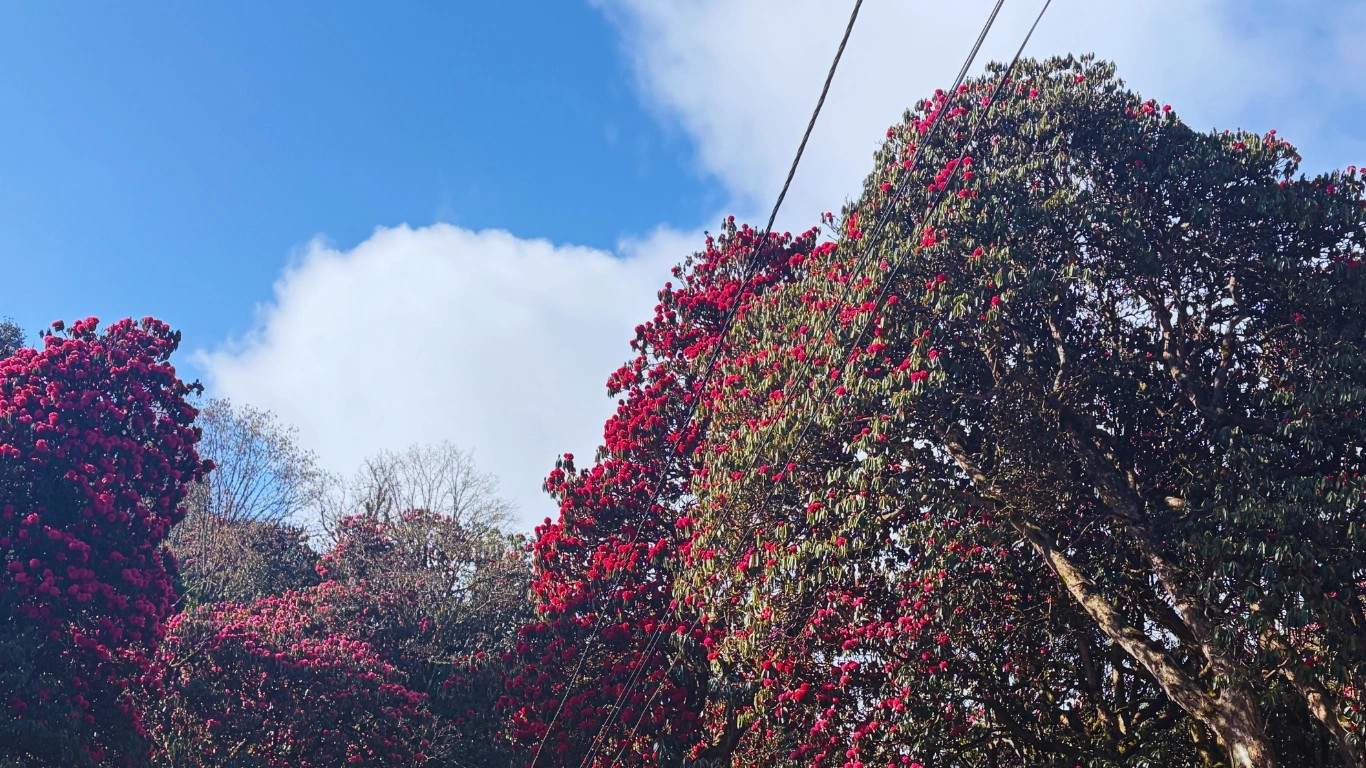
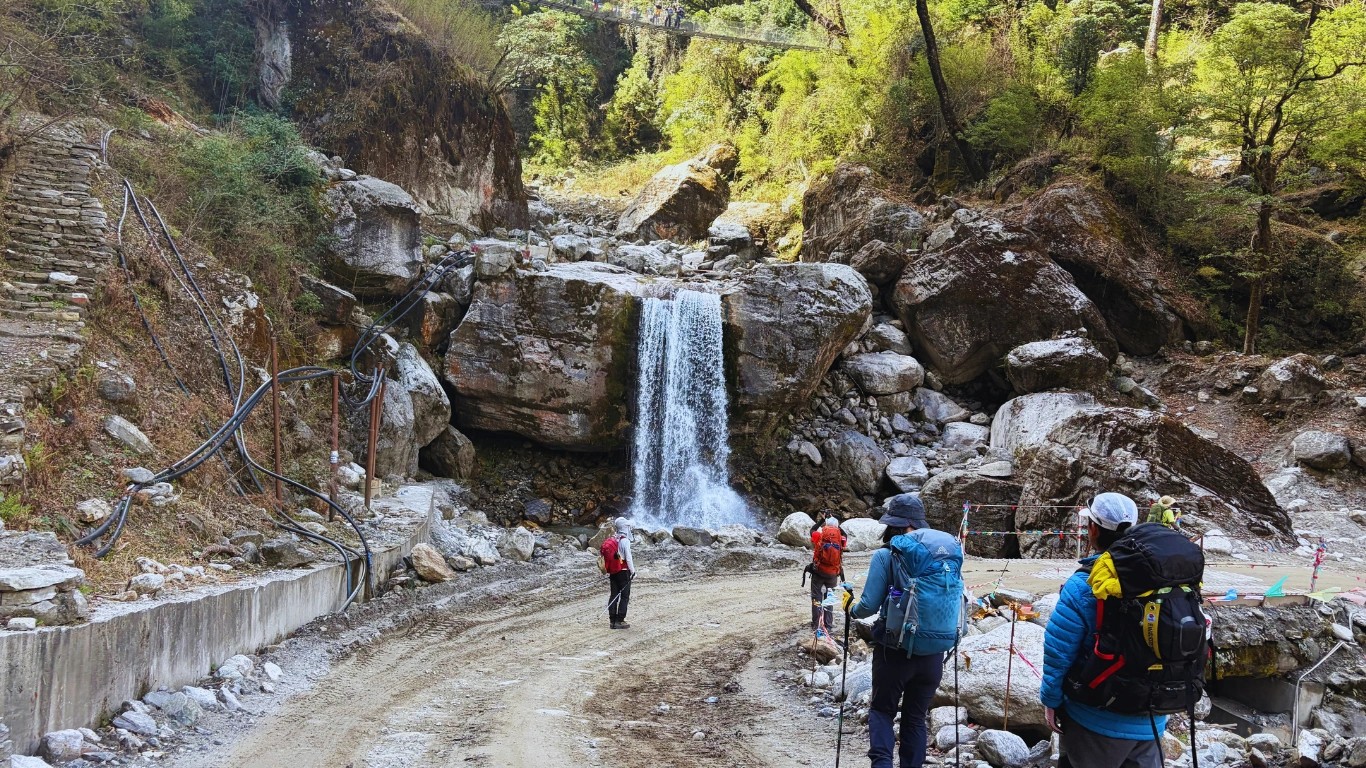
Most Nar Phu Valley Trek itineraries leave the Annapurna Circuit at Koto, around 2,600 m. From there, the trail enters the restricted valley and follows the Nar Khola river through forests, suspension bridges, and rocky canyon terrain.
This section is commonly underestimated. Trekkers gain nearly 1,000 meters in elevation while walking for 6 to 8 hours. The isolation begins here, and the route quickly feels far more remote than standard teahouse treks.
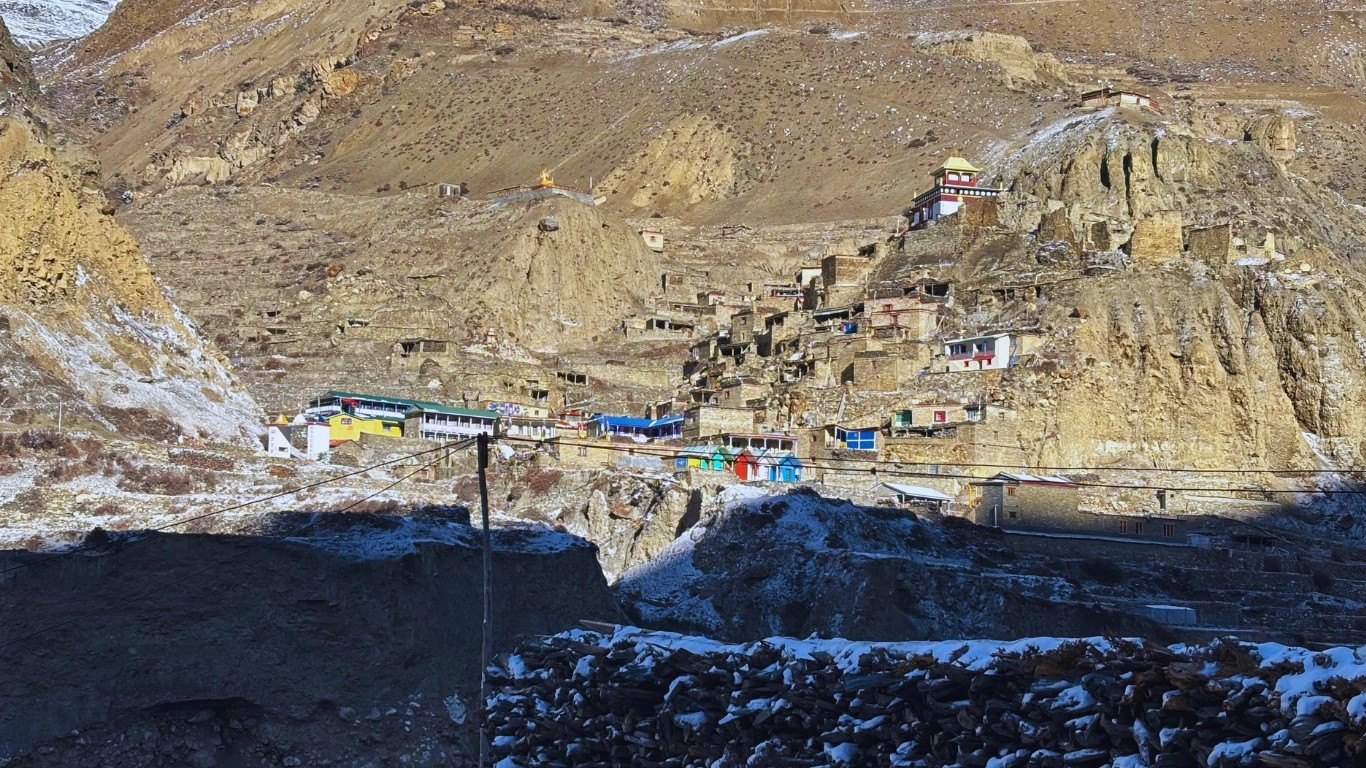
The walk from Meta to Phu Village usually takes 6 to 7 hours. The landscape becomes noticeably drier and more Tibetan in character, with open valleys, ancient ruins, and exposed alpine terrain.
By the time trekkers reach Phu Village at around 4,080 meters, altitude begins affecting appetite, sleep, breathing, and energy levels.
A proper acclimatization day in Phu Village is one of the most important parts of the itinerary. Resting here helps the body adapt before moving toward Nar and Kang La Pass.
Rushed itineraries without acclimatization make the trek significantly harder and increase altitude-related risks.
The section from Phu toward Nar Village can feel mentally exhausting. Trekkers have already spent multiple days in remote conditions, facilities remain basic, and fatigue begins to build.
Nar Village also serves as the final staging point before Kang La Pass, which adds psychological pressure for many trekkers.
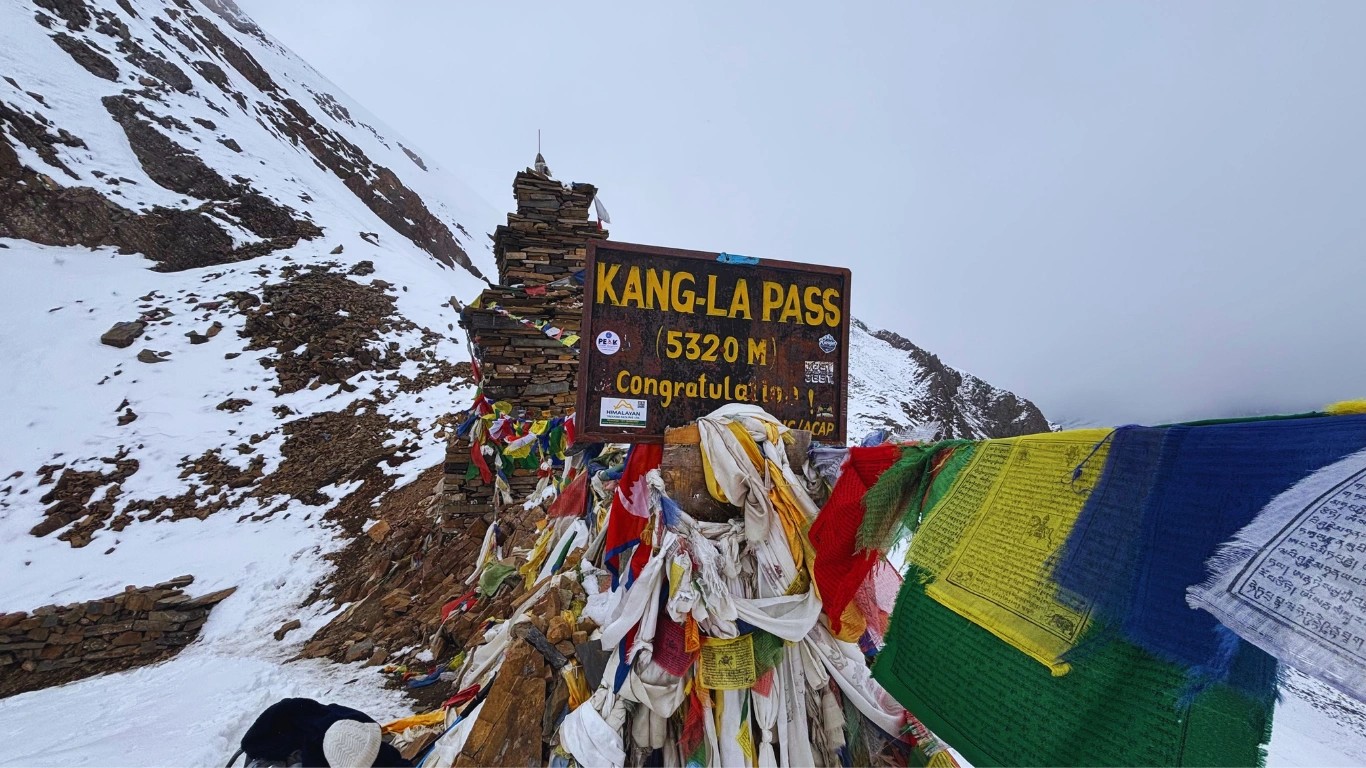
The crossing from Nar Village to Ngawal via Kang La Pass is the hardest day of the trek. The route climbs above 5,300 meters before descending steeply toward Ngawal.
Most groups take 7 to 9 hours for this day, sometimes longer if snow, strong wind, or poor visibility affects the trail.
Kang La Pass is not technical during normal spring or autumn conditions, but it remains physically demanding and serious at high altitude.
| Place | Approx. Altitude |
|---|---|
| Koto | 2,600 m |
| Meta | 3,560 m |
| Phu Village | 4,080 m |
| Nar Village | 4,110 to 4,200 m |
| Kang La Pass | 5,306 to 5,320 m |
| Ngawal | 3,660 m |
One major reason this trek feels difficult is because trekkers spend several consecutive days above 3,500 meters before crossing over 5,000 meters.
The Nar Phu Valley trek is not recommended for absolute beginners. While possible for very fit and determined novices with prior hiking experience, it is a remote, moderate-to-challenging route that involves rugged, high-altitude terrain and a very demanding mountain pass.
Nar Phu Valley is suitable for fit beginners who prepare properly, but it is not recommended for casual first-time hikers.
The Nar Phu Valley Trek requires a moderate to high level of physical fitness. You will typically hike for 5 to 7 hours a day, covering steep ascents, rocky terrain, and high-altitude mountain passes over 5,400 meters. You do not need elite athletic ability, but preparation matters. The best training plans usually include:
Many trekkers find the long descent from Kang La to Ngawal harder on the knees than the ascent itself.
Accommodations on the Nar Phu Valley Trek are highly basic and restricted by local conservation rules, making them more challenging than on mainstream routes. Expect to stay in rustic, family-run stone teahouses or homestays with limited facilities and shared toilets.
What to Expect
Key Tips to Manage Difficulty
Accommodation is part of the challenge. Teahouses in Nar Phu are far more basic than those in Everest or the main Annapurna region.
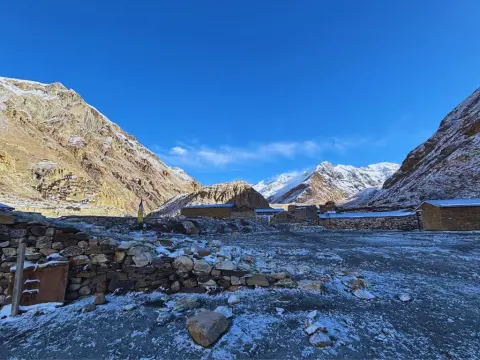
The best time for the Nar Phu Valley Trek is during the Spring (March to May) and Autumn (September to November). These months offer the safest and most enjoyable trekking conditions, featuring stable weather, clear skies, and spectacular mountain views.
Conditions: Stable weather with daytime temperatures ranging from 8°C to 16°C. Clear skies offer excellent mountain views and blooming rhododendron forests.
Difficulty: Low to Moderate. This is the safest window for crossing the 5,320-meter Kang La Pass without dangerous snow or rain.
Conditions: Crisp, dry weather with daytime temperatures between 10°C to 18°C. The post-monsoon air is incredibly clear, providing the best panoramic views.
Difficulty: Low to Moderate. Trails are firm, though temperatures can drop to -10°C to -15°C in the mornings.
Conditions: Extreme cold with daytime temperatures often ranging from -5°C to 5°C, plummeting to -20°C or lower at night. Heavy snow frequently blocks the Kang La Pass.
Difficulty: Extreme. Many tea houses close for the season, emergency rescue is difficult, and you will need specialized winter gear like crampons.
Conditions: The region sits in the rain shadow of the Annapurna range, meaning it gets less rain than the rest of Nepal, but trails leading to the trailhead are still prone to landslides. Daytime temperatures range from 12°C to 18°C.
Difficulty: High. Roads to the starting point (such as Koto) frequently wash out, paths are extremely slippery, and cloud cover severely limits visibility.
Regardless of the season, traversing rocky canyons, crossing thin cliff-edge paths, and ascending steep elevation gains require strong physical fitness and careful navigation. You must also secure specific permits to enter the restricted area. Weather conditions dramatically affect trek difficulty, especially around Kang La Pass.
Nar Phu Valley is a restricted trekking region in Nepal. Trekkers generally require:
Solo trekking is not allowed in the restricted Nar Phu region.
The Nar Phu Valley Trek is not technically difficult, but it is physically demanding, remote, and highly affected by altitude.
The hardest sections include:
For properly prepared trekkers, Nar Phu Valley is one of the most rewarding remote treks in the Annapurna region. Choosing spring or autumn, following a sensible itinerary, acclimatizing properly, and trekking with an experienced guide dramatically improves the overall experience.
If you're considering this trek and want honest advice about whether you're ready, reach out to us at Majestic Trails Nepal. We'll give you a straight answer, help you prepare properly, and ensure you have the best possible experience on the trail.
The overall difficulty is moderate to challenging. The altitude, remoteness, and Kang La Pass crossing combine to create a demanding but deeply rewarding experience. It's more challenging than Annapurna Base Camp and comparable to or slightly harder than Everest Base Camp due to the lack of infrastructure and support systems.
It's not recommended as a first trekking experience. Beginners who are genuinely fit and willing to prepare seriously can consider it, but prior trekking experience at altitude is strongly advised. At minimum, we recommend completing a shorter trek first to understand how your body handles altitude and multi-day walking.
It carries real risk but isn't inherently dangerous when conditions are right and you're properly prepared. The main concerns are altitude sickness, extreme cold, high winds, slippery terrain from snow or ice, and sudden weather changes. An experienced guide, proper gear, and good acclimatization reduce the risk significantly.
Yes, absolutely. It's legally required because Nar Phu is a restricted area in Nepal. You must trek with a registered guide through a licensed agency. Beyond the legal requirement, having a guide who knows this specific route intimately is crucial for safety given the remoteness and limited rescue options.
The Kang La Pass crossing is definitively the hardest single day. You start before dawn, climb steeply to 5,320 meters potentially through snow and wind, then descend over 1,600 meters on the other side. The entire day can take 10 to 12 hours of sustained effort.
In our experience guiding this route for years, absolutely yes. Trekkers consistently tell us it was one of the most meaningful adventures of their lives. The ancient Tibetan villages, the untouched landscapes, the complete absence of crowds—you feel like a genuine explorer, not a tourist following a well-worn path. That feeling is increasingly rare in Nepal, and it's earned through the effort you invest.
The Nar Phu trek Nepal takes you into one of the Himalayas' last truly hidden valleys. Tucked away in the Annapurna region near the Tibetan border, th...
The best time for the Annapurna Nar Phu Valley Trek is during spring (March to May) and autumn (September to November). Both seasons offer stable weat...
