
Best Time to Trek in Nepal
17 Jan 2026
Let's cut straight to it. Autumn, specifically September through November, is the best time to trek in Nepal. Spring runs a very close second, coverin...

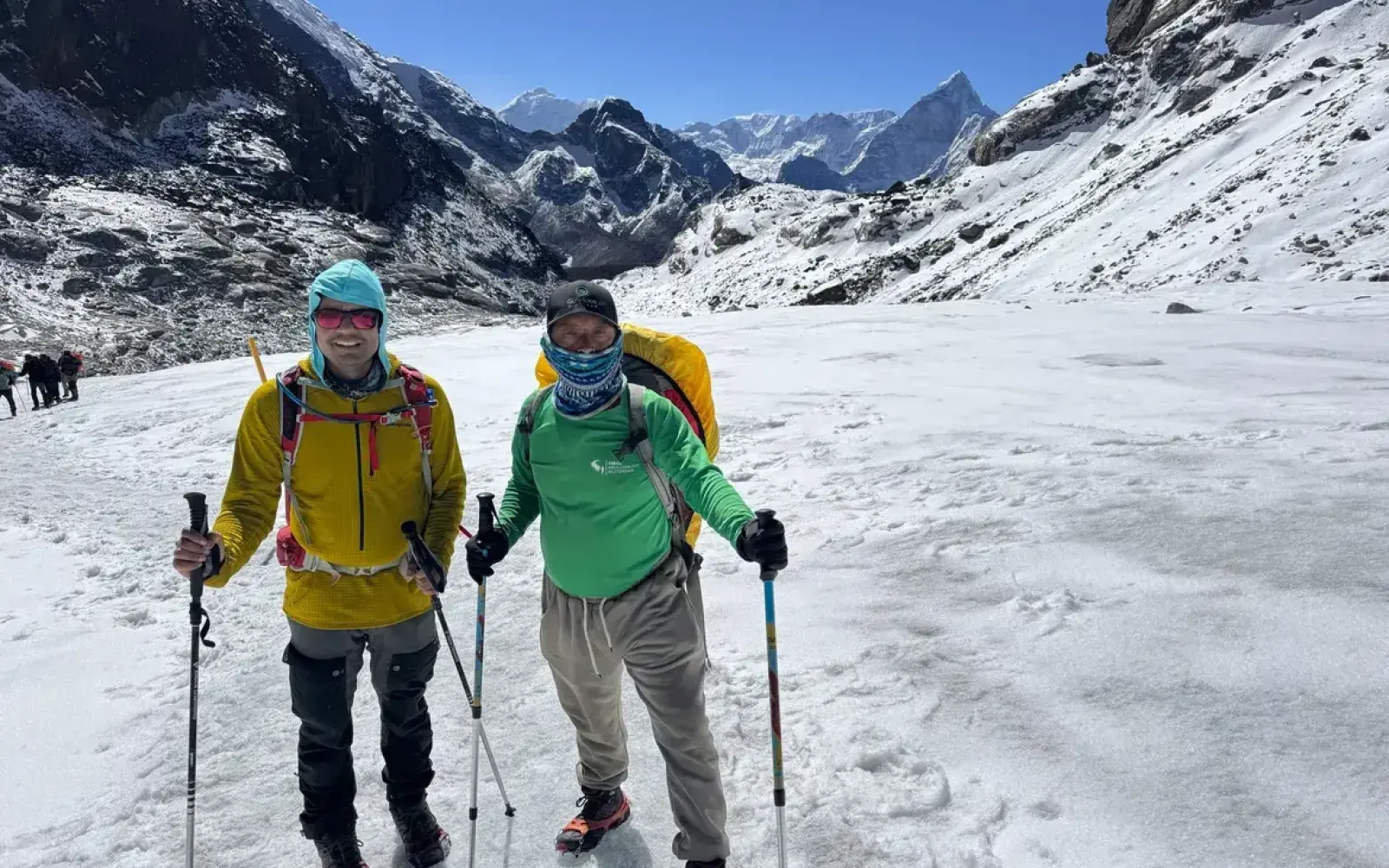

A Nepal trek challenge represents the pinnacle of adventure trekking. It demands everything from you—physical endurance, mental resilience, altitude tolerance, and genuine respect for the mountains.
Nepal hosts eight of the world's fourteen 8,000-meter peaks. This concentration of extreme altitude creates trekking routes that push human limits in ways no other destination can match.
What separates a challenging trek from a standard hiking holiday? Passes exceeding 5,400 meters. Trails disappearing into glacial moraines. Weeks spent in regions where evacuation takes days, not hours. Weather systems that transform valleys into survival zones within hours.
This guide breaks down what makes Nepal the global epicenter for extreme trekking. You'll discover the hardest treks in Nepal, understand the real physiological demands, and learn what genuine preparation looks like.
If you're seeking a physically demanding trek that tests your limits, Nepal delivers without compromise.
Understanding why these routes demand respect starts with examining the specific factors that create difficulty. Generic fitness won't carry you through. These treks require targeted preparation addressing each challenge category.
Most challenging treks in Nepal cross passes or reach base camps exceeding 5,000 meters. At this elevation, oxygen availability drops to roughly 50% of sea-level values.
Your body works harder for every breath. Heart rate increases. Sleep quality deteriorates. Appetite often disappears precisely when caloric needs double.
Altitude sickness (AMS) becomes a genuine threat above 3,500 meters. Symptoms range from headaches and nausea to life-threatening conditions like High Altitude Pulmonary Edema (HAPE) and High Altitude Cerebral Edema (HACE).
Proper acclimatization strategy isn't optional—it's the difference between summit success and helicopter evacuation.
Technical trekking in Nepal doesn't accommodate weekend warriors. The most demanding routes require 15 to 25 days of continuous effort.
This duration creates cumulative fatigue that compounds daily. By week two, minor blisters become debilitating wounds. Small nutritional deficits magnify into energy crashes.
Mental endurance matters as much as physical conditioning. The psychological weight of knowing you're still days from the nearest road tests even experienced trekkers.
Many extreme trekking routes traverse restricted areas requiring special permits. These regions offer authentic wilderness—and zero infrastructure.
Teahouse trekking disappears in places like Upper Dolpo or the Dhaulagiri Circuit. You carry everything or arrange camping trek logistics with full porter support.
Communication drops to satellite devices. Medical facilities don't exist. Self-sufficiency isn't adventure marketing—it's survival reality.
Himalayan passes present technical challenges beyond simple elevation gain. Cho La Pass involves glacier crossings requiring crampons and ice axes. Thorong La Pass (5,416m) demands predawn starts to avoid afternoon storms.
Vertical gain frequently exceeds 1,000 meters daily. Descents punish knees on loose moraine and unstable rock. Trail conditions change seasonally—what's straightforward in October becomes impassable by December.
Himalayan weather operates on its own schedule. Clear mornings transform into whiteout blizzards within hours. Temperature swings of 30°C between midday and midnight are standard above 4,500 meters.
Monsoon season brings landslides and swollen rivers. Winter adds avalanche risk and extreme cold. Even prime seasons deliver unpredictable conditions requiring constant adjustment.
These routes represent the most demanding experiences Nepal offers. Each has earned its reputation through genuine difficulty, not marketing hype.
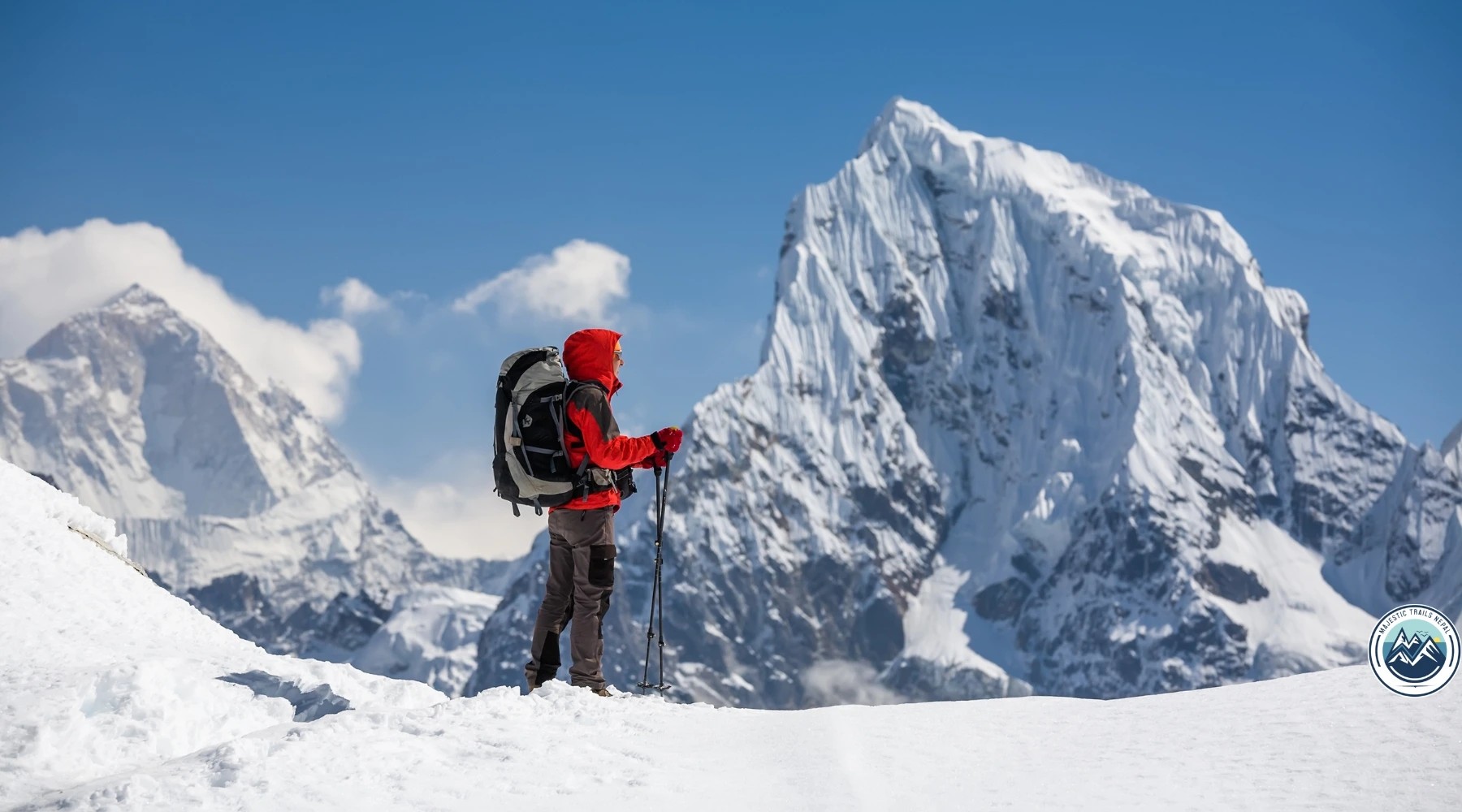
Duration: 18–21 days
Maximum Altitude: 5,545m (Kongma La)
Difficulty Level: Extremely challenging
This route crosses Renjo La Pass, Cho La Pass, and Kongma La in a single expedition. You gain and lose more than 10,000 meters of cumulative elevation.
The challenge intensifies because recovery time between passes is minimal. Your body never fully adapts before the next high-altitude effort.
Glacier crossings on Cho La require basic technical skills. Fixed ropes exist, but conditions vary seasonally. This Nepal trek challenge suits trekkers with previous high-altitude experience and genuine endurance conditioning.
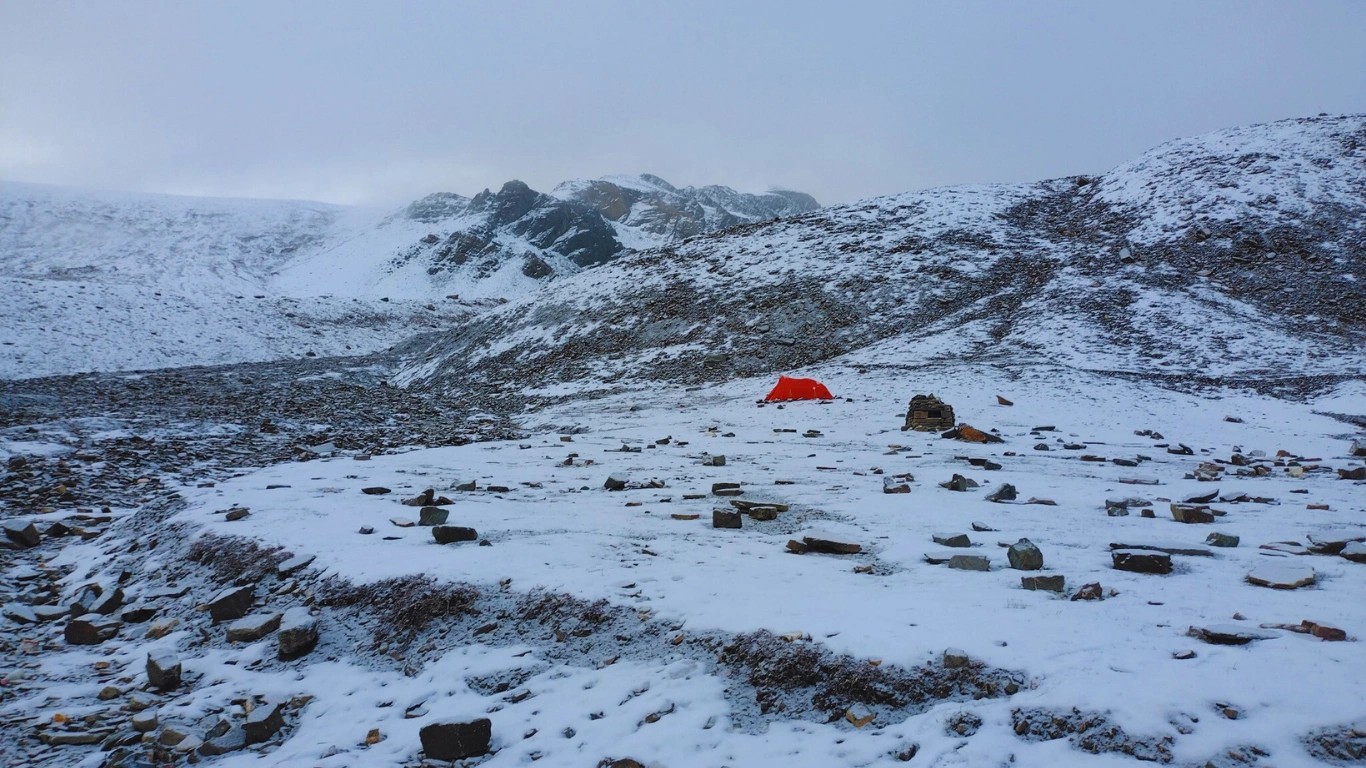
Duration: 18–21 days
Maximum Altitude: 5,360m (French Pass)
Difficulty Level: Extreme
Widely considered among the hardest treks in Nepal, this route circles the world's seventh-highest mountain through some of the most remote Himalayan terrain accessible without mountaineering skills.
Glacier crossings, crevasse navigation, and sustained high-altitude camping define this expedition. Teahouse options don't exist—full camping trek logistics are mandatory.
Weather windows narrow significantly. Most successful completions occur in limited October–November periods. This high altitude trekking challenge rewards only those with expedition-level preparation.
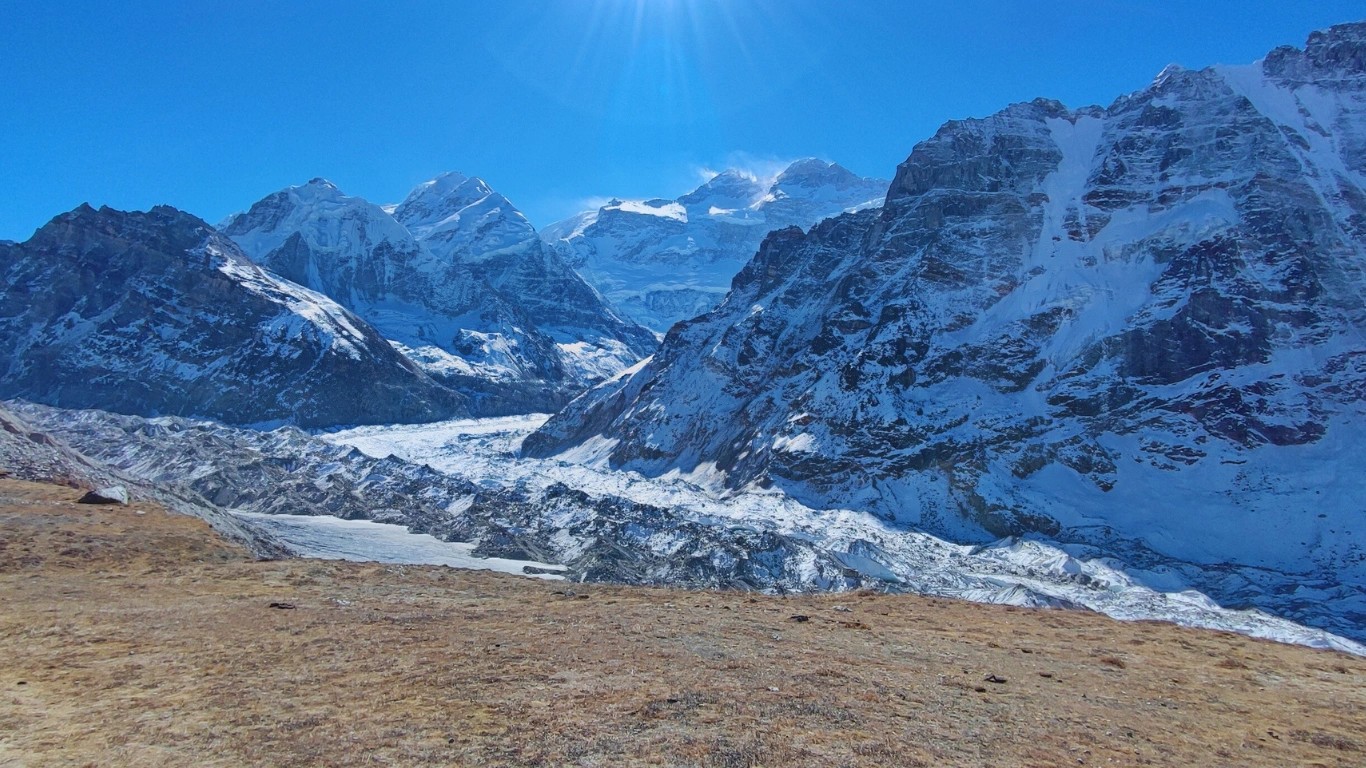
Duration: 22–28 days
Maximum Altitude: 5,143m (Pangpema Base Camp)
Difficulty Level: Very challenging
Nepal's longest commercial trekking route traverses restricted regions along the Tibetan border. Restricted area permit requirements add logistical complexity.
Remoteness defines this experience. You'll walk for days without seeing other trekkers. Supplies must be carried—teahouse reliability decreases dramatically in upper sections.
The circuit combines north and south base camps, creating a complete circumnavigation through terrain ranging from subtropical forests to glacial moraine.
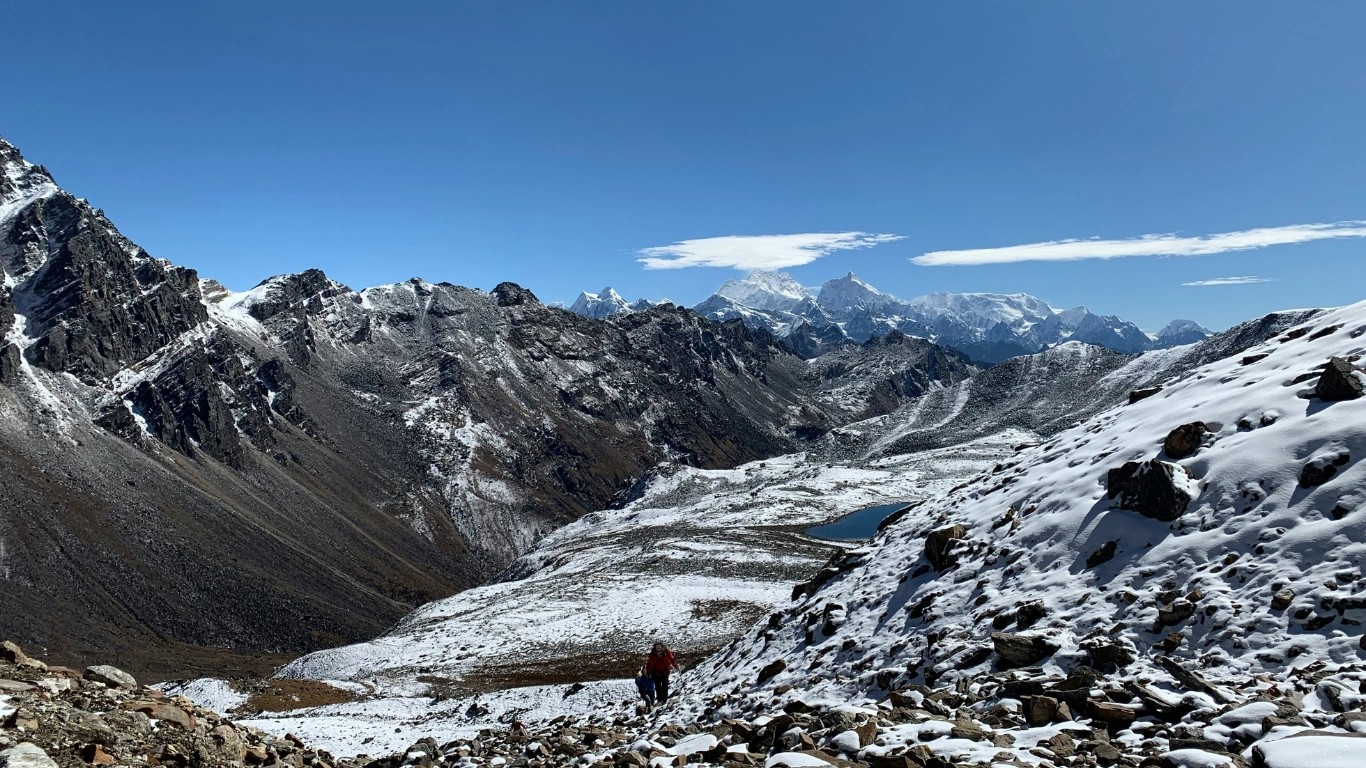
Duration: 18–22 days
Maximum Altitude: 5,050m (Makalu Base Camp)
Difficulty Level: Very challenging
Makalu sees fewer than 1,000 trekkers annually. This isolation creates pristine wilderness—and serious self-sufficiency requirements.
The approach through Arun Valley involves dramatic elevation changes. You climb from 400 meters to over 5,000 meters, passing through every Himalayan ecosystem.
Technical sections on upper glacier approaches demand careful footing. This remote Himalayan trek rewards those seeking genuine solitude over popular trail experiences.
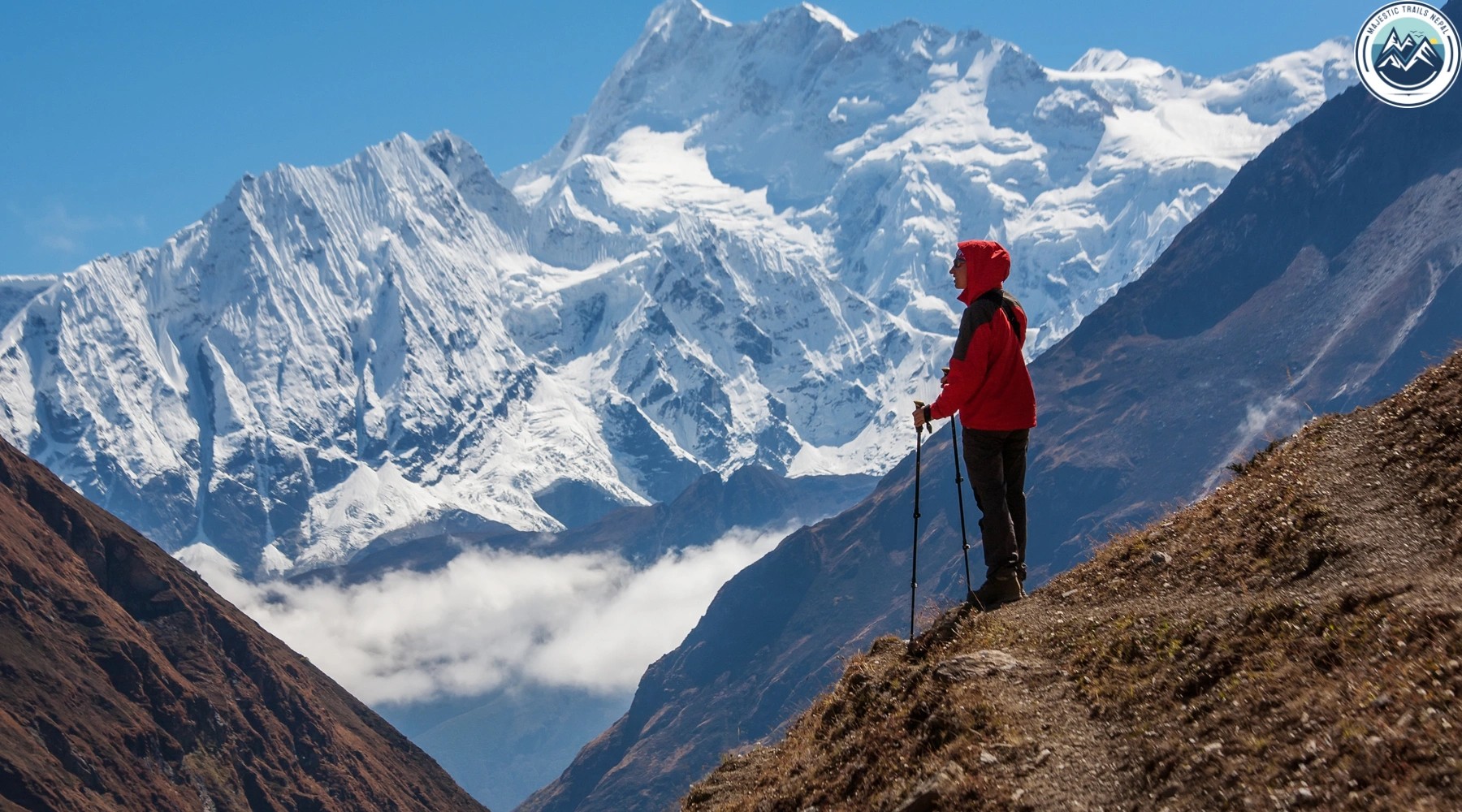
Duration: 14–18 days
Maximum Altitude: 5,106m (Larkya La Pass)
Difficulty Level: Challenging to very challenging
The Manaslu Circuit Trek offers comparable scenery to Annapurna with a fraction of the traffic. Restricted area permits maintain lower visitor numbers.
Larkya La Pass presents a sustained high-altitude challenge. The crossing involves early starts, potential snowfall, and significant glacier navigation.
Teahouse trekking infrastructure exists but varies in quality. Upper sections require more flexibility than mainstream Everest or Annapurna routes.
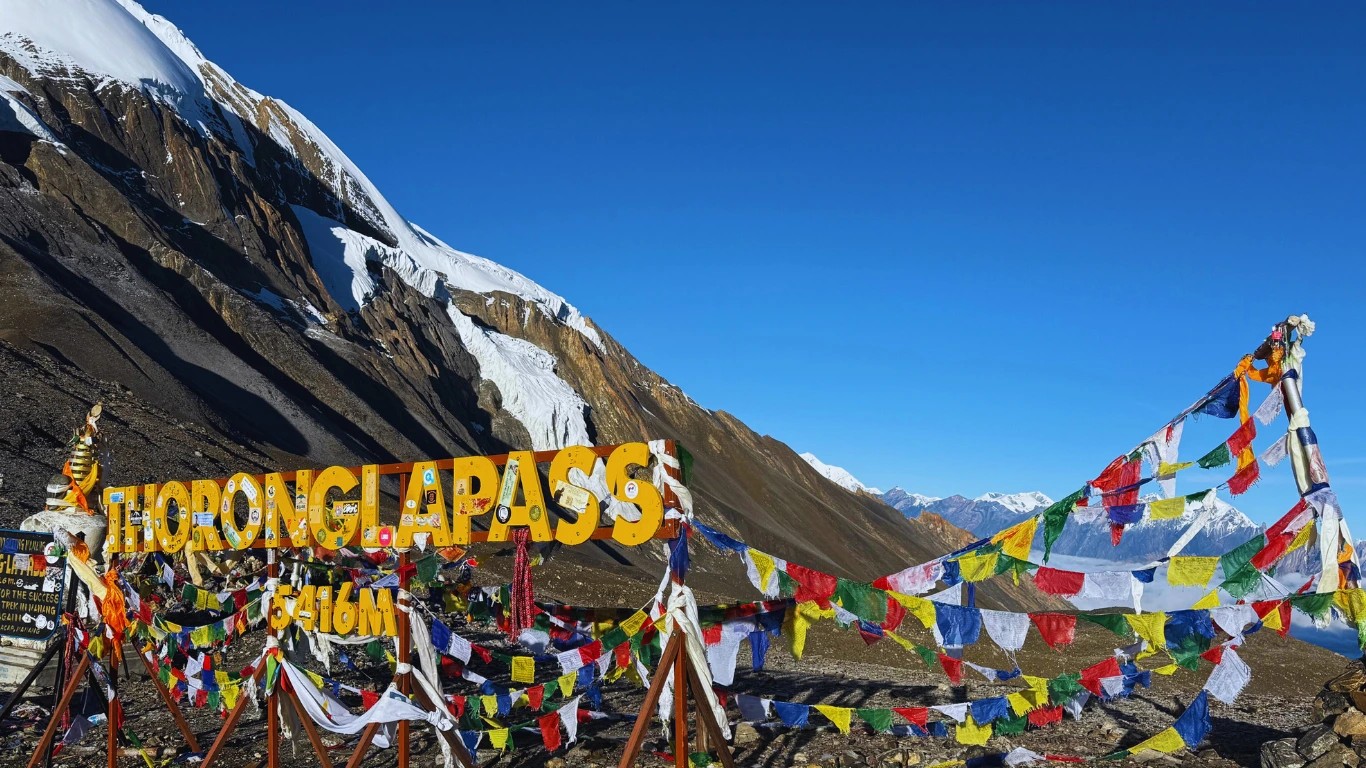
Duration: 14–21 days
Maximum Altitude: 5,416m (Thorong La Pass)
Difficulty Level: Challenging
Thorong La Pass remains one of the highest trekking passes globally crossed by commercial routes. The Annapurna Circuit Trek combines this high-altitude crossing with remarkable terrain diversity.
Road construction has altered classic sections, but the core challenge remains intact. The pass crossing demands proper acclimatization and weather awareness.
Relative accessibility makes this an appropriate introduction to Nepal trek challenge intensity for fit trekkers with moderate altitude experience.
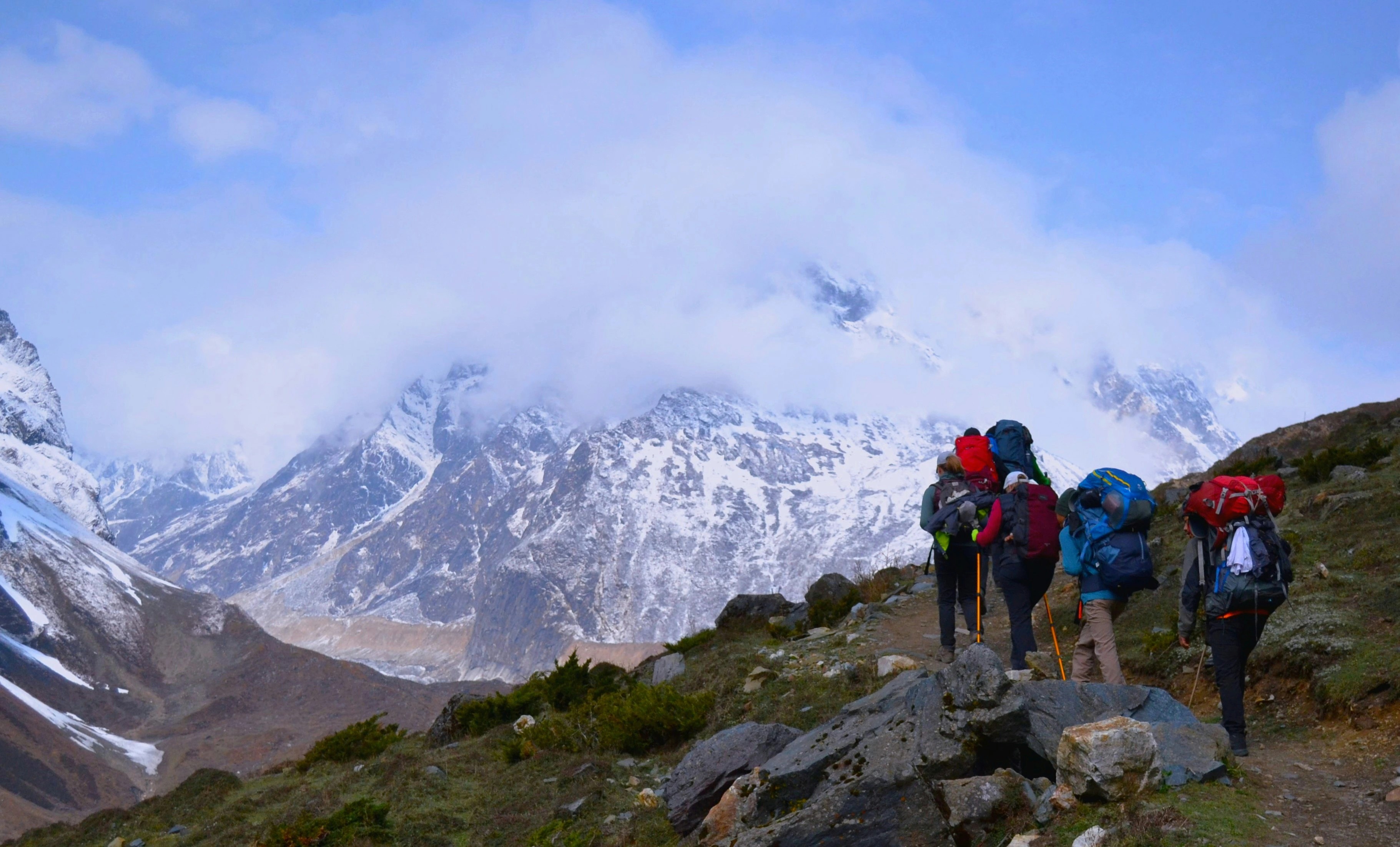
Duration: 14–18 days
Maximum Altitude: 4,500m
Difficulty Level: Moderate to challenging
Tsum Valley Trek offers cultural immersion alongside physical demands. This restricted region preserves Tibetan Buddhist traditions rarely accessible elsewhere.
Technical difficulty rates lower than other entries, but remoteness and duration create genuine challenge. The valley's isolation means limited infrastructure and longer emergency response times.
This route suits those seeking physically demanding treks with exceptional cultural depth rather than maximum altitude objectives.
| Trek Name | Days | Max Altitude | Passes Crossed | Technical Difficulty |
|---|---|---|---|---|
| Everest Three Passes | 20 | 5,545m | 3 | High |
| Dhaulagiri Circuit | 20 | 5,360m | 2 | Very High |
| Kanchenjunga Circuit | 24 | 5,143m | 2 | Moderate-High |
| Makalu Base Camp | 20 | 5,050m | 0 | Moderate-High |
| Manaslu Circuit | 16 | 5,106m | 1 | High |
| Annapurna Circuit | 15 | 5,416m | 1 | Moderate-High |
| Tsum Valley | 15 | 4,500m | 0 | Moderate |
Generic fitness programs fail at altitude. Specific preparation targeting high-altitude demands separates successful trekkers from those who struggle.
AMS affects nearly everyone above 3,500 meters. The question isn't whether you'll experience symptoms—it's how well you recognize and respond to them.
Spring offers stable weather and warming temperatures. Higher passes clear of snow by late April. Rhododendron blooms add visual rewards to physical effort.
Late spring brings increased haziness from lower-altitude dust and pre-monsoon buildup.
Peak season delivers optimal conditions. Clear skies, moderate temperatures, and stable weather patterns create ideal trekking windows.
October and November see the highest trail traffic on popular routes but remain manageable on remote alternatives.
Winter transforms challenging treks into technical expeditions. Snow accumulation closes high passes. Temperatures plunge to -30°C at altitude. Teahouses close in remote regions.
Monsoon brings daily precipitation, trail-destroying landslides, leech infestations at lower elevations, and dangerous river crossings. Only experienced trekkers with flexible timelines should consider these seasons.
Honest assessment: most entries on this list are not appropriate for first-time high-altitude trekkers.
The physical demands require proven endurance conditioning. Altitude response remains unknown until tested. Remote terrain offers no margin for inexperience errors.
However, some routes accommodate well-prepared beginners with professional guidance. The Annapurna Circuit provides challenging terrain with established infrastructure and escape routes. Careful acclimatization allows fit newcomers to experience Thorong La Pass safely.
Guided trekking with experienced operators transforms potential disasters into manageable challenges. Local knowledge compensates for inexperience—when listened to.
Independent trekking on extreme routes carries risks that experience alone doesn't eliminate.
For extreme trekking routes, guided expeditions aren't just convenient—they're essential.
Budget expectations for physically demanding treks differ substantially from standard routes.
No other location on Earth concentrates this much extreme trekking potential.
A Nepal trek challenge represents the ultimate test for serious trekkers worldwide.
The Dhaulagiri Circuit consistently ranks as the most challenging due to technical glacier crossings, sustained high-altitude camping, and extreme remoteness without teahouse infrastructure.
The Everest Three Passes Trek crosses Renjo La, Cho La, and Kongma La passes within a single 18–21 day expedition.
Yes, significantly. The Three Passes route adds 5–7 days, three high-altitude crossings, glacier navigation, and substantially more cumulative elevation gain.
Most challenging routes reach 5,000–5,545 meters at maximum elevation, with extended periods above 4,500 meters lasting multiple consecutive days.
Previous high-altitude trekking experience improves success rates substantially. Knowing your altitude response before attempting extreme routes prevents dangerous surprises.
Mild AMS symptoms affect nearly all trekkers above 3,500 meters. Proper acclimatization prevents progression to serious conditions in most cases.
The most challenging routes require 15–28 days. Shorter options exist but rarely qualify as genuine high-altitude trekking challenges.
The Annapurna Circuit offers challenging terrain with established infrastructure, multiple escape routes, and reliable emergency access compared to more remote alternatives.
High-altitude trekking demands more than enthusiasm. It requires experience-based planning, safety-first decision making, and local expertise developed over years of Himalayan expeditions.
Experienced guides recognize altitude sickness progression before trekkers do. They know when weather demands turnaround—and when conditions allow safe passage.
Flexible itineraries accommodate real-world conditions. Trail damage, weather delays, and acclimatization needs require adjustment capability built into planning.
Emergency preparedness separates professional operations from budget alternatives. Satellite communication, evacuation protocols, and comprehensive insurance coordination save lives when situations deteriorate.
Majestic Trails Nepal brings this expertise to challenging routes throughout the Himalayas. Their team specializes in remote Himalayan treks requiring genuine high-altitude competence.
Contact Majestic Trails Nepal to plan your ultimate Nepal trek challenge with expert local support.

Let's cut straight to it. Autumn, specifically September through November, is the best time to trek in Nepal. Spring runs a very close second, coverin...
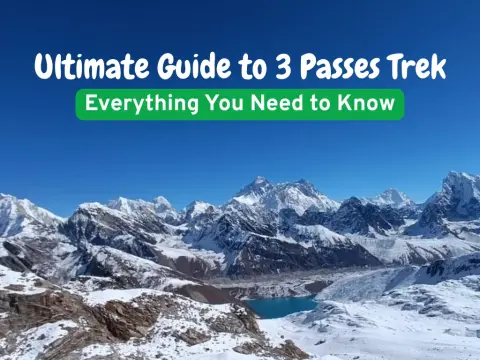
Nepal, cradled by the majestic Himalayas, calls out to adventurers with its unrivaled trekking opportunities. While the Everest Base Camp (EBC) trek a...
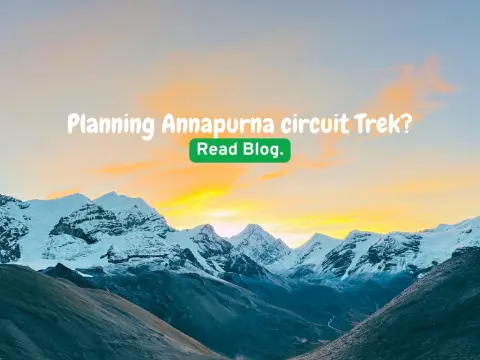
The Annapurna Circuit Trek is one of the world’s most legendary long-distance treks — a journey that circles the Annapurna massif through Nepal’s most...
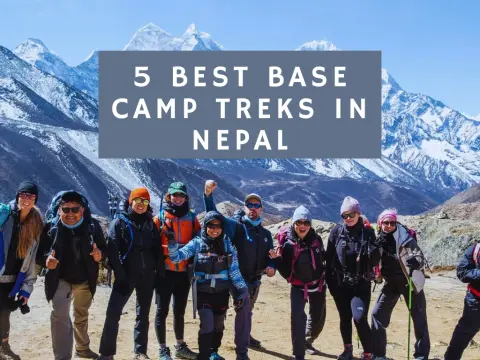
The first rays of dawn strike the summit of an 8,000-meter giant. Your breath forms clouds in the crisp mountain air. Below your feet, ancient glacier...
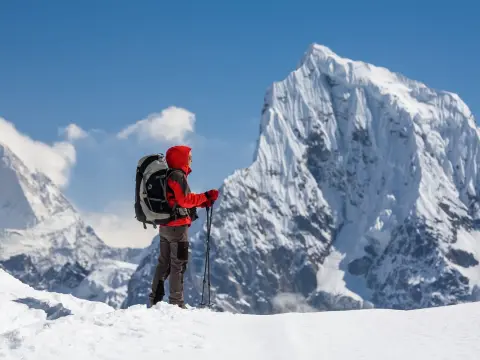
What Is the "3 Peaks Trek Nepal"?If you've been searching for the 3 Peaks Trek Nepal, you're likely looking for one of the most challenging and reward...
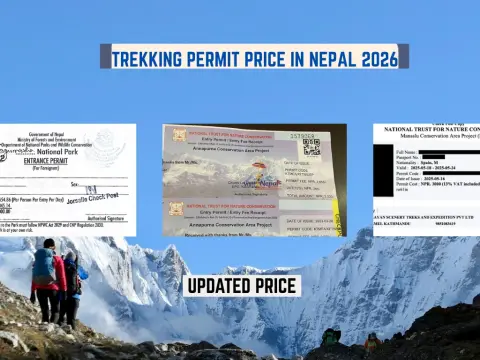
IntroductionPlanning a trek in Nepal requires more than just physical preparation—you also need the right permits. Trekking permits are official docum...
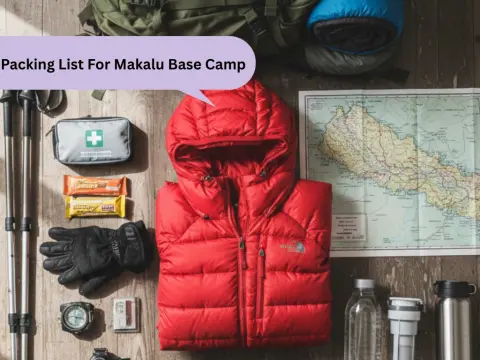
The Makalu Base Camp trek doesn't forgive packing mistakes. Unlike Everest or Annapurna where you can buy forgotten gear at the next village, Makalu's...
If you've ever wondered why trekking in Nepal captivates adventurers from every corner of the globe, the answer lies in its extraordinary combination...
The 3 passes trek Nepal itinerary represents one of the most challenging and rewarding high-altitude adventures in the Himalayas. This epic journey ta...
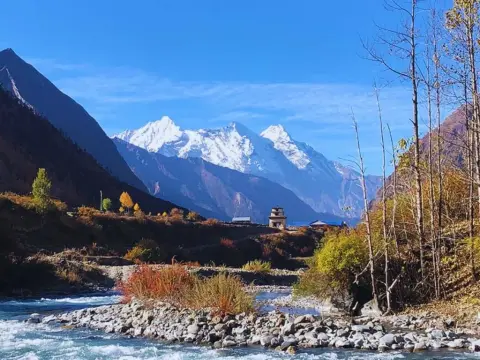
Planning your journey to one of Nepal's most sacred and remote valleys? Understanding the best time to do Tsum Valley Trek in Nepal is essential for a...

The ACT Nepal Trek stands as one of the most iconic high-altitude adventures on Earth, drawing thousands of trekkers annually to Nepal's magnificent A...
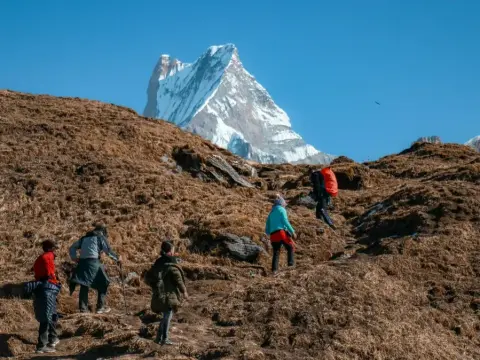
The Best Nepal treks from Kathmandu represent some of the most spectacular mountain journeys on Earth, all accessible from Nepal's vibrant capital cit...
