
Manaslu Circuit Trek in February – A Winter Himalayan Adventure in Nepal
17 Jan 2026
There are treks that impress you, and then there are treks that change you. As someone who has guided and explored many routes across the Himalayas wi...

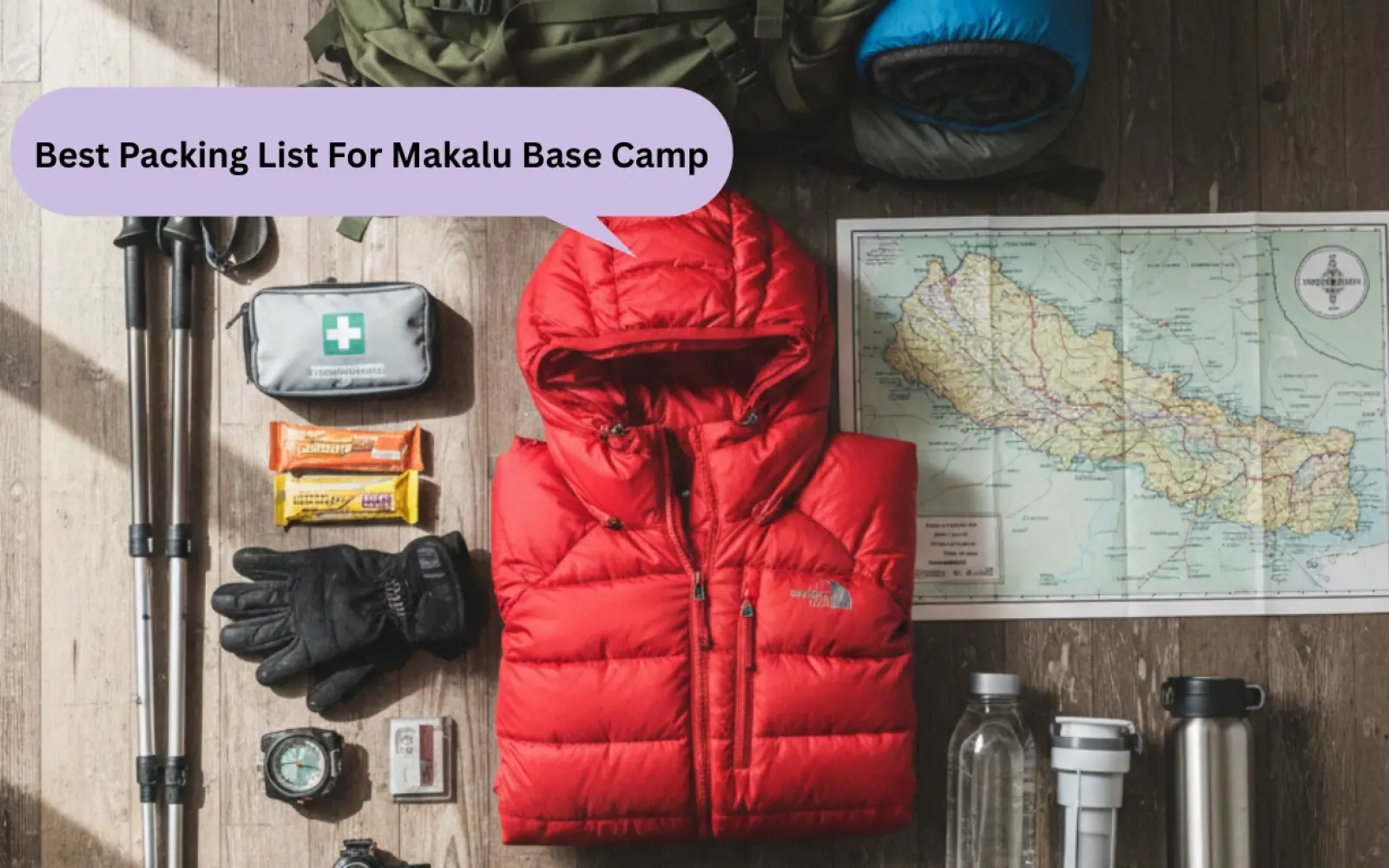

The Makalu Base Camp trek doesn't forgive packing mistakes. Unlike Everest or Annapurna where you can buy forgotten gear at the next village, Makalu's remote Barun Valley offers no second chances. Once you leave Tumlingtar, the last town with proper shops, you're committed to whatever sits in your backpack for the next two weeks.
Creating the right Packing list for Makalu Base Camp trek requires understanding what makes this route fundamentally different. At Majestic Trails Nepal, we've watched trekkers struggle with inadequate gear and seen others cruise comfortably through the same conditions—the difference almost always comes down to preparation, not fitness.
While routes like the Manaslu Circuit Trek offer regular villages with basic supplies, Makalu demands expedition-style self-sufficiency. This guide shares exactly what we recommend based on years of guiding this extraordinary route.
Makalu-Barun National Park contains Nepal's most isolated major trekking destination. Consider these realities:
We've seen trekkers arrive at Yangri Kharka with boots that were "fine for Annapurna" only to develop serious blisters on Makalu's rougher terrain. With no alternatives available, their trek became a painful survival exercise rather than the adventure they'd planned.
The Makalu Base Camp altitude reaches 4,870 meters, but the challenge isn't just the height—it's the rapid elevation changes combined with remote location. Your gear must handle:
Proper Makalu Base Camp altitude gear isn't about luxury—it's about safety and completing your trek successfully.
Your packing strategy must account for dramatic climate shifts:
| Altitude Zone | Elevation | Temperature Range | Clothing Priority |
|---|---|---|---|
| Lower Valley | 800m – 2,000m | 15°C to 30°C | Breathable, moisture-wicking |
| Mid-Mountain | 2,000m – 3,500m | 5°C to 20°C | Layering flexibility |
| High Altitude | 3,500m – 4,500m | -5°C to 10°C | Insulation + wind protection |
| Alpine/Base Camp | 4,500m – 4,870m | -15°C to 5°C | Maximum warmth + protection |
The Makalu Base Camp clothing list follows a proven three-layer system:
Base Layer: Moisture management (moves sweat away from skin)
Mid Layer: Insulation (traps body heat)
Outer Layer: Protection (blocks wind, rain, snow)
This system allows you to regulate temperature as you move between hot, sweaty ascents and freezing rest stops—often within the same hour.
Base Layers
Mid Layers
Outer Layers
Extremity Protection
Expert Tip: We've found that clients underestimate hand protection more than any other item. At base camp, you'll need gloves just to hold your camera. Bring three levels of hand insulation.
Boot Requirements for Makalu:
| Feature | Minimum Standard | Recommended |
|---|---|---|
| Ankle Support | Mid-cut | High-cut |
| Waterproofing | Water-resistant | Gore-Tex lined |
| Sole Stiffness | Semi-rigid | Rigid (crampon compatible) |
| Insulation | Light | Moderate |
| Break-in Period | 50+ km | 100+ km |
Critical Note: The Barun Valley trek section includes rocky moraine, stream crossings, and potentially snowy terrain. Lightweight trail runners are insufficient—bring proper trekking boots.
Sleeping Bag Guidance:
| Season | Minimum Rating | Recommended Rating |
|---|---|---|
| Spring (Mar-May) | -10°C comfort | -15°C comfort |
| Autumn (Sep-Nov) | -15°C comfort | -20°C comfort |
| Winter (Dec-Feb) | -25°C comfort | -30°C comfort |
Teahouse bedding on the Makalu route is basic—often just a wooden platform with a thin mattress. Your sleeping system is your primary comfort and safety equipment.
If Trekking with Porter:
If Carrying Everything:
Porter Weight Limit: 25-30kg per porter is standard. Pack your duffel accordingly and keep essentials in your daypack (rain gear, snacks, water, camera, first aid).
Basic First Aid
Altitude Medication
Personal Medications
Expert Tip: The nearest hospital is in Tumlingtar—days away from base camp. Your medical kit must handle minor emergencies independently. We recommend discussing altitude medications with a travel medicine specialist before departure.
Eco-Responsibility: Pack out all non-biodegradable waste. Makalu-Barun National Park is a pristine wilderness—help keep it that way.
Trekking Pole Note: The rocky descent from base camp is brutal on knees. Poles reduce joint impact by 25-30% and improve stability on glacial moraine.
Power Reality Check:
Insurance Critical: Verify your policy explicitly covers helicopter evacuation at altitude. Generic travel insurance often excludes this—you need adventure/trekking-specific coverage.
Spring offers warmer temperatures but requires:
Temperature range: -5°C to 20°C
Peak season demands full Makalu Base Camp gear list:
Temperature range: -15°C to 15°C
The Makalu Base Camp winter packing list requires expedition-level preparation:
Temperature range: -25°C to 5°C
Winter Warning: We only recommend winter Makalu attempts for experienced mountaineers with cold-weather camping skills.
We don't recommend monsoon trekking to Makalu, but if unavoidable:
Reality: Trails become dangerous, views disappear, leeches attack relentlessly. Postpone if possible.
Carry in Daypack (Always Accessible):
In Porter Duffel:
| Trek Style | Daypack Weight | Total Weight |
|---|---|---|
| With Porter | 5-8 kg | 15-20 kg (porter carries rest) |
| Self-Carry | 12-15 kg | Same (minimize luxury items) |
Guided Trek (with Majestic Trails Nepal):
Solo Trek:
Leave these behind:
Every extra kilogram slows progress and increases costs. The trail between Khongma and base camp is genuinely difficult—your porter will thank you for packing smart.
Weight-Saving Swaps:
Understanding packing differences between these two wilderness treks helps prepare appropriately:
| Factor | Makalu Base Camp | Manaslu Circuit Trek |
|---|---|---|
| Maximum Altitude | 4,870m | 5,160m (Larkya La) |
| Cold Exposure | Extreme (glacier proximity) | High |
| Sleeping Bag Rating | -15°C to -20°C | -10°C to -15°C |
| Teahouse Spacing | 8-10 hours apart | 4-6 hours apart |
| Emergency Supplies | 7+ days self-sufficient | 3-4 days sufficient |
| Water Treatment | Essential (limited boiled water) | Optional (widely available) |
| Gear Shops on Route | None | Basic supplies at checkpoints |
| Footwear | Heavy-duty mandatory | Standard trekking boots acceptable |
Bottom Line: Makalu requires more expedition-style preparation than Manaslu Circuit Trek, despite Manaslu reaching higher altitude. The remoteness factor, not elevation, drives the difference.
After years guiding the Barun Valley, certain patterns emerge:
Boot Problems (#1 Issue)
Trekkers bring boots that worked on shorter treks but fail on Makalu's demanding terrain. The glacial moraine between Langmale and base camp destroys inadequate footwear. We recommend boots with:
Underestimating Cold
Base camp sits beside an active glacier. Even in October, nighttime temperatures drop to -12°C to -15°C. We've seen trekkers with "three-season" sleeping bags spend sleepless nights shivering. Bring genuine cold-weather rated gear.
Insufficient Hand/Face Protection
At 4,870m, wind chill can plummet temperatures dramatically. Liner gloves aren't enough—bring proper insulated mittens.
Camera Battery Failure
Cold kills lithium batteries. Sleep with batteries and power banks in your sleeping bag. Bring more backup batteries than you think necessary.
Our Nepali guides, who've completed dozens of Makalu treks, tend to:
Ignore the "lower limit" rating on sleeping bags—use the "comfort" rating for realistic expectations:
| Season | Marketing Rating | Actual Comfort Rating Needed |
|---|---|---|
| October | -15°C limit | -15°C to -20°C comfort |
| November | -20°C limit | -20°C comfort |
| April | -10°C limit | -15°C comfort |
For our complete Makalu Base Camp Trek packages, we provide detailed gear consultation before departure.
Your sleeping bag. Teahouse bedding is minimal, temperatures drop significantly at altitude, and poor sleep compounds altitude sickness risk. Invest in a quality sleeping bag rated to -15°C comfort (or colder for autumn/winter).
If trekking with a porter, keep your daypack between 5–8 kg with essentials (rain gear, water, snacks, camera, first aid). Total gear weight including porter’s load should stay under 25–30 kg combined.
Standard high-cut waterproof trekking boots with rigid soles are sufficient for the standard base camp trek. Mountaineering boots are only necessary for winter treks or extended high-altitude exploration above base camp.
Yes, Kathmandu’s Thamel district offers sleeping bags, down jackets, and trekking poles for rent. However, quality varies significantly. For critical items (boots, sleeping bags), bring your own tested gear or rent from reputable operators. Nothing is available beyond Tumlingtar.
Makalu requires more emergency self-sufficiency gear due to remoteness. Everest Base Camp has tea houses every few hours and faster rescue access. Makalu’s isolation means carrying extra supplies for weather delays and using higher-quality gear overall.
The packing list for Makalu Base Camp trek isn't about bringing everything possible—it's about bringing exactly what you need, in quality that won't fail when it matters.
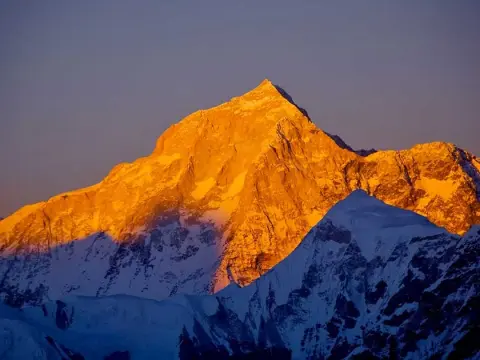
Makalu rewards trekkers who respect its challenges. Proper preparation removes obstacles between you and the extraordinary experience of standing beneath Nepal's fifth-highest peak, watching dawn light transform the greatest mountain walls on Earth.
Pack smart. Test everything before departure. And when in doubt, choose quality over quantity.
Ready to experience Makalu properly prepared? Explore our Makalu Base Camp Trek packages or contact our team to discuss gear recommendations specific to your travel dates.
There are treks that impress you, and then there are treks that change you. As someone who has guided and explored many routes across the Himalayas wi...
Makalu Base Camp Trek in the monsoon offers one of Nepal’s most remote and raw trekking experiences. Located inside Makalu Barun National Park, named...
Nepal is a country defined by mountains. Stretching across the country’s northern edge, the Himalayas pack Earth’s highest peaks into one nation. Eigh...
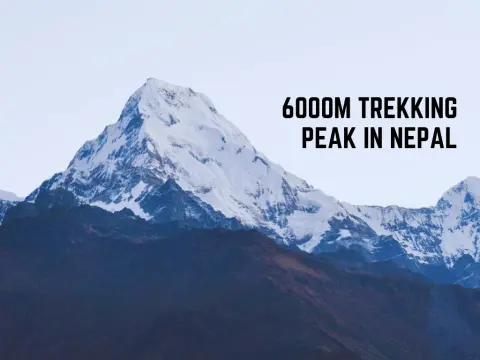
Why 6000m Trekking Peaks Nepal Should Be Your Next AdventureStanding atop a 6000-meter summit in the Himalayas, with prayer flags snapping in the wind...
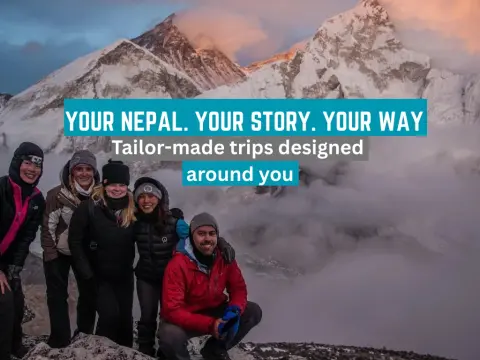
Introduction"Tailor-made Nepal trips put you in control: Discuss routes, adjust plans, and experience the Himalayas your way with expert local guides"...
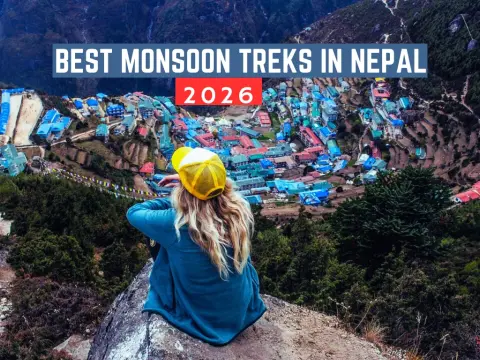
A monsoon trek in Nepal transforms the Himalayas into something most trekkers never witness—thundering waterfalls, emerald valleys, and ancient trails...
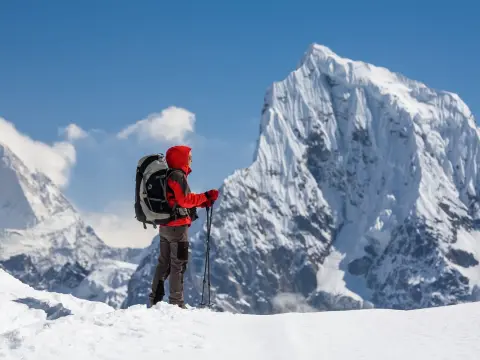
What Is the "3 Peaks Trek Nepal"?If you've been searching for the 3 Peaks Trek Nepal, you're likely looking for one of the most challenging and reward...
Introduction: Understanding Makalu Base Camp Trek DifficultyThe Makalu Base Camp trek difficulty requires honest evaluation before committing to this...
If you've ever wondered why trekking in Nepal captivates adventurers from every corner of the globe, the answer lies in its extraordinary combination...
