Discover how we keep every trek safe, ethical, and unforgettable Read Our Safety Standards >>
Majestic Trails Nepal

Makalu Base Camp Trek

(2 reviews)

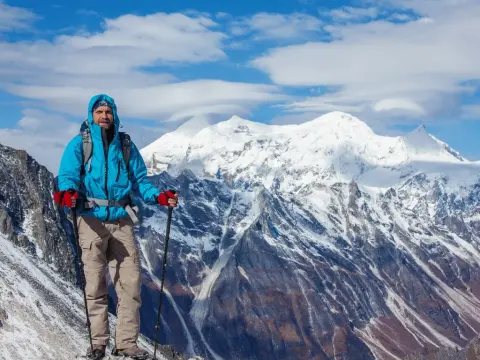
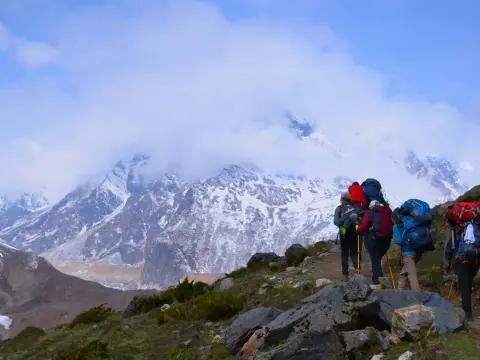
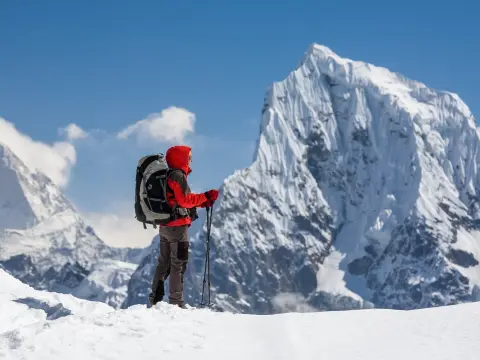
The Makalu Base Camp trek takes you through one of Nepal’s most remote and untouched Himalayan regions. From lush lowland forests to high alpine meadows and glaciers, every step reveals breathtaking landscapes and unique wildlife. This 17-day journey is perfect for adventurers seeking solitude, challenge, and a true connection with the mountains.

Trip Facts of Makalu Base Camp Trek

Max. Elevation
4870 m / 15977 ft
Group size
2
Level
Difficult
Transportation
Flight/ Private vehicles
Best Season
Mar - May, Sep - Nov
Starts at / Ends at
Kathmandu / Kathmandu
Accommodation
Included   ? 2 nights in a 3-star hotel in Kathmandu.
Rooms with attached private bathrooms or common bathrooms during the trek
depending on availability..
Meals
Included ? Breakfast included at Kathmandu
Breakfast, lunch, and dinner are included during the whole Trek
With 3 cups of Hot drinks per day.
Trip Route
Kathmandu → Tumlingtar (flight) → Seduwa → Tashi → Khongma Dada → Shipton La Pass → Dobate → Yangle Kharka → Acclimatization at Yangle Kharka → Langmale Kharka → Makalu Base Camp → Exploration Day at Makalu Base Camp → Yangle Kharka → Dobate → Danda Kharka → Seduwa → Tumlingtar → Kathmandu

What Makes the Makalu Base Camp Trek Special

  • Trek through Makalu Barun National Park, one of the most remote and pristine Himalayan regions in Nepal
  • Witness dramatic elevation gain from 460 m / 1,509 ft to 4,870 m / 15,978 ft at Makalu Base Camp
  • Cross Shipton La Pass, an iconic high mountain pass with views of glaciers, ridges, and distant Himalayan peaks
  • Explore Sherong Lake, a turquoise glacial lake nestled beside the trail near the base camp
  • Traverse rivers, waterfalls, landslide-prone slopes, and glacial streams, experiencing the ever-changing Himalayan landscape
  • Walk through ancient rhododendron, fir, and bamboo forests, as well as high alpine meadows with yak pastures
  • Encounter remote Sherpa, Rai, and Limbu villages, gaining insight into their unique culture, subsistence farming, and high-altitude lifestyle
  • Experience extreme weather and terrain, from warm lowland valleys to snow-covered highlands, flurries, and icy winds
  • Stay in small lodges and tea houses along the trail, blending comfort with wilderness
  • Enjoy spectacular views of towering peaks, including Makalu (8,463 m / 27,766 ft), Luti, and Consonai
  • Observe wildlife and biodiversity, including alpine flora and over 400 species of birds, in the Burun Valley region
  • Reach Makalu Base Camp, a glacial amphitheater with jagged peaks, frozen lakes, and the world’s fifth-highest mountain looming above
  • Trek in solitude, away from crowds, for a truly immersive Himalayan experience

Overview Of Makalu Base Camp Trek

If you're searching for a Himalayan trek that still feels genuinely remote, where days can pass without meeting another trekking group, the Makalu Base Camp Trek delivers one of the most authentic mountain experiences left in Nepal. While thousands of trekkers head toward Everest Base Camp or the Annapurna region every year, the trail to Makalu Base Camp remains one of Nepal's least-visited trekking routes. That sense of isolation is exactly what attracts experienced trekkers looking for a deeper connection with the mountains. Dominating the skyline is Mount Makalu (8,485 m), the fifth highest mountain in the world, whose massive pyramid-shaped summit rises dramatically above the wild landscapes of eastern Nepal.

The Makalu Base Camp Trek begins with a scenic flight to Tumlingtar and a drive to Seduwa, the gateway to Makalu Barun National Park. From the very first days on the trail, the diversity of the region becomes clear. The route passes through traditional mountain villages, terraced farmland, dense forests, and high alpine terrain, offering a remarkable range of scenery within a relatively short distance. As you gain altitude, the environment changes dramatically, taking you from lush subtropical valleys to rugged landscapes shaped by glaciers, rivers, and towering Himalayan peaks.

One of the defining features of the Makalu Trek is its journey through the spectacular Barun Valley, a remote wilderness corridor considered one of the most ecologically diverse areas in the Himalayas. Protected within Makalu Barun National Park, this region supports a wide variety of plant and animal life, including rare species such as the red panda and snow leopard. Unlike many popular trekking areas in Nepal, the trails here remain largely untouched by mass tourism, allowing trekkers to experience the mountains in a quieter and more natural setting.

The route also crosses Shipton La Pass, an important milestone on the trek that rewards the effort with sweeping mountain views. Beyond the pass, the trail gradually enters the upper Barun Valley, where the scenery becomes increasingly dramatic. Peaks such as Baruntse, Chamlang, and Makalu dominate the horizon, while vast glacial landscapes create a sense of scale that is difficult to appreciate until experienced in person. Reaching Makalu Base Camp at 4,870 meters is a major achievement, and the included exploration day provides time to fully appreciate the surroundings and enjoy some of the finest mountain views in eastern Nepal.

The Makalu Base Camp Trek is considered a challenging high-altitude adventure best suited to trekkers with good fitness levels and previous trekking experience. Long walking days, remote conditions, and significant elevation gain make it more demanding than many classic tea house treks. However, for those seeking an off-the-beaten-path trek in Nepal, the rewards are exceptional. From the rich biodiversity of Makalu Barun National Park to the dramatic landscapes of the Barun Valley and the unforgettable presence of Mount Makalu, this trek offers a rare opportunity to experience one of the Himalayas' last truly wild trekking destinations.

Swipe horizontally to compare treks →
Trek Name Duration Difficulty Price Key Features
Manaslu Circuit Trek 15 Days Challenging From USD 1380 Remote off the beaten path
Mardi Himal Trek 9 Days Moderate From USD 630 Secluded trail with close-up Mardi Himalayan views
Pikey Peak Trek 10 Days Moderate From USD 1,090 Quiet trails, cultural villages, panoramic Everest region views

Things to Know Before Makalu Base Camp Trek

The trek starts from Tumlingtar (460 m / 1,509 ft) after a flight from Kathmandu, so plan your arrival and domestic flight timing carefully


Makalu Base Camp trek is strenuous and remote, requiring good physical fitness and prior trekking experience


The trail passes through steep ascents, landslide-prone slopes, rivers, waterfalls, and glaciers, so proper trekking gear and boots are essential


Accommodation is basic tea houses and lodges; rooms may be shared, and facilities are limited at higher elevations


Food and water are available at tea houses, but carry snacks and water purification tablets for safety


The route includes high mountain passes like Shipton La (3,860 m / 12,664 ft); these require careful walking and caution during snow or ice


Carry travel insurance covering high-altitude trekking


The trek involves daily walks of 4–8 hours, depending on elevation gain; pace will vary according to your fitness and acclimatization


If you want to trek Makalu Base Camp in the monsoon, then read our blog Makalu Base Camp Trek in Monsoon – Explore Nepal’s Most Isolated National Park for real trail insights, conditions, and what to expect on this remote Himalayan adventure. 

Itinerary of Makalu Base Camp Trek

Upon arrival at Tribhuvan International Airport, Kathmandu (1,400 m / 4,593 ft), your guide will come to pick you up and transfer you to your hotel. Once settled, you will have a meeting with the owner of Majestic Trails Nepal at the hotel to go through a detailed briefing about the Makalu Base Camp trek.

 During this session, you will review permits, the route, trekking gear, and other important details for the journey ahead. In the evening, relax and enjoy your first taste of Kathmandu, preparing yourself for the adventure that begins the next day.

Makalu Base Camp Trek

Max. altitude

1,400m / 4,593 ft.
Makalu Base Camp Trek

Accommodation

3-star Hotel

Early in the morning, you will take a flight from Kathmandu to Tumlingtar Airport (460 m / 1,509 ft). Tumlingtar is a small airstrip nestled in the Arun Valley, surrounded by the first ridges of the eastern Himalayas. Upon arrival, you will feel the immediate contrast: the hustle of Kathmandu replaced by the peaceful rural valley, with rivers rushing and terraced fields spreading along the mountainsides.

From Tumlingtar, you will take a private vehicle for approximately 3–4 hours to reach Sedua (also called Seduwa) at 1,400 m / 4,593 ft, which marks the entry point to the Makalu Barun National Park. The drive passes through the district headquarters of Khadbari (approx. 340 m / 1,115 ft), where you may stop briefly. With the advancement of the road, the vehicle can now enter deep into the buffer zone of the national park, cutting down walking time. Along the way, the landscape changes constantly: lowland farmland, forests of rhododendron and bamboo, and small villages of Sherpa, Rai, and Limbu communities. The river gorges deepen as you approach Sedua, and the scent of the Himalayan forests mingles with the fresh mountain air.

Sedwa is your first overnight stop. This is the last major village before the high Himalayan wilderness. Here, you will check in at a teahouse or lodge, organize your gear, and spend time acclimatizing to the lower Himalayan altitude. Sedwa is surrounded by small terraced farms, and the locals primarily engage in subsistence farming and hospitality for trekkers. You will have the chance to enjoy local cuisine, such as rice, potatoes, and dal bhat, and relax in the communal spaces of the lodge.

Makalu Base Camp Trek

Max. altitude

1,400m / 4,593 ft.
Makalu Base Camp Trek

Accommodation

Lodge
Makalu Base Camp Trek

Meals

Breakfast, Lunch and dinner

After a night in Sedua, the entry point of Makalu Barun National Park, you will begin your trek by leaving behind the last signs of lowland village life. The trail starts gently, passing through small settlements and farmlands, before entering the dense, ancient forests of rhododendron, fir, and bamboo. Crossing the Burun River multiple times on wooden bridges, you will gradually gain elevation, feeling the temperature drop and the air grow crisp.

After several hours of steady walking, you will reach Tashi at 2,100 m (6,890 ft), the last permanent Sherpa settlement along the route. This village, with about 80 households, serves as a final base for supplies, hot meals, and rest before the steep Himalayan ascent begins. You can enjoy lunch at one of the small tea houses, interact with the locals, and witness their subsistence lifestyle of millet, rice, maize, and potato farming. Tashi marks the threshold to the high Himalayas, where village comforts end, and the real wilderness of Makalu begins.

Makalu Base Camp Trek

Max. altitude

2,100m / 6,890 ft.
Makalu Base Camp Trek

Accommodation

Lodge
Makalu Base Camp Trek

Meals

Breakfast, Lunch and dinner

You will leave Tashi early in the morning and begin the steep climb into the high Himalayas. The trail winds through dense rhododendron and fir forests, with occasional streams and small waterfalls along the way. As you ascend, the forests start to thin, and the air becomes cooler and thinner, signaling the approach to the alpine zone.

You will stop for lunch along the trail at a small resting point, taking in views of the surrounding valleys and distant peaks. After lunch, the trail continues climbing with multiple switchbacks until you reach Khongma Dada at 3,560 m (11,680 ft). This ridge camp offers basic lodges, limited facilities, and panoramic views of the valley below. Here, you will stay overnight, preparing for the long pass crossing the next day.

Makalu Base Camp Trek

Max. altitude

3,560m / 11,680 ft.
Makalu Base Camp Trek

Accommodation

Teahouse
Makalu Base Camp Trek

Meals

Breakfast, Lunch and dinner

You will start early from Khongma Dada (3,560 m / 11,680 ft), leaving the ridge camp behind as the trail climbs steadily toward the Shipton La Pass (4,200 m / 13,780 ft). The path here is high alpine, with sparse vegetation and rocky terrain, and you may encounter partially frozen streams and glacial runoff. Walking through the clouds, you will notice the landscape alternating between sunlight and mist, revealing jagged peaks and endless ridgelines stretching toward Tibet.

After a few hours of climbing, you will reach the Shipton La Pass, named after the British explorer Eric Shipton, who used this route during early Everest expeditions. The pass offers expansive views of the surrounding peaks and glaciers. You will take a lunch break near the top, where the wind can be strong and the air thin. After lunch, the trail descends cautiously into a rocky valley toward Dobate (3,860 m / 12,664 ft). Dobate is a tiny outpost, consisting of just one lodge perched beside a steep hillside, offering basic accommodation and meals. You will stay overnight here, resting after one of the most challenging days of the trek.

Makalu Base Camp Trek

Max. altitude

3,860m / 12,664 ft.
Makalu Base Camp Trek

Accommodation

Teahouse
Makalu Base Camp Trek

Meals

Breakfast, Lunch and dinner

You will leave Dobate (3,860 m / 12,664 ft) in the morning and begin a gradual descent along the steep hillside into the Burun Valley. The trail passes through rocky slopes and patches of alpine meadows, with occasional small streams flowing from nearby glaciers. Landslides are common along this section, so careful footing is necessary. You will pass isolated shrubberies and notice the changing vegetation as the air grows slightly warmer with each step down.

After a few hours of trekking, you will reach Yangle Kharka (3,630 m / 11,910 ft), a highland grazing area dotted with small lodges and yak herders’ huts. This area is often covered with snow in the early season and mud during the monsoon, providing a challenging yet scenic environment. You can stop for lunch at one of the tea houses and enjoy views of the surrounding peaks and ice-clad cliffs. Overnight will be spent at a lodge in Yangle Kharka, where you can rest and acclimatize before the next day’s hike.

Makalu Base Camp Trek

Max. altitude

3,630m / 11,909 ft.
Makalu Base Camp Trek

Accommodation

Teahouse
Makalu Base Camp Trek

Meals

Breakfast, Lunch and dinner

Today is a rest and acclimatization day at Yangle Kharka. You can take short walks around the highland pastures where yaks graze, exploring the streams and small ice patches that linger even in summer. The surrounding peaks are often shrouded in mist in the morning, revealing jagged cliffs and glacial ridges as the sun rises.

You may notice the snow flurries from the previous night gently covering the paths, and the soft crunch of frost underfoot as you wander near the lodge. This day also offers the chance to interact with yak herders, observe alpine wildflowers, or simply rest and enjoy the silence of the high Himalayas.

Makalu Base Camp Trek

Max. altitude

3,630m / 11,909 ft.
Makalu Base Camp Trek

Accommodation

Teahouse
Makalu Base Camp Trek

Meals

Breakfast, Lunch and dinner

You leave Yangle Kharka early, stepping into the alpine meadows where the Burun River threads quietly through the valley. The trail gradually climbs through areas dotted with yak herders’ huts, past snow-melt streams and landslide-prone slopes. Mist may roll through the valleys, revealing glimpses of distant peaks like towering frozen walls of ice and rock.

After a steady climb of several hours, you arrive at Langmale Kharka (4,410 m / 14,468 ft). The plateau is dotted with a few small lodges and surrounded by glaciers hanging from the surrounding mountains. You will notice how the landscape gradually shifts from lush meadows to rocky ridges and scattered snowfields. Lunch is served at one of the lodges, and in the afternoon, you can explore the meadows, watch yaks grazing, or photograph the vast alpine vistas before resting for the night.

Makalu Base Camp Trek

Max. altitude

4,410m / 14,469 ft.
Makalu Base Camp Trek

Accommodation

Teahouse
Makalu Base Camp Trek

Meals

Breakfast, Lunch and dinner

Leaving Langmale Kharka early, you enter the final high alpine stretch toward Makalu Base Camp. The trail weaves through frostbitten grass, scattered boulders, and patches of snow. You pass Sherong Lake, a still turquoise glacial lake quietly sitting off to the side of the path, and follow the Burun River as it cuts through the wide valley.

The last stretch is dramatic: glaciers hang among peaks, and the wind picks up as the valley opens into the broad glacial amphitheater of Makalu Base Camp (4,870 m / 15,978 ft). Here, you will see three small lodges nestled against a backdrop of towering ice walls, with the massive south face of Makalu rising above 8,463 m (27,766 ft). You can explore the glacial valley, walk to nearby moraine ridges, or relax at the lodge while enjoying the stark silence of this remote Himalayan environment.

Makalu Base Camp Trek

Max. altitude

4,870m / 15,978 ft.
Makalu Base Camp Trek

Accommodation

Teahouse
Makalu Base Camp Trek

Meals

Breakfast, Lunch and dinner

Today is spent fully at Makalu Base Camp, allowing you to acclimatize and explore the immediate surroundings. You can walk along the glacial valley, visit the small turquoise lake formed by glacial melt, and photograph the towering 8,463 m / 27,766 ft peak of Makalu. Local lodges serve meals throughout the day, and the quiet of the base camp is broken only by the crunch of boots on frost and the occasional movement of climbers. 

This day allows you to enjoy the raw, untouched high Himalayan environment and prepare mentally and physically for the return journey.

Makalu Base Camp Trek

Max. altitude

4,870m / 15,978 ft.
Makalu Base Camp Trek

Accommodation

Teahouse
Makalu Base Camp Trek

Meals

Breakfast, Lunch and dinner

You leave Makalu Base Camp early, retracing the trail along the glacial plain and Sherong Lake. The path descends gradually through scattered boulders and frostbitten grass, past remnants of snow and ice from the previous days. You follow the Burun River as the valley narrows, with high cliffs on either side, providing dramatic views of cascading waterfalls and hanging glaciers.

After several hours, you reach Yangle Kharka (3,630 m / 11,910 ft). Lunch can be taken at one of the lodges along the trail or upon arrival. The lodge offers a place to rest, enjoy hot meals, and prepare for the next stage of the descent. You can explore nearby pastures, watch yaks grazing, or photograph the alpine valley as the light changes.

Makalu Base Camp Trek

Max. altitude

3,630m / 11,909 ft.
Makalu Base Camp Trek

Accommodation

Teahouse
Makalu Base Camp Trek

Meals

Breakfast, Lunch and dinner

You leave Yangle Kharka (3,630 m / 11,910 ft) in the morning, retracing part of the route toward Dobate (3,860 m / 12,664 ft). The trail climbs gently at first, then enters a rugged highland section with scattered snow patches and frostbitten streams. You pass through alpine meadows dotted with yaks, small lodges, and occasional Sherpa herder huts. Along the way, landslide-prone slopes remind you of the ever-changing and “alive” nature of the Himalayas.

Lunch is taken at a small teahouse along the way, where you can rest and enjoy views of distant peaks. In the afternoon, the trail descends carefully into Dobate, a tiny outpost nestled against a steep hillside. The lodge here is basic but welcoming, providing meals and rest for trekkers after a long, challenging day. As the sun sets, the surrounding cliffs cast long shadows across the valley, and the distant sound of waterfalls echoes in the cold Himalayan air.

Makalu Base Camp Trek

Max. altitude

3,860m / 12,664 ft.
Makalu Base Camp Trek

Accommodation

Teahouse
Makalu Base Camp Trek

Meals

Breakfast, Lunch and dinner

You leave Dobate (3,860 m / 12,664 ft) early in the morning and begin the long descent toward Danda Kharka (2,100 m / 6,890 ft). The trail drops steeply through alpine slopes, rocky ridges, and landslide-prone zones. You cross rivers, pass small waterfalls, and walk past the scattered homes of remote Sherpa and Limbu communities. The valley opens intermittently to panoramic views of surrounding peaks, while dense forests of fir, rhododendron, and bamboo appear lower down.

Along the way, you can stop at small teahouses or resting points for tea and snacks. As you descend, the temperature gradually rises, and the snow patches fade into mud and grass. Arriving at Danda Kharka, you will find lodges nestled in the highland meadows, providing a warm meal and a place to rest. The surrounding slopes are dotted with yak pastures, and the distant mountains provide a stunning backdrop for evening photography.

Makalu Base Camp Trek

Max. altitude

2,100m / 6,890 ft.
Makalu Base Camp Trek

Accommodation

Lodge
Makalu Base Camp Trek

Meals

Breakfast, Lunch and dinner

Leaving Danda Kharka (2,100 m / 6,890 ft), the trail descends steadily through lush forests of bamboo, pine, and rhododendron. You will cross fast-flowing rivers on wooden bridges and pass landslide zones typical of this active Himalayan region. Villages along the way show terraced fields of millet, maize, and potatoes, with locals engaged in farming or tending livestock.

Lunch is served at one of the small tea houses along the descent. The trail gradually flattens as you approach Seduwa (1,500 m / 4,921 ft), the gateway to Makalu Barun National Park and your last night in the highlands. You will enjoy dinner and rest at a lodge, celebrating the completion of the trek through some of the most remote and dramatic landscapes in Nepal.

Makalu Base Camp Trek

Max. altitude

1,500m / 4,921 ft.
Makalu Base Camp Trek

Accommodation

Lodge
Makalu Base Camp Trek

Meals

Breakfast, Lunch and dinner

After breakfast, you will drive from Seduwa to Tumlingtar Airport (460 m / 1,509 ft). The 3–4 hour journey passes through small villages like Khadbari and rolling lowland landscapes. 

You will cross rivers, terraced fields, and occasional forests along the way. Upon arrival at Tumlingtar, you can rest and prepare for your flight back to Kathmandu.

Makalu Base Camp Trek

Max. altitude

460m / 1,509 ft.
Makalu Base Camp Trek

Accommodation

Guesthouse
Makalu Base Camp Trek

Meals

Breakfast, Lunch and dinner

After your morning flight from Tumlingtar back to Kathmandu (1,400 m / 4,593 ft), you will be transferred to your hotel to settle in and rest. Later in the day, you will have a meeting with the owner of Majestic Trails Nepal to provide feedback on your trekking experience and share your thoughts about the guide, accommodations, and overall journey.

 This session allows you to reflect on the trek, discuss any highlights or challenges, and celebrate the achievement of completing one of Nepal’s most remote and rewarding treks. The evening is free to relax, enjoy Kathmandu, or prepare for your departure the next day.

Makalu Base Camp Trek

Max. altitude

1,400m / 4,593 ft.
Makalu Base Camp Trek

Accommodation

3-star Hotel
Makalu Base Camp Trek

Meals

Breakfast, Lunch and dinner

On your final day, you will be transferred from your hotel to Tribhuvan International Airport, Kathmandu (1,400 m / 4,593 ft) for your onward flight. This marks the conclusion of your Makalu Base Camp trek, giving you time to reflect on the incredible journey through remote valleys, high passes, glaciers, and alpine meadows. 

Say farewell to your guide and the team from Majestic Trails Nepal, carrying memories of pristine wilderness, cultural encounters, and breathtaking Himalayan views. Take with you the sense of accomplishment and the experiences of one of Nepal’s most secluded and rewarding treks.

Not satisfied with this itinerary? Make your own.
Contact Us
Elevation Chart

What’s Included in Your Trek Package

Arrival & Departure Transfers

  • Airport pickup and drop-off in Kathmandu by private vehicle (Day 1 & Day 17).
  • All airport transfers and hotel transfers as per the itinerary.

Domestic Flights & Ground Transportation

  • Round-trip domestic flights between Kathmandu and Tumlingtar (Day 2 & Day 16).
  • Private ground transportation from Tumlingtar to Seduwa (trek starting point).
  • Private ground transportation from Seduwa to Tumlingtar at the end of the trek.

Permits & Documentation

  • Makalu Barun National Park Entry Permit.
  • Restricted area and local government trekking permits where applicable.
  • All necessary trekking permits, documentation, and entry fees required for the trek.

Professional Trekking Staff

  • Experienced, English-speaking, government-licensed trekking guide throughout the trek.
  • One porter for every two trekkers (maximum 15 kg combined load per porter).
  • Guide and porter salary, insurance, accommodation, meals, and equipment.
  • All staff expenses and government taxes.

Accommodation

  • Hotel accommodation in Kathmandu on Day 1 and Day 16 on a bed-and-breakfast basis (standard 3-star hotel).
  • Teahouse/lodge accommodation throughout the trek from Seduwa to Makalu Base Camp and return on a twin-sharing basis.
  • Basic but comfortable mountain lodge accommodation in remote trekking areas.

Meals During the Trek

  • Three meals per day (breakfast, lunch, and dinner) throughout the trekking period.
  • Breakfast at the Kathmandu hotel before departure for Tumlingtar.
  • Freshly prepared meals at local teahouses and lodges along the trekking route.

Trekking Equipment

  • Down jacket (rated -15 Celcius) and sleeping bag (rated -20 Celcius) provided
  • Trekking duffel bag (70 L), Makalu trekking map, baseball cap and company T-shirt

Trekking Support & Safety

  • Comprehensive first-aid kit carried by your guide.
  • Trekking route planning and logistical support throughout the expedition.
  • Emergency assistance coordination if required during the trek.

Government Taxes & Service Charges

  • All applicable government taxes, local service charges, and trekking-related administrative fees.

What’s Not Included in Your Package

International Travel

  • International flights to and from Kathmandu (Tribhuvan International Airport).
  • Any additional domestic flights or transportation arrangements outside the standard itinerary.

Nepal Entry Visa

  • Nepal tourist visa fee (available on arrival at Kathmandu Airport).
  • Visa processing and related expenses are the sole responsibility of the trekker.

Travel & Health Insurance

  • Comprehensive travel insurance with high-altitude trekking coverage is mandatory and not included.
  • Insurance must cover emergency helicopter evacuation, medical treatment, hospitalization, trip cancellation, and repatriation.
  • Any costs related to rescue operations or medical emergencies not covered by insurance.

Meals & Beverages Not Specified

  • Lunch and dinner in Kathmandu before and after the trek (Days 1, 16, and 17).
  • All beverages throughout the trek, including bottled water, tea, coffee, soft drinks, juices, and alcoholic beverages.
  • Personal snacks, energy bars, and supplementary food items.

Teahouse & Lodge Extra Charges

  • Hot showers at teahouses and lodges along the trekking route.
  • Wi-Fi, internet access, and electronic device charging fees.
  • Additional accommodation upgrades where available.

Personal Trekking Equipment

  • Personal trekking gear including trekking boots, trekking poles, headlamp, sunglasses, gloves, and clothing layers.
  • Equipment rental or purchase costs in Kathmandu.
  • Personal first-aid items and medications.

Gratuities

  • Tips for guides, porters, drivers, and support staff. Tipping is customary in Nepal and greatly appreciated but remains entirely at your discretion.

Miscellaneous Personal Expenses

  • Laundry services, personal shopping, souvenirs, and personal expenses.
  • Costs arising from flight delays, cancellations, weather conditions, natural disasters, political disturbances, or other circumstances beyond our control.
  • Additional hotel nights, meals, transportation, or services required due to itinerary changes or early return from the trek.
  • Any services not specifically listed under the "Cost Includes" section.

Makalu Base Camp Trek– Trip Information & Details

The Makalu Base Camp trek is a strenuous and remote journey that challenges both your physical and mental endurance. You will encounter diverse terrains, from lowland forests to alpine meadows, steep ridges, landslide zones, river crossings, and glacial valleys. Weather varies dramatically—warm and humid in the lowlands, chilly and windy in high altitudes, and snow or flurries above 4,000 m / 13,123 ft. Altitude effects such as shortness of breath, fatigue, and thinner air become noticeable above 3,500 m / 11,483 ft, so acclimatization days are essential. The trek demands careful navigation across ice, snow, rocky paths, and slippery streams, while providing unmatched rewards of solitude, remote wilderness, and Himalayan grandeur.

Makalu Barun National Park is one of the most biodiverse regions in the eastern Himalayas. You will walk through ancient rhododendron and fir forests, dense bamboo groves, and alpine meadows scattered with wildflowers. The valley is home to over 400 species of birds, including pheasants and vultures, and wildlife like red pandas, musk deer, and Himalayan thar may occasionally appear. Yaks graze freely in highland pastures, and the flora changes with altitude—from subtropical lowlands to stark, frostbitten highlands above 4,000 m / 13,123 ft. The trail offers a visual feast of seasonal colors, especially during spring rhododendron bloom and autumn foliage.

The trek passes through remote Sherpa, Rai, and Limbu villages, where communities live primarily on subsistence farming, growing rice, millet, maize, and potatoes. The last permanent settlements along the trail, like Tashigaon, have small schools and basic tea houses that welcome trekkers like family. Locals maintain traditional practices, and you will see herders guiding yaks or sheep across narrow ledges. These villages provide a unique opportunity to observe high-altitude Himalayan culture, interact with families, and experience their hospitality and simple way of life.

The Makalu Base Camp trail is threaded with rivers, waterfalls, glacial streams, and ice-fed lakes. Key features include the Burun River, which runs through the valley, and Sherong Lake, a small turquoise glacial lake near the base camp. Glacial valleys and ice-carved plains dominate the higher sections, with streams partially frozen in early spring or late autumn. These natural water bodies not only provide breathtaking scenery but also mark points of rest, reflection, and wildlife observation along the trail.

Iconic high mountain passes such as Shipton La (3,860 m / 12,664 ft) offer panoramic views of surrounding peaks, glaciers, and ridges. Crossing these passes can feel like stepping into another world, with clouds moving around jagged cliffs, ice ridges, and snowfields underfoot. From the passes, you can glimpse peaks such as Makalu, Luti, and Consonai, and see layers of Himalayan ridges stretching into Tibet. These sections require careful navigation but reward trekkers with breathtaking Himalayan vistas and a sense of absolute wilderness.

Accommodation is mostly in small tea houses and lodges, offering basic but comfortable facilities. Meals typically include local Sherpa-style dishes, rice, noodles, soups, and occasional meat dishes. At higher altitudes, heating may be limited, so trekkers should expect shared rooms and cold evenings. Staying in these lodges gives you immersive exposure to local life while resting for the next day’s climb or descent.

The ideal trekking seasons are spring (March to May) for rhododendron blooms and autumn (September to November) for clear skies and moderate weather. Monsoon season (June to August) brings heavy rainfall, landslides, and slippery trails, while winter (December to February) can bring snow and freezing conditions above 3,500 m / 11,483 ft. Trekking in the recommended months ensures safer trails, better visibility of peaks, and more comfortable conditions.

Makalu Base Camp is a remote and high-altitude trek, so safety is crucial. Watch for landslides, river crossings, and loose rocks on trails. Stay hydrated, follow acclimatisation schedules, and be alert for altitude sickness symptoms such as headaches, nausea, or fatigue. Carry a first-aid kit, warm clothing, and trekking poles, and rely on local guides who are familiar with the terrain. Emergency evacuation may require helicopters in extreme cases, so planning ahead is essential.

This trek is ideal for those seeking solitude, adventure, and remote Himalayan landscapes. Unlike crowded trails in Everest or Annapurna, Makalu offers pristine wilderness, cultural encounters, high biodiversity, and dramatic elevation changes. You experience glacial valleys, alpine meadows, towering peaks, and traditional villages, all while being far from tourist hubs. It is a journey that challenges the body, refreshes the mind, and rewards trekkers with once-in-a-lifetime Himalayan scenery.

The Makalu Base Camp trek takes you through some of the most remote and pristine Himalayan landscapes, and choosing the right guide makes all the difference. At Majestic Trails Nepal, we specialize in small-group, personalized trekking experiences that combine safety, comfort, and adventure.

From the moment you arrive in Kathmandu, our team ensures a smooth and organized experience: your guide will pick you up at the airport, help with permits, and provide a detailed briefing so you are fully prepared for the trek ahead. Along the trail, our experienced guides and support staff make sure every lodge, meal, and route is carefully planned to give you an authentic yet comfortable Himalayan journey.

We believe trekking is more than reaching a destination—it’s about connecting with nature, local culture, and fellow travelers. With Majestic Trails Nepal, you can enjoy the solitude and challenge of Makalu Base Camp while knowing that every step is backed by local expertise, safety measures, and personalized attention.

Whether it’s crossing Shipton La, walking through alpine meadows, or exploring glaciers and turquoise lakes, our team ensures your trek is memorable, safe, and immersive. Choosing Majestic Trails Nepal means choosing a trekking partner that cares about your experience, blending adventure with comfort and authenticity.

For group bookings, the cost per person is as follows:

2 Person US$ 2,700

3 – 5 Person US$ 2,650

6 – 9 Person US$ 2,600

10 – 15 Person US$ 2,500

Note: Costs include guide and porter services, trekking permits, tea house accommodations, meals during the trek, domestic flights, and road transfers. Prices may vary slightly depending on season and specific group requirements.

Why Book Makalu Base Camp Trek with Majestic Trails Nepal – Personalized and Authentic Trekking Experiences?
  • Founded by experienced Guide with over 10 years of guiding expertise on Trekking in Nepal
  • Hundreds of genuine five-star reviews across TripAdvisor, Google, and social media.
  • Honest pricing with no hidden costs, ensuring reliability and value.
  • Fully personalized itineraries accommodating extra days, private guides, or unique trekking experiences.
  • Supporting sustainable tourism and local communities.
  • Professional English-speaking guides supported by local Sherpa porters for safety at high altitudes.
  • Comprehensive emergency care including first aid kits, essential trekking gear, oximeters, and reliable helicopter rescue arrangements.
  • Strong connections with local vendors and trusted partners, ensuring smooth flights, helicopter services, and full support during emergencies.
Full Package
US$ 2,700 /person
16 Nights 17 Days
  • 2 - 2 Person US$ 2,700
  • 3 - 5 Person US$ 2,650
  • 6 - 10 Person US$ 2,600
Share
Print

Reviews of Makalu Base Camp Trek by Past Trekkers

Makalu Base Camp Trek – A Trekker’s Real Experience

Trekking to Makalu Base Camp with Majestic Trails Nepal was truly an unforgettable experience. From the moment we left Kathmandu, the journey became a beautiful mix of remote wilderness, vibrant local culture, and raw Himalayan landscapes. Villages like Num and Seduwa offered a glimpse into the life of the Rai and Sherpa communities, and the locals’ warmth made every long day on the trail feel welcoming. The trek was physically challenging — long days of hiking through forests, river crossings, and high-altitude climbs pushed me to my limits. But reaching Makalu Base Camp at 4,870 m and seeing the snow-capped peaks in complete solitude was absolutely worth every step. Majestic Trails Nepal ensured safety, guidance, and logistical support throughout, which made the trek manageable even in such a remote region. The Barun Valley, rhododendron forests, and alpine meadows were breathtaking, and the feeling of being far from the crowds made the sunrise and sunset moments truly personal and magical. I especially appreciated the simplicity of the tea houses and lodges — it made the adventure feel authentic and closer to nature. Verdict: If you are looking for a trek that is remote, challenging, and spectacularly beautiful, Makalu Base Camp with Majestic Trails Nepal is an adventure you will never forget.

E
Emily Carter
Australia

Makalu Base Camp Trek – An Adventurer’s Perspective

Trekking to Makalu Base Camp with Majestic Trails Nepal was unlike any other Himalayan trek I’ve done. The trail is seriously remote, winding through thick forests, rushing rivers, and rugged terrain. Each day brought new surprises — from spotting rare wildlife in the Barun Valley to interacting with the welcoming Sherpa and Rai communities in tiny villages like Tashigaun. The trek is challenging, no doubt. Long days of hiking at high altitude tested my stamina, and the simple tea houses reminded me that this is truly an off-the-beaten-path adventure. But reaching Makalu Base Camp at nearly 4,870 meters and witnessing the grandeur of Mt. Makalu in solitude made every exhausting step worthwhile. Majestic Trails Nepal made the journey smooth — their experienced guides and porters ensured we were safe, well-acclimatized, and comfortable even in such a remote area. The scenery is surreal, with rhododendron forests, alpine meadows, and pristine rivers, all framed by towering Himalayan peaks. Verdict: If you crave a trek that combines adventure, isolation, and spectacular scenery, the Makalu Base Camp trek with Majestic Trails Nepal is an unforgettable experience that will stay with you forever.

L
Liam Thompson
United Kingdom
See more reviews

Packing List for Makalu Base Camp Trek

  • Trekking backpack (25–35L daypack)
  • Duffel bag for porter transport (Provided by Majestic Trails Nepal)
  • Trekking poles
  • Rain cover for backpack
  • Waterproof dry bags
  • Reusable water bottles (2–3 liters total capacity)
  • Thermos flask for hot drinks
  • Sunglasses with UV protection
  • Moisture-wicking base layer tops (2–3)
  • Thermal base layer bottoms (2)
  • Trekking T-shirts (3–4)
  • Long-sleeve trekking shirt
  • Fleece jacket or pullover
  • Insulated down jacket
  • Waterproof and windproof shell jacket
  • Waterproof trekking pants
  • Lightweight trekking pants (2 pairs)
  • Warm sleeping clothes
  • Undergarments
  • Trekking socks (4–5 pairs)
  • Sun hat or trekking cap
  • Warm wool or fleece beanie
  • Neck gaiter or buff
  • Lightweight inner gloves
  • Insulated waterproof gloves
  • Waterproof trekking boots
  • Camp shoes or sandals
  • Gaiters (recommended during snow or muddy conditions)
  • Extra shoelaces
  • Four-season sleeping bag (-15°C to -20°C recommended)
  • Sleeping bag liner
  • Travel pillow (optional)
  • Toothbrush and toothpaste
  • Biodegradable soap
  • Shampoo sachets
  • Quick-dry towel
  • Wet wipes
  • Hand sanitizer
  • Lip balm
  • Sunscreen (SPF 50+)
  • Toilet paper
  • Personal hygiene products
  • Nail clipper
  • Down jacket (on request)
  • Four-season sleeping bag
  • First aid kit carried by the guide
  • Trekking map
  • Cap and T-shirt
  • Smartphone
  • Camera
  • Spare batteries
  • Power bank
  • Charging cables
  • Universal travel adapter
  • Headlamp
  • Extra headlamp batteries
  • Binoculars
  • Journal and pen
  • Kindle or book
  • Camera tripod
  • Earplugs
  • Small repair kit
  • Lightweight sitting mat
  • Playing cards

Frequently Asked Questions About Makalu Base Camp Trek

Fitness and Difficulty

The Makalu Base Camp Trek is rated strenuous and best suited for experienced trekkers. The route involves steep ascents, high-altitude terrain up to 5,700m, and the technical Shipton La Pass crossing at 4,216m. If you have completed Everest Base Camp or the Annapurna Circuit, you have a solid foundation. First-time trekkers should gain experience on shorter high-altitude treks before attempting this off-the-beaten-path trek in Nepal.

Start training 8–12 weeks before departure. Focus on cardio — hiking, cycling, or running — combined with leg-strengthening exercises like squats and stair climbing. Practice back-to-back hiking days with a loaded pack to simulate trail conditions. The Makalu Base Camp Trek demands sustained effort over multiple consecutive days, so building endurance matters more than short bursts of intense training.

Altitude sickness is a real concern on the Makalu Trek, with several nights above 4,000m and the base camp sitting at 5,700m. The 17-day itinerary includes built-in acclimatisation days to reduce risk. Drinking 4–6 litres of water daily, walking at a steady pace, and avoiding alcohol help significantly. Our guides carry emergency oxygen and are trained in wilderness first aid. Descent is always prioritised if symptoms worsen.

Most days on the Makalu Base Camp Trek involve 5–8 hours of walking. Shorter acclimatisation days of 4–5 hours are built into the itinerary at key elevation gains. High-altitude sections through the Barun Valley are slower due to terrain and thinner air, so actual effort far exceeds what the daily kilometre count suggests. The exploration day at Makalu Base Camp is unguided and self-paced.

Itinerary and Route Details

The 17-day itinerary is designed around safe acclimatisation, not convenience. The route is remote, the infrastructure is limited, and the elevation gain demands a gradual approach. Rushing this trek significantly increases altitude sickness risk and means missing the full Barun Valley experience. The schedule includes domestic flights, jeep transfers, acclimatisation days, and a dedicated exploration day at 5,700m — every day has a purpose.

The upper Barun Valley is one of Nepal's most pristine wilderness areas — hanging glaciers, thundering waterfalls, and sweeping views of Mount Makalu, Chamlang, and Baruntse. After crossing Shipton La Pass, the landscape opens into dramatic alpine terrain within Makalu Barun National Park. You pass through traditional Sherpa and Rai villages like Tashigaon, largely untouched by the crowds seen on more popular eastern Nepal treks.

At 5,700m, the base camp exploration day is the centrepiece of the entire trek. You wake to views of Mount Makalu's four-sided pyramid alongside Lhotse, Baruntse, and, on clear days, Everest. The day is yours to explore moraines, glaciers, and viewpoints at your own pace. Unlike busier treks, you may have Makalu Base Camp entirely to yourselves — a genuinely rare experience on any high-altitude trek in Nepal.

The trek begins with a 35–45 minute domestic flight from Kathmandu to Tumlingtar, followed by a jeep drive to the trailhead. Domestic flights in this region are weather-dependent and occasionally delayed — the itinerary accounts for this. At trek's end, you return by jeep to Tumlingtar and fly back to Kathmandu. All transfers are managed by Majestic Trails Nepal as part of the package.

Accommodation and Meals

Teahouses on the Makalu Base Camp Trek are more basic than those on the Everest or Annapurna circuits. In lower villages like Seduwa and Tashigaon, expect simple twin-bedded rooms with shared bathrooms. Higher up in the Barun Valley, accommodation becomes rustic — basic stone lodges or tented setups. Bring a sleeping bag rated to at least -15°C and a liner for hygiene and warmth.

Lower teahouses offer dal bhat, noodle soups, fried rice, omelettes, and pancakes. Dal bhat is the go-to choice — freshly cooked, nutritious, and served with unlimited refills. Higher in the remote Barun Valley, menus simplify considerably as food is carried in by porters. Vegetarians are well catered for throughout the trek. Notify us of any dietary requirements before departure so we can prepare accordingly.

Do not drink untreated water on the Makalu Trek. Boiled or filtered water is available at teahouses, and we recommend carrying purification tablets as backup. Electricity is unreliable above Tashigaon — solar panels power basic lighting in some lodges but charging is inconsistent. Bring a high-capacity power bank. Wi-Fi and mobile connectivity are limited beyond lower villages. This is genuinely one of Nepal's most remote trekking corridors.

Yes — a good sleeping bag is essential. Teahouse blankets in the upper Barun Valley section are often inadequate for temperatures that drop well below zero at higher elevations. We recommend a sleeping bag rated to -15°C minimum, plus a liner for extra warmth and hygiene. Your detailed kit list is provided at booking. This is one piece of gear worth investing in before attempting the Makalu Base Camp Trek.

Why Majestic Trails Nepal

The Makalu Trek is not a route for generalist operators. It demands specialist knowledge of a remote, permit-restricted region with limited rescue infrastructure. Majestic Trails Nepal focuses on exactly this kind of off-the-beaten-path Nepal trekking — small groups, experienced local guides, transparent logistics, and honest communication. We manage every detail in-country, from Makalu Barun National Park permits to domestic flight bookings, so you can focus on the trek itself.

Our guides are Makalu Barun specialists, not generalists rotated between popular routes. They hold government-licensed trekking guide certification, wilderness first aid training, and carry multiple seasons of direct experience on this trail. They know the Shipton La Pass conditions across seasons, speak the languages of local Sherpa and Rai communities, and have established relationships with teahouse owners throughout the Barun Valley corridor.

Our guides carry first aid kits and supplemental oxygen and are trained to manage altitude sickness per international wilderness medicine protocols. We maintain 24/7 emergency contact for all active treks and have established relationships with helicopter evacuation services operating out of Kathmandu. All trekkers are required to carry comprehensive travel insurance covering high-altitude helicopter rescue. We will never pressure anyone to push through genuine medical warning signs.

Weather and Best Time

Spring (mid-March to late May) and autumn (late September to mid-November) are the two ideal windows. Spring brings rhododendron blooms through Makalu Barun National Park and warmer lower-valley temperatures. Autumn delivers the clearest mountain views and driest trail conditions. Of the two, autumn is slightly more reliable for summit visibility from Makalu Base Camp. Both seasons offer stable trekking conditions on this remote Eastern Nepal route.

Spring offers spectacular rhododendron forests and longer daylight hours, but late-spring afternoons can bring pre-monsoon cloud build-up that obscures high-altitude views. Autumn delivers crisp, clear skies and excellent visibility from base camp, though nights grow progressively colder through November. Both seasons are excellent for the Makalu Trek — the choice often comes down to personal preference, with autumn edging ahead for mountain photographers.

Winter (December–February) is not recommended for most trekkers. The Shipton La Pass becomes heavily snowbound, temperatures at Makalu Base Camp drop below -20°C, and upper valley teahouses close. The monsoon season (mid-June to early September) brings heavy rain, leeches, slippery trails, and persistent cloud cover that hides the mountain views entirely. Both seasons are manageable for experienced expeditioners, but spring and autumn are the right choice for the vast majority of trekkers.

Cost and Payment

The package covers everything within Nepal: Kathmandu airport transfers, domestic flights to and from Tumlingtar, jeep transfers to the trailhead, all teahouse accommodation and three meals daily on trek, licensed guide and porters, and all permits including Makalu Barun National Park entry. A pre-trek briefing, kit list, and in-country support team are included. All applicable taxes and service charges in Nepal are covered in the quoted price.

International flights, Nepal visa fees (USD 30–50 on arrival), and travel insurance with helicopter evacuation cover are not included and must be arranged independently. On-trail personal expenses — extra drinks, hot showers, charging fees, and snacks — typically run USD 15–25 per day. Guide and porter tips are customary and not included; budget USD 150–200 for the full 17-day Makalu Trek as a reasonable standard.

A deposit of 20–25% of the total package cost is required to confirm your booking. This secures permits, guides, and accommodation, all of which require advance arrangements for this remote trek. The remaining balance is due 30 days before departure. Bookings made within 30 days require full payment immediately. Deposits are non-refundable but may be transferred to a future Makalu Base Camp Trek date, subject to availability.

We accept bank transfer and major credit or debit cards; a small processing fee applies to card payments. There are no hidden costs in our Makalu Base Camp Trek package — inclusions and exclusions are clearly listed before you book. The only costs that occasionally surprise trekkers are teahouse charging fees and hot shower surcharges in the remote Barun Valley section, which are small but worth knowing about in advance.

Similar Trips

Best Price
Manaslu Circuit Trek
15 Days
1 Reviews
US$ 1,380
Top Rated
Langtang Gosaikunda Trek
13 Days
3 Reviews
US$ 940
Best Selling
3 Passes Trek Nepal
22 Days
3 Reviews
US$ 1,820
Group Tour
Tsum Valley Trek
13 Days
3 Reviews
US$ 1,150
Most Loved
Gokyo and Renjo La Pass Trek
14 Days
3 Reviews
US$ 1,490

Join our Newsletter

Sign up to stay updated with latest offers, recent events and more news.
Art representing various natural and cultutal heritages of Nepal
Home Whatsapp Book Now
We use cookies to enhance your experience on our website. By continuing to browse, you agree to our use of cookies.