
Annapurna Base Camp Trek During Monsoon – A Raw Himalayan Journey in Nepal
18 Jan 2026
Trekking to Annapurna Base Camp Trek is one of Nepal’s most iconic mountain journeys. For mountaineers, the climb begins here, but for trekkers, Annap...

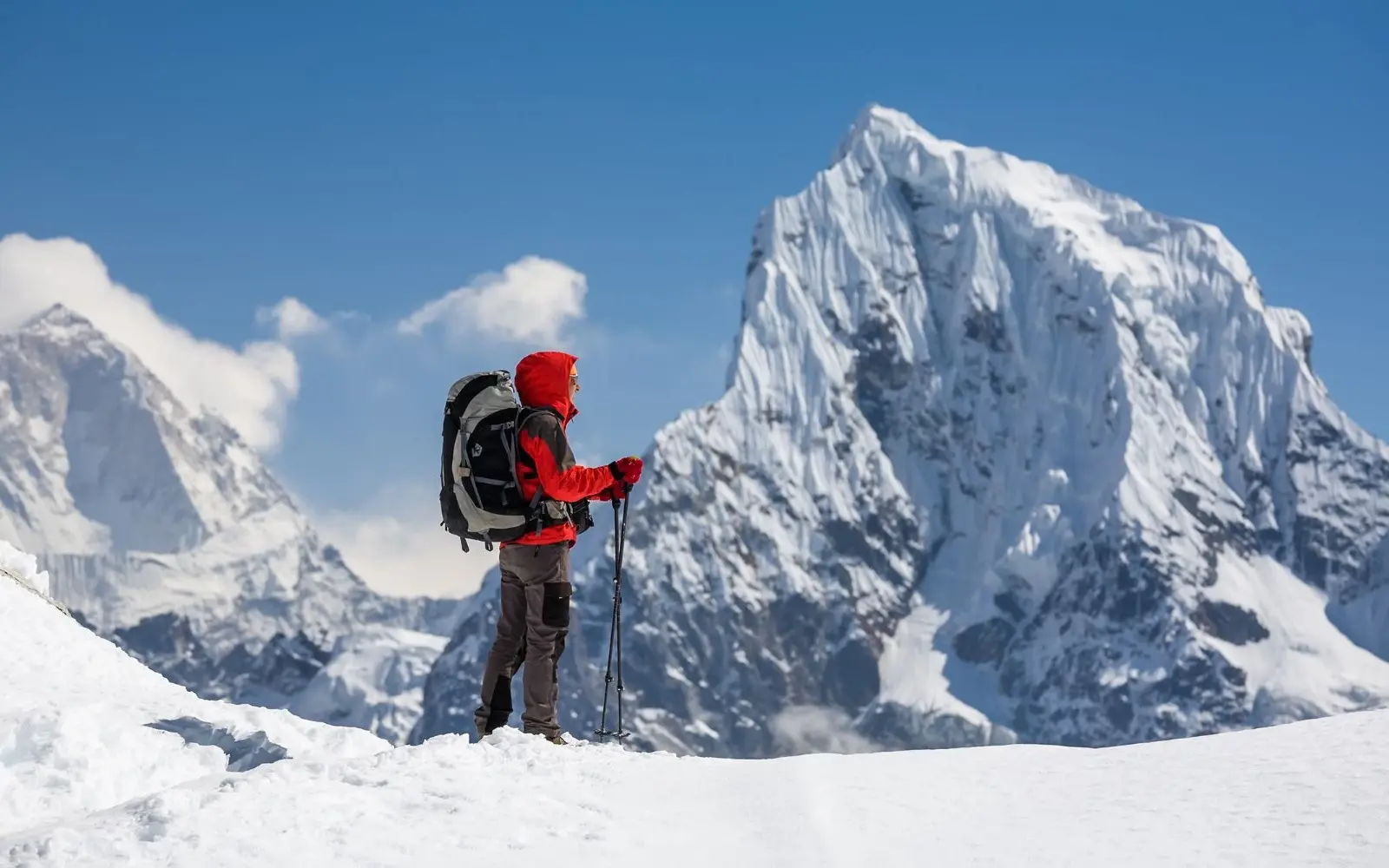

If you've been searching for the 3 Peaks Trek Nepal, you're likely looking for one of the most challenging and rewarding trekking experiences in the Himalayas. However, there's often some confusion around this term that we should clarify right from the start.
When most trekkers search for "3 Peaks Trek Nepal," they're actually referring to the Three Passes Trek (also known as the 3 Passes Trek or Three High Passes Trek)—an extraordinary circuit that crosses three legendary mountain passes in the Everest region:
This is not a peak climbing expedition but rather an advanced trekking route that takes you over three formidable high-altitude passes, each offering breathtaking panoramic views of the world's highest mountains.
That said, if you're genuinely interested in summiting three actual peaks in Nepal—such as Pokalde, Island Peak, and Lobuche Peak—we've included a dedicated section for that adventure later in this guide.
At Majestic Trails Nepal, we've guided hundreds of trekkers through both journeys. This comprehensive guide will help you understand exactly what awaits you on the 3 Peaks Trek Nepal and how to prepare for the adventure of a lifetime.
The Three Passes Trek is widely considered the ultimate trekking challenge in the Everest region. While the classic Everest Base Camp trek follows a single valley route, the Three Passes Trek creates a complete circuit that explores the region's most remote and spectacular landscapes.
| Detail | Information |
|---|---|
| Duration | 18-22 days (including travel days) |
| Maximum Altitude | 5,545m (Kala Patthar) / 5,535m (Kongma La Pass) |
| Total Distance | Approximately 160-170 km |
| Difficulty Level | Strenuous to Very Challenging |
| Starting Point | Lukla (2,840m) |
| Ending Point | Lukla (2,840m) |
| Best Season | Spring (March-May) & Autumn (September-November) |
The 3 Peaks Trek Nepal isn't just another trekking route—it's a journey that combines multiple iconic destinations into one epic adventure:
1. Three Legendary High Passes
Each pass presents its own unique challenges and rewards. From technical glacier crossings to steep moraines, you'll experience the full spectrum of Himalayan terrain.
2. Everest Base Camp
Stand at the foot of the world's highest mountain, surrounded by the Khumbu Icefall and the amphitheater of towering peaks.
3. Gokyo Lakes
Witness the ethereal turquoise waters of the sacred Gokyo Lakes, considered among the most beautiful high-altitude lake systems on Earth.
4. Multiple Viewpoints
Summit viewpoints like Kala Patthar, Gokyo Ri, and Chhukung Ri for unparalleled panoramas of Everest, Lhotse, Makalu, and Cho Oyu.
5. Remote Sherpa Villages
Experience authentic Sherpa culture in villages like Thame, Phortse, and Chhukung—far from the busier main trails.
Understanding each pass is crucial for your preparation. Let's explore what makes each one unique.
The Technical Challenge
Kongma La is often considered the most technically demanding of the three passes. The approach involves navigating rocky moraines and a short section that may require basic scrambling.
Highlights:
Challenge Level: Most difficult of the three passes due to the rocky, unstable terrain and steep sections.
The Glacier Crossing
Cho La offers the most dramatic scenery and includes a glacier crossing that requires careful navigation. This pass connects the Khumbu Valley with the Gokyo Valley.
Highlights:
Challenge Level: Moderate to difficult. Requires good weather conditions and may need crampons depending on snow conditions.
The Scenic Finale
Renjo La is often called the most scenic of the three passes, offering perhaps the finest panoramic view of Mount Everest and the surrounding giants.
Highlights:
Challenge Level: Moderate. Well-defined trail with steady ascent and descent.
Choosing the right time to attempt the Three Passes Trek is crucial for both safety and experience.
Rating: Excellent (Peak Season)
Autumn is considered the premier trekking season in Nepal, and for good reason:
Best Months: October and early November
Rating: Excellent
Spring offers its own unique advantages:
Best Months: April and early May
Rating: Challenging (Experienced Trekkers Only)
Winter trekking is possible but presents significant challenges:
Recommendation: Only for experienced high-altitude trekkers with proper cold-weather gear.
Rating: Not Recommended
The monsoon brings:
Recommendation: Avoid this period for the Three Passes Trek.
Below is our comprehensive 22-day itinerary for the Three Passes Trek, designed to maximize acclimatization and safety while capturing all the highlights.
Day 1: Arrival at Tribhuvan International Airport – Welcome to Nepal!
Day 2: Trek Preparation, Gear Check & Kathmandu Exploration (Optional)
Day 3: Fly to Lukla (2,840m) & Trek to Phakding (2,652m)
Day 4: Trek from Phakding to Namche Bazaar (3,440m)
Day 5: Acclimatization Hike to Everest View Hotel (3,880m)
Day 6: Namche to Tengboche (3,860m)
Day 7: Tengboche to Dingboche (4,410m)
Day 8: Dingboche to Chhukung (4,730m)
Day 9: Acclimatization Hike to Chhukung Ri (5,550m)
Day 10: Cross Kongma La Pass (5,535m) to Lobuche (4,910m)
Day 11: Trek to Everest Base Camp (5,364m) & Return to Gorakshep (5,180m)
Day 12: Hike to Kala Patthar (5,545m) & Trek to Dzongla (4,830m)
Day 13: Cross Cho La Pass (5,420m) & Trek to Dragnak (4,700m)
Day 14: Trek to Gokyo (4,790m)
Day 15: Hike to Gokyo Ri (5,360m) & Return to Gokyo Village
Day 16: Cross Renjo La Pass (5,360m) & Trek to Lunden (4,300m)
Day 17: Trek from Lunden (4,300m) to Thame (3,800m)
Day 18: Trek from Thame to Namche Bazaar (3,440m)
Day 19: Trek from Namche to Lukla (2,800m)
Day 20: Fly from Lukla to Kathmandu
Day 21: Buffer Day in Kathmandu – Reserved for Flight Delays or Rest
Day 22: Final Departure – Farewell to Nepal
Day 1: Arrive in Kathmandu
Day 2: Gear checks and sightseeing (optional)
Day 3: Fly to Lukla 2,860m, trek to Phakding 2,610m
Day 4: Trek to Namche Bazaar 3,440m
Day 5: Acclimatization in Namche
Day 6: Namche Bazaar to Phortse 3,950m via Mong La Pass 3,970m
Day 7: Phortse to Pheriche 4,270m via Pangboche 3,985m
Day 8: Rest/acclimatization day
Day 9: Pheriche to Lobuche 4,800m
Day 10: Rest/acclimatization
Day 11: Trek to Everest Base Camp 5,300m
Day 12: Descend to Lobuche Base Camp 4,800m
Day 13: Move to Lobuche East High Camp 5,400m
Day 14: Summit Lobuche East 6,119m & return to Base Camp
Day 15: Lobuche Base Camp to Pokalde High Camp 5,500m via Kongma La 5,535m
Day 16: Climb Pokalde 5,806m, descend to Chhukung 4,730m
Day 17: Rest/contingency day
Day 18: Chhukung to Island Peak Base Camp 4,970m
Day 19: Summit Island Peak 6,189m
Day 20–26: Descend to Lukla and Kathmandu, with contingency days
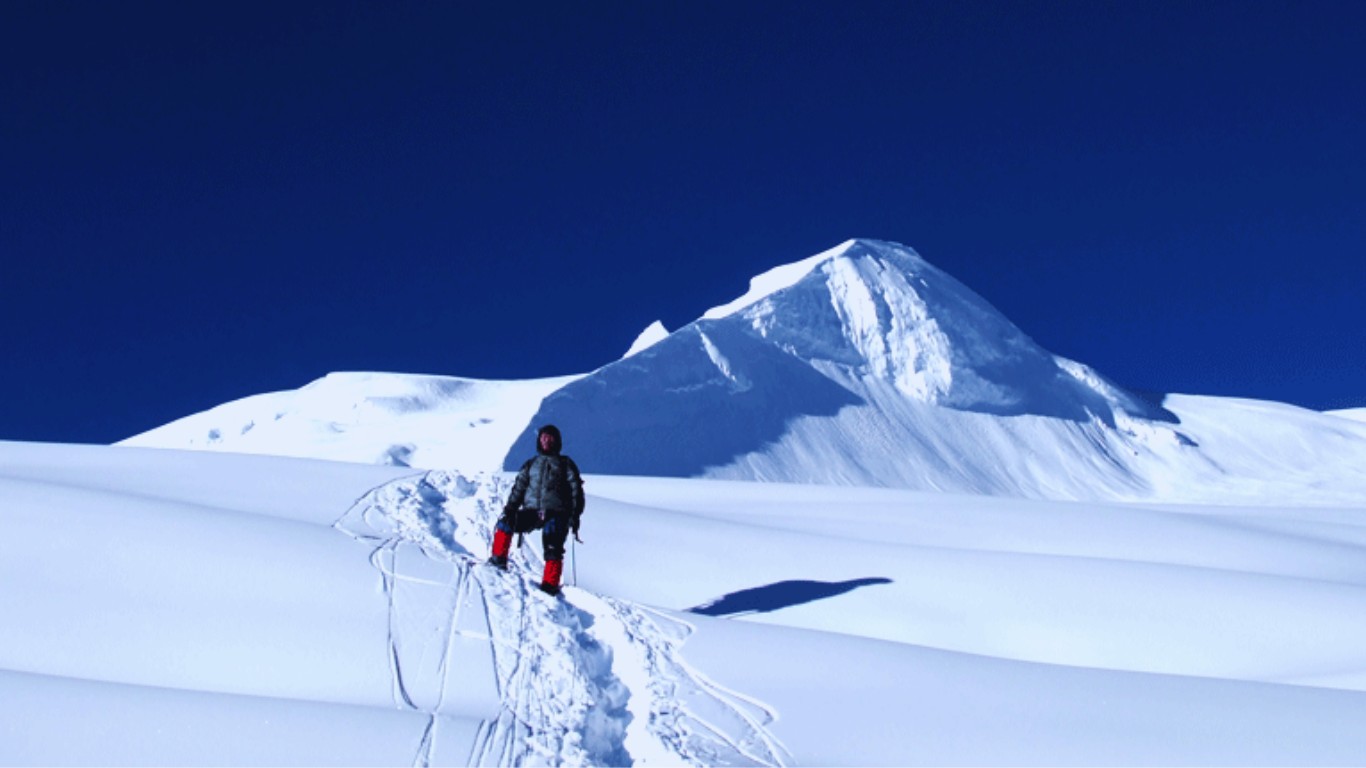
While most trekkers searching for "3 Peaks Trek Nepal" are looking for the Three Passes Trek described above, some adventurers truly want to summit three actual peaks in the Himalayas.
If that's you, Majestic Trails Nepal offers the Three Peaks Summit Expedition, combining three of Nepal's most popular climbing peaks:
This is a mountaineering expedition, not a standard trek. Requirements include:
| Requirement | Details |
|---|---|
| Experience | Previous high-altitude trekking (ideally above 5,500m) |
| Fitness Level | Excellent cardiovascular fitness and strength |
| Technical Skills | Basic mountaineering (rope work, crampon use, ice axe) |
| Training | We provide pre-climb training, but basic familiarity helps |
| Climbing Permit | Required for each peak (included in package) |
| Insurance | Comprehensive mountaineering insurance mandatory |
Days 1-2: Arrival and Preparation in Kathmandu
Days 3-5: Trek to Namche Bazaar
Days 6-8: Approach and Acclimatization
Days 9-11: Higher Altitude Acclimatization
Days 12-14: First Summit – Lobuche East (6,119m)
Alt text for image: "Climber ascending the snowy ridge of Lobuche East Peak with sunrise colors"
Days 15-16: Second Summit – Pokalde Peak (5,806m)
Day 17: Rest and Contingency Day
Days 18-19: Third Summit – Island Peak (6,189m)
Days 20-26: Descent and Return
| Aspect | Three Passes Trek | Three Peaks Summit Trek |
|---|---|---|
| Type | Trekking | Mountaineering Expedition |
| Duration | 18-22 days | 24-28 days |
| Highest Point | 5,550m (Chhukung Ri) | 6,189m (Island Peak) |
| Technical Skill | None required | Basic climbing skills required |
| Permits | Standard trekking permits | Trekking + Climbing permits |
| Cost | Moderate | Higher (climbing equipment, guides) |
| Physical Demand | Very High | Extreme |
| Risk Level | Low to Moderate | Moderate to High |
Interested in the Three Peaks Summit Expedition? Contact Majestic Trails Nepal for customized itineraries and expedition details.
Understanding the permit requirements is essential for planning your trek.
1. Sagarmatha National Park Entry Permit
2. Khumbu Pasang Lhamu Rural Municipality Entry Permit
If you're attempting the Three Peaks Summit Trek:
Note: Majestic Trails Nepal handles all permit arrangements as part of our comprehensive packages.
The 3 Peaks Trek Nepal demands serious physical preparation. This is one of the most challenging treks in the Himalayas, and proper fitness will significantly enhance your experience.
Begin training at least 3-4 months before your trek:
Weekly Training Schedule:
Target: You should comfortably be able to hike 8-10 hours with a 10-15 kg backpack before departure.
Focus on these key muscle groups:
Recommended: 2-3 strength training sessions per week.
There's no substitute for actual hiking:
If you can access high altitude before your trek:
Proper equipment is crucial for safety and comfort on the Three Passes Trek.
Base Layer:
Mid Layer:
Outer Layer:
Lower Body:
Safety is our top priority at Majestic Trails Nepal. Understanding the risks and precautions will help ensure a successful journey.
Acute Mountain Sickness (AMS) is the primary safety concern on the 3 Peaks Trek Nepal.
Prevention Strategies:
Warning Signs (Descend if experiencing):
Weather can change rapidly at high altitude:
Majestic Trails Nepal ensures:
Maximize your experience with these practical tips from our experienced guides.
The Three Passes Trek includes Everest Base Camp but extends the journey to cross three high passes (Kongma La, Cho La, and Renjo La) and visit the Gokyo Lakes region. It's significantly more challenging and takes about a week longer than the classic EBC trek.
The Three Passes Trek is rated as strenuous to very challenging. It requires excellent fitness, mental resilience, and the ability to trek at high altitudes for extended periods. Previous high-altitude trekking experience is strongly recommended.
While technically possible, we recommend that trekkers have prior multi-day trekking experience and excellent fitness. First-time trekkers might consider the Everest Base Camp trek as preparation for the Three Passes in a future season.
With proper acclimatization and favorable weather, the success rate is approximately 85-90%. Weather is the main factor that can prevent pass crossings, which is why we build contingency days into our itinerary.
For the Three Passes Trek (trekking only): No technical climbing experience is required. For the Three Peaks Summit Trek (actual peak climbing): Basic mountaineering skills are necessary, though we provide training.
We strongly recommend trekking with a guide on this route due to remote sections, navigation challenges on the passes, and altitude risks. Solo trekking increases risk significantly.
Our guides monitor weather closely and may adjust the schedule. We have contingency days built in for this purpose. If a pass remains impassable, alternative routes can be arranged, though this may affect the total number of passes crossed.
Budget varies based on service level. Contact Majestic Trails Nepal for current pricing and package options.
At Majestic Trails Nepal, we bring over 15 years of experience guiding trekkers through the Himalayan wilderness. Our Three Passes Trek packages include:
✅ Expert Sherpa Guides: All guides are licensed, first-aid certified, and intimately familiar with the route
✅ Proper Acclimatization: Scientifically designed itineraries for maximum safety
✅ Small Group Sizes: Personalized attention and flexibility
✅ All Permits Included: We handle all bureaucratic requirements
✅ Quality Accommodations: Best available teahouses along the route
✅ Safety Equipment: Satellite phones, first aid kits, and emergency protocols
✅ 24/7 Support: Our Kathmandu office is always available for assistance
✅ Customizable Itineraries: Adjust to your pace and interests
Ready to embark on the adventure of a lifetime?
Book Your Three Passes Trek Today →
View All Everest Region Treks →
Contact Us for Custom Itineraries →
The 3 Peaks Trek Nepal—whether you're crossing the legendary three passes or summiting three actual peaks—represents one of the most transformative adventures available in the Himalayas.
From the first glimpse of Everest to the triumphant moment of crossing your third high pass, this journey will challenge your limits and reward you with memories that last a lifetime. The Khumbu region's combination of stunning landscapes, warm Sherpa hospitality, and profound mountain spirituality creates an experience unlike any other on Earth.
At Majestic Trails Nepal, we're honored to guide adventurers like you through these sacred mountains. Whether you're ready to book your trek or simply want to learn more, we're here to help you plan the perfect Himalayan experience.
The mountains are calling. Will you answer?
Trekking to Annapurna Base Camp Trek is one of Nepal’s most iconic mountain journeys. For mountaineers, the climb begins here, but for trekkers, Annap...
The Annapurna Circuit Trek is one of the world’s most legendary long-distance treks — a journey that circles the Annapurna massif through Nepal’s most...
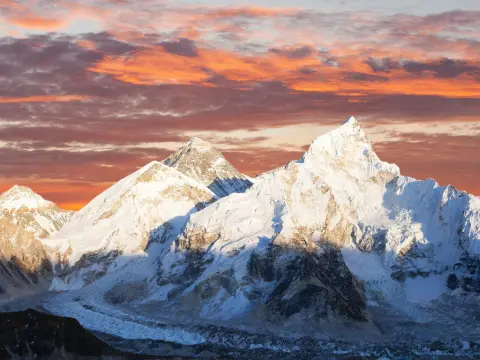
Nepal is a country defined by mountains. Stretching across the country’s northern edge, the Himalayas pack Earth’s highest peaks into one nation. Eigh...
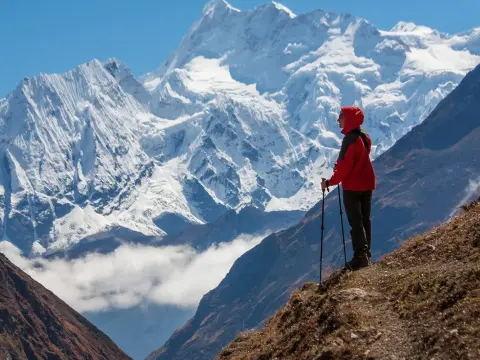
Introduction: Why Nepal is Perfect for Budget TrekkingNepal has long been celebrated as one of the world's premier trekking destinations, but what man...
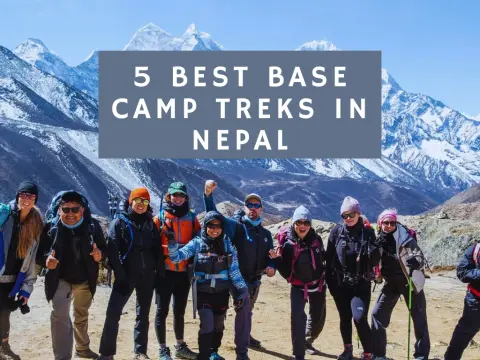
The first rays of dawn strike the summit of an 8,000-meter giant. Your breath forms clouds in the crisp mountain air. Below your feet, ancient glacier...
