
Best Time to Trek in Nepal
17 Jan 2026
Let's cut straight to it. Autumn, specifically September through November, is the best time to trek in Nepal. Spring runs a very close second, coverin...

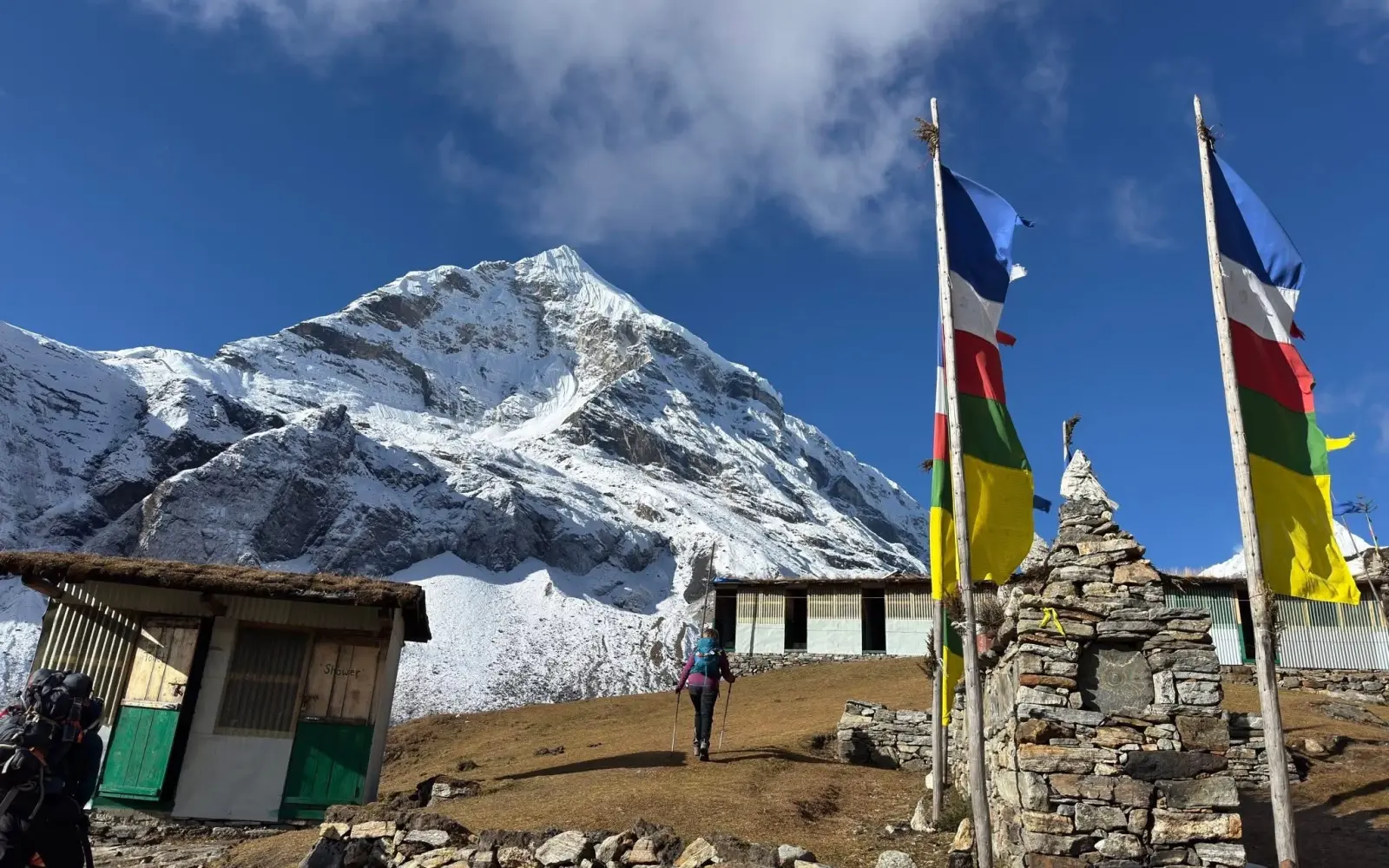

There's a moment on the Makalu Base Camp trek that stays with every trekker forever—standing at 4,870 meters, watching the sun ignite the south face of the world's fifth-highest peak while the ancient Barun Glacier creaks and groans below. Unlike the crowded trails of Everest or Annapurna, you might be the only witness to this spectacle for miles.
Choosing the best time to trek Makalu Base Camp isn't just about avoiding rain or cold. It's about understanding how this remote corner of eastern Nepal transforms with each season, and which version of Makalu will match your trekking dreams. As a Nepal-based trekking company that has guided countless expeditions through the Barun Valley, we've learned that timing your Makalu adventure correctly can mean the difference between an unforgettable wilderness experience and a challenging struggle against the elements.
While popular routes like the Manaslu Circuit Trek see hundreds of trekkers daily during peak season, Makalu remains Nepal's best-kept secret—raw, wild, and demanding of respect. This guide shares what we've learned from years of boots-on-ground experience in this extraordinary region.
The Makalu Base Camp altitude reaches 4,870 meters (15,978 feet), but the journey there takes you through dramatically different climate zones:
| Altitude Zone | Elevation Range | Climate Characteristics |
|---|---|---|
| Subtropical | 800m – 2,000m | Warm, humid, dense forests |
| Temperate | 2,000m – 3,000m | Rhododendron forests, moderate temperatures |
| Subalpine | 3,000m – 4,000m | Sparse vegetation, cooler nights |
| Alpine | 4,000m – 4,870m | Glacial terrain, extreme temperature swings |
What makes Makalu's climate unique is the Barun Valley's east-facing orientation. Morning clouds often build earlier here than in western Nepal, and the valley acts as a funnel for monsoon moisture rolling in from the Bay of Bengal.
During our spring treks, we've watched temperatures at base camp swing from -10°C at night to 15°C by midday. The Barun Valley ecosystem creates its own microclimate—mornings typically dawn crystal clear, while afternoon clouds roll up the valley by 2 PM. This pattern holds remarkably consistent from late September through early November, making afternoon photography challenging but sunrise moments absolutely pristine.
The Barun Valley trek section of the route passes through one of Nepal's most biodiverse protected areas. We've encountered red pandas in the lower forests during autumn and watched lammergeiers soaring above the glacial moraine in spring—experiences that depend entirely on timing your trek correctly.
Temperature Range: -5°C to 18°C (lower elevations) | -15°C to 10°C (base camp)
Spring represents the ideal season for Makalu trek for most trekkers, and for good reason.
Trail Conditions:
The winter snow begins melting from lower elevations in early March, though higher passes may retain snow until mid-April. Trails are generally stable but can be muddy in the rhododendron forests between 2,500m and 3,500m.
Visibility:
March offers exceptional clarity, with Makalu's summit visible for extended periods. By late April, pre-monsoon haze begins building, though mornings remain spectacular. May becomes increasingly cloudy by afternoon, with occasional pre-monsoon showers.
Crowd Level:
Even during peak spring season, you'll encounter perhaps 5-10 other trekking groups over a two-week period. Compare this to hundreds daily on the Everest Base Camp trail.
Best For:
Pros:
Cons:
Temperature Range: 10°C to 25°C (lower elevations) | -5°C to 12°C (base camp)
We'll be direct: summer is not recommended for the Makalu Base Camp trek. However, understanding why helps you appreciate what makes other seasons superior.
Trail Conditions:
The Barun Valley receives heavy monsoon precipitation. Trails become dangerously slippery, river crossings can be impassable, and landslides occasionally block routes. The leeches in lower forests become particularly aggressive during this period.
Visibility:
Mountains remain hidden behind clouds for days at a time. You might complete the entire trek without seeing Makalu's summit clearly.
Crowd Level:
Virtually no trekkers attempt this route during monsoon.
Best For:
Honestly, no one—unless you're conducting research that specifically requires monsoon conditions.
Pros:
Cons:
Temperature Range: 5°C to 20°C (lower elevations) | -12°C to 8°C (base camp)
Autumn represents the peak Makalu trekking season and is when we most frequently guide expeditions to base camp.
Trail Conditions:
Post-monsoon trails are well-settled, with minimal mud and stable river crossings. By October, conditions become optimal—dry, firm paths with excellent footing.
Visibility:
This is Makalu at its most photogenic. The monsoon washes the atmosphere clean, resulting in unparalleled mountain clarity. We've witnessed days when you can count individual seracs on Makalu's summit glacier from base camp.
Crowd Level:
Autumn sees perhaps twice the trekkers of spring—which still means remarkable solitude. You might share a teahouse with one other group rather than having it to yourself.
Best For:
Pros:
Cons:
Temperature Range: -5°C to 12°C (lower elevations) | -25°C to 0°C (base camp)
Winter Makalu is for serious mountaineers and cold-weather specialists only.
Trail Conditions:
Heavy snow typically blocks higher sections from late December through February. Some years, even the approach villages become difficult to access.
Visibility:
Paradoxically, winter offers the clearest air—when you can reach vantage points. The challenge is getting there.
Crowd Level:
You will likely see no other trekkers.
Best For:
Pros:
Cons:
| Factor | Spring (Mar-May) | Monsoon (Jun-Aug) | Autumn (Sep-Nov) | Winter (Dec-Feb) |
|---|---|---|---|---|
| Weather Stability | ★★★★☆ | ★☆☆☆☆ | ★★★★★ | ★★★☆☆ |
| Mountain Visibility | ★★★★☆ | ★☆☆☆☆ | ★★★★★ | ★★★★★ |
| Trail Conditions | ★★★★☆ | ★★☆☆☆ | ★★★★★ | ★★☆☆☆ |
| Temperature Comfort | ★★★★★ | ★★★☆☆ | ★★★★☆ | ★★☆☆☆ |
| Crowd Level | Low | None | Low-Moderate | None |
| Overall Rating | Excellent | Not Recommended | Best | Specialists Only |
Our Verdict: For most trekkers, mid-October to mid-November represents the single best time to trek Makalu Base Camp. However, late March through April offers a compelling alternative with warmer temperatures and rhododendron blooms.
The journey to Makalu Base Camp follows one of Nepal's most remote trekking corridors. Unlike the well-mapped highways of Everest, this route requires genuine wilderness navigation skills.
Your adventure begins with a dramatic flight from Kathmandu to Tumlingtar (497m), a small airstrip in eastern Nepal. From here, the route unfolds:
Tumlingtar → Num Village → Seduwa → Tashi Gaon → Khongma → Dobate → Yangri Kharka → Langmale → Makalu Base Camp
The trail passes through three distinct landscapes:
What makes this route unique is its complete absence of infrastructure beyond basic teahouses. There are no permanent settlements above Khongma, and the trail beyond Yangri Kharka follows glacial moraines that shift with the seasons. A detailed Makalu Base Camp trek map becomes essential, though local guides remain invaluable for navigating sections where trails disappear entirely.
The remoteness is both the challenge and the reward. We've led groups who've spent ten days on the trail without seeing another foreign trekker—an experience increasingly rare in Nepal.
Let's address a common online search directly: the Makalu Base Camp trek itinerary 7 days version exists, but it requires specific conditions:
A realistic 7-day rapid itinerary might look like:
| Day | Route | Altitude |
|---|---|---|
| 1 | Kathmandu → Tumlingtar → Helicopter to Yangri Kharka | 3,557m |
| 2 | Yangri Kharka → Langmale | 4,410m |
| 3 | Langmale → Makalu Base Camp | 4,870m |
| 4 | Base Camp exploration / acclimatization | 4,870m |
| 5 | Makalu Base Camp → Langmale | 4,410m |
| 6 | Langmale → Helicopter pickup | Variable |
| 7 | Return to Kathmandu | 1,400m |
This Makalu Base Camp trek short itinerary is expensive (helicopter charters run $3,000-4,000+) and carries altitude sickness risk. We recommend it only for returning trekkers who've previously completed the full route.
For genuine immersion in the Makalu experience and safe acclimatization, plan for 15-18 days:
Days 1-4: Tumlingtar to Khongma (gradual ascent through villages)
Days 5-7: Khongma to Yangri Kharka (entering high altitude zone)
Days 8-10: Yangri Kharka to Makalu Base Camp (with acclimatization)
Days 11-12: Base camp exploration and optional higher viewpoints
Days 13-17: Return journey (faster descent)
Day 18: Buffer day for weather delays
This pacing allows your body to adapt properly while experiencing the full spectrum of Makalu's landscapes.
The Makalu Base Camp trek cost for Nepali citizens is substantially lower than for foreign nationals, primarily due to permit fee differences.
| Permit Type | Nepali Citizens | Foreign Nationals |
|---|---|---|
| Makalu-Barun National Park Entry | NPR 100 | NPR 3,000 |
| Conservation Area Permit | NPR 500 | NPR 2,000 |
| TIMS Card | NPR 600 | NPR 1,000 |
For a standard 15-18 day trek from Kathmandu:
Estimated total for Nepali trekkers: NPR 50,000 - 90,000 (budget to standard comfort)
The cost reflects Makalu's remoteness—supplies must be portered for days to reach upper lodges, and food prices increase dramatically above Khongma. This is not a budget trek regardless of nationality.
For our full Makalu Base Camp Trek package, we provide transparent pricing that includes all permits, logistics, and experienced local guides.
Both routes offer wilderness experiences beyond the Everest and Annapurna crowds, but they suit different trekker profiles.
| Factor | Makalu Base Camp | Manaslu Circuit |
|---|---|---|
| Maximum Altitude | 4,870m (Base Camp) | 5,160m (Larkya La Pass) |
| Total Trekking Days | 15-18 days | 12-16 days |
| Technical Difficulty | Moderate-Difficult | Moderate |
| Infrastructure | Very Basic | Basic (improving) |
| Permit Restrictions | National Park Entry | Restricted Area Permit Required |
| Daily Trekkers (Peak Season) | 5-15 | 50-100 |
| Physical Fitness Required | High | Moderate-High |
| Best Season | Oct-Nov, Mar-Apr | Sept-Nov, Mar-May |
Choose Makalu if you:
Choose Manaslu if you:
Both routes offer exceptional value compared to overcrowded alternatives. Our teams guide both treks regularly, and we're happy to discuss which better matches your experience level and goals.
The Makalu Base Camp trek photos you'll capture here differ fundamentally from other Nepal treks. This is a place of raw, unmanicured beauty.
Barun Glacier Moraine (4,500m - 4,870m)
The glacier's lateral moraine offers constantly shifting perspectives on Makalu's south face. The interplay of ice, rock, and sky creates abstract compositions impossible elsewhere.
Shipton La Viewpoint
If conditions permit exploration above base camp, the views toward Everest, Lhotse, and the entire Makalu massif defy description.
Barun Valley Forests (2,500m - 3,500m)
Ancient rhododendron forests draped in moss create ethereal atmosphere, particularly in spring bloom or autumn mist.
Makalu South Face
The primary subject—Makalu's 2,000-meter south face rising directly above base camp. Dawn light transforms this wall through pink, orange, gold, and finally brilliant white.
Practical Photography Notes:
Having guided dozens of Makalu expeditions, here's what we wish every trekker knew before arriving:
Makalu's remoteness means evacuation is difficult and expensive. Unlike Everest region where helicopter rescue is routine, Makalu Base Camp sits at the edge of feasible helicopter access. We build rest days into every itinerary—please don't ask to skip them.
We've experienced sudden snowstorms in October that trapped groups for days. Always carry emergency supplies and accept that flexibility is essential. The return flight from Tumlingtar cancels frequently; always have buffer days before international flights.
While technically non-technical, the altitude, remoteness, and basic infrastructure make Makalu unsuitable for first-time trekkers. We recommend completing at least one trek above 4,000m before attempting Makalu.
Eight-hour walking days over rough terrain at altitude demand genuine cardiovascular fitness. Begin training at least 2-3 months before your trek with cardio emphasis and ideally altitude simulation if available.
Weather forecasts become unreliable beyond a day or two. Our guides read clouds, wind patterns, and seasonal signs that no app can match. When they recommend an early start or a rest day, trust their experience.
Winter (December–February) is extremely challenging due to heavy snowfall, closed teahouses, and temperatures dropping to -25°C at Makalu Base Camp. Only highly experienced trekkers with full camping gear and winter expedition skills should consider trekking during this season.
Makalu Base Camp is not suitable for beginners. The remote trails, high altitude, and limited infrastructure require prior trekking experience above 4,000 meters. First-time trekkers should consider routes like Langtang Valley, Annapurna Circuit, or Manaslu Circuit Trek as preparation.
Nighttime temperatures typically range from -10°C to -15°C in autumn, and can drop below -20°C in late November or winter. A four-season sleeping bag rated to -20°C is essential for safety and comfort.
Although not legally mandatory, hiring a guide is strongly recommended. Trails become poorly marked above Khongma La, rescue services are distant, and a local guide significantly improves safety, navigation, and cultural understanding.
You need a Makalu-Barun National Park Entry Permit, TIMS card, and conservation-related permits (if applicable). These can be arranged easily in Kathmandu or through your trekking agency.
After years of guiding this route, we return to the fundamental question: when is the best time to trek Makalu Base Camp?
For most trekkers, the answer is clear: mid-October through mid-November offers the optimal combination of stable weather, clear mountain views, and manageable temperatures. The monsoon has washed the atmosphere clean, trails are firm, and Makalu reveals itself in crystalline perfection.
Late March through mid-April provides an excellent alternative, particularly for those who prefer warmer temperatures and want to witness the rhododendron bloom transforming the Barun Valley.
Whichever season you choose, Makalu rewards those who come prepared—physically fit, properly equipped, and flexible enough to work with the mountain's rhythms rather than against them.
This is Nepal's wildest major trekking destination, and it demands respect. But for those willing to meet it on its own terms, Makalu Base Camp offers something increasingly rare in our connected world: genuine wilderness, earned through effort, far from the crowds.
Ready to plan your Makalu adventure? Explore our Makalu Base Camp Trek options or contact our team to discuss the ideal timing for your expedition.

Let's cut straight to it. Autumn, specifically September through November, is the best time to trek in Nepal. Spring runs a very close second, coverin...

The Langtang Valley Trek is one of Nepal’s most rewarding trekking adventures—less crowded than Everest or Annapurna, yet rich in culture, biodiversit...
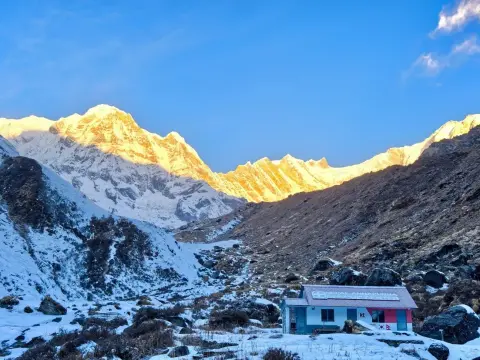
The Annapurna Base Camp trek stands among the world's most iconic Himalayan adventures. Every year, thousands of trekkers from across the globe journe...
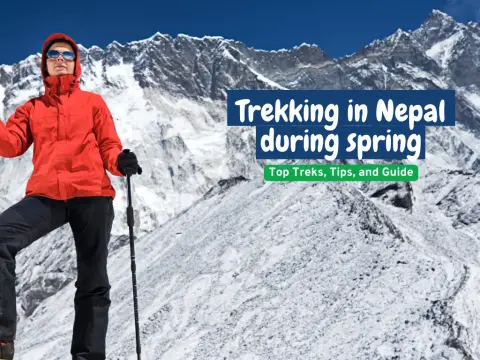
Introduction: Why Spring is Nepal's Golden Season for TrekkersSpring in Nepal is a season of renewal, a time when the Himalayas awaken from their wint...
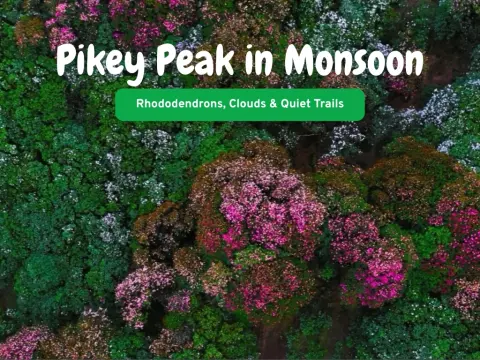
Solukhumbu is synonymous with Mount Everest, but beyond the famous peak lie quieter, magical destinations that often get overlooked. One such gem is P...
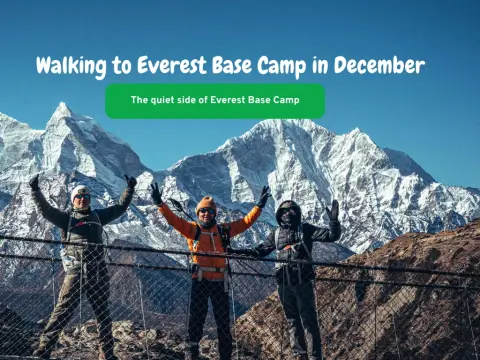
IntroductionNepal — the final destination for every mountaineer. A place where almost everyone dreams of going at least once in their lifetime. To see...
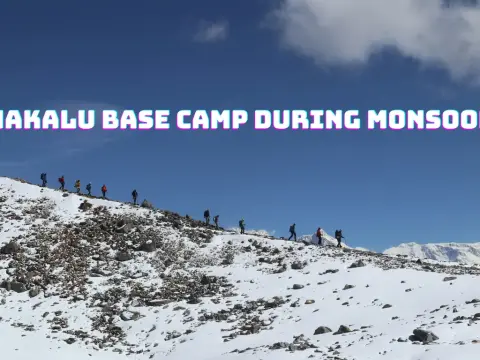
Makalu Base Camp Trek in the monsoon offers one of Nepal’s most remote and raw trekking experiences. Located inside Makalu Barun National Park, named...
The Annapurna Circuit Trek is one of the world’s most legendary long-distance treks — a journey that circles the Annapurna massif through Nepal’s most...
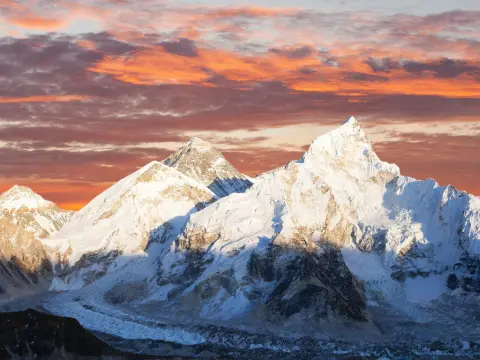
Nepal is a country defined by mountains. Stretching across the country’s northern edge, the Himalayas pack Earth’s highest peaks into one nation. Eigh...
